The recent meeting of the foreign ministers of Denmark and Greenland with United States Vice President J.D. Vance and the head of American diplomacy Marco Rubio confirmed what has long been clear: there is no convergence around the claims of the Trump administration for the annexation of Greenland. As Danish Foreign Minister Lars Lokke Rasmussen stated bluntly, the “fundamental disagreement” remains. And it could not be otherwise. Donald Trump’s obsession with the annexation of Greenland is not due to negotiating dead ends, nor to insurmountable strategic needs of the United States. On the contrary, almost all the arguments invoked by Washington, military presence, control of critical minerals, containment of China and Russia, are already negotiable and to a large extent implementable within the existing framework. The fact that the crisis persists reveals the real motive: domination and ownership as an end in itself.
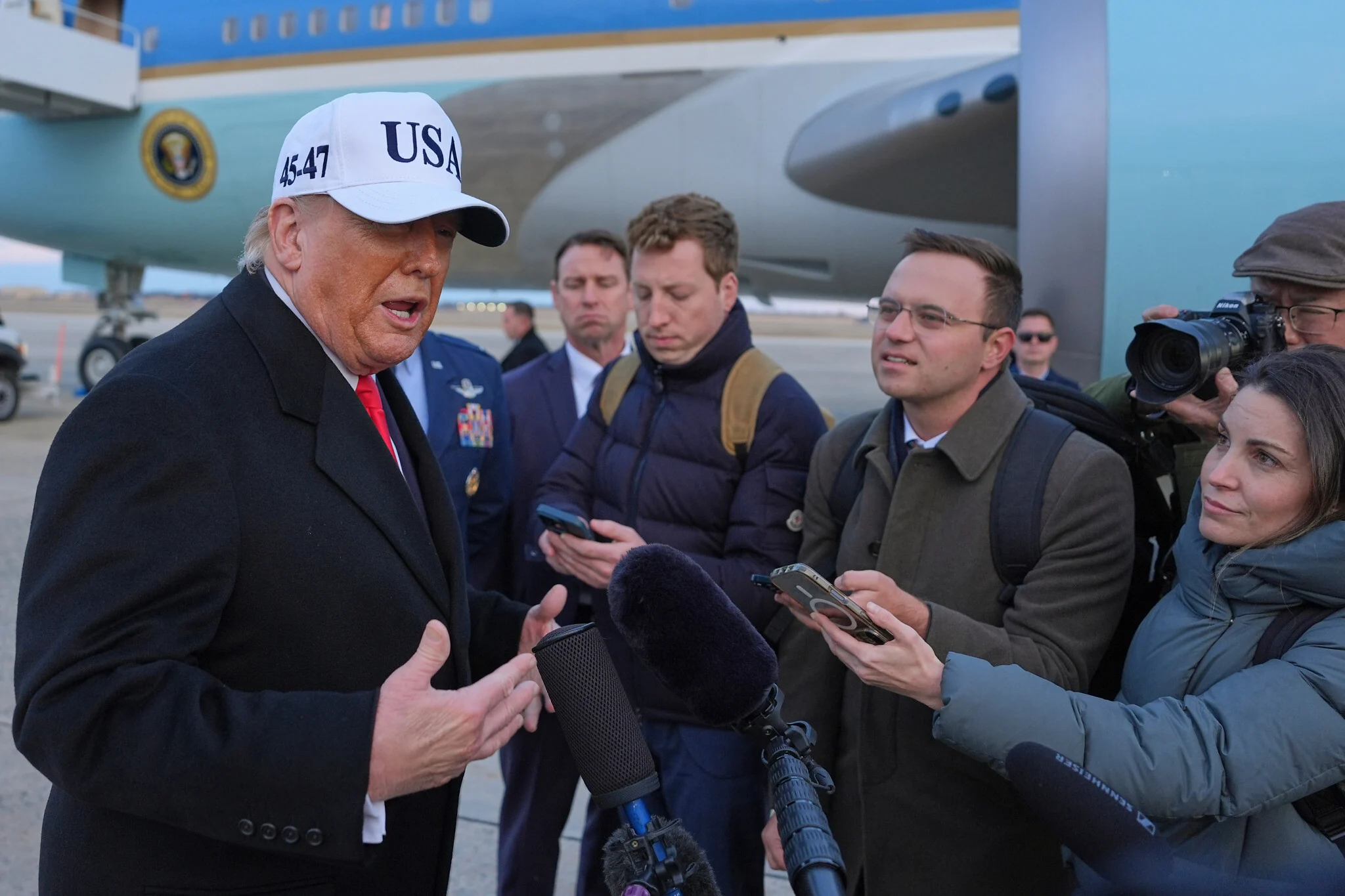
“National security” is a pretext and not a goal
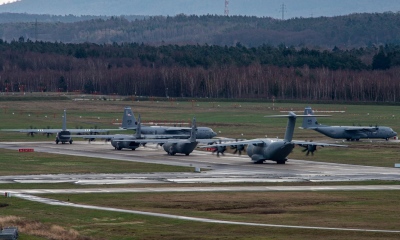
If Trump were truly interested in the security of the United States in the Arctic, he would have already achieved his goals. Since 1951, the United States, through the defense agreement with Denmark, has had the right to a military presence in Greenland, including bases and troops, recalls the author and geopolitical analyst Sam Fraser. The paradox is that the American presence was reduced at the initiative of the United States after the Cold War. Moreover, both Denmark and Greenland have repeatedly stated that they are open to strengthening the American military presence without any change of status. The same applies to the fear of Chinese or Russian penetration. There is no evidence that Russian or Chinese warships are “besieging” Greenland, as Trump claims, while the Greenlandic government itself is already cooperating with the United States to block Chinese investments in critical infrastructure. The invocation, therefore, of “national security” functions not as a strategic necessity, but as a political fig leaf.
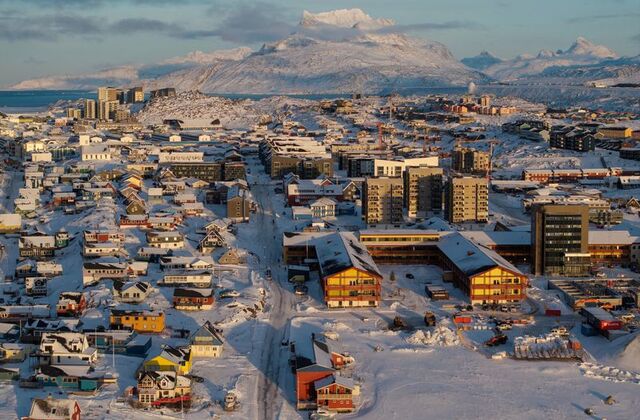
Trump and the vision of imperial legacy
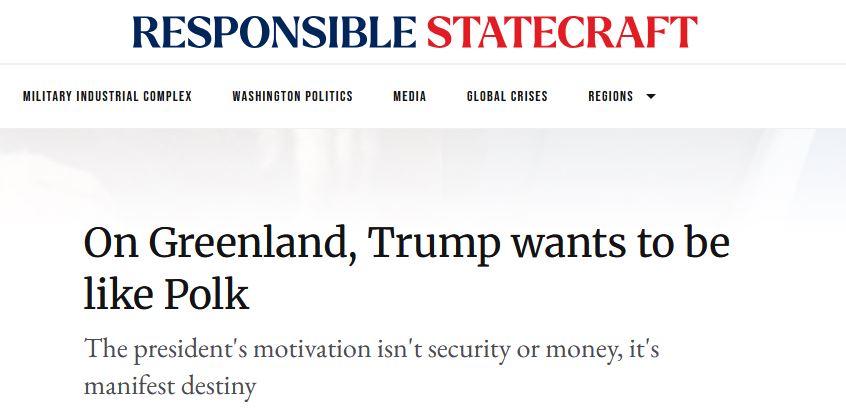
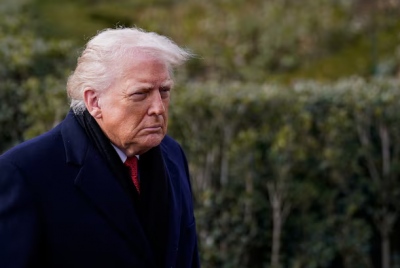
To understand Trump’s obsession with Greenland, it must be examined not as a policy choice, but as a historical ambition. From his first inauguration, he has proclaimed his intention to make the United States “a nation that expands again”. This is not rhetorical exaggeration. His deliberate reference to President James K. Polk, the man who doubled the size of the United States through war against Mexico, is not accidental. It is a declaration of intent. Trump himself has described Greenland as “a massive real estate” and its potential acquisition as a historic achievement that would secure his place in the pantheon of presidents. In this logic, Greenland is neither an ally, nor a people, nor an autonomous political entity. It is a trophy. A piece of the map that could be redrawn with his name. An achievement worthy, in his own perception, even of Mount Rushmore.
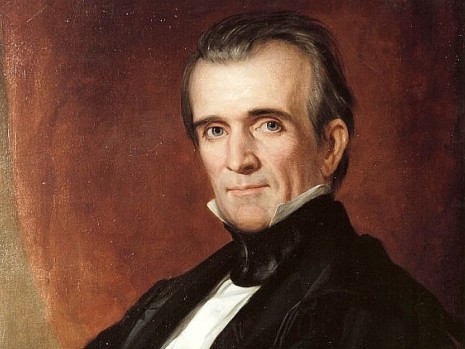
The dangerous normalization of expansionism
The greatest risk inherent in the international discussion around Greenland is not the possibility of annexation itself, but the legitimization of the logic that accompanies it. When public debate is limited to whether Trump’s security arguments are valid or not, the essential point is lost: even if they were valid, they would never justify the annexation of allied territory through coercion. The idea that a great power can invoke its “national security” to violate self determination, sovereignty, and international treaties of decades constitutes a direct threat to the international order. And if this is accepted in the case of Greenland, there is no guarantee it will not be repeated elsewhere.
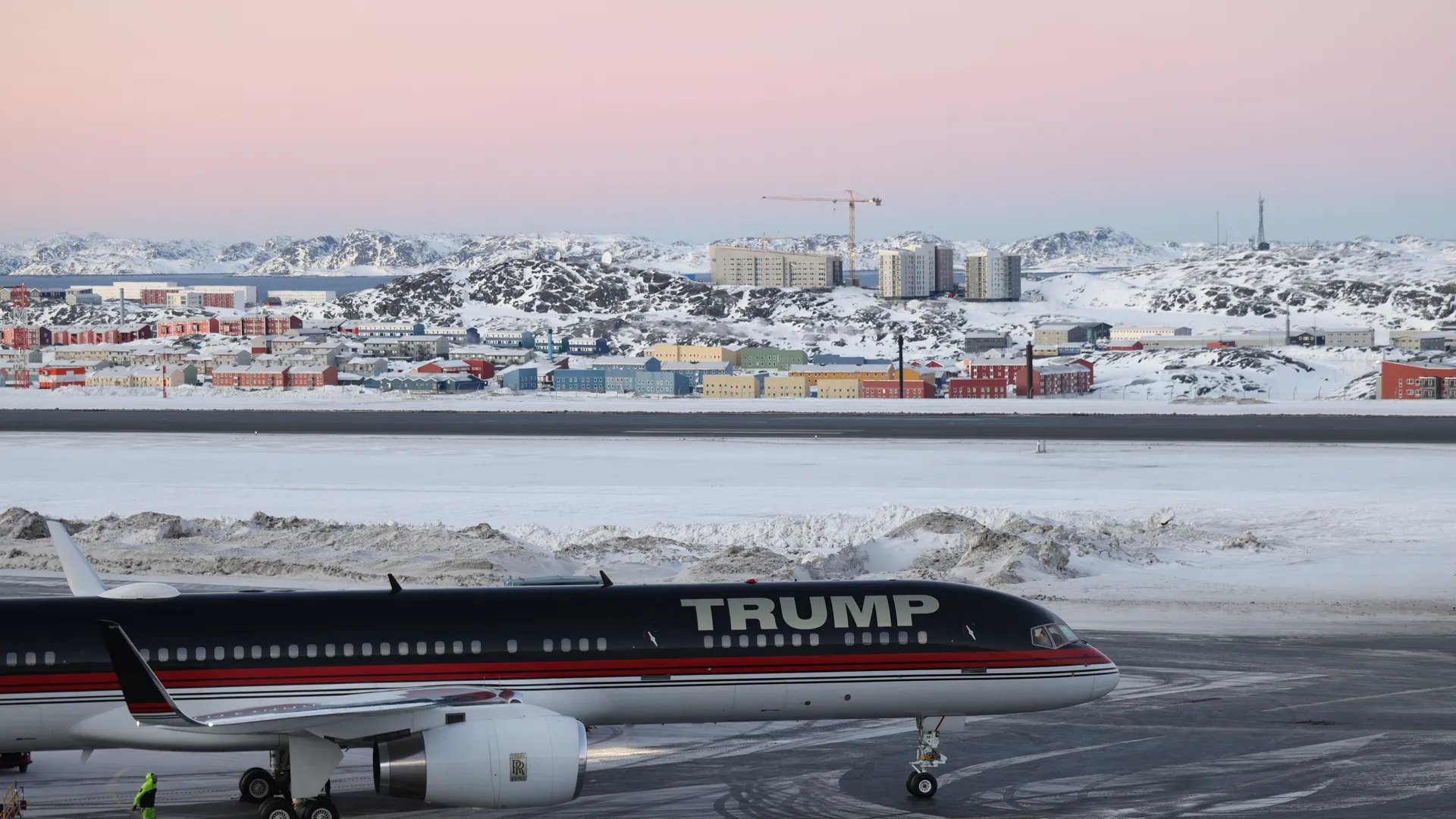
What may happen and why the danger remains
It is possible that Trump may be tactically forced to retreat. Internal reactions, fractures in Congress, fear of the dissolution of transatlantic relations, or simply a new crisis may distract him. He may settle for an enhanced military presence and mining agreements, presenting them as a “victory”. But no one can rely on this. He himself has made it clear that acquiring Greenland is an end in itself. An act of imposing will upon History. And as long as he perceives his power as almost unlimited, the threat of coercion, diplomatic or even military, will remain active, explains Fraser.
Test of principles
The case of Greenland is not a picturesque episode of megalomania. It is a test of principles. If the international community, the allies of the United States, and American citizens themselves do not draw a clear red line around concepts such as territorial integrity and self determination, then Greenland could constitute a dangerous precedent. Trump does not ask for Greenland because he needs it. He asks for it because he can, or believes that he can. And this is precisely what makes the issue so serious.
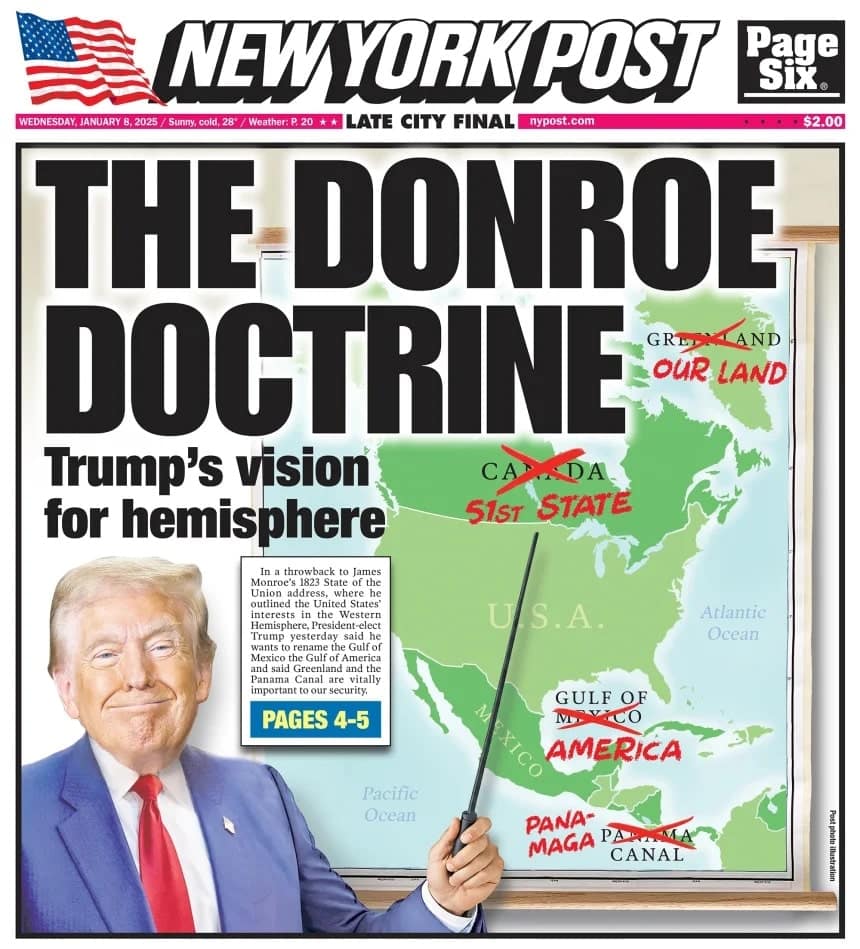
Trump wants to expand the United States, Greenland is the first step
In conclusion, the Greenland affair is not an eccentricity of the Trump presidency, nor a negotiating exaggeration that will be forgotten. It is something much deeper and much more dangerous: the open return of an imperial conception of power, where borders are not the result of law, but of force, and where sovereignty does not derive from peoples, but from the will of the stronger. Polk is not a symbol of diplomacy; he is a symbol of conquest. He is the president who expanded the United States through war, disregarding international law and the cost in human lives. Greenland, in this logic, is not a geopolitical hub. It is a vast area on the map that can be painted with the colors of the United States. An achievement that will be written in capital letters in school textbooks. A personal monument of megalomania. The comparison with a “real estate deal” is not merely offensive. It is revealing. For Trump, sovereignty is not a political relationship; it is a contract of ownership.
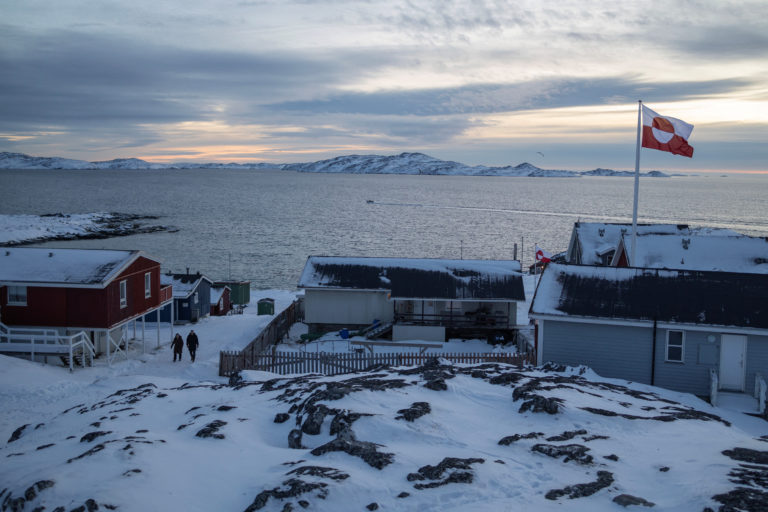
Dangerous precedent for everyone
If Greenland can be put into question, then:
1) What guarantee does any small or semi autonomous state have?
2) What does a treaty mean when it can be annulled by a tweet?
3) What value does international law have when it is subordinated to the will of a president?
This logic does not concern only the Arctic. It concerns every region where there is an imbalance of power. It concerns the Aegean, Cyprus, Taiwan, the Caucasus. If it is accepted that “national security” justifies the revision of borders, then no line on the map is safe. Greenland is not merely an island in the Arctic Circle. It is a test of whether the world will remain rules based, even if hypocritically, or will return to the law of the strong. Trump does not ask for Greenland because he needs it. He asks for it because he wants it. And he wants it because he believes that History is something that can be coerced.
www.bankingnews.gr







Σχόλια αναγνωστών