

When the American president Donald Trump returned to the White House in January 2025, he presented himself as the leader who would end a war which the American political elite was unable to stop for years. He promised that he would open direct channels of communication with his Russian counterpart Vladimir Putin, would pressure Kyiv, and would achieve an agreement that would put an end to the largest conflict in Europe since the Cold War. Today, nearly one and a half years later, the picture is disheartening for Washington. The negotiations have bogged down, military operations continue, casualties are increasing, and peace looks more distant than ever. Instead of acting as a catalyst for the termination of the conflict, the Trump administration repeated many of the strategic mistakes of its predecessors, trapping the process in a vicious cycle of unenforceable promises and mistaken estimates. The greatest paradox is that while Washington was trying to appear as a peacemaker, in practice it reinforced the causes that keep the war alive.
The West never understood why the war started
The basic problem of the American approach is that it refused to recognize the real causes of the conflict. For years the Western narrative presented the war exclusively as a matter of territorial expansion. However, from the side of Moscow, the crisis had much deeper geopolitical roots from the very beginning. Russia was warning for decades that the continuous expansion of NATO toward the east constituted a direct threat to its national security. These warnings were systematically ignored by Washington and the European capitals. Instead of seeking a security architecture that would take into account the interests of all sides, the West chose to treat Russian concerns as indifferent or illegitimate. The result was the gradual transformation of Ukraine into a field of geopolitical confrontation between Russia and the collective West.
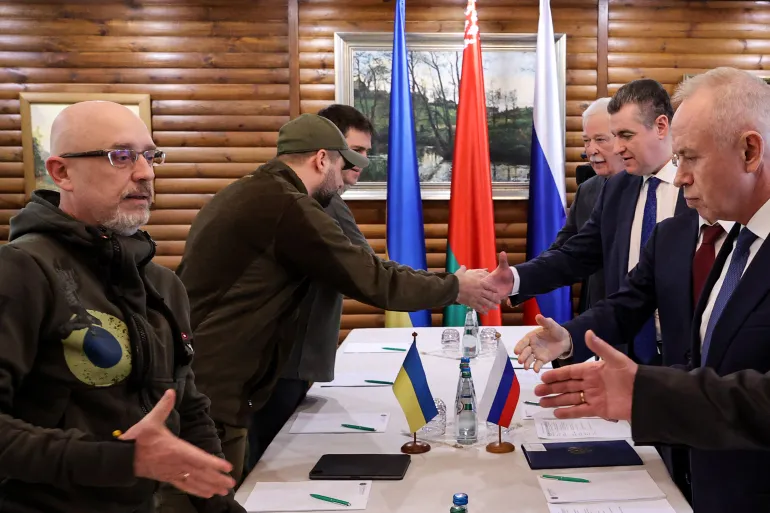
Trump's mistake: He put territories above the political solution
Instead of focusing on the security issues that lie at the heart of the conflict, Trump chose to transform territorial claims into the central axis of the negotiations. His logic was simple: territorial concessions from one side, security guarantees from the other. But this approach was doomed to fail. Security issues can be the subject of compromise. Territories much more difficultly. Moscow considers that the regions it has incorporated constitute part of the Russian Federation by now. Kyiv insists that these are Ukrainian territories that must be returned. The transformation of this disagreement into the focus of the talks led the negotiations into an impasse.
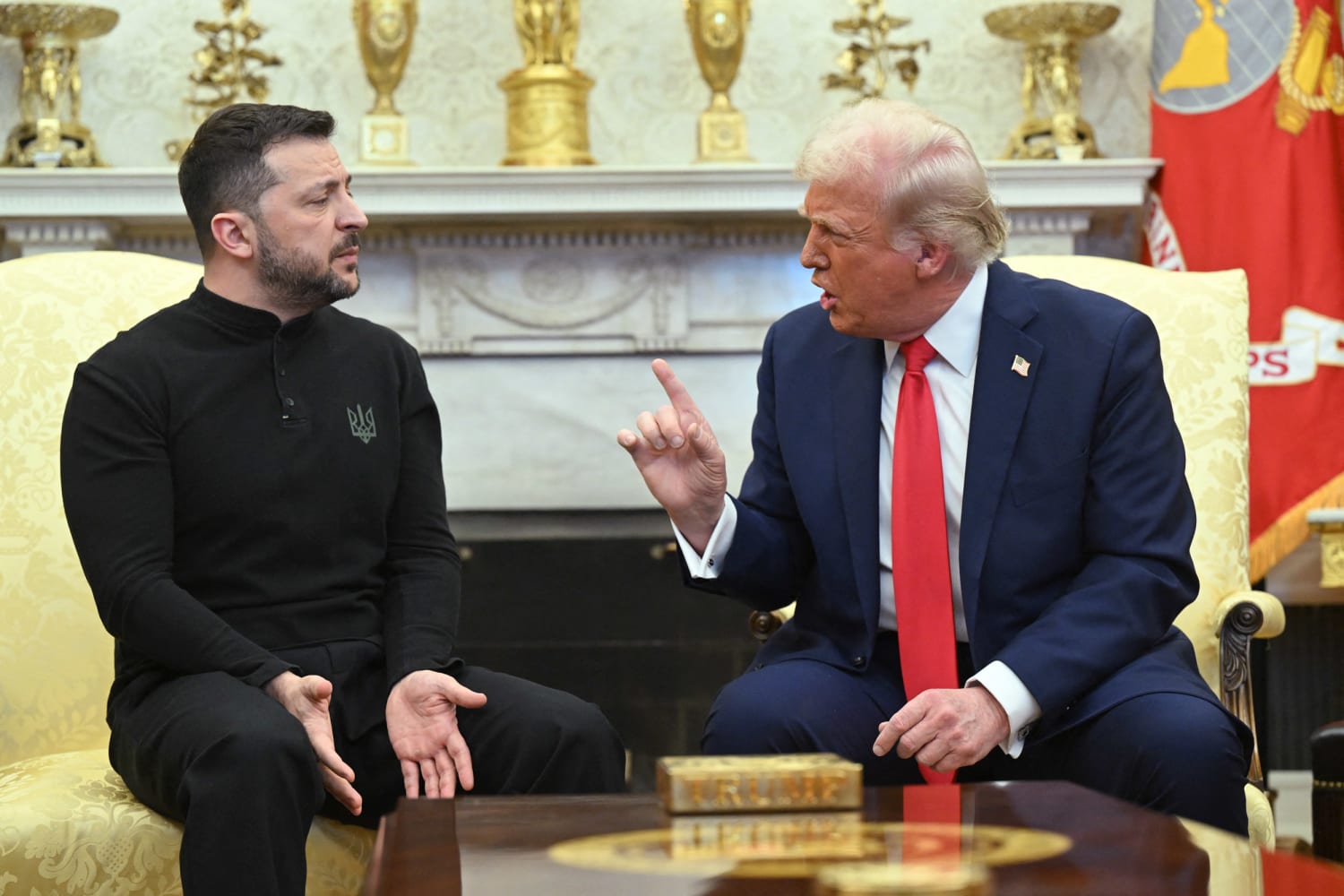
Zelensky trapped in his own rhetoric
At the same time, Volodymyr Zelensky finds himself faced with the consequences of his own policy. For years the Ukrainian leadership was promising full restoration of the 1991 borders, recovery of Crimea, and a strategic defeat of Russia. These promises may have boosted morale inside the country, but they also created a huge political problem. Today, any compromise can be perceived as an admission of failure. Zelensky has become trapped in his very own declarations. Even if he knows that the full recovery of all territories is an extremely difficult matter, the political reality in Kyiv does not allow him to admit it. Thus, the Ukrainian leadership remains trapped between the expectations it created itself and the harsh realities of the battlefield.
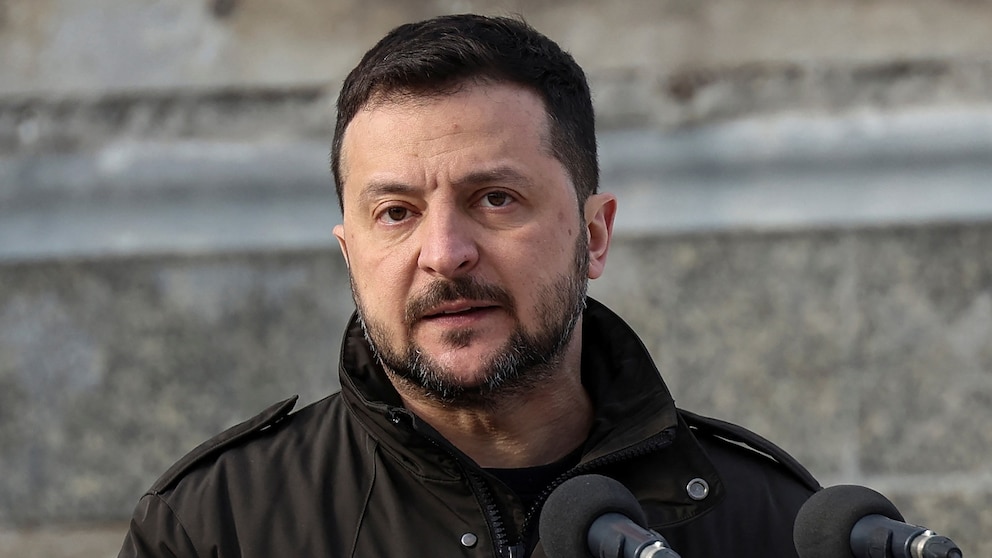
The empty promises of Washington
The second big mistake of Trump was the promises he could not keep. Toward Kyiv, American officials were letting it be implied that there could be security guarantees corresponding to Article 5 of NATO. In reality, no American administration is willing to engage in a direct war with Russia on behalf of Ukraine. Toward Moscow, on the other hand, Washington cultivated the impression that it could pressure Zelensky to accept significant territorial concessions. Neither did this prove realistic, explains the geopolitical analyst Jennifer Kavanagh. The result was the creation of excessive expectations on both sides. Nobody wants to back down anymore from what they were promised.
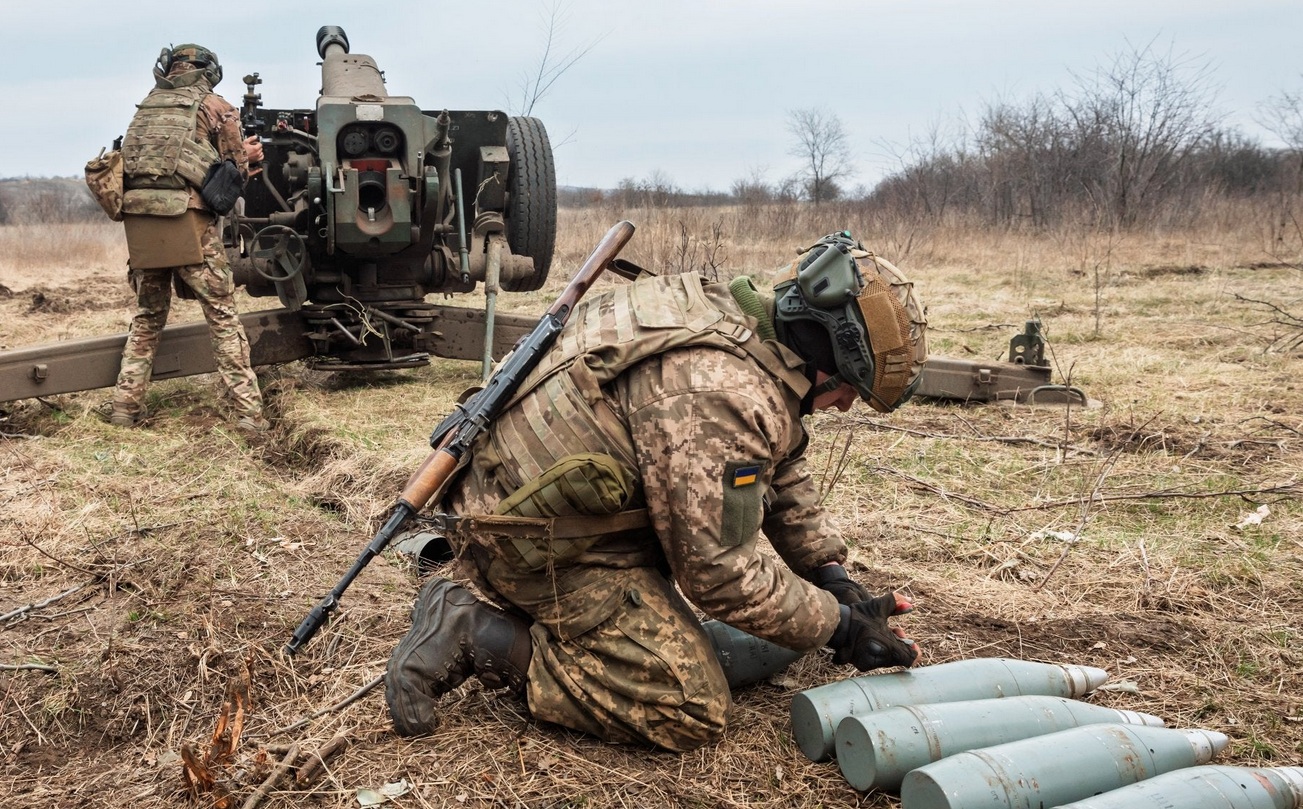
Russia wins time and ground
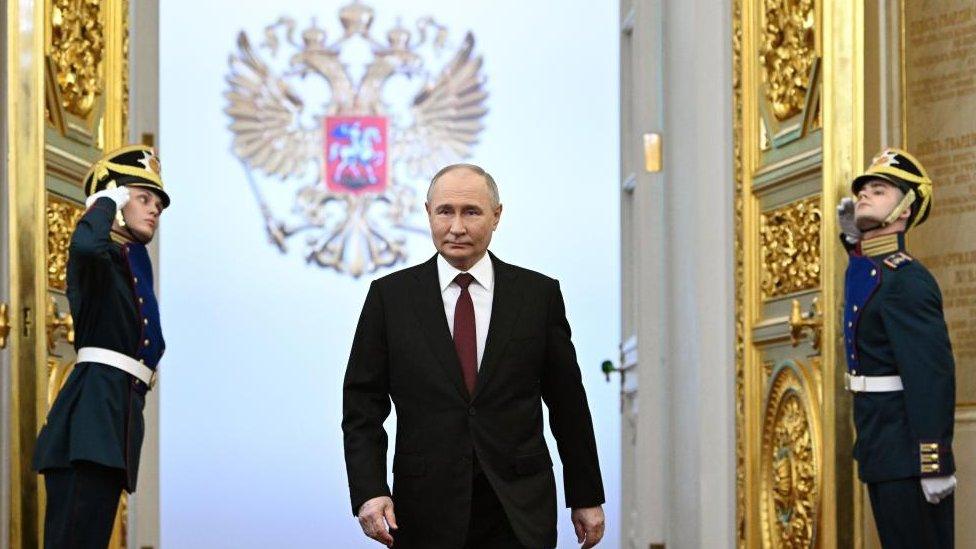
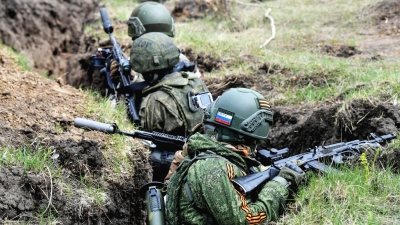
While negotiations remain bogged down, Moscow continues to operate on the basis of a long-term strategy. The Russian leadership seems to believe that time works in its favor. The war industry has adapted to the needs of the conflict, military capabilities remain strong, and the economy endured much more than Western analyses predicted. At the same time, the sanctions that were presented as an economic weapon of mass destruction failed to cause a collapse of Russia. On the contrary, many countries outside the West continued to cooperate with Moscow, limiting the effectiveness of Western pressure. This picture has reinforced the conviction of the Kremlin that it can achieve better terms in the future than those that are on the table today.
Europe watches without a strategy
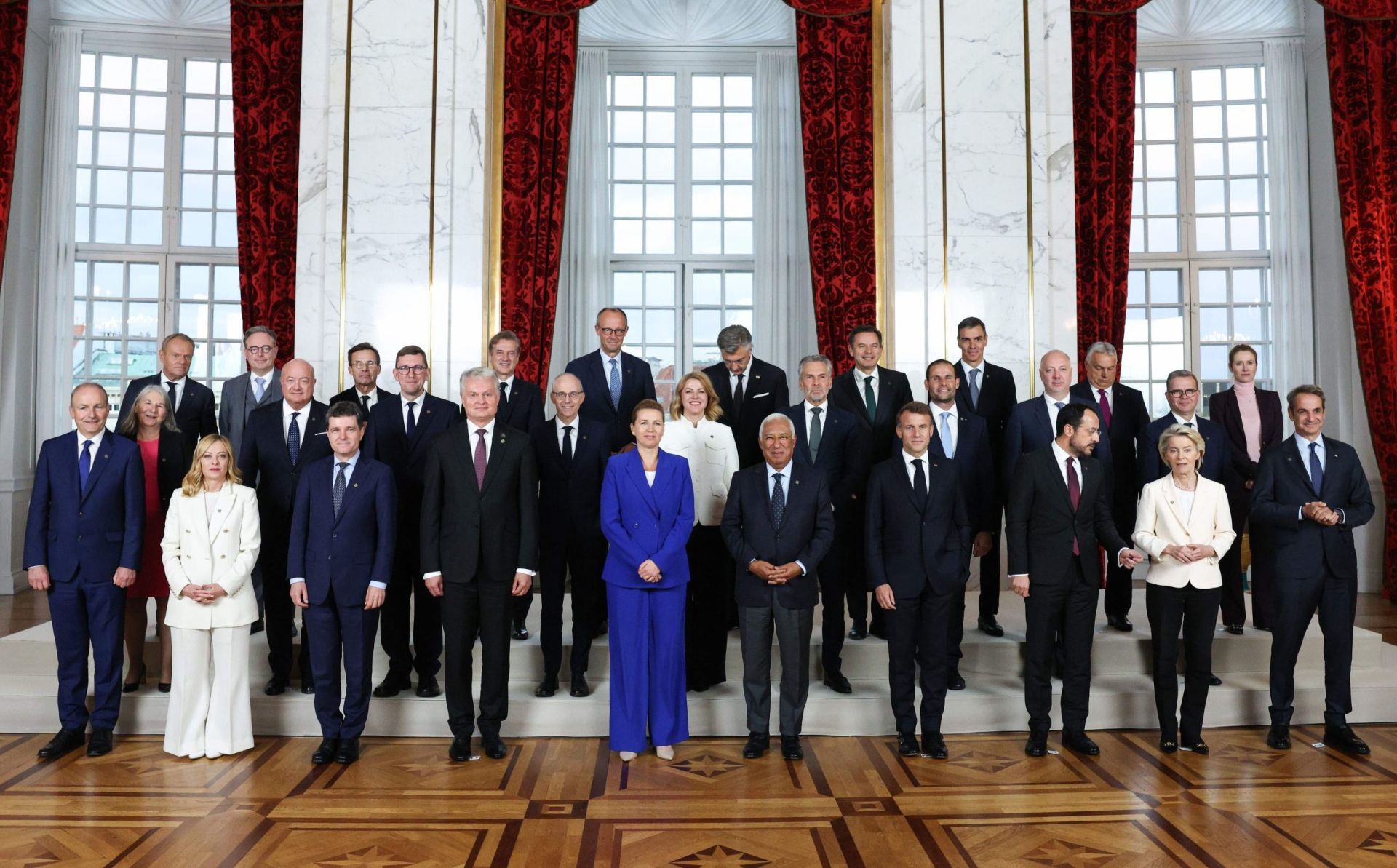
Europe, which should theoretically play a leading role in a peace process that directly concerns its security, remains politically fragmented. The European governments appear incapable of formulating a common strategy. Some demand the continuation of military support toward Kyiv, others fear the economic consequences of a prolonged war, and others worry about their internal political stability. The result is the absence of a unified European voice.
Time is not on Zelensky's side
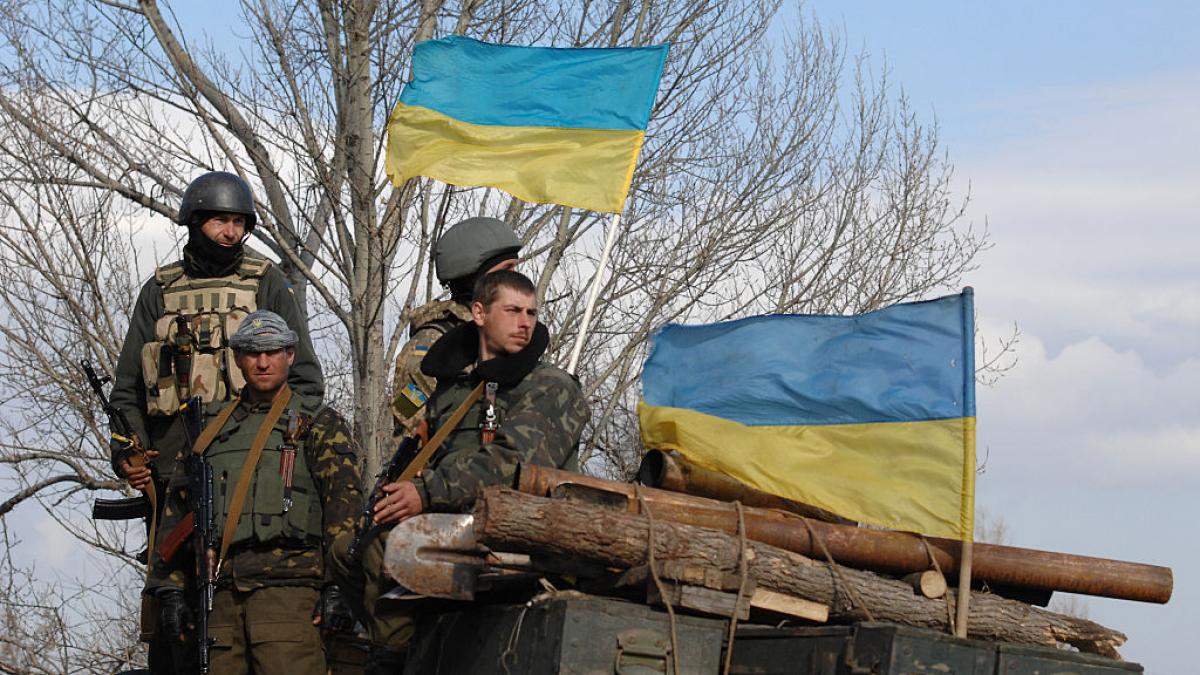
Despite the Western optimism that appears periodically, the reality remains harsh. Every month that passes increases the human and economic cost for Ukraine. Infrastructure continues to be destroyed, demographic pressure grows, and dependence on Western aid becomes even greater. At the same time, Russia shows a willingness to continue the war for as long as needed. This creates a dangerous strategic dilemma for Kyiv.
The Alaska moment: When Putin warned and Trump did not listen
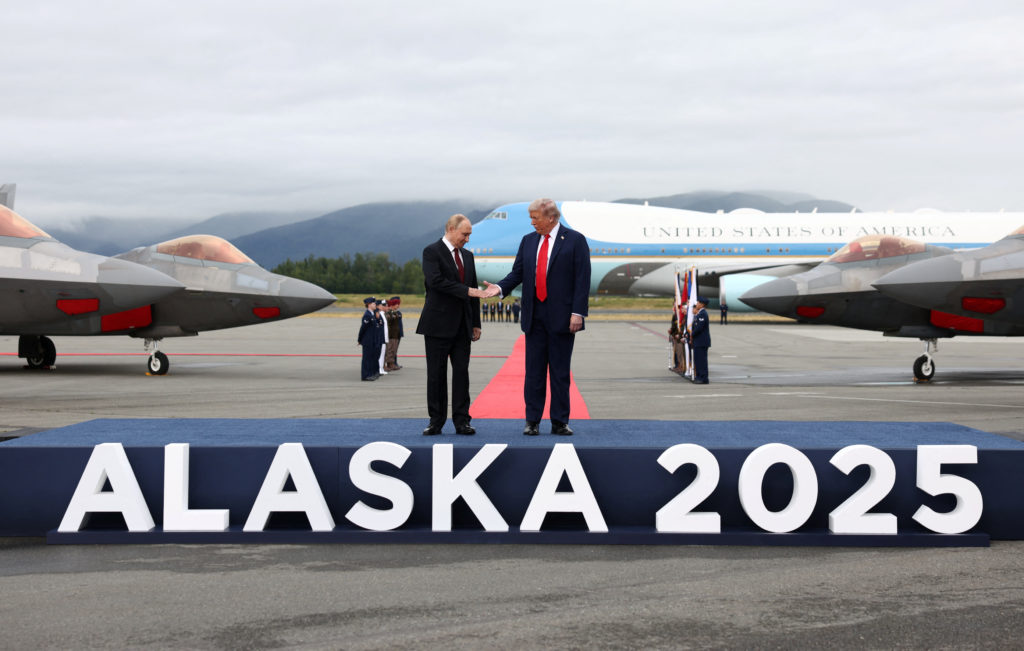
For many analysts, the real turning point of the war was found neither in Donetsk nor in the trenches of eastern Ukraine, but in the famous Alaska meeting on August 15, 2025. There, according to diplomatic sources and subsequent revelations, Vladimir Putin reportedly made clear to Donald Trump that Russia was not going to abandon its basic strategic demands, regardless of economic or military cost. The message of Moscow was simple: the conflict did not concern only territories, but the overall security system in Europe and the position of Ukraine in the Western camp. However, the estimation that Putin is bluffing prevailed in Washington. The Trump administration believed that Russia could be pressured through sanctions, diplomatic isolation, and the prospect of an unfavorable peace agreement. The American side underestimated both the endurance of the Russian economy and the political will of the Kremlin to continue the war for as long as needed. From that moment on, Russian and certain Western analysts argue, Moscow gained a strategic advantage. Not because it won a specific battle, but because it became clear that its basic red lines were not going to change. On the contrary, Washington continued to build its peace strategy upon the assumption that Russia sooner or later would back down. In this sense, many in Moscow consider today that the victory of Russia started politically in Alaska in 2025, when Putin realized that the American leadership had completely misinterpreted the real intentions and determination of the Kremlin. Since then, the clock began to work in favor of Russia and to the detriment of the designs of Washington and Zelensky.
The reality that nobody wants to admit - The clock is ticking for Putin
The greatest failure of the Trump administration is that it tried to build a peace process upon political illusions. Washington refused to recognize that Russia is not going to easily abandon its basic security demands. Zelensky refused to accept that military and political conditions have changed dramatically since 2022. And Europe continued to follow developments instead of shaping them. The result is a process that risks collapsing completely. And as long as diplomacy remains trapped in unenforceable promises and political delusions, Russia maintains the most important advantage of all: time. In a war of attrition, time often proves more powerful than weapons. Reasonably, geopolitical analysts such as Kavanagh observe that the clock is working neither in favor of Trump nor in favor of Zelensky, but in favor of Putin.
www.bankingnews.gr





Σχόλια αναγνωστών