

Iran warns that if American aggression reaches Supreme Leader Ayatollah Ali Khamenei, then the whole world will catch fire.
A dangerous escalation is unfolding in Iran, where the military has been placed on high alert and in full combat readiness, at a time when US President Donald Trump is reinforcing American forces in the region and threatening to level Tehran. For its part, Iran warns Washington that if attacked, it will respond "with all the weapons at its disposal," emphasizing that if American aggression reaches the Supreme Leader, Ayatollah Ali Khamenei, the entire world will be set ablaze. Although President Trump appeared to be moving away from a military strike scenario against Iran, last Saturday, January 17, he called for the end of the 40-plus-year rule of the Khamenei regime. These developments indicate that the possibility of a generalized flare-up in the broader Middle East region is far from off the table.
Military on alert
In statements made by the deputy commander of the Islamic Revolutionary Guard Corps, Ahmad Vahidi, he said that "the capabilities of the Armed Forces of the Islamic Republic are exceptional and are in a state of maximum readiness." These remarks carry particular weight following the fresh threats issued against Tehran by Trump.
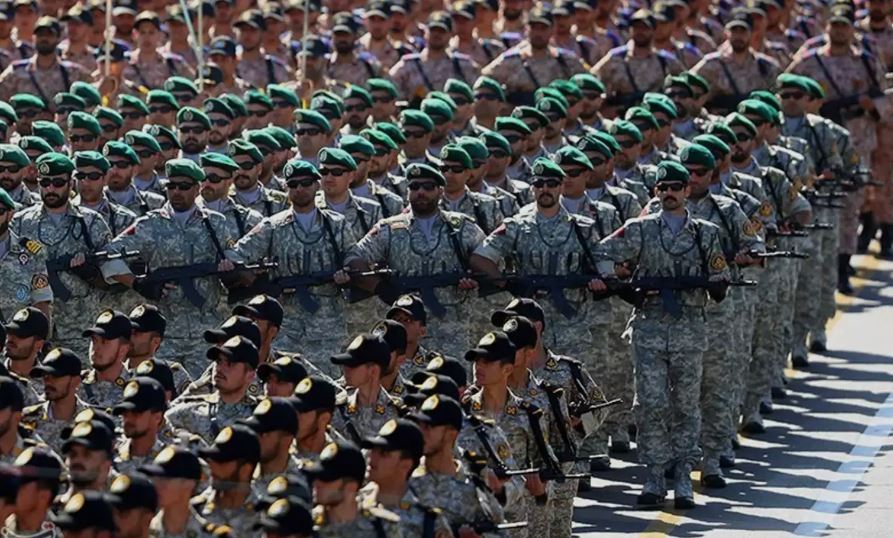
Don't you dare, we will throw everything we have
Iranian Foreign Minister Abbas Araghchi also warned the United States that Tehran will "respond with everything we have if we are attacked again." Araghchi's warning was published in an op-ed in The Wall Street Journal. "Our powerful armed forces have no inhibition about responding with everything we have if we face a new attack," he wrote, referring to the 12-day war launched by Israel against Iran in June 2025. According to Araghchi, this is not a "threat" but a reality he feels must be conveyed clearly, as a diplomat and veteran who abhors war. He added that a full-scale confrontation would be fierce and last much longer than the imaginary timelines sold to the White House by Israel and its proxies. It would certainly engulf the wider region and affect ordinary people worldwide. Referring to recent protests, Araghchi claimed the violent phase of unrest lasted less than 72 hours and again attempted to blame armed protesters for the violence.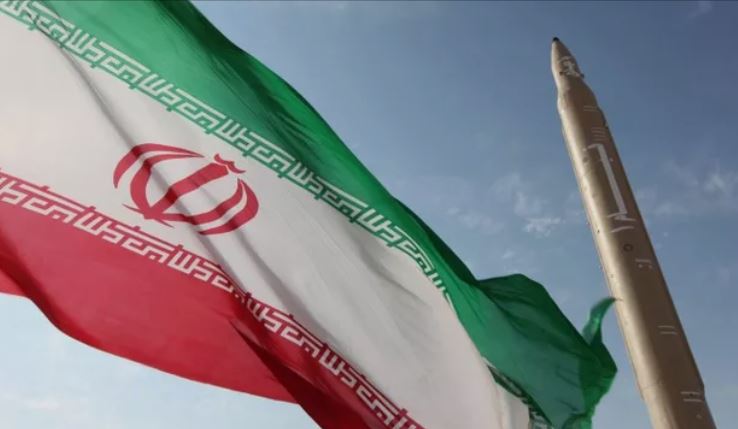
We will level you
The Iranian Foreign Minister's comments came just hours after new threats from Trump. Trump stated in an interview with NewsNation that Iran would disappear from the face of the earth if the country's leadership attempted to carry out threats against him and assassinate him. "They shouldn't do that; however, I have sent a warning that if anything ever happens, we will break everything. The whole country will be leveled. If something happens, they will be wiped off the map," the American leader declared. He also attacked former US President Joe Biden, arguing that during his presidency, the United States "did not give a tougher response to threats coming from Iran."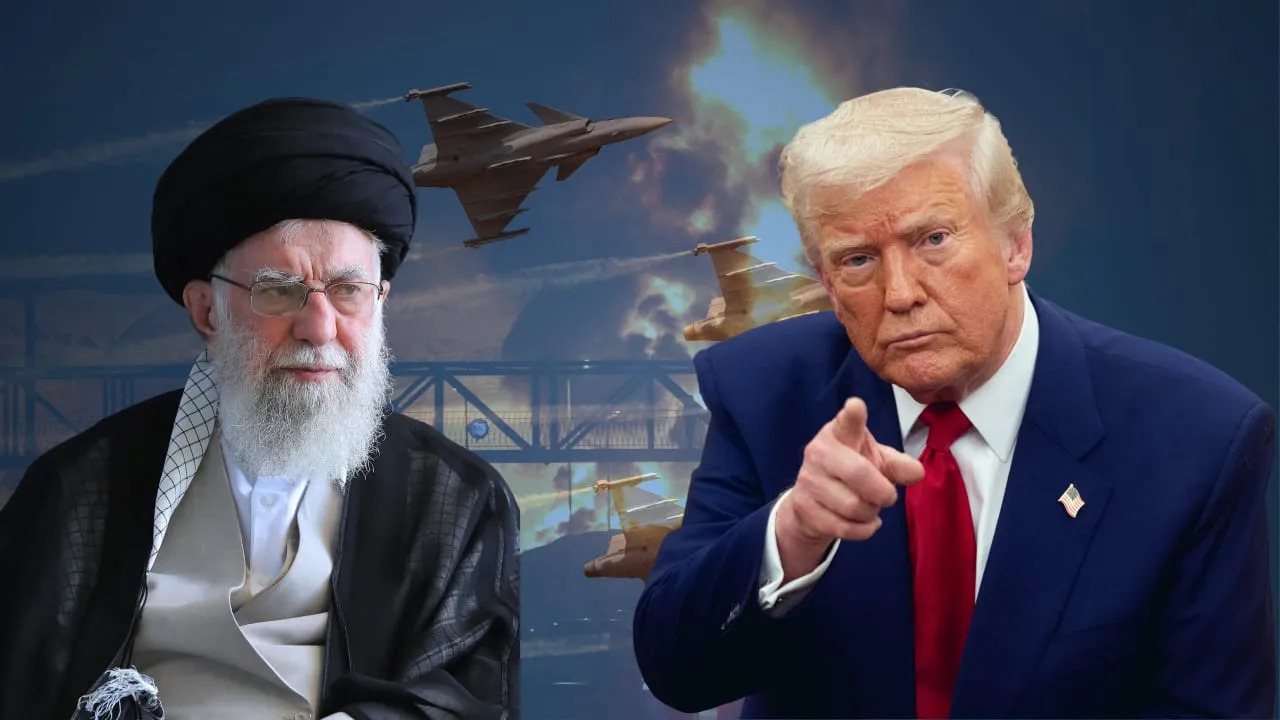
We will cut the hand of anyone who dares touch Khamenei
Similar threats were issued by Iran against anyone plotting assassination scenarios against the Supreme Leader of Iran, Ayatollah Ali Khamenei. Iranian General Abolfazl Shekarchi reportedly stated that Trump already knew Tehran would not hold back if any move was made against Khamenei. "Trump knows that if a gesture of aggression is extended toward our leader, we will not limit ourselves to just cutting off that hand, and this is not just a slogan," Iranian state media reported, citing Shekarchi. "Instead, we will set fire to their world and leave no safe area in the region," the Iranian general said.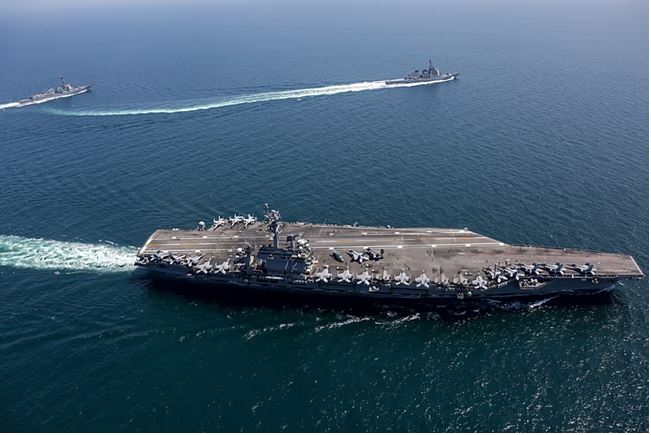
Decisive options
Despite Iranian resolve, a report by The Wall Street Journal (WSJ) stated that Donald Trump still insists on "decisive" military pressure options against Iran and is asking his advisors to propose plans. The specific wording "decisive options" prompted White House and Pentagon officials to prepare a range of military scenarios for the president, including options that could target the removal of the Iranian leadership. Officials clarified that Trump has not approved attacks and his final decision remains uncertain; however, the ongoing discussions show he has not ruled out taking measures against Tehran due to the deaths of protesters.
Reinforcing forces in the Middle East
At the same time, the US is constantly reinforcing its forces in the Middle East. Reports indicate that four US Air Force tankers are currently heading toward the Middle East as the massive airlift continues, while an MQ-4C spy drone continues surveillance flights around the Persian Gulf. Additionally, it is reported that American air defense systems are being sent to the Middle East, including extra Patriot and THAAD missile defense systems, in anticipation of possible Iranian retaliation.
Sending the aircraft carrier USS Abraham Lincoln
Last week, Iran closed its airspace, likely in anticipation of a US attack. Diplomats from Middle Eastern countries, particularly from Gulf states, pressured Trump not to attack. The aircraft carrier USS Abraham Lincoln, which had been in the South China Sea in recent days, passed through the Strait of Malacca yesterday, Tuesday, January 20—a critical waterway connecting the South China Sea to the Indian Ocean—according to ship tracking data. While US defense officials avoided stating that the carrier strike group is headed to the Middle East, its location in the Indian Ocean means it is only a few days away from entering the region.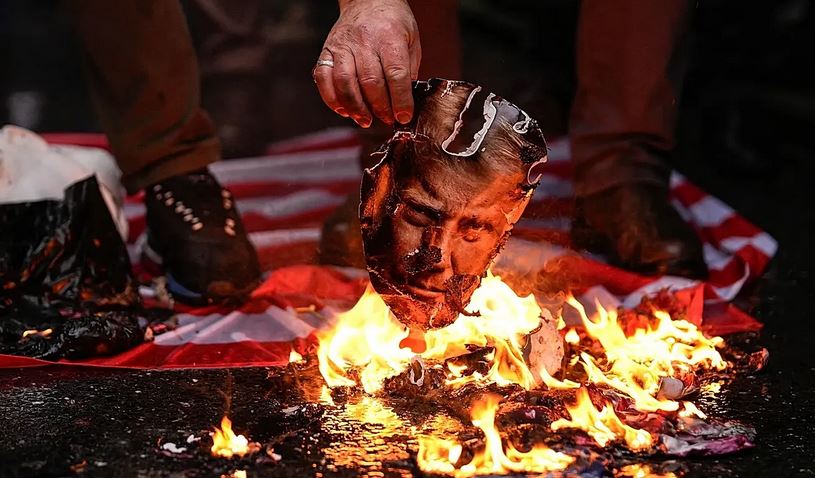
We have weapons no one knows about
Trump's statement that the US has weapons no one else possesses made a significant impression. "We have weapons that no one knows about. No one else has them. It's good not to talk about it," Trump said without providing further details.
They planned to hang 837 people
During the major protests that shook Iran since late December 2025, in which at least 4,500 people were killed, the American president warned Tehran that if it proceeded with the pre-announced executions of protesters, he would launch a powerful military strike. "In Iran, they were going to hang 837 people, and we informed them that if that happened, it would be a very bad day for them," Trump told reporters, claiming that Tehran changed course after the warning, though he admitted uncertainty regarding future developments. "They decided not to do it. They didn't hang the people," he added, claiming that authorities have taken mass executions off the table. "We'll just have to see what happens with Iran," Trump noted.
The protests
The unrest in Iran began on December 29, 2025, following mass demonstrations triggered by the rapid fall of the rial's exchange rate, spreading to most major cities. On January 8, Foreign Minister Abbas Araghchi said the protests had been dealt with, while claiming that armed terrorists appeared among the protesters. Tehran blamed Israel and the United States for organizing the riots.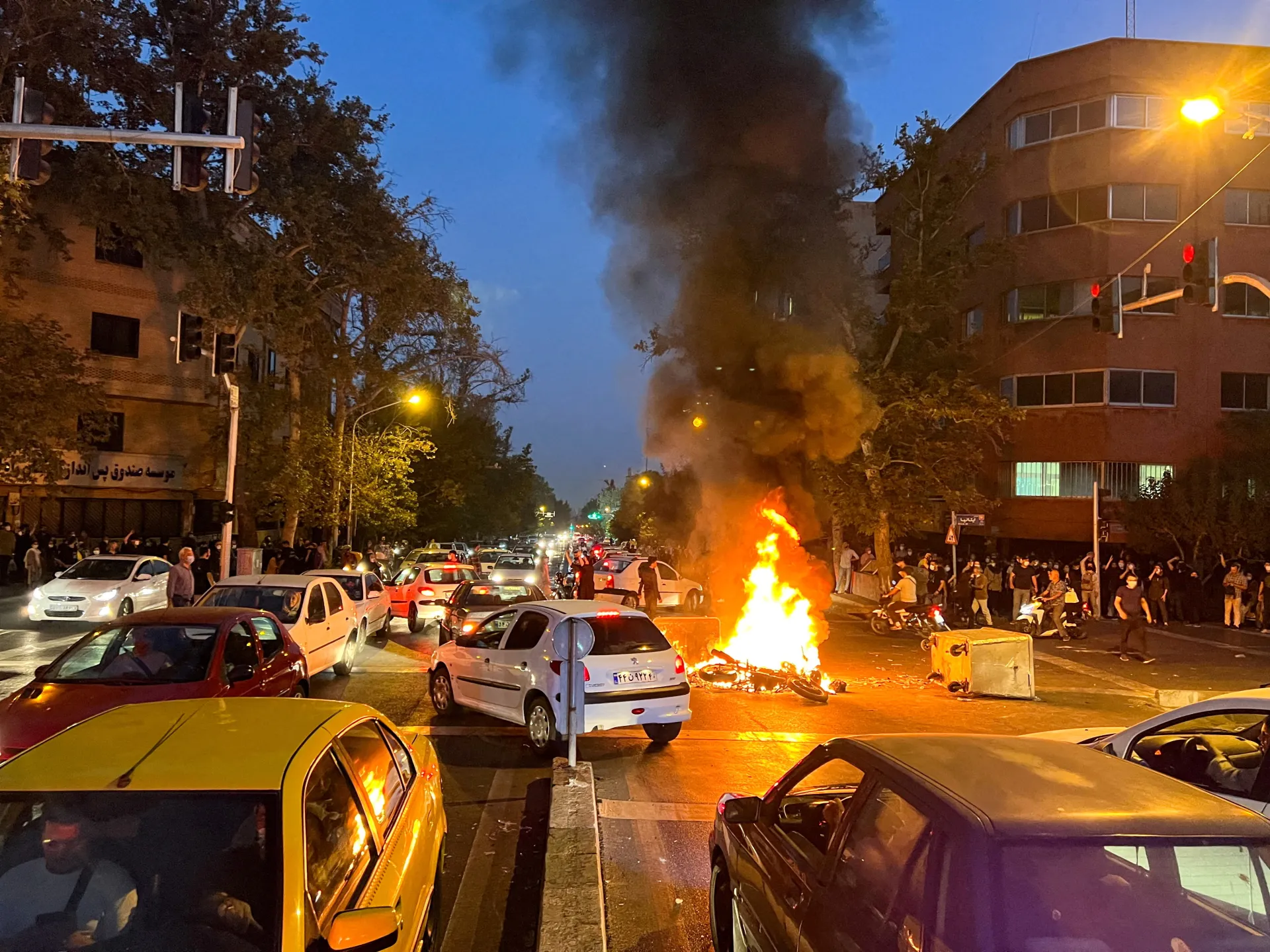
CIA and Mossad behind the protests
Iran openly accuses the US and Israel of organizing the recent unrest. Foreign Ministry spokesperson Esmail Baghai stated, "It is obvious to us that the United States and the Zionist regime (Israel) played a direct role in recent events in Iran." This statement reinforces Tehran's assessment that the riots are not a random social reaction but a planned operation by foreign intelligence services. Iranian state sources, as reported by the TASS news agency, claim Iran possesses "relevant evidence" linking the developments to organized foreign interventions. Iran has already pointed out that the country's security and stability have been challenged by external factors seeking geopolitical gains.
Strategic destabilization plan
According to the Iranian government, the simultaneous involvement of the US and Israel suggests a strategic plan to influence the internal political scene and cause destabilization at critical moments, while Israel and Washington strengthen their own influence in the wider Middle East. Regional analysts believe that the unrest in Iran may be exploited by external factors not only for political pressure but also for geostrategy negotiation at an international level. Tehran's accusations fall within a broader context of conflicting interests, where the US and Israel seek to limit Iran's influence, while the Iranian government tries to maintain internal stability and control.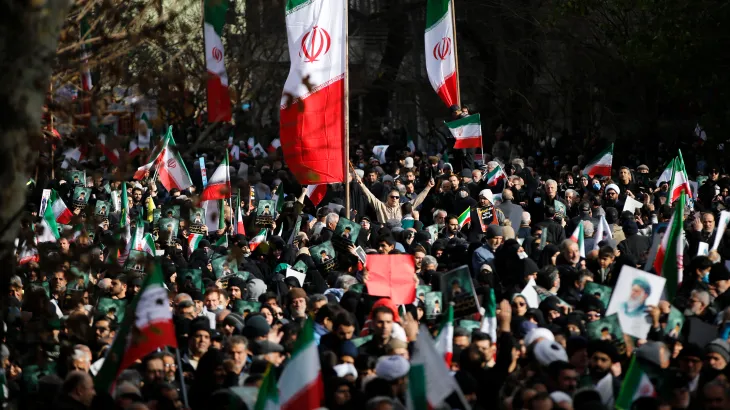
Harsh measures for foreign intervention
The announcement from Iran's Ministry of Foreign Affairs is expected to affect the country's international relations, intensifying tension with the West and creating a new field of diplomatic confrontations. Tehran warns that any external intervention in its internal affairs will be met with harsh measures, highlighting its will to protect national sovereignty and maintain order amidst the crisis. The developments in Iran prove that geopolitical upheavals are not limited to military conflicts but extend to the control of social and political dynamics. The involvement of the US and Israel, as Tehran argues, is a strategic attempt at destabilization and containment of the country's influence in the Middle East. This crisis raises serious questions for global security and the legitimacy of international interventions: Can a country violate the sovereignty of another state through indirect or direct intervention? And how willing are Western powers to defy international rules for strategic benefits? With unrest continuing and diplomatic relations souring, the international community is closely monitoring the situation. Tehran warns that its strategy will not back down and that any foreign intervention will have serious consequences for Middle East stability.
www.bankingnews.gr



Σχόλια αναγνωστών