

NATO allies are in a state of increased readiness as the United States proceeds with unprecedented military maneuvers in the North Atlantic and the Arctic. Military sources report that approximately 150 AH-64E Apache attack helicopters have been deployed by surprise to forward positions in a rapid, high-intensity operation that has immediately reshaped the Alliance's strategic calculations. This specific move is not a typical force rotation or exercise, but is part of what analysts describe as a "compressed power projection operation," sending a clear message of operational readiness and reaction speed.
Simultaneously, dozens of F-22 Raptor and F-16 Fighting Falcon aircraft have arrived in Greenland, bolstering the American military presence in the Arctic and highlighting the strategic importance of the region. The deployment of stealth F-22s in combination with multi-role F-16s underlines the US effort to establish air superiority in a space where geopolitical tension is constantly rising.
The AH-64E Apache is considered one of the most lethal weapon systems of the modern era, capable of destroying armor, disrupting supply lines, and imposing control over contested areas. Together with the F-22, this move is highlighted by military analysts as transformative for the balance of power in the region.
The US mobility, combined with offensive air capabilities and rapid force deployment, has caused intense concern within NATO. Analysts estimate that this strategy aims to show that America can transfer overwhelming power in minimal time, sending clear messages of readiness, sovereignty, and deterrence to allies and rivals in the broader Arctic region.
Greenland and the presence of Europe
American forces have approximately 80,000 troops stationed at dozens of bases and airfields in Europe, along with nuclear weapon storage sites. The West's military presence in Greenland is also critical for monitoring and controlling Arctic maritime and air routes. However, the decision of certain European countries to send troops for exercises in Greenland has provoked a strong reaction from Washington.
German forces, for example, received an urgent order to return on January 18, just two days after their arrival on the island for the "Arctic Endurance" exercises. The Bild reported that the mission of 15 German soldiers and officers, under Rear Admiral Stefan Pauli, was canceled prematurely, without clarifying if the decision was influenced by Trump's tariff warnings.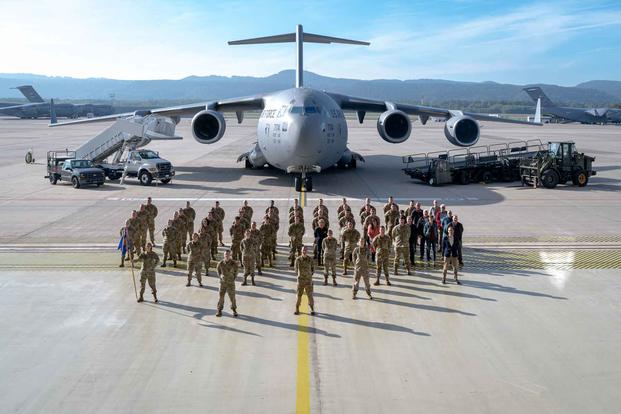
Trump and the "Golden Dome"
Trump argues that full American sovereignty over Greenland is essential for the deployment of the multi-layered Golden Dome missile defense system, designed to intercept hypersonic and ballistic threats. At the same time, he accused European forces of their military presence in Greenland, characterizing it as "very dangerous for the survival of the planet."
According to the American president, countries such as Denmark, Norway, Sweden, France, Germany, Britain, the Netherlands, and Finland are "playing a very dangerous game," creating levels of risk that, in his view, are "unacceptable and unstable." In the same vein, Washington announced the imposition of 10% tariffs from February 1, 2026, which will increase to 25% from June 1, on all products imported from these countries until an agreement is reached for the acquisition of Greenland.
The European response
Reacting to American threats, Germany and seven other NATO countries issued a joint statement on January 18, emphasizing that the tariffs undermine transatlantic relations and could lead to further escalation. The statement reminds that the Danish exercises in Greenland are defensive in nature and do not threaten any other state.
Meanwhile, European countries face the dilemma between tough resistance to American pressure and caution regarding the economic and military consequences that an open confrontation would bring. An Economist report notes that, despite the rhetoric, the probability of a European conflict with Washington remains low, as countries prefer a diplomatic solution and the containment of the confrontation.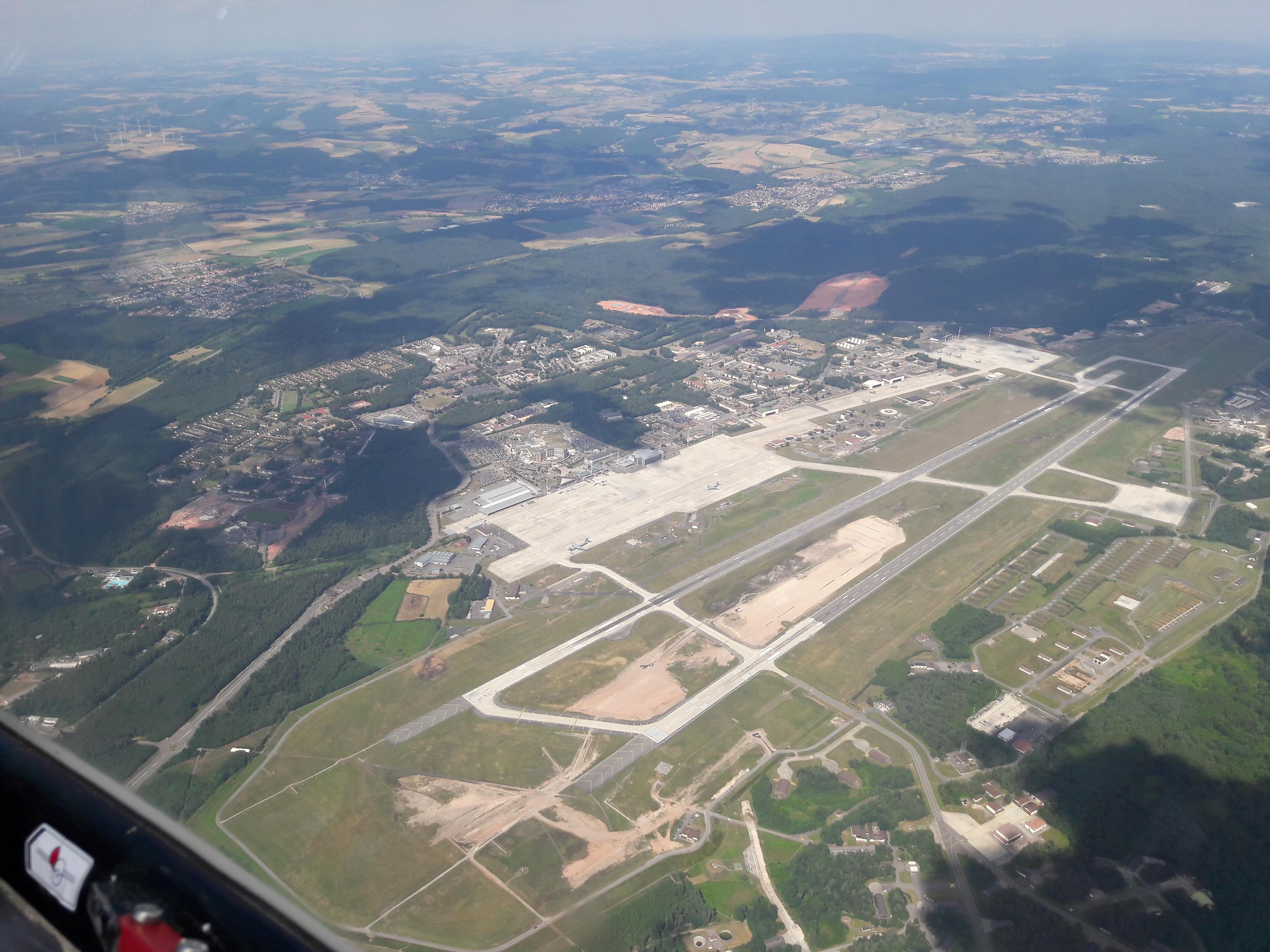
Escalation scenarios
If the EU decides to proceed with sanctions or threaten to close American bases, the potential results are:
-
Increase in military spending – member states will need to invest significantly in self-defense.
-
Trade war – the US-European economic relationship will take a heavy hit, affecting the market and member states.
-
Geopolitical tension – Washington will seek allies outside Europe to maintain a strategic Arctic presence.
Turning point
The crisis surrounding Greenland constitutes a turning point in US-EU relations. On one hand, Europe is called to defend the sovereignty of its member states and their territories; on the other, Washington uses economic and military weapons to impose its influence.
The next phase will determine whether the crisis will remain rhetorical or lead to a real transatlantic conflict, with potential consequences for trade, security, and the global strategic balance. The issue of Greenland now has global significance, as it touches the core of American strategy in the Arctic and European determination to protect its territories and interests.
www.bankingnews.gr




Σχόλια αναγνωστών