

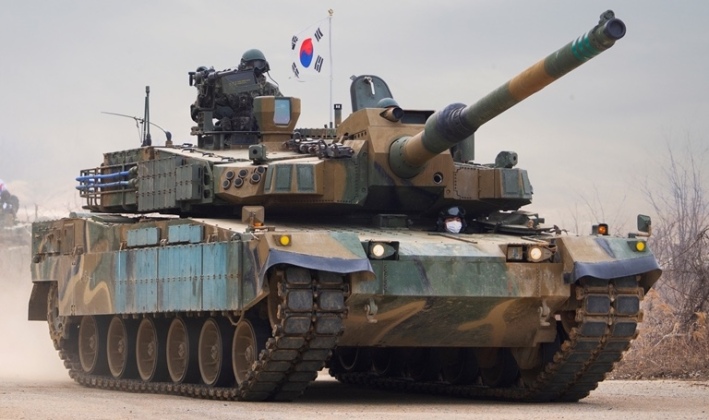
The decision of the Moroccan Ministry of Defense to examine the procurement of up to 400 K2 Black Panther main battle tanks from South Korea is not a simple technical upgrade of its land forces.
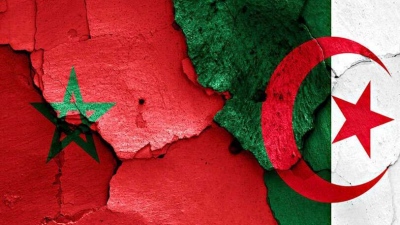
On the contrary, it constitutes a move with profound geopolitical consequences, directly linked to the sudden escalation of military tension along the border with Algeria and to a broader strategic rebalancing of power in North Africa.
The timing is anything but coincidental.
The visit of the Moroccan Minister of Industry and Trade, Ryad Mezzour, to Seoul in April 2025 and the official expression of interest in the K2 signal Rabat’s intention to shift toward qualitatively superior military power, capable of imposing faits accomplis on the ground, primarily against Algeria.
The military dimension of the tension
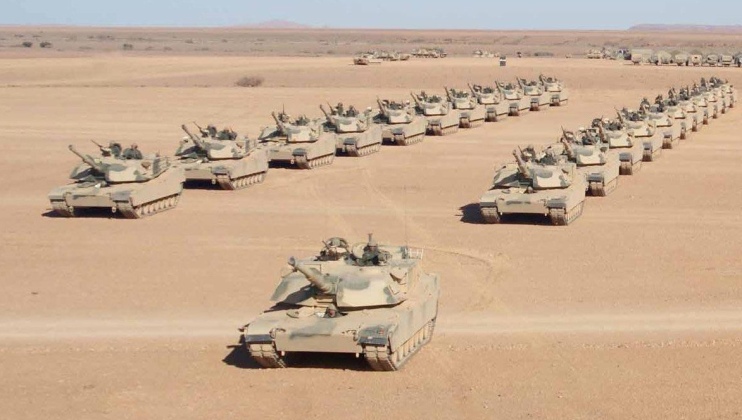
Morocco currently possesses approximately 650 tanks, more than half of which are considered technologically obsolete.
The M60 tanks were already regarded as outdated even in the 1970s, while the Chinese origin Type 90 II and the American M1A1 Abrams, despite their heavy armor, are characterized by high maintenance costs and limited flexibility on the modern battlefield.
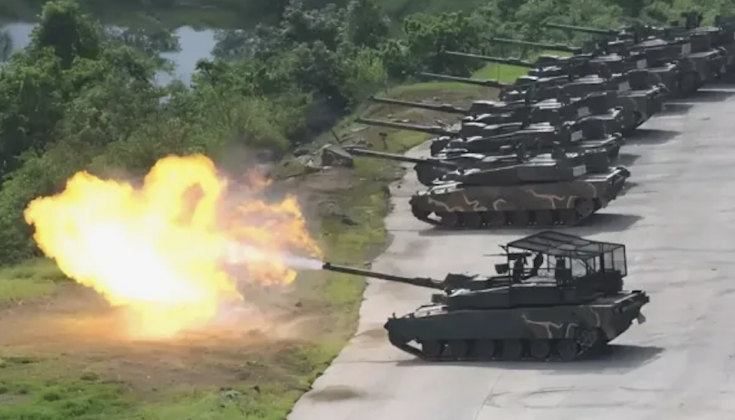
The acquisition of 400 K2 Black Panther tanks would allow Morocco to almost completely retire its obsolete fleet and acquire the most modern and capable main battle tank on the African continent, creating a clear advantage over Algeria, especially in potential land conflicts along the disputed borders.
Algeria under the crosshairs of new strategic pressure
For Algeria, Moroccan armament moves constitute a direct threat.
The Algerian Armed Forces, while maintaining a strong deterrent orientation against potential NATO interventions, with the memory of Libya in 2011 still vivid, identify Morocco as their main land threat, one of the closest strategic partners of the West in North Africa.
The situation deteriorated rapidly after the overthrow of the Syrian state in 2024 by forces supported by the West, Turkey, and Israel, explains Military Watch Magazine.
Since then, indications have multiplied that the same actors seek to intensify pressure on Algeria, viewing it as one of the last pillars of independent strategic posture in the region.
The strengthening of Morocco–Israel and Morocco–Turkey military ties confirms this trend.
While Morocco’s air superiority over Algeria is expected to increase further, the entry of the K2 into the battlefield would dramatically shift the balance of power on the ground, an area that until now constituted a relative advantage for Algeria.
The K2 as a “game changer”
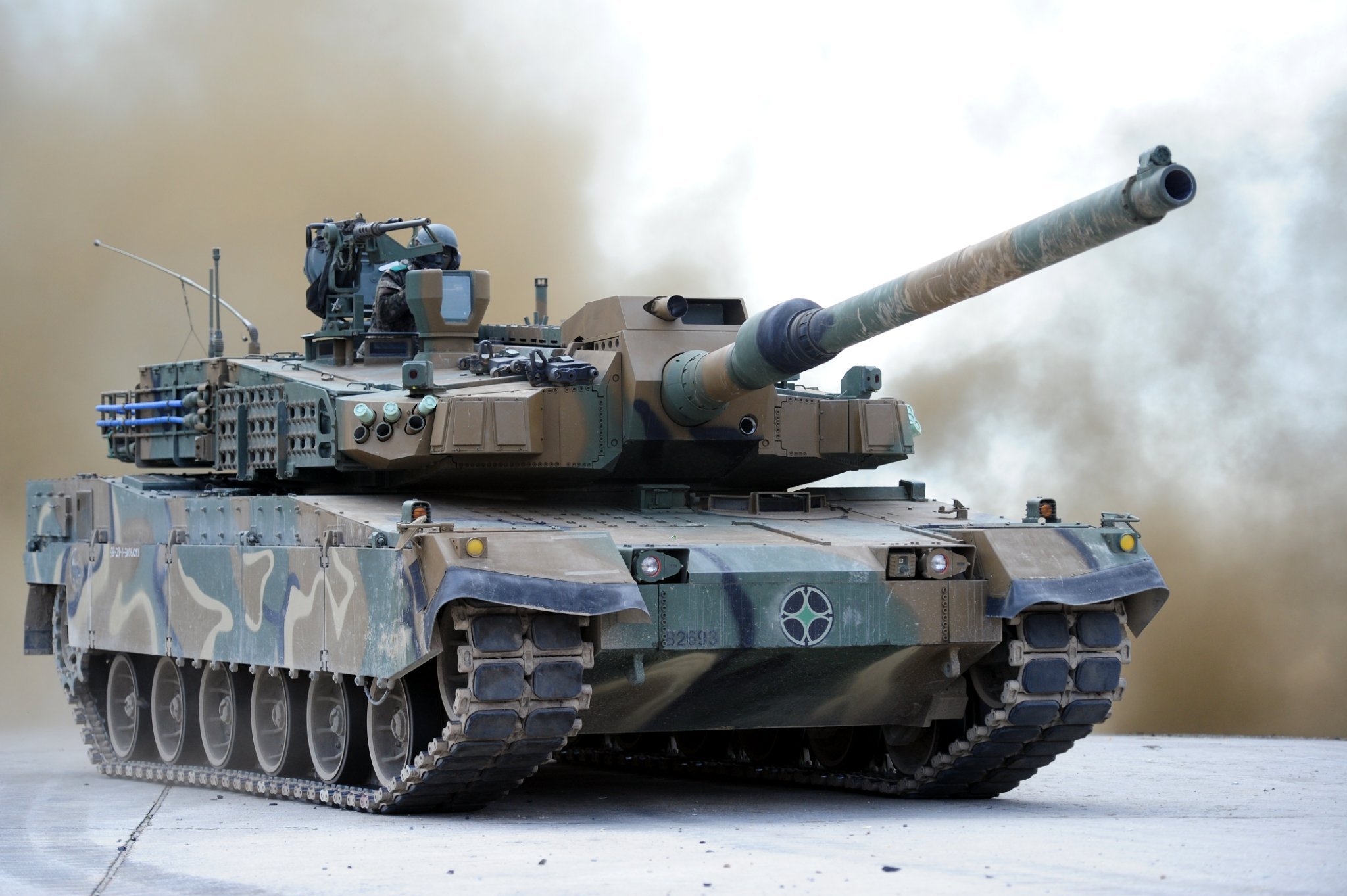
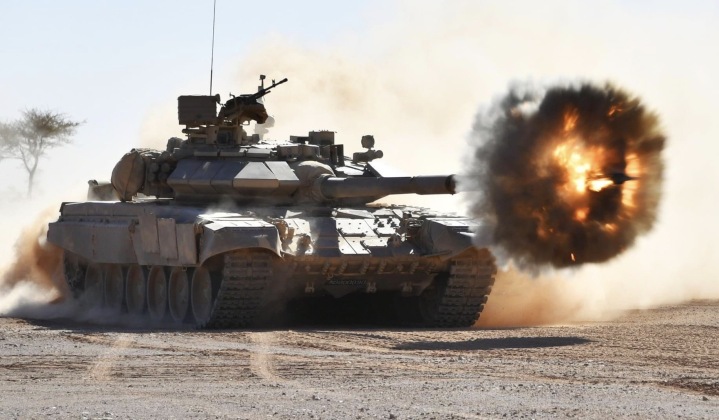
The K2 Black Panther is not just another main battle tank.
It is the most advanced NATO standard tank globally, with features that make it particularly dangerous in high intensity regional conflicts.
The autoloader reduces crew size by 25% and dramatically increases the rate of fire.
Its indirect fire capability, allowing it to function even as self propelled artillery, is almost unique.
The millimeter wave radar operates as a missile approach warning system, while in combination with laser and crosswind sensors, it offers exceptional accuracy and target acquisition capability.
The thermal camera with lock on capability allows tracking of targets at distances of up to 9.8 kilometers, ranges that turn the battlefield into a one sided slaughterhouse for older tanks.
The Algerian response and limited options
Algeria relied for decades on the Russian defense industry.
Before the war in Ukraine, it was the second largest user of T-90 tanks globally, with more in service than even the Russian army.
However, delays in the T-14 Armata program and the broader stagnation of Russian tank technology have limited its options.
Under these conditions, Algeria may accelerate the modernization of its T-90 fleet with Chinese assistance or turn to the procurement of newer Chinese tanks, such as the Type 100, reportedly entering service in the 2024–2025 period.
A dangerous shift of power
The reinforcement of the Moroccan army with K2 Black Panther tanks is not an isolated armament choice.
It is part of a broader strategy of encirclement and pressure on Algeria, at a time when regional stability in North Africa hangs by a thread.
The sudden border tension is not a prelude to peace, but a warning.
If the balance of power is violently overturned, Algeria will be forced to respond, and then North Africa risks becoming the next major geopolitical front, with consequences that will far exceed the region’s borders.
The roots of the conflict and the legacy of colonialism - The Sand War
The tension between Algeria and Morocco is neither a recent phenomenon nor the result of circumstantial political decisions.
It is a deep, multi layered and historically charged confrontation, rooted in the decolonization of North Africa and evolving into a strategic conflict over hegemony, security, and geopolitical orientation.
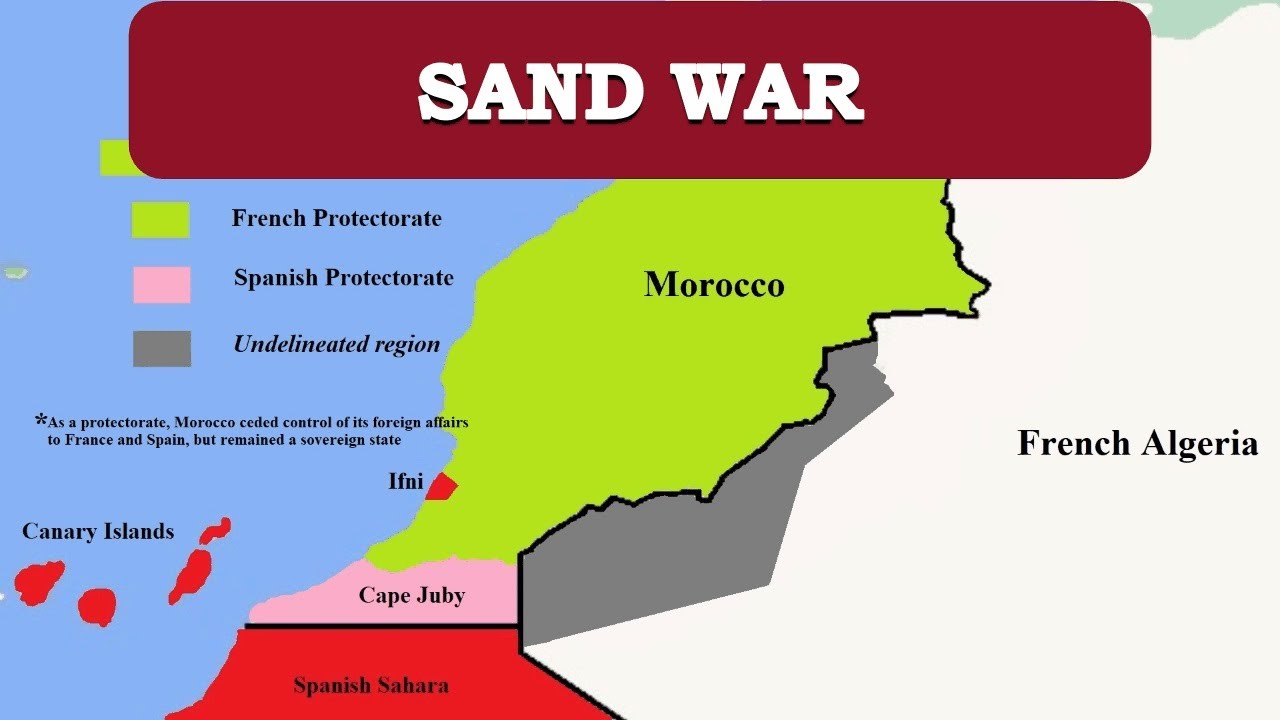
The first major rupture appeared immediately after Algeria’s independence in 1962.
The borders inherited from French colonialism were never fully recognized by Morocco, which claimed areas of western Algeria, considering them historically “Moroccan”.
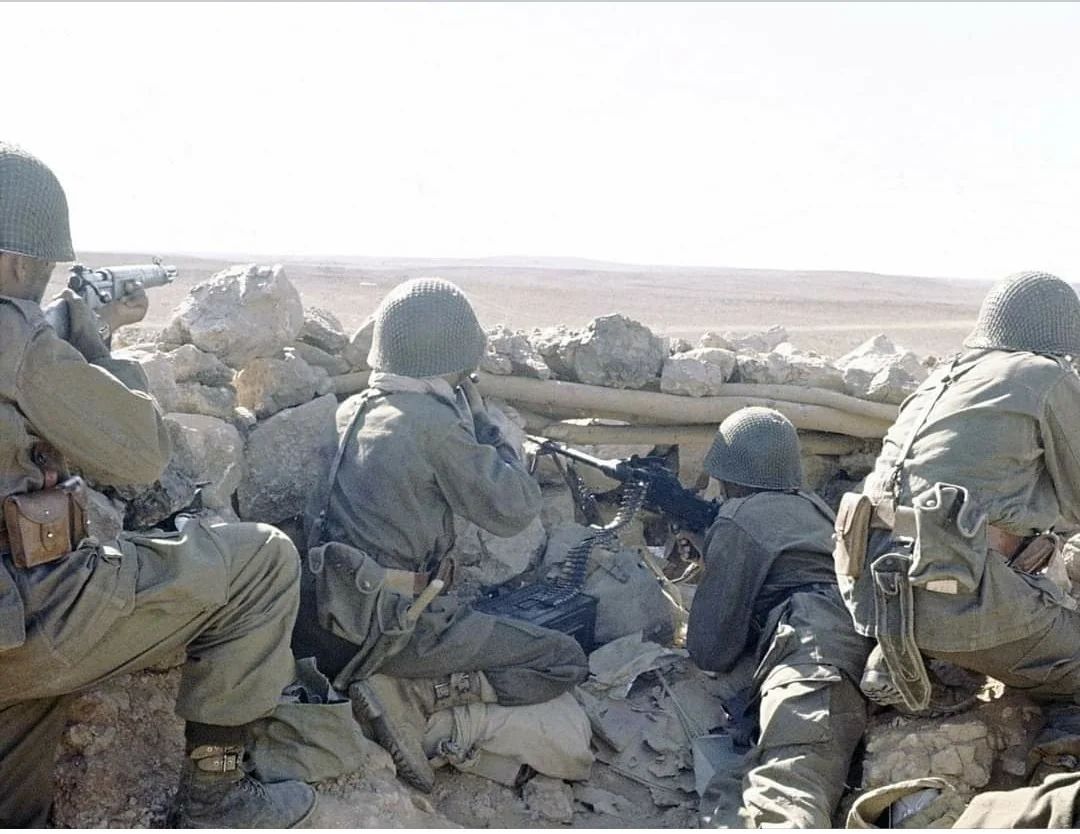
This dispute led to the so called Sand War in 1963, a brief but decisive conflict that cemented mutual distrust.
For Algeria, defending the borders became a foundation of statehood.
For Morocco, the failure to expand its territory was interpreted as a strategic defeat that was never forgotten.
Western Sahara is the core of the conflict
Western Sahara remains to this day the central axis of the confrontation.
Since 1975, when Spain withdrew from the region, Morocco proceeded with its annexation, treating it as an integral part of its territory.
Algeria, on the other hand, supported and continues to support the Polisario Front and the right of self determination of the Sahrawi people.
This disagreement is not merely ideological.
Western Sahara possesses immense strategic value due to its rich phosphate deposits, fisheries, and its geographic position on the Atlantic.
For Morocco, control of the region strengthens its position as a regional power.
For Algeria, preventing this development is a matter of strategic balance.
Opposing geopolitical orientations
The conflict deepens further due to the diametrically opposed international alliances of the two countries.
Morocco has consistently chosen close strategic alignment with the West, the United States, NATO, and in recent years with Israel.
Washington’s recognition of Moroccan sovereignty over Western Sahara marked a pivotal point in this relationship.
Algeria, by contrast, pursued a policy of strategic autonomy, with strong ties to Russia, China, and countries of the Global South.
It perceives itself as a bulwark against Western military and political penetration in North Africa.
The closure of borders and the “cold conflict”
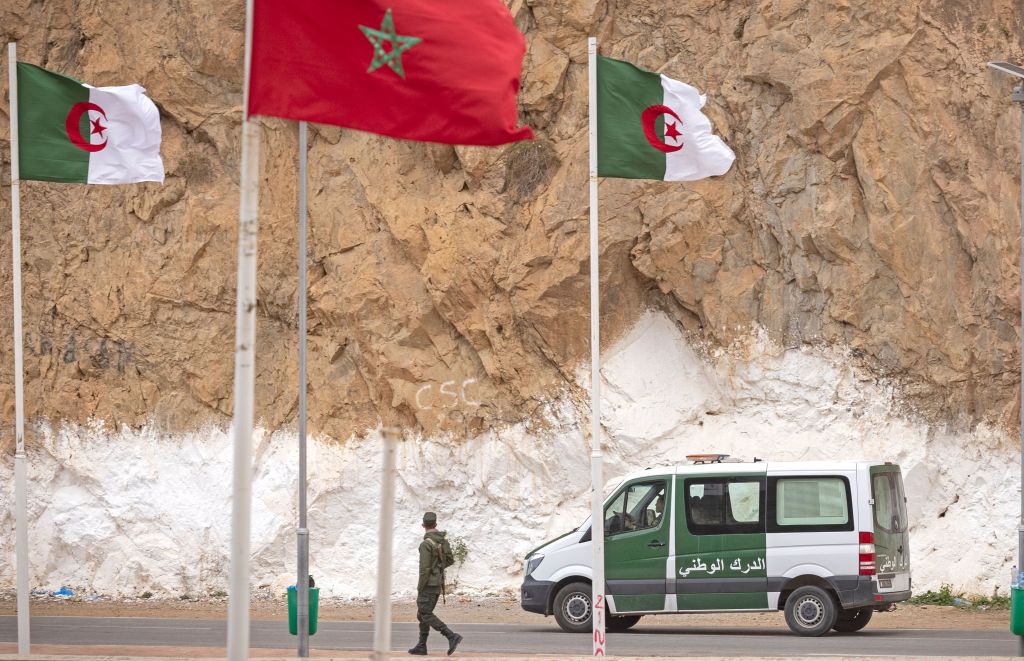
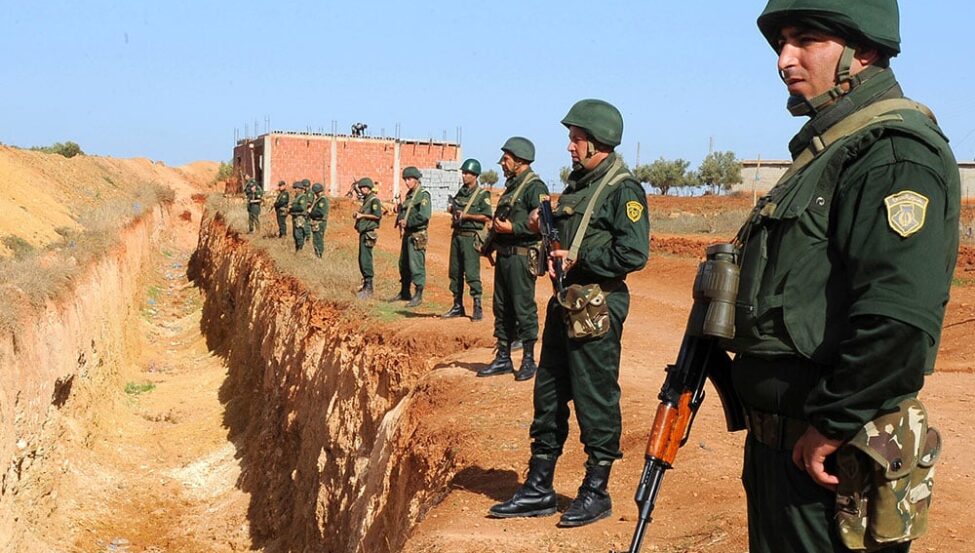
The land borders between the two countries have remained closed since 1994, creating a condition of persistent “cold conflict”.
There are no diplomatic relations, no substantive dialogue, and every military move by one side is interpreted by the other as a hostile act.
Within this context, Morocco’s decision to acquire K2 Black Panther tanks is not viewed by Algeria as a simple defensive upgrade, but as a direct provocation and a potential preparation for the imposition of faits accomplis.
www.bankingnews.gr


Σχόλια αναγνωστών