

On January 3, 2026, the United States carried out an unprecedented military operation against Venezuela, resulting both in aggressive aerial action against military targets around the capital Caracas, and in the abduction of President Nicolas Maduro by United States special forces. This operation, known as Operation Absolute Resolve, caused shock both regionally and internationally, given that Venezuela was supposedly equipped with a significant network of high technology air defense systems. However, as emerges from a multitude of international reports and analyses, the advanced Russian and Chinese made air defense systems of Venezuela, including the S-300VM, BUK-M2E, and the Chinese JY-27A radars, did not operate nor did they substantially hinder the advance of United States forces.
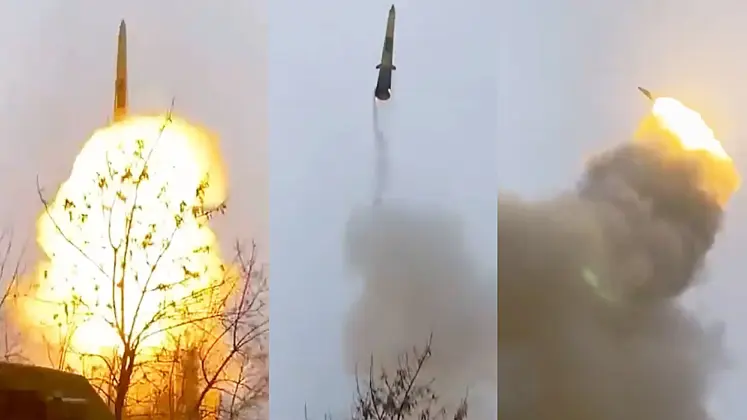
Neutralization of defense systems
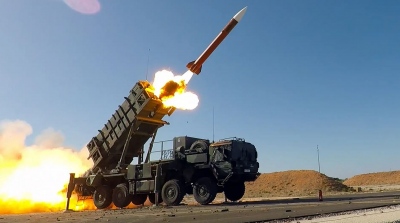
According to fully cross checked information, the S-300VM and Buk-M2 systems that constituted the backbone of Venezuela’s air defense:
1) Were not integrated into a networked radar system and many units were not activated at the time of the attack.
2) Critical components of the systems, according to analysis of satellite imagery, were stored and non operational during the invasion.
This finding explains why more than 150 United States aircraft managed to operate almost without resistance, with only one helicopter having sustained minor damage.
Evidence of deliberate deactivation
The key question that arises is: How is it possible for a country that proclaimed its preparedness for air defense to leave such systems inactive? There are several possible explanations circulating in the media, strategic analyses, and international military communities. According to United States sources, Venezuela faces serious problems in the operation and maintenance of its weapons systems due to economic sanctions, lack of spare parts, and the withdrawal of Russian technicians. Additionally, the same systems were not connected to radar and command networks that would render them effective. According to American observers, a long term administrative and operational disintegration of the military apparatus is observed. However, according to Military Watch Magazine, many analysts and observers internationally argue that the lack of resistance can only be explained as the result of non activation of the system by the military leadership that knew in advance about the American action.
Sabotage, the lure of the 50 million dollar bounty for the capture of Maduro
Also according to the same sources, it most likely constitutes internal sabotage that facilitated the operation, by officers who either feared total destruction, or had other political or personal agendas, or a background of bargaining with external powers. In online discussions and analyses, the idea is put forward that some officers had agreed not to activate the systems, with the aim of safeguarding the army or their own positions after the intervention. Although such claims have not been officially proven, in public discourse they tend to explain why there was no massive use of aircraft to confront United States flights and why the air defense systems were not activated even when they had a numerical advantage near the capital. According to military sources, the reward of 50.000.000 dollars for the capture of Maduro and the long term pressures on the army may have created cracks in the loyalty of certain military personnel to the government, a classic pattern historically observed in cases of state collapse.
Military collapse without resistance, internal betrayal
As multiple analyses report, the full outcome of the operation shows that the United States attack was carried out with relative ease, despite the apparent technological capability that Venezuela supposedly possessed. There was precise targeting against air defense points and radar sites, which were either not active or had been taken out of operation beforehand. The lack of an effective response from the army reinforces the argument that something more than technical inadequacy may have occurred. The idea of internal betrayal does not necessarily concern a coup, but may be described as non active resistance at critical moments, oversights in simple basic defense orders, deliberate surrender of military capabilities, or even behind the scenes agreements between military leaderships and foreign services. Such behaviors have precedents in global history where leadership fears excessively large scale destruction or when military hierarchies have become deeply politicized, with higher loyalty to individuals or regimes rather than to national defense.
Stand down action
The United States operation in Venezuela revealed a combination of military weakness, organizational breakdown, and possible internal compromises within the country’s Armed Forces. The data regarding the absence of operation of air defense systems, the non use of aerial assets for defense, and the lightning speed with which every form of organized reaction collapsed raise well founded suspicions that there was a stand down action or deliberate inactivity of military structures, possibly in exchange for safeguarding their own interests.
Purge in the Venezuelan army
After the arrest of Maduro, Vice President Delcy Rodriguez was sworn in as interim president under the country’s constitution, amid a situation of uncertainty regarding the real effective power in the country. Immediately after these events, significant changes followed in the highest military posts, which were interpreted by several analysts as an attempt to control the situation and remove individuals considered less loyal to the new military doctrine or to the interim government. One of the most documented moves was the removal of General Javier Marcano Tábata, commander of the Presidential Guard, the unit that was traditionally responsible for the personal security of the head of state. He was replaced by Gustavo Enrique González López, who simultaneously assumed the leadership of the military intelligence service DGCIM, amid intense pressure and changes in the security services. This change was considered by many experts as an attempt to control even the choices of senior figures within the military hierarchy, especially after indications of inactivity and possible internal reluctance to use defensive systems during the United States attack. The replacement of the Presidential Guard with a figure considered more supportive toward certain sides of the new government may reflect military trust only toward selected personnel, with the aim of containing the remnants of leadership behind the army after the crisis.
Losses concern the interim government
Alongside leadership changes, it has been made public that dozens of military personnel were killed during the intervention. Reports state that at least 23 Venezuelan military personnel and several dozen members of Cuban security forces serving in the country lost their lives in operations around Caracas during the capture of Maduro. These losses, particularly among senior officers and personnel of responsibility, deepened the need for reorientation of the military leadership and caused additional concerns about the loyalty of specific units to the interim government or to the country’s defense mechanisms.
Internal pressures and prosecutions
Within the context of the situation, the Rodriguez government issued orders for the arrest of those who supported the United States attack, indicating an attempt to purge individuals within the army or security services considered suspect of collaboration or lack of determination during the crisis.
Although there are no official sources with full names or a complete list of generals who have been purged beyond the replacement of Marcano Tábata, these moves indicate an expansive effort to cleanse the military leadership of individuals considered less reliable or fully devoted to the existing status quo. In periods of crisis, and especially after indications such as the non activation of at least the S-300VM and Buk-M2, such actions may be linked to fears of internal disobedience, betrayal, or lack of trust in senior military commands.
www.bankingnews.gr




Σχόλια αναγνωστών