

In an era where drones have radically changed war strategy and Artificial Intelligence is "invading" at a rapid pace, deploying all kinds of robots to the battlefield, a tank designed during the Soviet Union era continues to dominate the front and raise questions within the Western military machine. Recently, the American magazine The National Interest highlighted the Russian T-72 main battle tank as the top tank in the world, ranking it well above the Leopard 2, Abrams, and Merkava. The evaluation was based not only on technological capabilities but primarily on actual performance in the modern battlefield, where durability, simplicity, mass production, and survivability often prove more important than expensive electronic systems and the "showcase" of the Western defense industry… The experience of the war in Ukraine seems to have changed much of what was taken for granted in military theory over recent decades. Tanks that were presented as "invincible" proved vulnerable to mud, FPV drones, and the harsh conditions of the front… The old Soviet T-72 continues to be considered by many as the most balanced and effective tank of modern warfare.
Six key evaluation criteria
-
The first criterion was protection. A modern main battle tank must withstand multiple threats on the battlefield—from anti-tank mines to anti-tank missiles, FPV drones, loitering munitions, and attacks from copter-type drones. The survivability of the crew is also examined.
-
The second element was autonomy and logistical support. Tanks with fuel-efficient engines require refueling less frequently and can cover greater distances. The weight of the tank plays a decisive role: the greater it is, the more problems are created in its transport and use on the battlefield.
-
The third criterion was adaptability and modernization. In modern warfare conditions, new requirements for armored vehicles constantly appear, and their capabilities must adapt quickly to changes on the battlefield. The manufacturer must be in constant contact with the front and continuously improve the tank design. It is also of particular importance that upgrades should not require a radical reconstruction of the vehicle.
-
From this follows the fourth criterion: production and availability. In war, quantity often proves more important than quality. Even the most technologically advanced tank cannot change the course of a conflict alone. The German "King Tigers" of the Third Reich were extremely powerful, but they were far fewer than the Soviet T-34 and IS-2, and were ultimately defeated.
-
The fifth element was versatility of use. The tank must be able to operate effectively in different climates and geographical conditions—in deserts, forests, and urban environments. Its armament must be capable of dealing with both enemy armor and infantry or fortified positions.
-
Finally, the sixth criterion was reliability. In a large-scale war, maintenance must be as simple as possible, ideally even by the crew itself. A good tank should not get stuck in the mud, suffer breakdowns from dust, or stop functioning in extreme cold.
British Challenger 2 is too heavy
In the last, tenth place of the ranking, the British Challenger 2 was found. Its main disadvantage is considered to be its heavy weight of 62.5 tons. Because of this, its off-road autonomy is limited to just 250 kilometers. In Ukraine, the tank was considered particularly unreliable. Many bridges cannot withstand its weight, and it often gets stuck in the muddy conditions of spring and autumn. Furthermore, its unique rifled gun requires special ammunition, creating additional supply problems.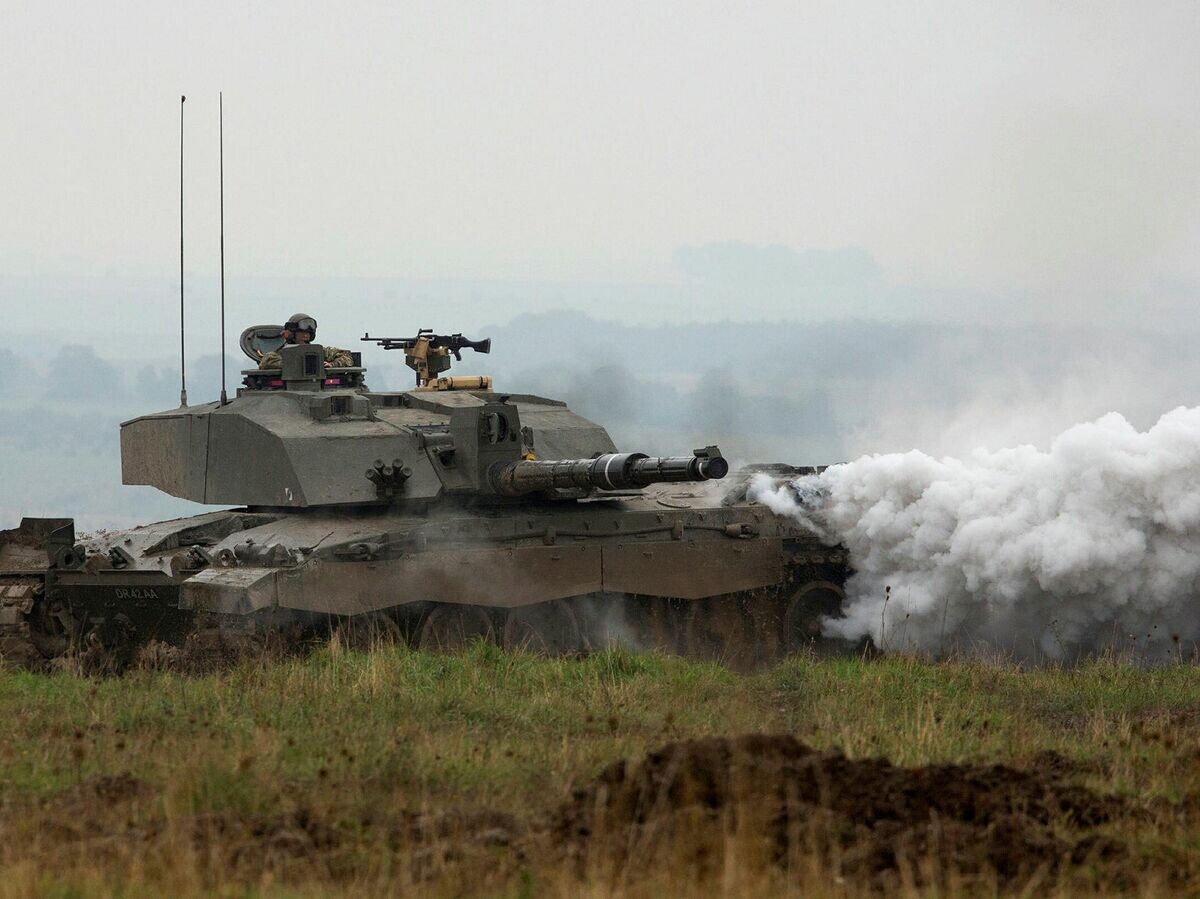
In ninth place was the Japanese Type 10. Although its technical characteristics are impressive, it has never participated in an actual military conflict and it is considered doubtful whether it can be mass-produced under large-scale war conditions.
Inadequate armor on the Leopard 2
Ranked eighth was the German Leopard 2. Experts recognize the power of its gun, its advanced optics, and its reliable engine. However, its armor is considered inadequate against even not-so-modern anti-tank means. Several videos circulate online showing Ukrainian crews abandoning the tank as soon as it hits an anti-tank mine.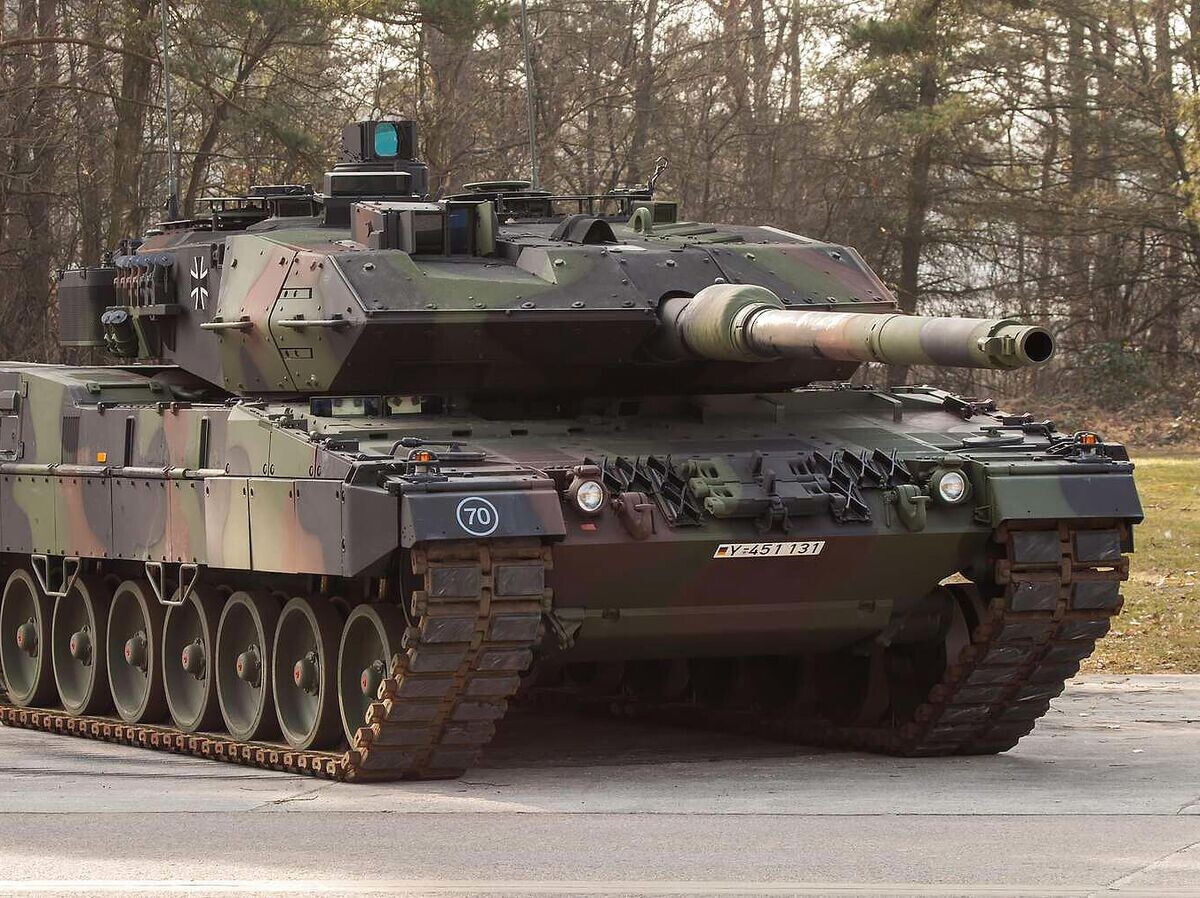
In seventh place was the Russian T-14 Armata. It is considered the pinnacle of Russian tank technology, with modern systems such as the Afganit active protection system, an unmanned turret, and advanced optics. However, it is characterized as excessively complex and expensive to produce.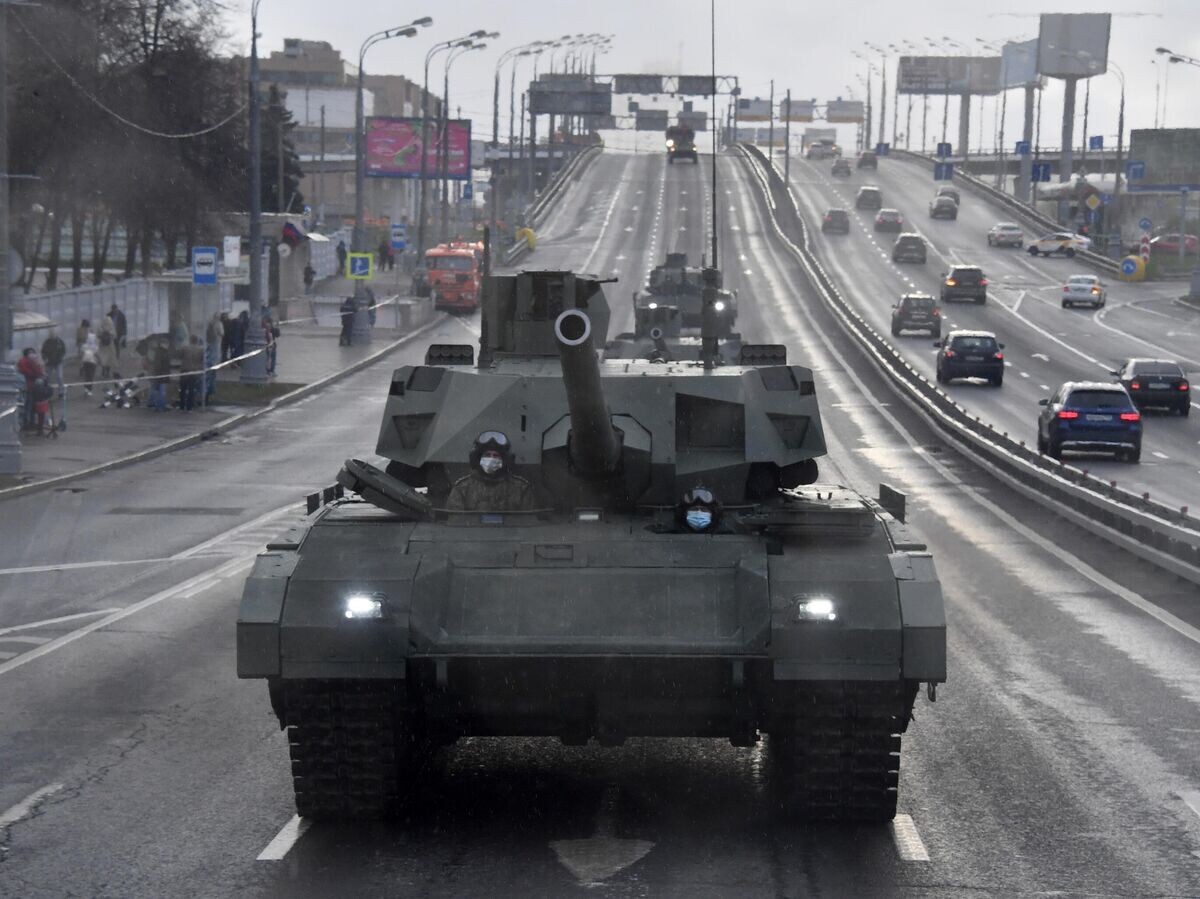
Ranked sixth was the Chinese Type 99. Its main advantage is its low price and the possibility of mass production. Nonetheless, there are doubts about its armor and electronic systems. Additionally, it has never been tested in real combat conditions.
The top main battle tanks
In fifth place was the South Korean K2 Black Panther. This is an extremely modern tank with a high rate of fire and excellent armor. Many consider it the most technologically advanced tank in the world. However, its cost reaches approximately ten million dollars per unit.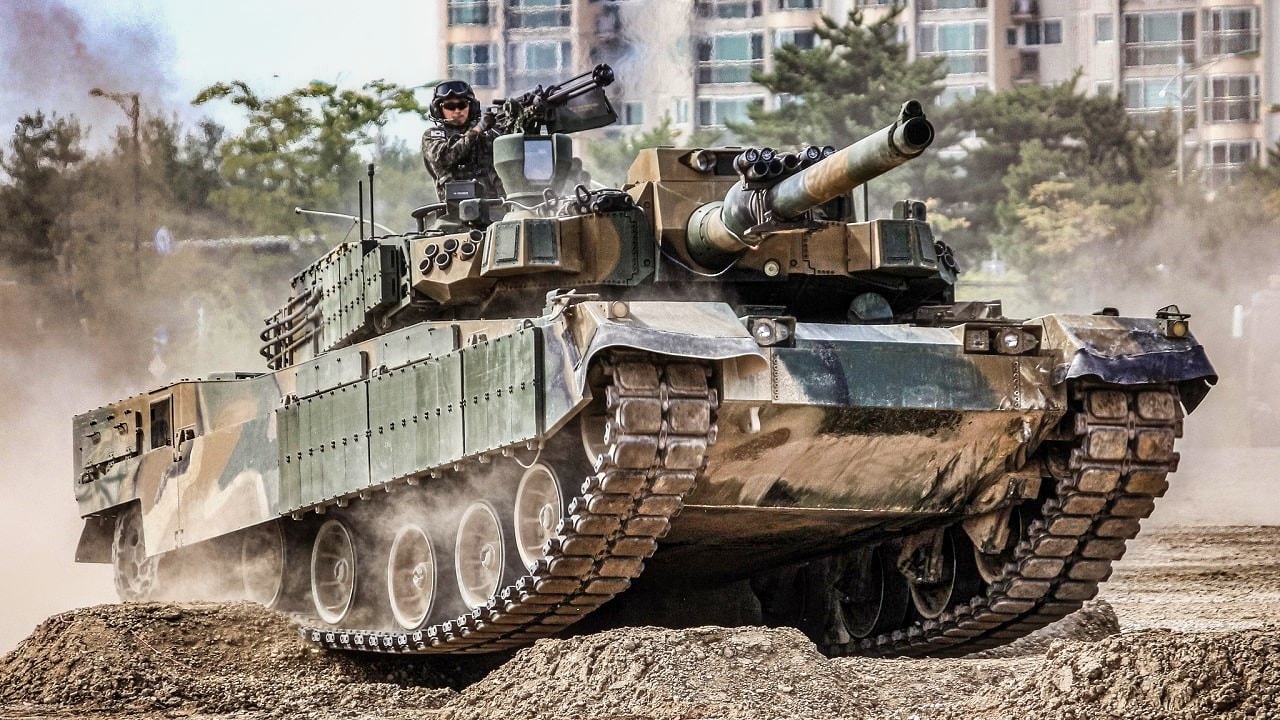
Ranked fourth was the French Leclerc. It is fast, features dynamic armor, and an autoloader system. Nevertheless, its serial production stopped in 2008, a fact that makes the rapid replacement of losses difficult in the event of war.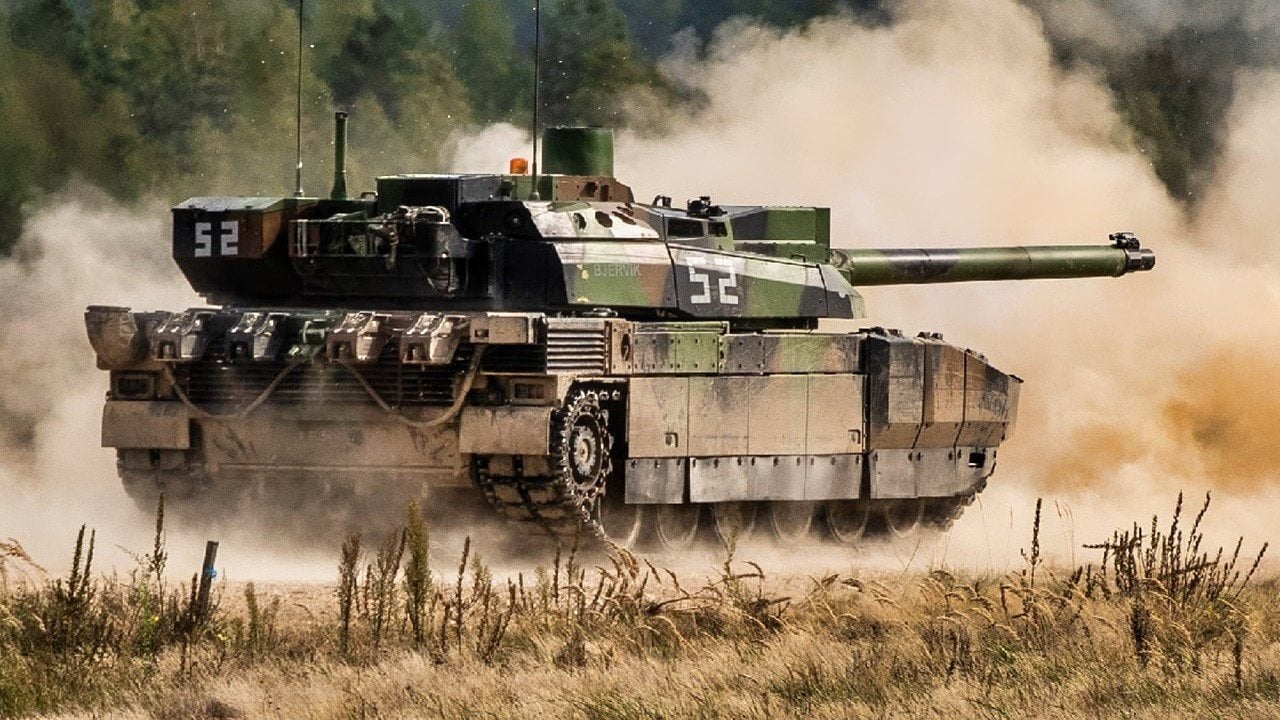
Third place was taken by the Israeli Merkava V, equipped with advanced sensors, electronic warfare systems, a powerful engine, and even artificial intelligence. On paper, it is considered an almost ideal tank. However, there are already several videos showing fighters in Lebanon destroying these tanks with cheap FPV drones. Also, during the 2006 conflict in Lebanon, Israel lost up to 30 Merkavas to Soviet RPG-26 and RPG-29 anti-tank launchers.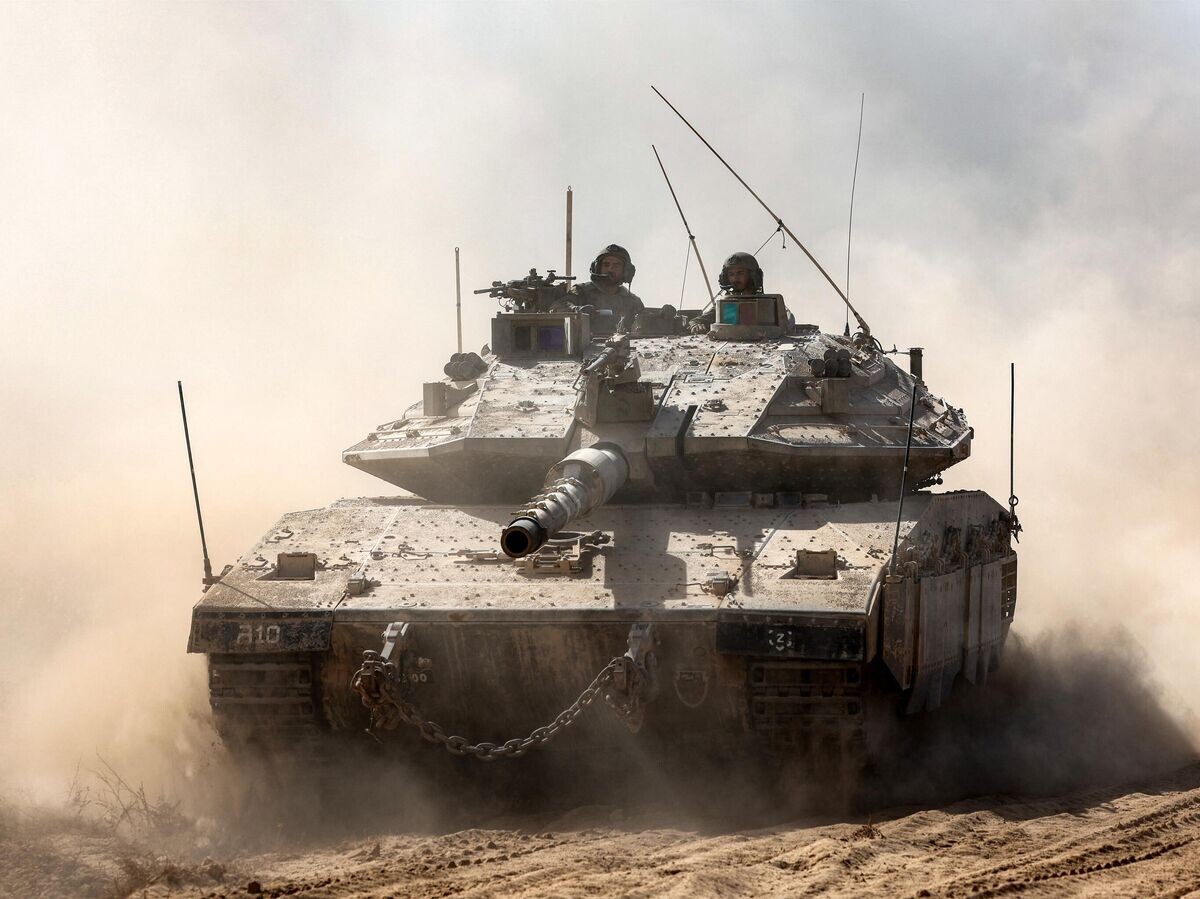
In second place was the American M1A2 Abrams. This tank is used by dozens of countries and is considered one of the most "tested" battle tanks in the world. However, most of its operations took place in the Middle East and Afghanistan. The conflict in Ukraine was the first time it was tested in a different theater of operations. There, it was revealed that Abrams face serious problems in the mud, while their heavy weight makes them vulnerable to drone attacks.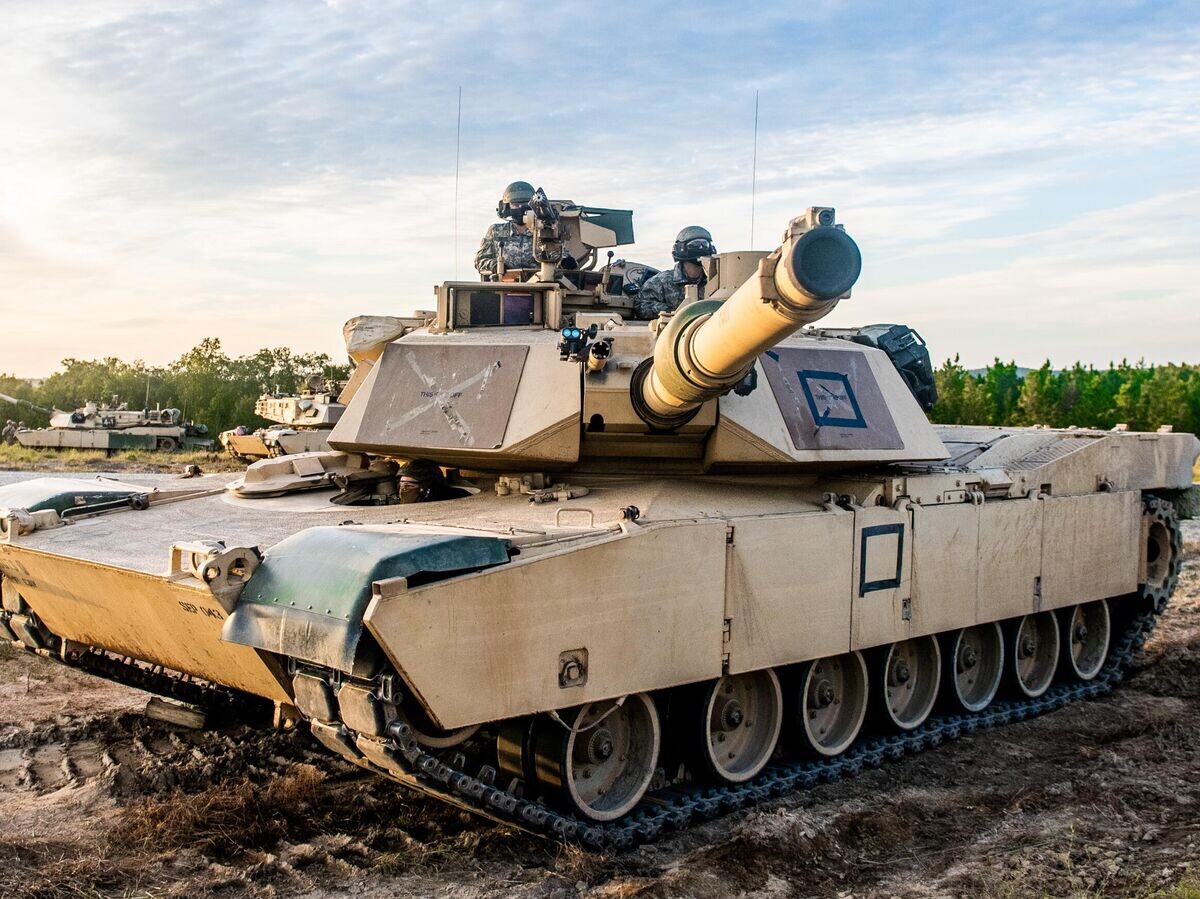
The grand winner: the T-72
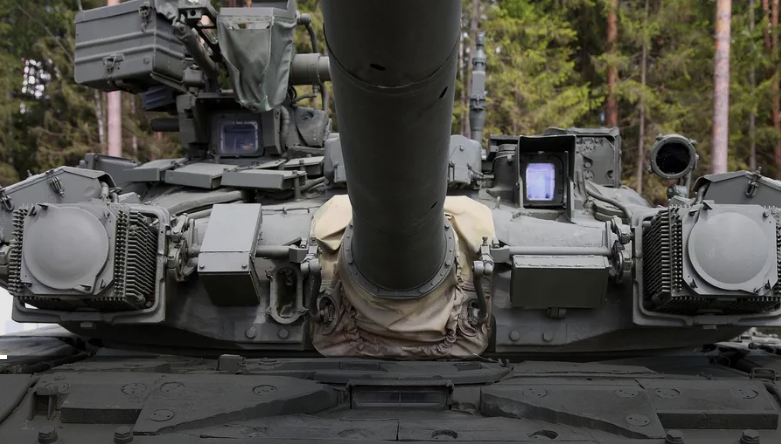
At the top of the list was the Soviet/Russian T-72. Various versions of it serve in more than 40 countries. According to the evaluation, it is the only tank that fully meets all the criteria. The T-72 features good armor, a relatively low weight of 41 tons, an autonomy of over 500 kilometers, and great ease of upgrade both at the factory level and in the field. It can be mass-produced, quickly replace losses, and operate effectively in desert, city, forest, and open fields. According to the analysis, even its repair can often be carried out by the crew itself. Modern combat experience in Ukraine proved that, with the mass use of drones, even the most technologically advanced tanks have a limited survival time on the battlefield. In modern war, often a more important role than technical characteristics is played by crew training, the integration of the tank into the overall combat system, improvised improvements, and flexibility in tactical use.
www.bankingnews.gr





Σχόλια αναγνωστών