

The assassination attempt against the Deputy Head of Russia’s Military Intelligence Service (GRU), Lieutenant General Vladimir Alekseev, is evolving into one of Russia’s most serious internal security cases in recent years, carrying clear international implications and a heavy geopolitical footprint. The case, spanning from Moscow to Dubai and Ukraine, reveals an organized network of surveillance, execution, and escape, at a time when Moscow is openly speaking of an attempt to undermine the peace process. This was an operation characterized by long-term preparation, multi-level support, and international escape routes, which—according to Moscow’s assessment—had a clear political and strategic objective.
Arrest and extradition from the United Arab Emirates
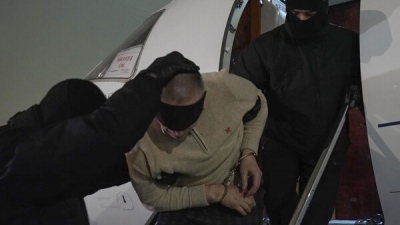
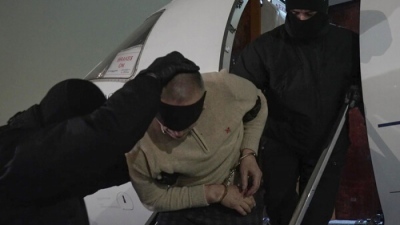
According to an official announcement from the FSB Public Relations Center, the direct perpetrator of the attack, 66-year-old Lubomir Korba, was arrested in Dubai and extradited to Russia with the assistance of the United Arab Emirates authorities. Korba is a Russian citizen of Ukrainian origin, hailing from the Ternopil region. A video released by the FSB shows the moment of his handover: Korba, handcuffed and blindfolded, disembarks from a private jet and is led away under draconian security measures. On February 7, the Zamoskvoretsky District Court of Moscow ordered his detention in absentia.
?????? FSB captured the suspect in the assassination attempt on Russian General, Alekseev
— Lord Bebo (@MyLordBebo) February 8, 2026
He was detained in Dubai and brought to Moscow
The plane has just landed in Moscow https://t.co/kUUp2wd9mx pic.twitter.com/R2SdZ9Qitk
Chronicle of the attack
The assassination attempt occurred on the morning of February 6 in an apartment building on Volokolamsk Avenue in Moscow. The perpetrator repeatedly shot Lieutenant General Alekseev before fleeing via public transport. The officer was seriously wounded but survived, regaining consciousness on February 7. Security camera footage shows the suspect leaving the scene wearing a long green hooded jacket and a backpack. A Makarov pistol with a silencer was found at the site, containing three remaining rounds—a detail suggesting either a rushed escape or a failure in the operational execution.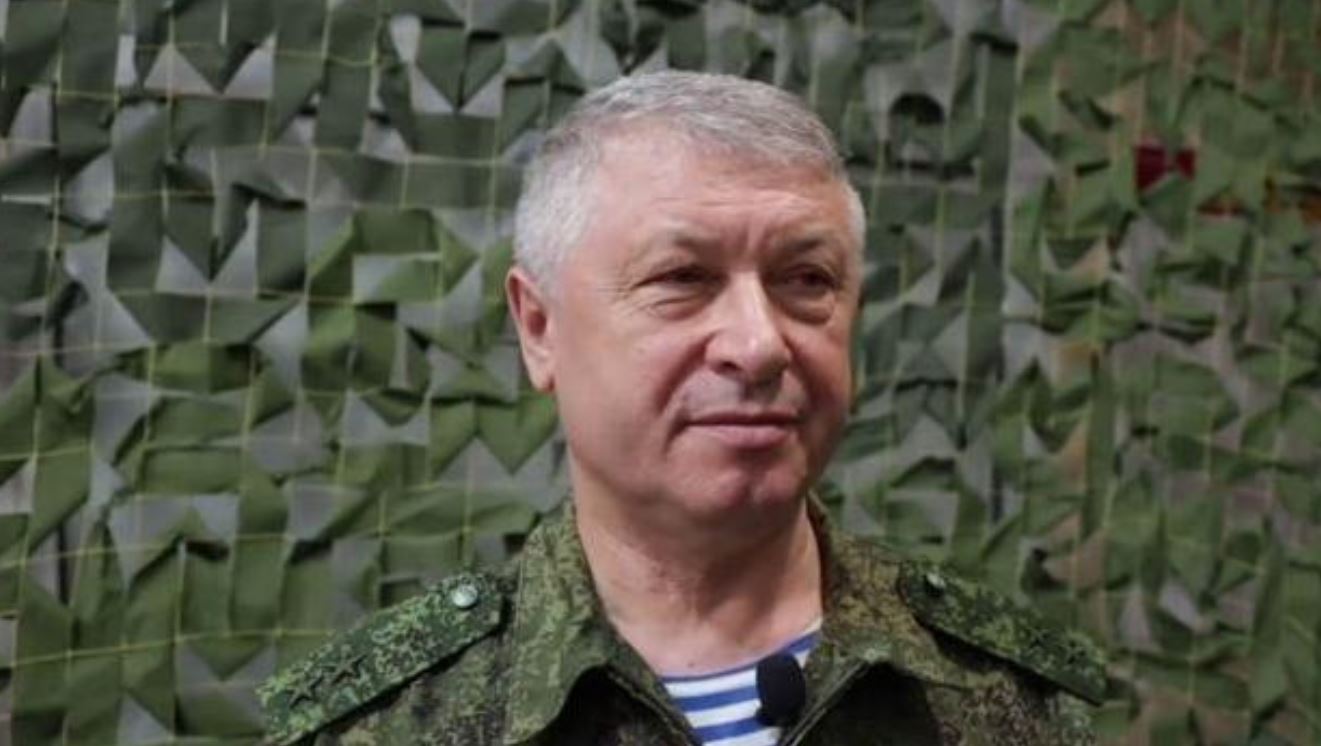
The network of accomplices
The investigation revealed that Korba did not act alone. Viktor Vasin was arrested in Moscow, while a third accomplice, Zinaida Serebritska, managed to flee to Ukraine. Vasin is a graduate of a military communications school and had business activities in the construction and industrial sectors, marred by multiple financial problems and debts. Reportedly, he maintained ideological proximity to organizations Russia has designated as extremist and had known Korba for years. Serebritska is perhaps the most critical figure in the case; she rented an apartment in the same building as Alekseev and collected intelligence for at least a month regarding his movements, building access, and security systems. A few days before the attack, she reportedly obtained the intercom code by feigning family needs.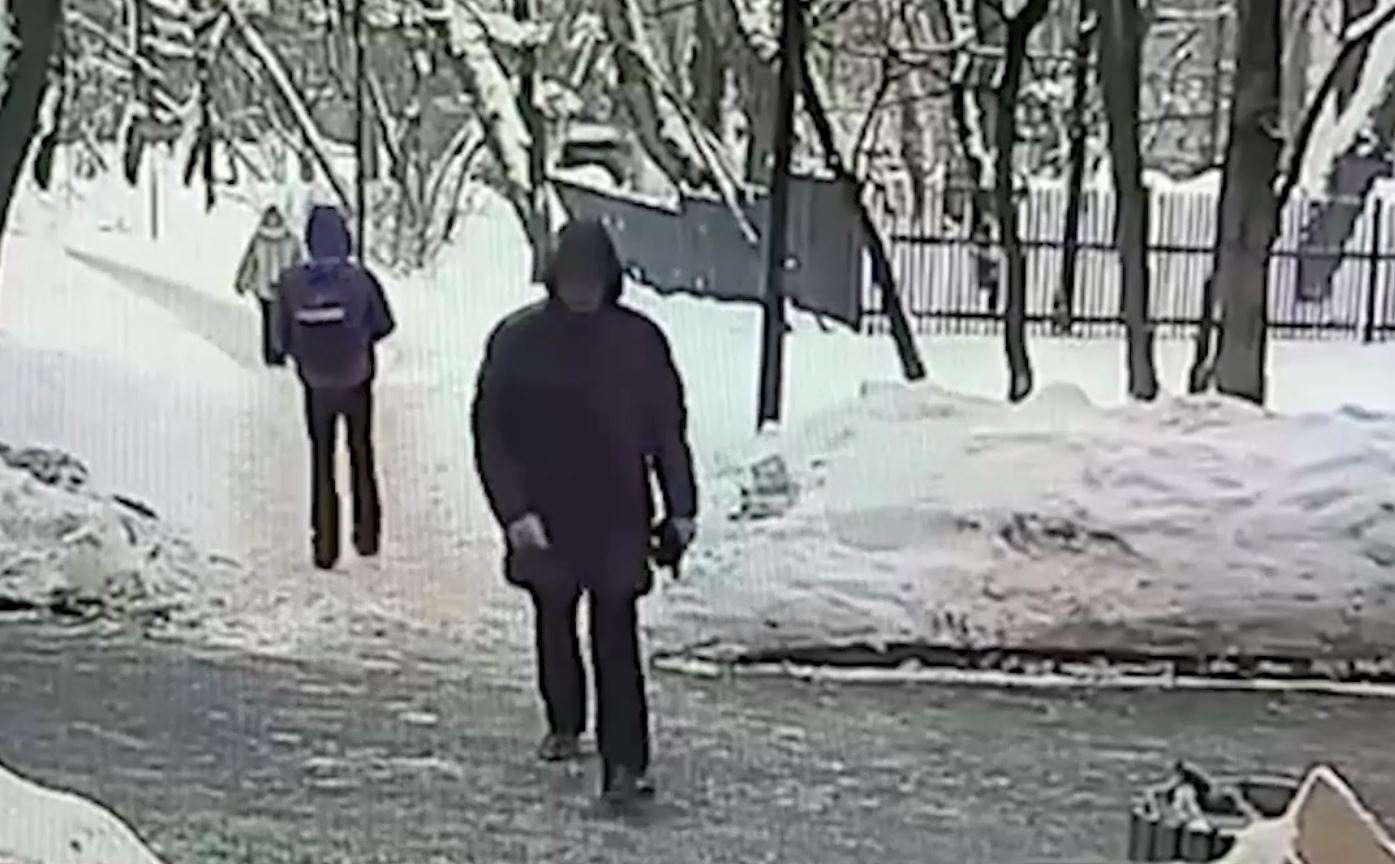
Admission of guilt
Both Korba and Vasin reportedly admitted their guilt. "Russian citizens Lyubomir Korba, born in 1960, and Viktor Vasin, born in 1959, arrested by officers of the Federal Security Service, admitted their guilt and described the preparations for the assassination attempt against the First Deputy Head of the Main Directorate of the General Staff of the Armed Forces of the Russian Federation, Lieutenant General Vladimir Alekseev, which was committed under orders from the Security Service of Ukraine (SBU)," the FSB statement read.
Accomplice’s debts
Meanwhile, new details are emerging regarding Viktor Vasin, the man arrested in Moscow as an accomplice. According to information broadcast by TASS, citing Russian law enforcement sources, Vasin has overdue debts exceeding 831,000 rubles. An official source clarified that these debts primarily involve forced collection cases for the benefit of individuals and legal entities. According to the enforcement proceedings database, three separate collection procedures were initiated against Vasin between November 2025 and January 2026. This data reinforces the profile of an individual with severe financial struggles, which analysts believe may have contributed to his recruitment for a high-risk operation.
Political dimension and diplomatic tension
Russian Foreign Minister Sergey Lavrov directly characterized the attempt as an "effort to undermine the peace process," accusing the Kyiv regime of a strategy of provocations aimed at maintaining Western support. At the same time, Ukraine denied any involvement, with Foreign Minister Andriy Sybiha telling Reuters that Kyiv "has no connection to the attack."
Message to the Russian military establishment
The attempted assassination of such a high-ranking officer sends a clear message: the war is not limited to the battlefield but extends to the heart of the Russian capital. As Kremlin spokesperson Dmitry Peskov stated, Russian leader Vladimir Putin has a full picture of the situation, while security services have taken full control of the threat management. The Alekseev case may represent a turning point in both internal security and the broader geopolitical game, where targeted operations are gaining increasing importance.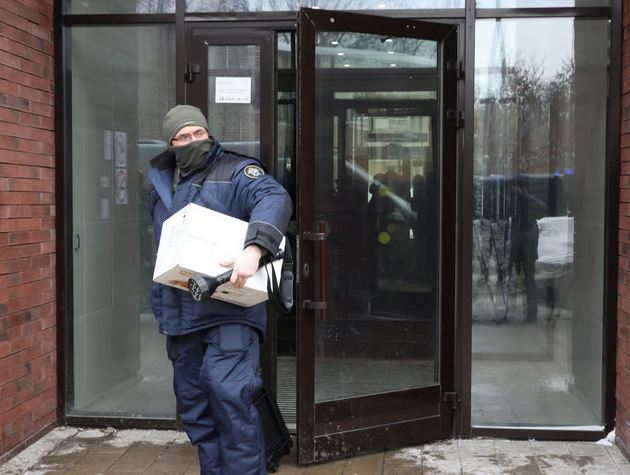
What the attempt means for the next phase of the war
The assassination attempt against Lieutenant General Alekseev cannot be viewed in isolation from the overall dynamics of the conflict. Instead, it serves as an indicator of a transition to a new phase, where military operations in the field are systematically accompanied by "surgical targeting" of key figures.
From the front to the internal depth
As the military front stabilizes in several regions, the conflict is moving deeper into the interior of the involved states. The targeting of senior officers signifies an attempt to disorganize the decision-making center, not through mass strikes, but through psychological pressure and the creation of a sense of constant threat. For Moscow, this development is interpreted as an attempt to damage the institutional continuity of the Russian military machine, shifting the cost of the war from the field to the level of internal security.
Escalation of hybrid warfare
This specific case reinforces the assessment that the war has entered a phase of full hybrid confrontation, combining:
-
Military operations
-
Secret missions
-
Psychological operations
-
Targeted destabilization actions
In this context, attempts against High-Value Targets (HVTs) serve a dual role: they seek to remove critical personnel and send a message that the conflict has no "safe zone."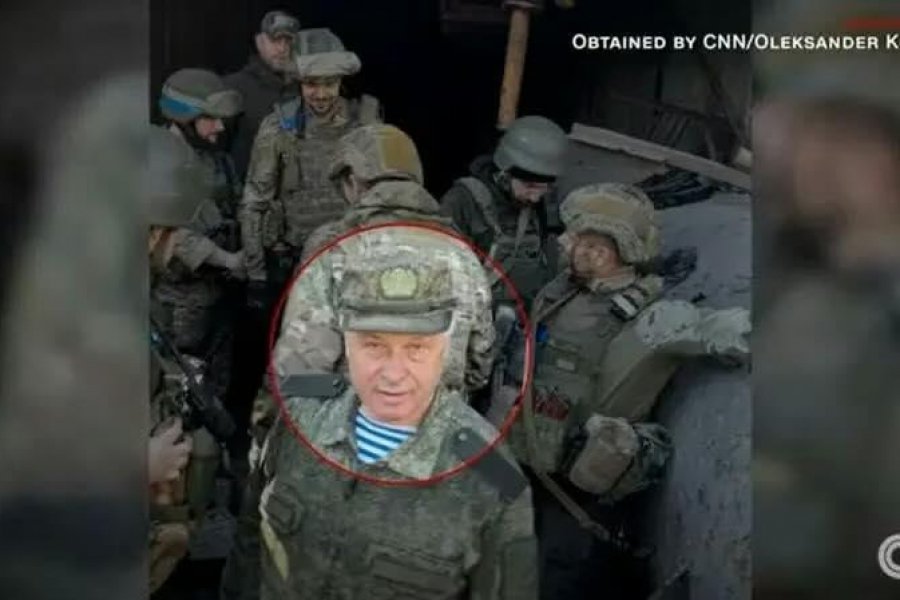
The Russian response: Invisible but decisive
While the Russian side avoids public threats, history shows that such actions usually lead to an asymmetric response, which is neither announced nor directly linked to the original event. Analysts estimate that the response will not necessarily be spectacular but targeted, involving enhanced counter-intelligence, the neutralization of networks, and potential "silent deterrence" operations away from the public eye. The leak that Alekseev has regained consciousness and will participate in planning countermeasures serves more as a psychological signal than mere information.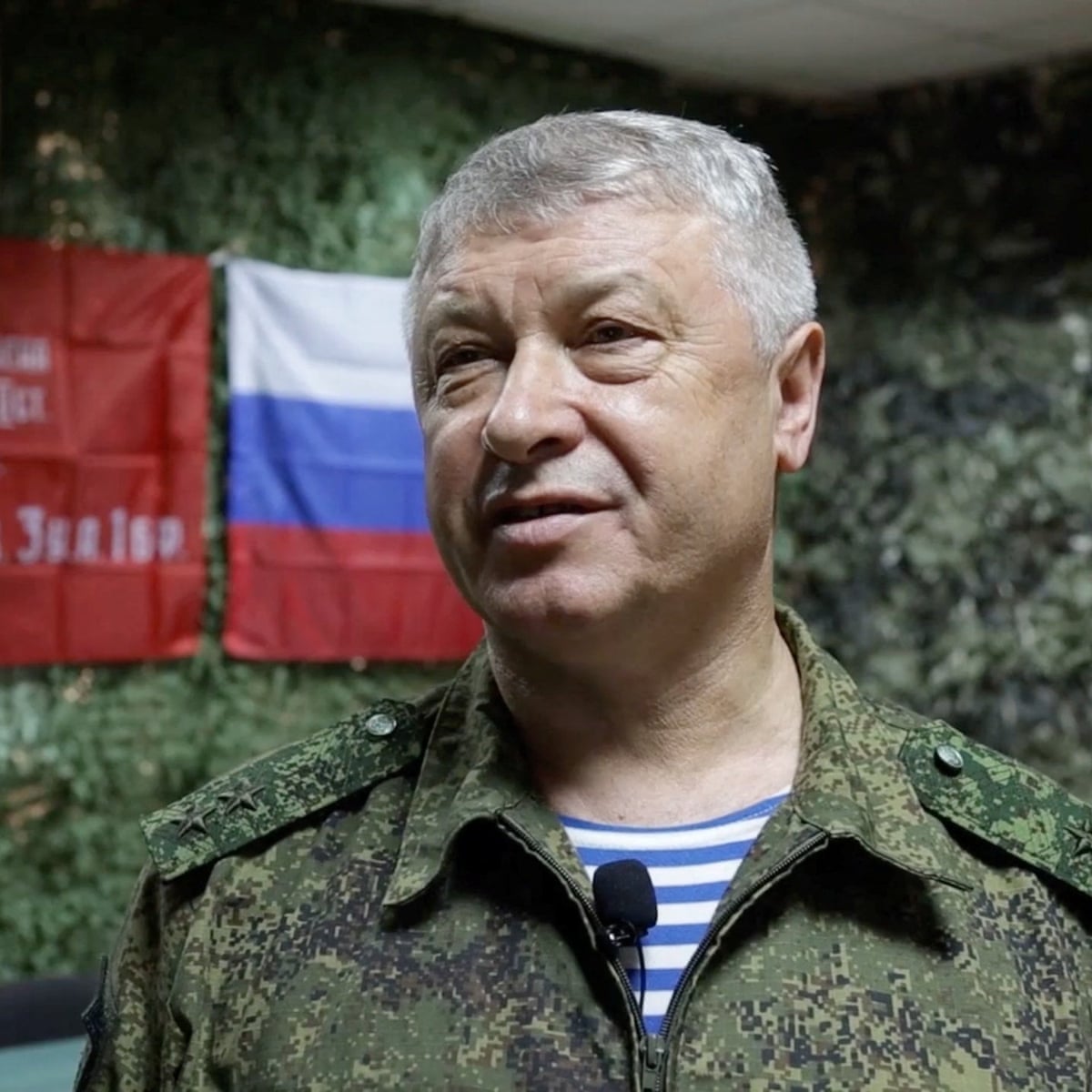
Impact on negotiations and the diplomatic field
At a political level, such actions seriously complicate any effort at dialogue. Russian diplomacy is already using the case as an argument that the other side—or the circles supporting it—is not interested in de-escalation but in permanent tension. This could lead to a hardening of the Russian stance in future talks, increased security demands, and a narrowing of the room for compromise. The assassination attempt on Lieutenant General Alekseev acts as a bellwether for where the conflict is headed. The war is no longer just about territory and front lines; it is about individuals, structures, and the very concept of internal security. As such operations multiply, the chances of controlling the escalation diminish—making the next phase even more dangerous.
www.bankingnews.gr







Σχόλια αναγνωστών