

The broader Middle East stands once again on the brink of the abyss, as the U.S., under orders from President Donald Trump, consolidates formidable forces in a clear preparation for a potential strike against Iran. The American fleet has already arrived in the region, with the aircraft carrier USS Abraham Lincoln currently positioned in the Arabian Sea. The U.S., ready to face the Iranian threat, finds itself before an incredible challenge. American generals are well aware that the primary test for their Armed Forces is not merely Iran's size, but its asymmetric strategy—a strategy that offers the specific type of combat training needed ahead of a looming conflict with China.
Unless, of course, the Iranians pull off the unthinkable: sinking a U.S. aircraft carrier. This scenario is no longer purely theoretical; to the surprise of many, the Yemeni Houthis nearly achieved a significant blow in the Red Sea in 2025. A Houthi missile forced the carrier USS Harry Truman into a sharp, sudden maneuver, which resulted in one of its aircraft falling overboard into the sea.
The USS Harry Truman incident
In the spring of 2025, the American carrier Harry Truman was operating off the southwestern Arabian Peninsula, launching strikes against the Houthis—the Shiite group controlling parts of Yemen and attacking merchant shipping in the Red Sea. Combat operations were daily, with all carrier services running 24/7. On April 28, the ship was moving at 15 knots on a southeasterly course while technicians on the flight deck prepared for another strike. An F/A-18 fighter jet had just been lowered via the elevator and connected to a tow tractor. Technicians had removed the wheel chocks and securing chains to move the aircraft into a parked position.
Plane overboard
Suddenly, the watch officer at the Combat Information Center announced the detection of an incoming ballistic missile aimed at the carrier. Upon hearing this, the bridge team decided to change course immediately, ordering "Speed 30 knots, rudder right 10 degrees," later increasing the angle to 15 degrees. Due to the abrupt course change, the 100,000-ton carrier began to list heavily to the left. The F/A-18 on the elevator rolled toward the edge, dragging the tow tractor with it. The driver and a technician jumped clear at the last second before the multimillion-dollar aircraft slid off the elevator and plunged into the sea.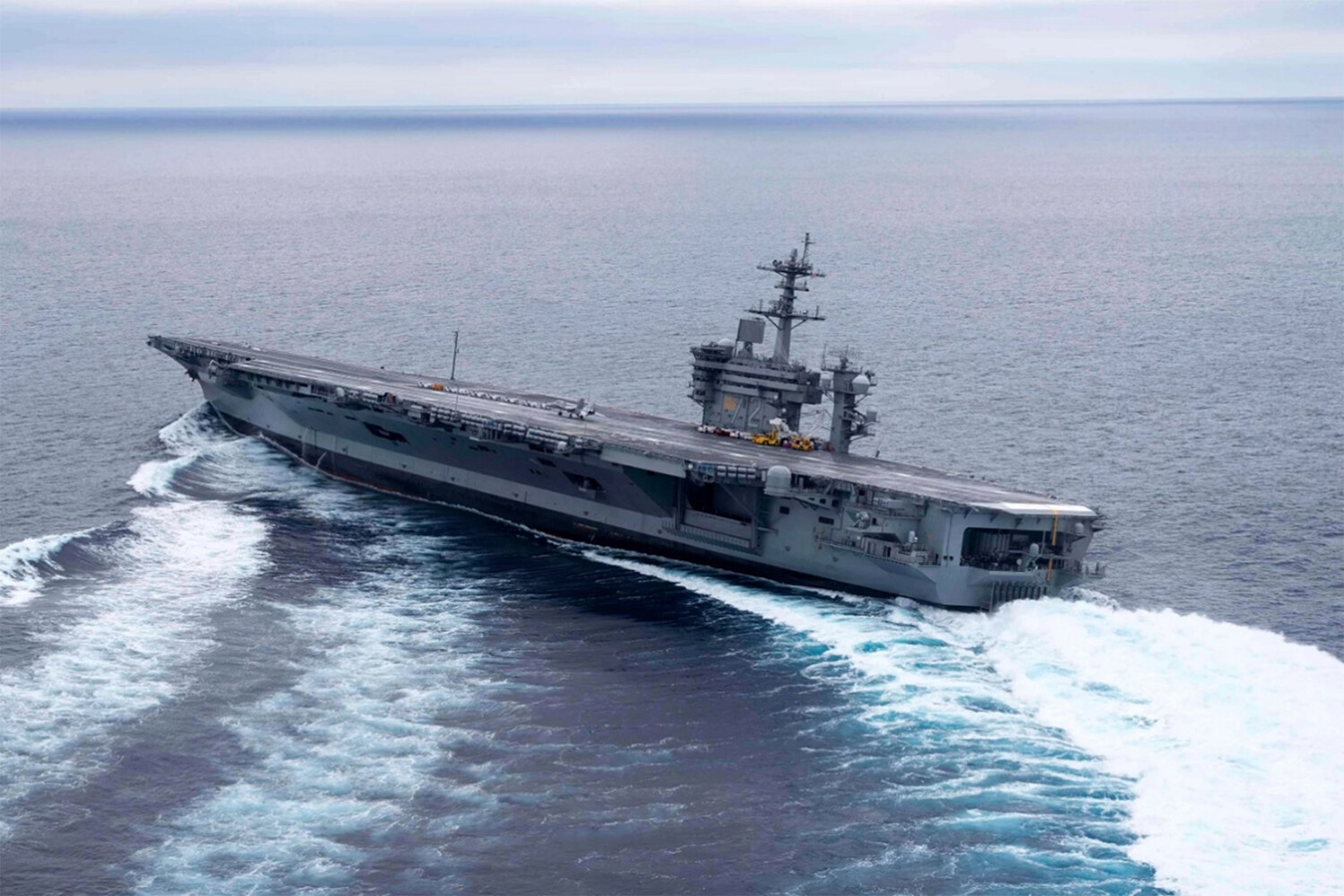
What the investigation revealed
The official investigation cited brake failure on the fighter jet and a lack of communication between the bridge and the flight deck regarding the emergency maneuver as the primary causes. It remains unclear if the incoming projectile was intercepted or simply missed, but the loss of the aircraft drew global attention. It appears the American fleet in the war against the Houthis is not merely conducting "target practice" but is engaged in a real war, where the enemy is actively attempting to sink high-value assets.
The most intense naval battle since WWII
The Houthis consistently attacked U.S. ships using every means at their disposal, turning the Red Sea into a daily naval battleground. They utilized indigenous designs and hardware supplied by their Iranian allies. By early 2025, the destroyer USS Spruance returned to San Diego bearing seven "kill" marks for drones, three for cruise missiles, and three for ballistic missiles on its superstructure. Admiral Marc Miguez, commander of the USS Dwight Eisenhower strike group, confirmed his fleet had even destroyed a kamikaze unmanned underwater vehicle (UUV). "This is the most intense war for the U.S. Navy since World War II," stated naval expert Brian Clark, warning that Houthi saturation attacks could eventually bypass U.S. defenses.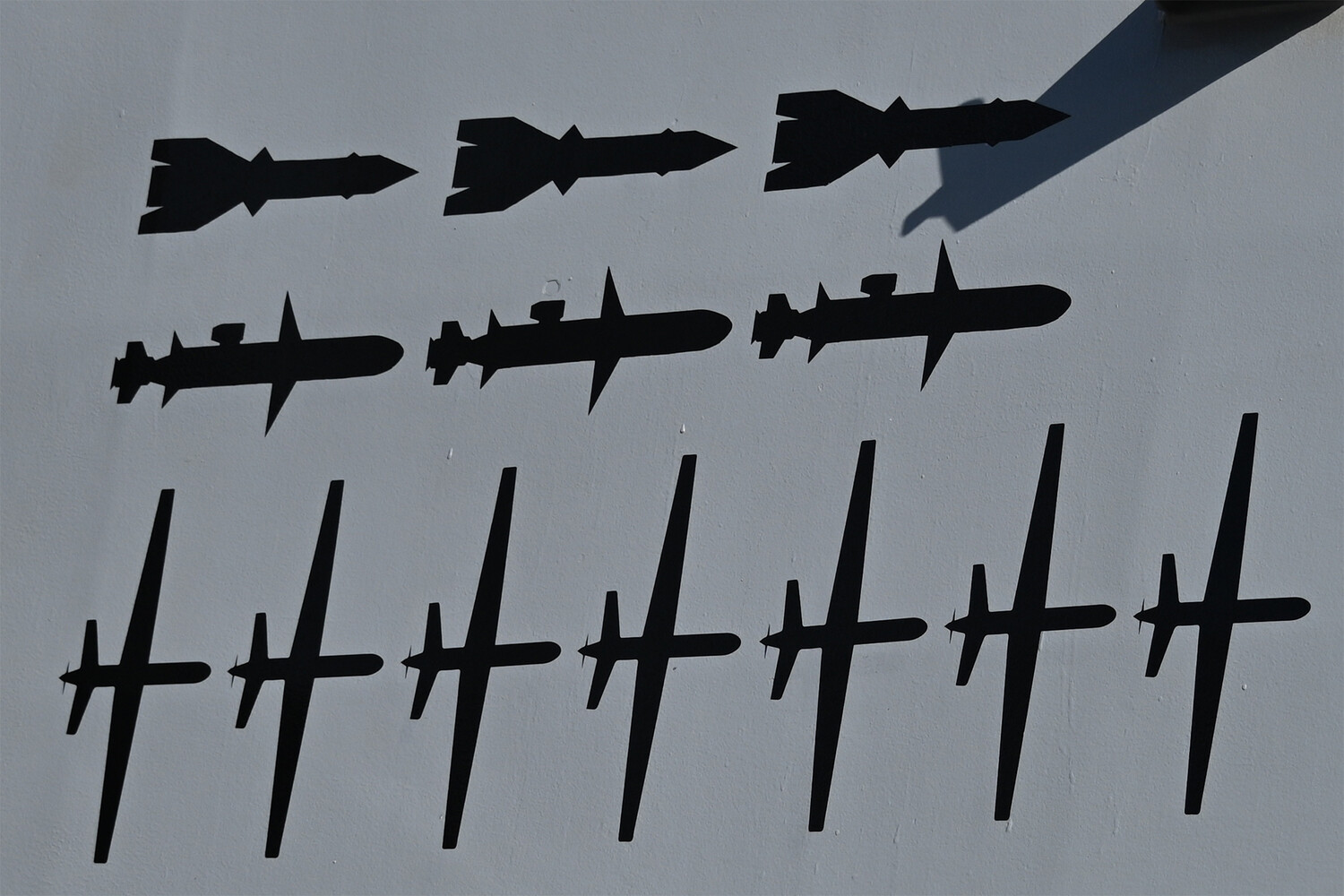
Over 100 anti-air missiles launched
The number of interceptor missiles used in these engagements has exceeded 100, raising concerns regarding stockpile depletion. U.S. weaponry was designed to counter mass salvos of heavy Soviet anti-ship missiles, yet the Houthis are forcing the U.S. to fire expensive interceptors at a continuous stream of low-cost drones. Consequently, admirals have adapted their tactics, utilizing the APKWS (Advanced Precision Kill Weapon System) laser-guided rockets fired from helicopters to save more advanced missiles for ballistic threats. Electronic warfare has become the most cost-effective method, as the cost of these "soft kills" is near zero.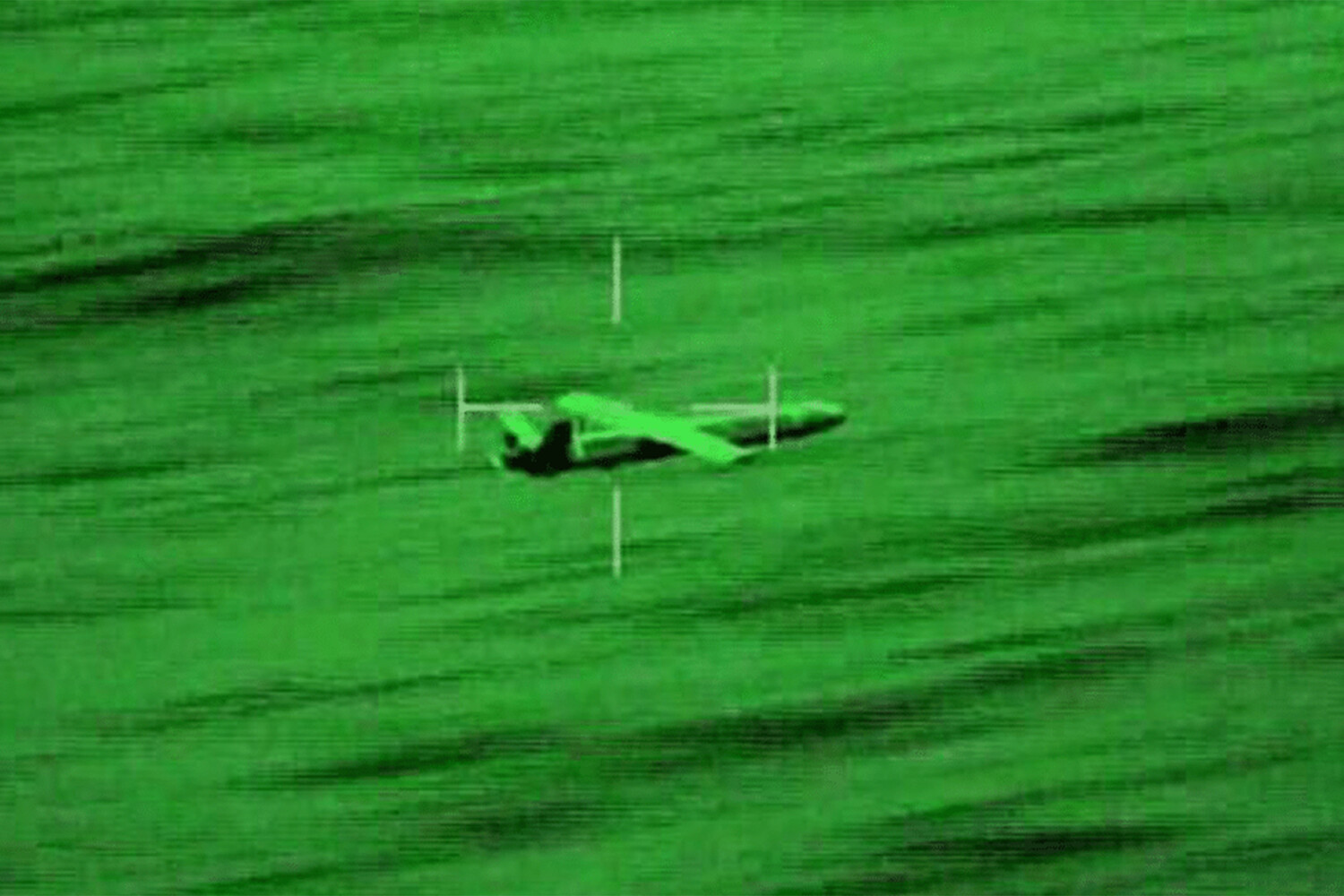
Iran's naval capabilities: A quantum leap in threat level
While the U.S. fleet emerged from the Houthi conflict without losses, the Houthis are merely the "younger brother" of Iran. The technical and tactical capabilities of the Iranian Navy are infinitely greater. Iran's surface forces, consisting of frigates and corvettes, are unlikely to seek a conventional blue-water battle. The real threat to the USS Abraham Lincoln strike group comes from Iran’s massive arsenal of anti-ship missiles. This includes short-range coastal defense systems like the Zafar and Nasr-1, as well as medium-range missiles like the Noor and Qader, which are based on the French Exocet design.
The Abu Mahdi and Hormuz-2 threat
The pride of Iran's arsenal is the Abu Mahdi missile, boasting a range of over 1,000 kilometers. Interestingly, its origins trace back to Soviet Kh-55 cruise missiles illegally sold by Ukraine to Iran in the early 2000s. These missiles skim the sea surface to evade radar. Additionally, the Hormuz-2 ballistic missile, with a range of 300 kilometers, poses a high-speed threat. While American missile defense has trained since the 1970s to intercept similar Soviet-era trajectories, the sheer speed of a ballistic terminal phase leaves only minutes for a reaction.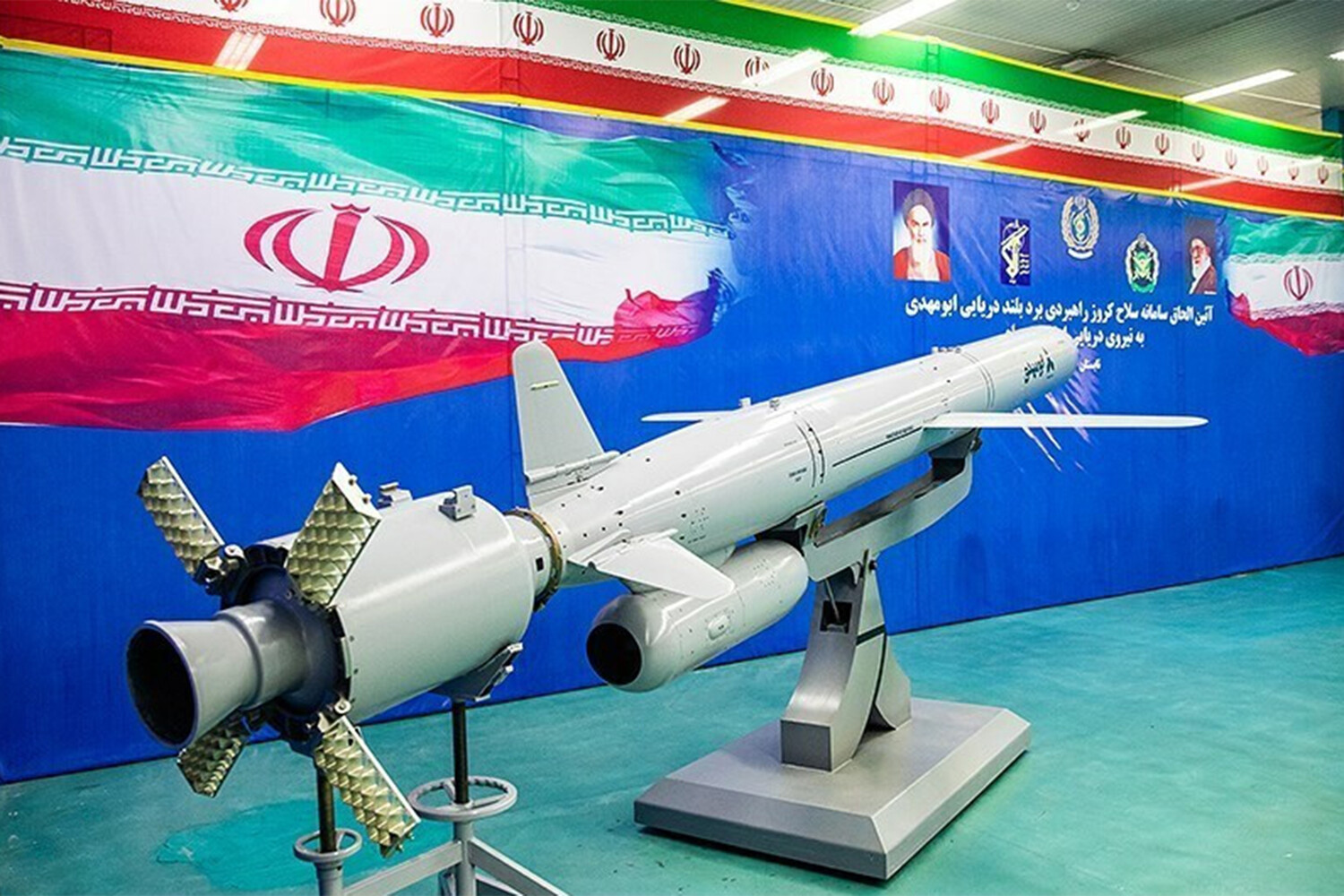
Iranian submarines: Silent sentinels of the Gulf
Iran possesses a unique submarine force, including 20 Ghadir-class midget submarines. Due to their small size, they can sit silently on the shallow floor of the Persian Gulf, acting as "intelligent minefields" to ambush passing ships with torpedoes or Jusk-2 missiles. The most potent threats, however, are the three Soviet-built Kilo-class (Varshavyanka) diesel-electric submarines. These are significantly quieter and capable of blue-water operations, posing a legitimate risk to carrier escorts.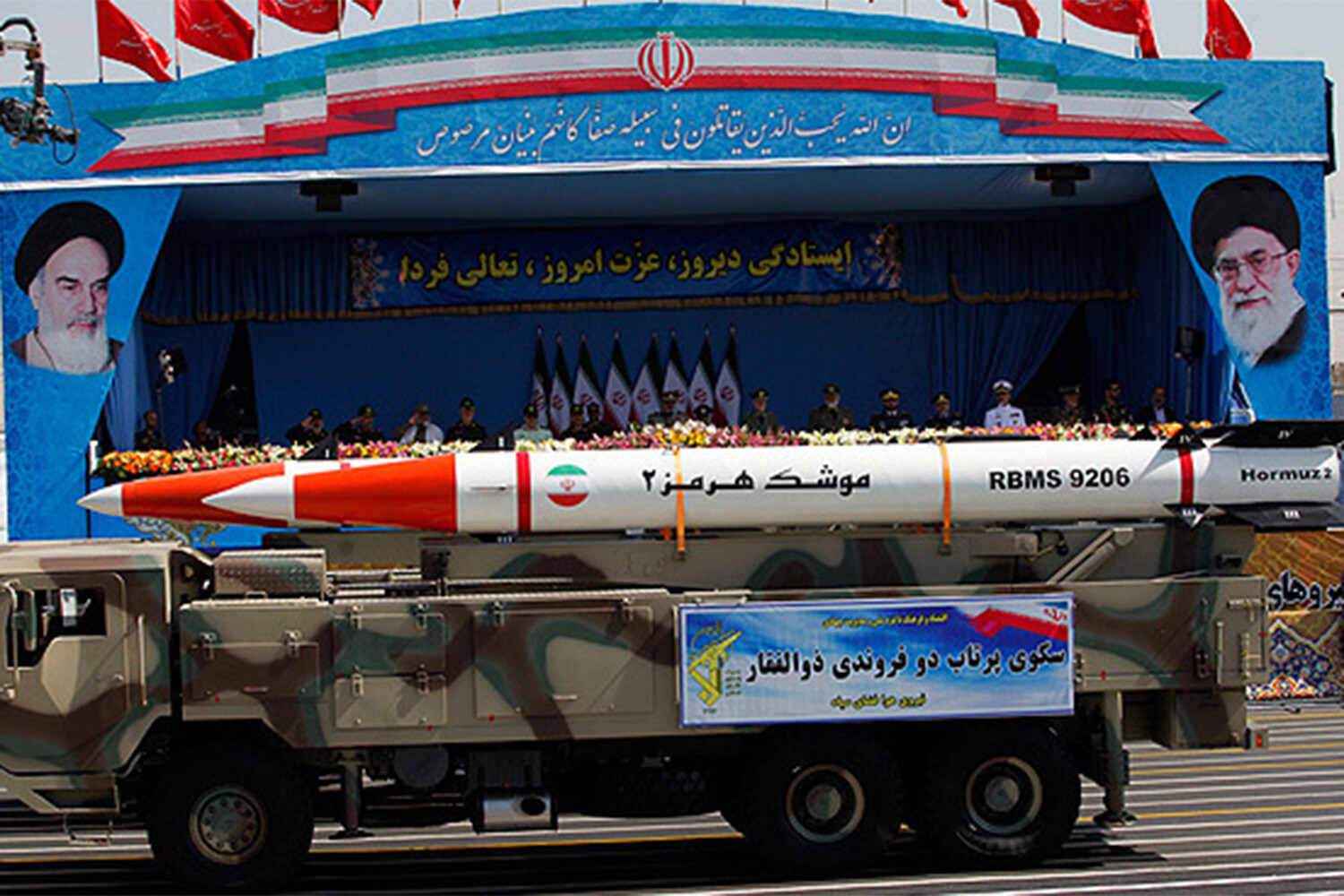
Can Iran achieve a "kill"?
While U.S. defenses can intercept any single Iranian missile, combat is not a game of certainties. If Iran coordinates a saturation attack with dozens of missiles, drones, and speedboats simultaneously, the Aegis defense system could reach a saturation point. The primary challenge for Iran would be "targeting"—locating the carrier in the vast ocean while U.S. electronic warfare and CAP (Combat Air Patrol) aircraft hunt their reconnaissance assets. In a full-scale war, U.S. "Midnight Hammer" style operations would likely target Iranian command centers and launch sites before a coordinated strike could be organized.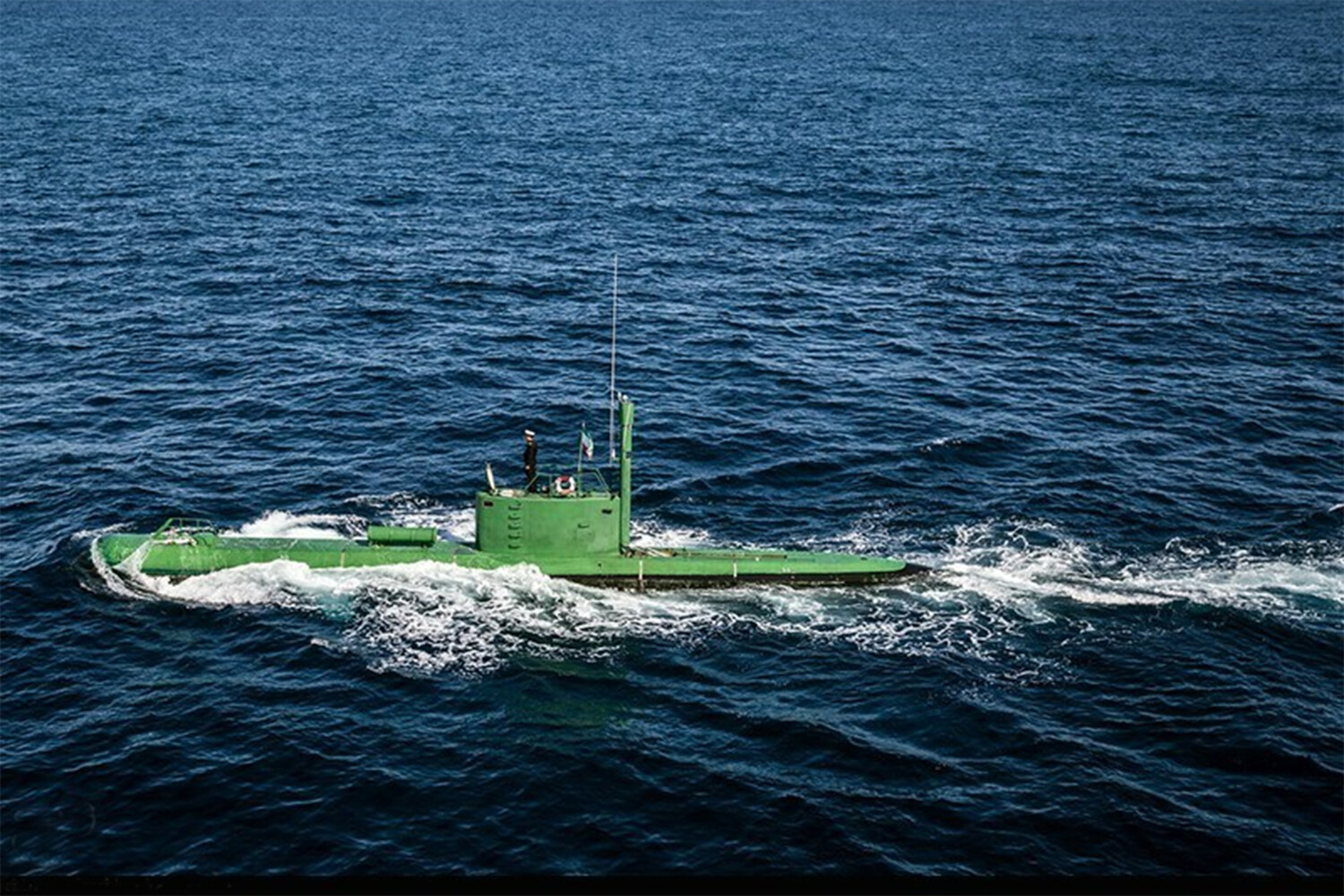
Training for the conflict with China
Paradoxically, this tension creates a favorable training environment for the U.S. Military. Iran is a serious enough opponent to require total focus, but lacks the total-war capacity to destroy the U.S. mainland. In athletic terms, Iran is not a punching bag, but a "sparring partner" from a lower weight class. A war with Iran would allow the U.S. to test its logistics, refine its missile defense tactics, and promote initiative-driven officers before a potential high-end conflict with a peer competitor like China.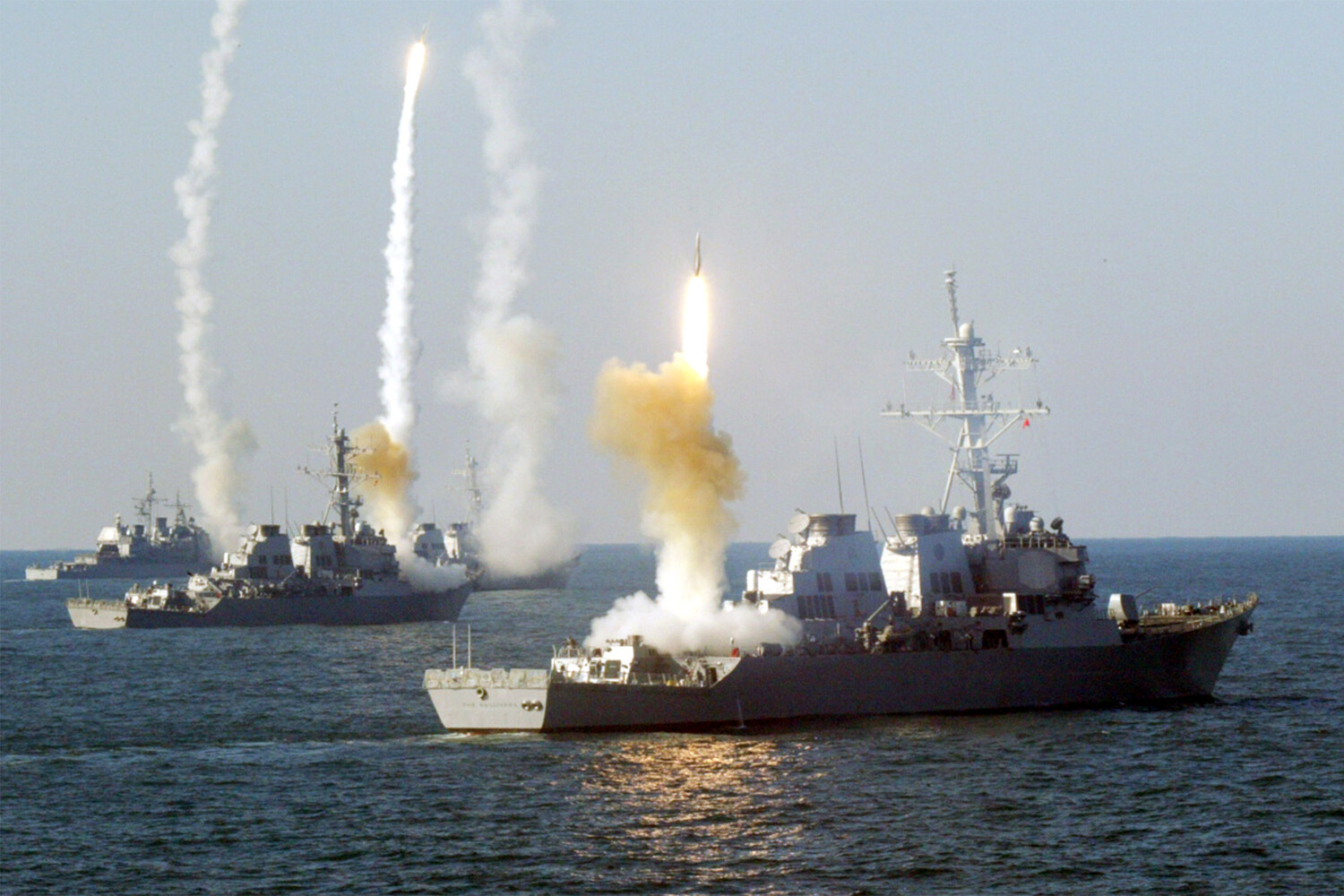
Iranian warnings: "Say goodbye to your families"
The Iranian National Security Committee has warned that "the Persian Gulf will explode within 24 hours." Vice Admiral Ali Shamkhani issued a darker warning to U.S. troops, suggesting they should have already bid farewell to their families. The IRGC Navy has warned neighboring Arab nations against allowing their territory to be used as a "launchpad" for U.S. strikes, asserting full control over the Strait of Hormuz, through which one-fifth of global oil trade passes.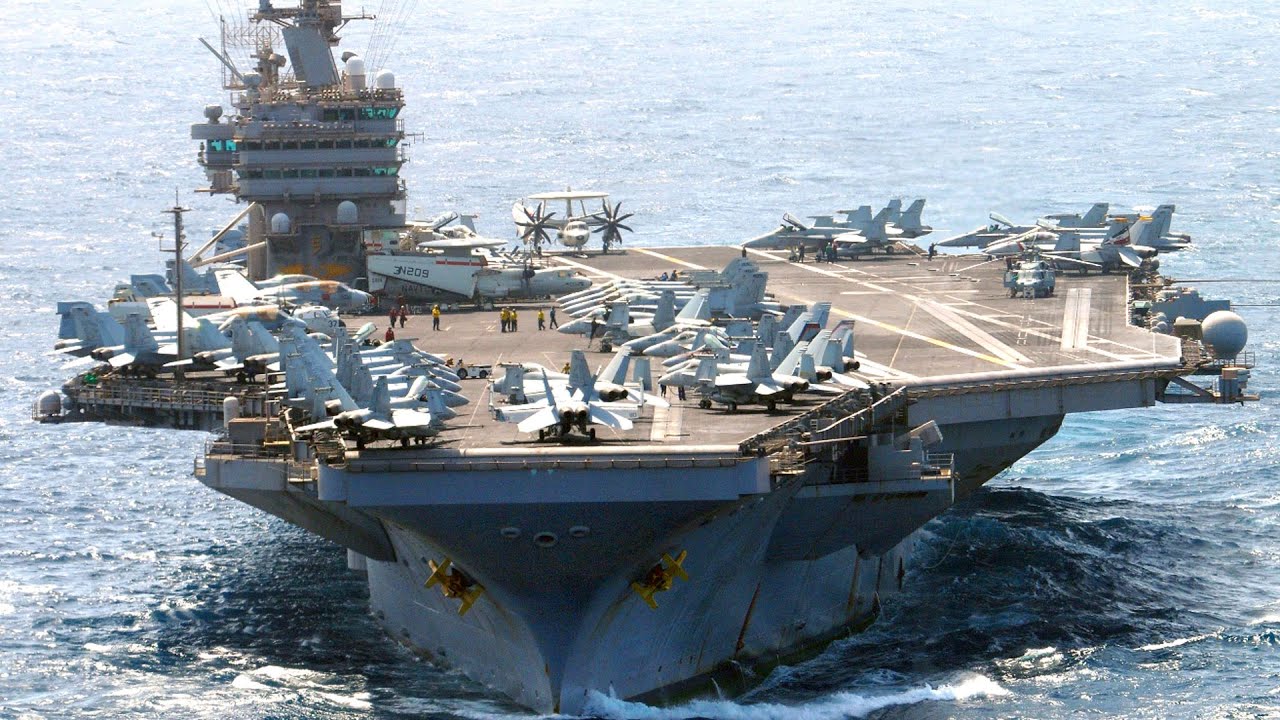
Centcom announces major air exercises
The United States has announced a multi-day air exercise in the Middle East, a move coming at a time of heightened confrontation between Washington and Tehran following the bloody suppression of anti-government protests in Iran. Yesterday, the US military confirmed that the aircraft carrier USS Abraham Lincoln, along with its accompanying warships, has arrived in the region. According to a statement from the aviation wing of the US Central Command (Centcom), the exercise is designed to "demonstrate the ability to deploy and sustain a combat air force" within the Middle East. While the specific location and timing of the drills remain undisclosed, the strategic intent is clear.
In response, Iran issued a NOTAM (Notice to Airmen) citing live-fire military activity in the airspace along the Strait of Hormuz. The notice specified that live-fire exercises would take place near the Strait as part of broader military maneuvers. These activities are scheduled to occur between January 27 and 29 within a five-nautical-mile radius. The Iranian notice further warned that airspace in the designated area, from ground level up to 25,000 feet, would be restricted and hazardous for the duration of the exercises.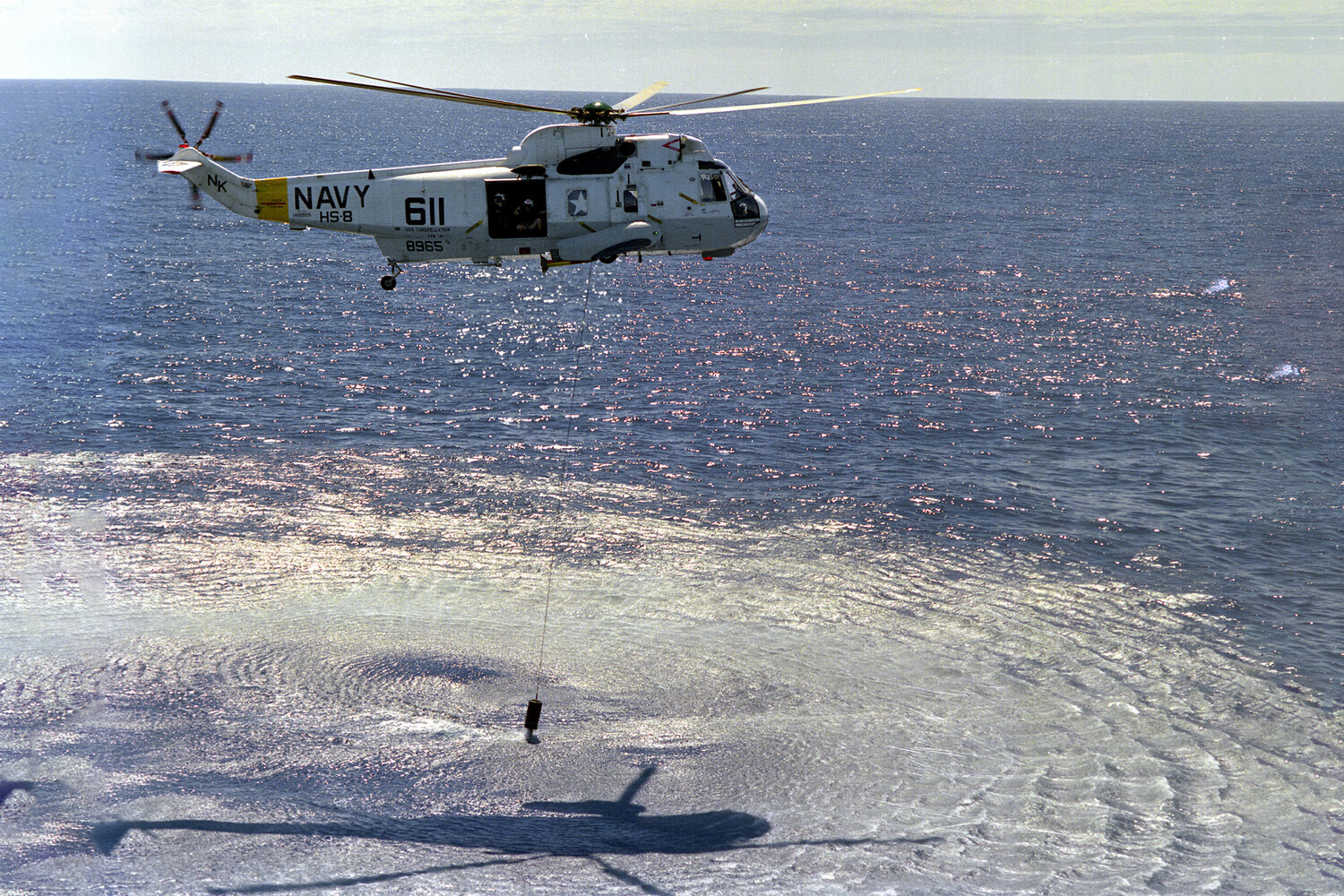
Formidable forces assembled
The United States has concentrated massive power in the region to counter potential threats. The USS Abraham Lincoln carrier strike group has entered the Arabian Sea, placing Iranian territory well within the operational radius of its aircraft. The carrier is supported by eight squadrons, totaling 48 fighters, including F/A-18E Super Hornets and advanced F-35C Lightning II stealth jets.
In addition to the carrier, the guided-missile destroyers Frank E. Petersen, Spruance, and Michael Murphy have been deployed to the Arabian Sea. These vessels join the Mitcher and McFaul currently in the Persian Gulf, while the USS Roosevelt is operating off the coast of Cyprus. In total, six Arleigh Burke-class destroyers, each equipped with up to 96 vertical launch cells, have taken up combat positions.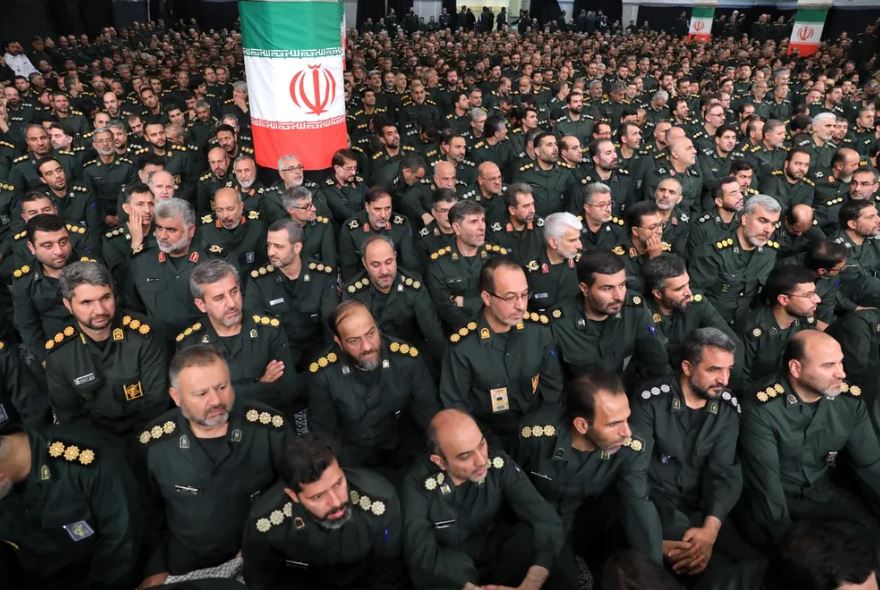
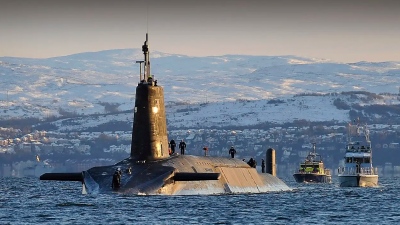
With each Arleigh Burke-class vessel capable of carrying up to 56 BGM-109 Tomahawk missiles, the US currently has 300–330 cruise missiles ready for an initial comprehensive strike. This firepower is augmented by an Ohio-class nuclear-powered submarine, which reportedly sailed from Guam in early January. If it has reached the Persian Gulf, it could contribute up to 154 additional Tomahawks, bringing the total precision payload to nearly 500 missiles. This force is capable of dismantling Iranian air defenses in a short window—signaling a shift toward a brief, violent aerospace operation rather than a prolonged war.
Simultaneously, six KC-135 tankers have been repositioned to the Morón and Rota bases in Spain, joining four already deployed. The move sends a distinct message: the potential reactivation of B-2 Spirit stealth bombers. The memory of Operation Midnight Hammer (June 2025) remains fresh, during which B-2s appeared unexpectedly to strike Iranian nuclear facilities without facing retaliation.
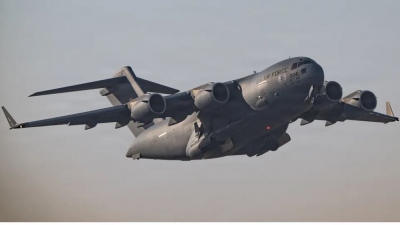
In a further show of allied strength, Britain has deployed four Typhoons to Al Udeid (Qatar) and another four to Darkhan (Saudi Arabia). Additionally, 17 F-15E Strike Eagles arrived in Jordan, bringing the total number of those aircraft in the area to 36. Since January 19, American transport aircraft have conducted at least 44 heavy-lift flights to the Middle East. Whatever they are carrying, it is certainly not "children's toys."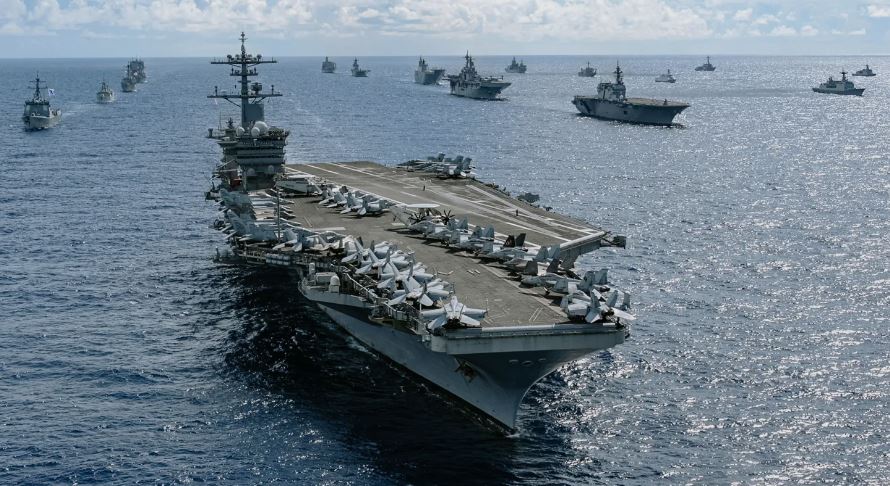
www.bankingnews.gr










Σχόλια αναγνωστών