

NATO's ethics are well known, but sacrificing an entire region simply because it consists of ice and limited fauna represents a cynical shift in military headquarters strategy. The Arctic Circle, with its minimal civilian population and sparse urban development, emerges in military doctrines as a space where armed confrontation would not cause extensive destruction to critical civilian and economic infrastructure, such as energy grids, industrial centers, or major cities.
Unlike the densely populated war theaters of Europe (where Europeans consider their region a "Garden of Eden"), the Middle East, or Asia, the Arctic is characterized by militarized but isolated installations designed from the outset for high-intensity operations. This makes the region attractive for high-risk military planning, as the immediate consequences for global infrastructure appear limited.
How NATO is turning the Arctic into a new front line
The extreme climatic conditions of the Arctic have not deterred NATO countries from developing an extensive and highly critical military footprint in the region. On the contrary, growing geopolitical tension and Russian activity have made the Arctic Circle a focal point of strategic competition.
The United States maintains ten military installations in Alaska, including the largest NATO base in the Arctic, ensuring a high level of operational readiness. Simultaneously, American forces are deployed at allied bases abroad. According to the CBC, the US had 13 permanent bases in Greenland at the peak of the Cold War, a number that has decreased today to just three.
Canada maintains nine military installations in the north, as much of its territory lies above the Arctic Circle, while also operating 47 remote radar stations as part of the North Warning System. However, Norway possesses the most advanced permanent military infrastructure in the Arctic among European NATO members, with 15 bases due to its direct proximity to Russia, which is estimated to have 30 to 40 bases in the region.
The following is a summary of the seven most strategically important NATO air bases in the Arctic and their role in the Alliance's overall air defense.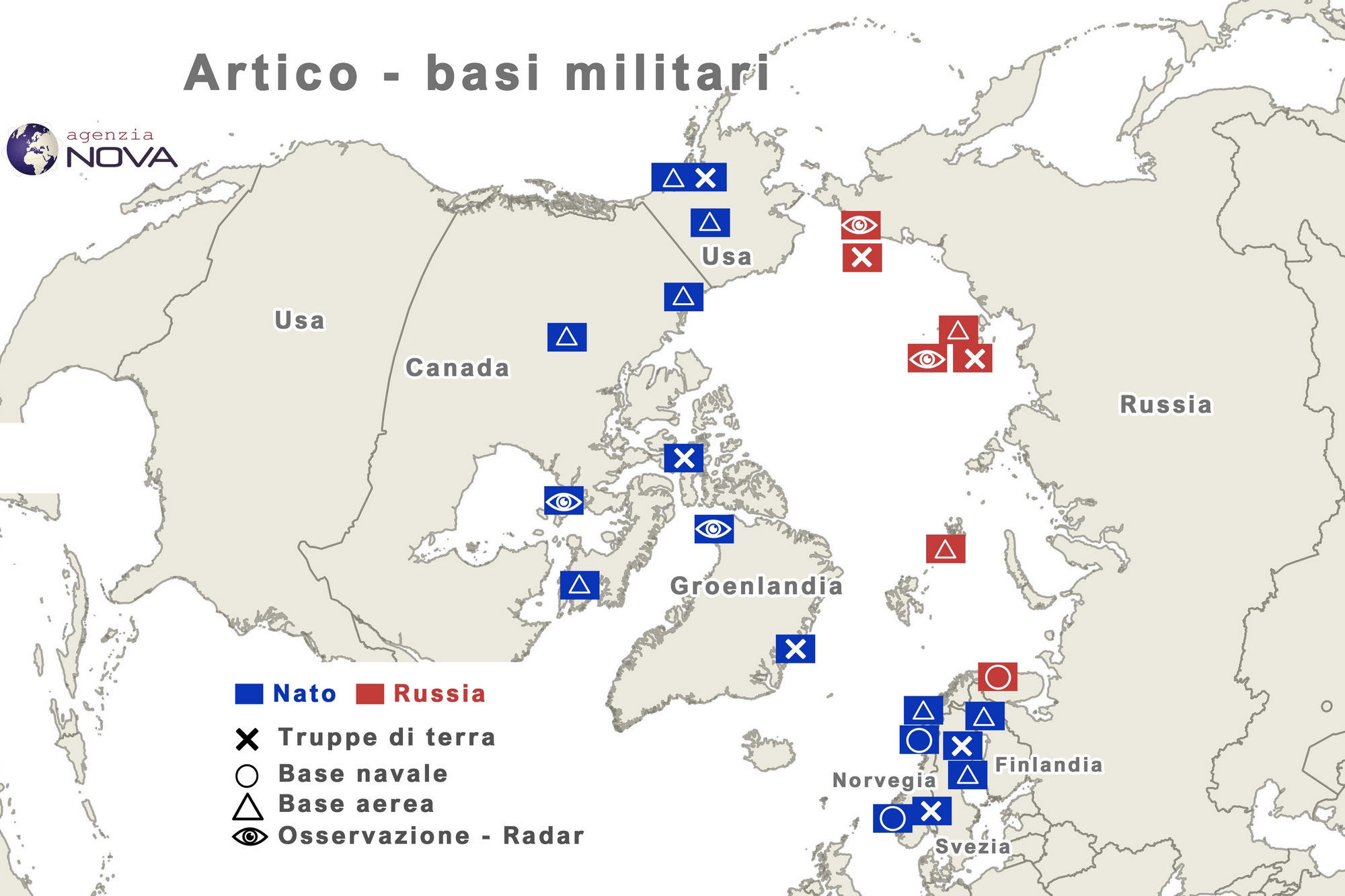
1. Pituffik Space Base, Greenland (USA/Denmark)
100–200 military personnel Formerly known as Thule Air Base, Pituffik is the northernmost installation of the US Armed Forces. During the Cold War, it hosted more than 6,000 American military personnel; however, today it operates with limited staff and a high-tech mission. The base no longer hosts 24-hour nuclear deterrence missions with B-52 Stratofortresses, but it serves as a critical hub for missile warning, space surveillance, and satellite command. The Upgraded Early Warning Radar (UEWR) provides NORAD with the capability to detect ballistic missiles at intercontinental distances. The strategic importance of the base has returned to the spotlight following repeated statements by the Trump administration regarding the acquisition of Greenland for national security reasons. In this context, small military detachments from Denmark, France, and Germany were recently deployed to the area, reinforcing the permanent garrison of 150–200 Americans.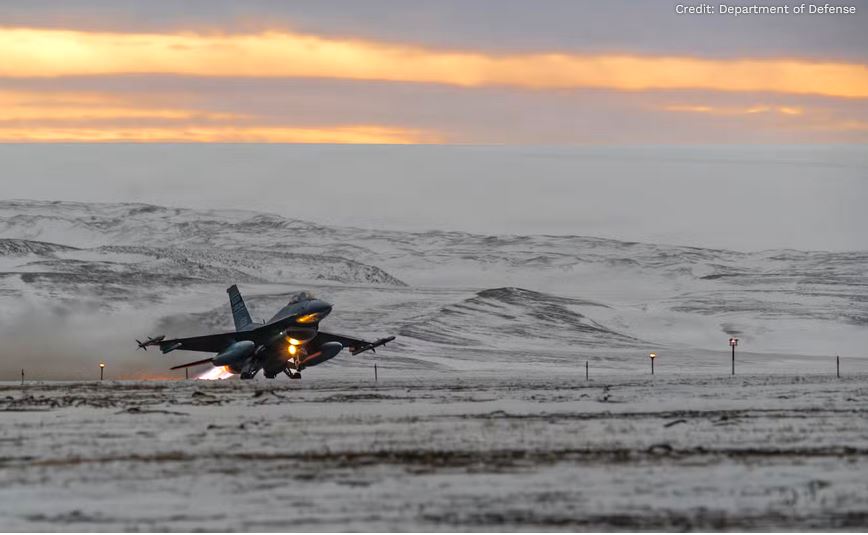
2. Evenes Air Station, Norway
300+ military personnel Evenes, in the Nordland region, has evolved into NATO's primary advanced air outpost for fifth-generation fighters in Europe. it serves as the main hub for Norway's Quick Reaction Alert (QRA) mission, with F-35As on constant standby to intercept unidentified aircraft in Alliance airspace. Additionally, it hosts the fleet of P-8A Poseidon maritime patrol aircraft, which monitor the North Atlantic and the Arctic. The base features a 2,812-meter runway capable of supporting heavy bombers and large transport aircraft, along with NASAMS III air defense. Under the US-Norway bilateral defense agreement, Evenes is designated a "joint area," allowing for the pre-positioning of American equipment and the hosting of hundreds of additional allied troops during exercises or crises.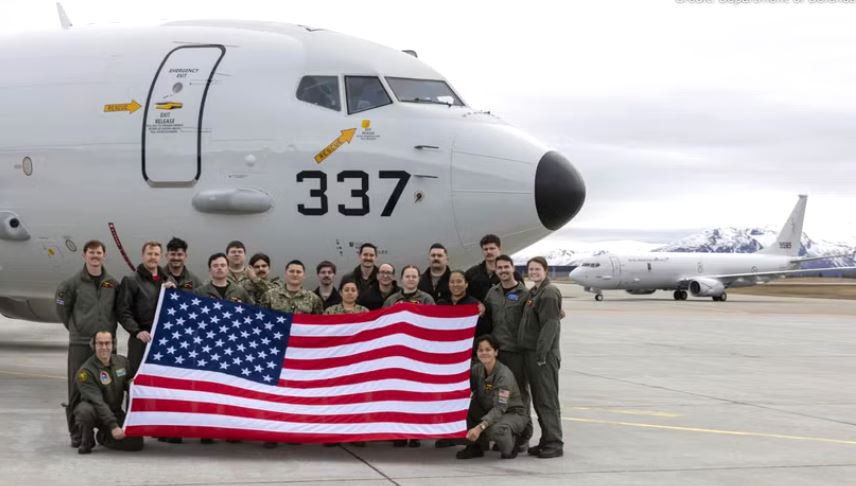
3. Rovaniemi Air Base, Finland
400+ military personnel Built directly on the Arctic Circle, Rovaniemi is the home of the Lapland Air Command and a fundamental pillar of NATO's northeastern flank. The base currently operates with F/A-18C/D Hornets but is undergoing extensive upgrades ahead of the integration of F-35A Lightning II fighters into the Finnish Air Force. The first Finnish F-35s are expected to enter service by the end of the year, and by 2026, Rovaniemi will fully host the Lapland Air Wing with fifth-generation fighters. The base is designed to receive large numbers of reservists and allied personnel during exercises or emergencies, serving as a critical hub for deterrence and surveillance in the Arctic.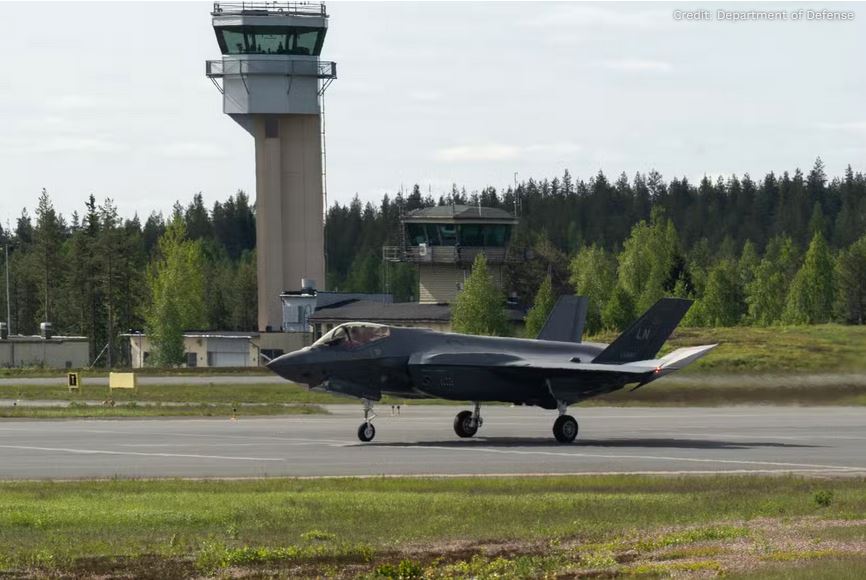
4. Luleå-Kallax Air Base, Sweden
Sweden's northernmost air base, located on the shores of the Gulf of Bothnia, serves as a primary hub for refueling and force concentration for NATO in the High North. It regularly hosts American strategic bombers, such as B-1B Lancers, as well as F-35s from allied nations. The base is the permanent home to two fighter squadrons, and by 2026, the Norrbotten Wing F 21 is expected to transition to JAS 39E Gripen fighters, while older C/D models will continue QRA missions. Luleå-Kallax plays a central role in the Swedish Agile Combat Employment (ACE) doctrine, with operations conducted from alternative runways and civilian roads in the Arctic.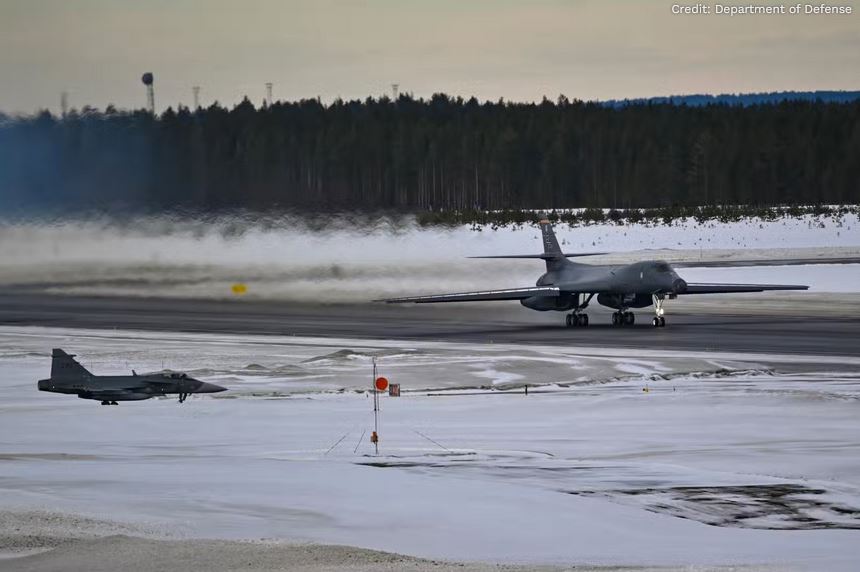
5. Bodø Main Air Station, Norway
1,000+ military personnel Bodø began as a makeshift runway in WWII and is now evolving into one of NATO's most important air operation hubs in the North. The base is expanding rapidly in anticipation of the full integration of Sweden and Finland into the Alliance. The Norwegian government has announced the creation of a new NATO Combined Air Operations Center (CAOC) in Bodø, highlighting the region's strategic importance. Despite the transfer of the old runway to civilian use, the base maintains reinforced hangars for allied fighters and transport aircraft, as well as cyber defense units, the Norwegian Joint Headquarters (NJHQ), and a search and rescue helicopter squadron.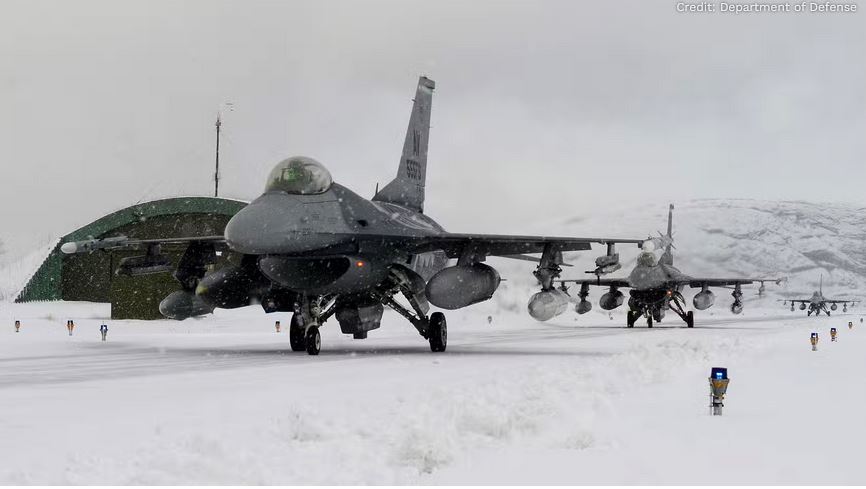
6. Eielson Air Force Base, Alaska, USA
Eielson AFB is a critical power projection hub for Pacific Air Forces (PACAF) and hosts some of the most demanding air exercises globally. The 354th Fighter Wing operates more than 50 F-35As, and the base supports exercises such as Northern Edge and Red Flag Alaska. Its presence is steadily being reinforced with new fighters, while the 18th Fighter Interceptor Squadron with F-16s supports realistic training scenarios. Of particular importance is the Arctic Gold exercise, which tests the operational capability of stealth aircraft in extreme environments. In January 2026, the first Finnish F-35A arrived at Eielson for a two-year pilot training program.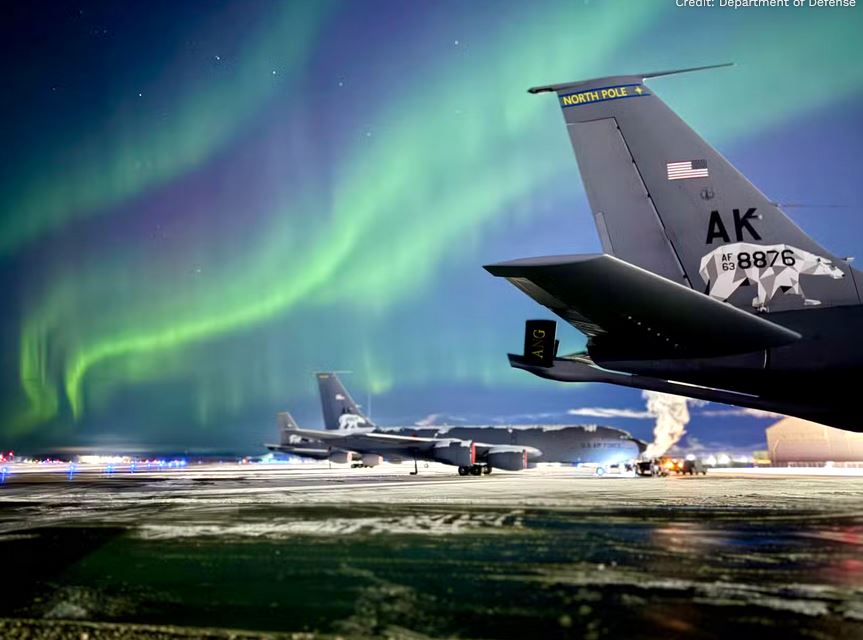
7. Joint Base Elmendorf–Richardson (JBER), Alaska, USA
5,500+ military personnel JBER, created in 2010 from the merger of Elmendorf AFB and Fort Richardson, is the largest and most significant NATO base in the Arctic. It hosts over 5,000 permanent military personnel and serves as the headquarters for Alaskan Command (ALCOM), the 11th Air Force, and the 11th Airborne Division of the US Army. The USAF 3rd Wing operates F-22 Raptors and E-3 Sentry AWACS, while the base supports some of the largest joint exercises in the world. Spanning 84,000 acres with direct access to the Joint Pacific Alaska Range Complex (JPARC), JBER offers unique training capabilities in Arctic conditions. Runway expansion projects, expected to be completed in 2026, will double the capacity to support every type of aircraft in the US Department of Defense inventory.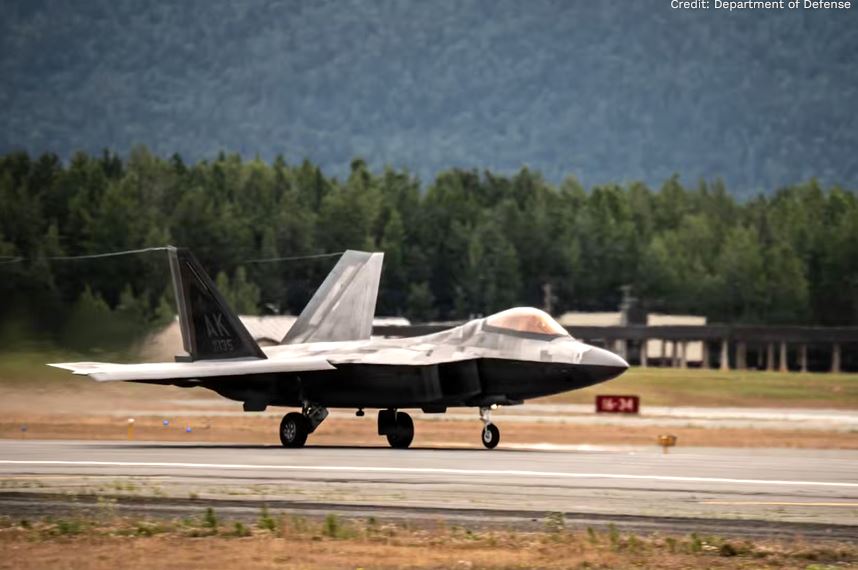
www.bankingnews.gr













Σχόλια αναγνωστών