

The United States armed forces are radically shifting their center of gravity, according to the new National Defense Strategy (NDS) for 2026 released by the Pentagon, marking a historic turn in Washington’s priorities.
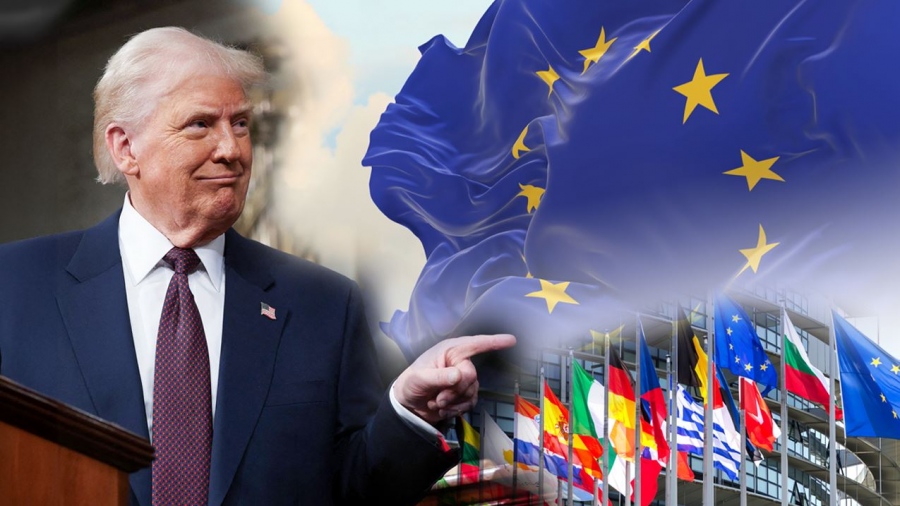
For the first time, the protection of American territory and the Western Hemisphere is placed above confronting China, while support for allies is now described as limited.
The official 34 page document makes clear that the United States no longer wishes to align its interests with those of the rest of the world, emphasizing that a threat on the other side of the planet is no longer equivalent to a threat against America.
It also underlines that although the Old Continent remains an important partner, its declining share of the global economy necessitates a more restrained American military involvement.
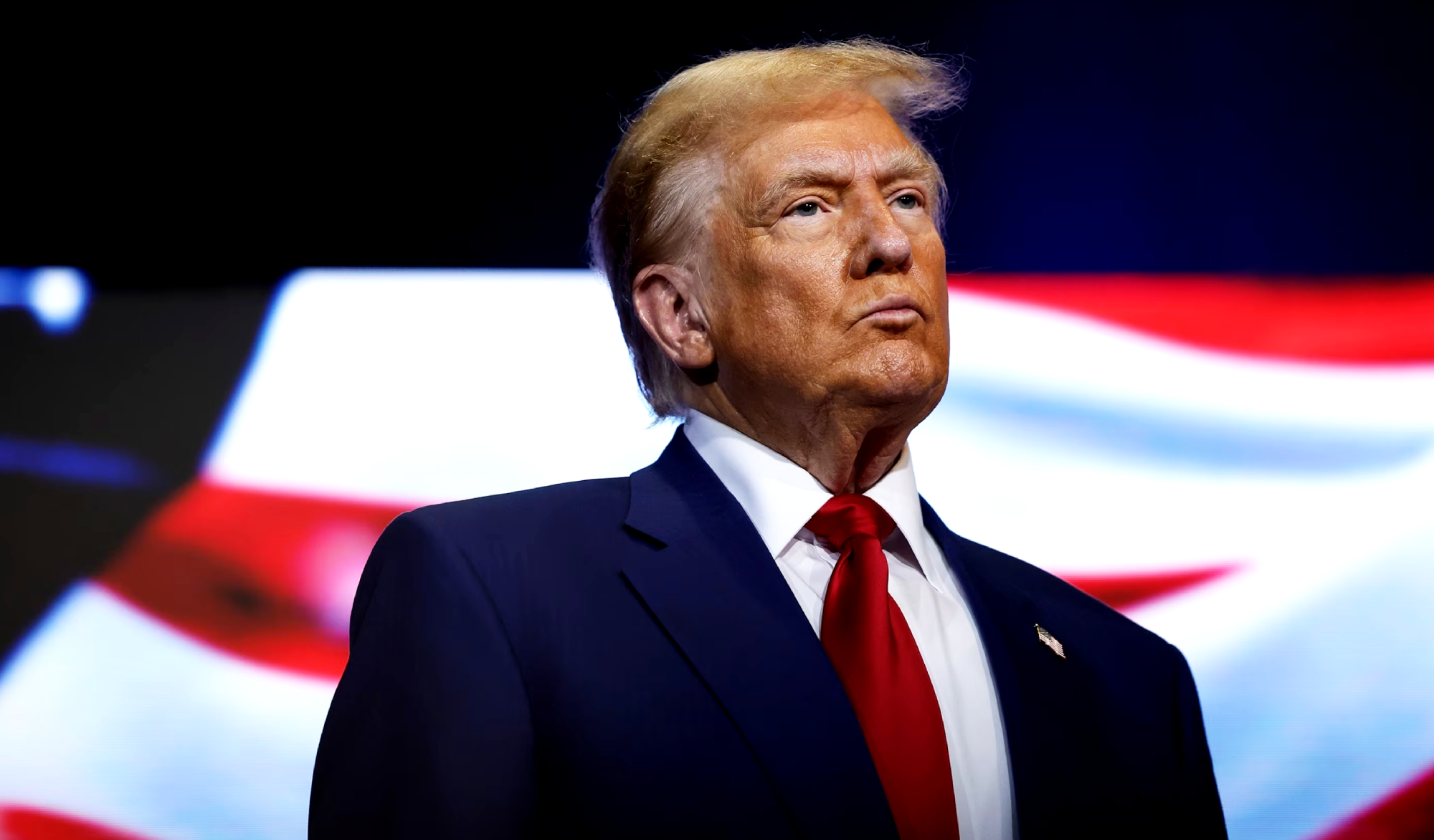
Priorities
As the changes and adjustments in the new United States strategy are outlined, the document states the following:
1) The abandonment of utopian idealism in favor of hard realism
The new strategy rejects the grand strategies of previous post Cold War administrations, replacing utopian idealism with hard realism.
The Pentagon calls on allies, and especially Europe, to assume the leading burden against threats that are less serious for the United States but more serious for themselves.
At the same time, relations with China will now be approached through strength rather than confrontation, while Russia is downgraded from an acute threat to a persistent but manageable challenge for the eastern members of NATO.
The revival of the Monroe Doctrine and the strategic importance of Greenland
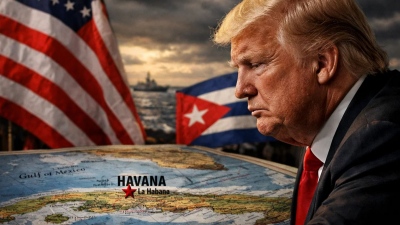
The new strategy explicitly states that the Monroe Doctrine will be strictly upheld in the modern era, emphasizing that the United States will no longer cede vital space in the Western Hemisphere.
At the center is the safeguarding of military and commercial access to critical points from the Arctic to South America.
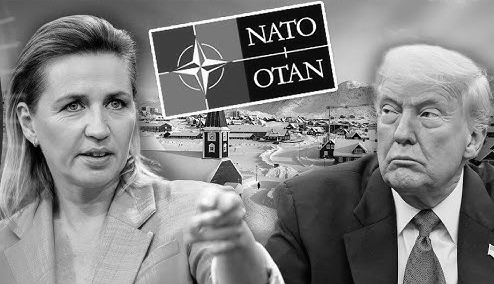
Greenland
Within the framework of this geopolitical realignment, President Donald Trump directly linked Europe’s security to American control of Greenland.
It is repeatedly referred to as key territory for national security.
The Pentagon will provide President Donald Trump with options for full access to the island, which is considered the eye and ear of the new missile defense system Golden Dome.
The American leader argued that acquiring the island is necessary to intercept Russian and Chinese vessels that are already surrounding the region.
This rhetoric has triggered a diplomatic earthquake, with Brussels speaking of shock therapy and accelerating processes toward EU strategic autonomy.
Critical passages
The Panama Canal and the renamed Gulf of America, formerly the Gulf of Mexico, are now designated as zones of absolute American influence.
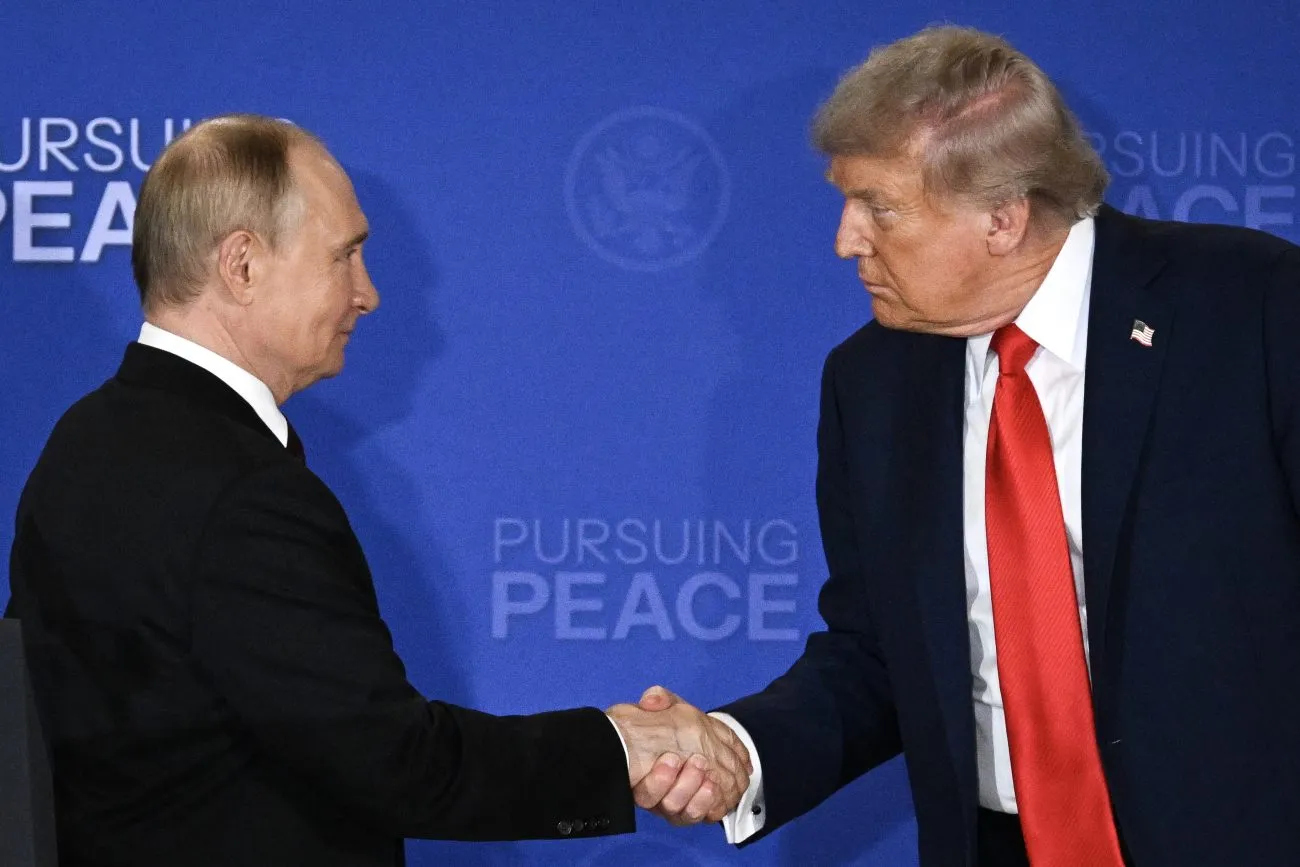
2) China and Russia from main competitors to manageable threats
The Pentagon describes Russia as a persistent but manageable threat to the eastern members of NATO, shifting responsibility for conventional defense exclusively to Europeans.
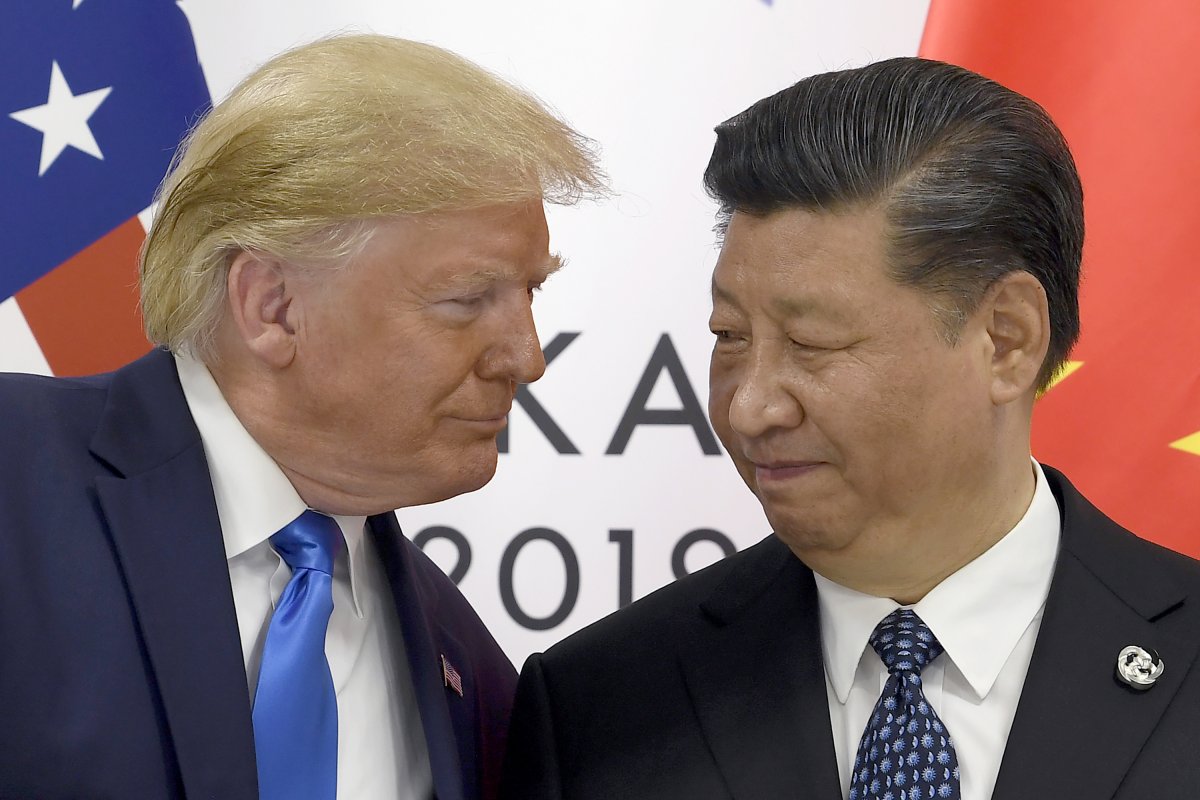
China, which in 2022 was the number one priority, now occupies second place.
The Pentagon recognizes China as the second strongest power globally and focuses on containing Beijing’s influence through a strategy of strong denial along the First Island Chain.
Unlike previous periods, the new strategy does not seek to strangle or humiliate Beijing, nor pursue regime change, but to ensure a balance of power in the Indo Pacific through deterrence rather than conflict, protecting American interests.
At the same time, Beijing, through Ministry of Foreign Affairs spokesperson Lin Jian, calls on the United States to stop weaponizing the Chinese threat to serve its own hegemonic plans.
South Korea is noted in the document as now capable of assuming primary responsibility for deterring North Korea.
3) The end of subsidized defense, pressure on Europe and the demand to raise defense spending to 5% of GDP
The third priority of the strategy is fair burden sharing.
Europe is called upon to assume a leading role against threats that concern it directly, with United States support now characterized as critical but limited.
The United States makes clear that allies can no longer rely on American subsidies for their security.
The new Pentagon strategy sends a clear ultimatum to NATO allies. The days when the United States subsidized the security of wealthy European states are over.
Washington now demands that partners assume primary responsibility for their conventional defense, setting a target of increasing defense spending to 5% of GDP.
The message is clear. The United States will provide only critical but limited support, as the American military reorganizes to confront challenges in the Western Hemisphere and Asia.
4) Internal security and the revival of the defense industrial base
The new strategy turns inward, placing emphasis on border security and combating drug cartels, which are now treated with military means as terrorist organizations.
At the same time, the fourth priority is the revitalization of the United States defense industrial base, enabling the country to produce weapons and equipment at scale without relying on foreign supply chains.
www.bankingnews.gr










Σχόλια αναγνωστών