

US President Donald Trump appears ready to turn threats into action, considering military attacks against Iran that could target even Ayatollah Ali Khamenei himself, Russian analysts warn, despite reports from Western media that other options are being explored. Experts warn that such a step could plunge the entire Middle East into war, affecting Israel, Qatar, and the United Arab Emirates. The White House is currently examining options for potential military strikes on Iran, with analysts not ruling out that the United States could target both military and nuclear facilities, and even the residence of Supreme Leader Ayatollah Ali Khamenei. If such a scenario becomes reality, Tehran's potential reaction could affect other Middle Eastern countries, including Israel, Qatar, and the United Arab Emirates, as noted by a Russian publication citing Izvestia.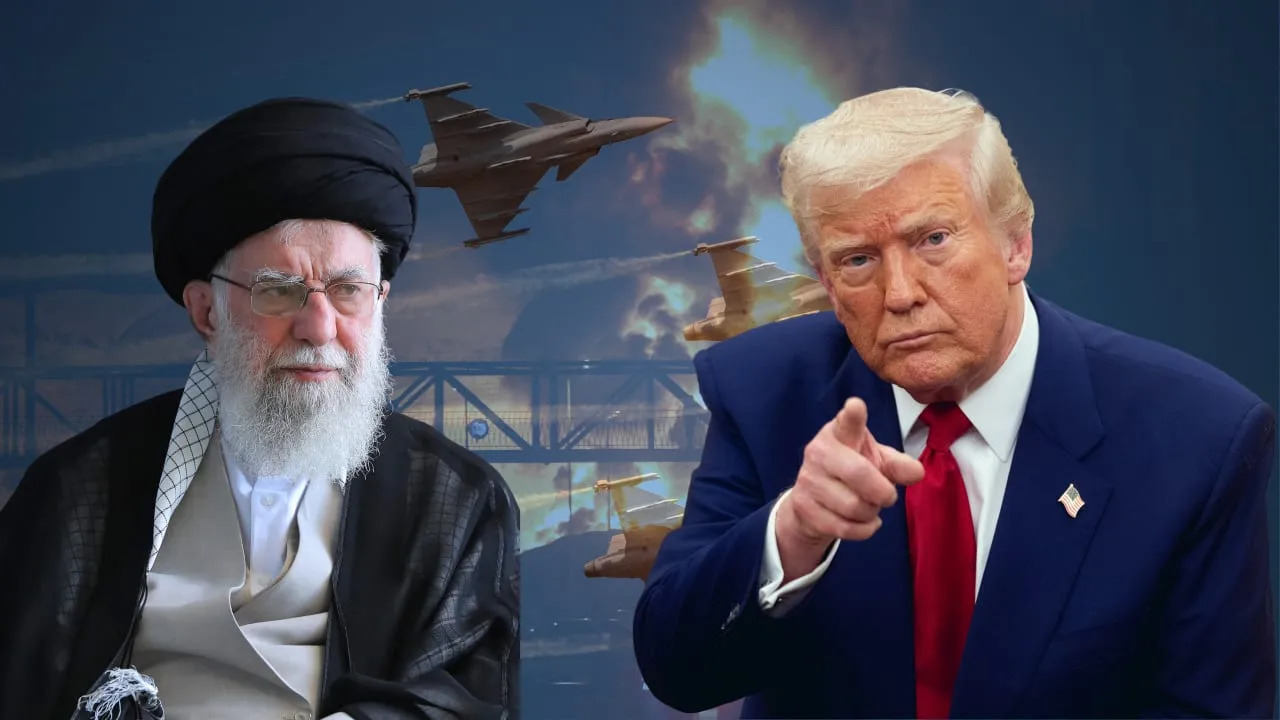
"50/50" estimate for an attack – warning of wider escalation
According to Farkhad Ibragimov, a political scientist and lecturer at the Patrice Lumumba Peoples’ Friendship University of Russia, there is currently about a 50/50 chance the US will attack Iran. "On one hand, some members of the Trump administration believe Washington should not do it. However, others are certain that the time has come," he noted. He pointed out that if Washington decides on military action, Tehran will consider Israel as well as American military and naval bases as "legitimate targets," as warned by the Speaker of the Iranian Parliament, Mohammad-Bagher Ghalibaf. In such a case, Qatar and the UAE may also be affected by the escalation, a fact that could throw the entire Middle East into war.
Psychological pressure or military threat?
So far, Donald Trump's statements regarding strikes on Iran seem to be related to psychological pressure and can be considered part of an information pressure campaign against Tehran, emphasizes American studies specialist Malek Dudakov. Dudakov believes that the main goal sought by the US and Israel is the establishment of a pro-American government in Tehran. Meanwhile, Yury Lyamin, a senior researcher at the Center for Analysis of Strategies and Technologies, noted that the previous American operation to kidnap Venezuelan President Nicolas Maduro has increased the likelihood of another round of tensions in the Middle East, suggesting a trend for Trump to take increasingly dangerous foreign policy steps.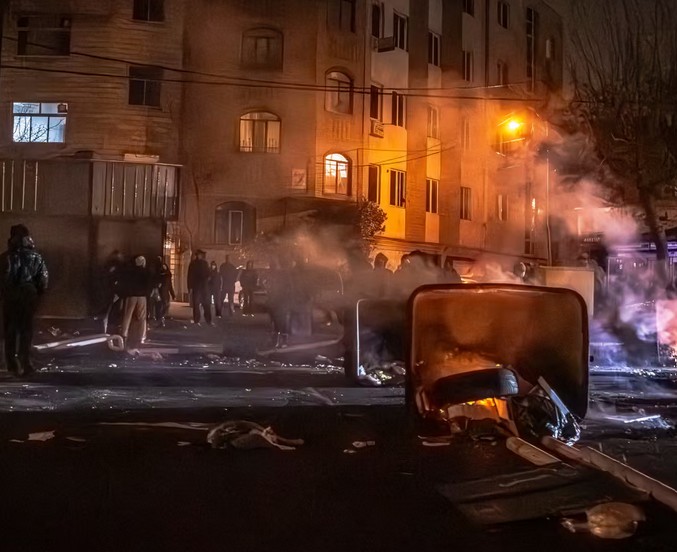
Social unrest and the internal situation in Iran
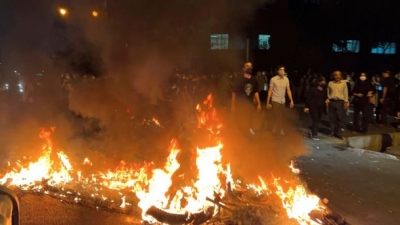
Meanwhile, mass anti-government protests in Iran are strengthening the role of the Islamic Guard and increasing repression, according to Ilya Vaskin, a researcher at the Center for the Middle East, Caucasus, and Central Asia at the Higher School of Economics. External forces, including American and Israeli intelligence services, are fueling the demonstrations, particularly through a media promotion campaign for Reza Pahlavi, the son of the Iranian Shah who was overthrown in 1979, Lyamin estimates. "Minorities such as the Kurds are active in the protests, but they are not interested in a change of government but in gaining autonomy or independence, a fact that contributes to the overall instability in the country," he added. These developments are taking place amidst the largest social crisis in Iran in years, with protests continuing despite strict reactions from the authorities, and while Washington considers its next moves in a geopolitical tension environment that could lead the Middle East down an even more dangerous path.
www.bankingnews.gr




Σχόλια αναγνωστών