

Maduro brought before US justice today, January 5 - First messages from Venezuela's new interim president - Reactions from China and Russia.
The American military intervention in Venezuela and the "abduction" of President Maduro have triggered a massive geopolitical shock. This shock necessitates a broader geopolitical reassessment, not only in Washington but across the Western Hemisphere and the entire world. President Donald Trump's decision to launch a surprise military operation, "abduct" Nicolás Maduro, and bring him before the American justice system ended a years-long standoff with Venezuela in hours—yet this move has opened a new set of questions. What does this mean for the rest of Latin America? How will rivals like Russia, China, and Iran adjust their stance? What will be the impact on global energy markets? And does this signal a permanent shift in how the USA projects its power? Trump has already set his next targets: Cuba, Colombia, Iran, and Greenland, while the international community watches the developments helplessly amidst total reorganization and confusion.
Threatening Colombia
Trump, speaking to reporters from the presidential aircraft, threatened to order military action against the government of Colombia, stating that such a potential operation "sounds good to me." "Colombia is very sick too; it's ruled by a sick guy who likes to make cocaine and sell it to the US, and he won't be doing that much longer," Trump said, referring to Colombian President Gustavo Petro. Asked if the USA would conduct an operation against Colombia, Trump did not give a clear answer, stating only that the idea "sounds good to me," while also taking care to warn Mexico. However, Gustavo Petro rejected Trump's claims that he is a drug trafficker. "Stop defaming me, Mr. Trump," Petro said. "You don't threaten a Latin American president like that, one who emerged from armed struggle and from the people of Colombia who fought for peace," Petro emphasized.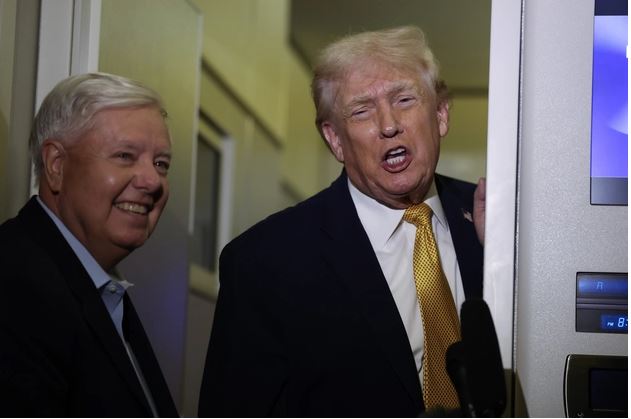
Cuba ready to fall
At the same time, he referred to Cuba, claiming that the government there is ready to fall. As he stated, there is no need for a US military intervention against Cuba because the government appears ready to collapse on its own.
Harsh blow to Iran
But Trump did not limit himself to the American continent. He warned the Tehran regime that the USA will strike Iran very hard if protesters are killed in the ongoing mass demonstrations which, although initially about economic grievances, have now expanded to include political demands. "We are watching it very closely. If they start killing people, as they have in the past, I think they will be hit very hard by the US," Trump underlined.
We need Greenland
Furthermore, Trump referred once again to the case of Greenland, stating that it "must" become part of the US for their "security," hours after the Prime Minister of Denmark called on Washington to stop threats regarding the region. "We need Greenland from a national security perspective, and Denmark will not be able to keep it," Trump characteristically stated.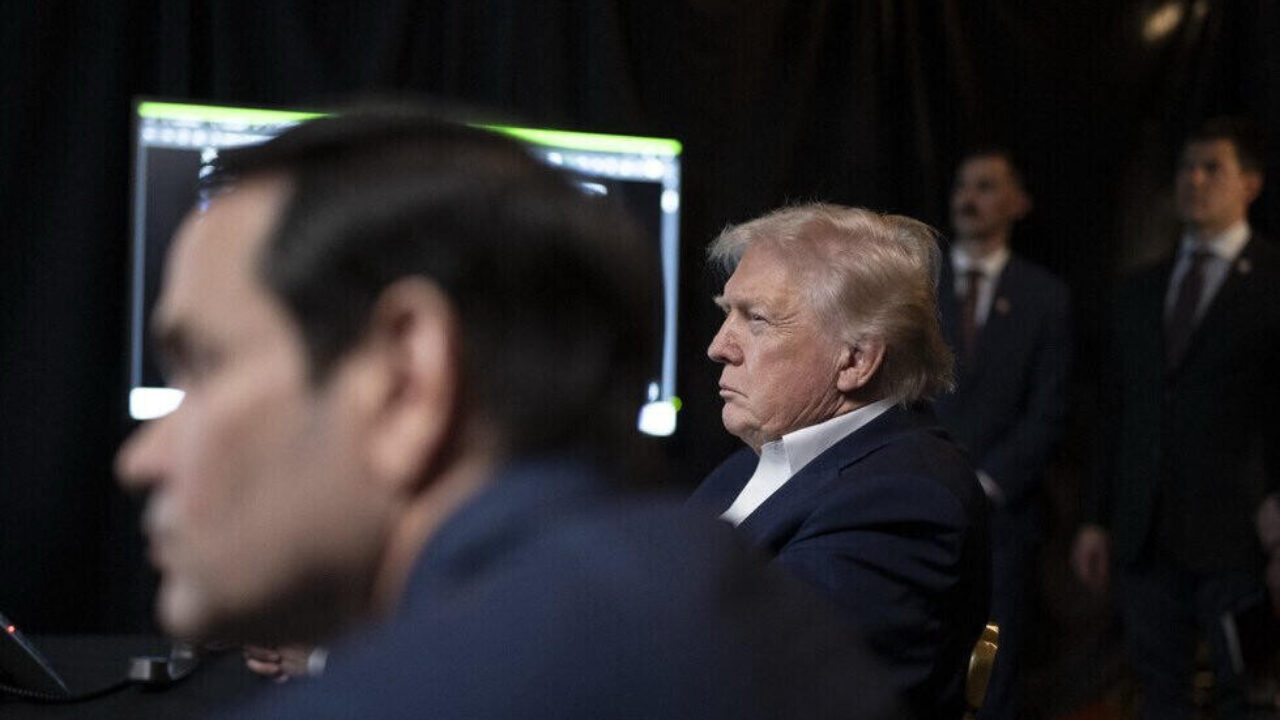
We rule Venezuela
Regarding developments in Venezuela, Trump emphasized that the US "rules" Venezuela and that they took back what was stolen from them. "We are dealing with people who just got sworn in. Don't ask me who rules, because I'll give you an answer that will be very controversial," Trump pointed out. "That means we rule," Trump stressed, who then threatened interim president Delcy Rodriguez that something worse than what happened to Maduro could happen to her.
Worse fate than Maduro
Journalists asked for clarification regarding his words that if the interim president's actions do not satisfy the US, her fate would be similar to Maduro's, or even worse. "Worse, much worse. I shouldn't be telling you this. I'll just say she will face a situation, probably worse than Maduro's," Trump stated.
Oil companies will return
Oil companies will return to Venezuela and rebuild the country's oil industry, Trump stated. "They will spend billions of dollars and pump the oil out of the ground," the American president added. However, initial reports indicate that American oil companies appear cautious about returning to Venezuela and reinvesting.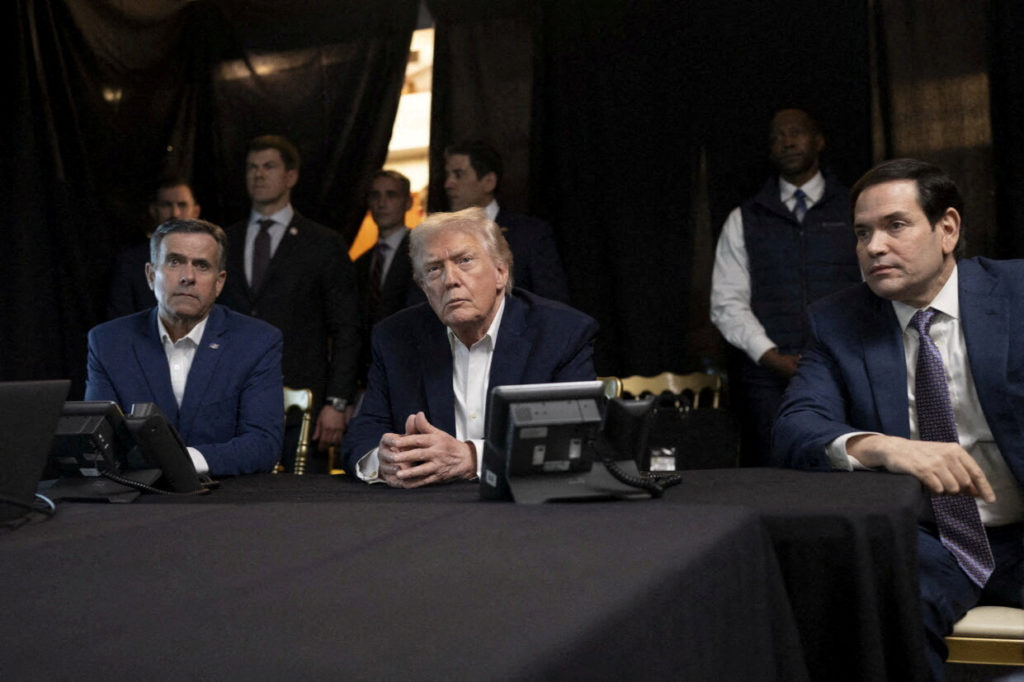
Rodriguez's first messages
Rodriguez, in her statement, characterized the achievement of balanced and respectful relations with the USA as a priority and proposed that Washington work on a common agenda. In a conciliatory message on Instagram on Sunday, she stated she hopes to build "relations of mutual respect" with Donald Trump. "We call on the US government to work with us on a cooperation agenda oriented toward shared development, within the framework of international law, to strengthen the lasting peaceful coexistence of societies," Rodríguez stated. In a previous televised address, Rodríguez gave no indication she would cooperate with Trump, saying that what is happening against Venezuela constitutes "an atrocity that violates international law," calling the Trump administration "extremists" and maintaining that Maduro is the legitimate leader of Venezuela.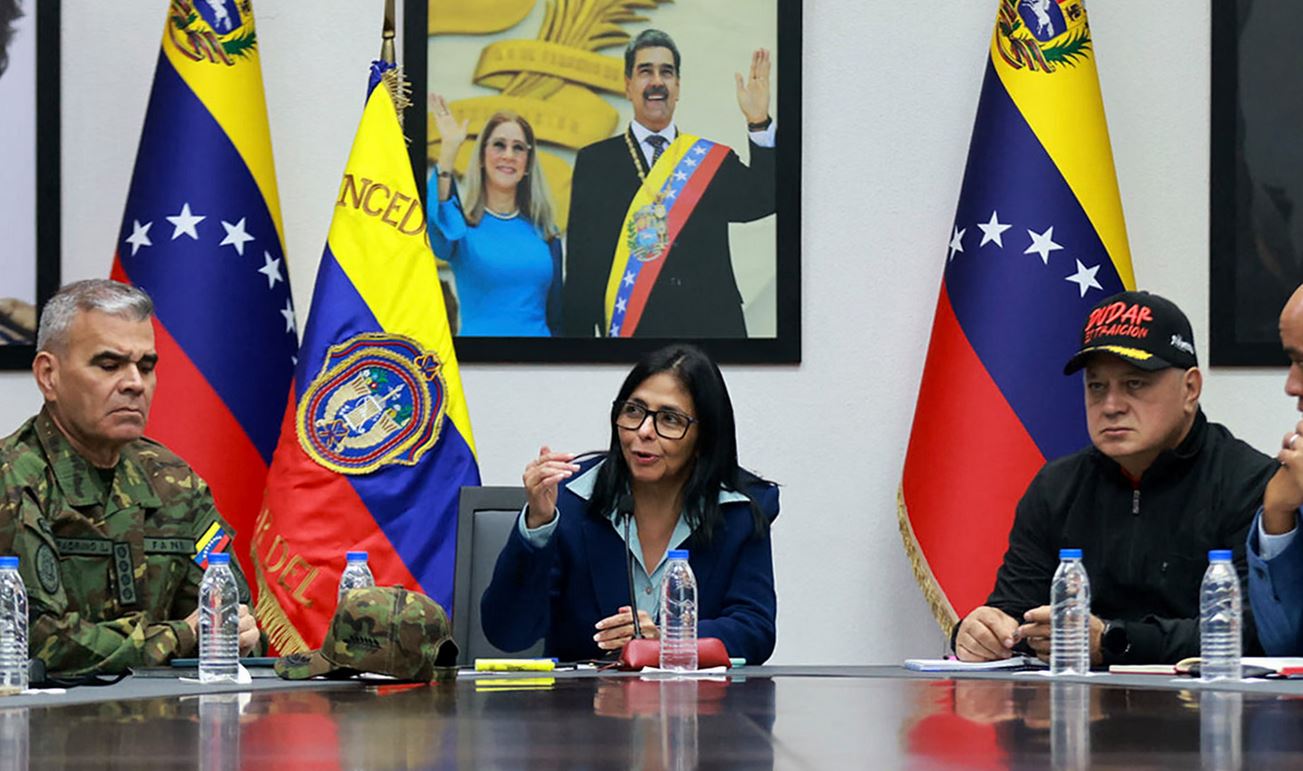
Maduro before American justice
Venezuelan President Nicolas Maduro will appear today, Monday 1/5, in the Manhattan federal court in New York before Judge Alvin K. Hellerstein. Based on the charges against him, Maduro will answer for criminal charges brought in 2020 accusing him of a narco-terrorism conspiracy. Maduro, 63, faces charges of providing support to major drug trafficking groups, such as the Sinaloa cartel and the Tren de Aragua gang. Prosecutors claim he directed cocaine routes, used the military to protect shipments, provided sanctuary to violent trafficking groups, and used presidential facilities to transport drugs. The charges, first filed in 2020, were updated Saturday to include his wife, Cilia Flores, who is accused of ordering abductions and murders. Maduro and his wife are being held in Brooklyn prisons. It is not clear if defense counsel has been appointed. Maduro denies any wrongdoing, and it will likely be several months before he stands trial.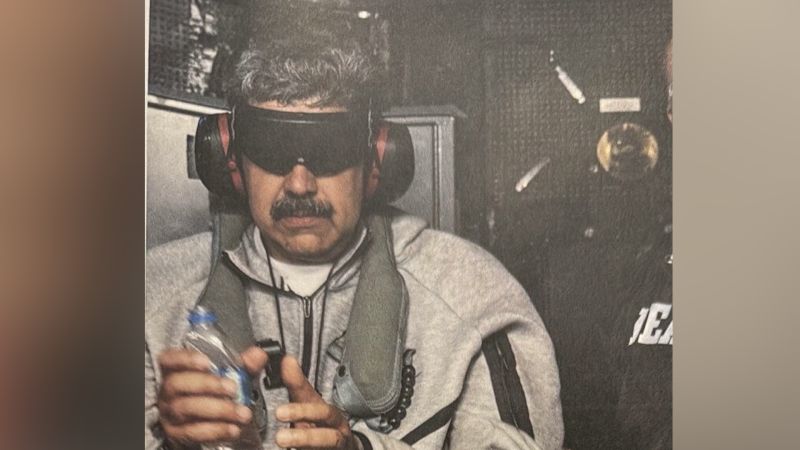
No support for Machado
The United States has considered Maduro a dictator since he declared victory in the 2018 elections, which were marked by allegations of massive irregularities. However, Trump rejected the idea of opposition leader and Nobel Peace Prize laureate Maria Corina Machado taking power, saying she lacks support. Machado was barred from the 2024 elections, but stated that her ally Edmundo Gonzalez has a mandate to assume the presidency, and some international observers claim he won that vote by a wide margin. On Sunday, Trump stated that his administration would try to work with the current Venezuelan government to fight drug trafficking and open the oil industry, rather than pushing for elections to install new leaders. Although Maduro has few allies on the international stage, many countries questioned the legality of arresting a foreign head of state and called on the US to respect international law.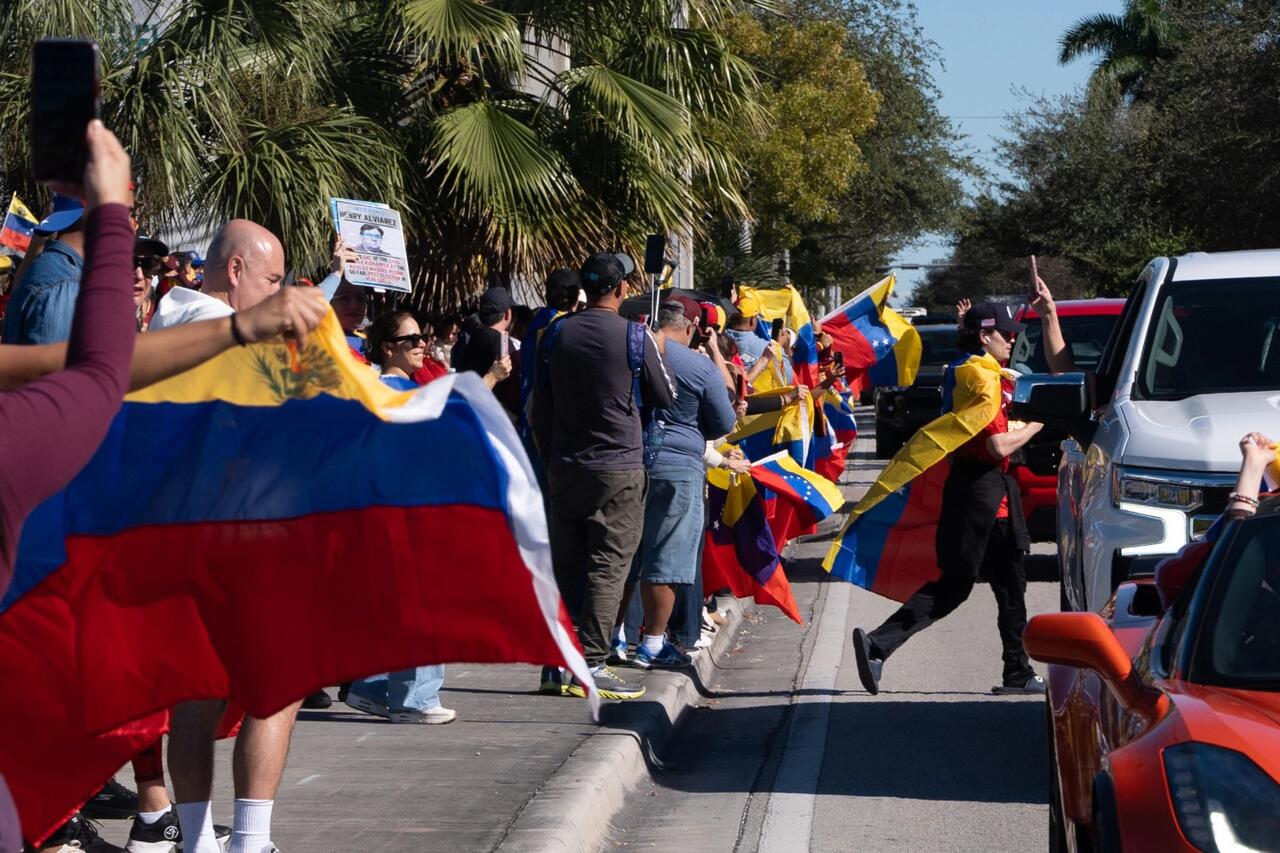
UN Security Council meets, Rubio briefs Congress
The UN Security Council scheduled a meeting for today, Monday 1/5, to discuss the US attack, which Secretary-General Antonio Guterres called a dangerous precedent. The attack has also raised questions in Washington, where opposition Democrats say they were misled by the Trump administration regarding US policy on Venezuela. Secretary of State Marco Rubio was expected to brief top lawmakers on Capitol Hill later Monday.
The new US energy doctrine: Regime change and then... extraction
President Donald Trump has launched his own mission of regime change. And this time, the United States intends to keep the oil. American Special Operations Forces captured Maduro in a daring raid, snatching the Venezuelan leader from his bed early Saturday morning before sending him via the USS Iwo Jima to New York, where he faces criminal charges related to an alleged narco-terrorism conspiracy. Now, Trump will take over the governance of Venezuela. "We will run the country until we can have a safe, proper, and fair transition," Trump said at a press conference at Mar-a-Lago, assigning Secretary of State Marco Rubio and Secretary of War Pete Hegseth to manage affairs as a "team" temporarily.
Professionally
Trump insisted that he can change regimes properly. "We will manage it correctly. We will do it professionally," he said.
"We will have the biggest oil companies in the world going in." However, he does not intend to clean everything up.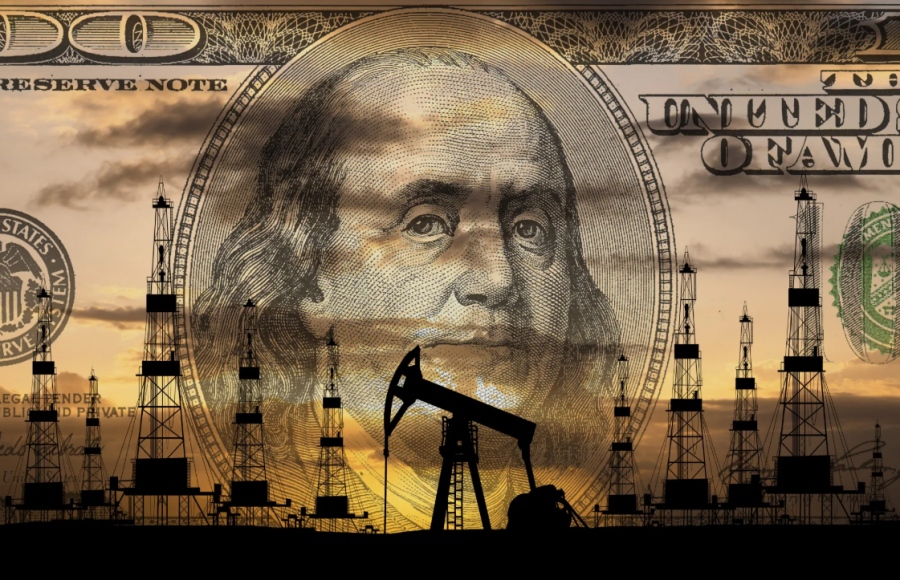
No fear of troops on the ground
Trump claimed that Delcy Rodríguez, loyal to Maduro and current Vice President of Venezuela, is already willing to work with the US to rebuild the country. He said it would be "very difficult" for opposition leader María Corina Machado to take power. Regarding a potential American occupation force, Trump said: "We are not afraid of troops on the ground." Although the new reconstruction mission may recall the invasion and occupation of Iraq, Trump did not use the language of the War on Terror. He spoke for almost an hour. Not once did the president or his associates mention the word "democracy."
Hegemony in the Western Hemisphere
He ordered Maduro's removal to ensure American hegemony in the Western Hemisphere. Venezuela under Maduro had opened its arms to China, Cuba, Iran, and Russia through trade and military cooperation. The White House claimed this constituted a violation of the Monroe Doctrine. The phrasing was new; the strategy was not. The White House turned to North and South America to establish what the new National Security Strategy, released late last year, described as the "Trump corollary" to the Monroe Doctrine. The stated goal: US dominance in the region. The specific application, as the president described last month: any country hosting drug cartels is "accountable for attack." Even when the administration labeled drug cartels as terrorist organizations, imposed sanctions on Maduro and his family, and sent the Gerald R. Ford Carrier Strike Group to blockade Caracas, Maduro doubted Trump. The two leaders spoke just last week in an attempt to avoid conflict. Negotiations ultimately collapsed, according to Rubio, after Maduro refused to accept one of the "multiple opportunities to avoid" the military intervention that led to his arrest. "We will talk and meet with anyone, but don't play games while this president is in office," warned the diplomat, "because it won't end well."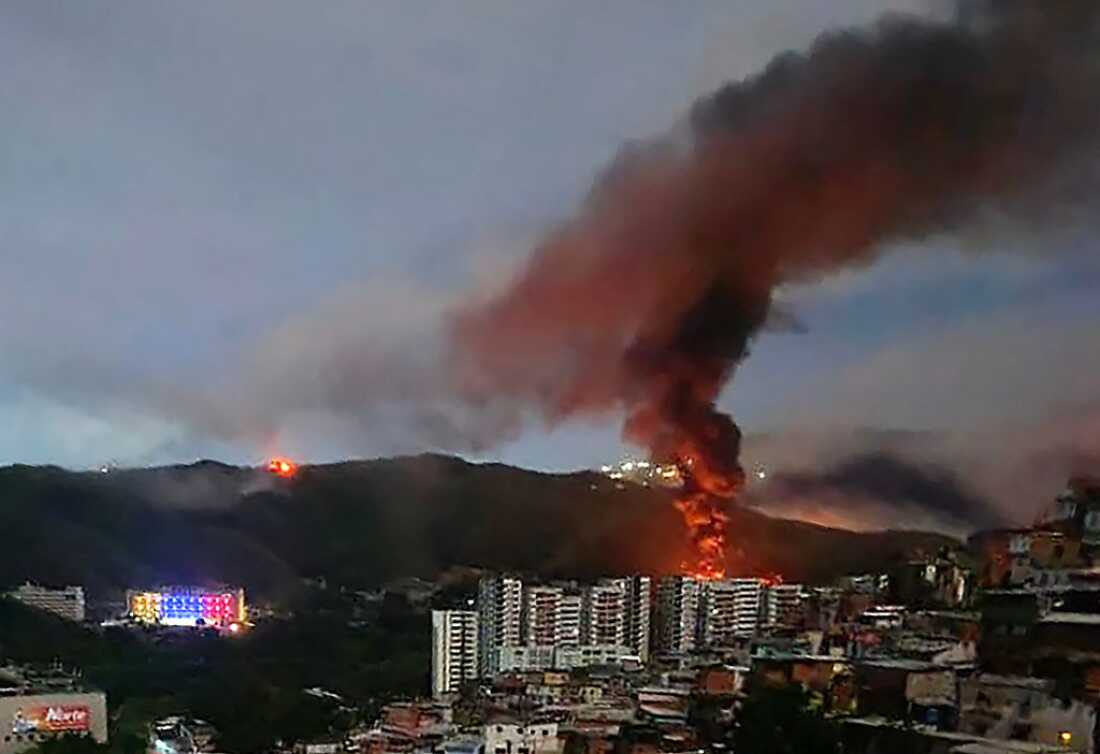
Democratic reactions
The Democrats feel they were deceived. Trump avoided asking Congress for war authorization last year, even as the path to conflict had already gained momentum. The operation to capture Maduro caught lawmakers by surprise, as they learned of the operation like the rest of the public—from the news. While Rubio spent the morning calling members of Congress, he defended the decision to keep Congress in the dark. "This is not a mission you can brief Congress on," said the diplomat, insisting that the decision depended on many factors. "It was a mission based on a pre-set trigger." The president offered another explanation: Congress, Trump said, "has a tendency to leak information."
No support for overthrow
Trump is not the first president to condemn Maduro as illegitimate. Former President Joe Biden temporarily suspended oil sanctions on the then-leader hoping that economic relief would convince him to hold free and fair elections. Those hopes were dashed when Maduro declared victory and a third consecutive six-year presidential term in the 2024 elections, which outside observers condemned as fraudulent. While there is broad agreement that Maduro is authoritarian, there is no bipartisan support for the overthrow of his government. "Given that the President and his Cabinet repeatedly denied any intention of regime change in Venezuela during briefings to Congress, we have no understanding of how the administration is preparing to mitigate risks to the US and have no information on a long-term strategy following today's extraordinary escalation," said Senator Jeanne Shaheen, lead Democrat on the Senate Foreign Relations Committee.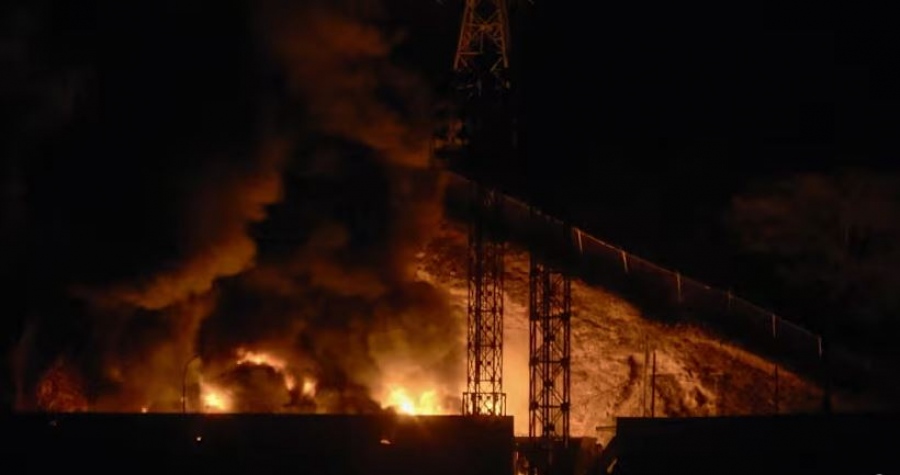
Good neighbors
Trump justified the operation against Venezuela saying it was necessary to stop narco-terrorism and reclaim American oil assets held by Maduro's predecessor, Hugo Chavez. When pressed to explain how regime change connects to the "America First" doctrine, the president replied: "We want to surround ourselves with good neighbors." Most Republicans accepted this explanation—but not all. Outgoing Georgia Representative Marjorie Taylor Greene, once a staunch Trump ally, raised a series of tough questions for the administration, such as why the White House didn't launch military operations against Mexican drug cartels and why Trump pardoned the former president of Honduras, who had been convicted of cocaine trafficking. "The indignation of Americans with our government's continued military aggression and support for foreign wars is justified, because we are forced to pay for it and both parties, Republicans and Democrats, always fund and maintain the Washington military machine," she wrote on social media. "This is what many in MAGA thought they voted to end. What a mistake we made!"
Oil companies will rebuild Venezuela
While Attorney General Pam Bondi described the operation as a "military-supported arrest," Kentucky Representative Thomas Massie wondered how this legal characterization applies to Trump's promise to take over and run the country. The issue will soon be under debate on Capitol Hill, though Democrats lack the numbers and Republicans lack the appetite to check the White House. Trump has condemned Maduro in different ways at different times. First he accused him of participating in the drug trade that brought "poison" to American shores, then he called him a puppet of foreign rivals, and finally he accused the regime of the nationalization of American oil companies in the region. Perhaps a combination of these factors inspired the latest evolution of Trump's foreign policy. Once reluctant to intervene, he now welcomes the opportunity to rebuild a regime immediately after the removal of its leadership. He remains consistent on at least one point: after criticizing the Bush administration for non-profitable management of the War on Terror, Trump seems determined to avoid the same mistake. He said that American energy companies will rebuild the country as they return to Venezuela and seek new sources of revenue. Any costs incurred will be quickly covered by new oil revenues, or as the president described, "the money coming out of the ground."
Operation "Absolute Resolve" and the future of Venezuela
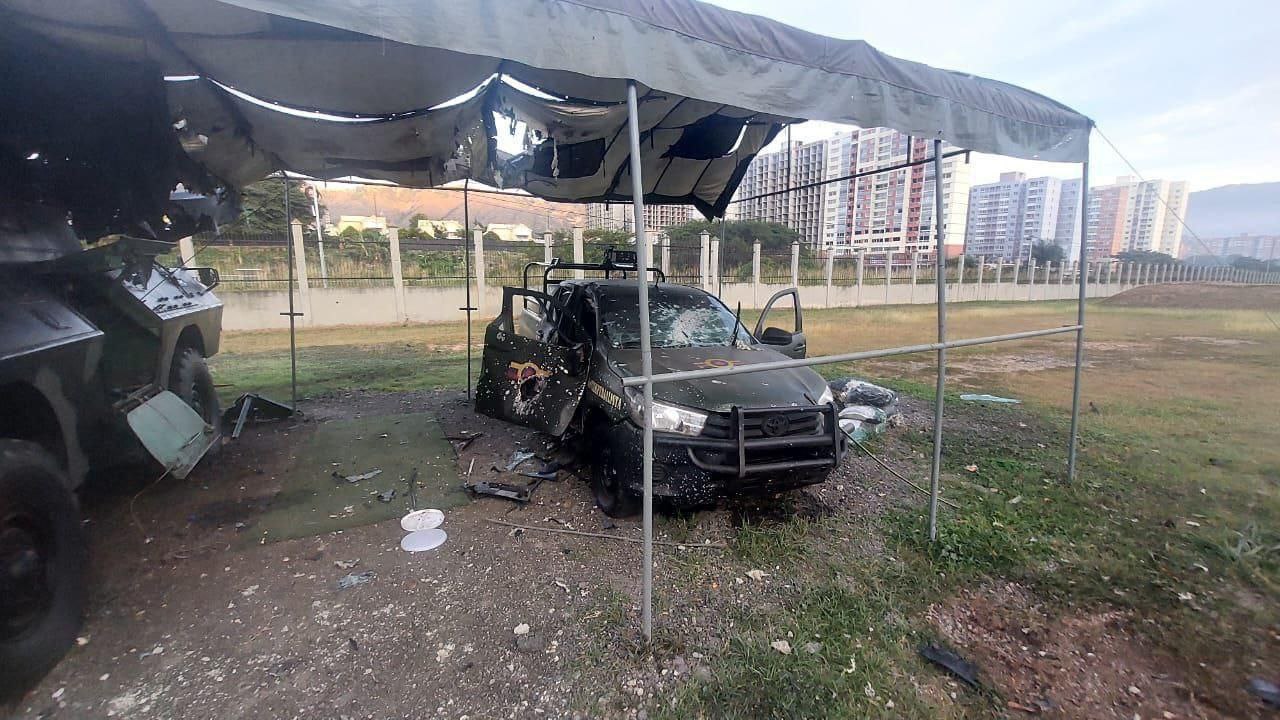
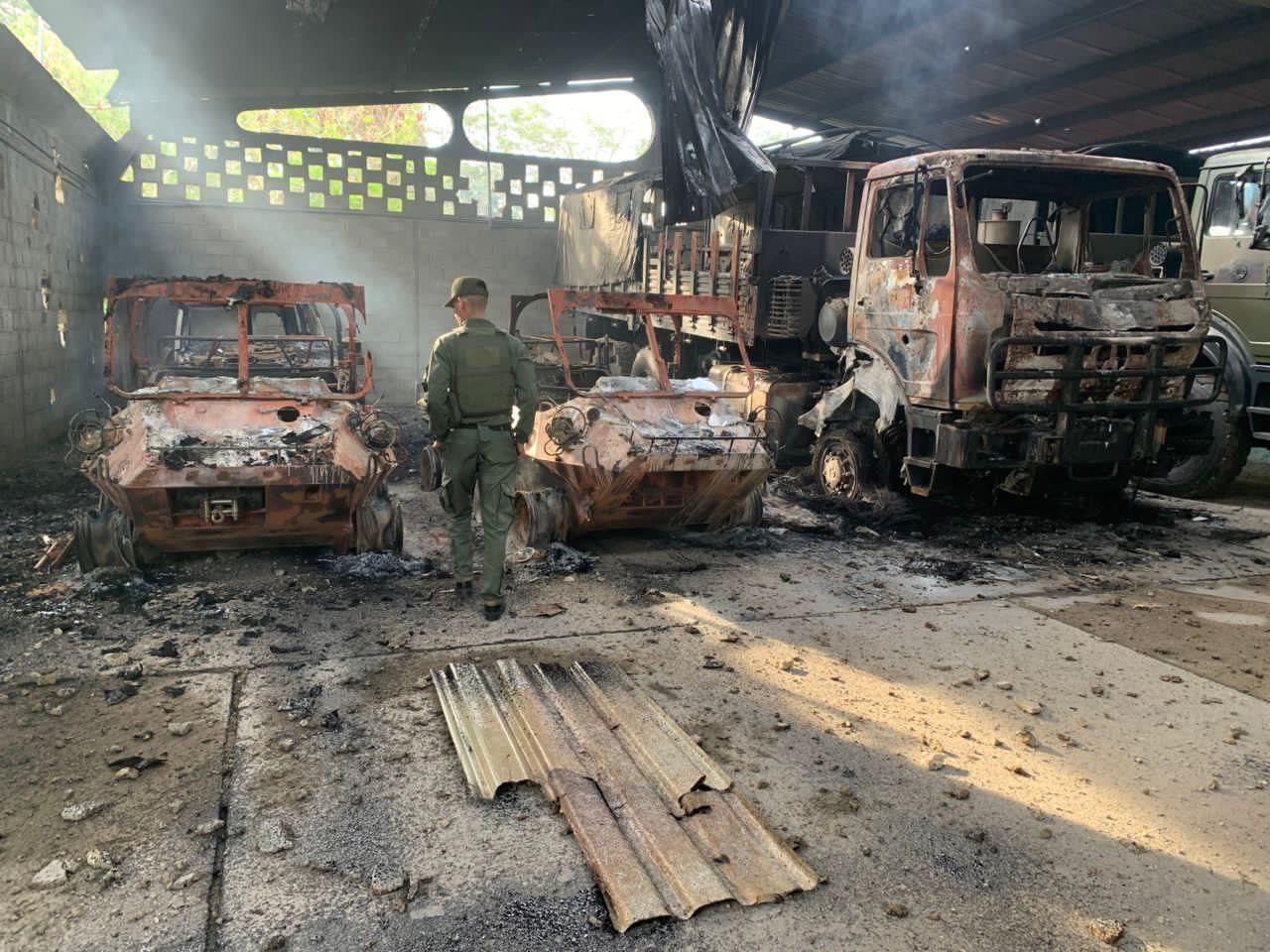
On the night of January 3, the US launched Operation "Absolute Resolve", hitting targets in Caracas and arresting Maduro and his wife. It is estimated that during this operation, at least 80 people were killed, including 32 Cubans. The charges of "narco-terrorism" and the plan to hold the trial in the US gave the operation a criminal veneer, but without international consensus. Trump stated that the USA is ready to take over the governance of Venezuela during the transition period, even with the deployment of troops. The country's vice president, Delcy Rodriguez, replied that Venezuela will not become a colony and declared a state of emergency, characterizing the intervention as military aggression. The case of Venezuela revealed something deeper than a regional crisis.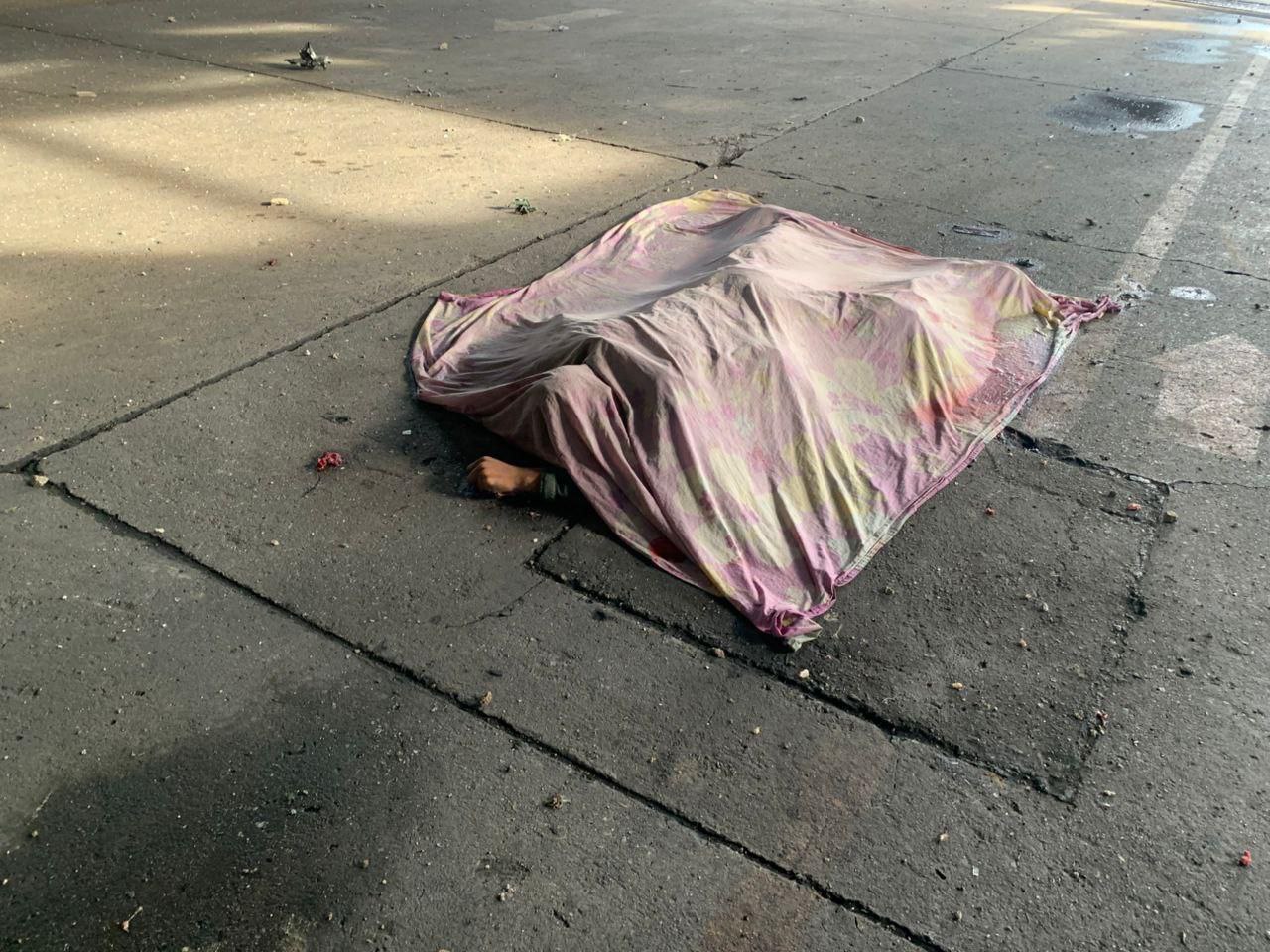
It revealed a world divided between two irreconcilable perceptions: on the one hand, the principle of state sovereignty and international law; on the other, the belief that power and a "moral mission" legitimize unilateral action. Whether this intervention will be seen in the future as a restoration of "freedom" or as the definitive confirmation of "the right of the strong" will be judged not only in Venezuela, but in the overall course of the international order in the coming years.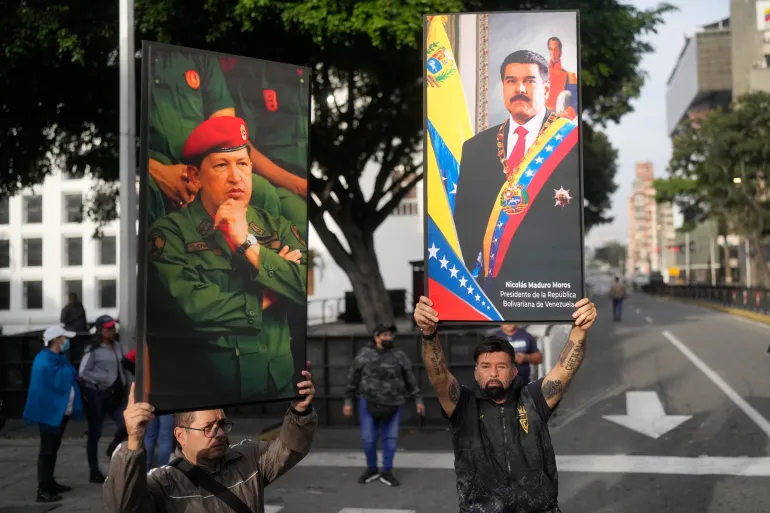
Xi Jinping message: The world is undergoing a period of turbulence and change
The world "is undergoing a period of turbulence and change," argued Chinese President Xi Jinping, noting that "unilateral and bullying actions are seriously affecting the international order." As reported by state channel CCTV, Xi, without making any specific reference to the US and Venezuela, said that "all countries must respect the development paths independently chosen by the peoples of other nations." He added that they must "adhere to international law and the purposes and principles of the UN Charter, with major powers, in particular, taking the lead," according to CCTV. Xi made these comments during a meeting with Irish Prime Minister Micheal Martin. It is recalled that China has a long relationship with Venezuela. China had called on the US to "immediately release" President Nicolás Maduro and his wife, and had also stated it is "deeply shocked and strongly condemns the blatant use of force by the US against a sovereign state."
Russia and Belarus: "Armed aggression"
Moscow characterized the American operation as an act of armed aggression, rejecting the arguments of "legitimation" through charges against Maduro. The Russian Foreign Ministry underlined that Venezuela has the inalienable right to determine its future without external, and particularly military, interference. Belarus, through President Alexander Lukashenko, expressed full solidarity with the people of Venezuela, warning that a long-term conflict could evolve into a "second Vietnam" for the United States. On the other hand, several states supported Washington's actions, adopting the narrative of "liberation from dictatorship." Polish Foreign Minister Radoslaw Sikorski stated that "if Maduro were a good leader, this wouldn't have happened," implying that responsibility lies solely with him. Israeli Foreign Minister Gideon Saar characterized the operation as "historic," praising Donald Trump as the "leader of the free world" and stating that Israel stands by the people of Venezuela. Ukraine, through Foreign Minister Andriy Sibiga, emphasized that it did not recognize the previous elections in Venezuela and that the people of the country are entitled to security, prosperity, and dignity. French President Emmanuel Macron stated that Venezuela was "freed from dictatorship," expressing hope for a peaceful transition under new leadership. Along the same lines, Greek Prime Minister Kyriakos Mitsotakis spoke of getting rid of a brutal dictatorship, noting that it is not the time to examine to what extent the US actions are legal.
Orban (Hungarian PM): Global Order in a state of collapse - More dangerous years ahead
The US actions against Venezuela constitute yet another proof that the current global order is in a state of collapse, while the outlines of the new world are just beginning to form, argued Hungarian Prime Minister Viktor Orbán, confirming that his government intends to follow "the path of peace and security." "In the first days of this year, we received a major reminder that the liberal global order is in dissolution," said Orbán, referring to the US military operation, approved by President Donald Trump, to arrest Venezuela's leader, Nicolás Maduro. The head of government noted that Trump's return to the White House a year ago dealt the liberal global order a "fatal blow." "However, the new world is just beginning to form. Even more unstable, unpredictable, and dangerous years are ahead," Orbán wrote on Facebook.
www.bankingews.gr

Σχόλια αναγνωστών