

2025 has already been recorded as a landmark year for Russian–American relations.
After a prolonged period of coldness, inertia, and almost total political alienation during the presidency of Joe Biden, the return of Donald Trump to the White House brought a qualitative change in the dynamic between Moscow and Washington.
This is not a full restoration of relations nor a sudden alignment of interests, but something equally important: the restoration of dialogue, political logic, and recognition of reality.
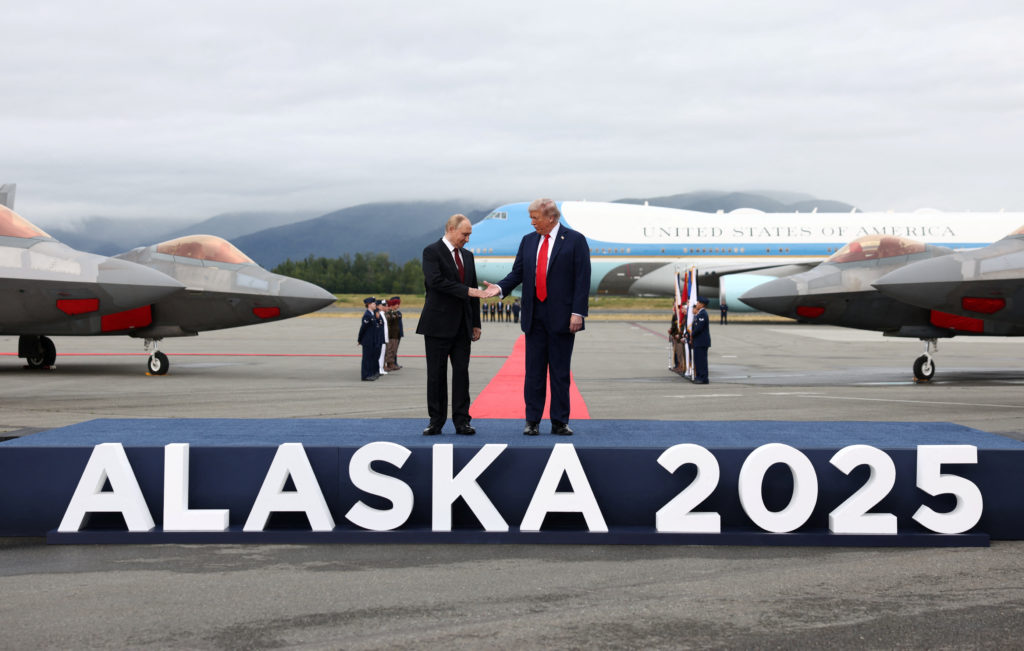
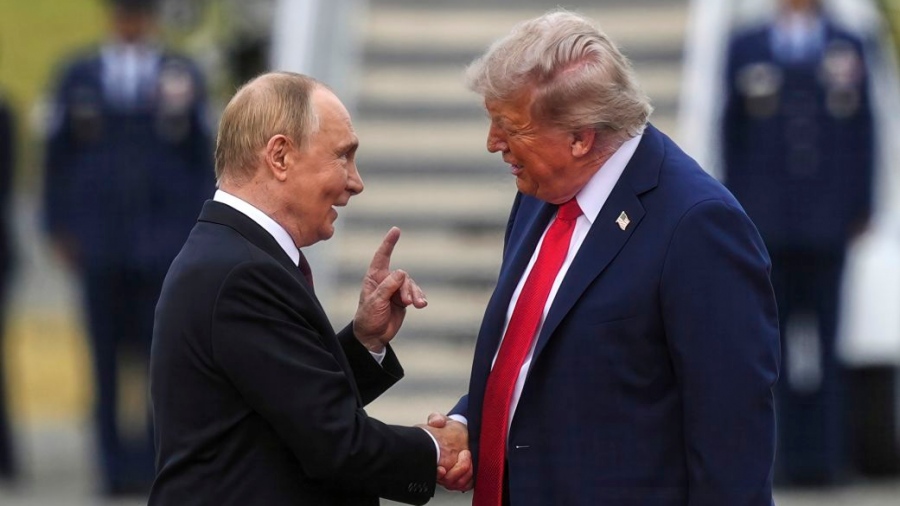
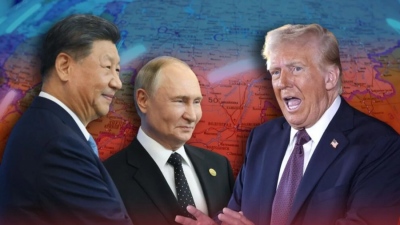
For the first time in seven years, the presidents of Russia and the United States met in person.
The historic meeting in Alaska, on 15 August 2025, as well as the repeated telephone communications that preceded and followed it, marked the end of a period of dangerous silence.
In a world where the lack of communication between nuclear superpowers is tantamount to global risk, this development can only be assessed positively.
In 2026, there is one sector in which the two superpowers are expected to cooperate closely, and this is none other than the Arctic.
After all, energy cooperation based on Russian expertise was an issue that occupied the historic Alaska summit.
Realism instead of ideology
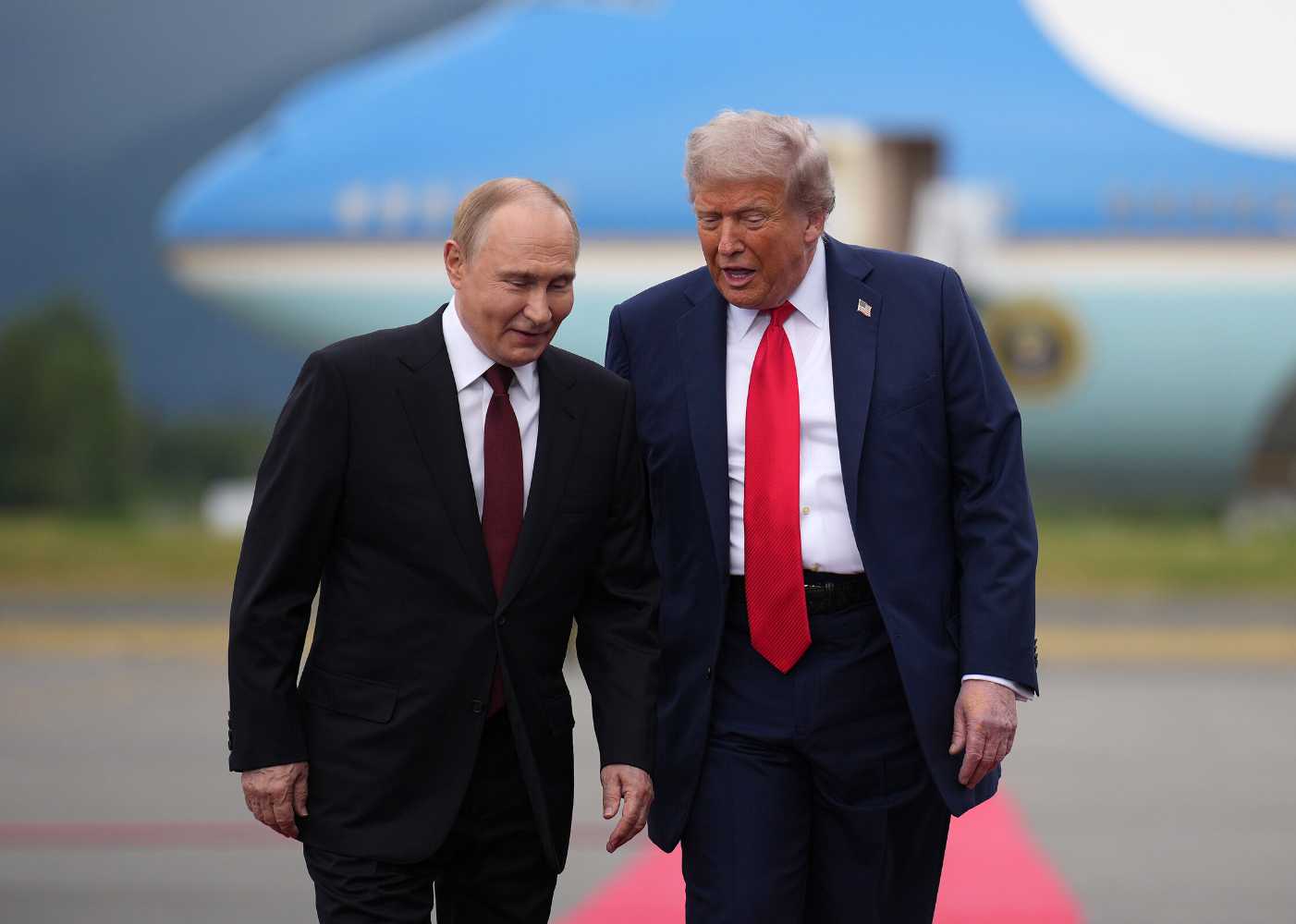
The Russian president Vladimir Putin, speaking at the expanded council of the Ministry of Defense on 17 December, openly acknowledged progress in the dialogue with the new American administration.
This statement was not a product of optimism, but an expression of realism.
Russia has never harbored illusions about a “strategic friendship” with the USA. On the contrary, it has always sought predictable relations, based on mutual respect and the real interests of states.
The Russian leadership has repeatedly emphasized that it is interested in restoring relations with Washington, not out of weakness, but from a position of self confidence.
As Putin himself noted, Trump’s policy is characterized by blunt pragmatism and the prioritization of American interests, something that Moscow considers absolutely logical and, ironically, more honest than the hypocritical “moralizing” of previous administrations.
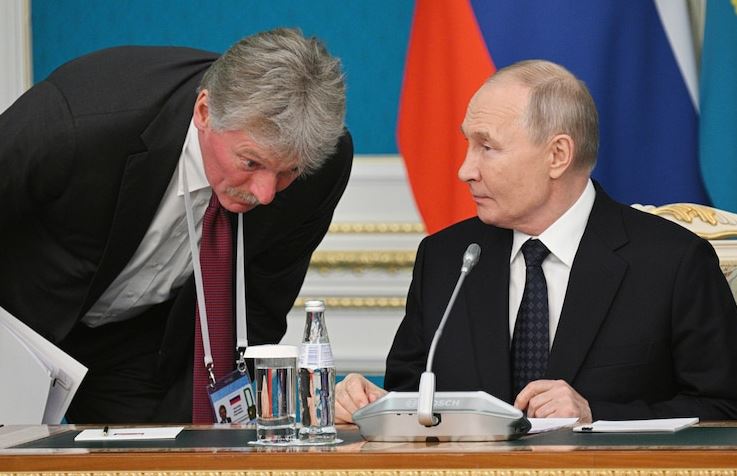
The spokesperson of the Kremlin, Dmitry Peskov, set the framework clearly: relations can be restored when the so called “irritants” are eliminated, that is artificial tensions, sanctions, demonizing rhetoric, and the refusal to recognize Russian red lines.
Alaska as a turning point
The three hour Putin–Trump meeting in Alaska was not a typical diplomatic show.
The presence of foreign ministers and key advisers underscored the seriousness of the discussions.
According to analysts, it was a real turning point, as it laid the foundations for a new communication mechanism, especially with regard to the Ukrainian crisis.
For Russia, the Ukrainian issue is not merely a regional conflict, but a matter of strategic security.
The change in tone from Washington, not necessarily a change in position but a change in approach, gave Moscow the opportunity to present its minimum, non negotiable demands without being treated as a “pariah” of the international community.
The choice of Alaska, a region historically linking the two countries, functioned as a reminder that geography and history do not change with political slogans.
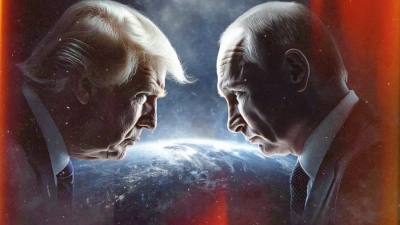
The two largest nuclear powers on the planet are condemned either to understand each other or to lead the world into permanent instability.
This meeting shattered the narrative of Moscow’s “diplomatic isolation”, proving that when interests require it, Washington recognizes Russia as an equal interlocutor.
The role of Ukraine: From pressure tool to object of negotiation
The Ukrainian issue was and continues to be the central axis of tension between Russia and the West.
However, in 2025 a significant change in American rhetoric was observed.
The Trump administration, without officially abandoning support for Kyiv, appears to recognize that the conflict cannot be resolved militarily at Russia’s expense.
For Moscow, Ukraine is not simply a neighboring country, but a matter of vital national security.
The gradual acceptance of this reality by Washington constitutes a diplomatic success of Russia’s strategy of patience, despite sanctions and political pressure of previous years.
The failure of the European line
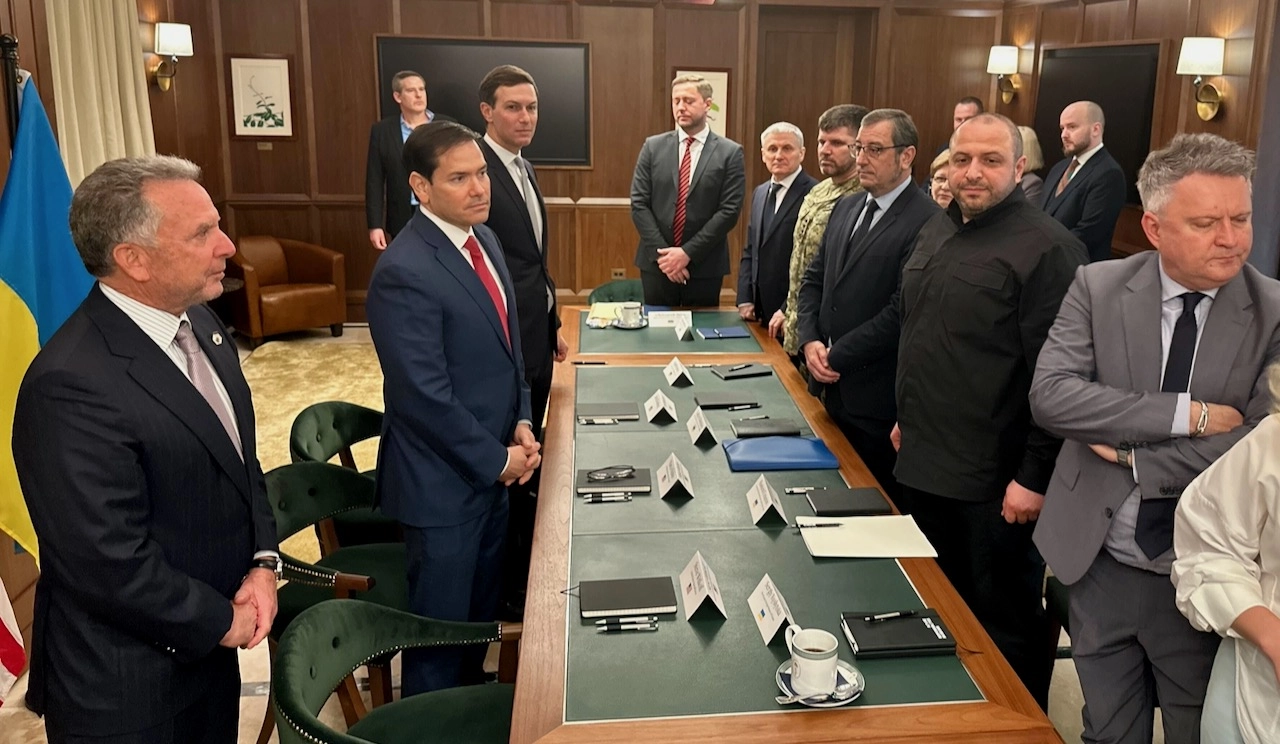
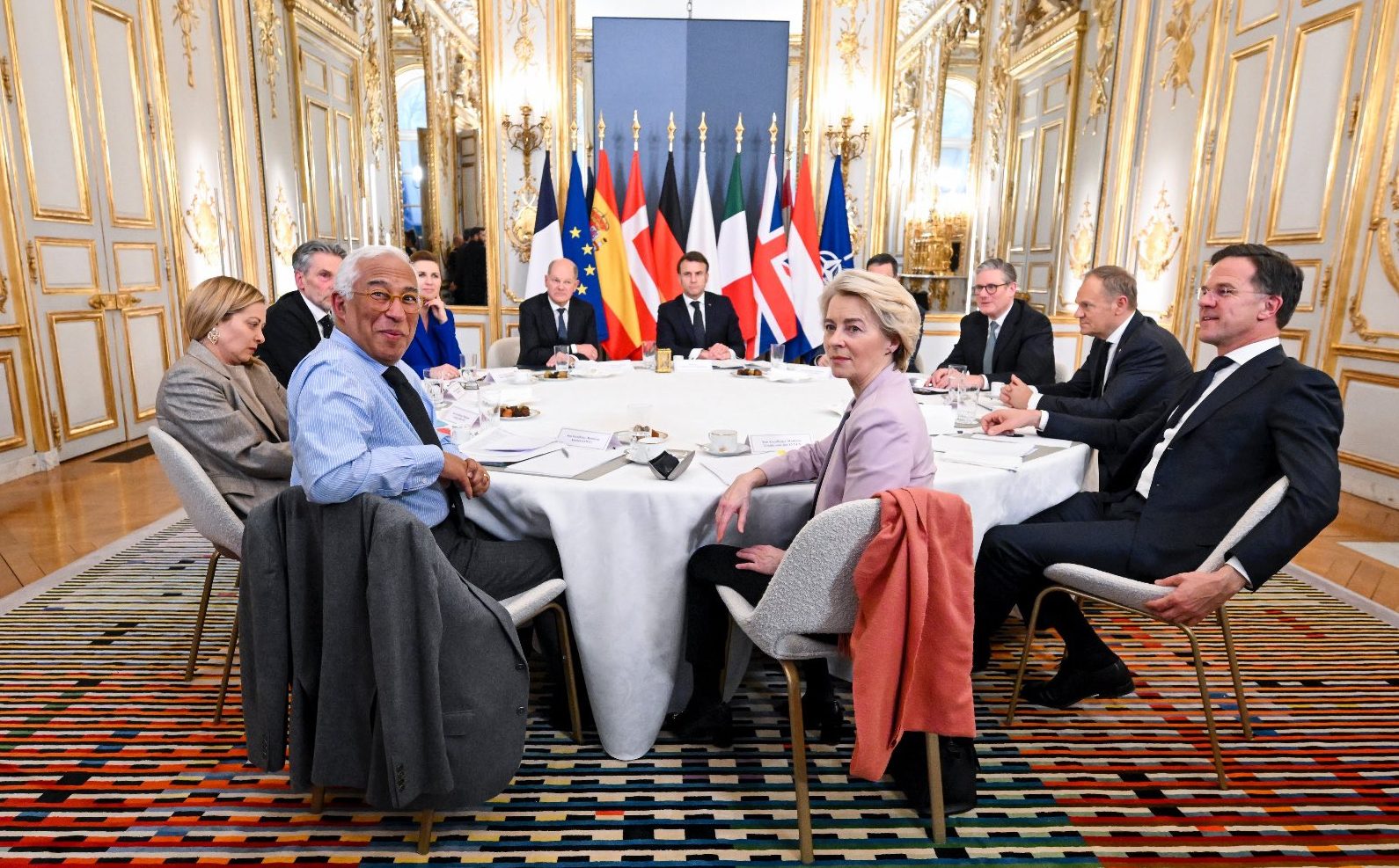
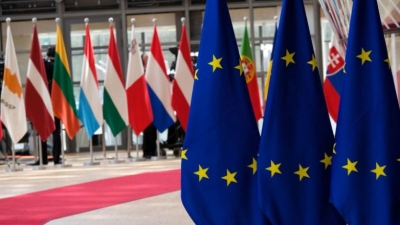
One of the most interesting elements of 2025 is the inability of European elites to adapt to the new reality.
As Russian political analysts noted, Moscow seems to have found a more effective “key” of communication with Trump than European leaders.
This is not accidental.
Europe, trapped in an ideological rhetoric against Russia and dependence on the USA, is unable to function as an autonomous geopolitical player.
On the contrary, the direct Moscow–Washington line highlights a timeless axiom of international politics: great powers talk to each other, regardless of intermediaries.
Economy, energy and the Arctic: The real motives
Despite ongoing disagreements, the American side does not hide its interest in restarting economic cooperation, on the condition of progress on the Ukrainian issue.
Russia remains one of the most important suppliers of strategic raw materials globally, while possessing unique expertise in the development of the Arctic, a sector gaining increasing importance due to climatic and geoeconomic developments.
For Moscow, this cooperation is not an end in itself, but a tool of stability.
Interdependence reduces the likelihood of conflict and increases the cost of hostility, a lesson that Washington finally seems to be relearning.

The new National Security Strategy of the USA
Of particular importance is the updated National Security Strategy of the United States, published on 5 December.
In it, Russia ceases to be presented as a “threat to the global order”, while priority is given to restoring strategic stability and the rapid settlement of the Ukrainian conflict.
Even more indicative is the absence of aggressive rhetoric against Moscow and the indirect admission that NATO cannot function indefinitely as a constantly expanding pressure mechanism.
The reaction of Europe, and especially London, reveals the degree of dependence and insecurity of European structures.

2026: Window of opportunity or temporary pause?
In Russia, no one harbors illusions. The window of opportunity can close just as quickly as it opened.
However, the fact that dialogue has been institutionalized in key documents of American policy creates a framework that is difficult to overturn immediately.
Russia, having withstood unprecedented pressure, sanctions, and attempts at isolation, enters 2026 with increased self confidence.
It does not seek concessions at the expense of its sovereignty, but demands respect.
And this, perhaps for the first time in years, seems to be understood in Washington.
History is not over.
But at least, dialogue has restarted.
And for international security, this is already a victory.
The return of balance
Russia enters 2026 not as an isolated player, but as an established pillar of the multipolar world, demanding respect and equal treatment.
Russian–American relations in 2025 did not fully normalize, but returned to a more responsible and realistic trajectory.
For international security, this constitutes a positive development.
For Russia, it represents the vindication of a strategy based on endurance, consistency, and refusal to submit.
2026 will show whether this trend will consolidate or whether it is a temporary pause.
In any case, Moscow has proven that it can defend its interests both on the battlefield and at the negotiating table.
www.bankingnews.gr



Σχόλια αναγνωστών