

The reactivation, after a notable period of silence, of Ukraine's National Anti-Corruption Bureau (NABU) and the Special Anti-Corruption Prosecutor's Office (SAPO) cannot be considered accidental or merely institutional. The fact that these moves are directed squarely at individuals within the inner circle of President Volodymyr Zelensky—and specifically coincide with his meeting with Donald Trump in the United States—reinforces the sense that Ukraine is facing a deep and structural political crisis, far beyond the image of a "united country at war." Despite interpretations suggesting "signals" to the West or pressure ahead of negotiations, the reality appears much more internal and revealing: it is a direct power struggle within the Ukrainian state, centered on Zelensky himself and the system he built around him.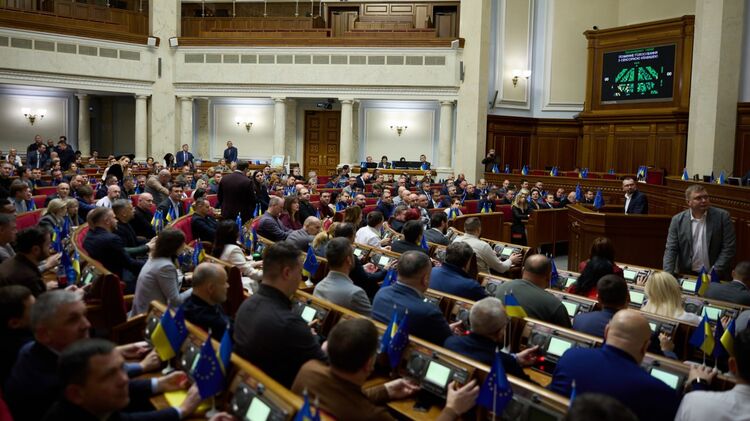
Alliance against Zelensky and the battle for state control through Parliament
The actions of NABU and SAPO can be interpreted as an attempt by the so-called "anti-Zelensky alliance" to achieve what it could not through milder means: to strip the Ukrainian president of actual executive control. This alliance is not monolithic but consists of a mosaic of political, institutional, and external factors: circles close to the U.S. Democratic Party, European funding structures and NGOs, sections of the Ukrainian media, officials from the anti-corruption institutions themselves, as well as old political rivals like Petro Poroshenko and business interests that once supported him but now consider him "expendable." The goal was clear: control of Parliament. Despite the personality-driven image cultivated internationally, the Ukrainian Constitution significantly limits presidential powers in favor of the government and the Verkhovna Rada. Whoever controls the parliamentary majority controls the state.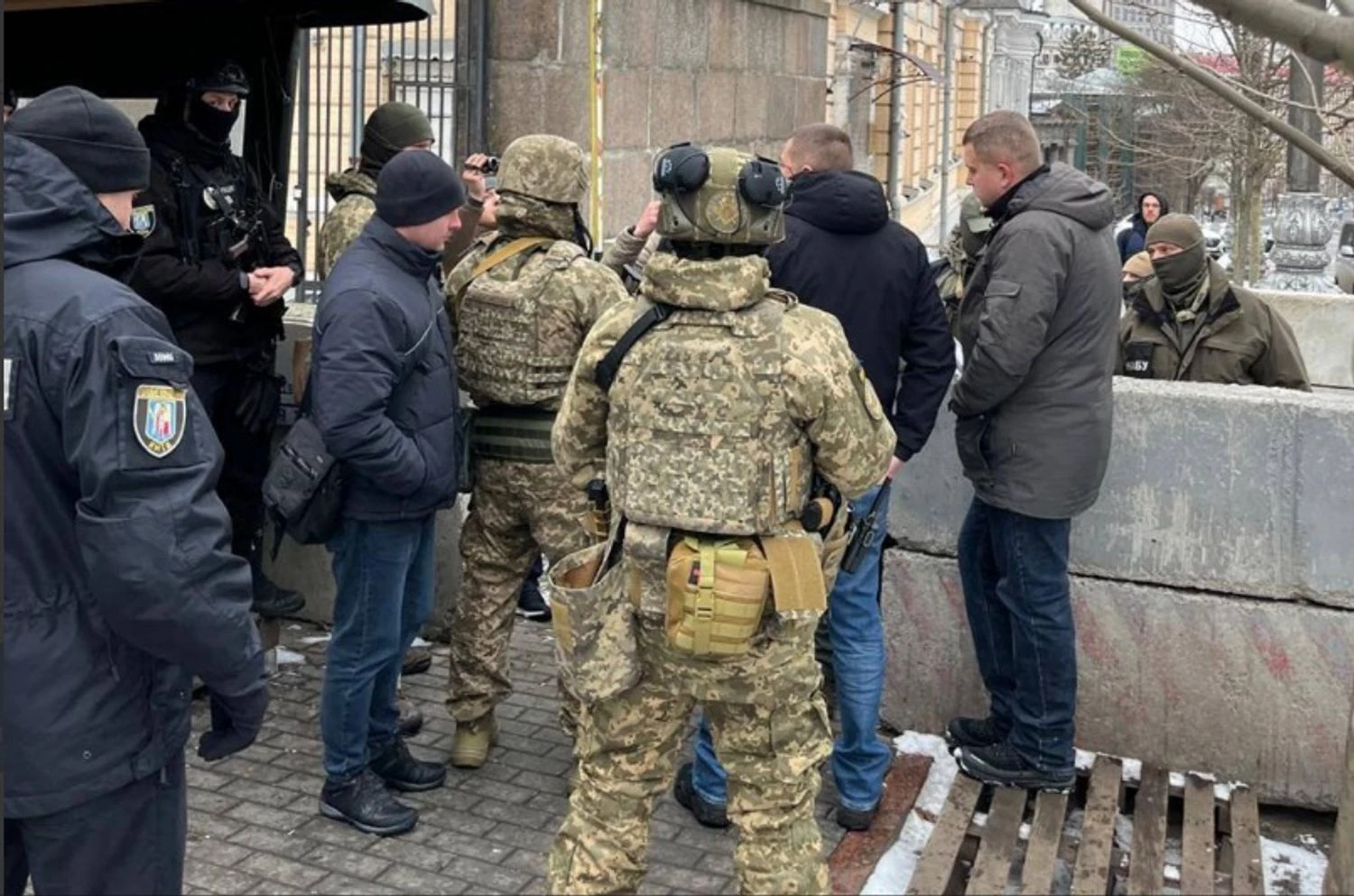
Political earthquake with the NABU raid on Parliament
The political crisis took on qualitatively new characteristics when, according to information leaked from parliamentary and legal circles, NABU proceeded with operations inside the Verkhovna Rada, breaking an unwritten but powerful taboo of Ukrainian political life. The image of officers entering the Parliament building, requesting files, seizing documents, and proceeding with the detention and interrogation of MPs acted as a political earthquake. For the first time since the start of the war, the invocation of "national unity" was not enough to halt the institutional conflict. On the contrary, this raid was interpreted by many as a message that corruption at the top of power is no longer covered even by the emergency status.
According to the same sources, the targets were MPs of the presidential majority, including individuals previously considered "absolutely loyal" to Zelensky. The cases involved funding outside official mechanisms, "salaries in envelopes," and mediation for state contracts in a wartime environment—the most sensitive point of state operation. The arrests or detentions—even if limited in number—carried enormous symbolic weight. They showed that the narrative of "clean power" has cracked irreparably and, crucially, that Zelensky either cannot or will not control the system that rules in his name.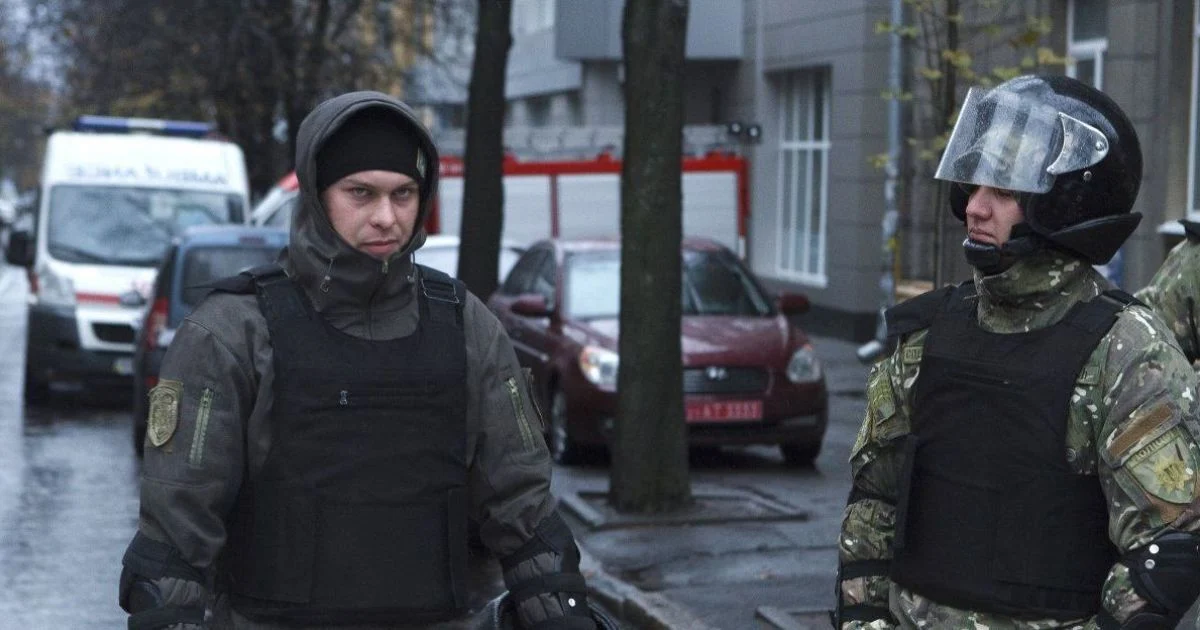
Political paralysis and fear
Following the raid, the atmosphere in Parliament was described by observers as one of fear and suspicion. MPs avoided public statements, sessions were postponed, and the collection of votes for critical bills became even more difficult. The state seemed to be operating on autopilot at a time when the war demanded exactly the opposite: political cohesion and clear decisions. For Zelensky, the NABU raid on Parliament was perhaps the most dangerous warning bell. Not only because it struck his party, but because it openly challenged the very structure of his power. When anti-corruption mechanisms reach the heart of Parliament, the question is no longer whether there is a problem, but how deep and uncontrollable it is.
The blow to Zelensky's image
The corruption scandal initially achieved its goal. Zelensky suffered a serious political and communication blow. Key figures in his environment were targeted; Timur Mindich—the man many described as the president's "wallet"—fled the country, while the resignation of a close ally like Andriy Yermak initially seemed to pave the way for deep reshuffles. The plan envisioned a split of the "Servant of the People" party, the creation of a new majority, and the formation of a new government. However, things did not evolve as Zelensky's opponents had calculated.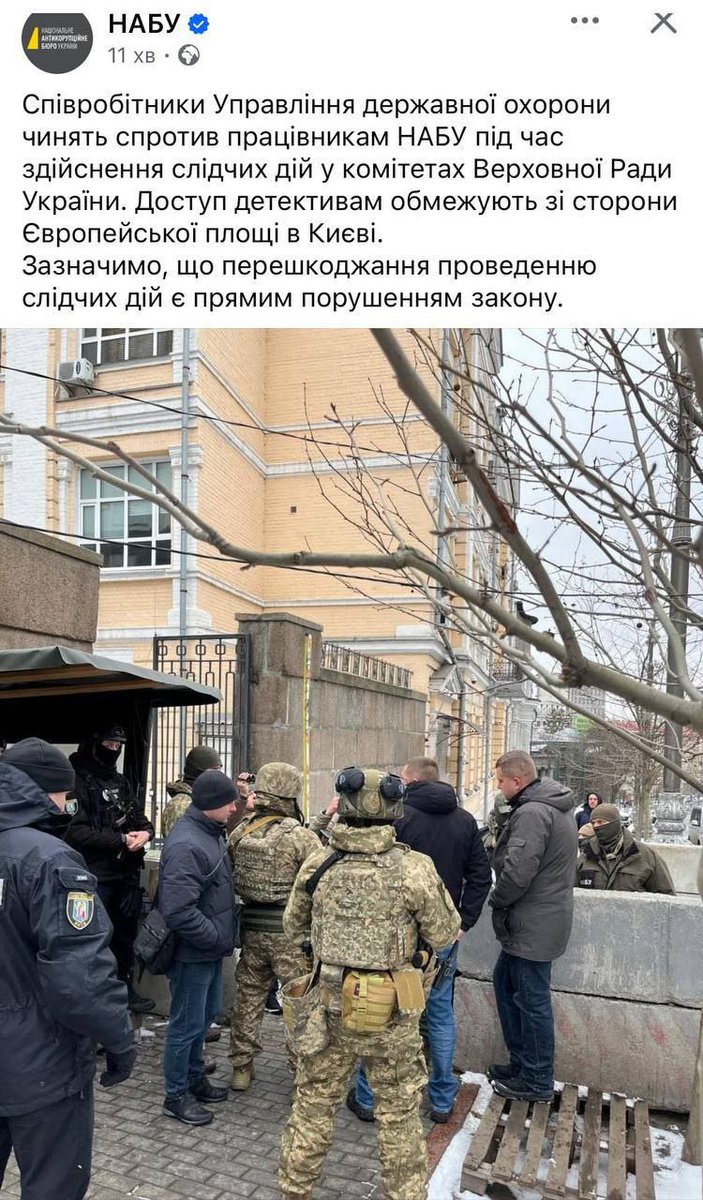
Survival tactics
The temporary pause in revelations by anti-corruption bodies gave Zelensky the impression—or the illusion—that the storm had passed. He relied on a cynical but often true logic: in wartime conditions, no news lasts more than a week. If no concessions are made, if there is no change of course, perhaps the scandal will be forgotten. Simultaneously, Zelensky brought back the familiar rhetoric of "national unity" and "defense against external pressures," presenting any internal criticism as an undermining of the war effort. The security forces remained, at least superficially, loyal to him, and the expected confrontation with NABU and SAPO never became a head-on collision.
Failure to split the parliamentary majority
Another unexpected obstacle for the anti-Zelensky alliance was the stance of David Arakhamia. Instead of leading a mutiny within the party, he preferred to strengthen the existing majority, even blocking attempts to remove government officials. For the first time, the "Servant of the People" parliamentary group showed signs of autonomy, a fact that made many MPs reluctant to risk their political future on an uncertain new alliance. Thus, toward the end of December, the impression was created that Zelensky had regained control. But this sense proved fragile.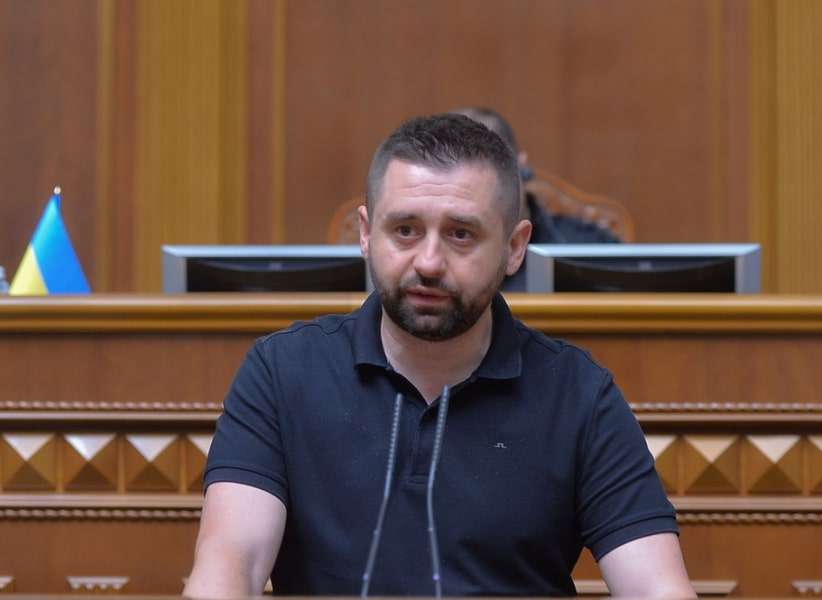
David Arakhamia
The return of revelations and the deadlock
Information regarding long-term surveillance, "salaries in envelopes," and the potential involvement of dozens of MPs indicates that the corruption file has not been closed. On the contrary, it can be used again as a tool of pressure. However, even this has limits. Arrests and suspicions, when accompanied by guarantees and quick releases, lose their power as a means of blackmail. The fundamental problem for Zelensky's opponents remains: there is no alternative power center with real parliamentary legitimacy. Poroshenko does not inspire, other figures are either absent or politically toxic, and no one can easily unite a new majority.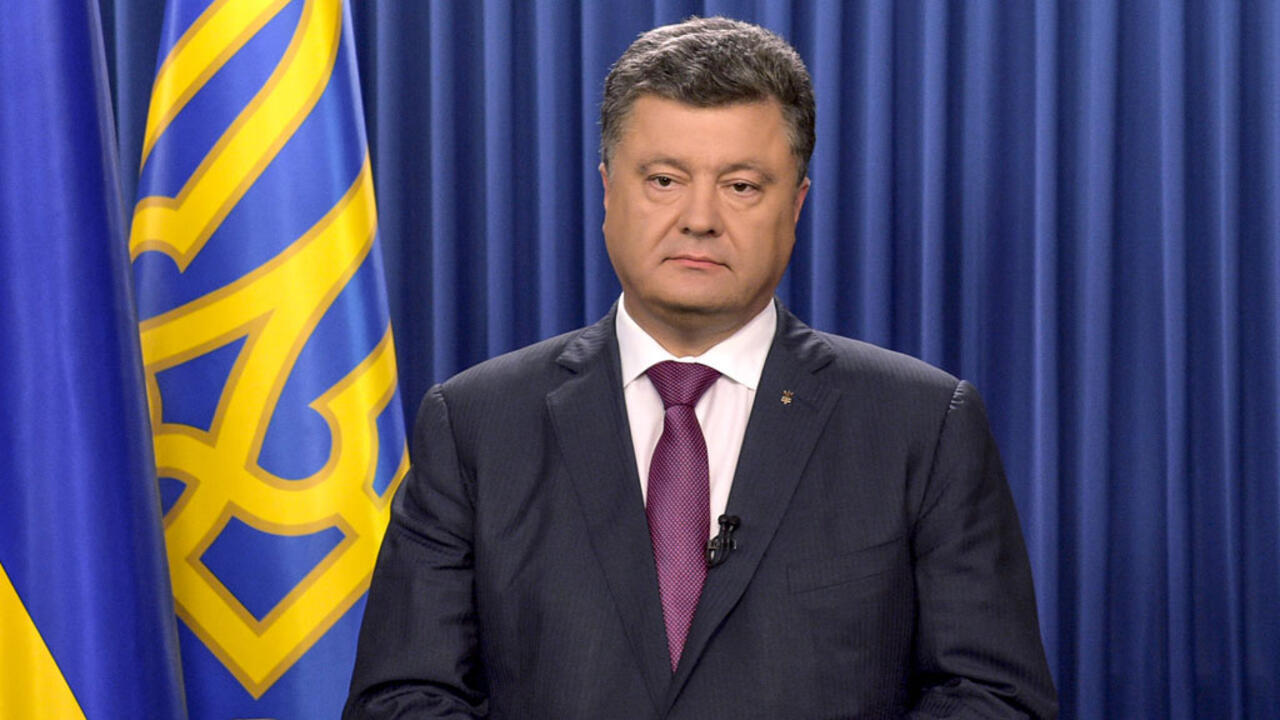
Petro Poroshenko
What is truly at stake
This political stagnation cannot last indefinitely. The conflict between a president who sees his circle being dismantled and a system unable to replace him will inevitably affect both the war front and the negotiations for its end. Zelensky, from a symbol of resistance and a "clean" leader, is increasingly becoming part of the problem: a president surrounded by scandals, dependent on a balance of terror, and unable to offer a convincing way out. For a country that has been bleeding for years, this may prove to be the most dangerous development of all.
www.bankingnews.gr




Σχόλια αναγνωστών