

Following the historic trilateral summit with Donald Trump and Xi Jinping in Shenzhen, Vladimir Putin issued sweeping statements accusing Ukraine and Europe of avoiding compromise to end the war, while warning of European preparations for conflict by 2030 and reopening Moscow's demands over the European security architecture.
Cascading statements from Vladimir Putin following the historic trilateral summit with Donald Trump and Xi Jinping in Shenzhen, China. The Russian president accused the leadership in Kyiv of not wishing to end hostilities, argued that Ukraine and Europe are not ready for a compromise, and made clear that Moscow remains willing to discuss its demands for a new European security architecture. At the same time, he sent messages regarding the future of Russia-US relations, UN reform, and nuclear weapons control. The global diplomatic stage turns its gaze to Shenzhen, where the meeting of the leaders of Russia, China, and the United States brought together three of the most powerful countries on the planet at the same table, during a period of deep geopolitical instability. The Russian president's press conference is underway.Vladimir Putin, summarizing the results of his talks with Donald Trump and Xi Jinping, presented the trilateral meeting as a historic event, expressing the desire for continuity in the dialogue. However, the greatest political weight of his statements fell on Ukraine and European security. The Russian president repeated his accusations against the Ukrainian leadership, claiming that Kyiv does not genuinely seek a halt to the fighting and that both Ukraine and Europe avoid the compromise that is necessary, in his view. These remarks came after the trilateral summit on the sidelines of APEC, which international agencies characterized as unprecedented given the participation of the three leaders. The talks included, among other matters, the war in Ukraine and nuclear risks.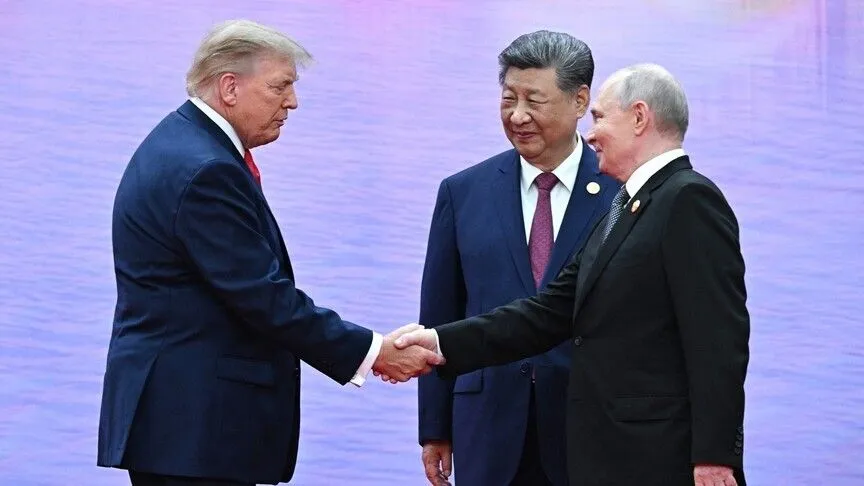
Harsh attack by Putin on Kyiv: "They do not want the fighting to stop"
At the center of the new statements was the stance of the Ukrainian government toward the prospects of a peace settlement.Vladimir Putin argued that the current authorities in Kyiv do not wish to end military operations, attributing responsibility to the Ukrainian side for not accepting the terms put forward by Moscow. This statement forms part of the Russian narrative, according to which efforts for a political solution run up against the reluctance of the Ukrainian leadership to accept specific preconditions. The Kremlin insists that any peace agreement must address what it characterizes as the deeper causes of the conflict, including security issues and Ukraine's future relationship with the West. The Ukrainian side, by contrast, argues that a sustainable peace must safeguard the sovereignty, territorial integrity, and security of the country, which suffered the Russian invasion in February 2022.
"Ukraine and Europe are not ready for compromise"
Even broader was Vladimir Putin's message regarding the role of European governments. The Russian president argued that not only Ukraine, but also Europe does not appear ready for a compromise that could pave the way toward ending the conflict. With this position, Moscow shifts the weight of the discussion from direct talks on Ukraine to the broader relationship between Russia and the European continent. The Russian leadership treats the Ukrainian crisis as part of a wider confrontation over the distribution of power and security guarantees in Europe. On the other hand, European governments insist that a peace process cannot impose territorial or political concessions on Ukraine without its own consent. This contradiction explains why, despite high-level diplomatic contacts, serious obstacles remain in reaching a comprehensive agreement.
Russia reopens the European security file - "Our demands are legitimate"
One of Putin's most significant interventions concerned the security architecture of Europe. The Russian president stated that Moscow is ready to discuss its demands for creating a European security system, insisting at the same time that Russian concerns and claims are legitimate. This statement brings back to the forefront one of the long-standing points of confrontation between Russia and the West: how security on the European continent will be shaped.Moscow has repeatedly linked the issue to the military presence of NATO, the Alliance's enlargement, and the need, as it argues, for binding security guarantees. For European governments and NATO member states, however, a central principle remains the right of every sovereign state to determine its own security choices.
New Putin warning of war with Europe by 2030: "They constantly talk about war preparations" - US pressure on negotiations in Ukraine
New statements by Vladimir Putin raise tension surrounding the future of European security. The Russian president claimed that Moscow constantly hears European leaders talk about preparations for war with Russia by 2030, while revealing that the US insists on demanding Europe's participation in negotiations over Ukraine. At the same time, he accused the West of choosing a policy of pressure instead of dialogue, linking this stance to the current military conflict.Putin claimed that the Russian leadership repeatedly hears European officials refer to military preparation with a 2030 horizon, presenting these statements as an indication of the dangerous climate taking shape on the continent.
"The West chose to pressure Russia" - Putin's accusations on the path to war
The Russian president returned to the causes of the Ukrainian conflict, arguing that Western governments believed they did not need to negotiate with Moscow, but could achieve their goals by exerting pressure. According to Putin, this strategy contributed to shaping the conditions that led to the current military operations.
Putin explains to Trump the "roots" of the war - Deeper disagreements on the table
According to the Russian presentation, during contacts with Donald Trump, Vladimir Putin referred once again to the origins of the Ukrainian conflict.Russia argues that the events that led to the war cannot be examined in isolation from Russia-NATO relations and developments in Ukraine in previous years. The substantive diplomatic issue is that talks with the US president appear to have included not only the search for potential solutions, but also the deeper disagreement over the causes of the war. As Reuters reported, Ukraine constituted a central topic of the separate Putin-Trump meeting in Shenzhen, according to Kremlin adviser Yuri Ushakov.
"Trump genuinely wants a solution in Ukraine" - Putin's message for Washington
Despite serious differences between Russia and the US, Putin appeared positive regarding Donald Trump's intentions. The Russian president argued that his US counterpart sincerely desires the resolution of the Ukrainian conflict, while also seeking to restore bilateral relations. This assessment carries particular political significance, as Moscow seeks to keep channels of communication with Washington open.Putin also acknowledged the complexity of the US political system, referring to institutional constraints, checks and balances, and mechanisms that influence decision-making. In the same context, he presented the view that it is preferable to have agreements between Russia and the US, even ones difficult to implement, rather than having no point of understanding at all.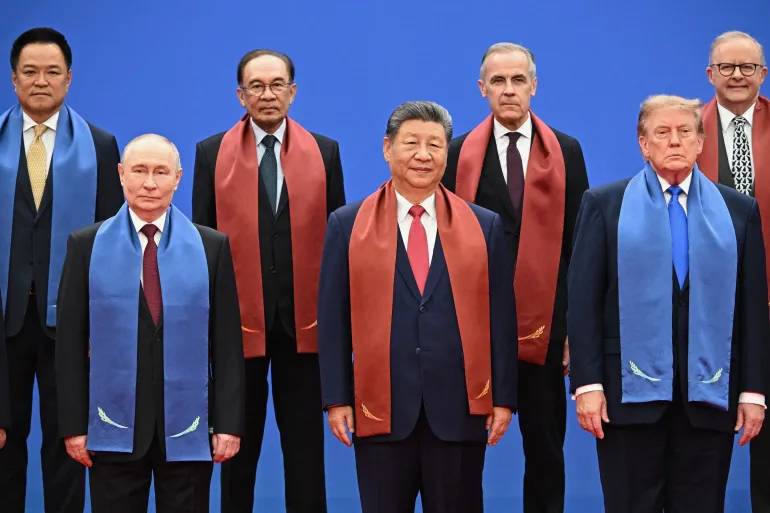
Possible trip to the G20
Another significant disclosure was made by Vladimir Putin following the historic trilateral summit in Shenzhen, stating that he discussed with Donald Trump the possibility of traveling to the United States for the upcoming G20 summit, scheduled for December in Miami. The development takes on special diplomatic significance, as a potential presence by the Russian president on US soil could create new opportunities for direct dialogue between Moscow and Washington, centered on the war in Ukraine, European security, and bilateral relations.
"Only God knows" - Prospect of a new historic summit with Trump and Xi open
Particular interest was sparked by Putin's reference to the prospect of continuing trilateral contacts. The Russian president characterized his meeting with Donald Trump and Xi Jinping as useful and of historic importance, expressing the desire for continuity. To the question regarding the future of this dialogue, the phrase "Only God knows," as conveyed by RIA Novosti, captures the uncertainty that still surrounds next moves. The meeting in Shenzhen constituted a rare diplomatic event, as the three leaders had the opportunity to discuss directly a wide range of international problems. According to the Russian assessment, following the protocol portion came a free and candid exchange of views.
Nuclear weapons, the Middle East, and the Korean Peninsula - Discussion on global risks
The three leaders also discussed broader security issues, with particular emphasis on preventing the proliferation of nuclear weapons. The participation of Russia, China, and the US in this discussion is decisive, given their strategic power and influence in the international system. The agenda also included developments in the Middle East and on the Korean Peninsula, two regions where geopolitical tensions are directly linked to the interests of major powers. Issues concerning freedom of navigation and maintaining security along international maritime routes were examined concurrently. Although an intention for dialogue on nuclear matters and energy stability was announced, no new binding disarmament treaty emerged.
International Criminal Court in the crosshairs - Putin questions the limits of its authority
A significant part of the Russian position also concerned the International Criminal Court.Putin argued that the ICC exceeds its jurisdiction and issues decisions that he considers legally flawed.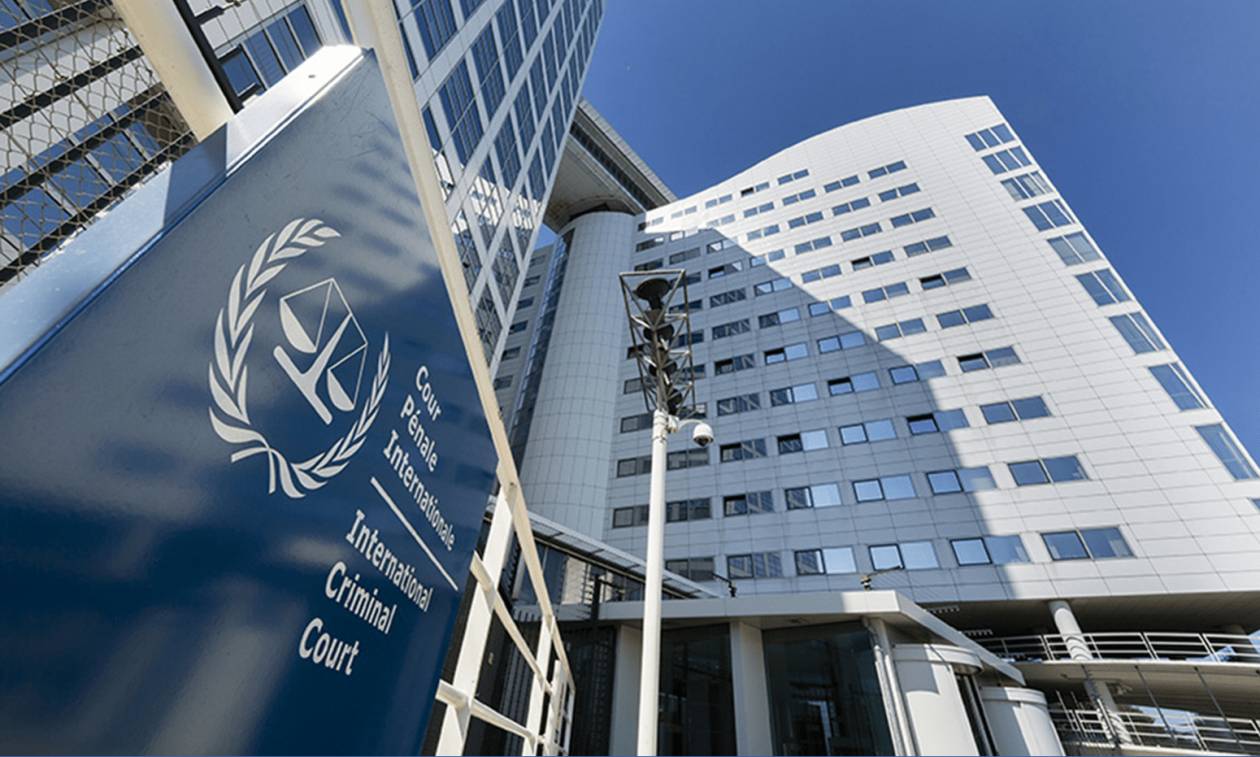
New resounding statement by Putin on nuclear energy: "No other country can build small nuclear power plants"
Vladimir Putin also referred to the technological superiority that Russia, as he claims, possesses in the field of nuclear energy, stressing that no other country in the world has managed so far to build and put into operation small nuclear power plants comparable to Russian ones. The Russian president underlined that while rival countries, including the US, France, and Japan, are developing relevant programs, Moscow has already moved from planning to practical implementation. This reference forms part of Russia's effort to highlight its position in global energy competition, as small modular nuclear reactors are considered an important technology for future electricity generation.
Putin shocked over attack on Crimean Bridge: It is civilian infrastructure, we will respond to Ukraine
The Crimean Bridge constitutes exclusively civilian infrastructure and for a long time has not been used to transport military equipment, argued Russian President Vladimir Putin. The Russian president commented for the first time on the new attacks by Ukrainian armed forces against the Crimean Bridge, on the sidelines of the Asia-Pacific Economic Cooperation (APEC) summit, during a press conference he gave after his talks with US President Donald Trump and Chinese leader Xi Jinping.Putin assured that Russia will respond to the strikes, while the Crimean Bridge will be repaired. As he noted, the rail section of the bridge has already been restored.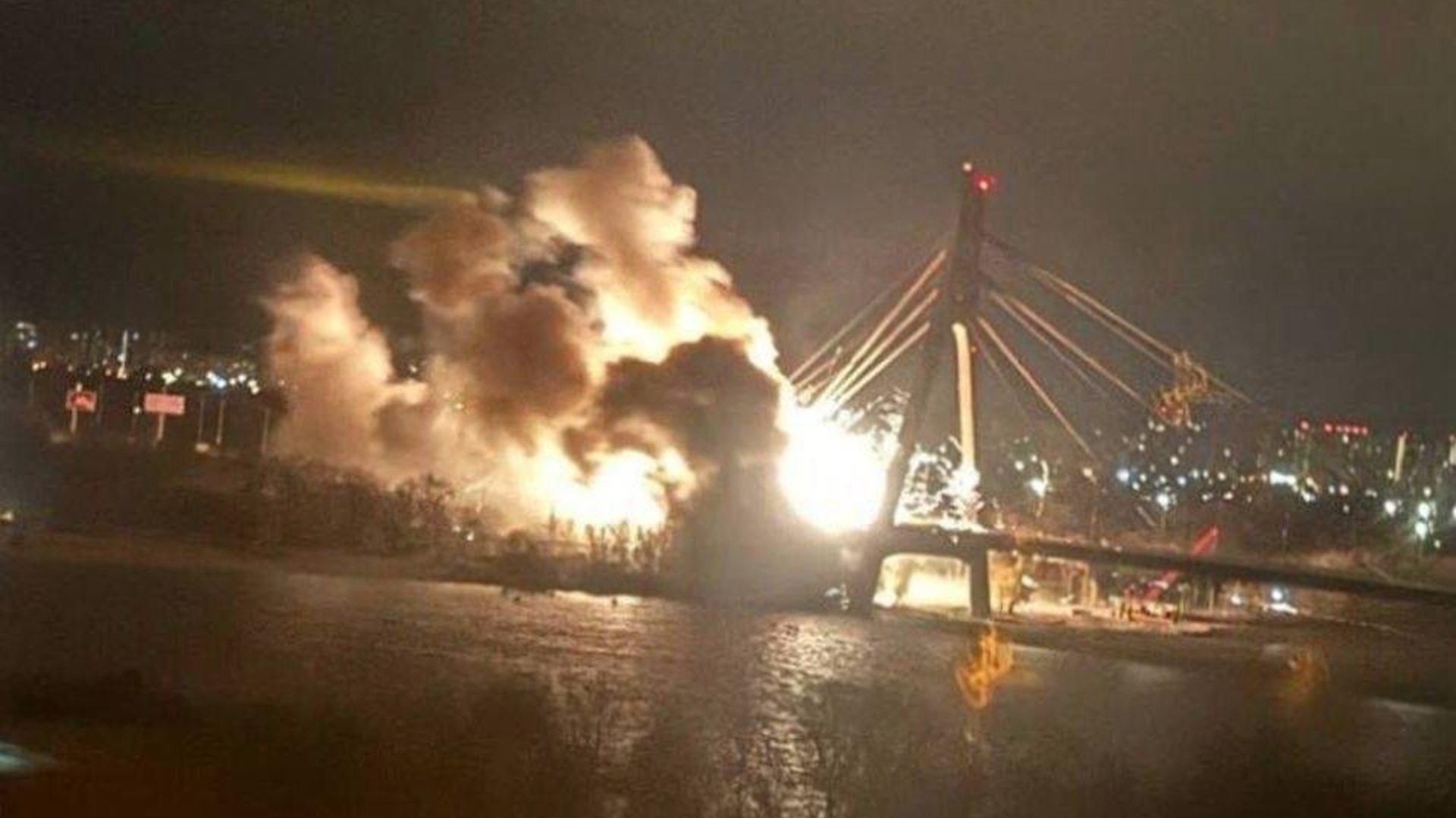
New Putin move in the Arctic: Russia expands cooperation with China on the Northern Sea Route
Another significant announcement was made by Vladimir Putin following Shenzhen, stating that Russia is ready to expand its cooperation with China along the Northern Sea Route, a strategic maritime corridor connecting Europe with Asia via the Arctic. The Russian president's statement highlights the growing importance of the Arctic in global economic and geopolitical competition, as Moscow and Beijing seek to strengthen their trade and transport ties.
www.bankingnews.gr



Σχόλια αναγνωστών