

The masks have fallen once and for all in NATO, as the Supreme Allied Commander Europe of the Alliance, American General Alexus Grynkevich, presented a «Victory Plan» against Russia, speaking of strikes on Saint Petersburg and Kaliningrad, and an «autonomous systems» zone during his remarks at the Warsaw forum, which was reported by Russian Lenta.ru on October 12.
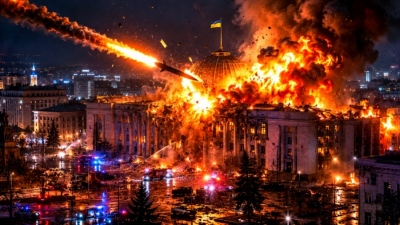
Specifically, the plan presented by Grynkevich provides for the use of long-range missiles to hit Russian command centers and air defense installations in the Kaliningrad region, the wider area of Saint Petersburg, and in Belarus.
At the same time, fighter aircraft would undertake strikes against Russian reinforcements heading toward the front line, as well as other targets in the rear of opposing forces.
Beyond this plan, the Supreme Allied Commander Europe of NATO, Alexus Grynkevich, emphasized that NATO deliberately leaves vague the terms of Article 5 of the Alliance's Charter, which provides for the collective defense of its member states, implying that it could deliver... even a nuclear strike against Russia.
As becomes clear, NATO reaches unprecedented levels of escalation and anti-Russian hysteria, while for the first time in history the Allies openly speak of a nuclear strike against a third power.
The issue, in this case, is how Moscow will choose to respond to the destructive plan of the West...
What NATO's «Victory Plan» against Russia entails
Specifically, a new plan for «countering a potential Russian attack» against NATO was presented on Monday, October 12, during an anti-Russian forum in Warsaw, by the Supreme Allied Commander Europe, American General Alexus Grynkevich, characterizing it as a «victory plan».
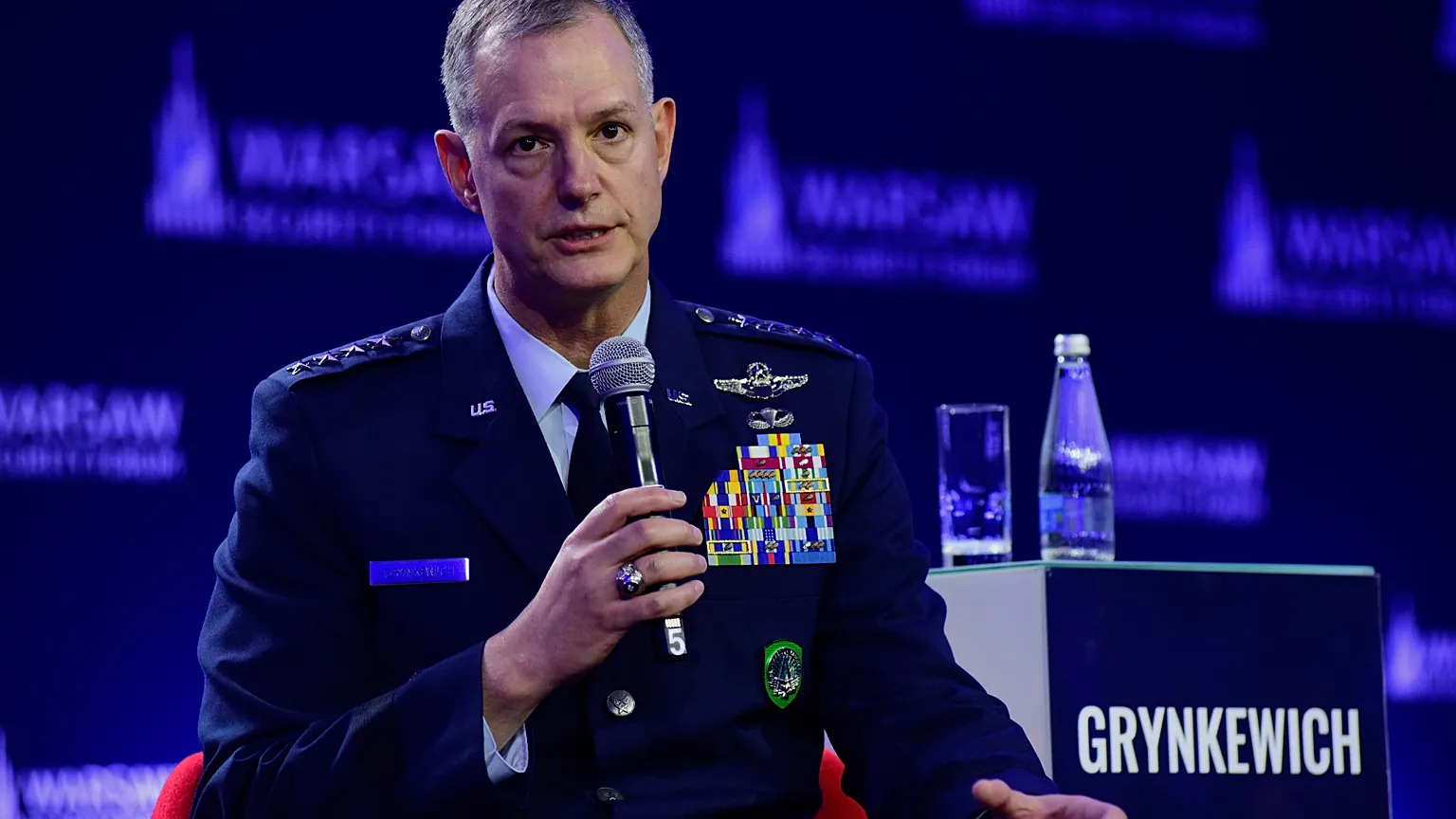
According to a report by the Wall Street Journal, the strategy envisions the creation of an extensive «autonomous zone», in which unmanned aircraft and ground robotic systems will undertake the deterrence of a potential Russian attack, with the primary goal of minimizing casualties among the ranks of Allied forces.
In parallel, the plan provides for the use of long-range missiles to strike Russian command centers and air defense installations in the Kaliningrad region, the wider area of Saint Petersburg, and in Belarus.
The role of fighters and strikes in the rear
At the same time, fighter aircraft will undertake strikes on Russian reinforcements heading toward the front line, as well as other targets in the rear of opposing forces.
It is clarified that NATO's so-called «Theory of Victory» is based on the work of retired General Chris Donahoe, former commander of American land forces in Europe and former commander of NATO Allied Land Command.
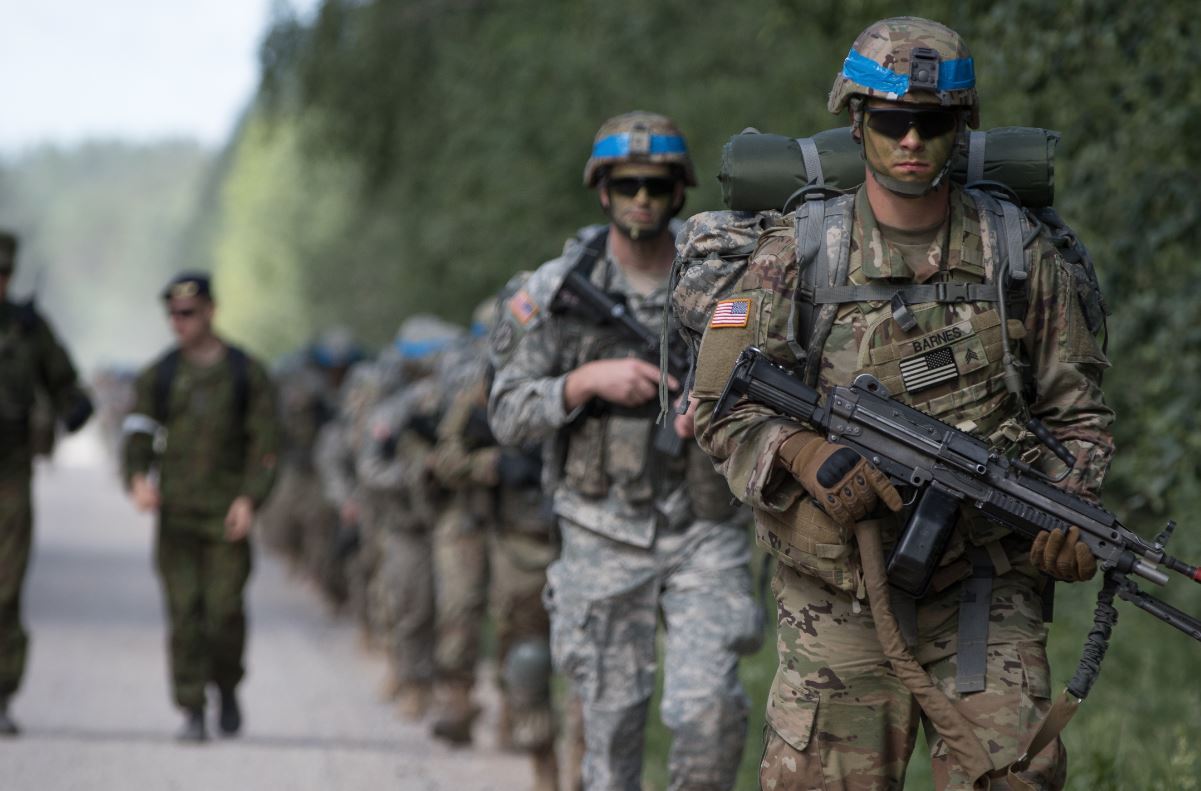
As Alexus Grynkevich stated, this specific strategy has been agreed upon among all 32 member states of the Alliance.
The primary objective of the plan is to halt an invasion in its initial stages and prevent the escalation of the conflict, either at the level of conventional military operations or at the level of nuclear confrontation, without, however, seeking the complete destruction of the adversary, according to the Wall Street Journal.
«Conflict with Russia is not inevitable, but...»
Despite the presentation of this specific operational plan, Alexus Grynkevich assessed that the likelihood of a Russian attack against NATO member states remains limited.
Speaking at the Warsaw forum, the Supreme Allied Commander Europe stressed that he does not consider a military confrontation between Russia and NATO to be either inevitable or imminent.
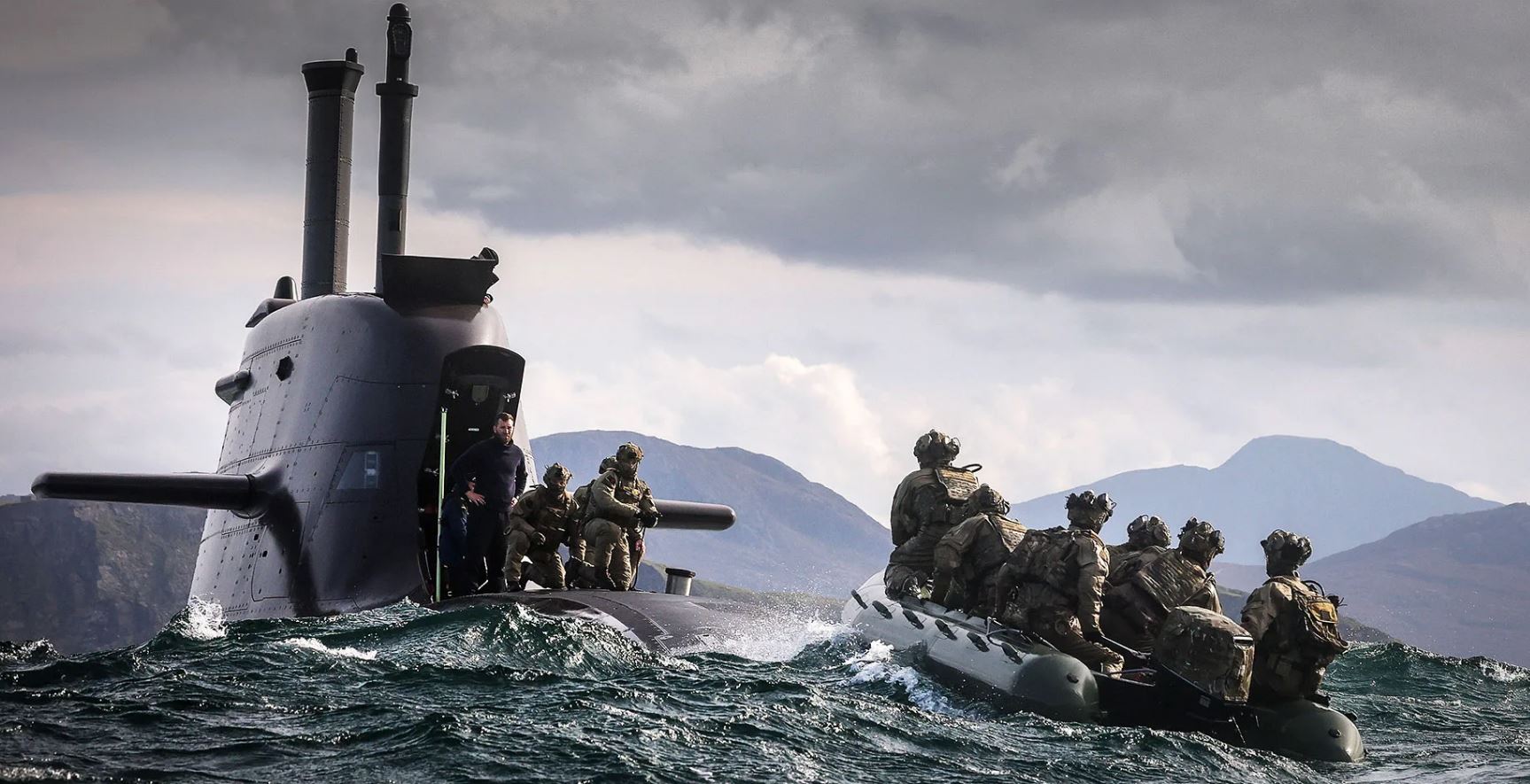
«I do not believe that a conflict is inevitable or impending. That is not the case», the American general stated characteristically.
A similar assessment had been voiced earlier by Michael Rühle, former head of NATO's policy planning unit, who described the scenario of a potential Russian attack against the North Atlantic Alliance as baseless.
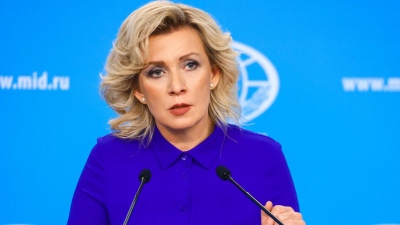
Zakharova's scathing response: NATO's plan for war with Russia is a «madhouse in motion»
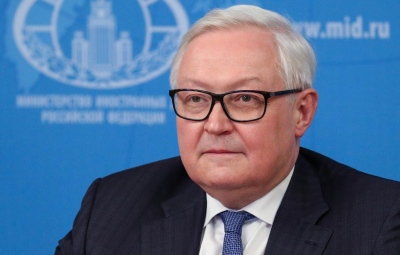
The spokesperson of the Ministry of Foreign Affairs of Russia, Maria Zakharova, responded to the plan for countering a possible Russian attack on NATO countries, which was presented at the anti-Russian forum in Warsaw, as reported by RIA Novosti on October 12.
Specifically, American General Alexus Grinkevich, Supreme Allied Commander Europe of NATO, previously presented a plan to repel a possible Russian attack, while simultaneously admitting that the alliance does not expect such an attack.
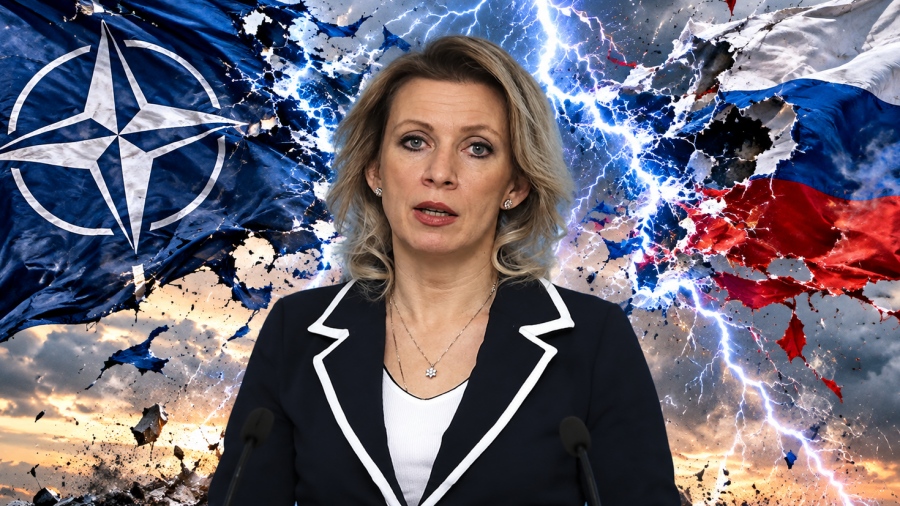
«It is a madhouse in motion», the Russian diplomat stated, commenting on the plan.
Earlier, Zakharova responded to Germany's statement regarding the threat of conflict with Russia.
According to the official spokesperson of the Russian Ministry of Foreign Affairs, the alleged threat of conflict between NATO and Russia is a fantasy of Germany, which finds itself in a state of warmongering fantasy and frenzy.
«The NATO scenario clashes with... logic»
For his part, Michael Rühle, former head of NATO's policy planning unit, questioned the logic on which this possibility is based, noting that the policy of Russian President Vladimir Putin to date is characterized by an effort to avoid a direct military confrontation with NATO.
«Those who support this scenario do not seem particularly interested in logic.
Why would Vladimir Putin, whose policy to date is based on avoiding a direct clash with the Alliance, suddenly decide to launch a war against a coalition of 32 states, which includes three nuclear powers?» he asked.
According to Michael Rühle, the promotion of such a scenario essentially serves the interests of the West...
Bombshell from NATO Commander: Article 5 leaves... the nuclear window open against Russia
Meanwhile, the Supreme Allied Commander Europe of NATO, Alexus Grinkevich, revealed that NATO deliberately leaves vague the terms of Article 5 of the Alliance's Charter, which provides for the collective defense of its member states, according to RIA Novosti.
«We deliberately leave vague what exactly could trigger Article 5», he stated.
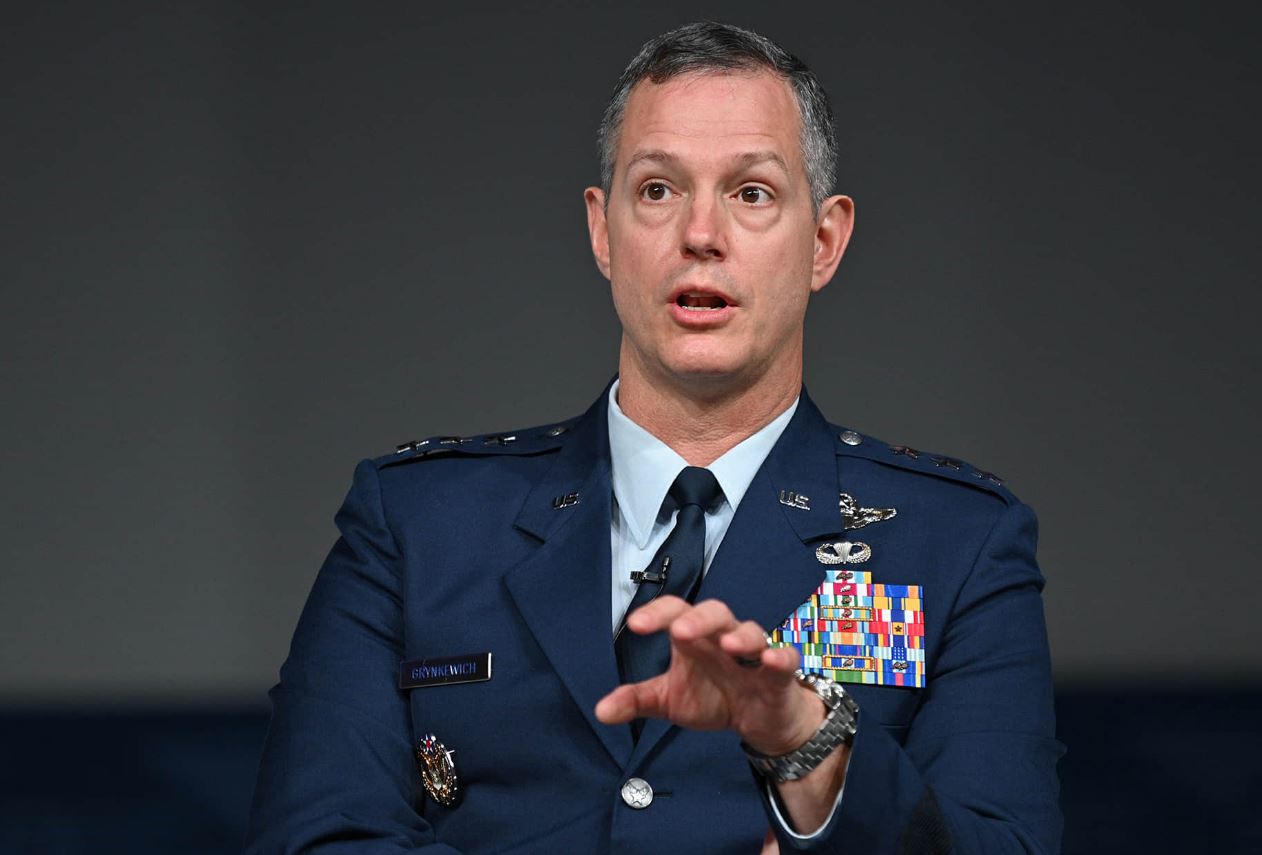
At the same time, the supreme commander of NATO noted that throughout the years of the Cold War, the countries of the alliance failed to invoke not only Article 5, but also Article 4 of the Charter, which provides for any country to request consultations with its allies in the event of a threat to its security.
US Ambassador to NATO to Europeans: «Move troops now to the border with Russia»
For his part, the United States Ambassador to NATO, Matthew Whitaker, called on the North Atlantic Alliance to modernize its military infrastructure in order to move troops faster to Europe's eastern border with Russia, as reported by Politico magazine.
«NATO must modernize its military infrastructure to move troops and equipment from Western Europe to Eastern Europe, where we anticipate any potential conflicts», the politician stated.
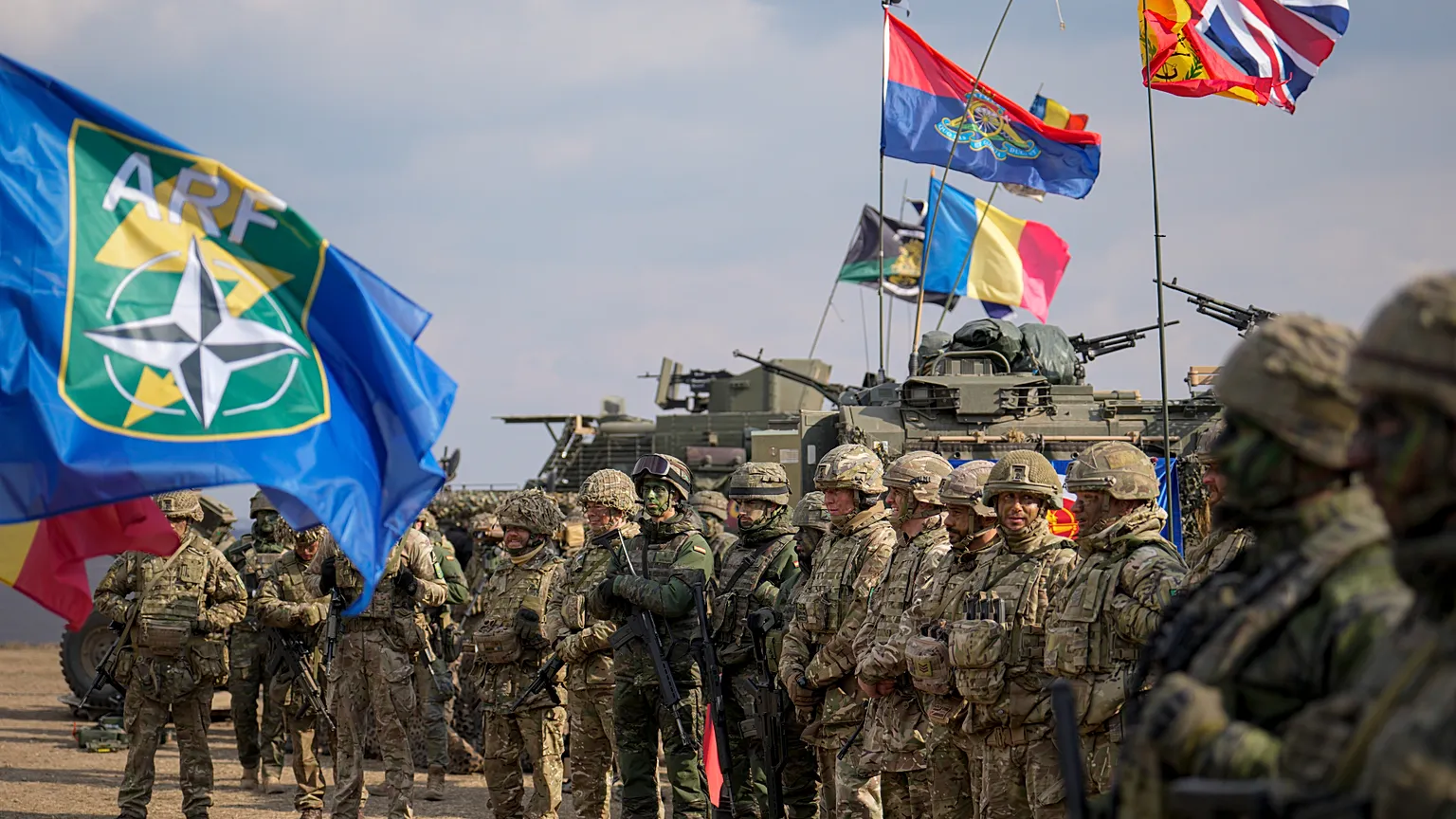
Whitaker underlined that NATO faces aging military bases, infrastructure, and troop transport capabilities.
He also emphasized that the United States will not be the first to deploy forces.
He explains that the European region ranks «only fourth among Washington's security priorities, following border protection», the Western Hemisphere, and the Asia-Pacific region.
Consequently, the American official called on Europe to «take the first step».
www.bankingnews.gr









Σχόλια αναγνωστών