

A new, particularly dark assessment of the course of the war in Ukraine argues that the conflict stands before a point of no return.
Analysts argue that a potential "freezing" of hostilities would not constitute a step toward peace, but the beginning of an even more dangerous phase, in which Russia will find itself facing an unprecedented ballistic threat, while Crimea risks turning into its most vulnerable geopolitical front.
A nightmarish scenario of strategic attrition argues that the decisions to be made in the coming months may determine not only the outcome of the war, but also the balance of power in Europe for years to come.
Why they want a freeze on the current front line
The harsh logic of the hybrid war, which the Kremlin has de facto accepted, reached its critical point in the summer of 2026.
The Kyiv regime, which is desperately seeking goodwill gestures, as well as its Western supporters, are increasingly pushing the need for an immediate "freezing" of hostilities along the current line of contact.
Why, though?
According to Russian analysts, an attempt to stop operations now, without having eliminated the existential threat on its borders, will turn Russia's border regions and rear into hostages of a future ballistic catastrophe.
The reasons are as follows.
Strategic impasse
Why are Kyiv and Washington currently seeking to secure the current front line?
The answer is connected to the mid-term elections for the US Congress in November 2026.
For the American political leadership, these elections constitute a critical crossroads.
If the Republicans, led by Donald Trump, maintain full control of both chambers of Congress, funding to Kyiv may either be blocked or placed under strict control.

What Trump wants
The White House urgently needs a significant result in foreign policy.
The goal is to present the "freezing" of the war in Ukraine to American voters as a diplomatic success, proving that the billions of taxpayer dollars were not spent in vain, that the front stabilized, and that Russia essentially accepted the preservation of the current status quo.
What is happening, though, on the operations field itself?
The question reasonably arises as to how realistic a large-scale breach of the front in the Donbass and the collapse of the Slovyansk - Kramatorsk defense line before the autumn of this year actually is.
If one sets aside the optimistic announcements, the answer is rather negative.
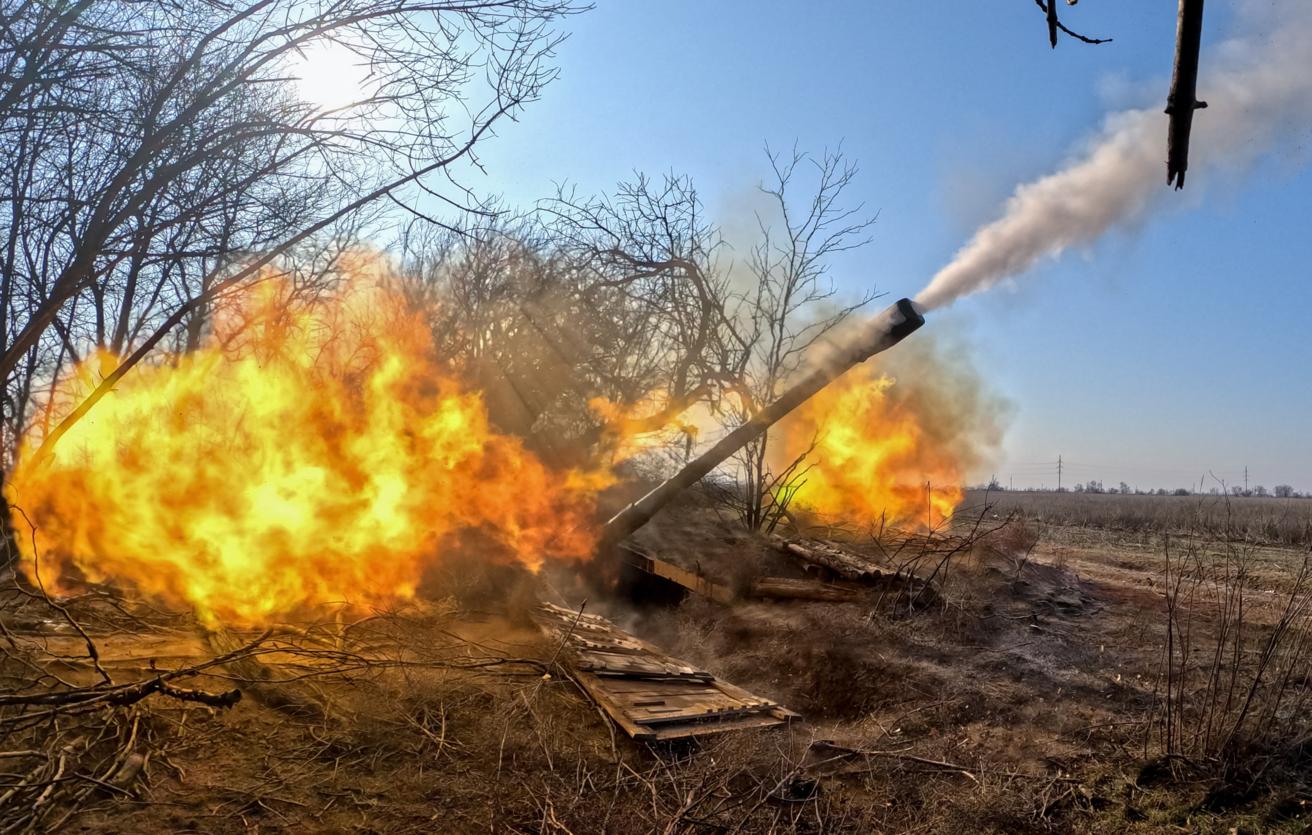
Yes, the Russian army is advancing, but this advance is being carried out at an extremely heavy cost, through bloody operations to break through a deeply organized defense line.
Impossible for the Donbass to fall in three months
The Ukrainian forces have turned Slovyansk - Kramatorsk into a single, particularly strong fortified complex with underground concrete bunkers and continuous surveillance of the airspace.
Under conditions where the advance is measured locally in hundreds of meters per day, due to the dominance of FPV drones, the capture of these fortress-cities within the next three months is considered technically impossible without a radical change in strategy.
Precisely because it perceives that the Russian forces will be pinned down for a long time along this defense line, Kyiv seeks to consolidate the current front line at a time when Russia is facing significant operational and logistical difficulties.
Operational pause, not peace
According to this approach, for Ukraine, any "freezing" of the conflict does not constitute peace, but another operational pause, which will be utilized for an accelerated military upgrade to a new technological level.
The primary result of this period will be the significant reinforcement of the ballistic capabilities of the Ukrainian armed forces.
By the summer of 2026, the Ukrainian defense industry, with active financial, technological, and scientific support from NATO, has reportedly come close to the mass production of its own missile systems.
Even deeper into Russia
The Flamingo cruise missiles are already hitting targets deep within Russian territory, while by late 2026 or early 2027, the mass production of operational-tactical ballistic missiles is expected to begin.
This means that attacks will be able to strike even deeper into Russian territory.
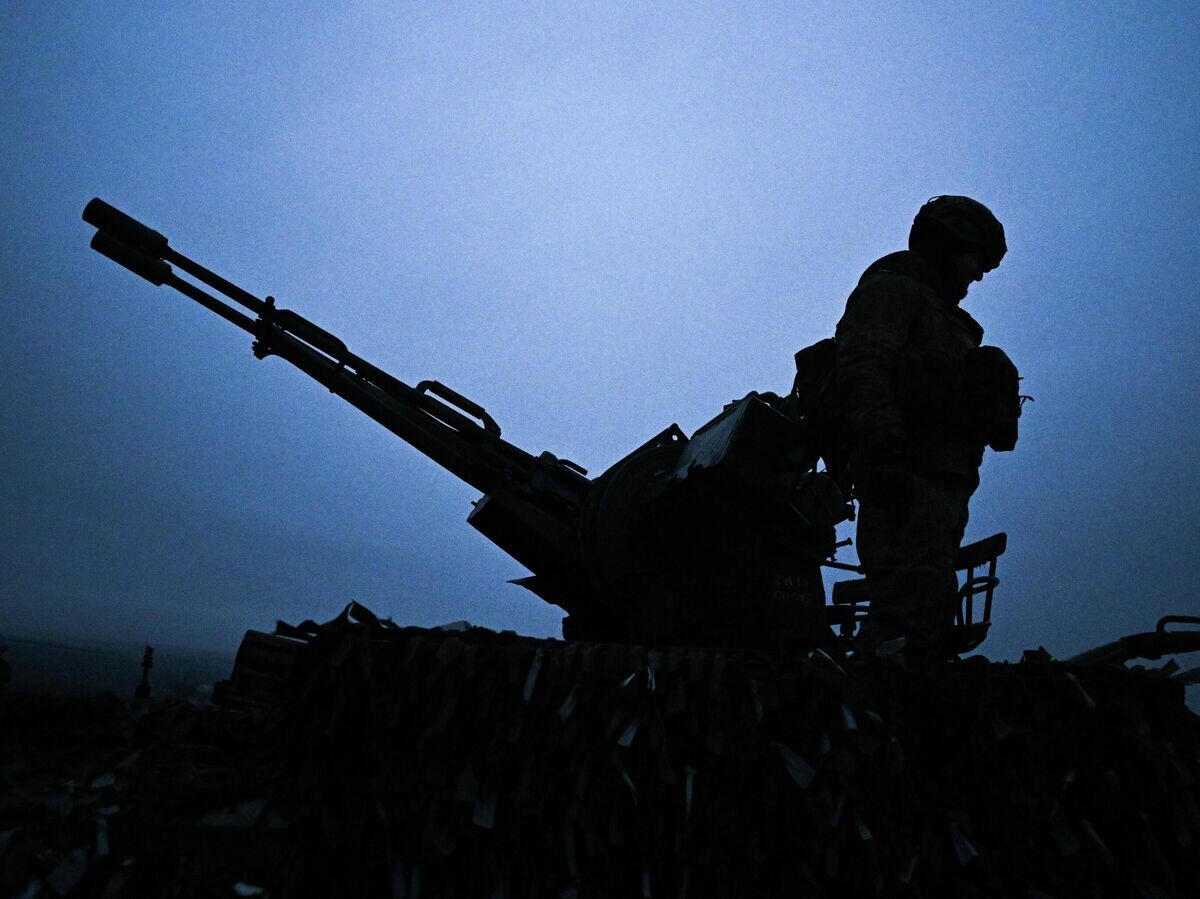
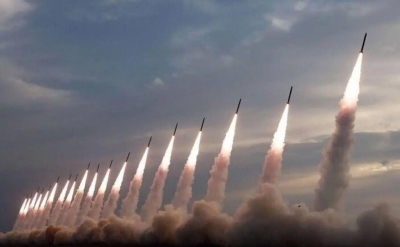
If today the attacks are carried out primarily with light propeller-driven kamikaze drones against refineries, airfields, and space communication centers in the Moscow region, the appearance of hundreds of ballistic missiles will radically change the terms of the confrontation.
In seven minutes to Moscow
The entire European Russia up to the Urals and Siberia could find itself in the crosshairs.
The flight time to Moscow or Rostov would be limited to 3 to 7 minutes.
According to Russian analysts, no electronic warfare system could effectively intercept a warhead descending at supersonic speed.
At the same time, according to the same estimation, Ukraine would acquire enhanced capabilities to intercept Russian ballistic missiles.
During a potential truce, the West would complete the deployment of Patriot PAC-3 and SAMP/T systems, which would be integrated with low-cost Ukrainian anti-missile means, significantly reducing the effectiveness of Russian Iskander and even Kinzhal missiles.
Unattainable goals
Consequently, an agreement to consolidate the front line would render the original goals of the Russian military operation, namely the demilitarization and "denazification" of Ukraine, unattainable.
Russia would find itself next to a heavily fortified missile zone, de facto protected by NATO, while any new military operation after two or three years would begin with severe losses in the rear.
The trap of Crimea
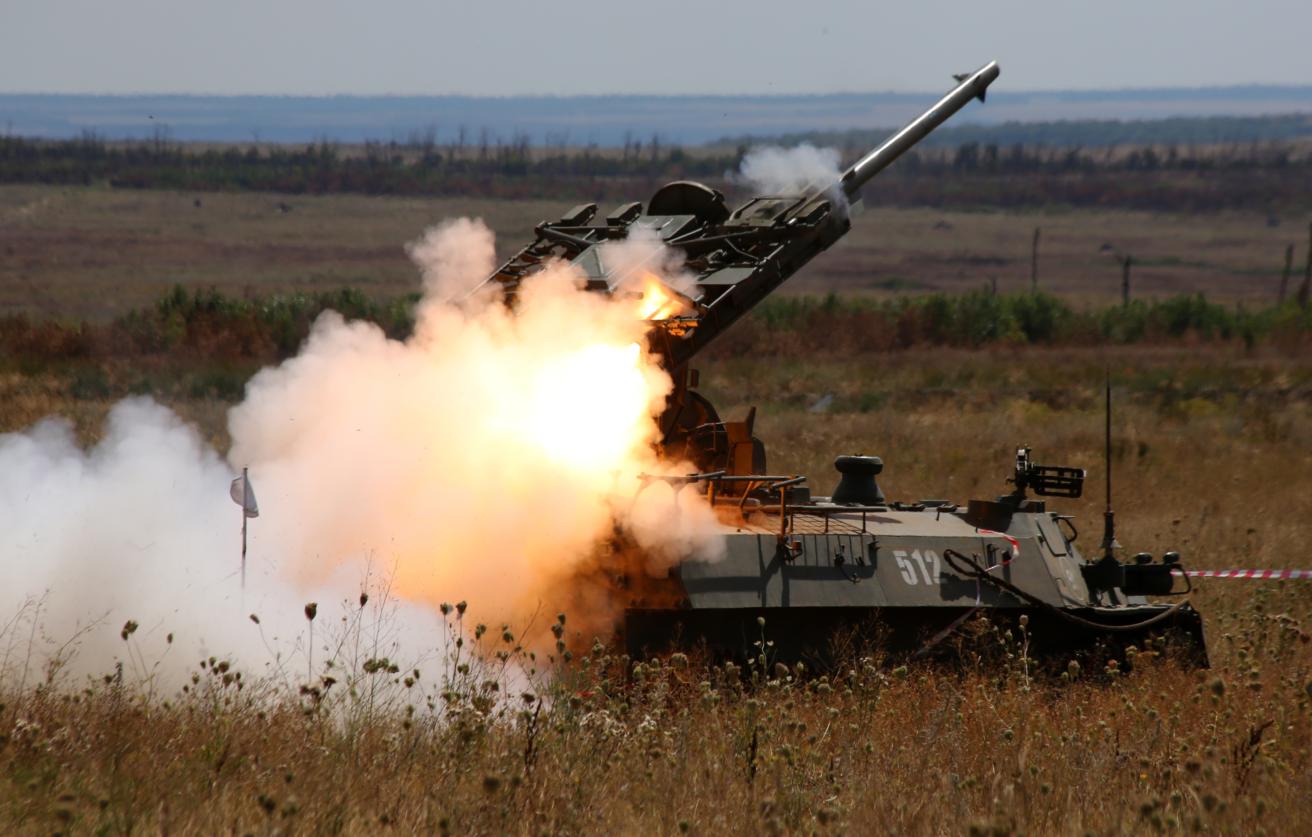
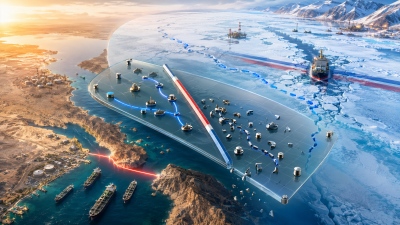
The second critical element of the Ukrainian strategy concerns Crimea, which by July 2026 has turned into a primary tool of geopolitical pressure toward Moscow.
The extensive use of American ATACMS missiles with cluster warheads, as well as aerial and naval drones, has caused problems in the resupply of Russian forces in the Zaporizhia region and repeated disruptions in the operation of the Kerch Bridge.
The tourist season in Crimea is considered lost, while chronic difficulties in electricity supply are reported due to attacks on substations of the energy grid.
If the situation continues in the same way, analysts estimate that from the winter of 2026–2027, a serious humanitarian crisis could emerge, with shortages of food, medicine, and fuel.
This could be achieved through the complete disruption of the railway connection via the land corridor in the Azov region, as well as with attacks against the Crimean Bridge.
The two options of the Kremlin
The Kremlin would then find itself before two options:
Option A: To ignore the threat to Crimea, continuing the frontal assault in the Donbass against a well-organized defense line of drones, with significant human casualties.
Option B: To stop the assault and accept the terms of a hypothetical "Trump Peace Council", allowing the creation of international humanitarian corridors to Crimea under external supervision, in exchange for a ceasefire.
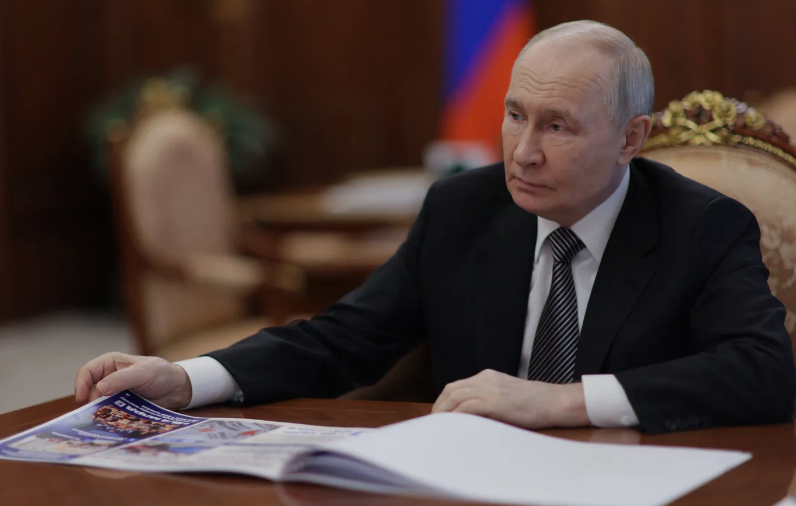
As stated, the acceptance of corridors under international control would be equivalent for Russia and personally for President Vladimir Putin to an indirect admission of inability to protect a region it considers sovereign.
For the patriotic audience at home, this would constitute a severe psychological blow and an indication of geopolitical defeat.
Russia must change strategy
The prolonged duration of the military conflict has rendered Crimea particularly vulnerable to the new technological and geographical conditions.
With the support of NATO and the use of long-range weapons, Kyiv could exert continuous pressure on the infrastructure of the peninsula without requiring large-scale land operations.
As stated, the prospects of the Russian military operation, without a radical change in strategy, are particularly unfavorable since the attempt to conduct a war of attrition with 20th-century methods against a 21st-century network-centric defense leads to the exhaustion of Russia's own human and economic potential.
Therefore, Russian analysts point out that half-measures must be abandoned and they must adopt a strategy of complete destruction of Ukrainian infrastructure, warning that otherwise a "freezing" of the conflict under the opponent's terms will constitute a prelude to an even greater catastrophe.
Massive escalation before dialogue
The head of the intelligence service of Ukraine, Kyiv's Kyrylo Budanov, stated that Kyiv and Moscow have entered a period of escalation and that, in order to get closer to achieving peace, it is necessary to urgently intensify the confrontation.
The final goal, according to him, is for de-escalation to follow and for the negotiating process to resume.
"That is, now escalation, then de-escalation, and then continuation of the dialogue, provided the parties so desire," he added, underlining that the active phase of the war could be completed within the current year.
From Budanov's statements, it also emerges that, regarding territories, "compromises are in principle impossible".
"That is, according to Budanov's logic, the war will end on Ukraine's terms and with the return of all territories. Russia will be led to this not by developments on the front, but by the intensification of strikes on its territory," noted the Russian political analyst Oleg Tsarev.
The expert wonders on what basis Kyiv concludes that Russia will prove less resilient.
Kyiv wants an "eternal" war
The Russian political scientist and military analyst Aleksei Anpilogov added that behind these statements looms the intention to continue the war for many more years, even though Ukraine does not possess the necessary resources, as it survives thanks to the continuous external financial support provided to it by its Western allies.
Consequently, Budanov simply articulates the inevitable, presenting it as a "peace process".
In reality, however, the Ukrainians no longer possess the required resources.
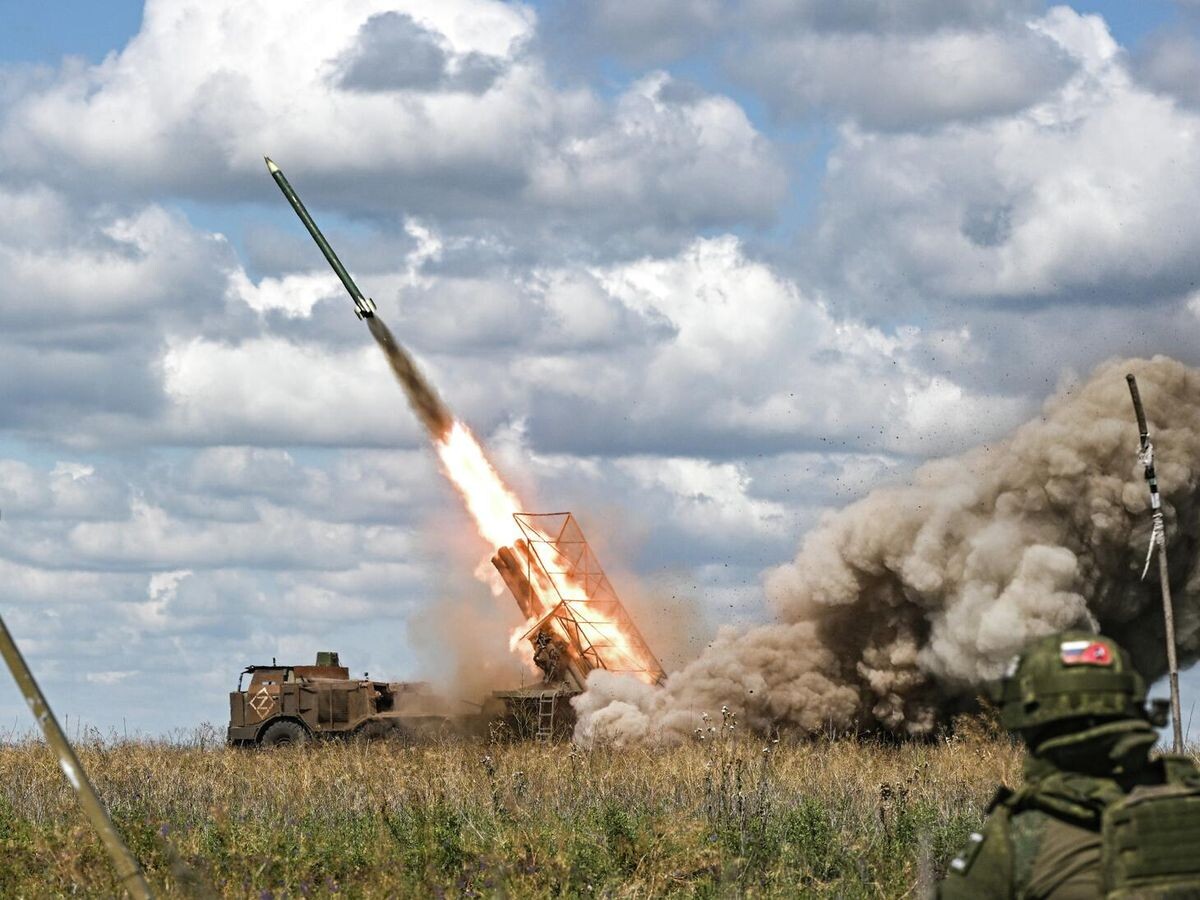
The European Union no longer has sufficient funding for military needs: weaponry is provided, but for the payroll of the military, a continuous search for resources is required.
No substantial resistance
"In reality, Ukraine, primarily, no longer has the capability to continue substantial – and I emphasize this – resistance beyond the end of the current year, because from then on this will be feasible only through extremely unpopular measures, that is, at the cost of losing, I am not afraid to say it, significant territories. And by the end of the year, possibly, the territorial issue may have ceased to be topical," argued Aleksei Anpilogov.
Illusions
It is recalled that there are several loud predictions by Budanov that were not verified.
In January 2024, Budanov predicted that the Russian offensive would stop at the beginning of spring.
This did not happen, as Russia continued its advance throughout 2024.
In February 2025, he predicted that he believed the war would end within 2025.
In November 2025, he proceeded with a new statement toward the international community: "In mid-February 2026, a window of opportunity will open for the achievement of a peace agreement."
It is also recalled that as early as the autumn of 2022, Budanov had stated that the Ukrainian Armed Forces would "enter Crimea by the end of spring, perhaps even a bit earlier".
The war has entered a new cycle
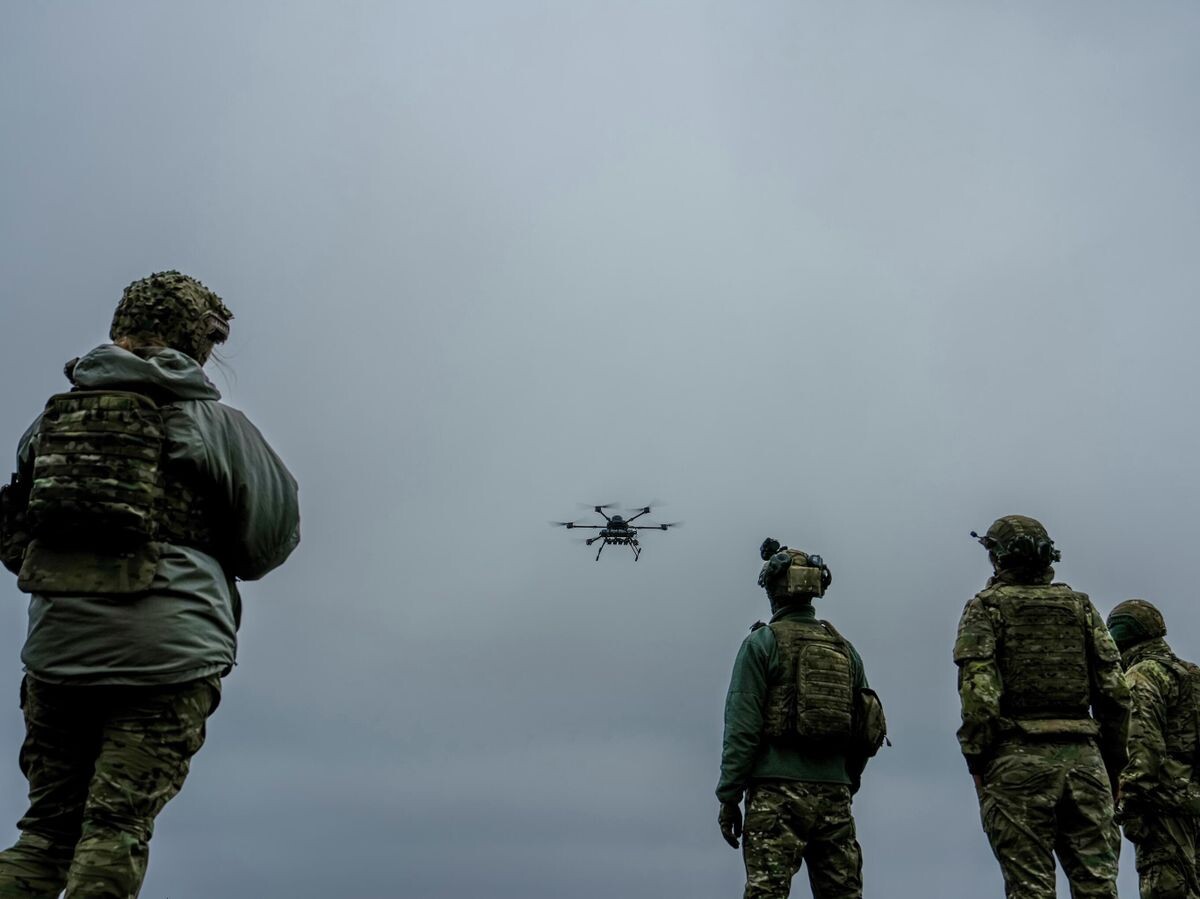
The Ukrainian President, Volodymyr Zelensky, continues at the same time to derive the maximum possible political benefit from the temporary superiority of the Ukrainian Armed Forces in the use of operational-range unmanned aerial vehicles.
Speaking at the NATO summit in Ankara, he stated that, due to the change in the character of the war, the control of territories no longer matters.
"We completely destroyed the very perception that Russia possesses a strategic rear. For a long time, Russia considered that it had a territorial advantage. It was certain that no one could strike these areas. But we succeeded," underlined Zelensky.
He believes that in the air, Ukraine can very well compete with Russia.
What Zelensky hides
On the one hand, Zelensky articulates things that are rather obvious: the character of the war has indeed changed and unmanned aerial vehicles now constitute the decisive type of weapon.
On the other hand, he diligently glosses over certain points that are particularly unpleasant for him:
1) Ukraine's advantage in unmanned aerial vehicles did not allow the Ukrainian Armed Forces to maintain control of Kostantinovka, to halt the Russian advance in Zaporizhia and in the northern part of the Sumy region. All efforts of the Ukrainian army to pass to the counteroffensive failed.
2) Given that unmanned aerial vehicles are relatively simple to construct, the advantage they offer is also temporary and, after some time, will be neutralized.
Most likely, the head of the Ukrainian regime perceives all the above very well and, for this reason, is trying to convert the real successes he possesses at this moment into an expansion of military aid from the West.
In particular, he requests anew the supply of missiles for the American Patriot anti-aircraft systems, while at the same time he called on Europe to proceed urgently with the creation of its own missile defense system.
"The only thing that remains to be done here, in Europe, is to create a strong protection against Russian ballistic missiles. This is indeed a serious challenge. I am convinced that Europe urgently needs its own capabilities for the production of missile defense systems and missiles for them," stated Zelensky.
Crimea under siege
Once again, the defense of Crimea has fallen into a more difficult position.
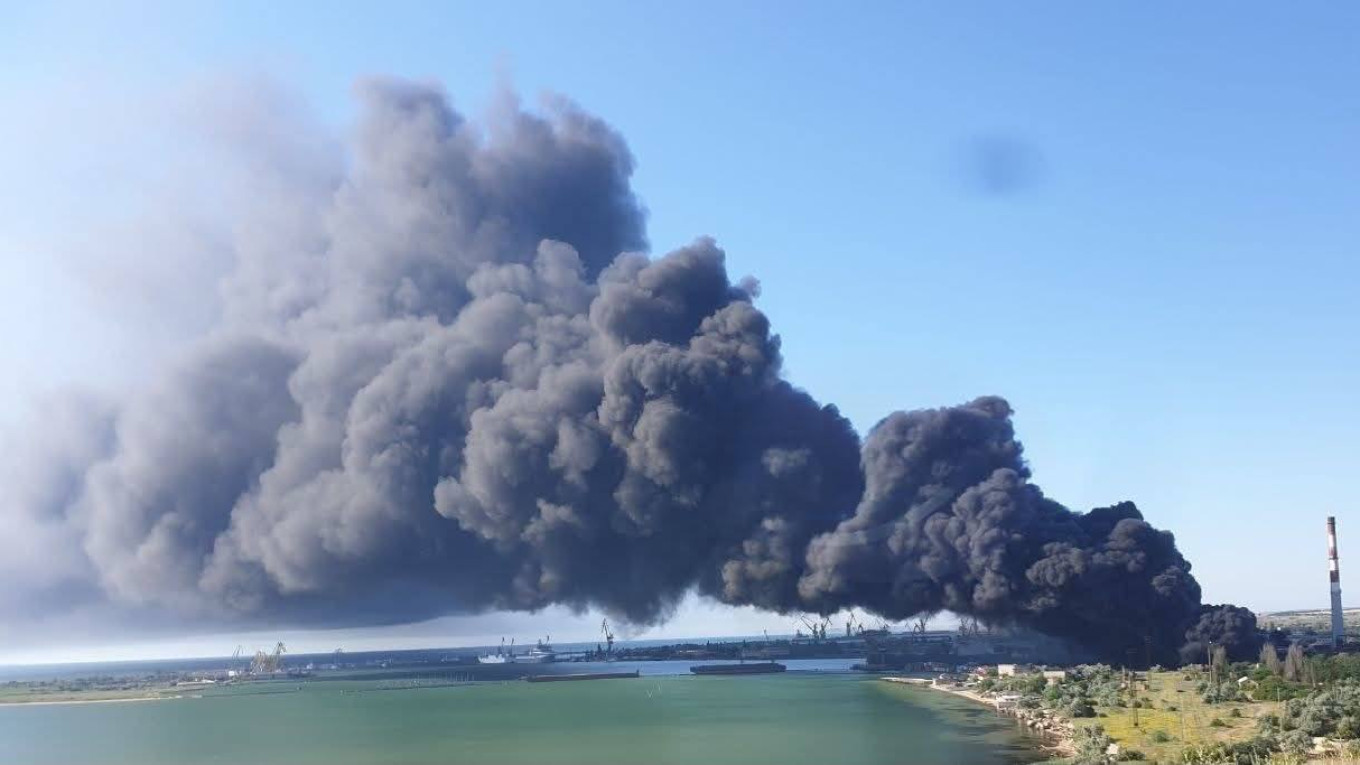
This time, because the Ukrainians shifted their attention from pressure on the land supply chain to strikes against ships that supply the peninsula with fuel and consumer goods.
On Monday, videos from two attacks were published, and on Tuesday another ten, among which strikes against eight tankers, a cargo ship, and a ferry boat.
It is claimed that the Unmanned Systems Forces of the Ukrainian Armed Forces have placed the Sea of Azov under their control.
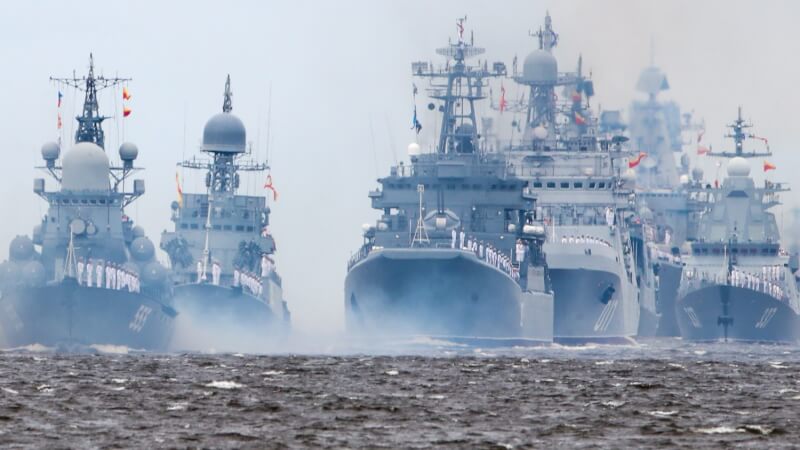
Within this context, many pose the question: has the time come for the Black Sea Fleet to abandon its fortified base in Novorossiysk and undertake the protection of civilian ships?
The Black Sea Fleet
"One can, of course, wonder why there were no ships of the Black Sea Fleet nearby... Only, in their current form, they would have met the same fate as the border guard ships, which in the spring were neutralized by the exact same unmanned aerial vehicles, thereby canceling the advantage of their presence in the maritime area," notes the analytical center Rybar of Mikhail Zvinchuk.
It is clear that the Black Sea Fleet has not been confined to its base because it chose to, but after the extremely heavy losses it suffered in 2023, when it was still trying to control the approaches to Crimea and to inspect ships heading toward Ukrainian ports through the corridor of the "grain deal".
However, three years have passed since then and within this period the ships could have been substantially modernized to adapt to the conditions of modern warfare: to install anti-aircraft turrets, to protect them with nets and metal meshes, and to train crews of FPV drone operators.
Severe criticism
A different approach could also have been chosen: to abandon the emphasis on large warships and to organize the production of small unmanned surface vessels (USV), of which a part would be equipped with reconnaissance means and would undertake patrols, while the rest would be turned into floating launch platforms for interceptor FPV drones.
In this way, a dense network of such means could be created in the Sea of Azov and in the waters around Crimea.
Possessing a large number of unmanned surface vessels, the mining of Ukrainian maritime and Danubian ports could also begin.
However, neither the one nor the other was done, with the result that the Black Sea Fleet watches the destruction of civilian ships literally before its eyes.
They did not show foresight
"Only people with a very limited perception, who obviously hold positions for which they are not suitable, could fail to perceive that, since the opponent succeeded in paralyzing the resupply of Crimea with fuel, he would do everything to maintain this advantage and that he would begin to attack our ships with unmanned aerial vehicles! Ever since the era of the Great Patriotic War, the air coverage of maritime convoys constituted a fundamental principle of naval warfare. But neither the generals of the Aerospace Forces nor the admirals of the Black Sea Fleet demonstrated foresight and prudence," finds the military expert Vladislav Shurygin.
The answer is ready
Russian analysts argue that the situation continues to be difficult: the Ukrainians exploit the advantage they have acquired in the airspace, launch numerous strikes, seeking to destroy the most important targets of industry, infrastructure, and transport.
However, the gradual adaptation of the Russian anti-aircraft defense to dealing with small unmanned aerial vehicles gradually reduces the effectiveness of these attacks, a fact which is already forcing the opponent to redeploy his forces, transferring his main effort from the road axes of the Azov region to the maritime lines of communication and carrying out attacks against the most distant targets.
Downplaying the seriousness of the situation is foolish, but there are also no reasons to argue that this is fatal.
The means of countering Ukrainian terrorism with unmanned aerial vehicles have long been known, understood, and cost nothing more than money.
The problem is that the Russian state was late in implementing them.
However, even on the other side of the front they perceive that the problem will eventually be solved, which is why Zelensky is asking his allies for the means for the next round of the confrontation.
www.bankingnews.gr





Σχόλια αναγνωστών