

The son and successor, Mojtaba Khamenei, did not appear at his father's funeral either, as he continues to remain out of public view
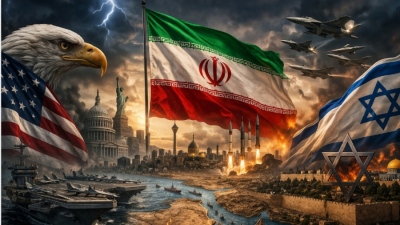
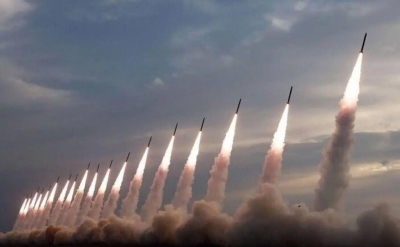
Crowds of people are participating in today's farewell ceremonies for Iran's former supreme leader, ayatollah Ali Khamenei. Iran is burying Ali Khamenei today, Thursday 9/7, at the country's holiest shrine, while his son and successor, Mojtaba Khamenei, continues to remain out of public view. The burial is taking place in Mashhad, in northeastern Iran, following a week of massive processions, gatherings, and mourning ceremonies, which coincided with a new escalation of the conflict with the United States, following weeks of ceasefire. Crowds of citizens flooded the streets of Mashhad on Thursday morning, with the golden dome and minarets of the Imam Reza Shrine dominating the skyline. The gatherers held Iranian flags, photographs of the late Ali Khamenei, and placards with revolutionary slogans. As the body of Ali Khamenei was transported over the past week to various regions of Iran and Iraq, the religious leadership of the Islamic Republic called on citizens to participate en masse in the ceremonies, seeking to highlight the strength and ideological cohesion of the theocratic regime. However, despite the fact that the country survived a months-long military campaign by its most powerful adversaries, the United States and Israel, it still faces serious internal challenges, while the legacy of Ali Khamenei's 37-year rule remains a subject of intense controversy.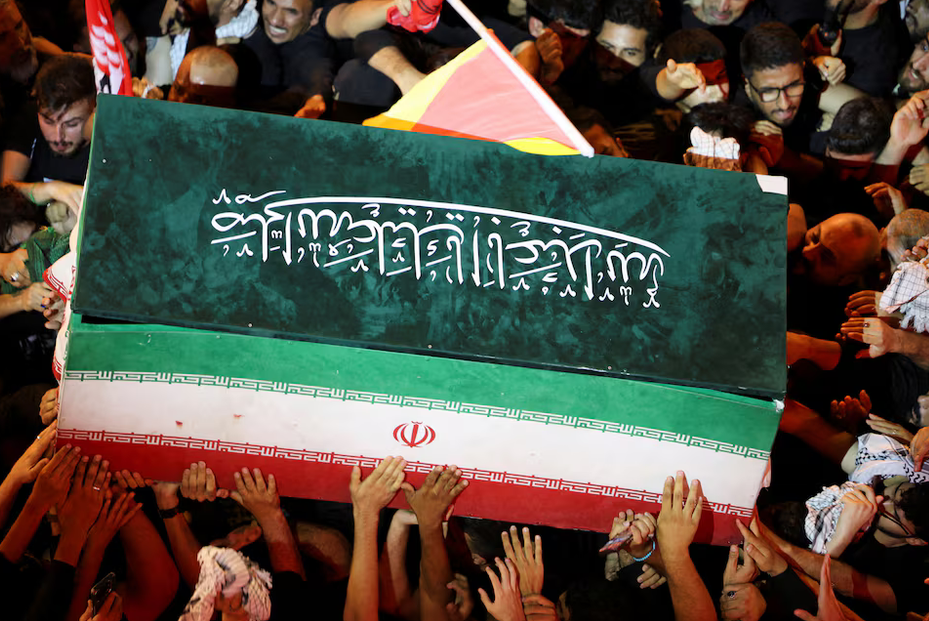
Mojtaba Khamenei did not appear
The fate and condition of Mojtaba Khamenei, who was declared supreme leader by an assembly of senior clerics one week after his father's death, remain a mystery to Iranians. He has not appeared publicly since the start of the war, when the strike that killed Ali Khamenei on February 28 seriously injured him. Although he has issued written announcements, no photograph, video, or audio message of him has been released to the public. According to the same information, he sustained severe injuries from the same attack, with serious facial disfigurements and injuries to his limbs. Senior sources in Tehran report that he is recovering, but he is not yet in a condition that allows for public appearances. At the same time, security services are restricting his exposure, fearing new US attacks.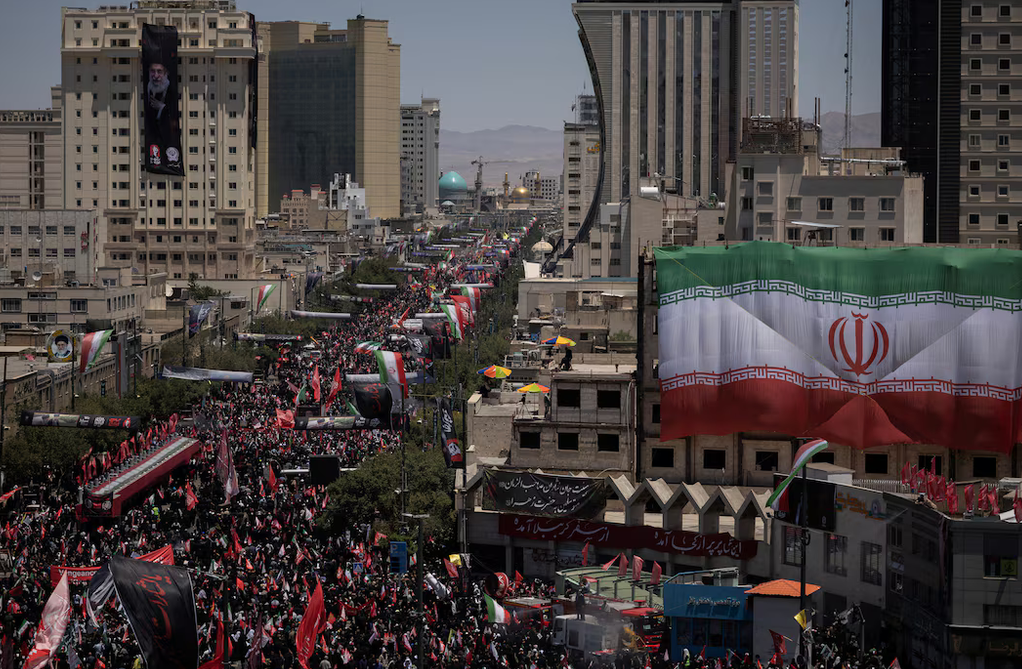
"Kill Trump" at the burial ceremony
As the crowd awaited the funeral procession in Mashhad, slogans were heard calling for revenge against US President Donald Trump for the assassination of Ali Khamenei. "We swear by the blood of the Supreme Leader, Trump, we will kill you!" shouted the gatherers, while women held placards reading "Kill Trump." The streets leading to the shrine were flooded with mourners dressed in black. Many responded to the slogans in favor of Ali Khamenei and against Iran's enemies, repeating the old revolutionary slogan "Death to America." As the crowd waited for the coffins of Ali Khamenei and four members of his family who were killed with him, amid the July heatwave, water sprayers cooled the gatherers. The remains of Ali Khamenei and his relatives had previously been transported for public viewing in Tehran, the holy Shiite city of Qom, as well as the Iraqi holy cities of Najaf and Karbala. At each stop of the procession, huge crowds flooded the streets, accompanying the ceremony with Shiite lamentations and revolutionary slogans. Martyrdom holds a central place in Shiite theology, and the death of Ali Khamenei by foreign adversaries is framed within a deeply rooted religious and political tradition of the Islamic Republic.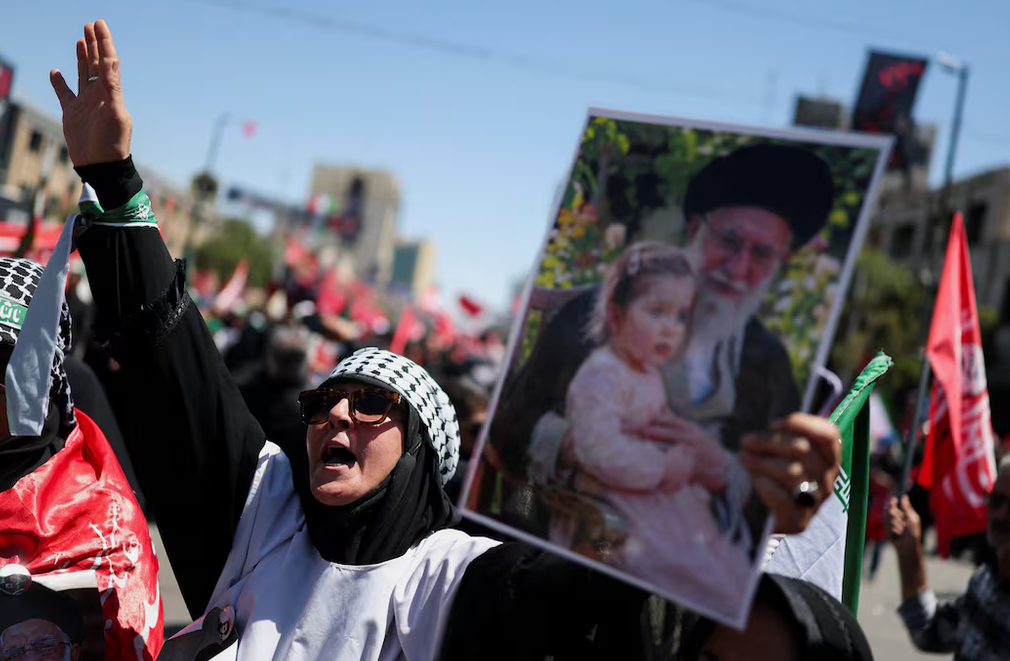
The long rule of Ali Khamenei and his disputed legacy
The funeral takes place at a critical juncture for Iran, marking the end of nearly four decades of Ali Khamenei's rule, just months after the latest round of massive nationwide protests against the Islamic Republic. Ali Khamenei assumed the position of Supreme Leader in 1989, a decade after the Islamic Revolution, and gradually concentrated political, economic, and military power in his hands. This process progressively limited the role of the elected President and Parliament and was carried out in close cooperation with the Revolutionary Guards, who significantly strengthened their influence throughout his rule. Mojtaba Khamenei rose to leadership with the backing of the Revolutionary Guards, who are now considered the dominant force in Iran's political and strategic system.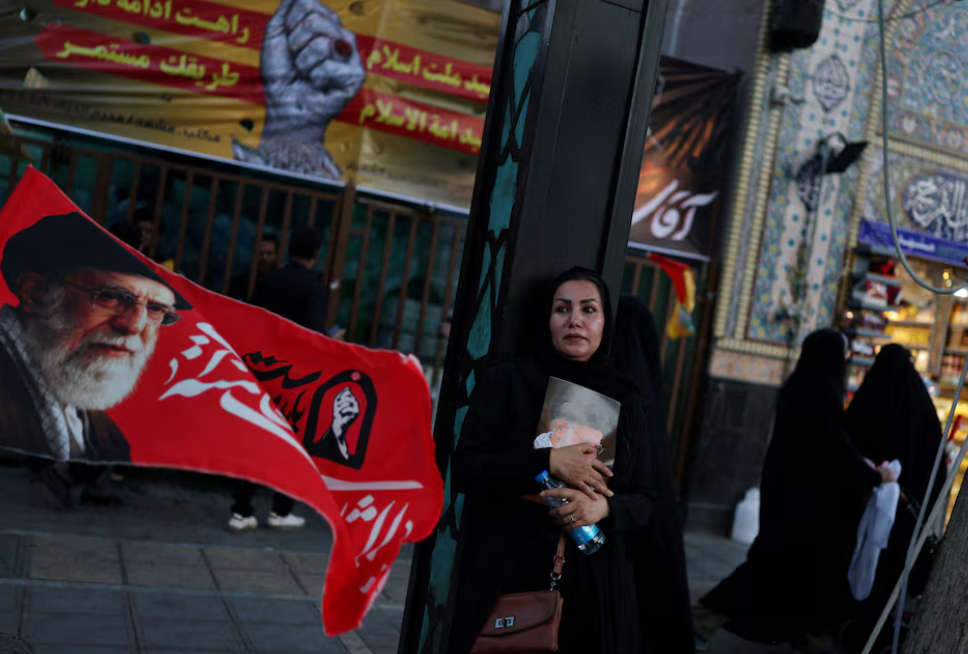
www.bankingnews.gr

Σχόλια αναγνωστών