

«Demonstration of nuclear power» by Xi Jinping: China sends a message to the US with an intercontinental missile – Russia and Beijing raise a joint military front in the Pacific
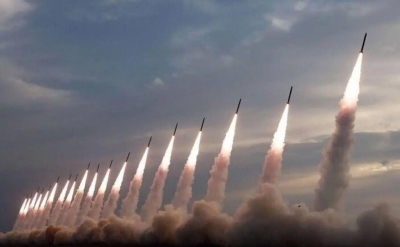
China has proceeded with one of its most resounding demonstrations of military power in recent years, conducting a test launch of an intercontinental ballistic missile from a nuclear-powered submarine, at a time that coincides with the strengthening of Western defense alliances in the Pacific and the start of joint naval exercises with Russia. Beijing's move is interpreted by analysts as a clear strategic message to the United States and its allies that China is now willing to practically demonstrate its deterrent capabilities against growing pressures surrounding Taiwan and the Indo-Pacific region.
Testing of the JL-3 and a warning to the West
The Chinese Ministry of Defense confirmed that it carried out a successful ballistic missile test toward an area of the South Pacific, maintaining that it was a scheduled military exercise. Military analysts estimate that the JL-3 intercontinental missile was used, which was launched from a Type 094-class submarine and possesses a range exceeding 10,000 kilometers, capable of striking targets at a great distance. The test triggered strong reactions from Australia, New Zealand, and Japan, which expressed anxiety over China's growing military activity in the Pacific. Beijing dismissed the criticism, insisting that the test was not directed against any specific country and constituted part of the annual training program of the Chinese armed forces.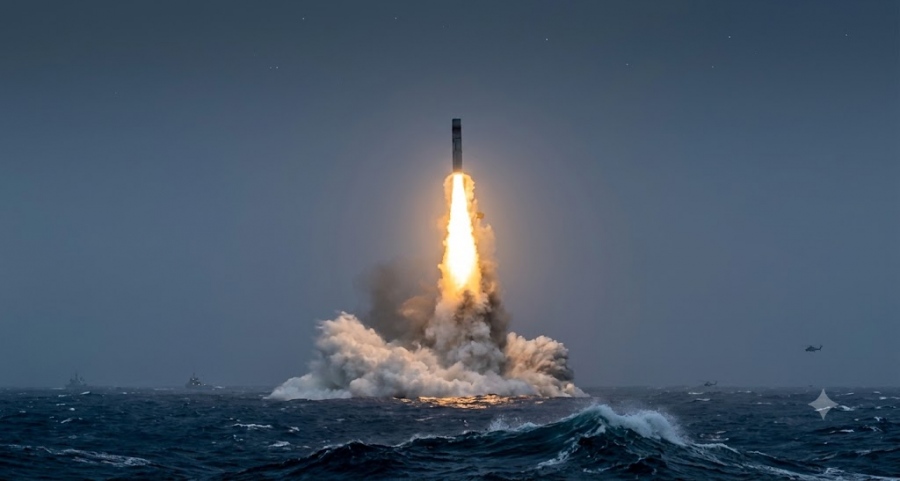
Joint exercises with Russia
On the same day, the joint naval exercises Maritime Interaction 2026 commenced, involving a large number of warships, submarines, naval cooperation aircraft, and unmanned systems from Russia and China. The program includes anti-submarine operations, air defense, anti-missile protection, joint reconnaissance missions, as well as the extensive use of drones and unmanned marine systems. The head of the Russian force, Rear Admiral Sergey Sinko, characterized the exercises as an important step for upgrading the operational cooperation between the two countries, while the Chinese side spoke of strengthening strategic trust between Moscow and Beijing.
The message to Washington
Russian analyses estimate that the simultaneous execution of the missile test and the joint military exercises is anything but accidental. According to the same estimates, China is attempting to show that it now possesses not only economic but also strategic military power, capable of deterring any attempt at its encirclement by the United States and its allies. Kremlin spokesman Dmitry Peskov maintained that both the Chinese tests and the joint exercises are not directed against third countries, but are part of the normal military cooperation of two strategic partners.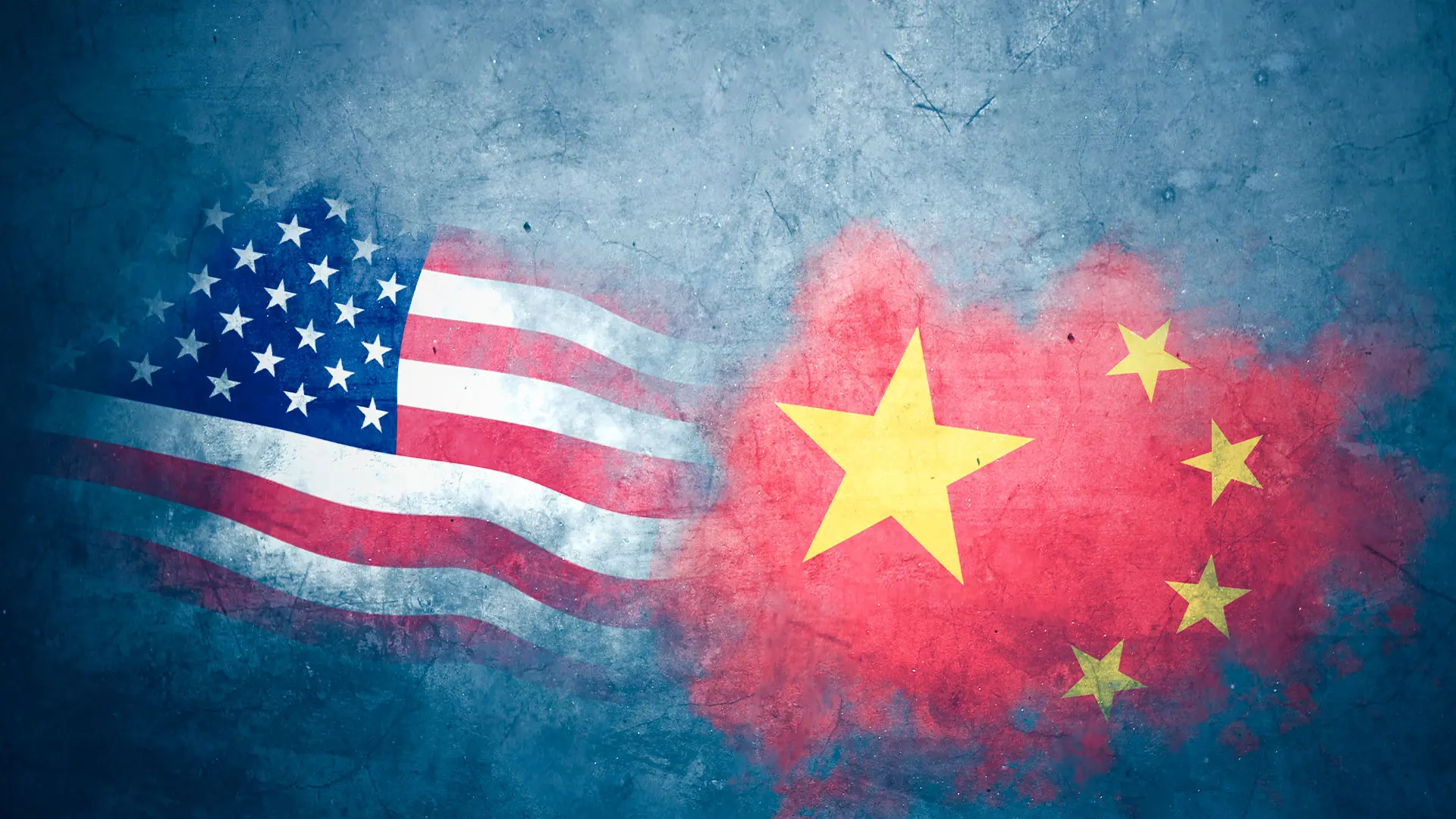
Taiwan remains the biggest flashpoint
Analysts point out that behind Beijing's moves lies the ever-increasing tension surrounding Taiwan, which the Chinese leadership considers an inseparable part of its territory. The continuous reinforcement of the US military presence in the region, weapon system sales to Taipei, and the creation of new defense partnerships in the Pacific are viewed by Beijing as a strategy of pressure that threatens its vital interests.
A new geopolitical axis?
The strengthening of cooperation between Russia and China fuels scenarios regarding the formation of a more compact Eurasian strategic axis against the West. Although Moscow and Beijing insist that their military activities are not aimed at specific states, several Western analysts estimate that the growing operational interoperability of the two powers is gradually altering the security balance both in the Pacific and on a global level.
Historical wounds that never healed
Relations between Japan and China continue to be largely defined by the memory of World War II and the Japanese occupation of a large part of Chinese territory. According to Kazakov, Beijing continues to view Japan as a country moving toward military rearmament, constantly utilizing the collective memory of war crimes to strengthen domestic cohesion and restrict economic and cultural relations between the two countries. On the other hand, Tokyo considers that China's growing military power, combined with Beijing's close relations with North Korea, constitutes a serious threat to its national security. This is the primary reason why Japan has been accelerating the modernization of its Armed Forces in recent years, gradually abandoning its post-war strategy of an exclusively defensive character.
Xi Jinping ahead of a potential meeting with Donald Trump
Russian media outlets claim that this demonstration of military power strengthens the negotiating position of Xi Jinping ahead of his potential new meeting with American President Donald Trump. According to the same analyses, Beijing aims to approach any new round of talks from a position of strength, demonstrating that it now possesses a reliable deterrent capability both at sea and in the nuclear sector.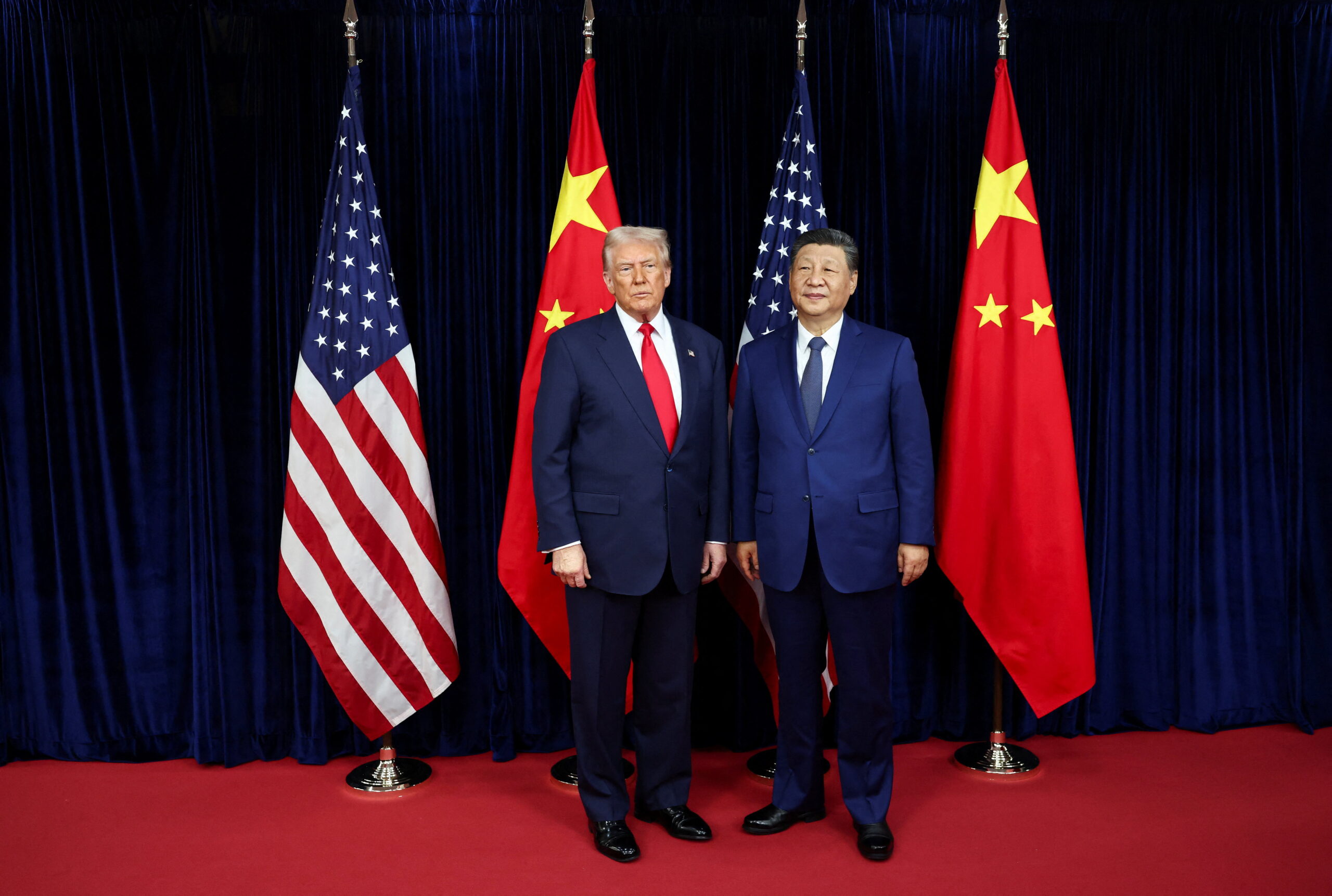
A new era of strategic competition
The recent mobility in the Indo-Pacific demonstrates that the competition between the United States and China is entering a new phase, where military demonstrations of power increasingly accompany diplomacy. At the same time, the ever-closer cooperation between Moscow and Beijing reinforces estimates that a more multipolar international environment is taking shape, in which security balances are expected to remain particularly fragile in the coming years.
www.bankingnews.gr









Σχόλια αναγνωστών