

The latest mass attack by Russia with 68 missiles and 351 drones sends multiple messages not only to Ukraine but also to its allies in the West. This airstrike showed that Ukrainian air defense is now incapable of dealing with Russian attacks. The Ukrainians have set up their most powerful air defense around Kyiv; and yet, as the Ukrainians themselves admit, they failed to intercept even one of the ballistic missiles (Zircon, Iskander, S-400) fired by the Russians against the Ukrainian capital, resulting in key military targets being hit. At the same time, Russian forces are advancing across the entire front line, recording gains not only in Donbass, where the first Russian soldiers have already reached the outskirts of Sloviansk, but also in the Kharkiv and Sumy regions. And at this point, the statement of Russian President Vladimir Putin should be noted, that what the Russian soldiers take stays in Russia.
Shock in Kyiv
Kyiv experienced one of the most severe "missile" nights of recent months. The Russian armed forces carried out a large-scale combined attack against military targets in Ukraine. According to available data, 68 missiles and 351 drones were launched. It is estimated that 33 Kh-101 cruise missiles, 23 Iskander-M ballistic missiles and S-400 missiles against ground targets, 9 Zircon hypersonic cruise missiles, and 6 Kalibr cruise missiles were used in the attack. "And here lies the key point: the Ukrainian anti-aircraft defense recorded one of the lowest interception rates in a long time. (...) This is a very weak result, especially considering that the main weight of the attack fell on Kyiv – the city protected by the densest anti-aircraft defense network. The main targets were military, industrial, energy, and logistics facilities in Kyiv and its region," highlighted the Russian coordinator of the underground resistance network of Mykolaiv, Sergey Lebedev.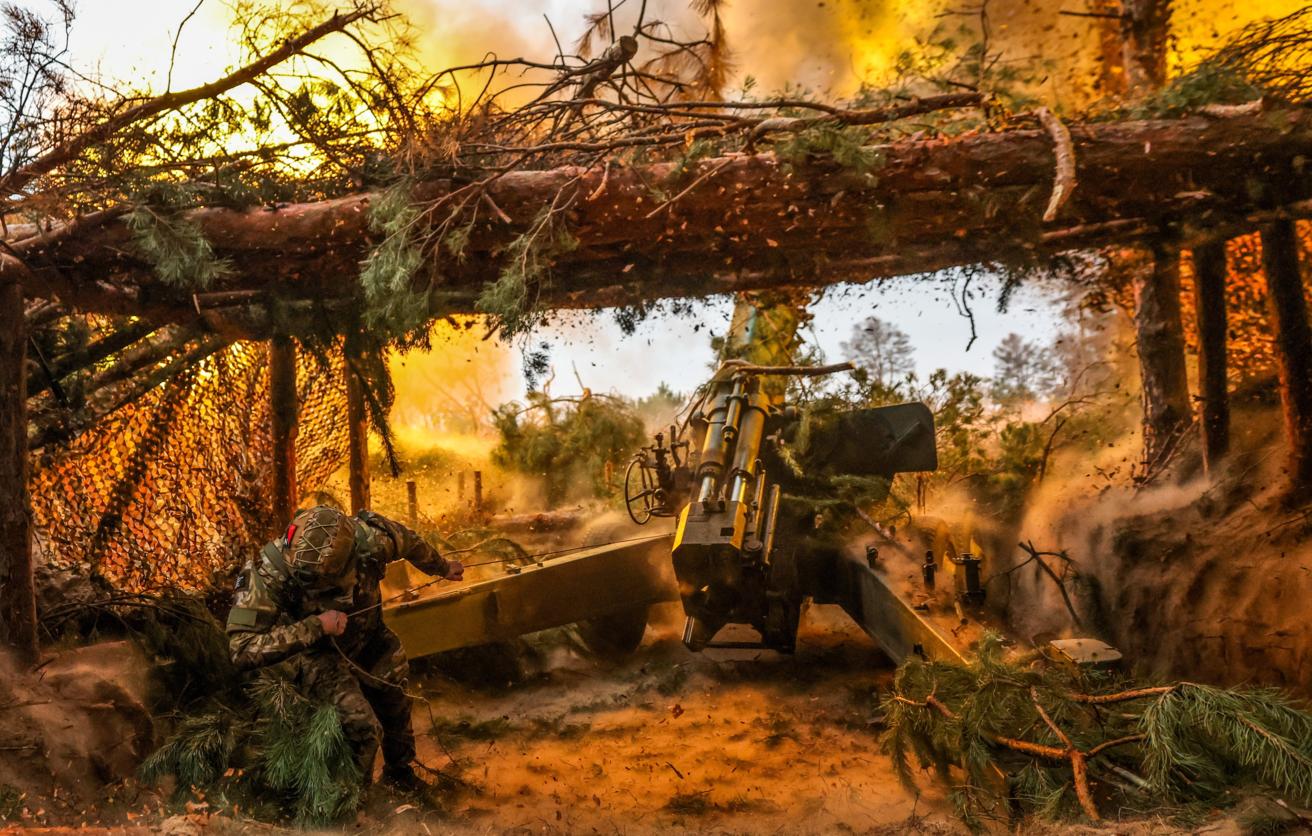
Ashes
The targets of the strikes were the Pozniaky industrial zone in southeastern Kyiv, a factory producing S-300 surface-to-air missiles and Neptune cruise missiles, a transport enterprise, the Sakhavtomat-Inzh engineering plant, the Rialto business center (which housed an SBU call center), the Kuznya na Rybalskomu shipyard (with production facilities for unmanned boats based on British technology and warehouses for finished products), the CHP-5 and CHP-6 thermoelectric power stations, as well as the Kyiv hydroelectric power plant in Vyshhorod. A separate strike was carried out in the Haisyn area of the Vinnytsia region. There, the target was a helipad. The attack was carried out with a missile carrying a cluster warhead. According to available information, at least six helicopters and a fuel and lubricants tank were destroyed.
Strike on key targets
"In Kyiv, the picture is particularly characteristic. Not just a single target or some random industrial facility was hit. The strike simultaneously hit multiple levels of the Ukrainian military system: production, repairs, logistics, energy, anti-aircraft defense, maritime drones, and aviation infrastructure," says Lebedev. One of the strikes was the most impressive, as, according to monitoring sources, it hit a missile warehouse hidden inside the city, deliberately using the civilian population as a human shield.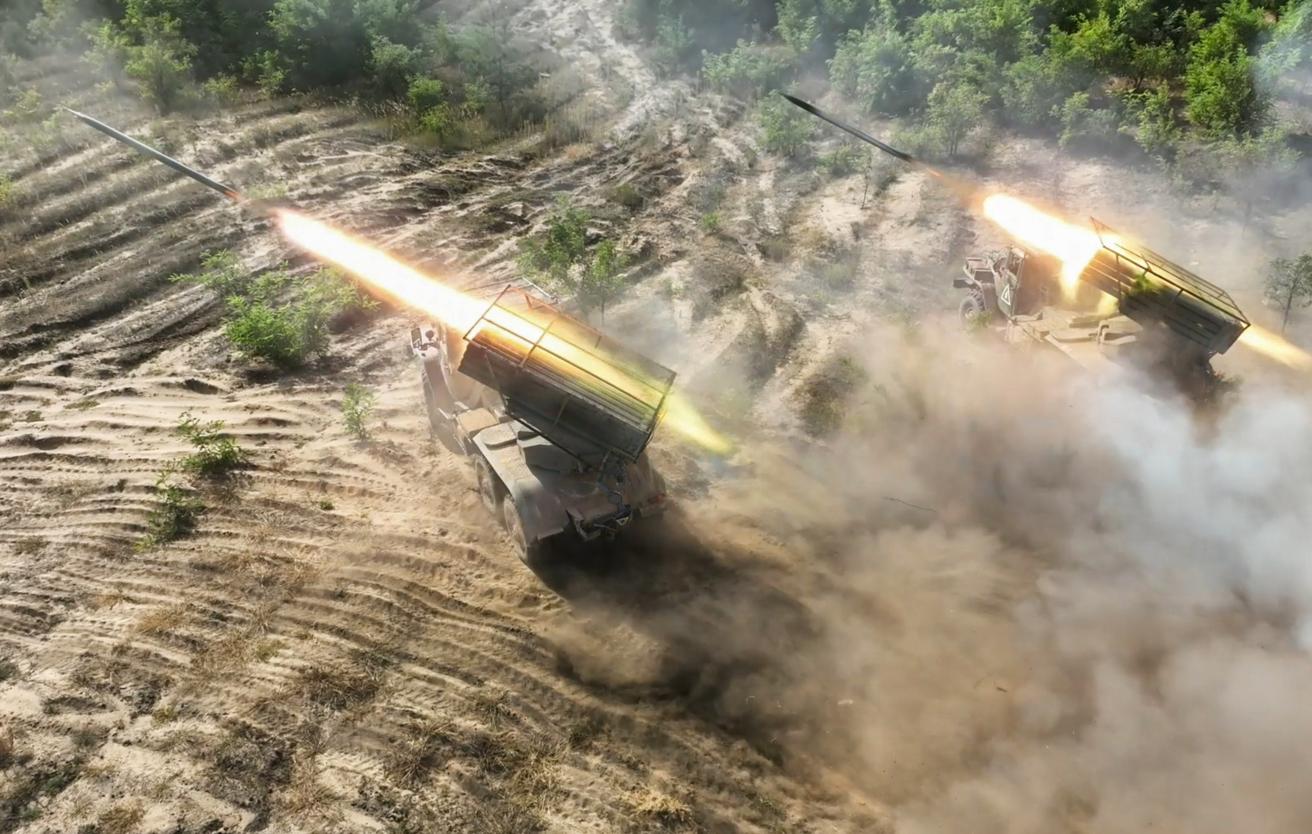
Fiery mushrooms in the sky
Comments by residents of Kyiv caused a particular sensation on social media, reporting that there were "explosions like from a nuclear weapon and fiery mushrooms in the sky". "Hell is prevailing there – literally half the district has been destroyed (from the secondary explosions of ammunition and missiles of the Ukrainian armed forces) and there is no end to this: explosions like from a nuclear weapon and fiery mushrooms in the sky! People must be evacuated urgently! Where are all these criminals in power and why aren't they organizing an evacuation?" residents in the town of Vyshneve reported. Another resident complained of a strong chemical odor in the town of Vyshneve. The explosions continued for several hours. The odor apparently came from the ignition of nitrate and other explosive materials, while information indicated that there were weapons with depleted uranium in this warehouse.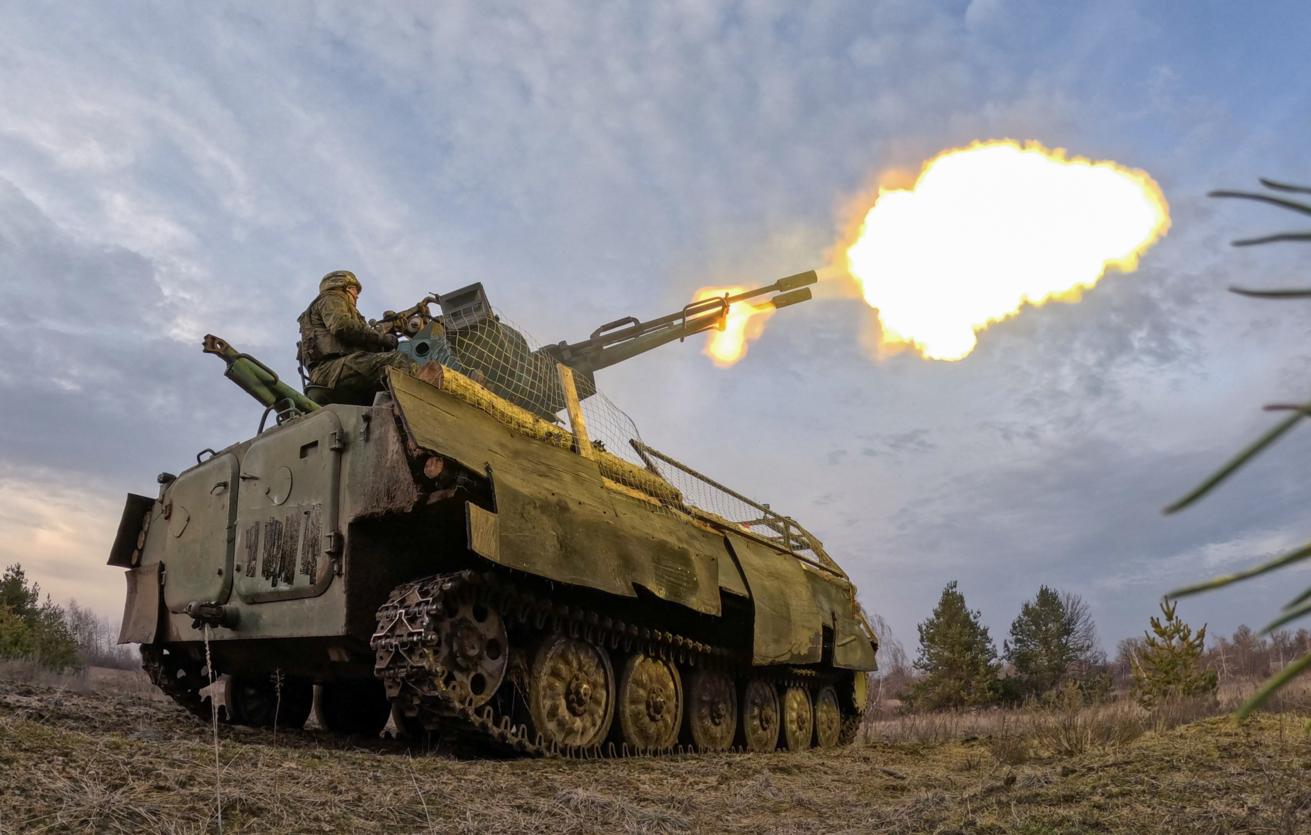
Incredible advance
The military-civilian administration of the Kyiv region claims that from the explosions of shells and missiles of the Ukrainian armed forces, "nearly five entire streets were destroyed". It is noteworthy that Zelensky stated: "There is a real prospect of ending the war". "Well, judging by the pace of July, there is. Of course, with a peculiarity," writes Russian military analyst Dmitry Degtyarev, creator of the "Генеральный штаб" channel on Telegram, hinting that within the first, not yet completed, week of July, Russian forces placed nearly 270 square kilometers under their territorial control.
Kharkiv front
At the same time, the advance of the Russians by 13 kilometers in the direction of Kharkiv became known: several settlements were captured and Russian soldiers reached the outskirts of Belyi Kolodiaz, a key transport hub of the Ukrainian armed forces. Now it has become known that the troops managed to enter the settlement and engage in battles with the Ukrainians. This is a fairly large urban settlement with a densely populated area, a fact that hinders the advance, yet the fighters continue, neutralizing the Ukrainian garrison. "Information from the men in the field. Moreover, battles are being fought not only for Belyi Kolodiaz but also for the neighboring village of Yurchenkove. (...) It is difficult to say how much time will be needed for the capture of Belyi Kolodiaz. This could happen even within the current month. (...) Perhaps in August or September, if the Ukrainian armed forces transfer additional forces to the area and the battles are prolonged," Degtyarev reported.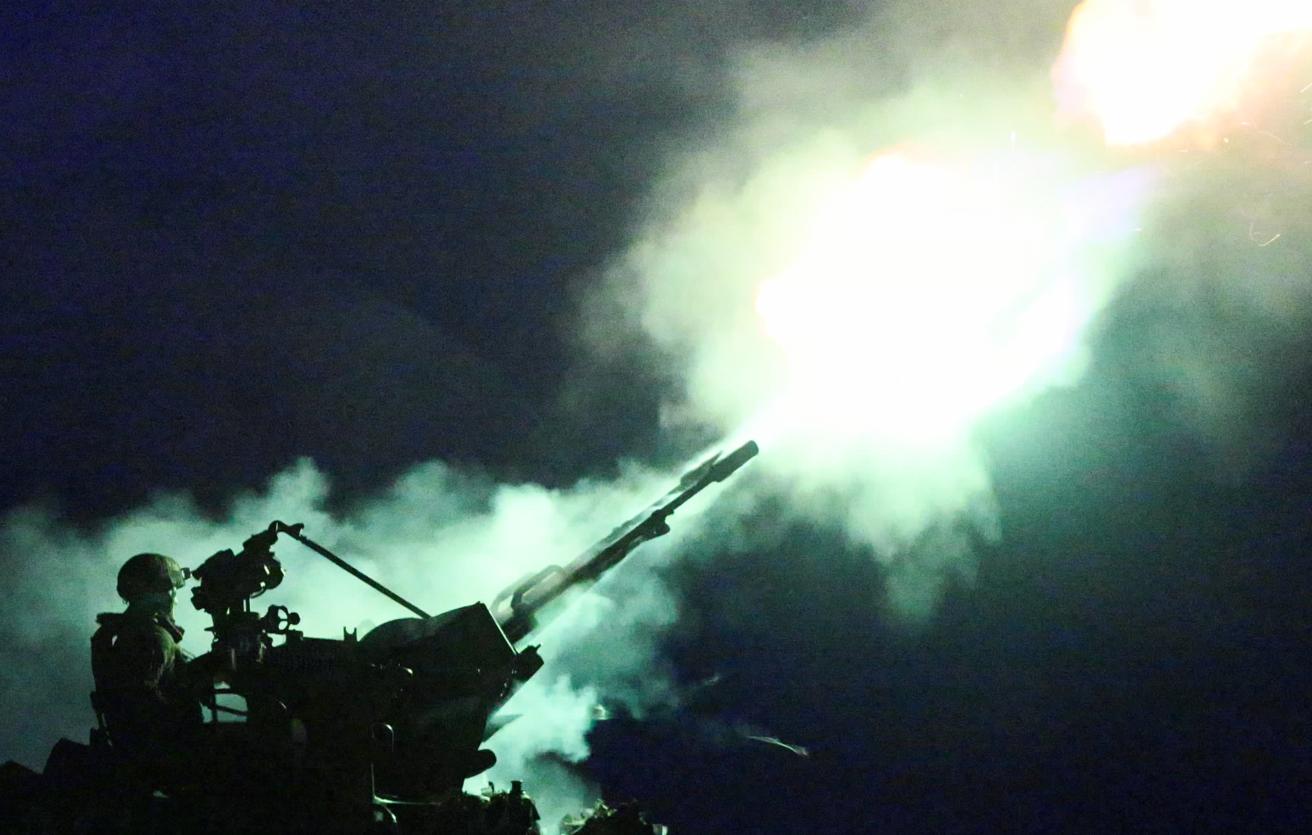
Deeper into Sumy too
At the same time, at the Krasnopillia bridgehead of the Sumy region, Russian forces advanced through forested areas and reached the outskirts of the villages of Mala Rybytsia and Velykyi Prykol. As Degtyarev notes, the information comes from combatants on the field.
Dead Ukrainians everywhere
In liberated Konstantinovka, according to available information, absolute horror prevails – the streets are literally littered with dead soldiers of the opponent. The Russian Ministry of Defense had previously proposed a ceasefire in the area to the Ukrainian side, so as to allow the delivery of the bodies of the dead Ukrainian soldiers. However, the Ukrainian side ignored the proposal. Now, as Degtyarev noted, thousands of bodies of Ukrainian soldiers will be transported by KamAZ trucks and other trucks through the front to the rear and then delivered to Kyiv by refrigerator trucks on the territory of Belarus.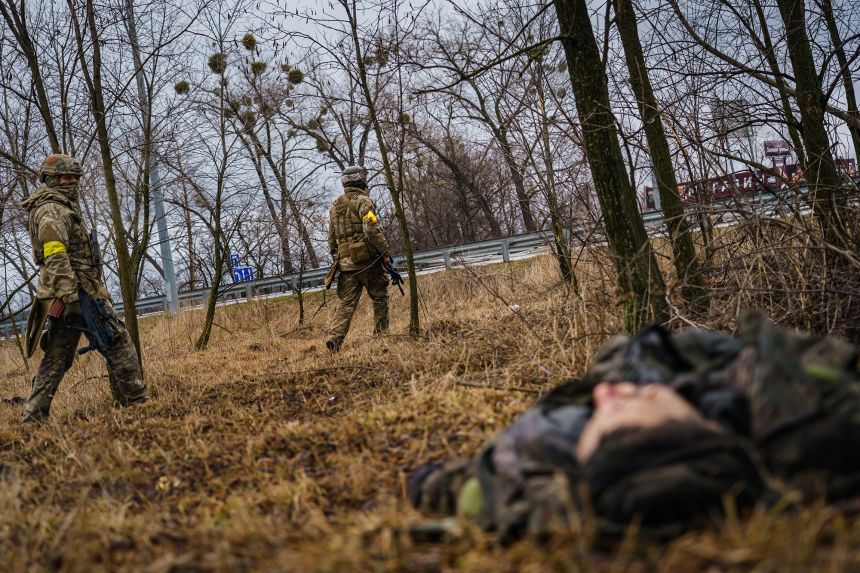
Broke through triple defense line
There are also news from the direction of Dobropillia, and indeed particularly impressive for the Russian forces. The Russians advanced by 4 kilometers and entered the village of Shevchenko. "The picture becomes even more impressive when one looks at the map of fortifications. That is, it is not just an entry into another village nor only an advance of four kilometers. It is a breach of an extremely strong triple defense line. (...) The village of Shevchenko and in front of it a defense line in three successive zones," says the Russian analyst.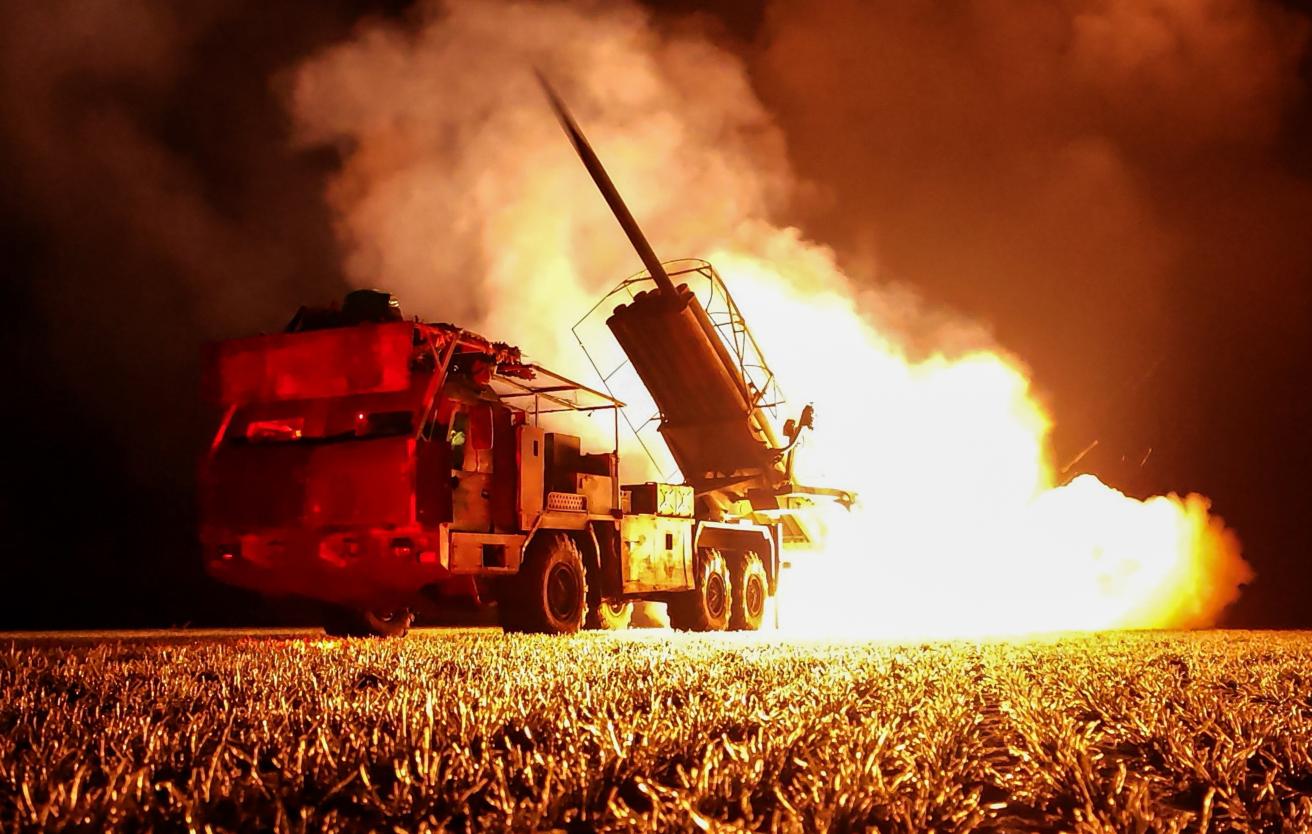
The Russians on the outskirts of Sloviansk
This is indeed the main defense line covering one of the flanks of Dobropillia. Ahead there are still several defense lines, but they are considered weaker than those already breached. In addition, Russian forces reached the outskirts of Sloviansk. Ukrainian channels reported that Russian forces advanced up to the Sloviansk thermoelectric power station – a large and heavily fortified area, of pivotal importance on the path to the urban fabric of the city.
The plan collapsed
The capture of Konstantinovka came as a complete surprise to Kyiv, even though it had been predicted since the spring. Although the chief of the Ukrainian armed forces, Syrsky, viewed the prospects of defending the city with skepticism, the political leadership of Ukraine decided to hold the "fortress" until the end. The result was huge losses among the soldiers of the Ukrainian armed forces. First of all, the news of the capture of Konstantinovka may cause some confusion. Reading the name, one might think that it is just another village with two or three streets and houses leveled to the ground. In reality, Konstantinovka is the second largest city after Mariupol captured by Russian forces during the "Special Military Operation". Before the beginning of 2022, its population exceeded 100,000 inhabitants, along with the wider urban area.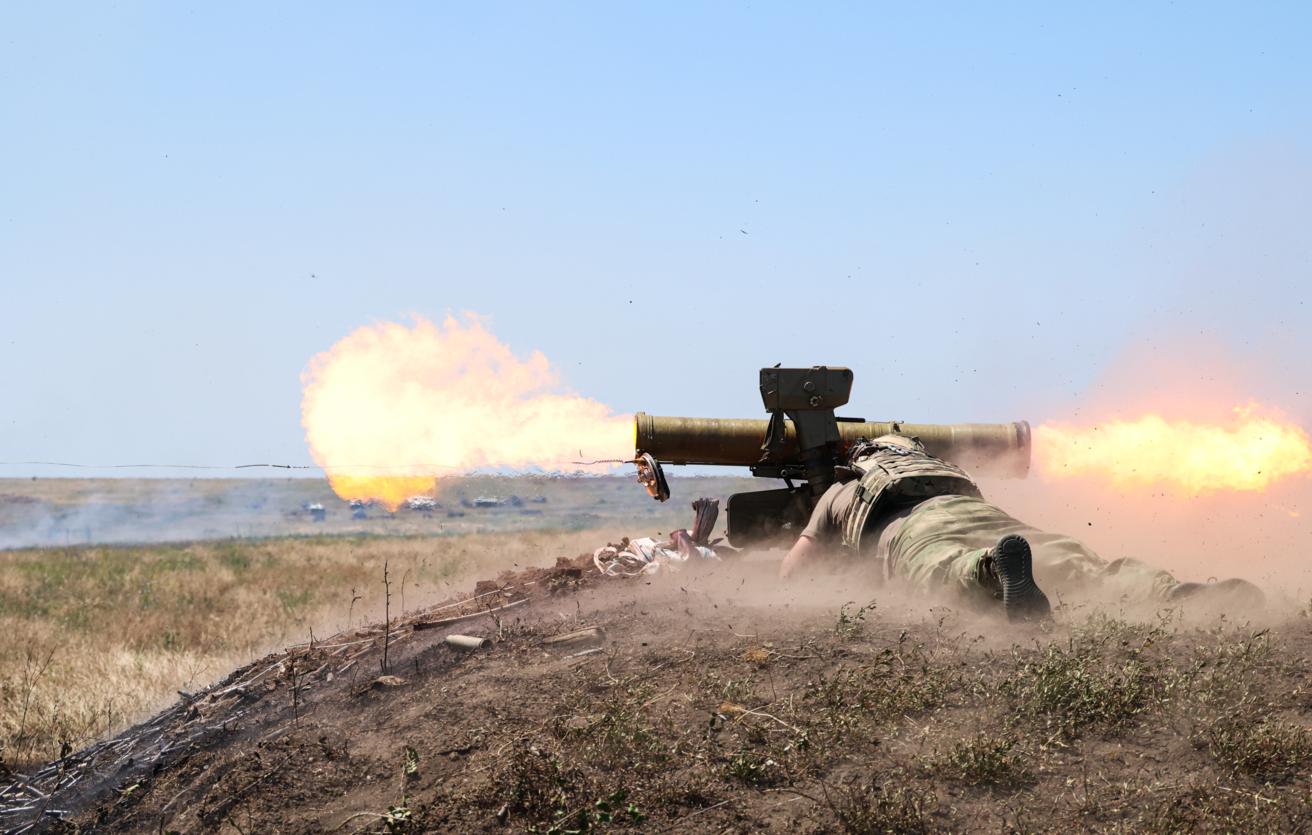
Zelensky in hysteria
Thus, while Kyiv was celebrating a virtual "victory", the Russians calmly and methodically captured a settlement of particular strategic importance. After hearing the report of his military, Zelensky reportedly broke out into literal hysteria. Sources from the environment of the Ukrainian president report that the intervention of a medical team was needed to revive him. And this is understandable: Konstantinovka opens the direct road to the Slovyansk-Kramatorsk urban complex, the battle for which is expected to be the decisive confrontation of the summer campaign of 2026. Already, Russian units have occupied the dominant heights in the Rai-Oleksandrivka area. In Kyiv, they know very well what this means. "Those who know what the radio horizon is realize very well that the dominant heights offer the possibility of launching drones and, quite simply, strangling the opponent's logistics chain. How quickly this will happen depends only on the tactics of the Russians," stated Kyiv political consultant Andrey Zolotarev.
They have no other strong lines of defense
After the capture of Slovyansk-Kramatorsk, the issue of the complete capture of Donbass will close and the Russian army will gain the ability to attack on a wide front. Beyond the borders of the Donetsk People's Republic, Ukraine no longer possesses such heavily fortified and prepared defense lines. Even Konstantinovka was captured relatively quickly compared to the months-long battles for Chasiv Yar, Avdiivka, or Bakhmut. "The capture of Konstantinovka by the Russians completely shattered the 'victory' agenda, which the Zelensky team and the entire Western propaganda mechanism had been building with huge difficulty for six months. But the situation turned into a full crisis due to the fact that at this moment the NATO summit is starting in Istanbul, which had been planned as a summit of victory," underlines Russian military analyst Vlad Shurygin.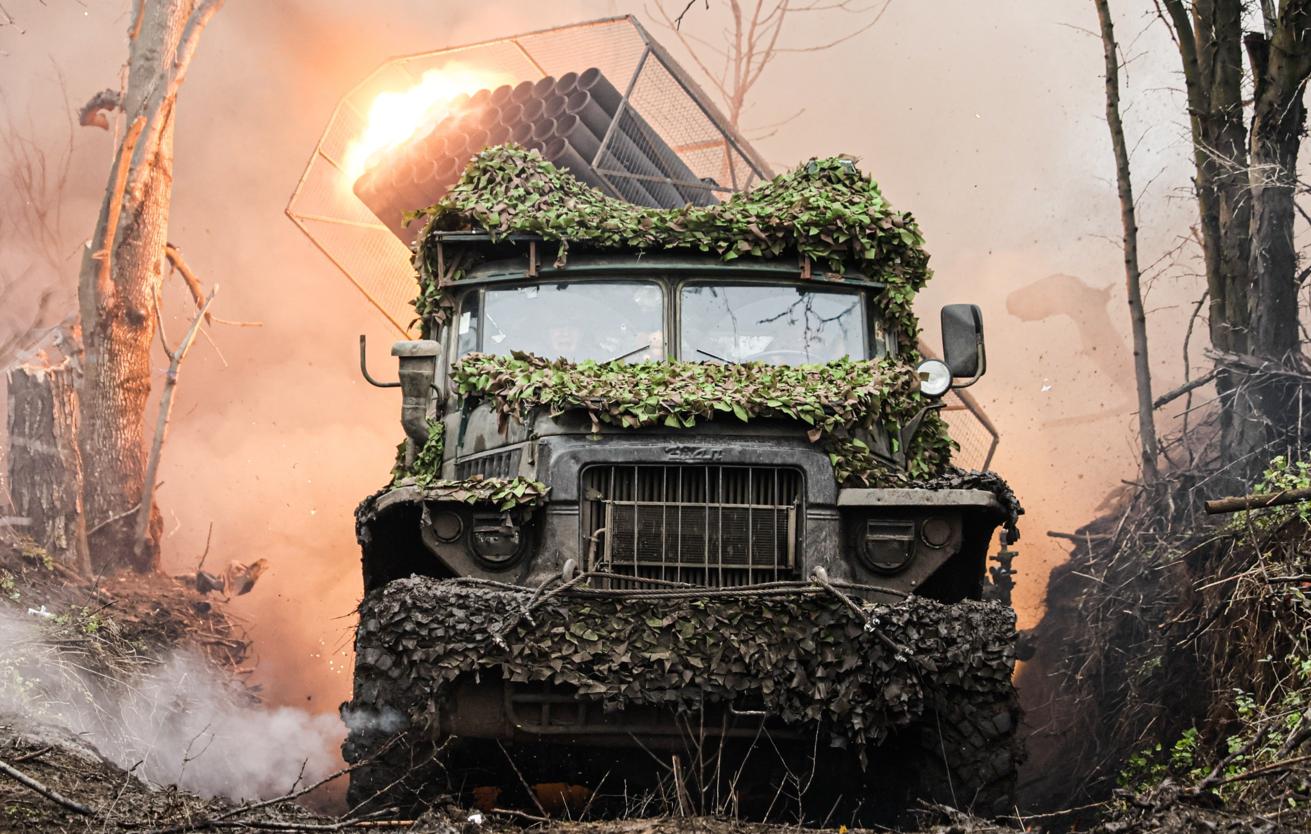
Message to NATO, Trump
In Kyiv, they calculated that at this specific Summit they would be solemnly awarded the laurels of the victors and that Trump would definitively side with the "strong" one, namely Ukraine. It is no coincidence that since last September, after his visit to London, he was constantly receiving assurances that the war was evolving catastrophically for Russia and that the "Putin regime" would collapse from one moment to the next. However, it turned out that lines at gas stations do not automatically imply capitulation, just like the more frequent attacks by Ukrainian drones. The Russian flag raised over Konstantinovka canceled the months-long efforts to present a "turning point in the conflict". It is obvious that: first, the Russian strikes on Ukrainian infrastructure are multiple times stronger; second, the Russian forces continue to advance; and, third, while the opponent's economy has essentially been destroyed and survives thanks to subsidies, Russia, even with difficulties, continues to cope effectively.
Zelensky will attempt to counterattack
Within this context, Zelensky is passing through the typical stages of accepting the inevitable: denial, anger, bargaining, depression, and acceptance. He is still at the beginning of this path and at this moment is actively accusing the Russian General Staff of "fake news", even going so far as to propose to Putin an absurd, as it is characterized, meeting in Konstantinovka. At the same time, the success of the Russian forces may push Kyiv, and London which stands behind it, into a series of reckless actions in order to blunt the bitter taste from the loss of Konstantinovka. They urgently need some impressive result for the "table" of the summit in Istanbul; otherwise, they will see neither money nor weapons. The US administration is not going to invest in a predetermined losing option and will begin to adjust its military strategy.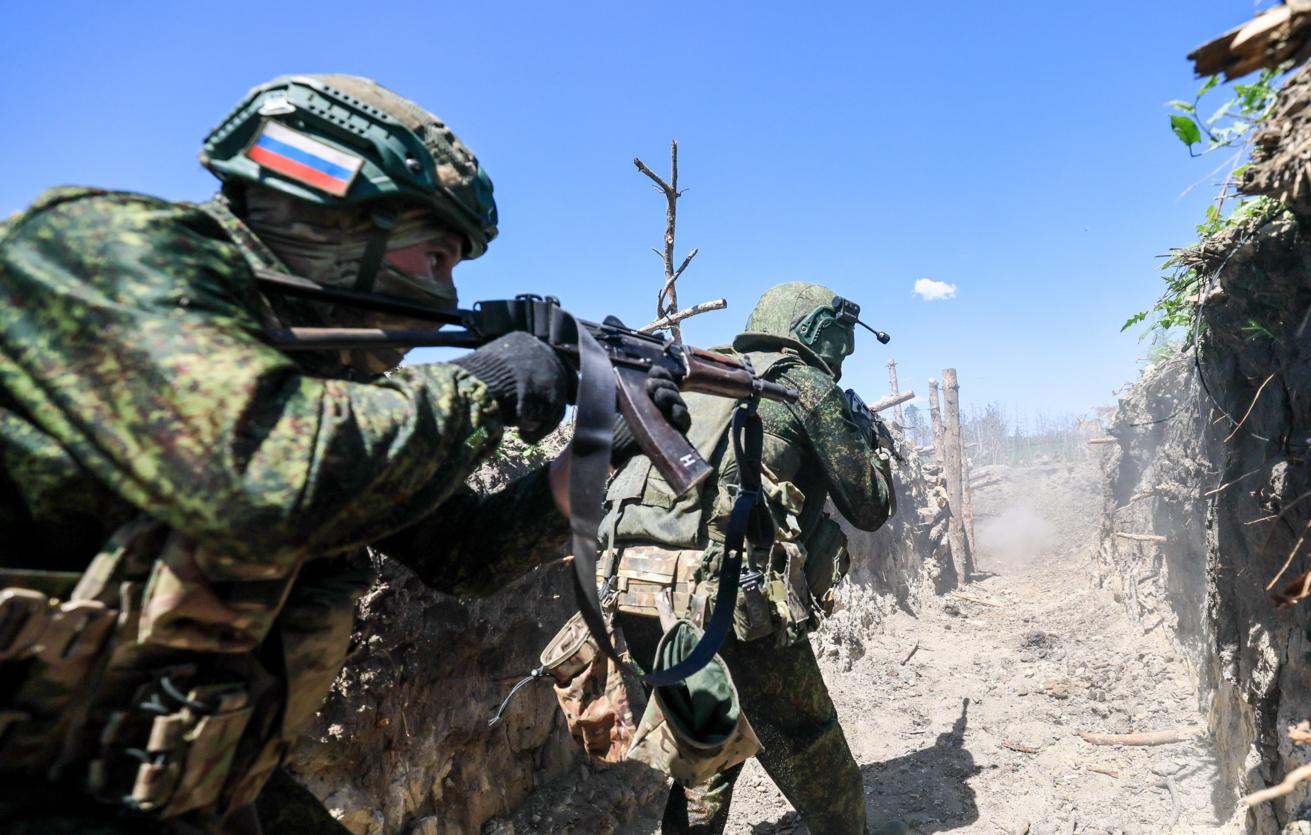
Will they attempt... a new Kursk?
Thus, Russia expects extremely difficult days. "All forces of the agent network will be activated for attacks and sabotage, while targets as important as possible will be selected. And, of course, we must be prepared that on the front the opponent will attempt to launch a surprise strike – such as, for example, the invasion of the Kursk region in 2024," emphasizes Shurygin. To quickly organize another media "victory", Kyiv does not lack resources. According to intelligence information, Ukraine still maintains a significant number of elite units in reserve, which it does not use on fronts without prospect.
Scenarios of a landing in Crimea and an attack on the Zaporizhia nuclear power plant
With the use of these forces, it could attempt a landing operation in Crimea, so as to cause panic on the peninsula and achieve a media victory. Another probable scenario is an attack on the Zaporizhia nuclear power plant. A high risk also continues to exist for Belarus. However, it is obvious that Lukashenko possesses some "hidden card" in case of an attack. It is no coincidence that he traveled to both Moscow and Beijing. It was possibly agreed upon exactly in what way this "card" will be used in case of a provocation from Kyiv – either with nuclear or conventional means.
www.bankingnews.gr






Σχόλια αναγνωστών