

Military mobilization on NATO's eastern borders is entering a new phase. From Finland to Poland and the Baltic states, governments are strengthening their defenses, increasing military spending, training reservists, and constructing extensive fortifications, as they assess that the probability of a broader conflict with Russia can no longer be ruled out. According to a report by Politico, which is based on on-site reporting in Finland, Lithuania, and Poland, the countries bordering Russia and Belarus are intensively preparing for the possibility of a military confrontation. Their governments are investing in defensive infrastructure, reinforcing the armed forces, and conducting joint military exercises with NATO allies, while at the same time, intense concern is growing over whether the United States will be able to respond immediately to a potential crisis in Europe.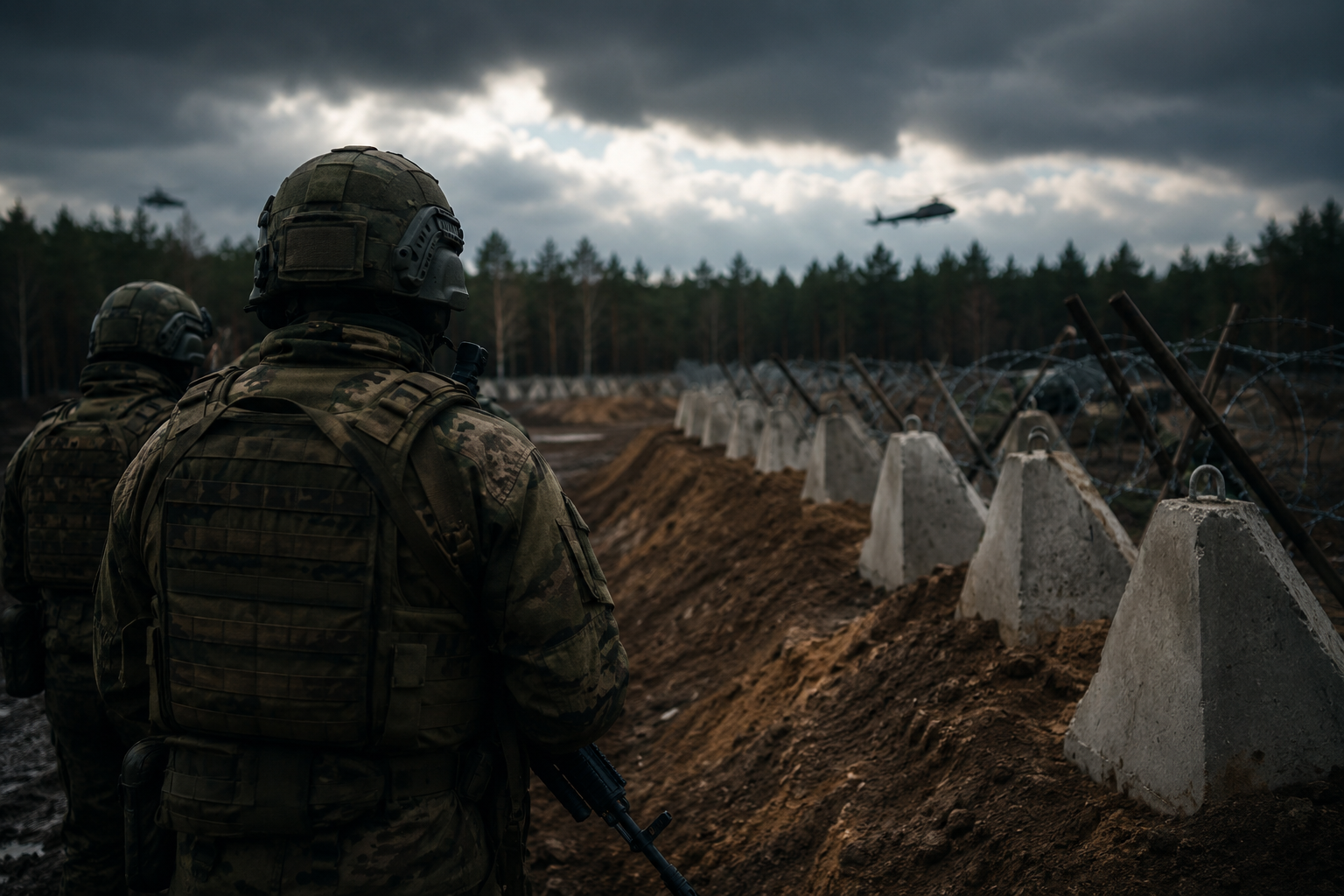
Finland strengthens its deterrent power
Finland is a characteristic example of this new reality. With a population of approximately 5.6 million inhabitants, it can already mobilize about 870,000 reservists, while the goal is for this number to reach one million reservists within the next five years. "We trust the United States as an ally in NATO, but we recognize that they have significant interests in other regions of the world," stated the chairman of the Defense Committee of the Finnish Parliament, Jukka Kopra. Eoin Michael McNamara, a researcher at the Finnish Institute of International Affairs, estimates that Finland is currently better prepared to defend its territory alone than any other frontline NATO country, pointing out that even a potential reduction in the US military presence does not materially affect its operational readiness.
The country is already spending nearly 3% of its GDP on defense and has pledged to increase military expenditures to 5% by 2035. In May, the multinational exercises "Northern Star-26" and "Karelian Sword-26" took place in southeastern Finland, near the Russian border, with the participation of military forces from France and the United Kingdom. At the same time, the Finnish parliament recently lifted restrictions on the transport and storage of nuclear weapons on the country's soil, provoking reactions from the opposition and part of the military leadership. A statement by Colonel Matti Pitkäniitty, commander of the North Karelia Border Guard District, is characteristic: "Russia is a superpower and we are a small country. You have to be particularly careful when you sleep next to a bear."
Poland: The "Eastern Shield"
The picture is similar in Poland, where the "Eastern Shield" (Asis Shield) program has been underway since 2024, an extensive plan for the construction of anti-tank fortifications and defensive works along the border with the Russian enclave of Kaliningrad. As Politico points out, Warsaw's message to Moscow, as well as to its allies, is clear: Poland is not preparing for a theoretical scenario, but for the possibility that war could break out sooner than many Western capitals estimate. For 2026, the country plans to allocate approximately 4.8% of its GDP to defense, investing primarily in American weapons systems.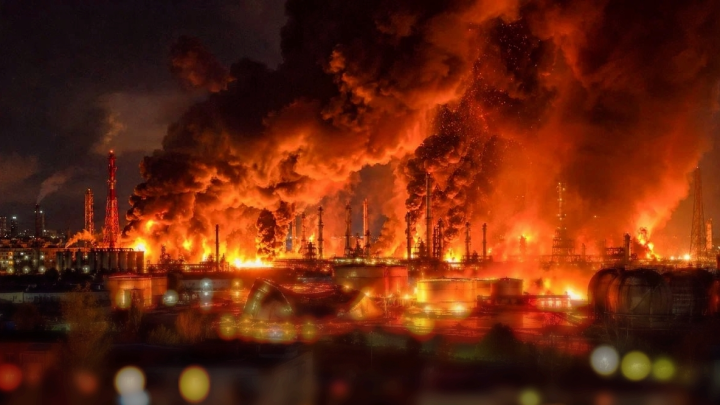
The Baltics fortify their borders
A similar strategy is followed by Lithuania, Latvia, and Estonia, which are jointly implementing the so-called "Baltic Defense Line." The plan includes anti-tank ditches, underground bunkers, defensive barriers, and minefields along the borders with Russia. According to the report, the Baltic countries know they cannot face a large-scale Russian attack alone. The goal of the fortifications is to slow the advance, direct opposing forces onto predetermined axes, and buy valuable time until the arrival of reinforcements from NATO allies.
Moscow speaks of a "real war"
At the same time, the Russian leadership insists that the conflict in Ukraine has now transformed into a broader war between Russia and the West. Kremlin spokesman Dmitry Peskov argued that what began as a "special military operation" has evolved into a "real war," because, as he stated, Western countries provide Kyiv with intelligence, satellite support, targeting systems, and modern weaponry.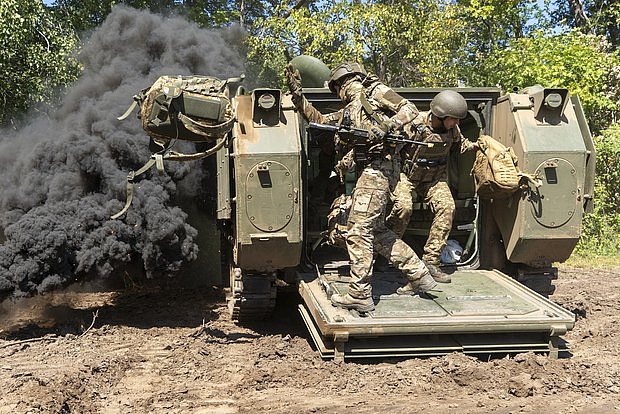
Russia also at the center of the NATO Summit
Developments are also expected to dominate the proceedings of the upcoming NATO Summit, where the deterrent strategy against Russia will be a primary topic of discussion. From Moscow's side, the director of the European Affairs Department of the Russian Foreign Ministry, Vladislav Maslennikov, stated that Russia does not expect any change in the Alliance's policy, reminding that NATO's 2022 Strategic Concept characterizes Russia as "the most significant and direct threat" to the allies' security. Moving along the same lines, NATO Secretary General Mark Rutte underlined in a recent interview that "Russia remains the primary long-term threat to the Alliance." The moves to strengthen defensive capabilities in the countries of northern and eastern Europe show that geopolitical uncertainty has now turned into long-term strategic planning. With more reservists, new fortifications, increased military spending, and continuous training, frontline countries seek to be ready for any eventuality, even for a scenario that until a few years ago was considered highly unlikely.
Who helps Kyiv target drones? The Financial Times do not even hide US involvement... Bombshell report
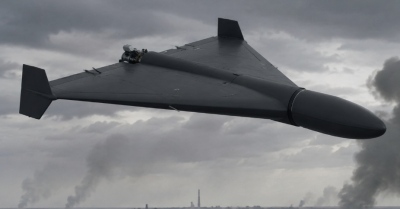
The Financial Times report that the US is providing Kyiv with intelligence and analytical support for planning drone attack routes and evading Russian air defense systems. Relevant details are published by Tsargrad. Ukraine uses US intelligence agency data to plan unmanned aerial vehicle attacks against targets in Russia, according to a report by the Financial Times, which cites senior Ukrainian officials. According to the report, the Ukrainian Armed Forces cooperate with "trusted partners" to develop optimal flight routes and methods to bypass Russian air defense systems, with the aim of improving attack accuracy and reducing risks to equipment and crews.
Sources of the Financial Times claim that American agencies not only exchange information but also contribute to its analysis, including the identification of the least protected routes and vulnerable points deep within defensive lines. The same sources add that, due to ongoing tensions and mistrust between the involved sides, the resumption of trilateral peace talks before the end of the summer is considered unlikely, a fact that reduces the chances for a rapid diplomatic resolution of the conflict in Ukraine. US officials have publicly admitted that they provide intelligence support to Ukraine.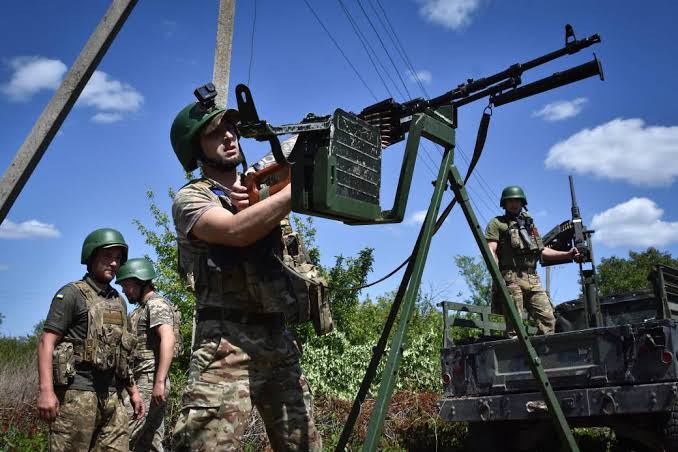
As the publication notes, in December, the US Secretary of State, Marco Rubio, openly referred to the issue. In early June, he stated that Washington does not act as a neutral mediator, but clearly supports Kyiv. At the same time, he recognized that no substantial progress is visible through mutual concessions and estimated that negotiations to date have not yielded tangible results. He stressed, however, that the United States remains ready to continue diplomatic efforts. At the same time, Kyiv is taking measures to protect its defense industrial base. It had been previously reported that part of the unmanned aerial vehicle production is to be transferred to European Union countries.
The goal of this strategy is to reduce the vulnerability of factories and workshops to potential Russian attacks, as well as to ensure the uninterrupted supply of the front. According to reports, the Ukrainian authorities plan to create workshops and production units directly within the European Union, estimating that European infrastructure and its geographical position will offer greater protection and better logistical support for production. The Russian Ministry of Foreign Affairs had previously published lists of potential targets within European Union countries. However, so far no concrete actions have followed.
www.bankingnews.gr






Σχόλια αναγνωστών