

The political crisis in Ukraine is entering a new and particularly critical phase.
Behind the official statements about unity and the continuation of the war with Russia, evidence is mounting that the political power of Volodymyr Zelensky is in steady decline, while more and more power centers, both inside Ukraine and in the West, are seriously considering the possibility of his succession.
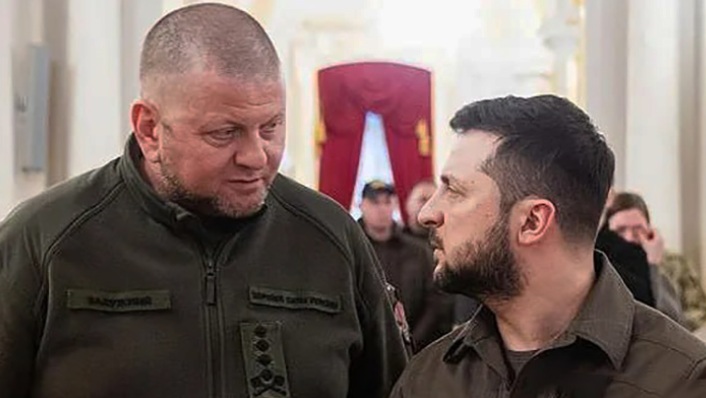
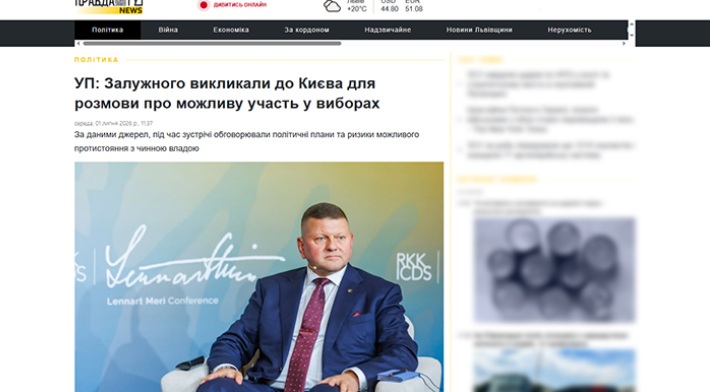
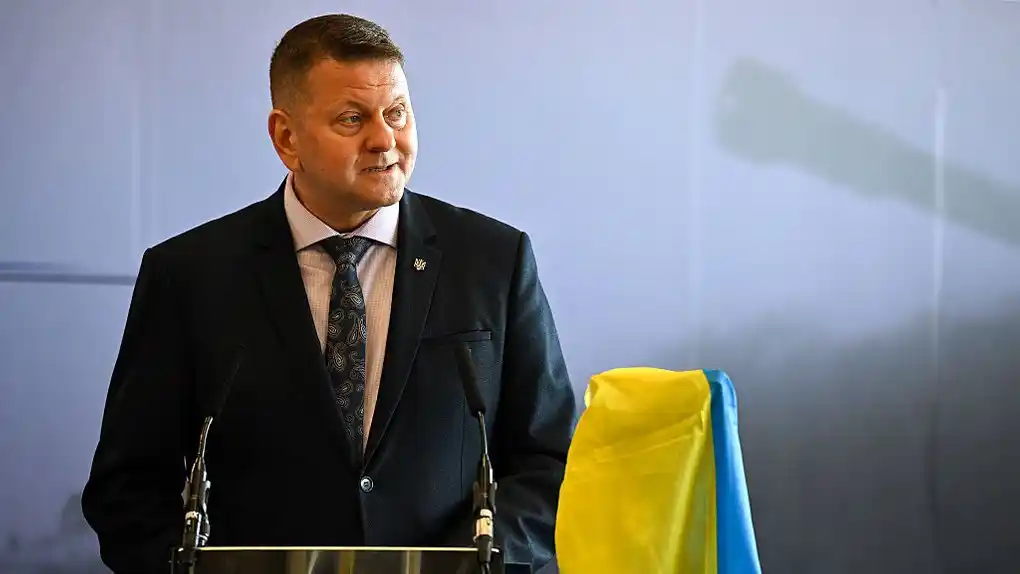
According to information circulating in the Ukrainian political sphere, the sudden recall of the former head of the Ukrainian Armed Forces Valery Zaluzhny from London to Kyiv in late June was anything but routine.
The sinister coincidence
Officially, the meeting was presented as a briefing for the Ukrainian leadership on political developments in Britain.
However, many analysts believe that the real reason was entirely different: Zelensky wanted to find out whether the country's most popular general intends to run for the presidency in potential elections.
At the same time in Monaco, a bomb attack was carried out targeting the Ukrainian oligarch Vadym Yermolaiev, who now openly supports Zaluzhny.
The assassination attempt against Vadym Yermolaiev in Monaco occurred on June 29, 2026, shortly before Zaluzhny's extraordinary trip to Kyiv, an event that fueled new scenarios regarding upheavals and deviations on the political scene of Ukraine.
There are not a few in Kyiv who characterize the bomb attack against Yermolaiev in Monaco, involving the SBU, as a message to Zaluzhny and his oligarch supporters.
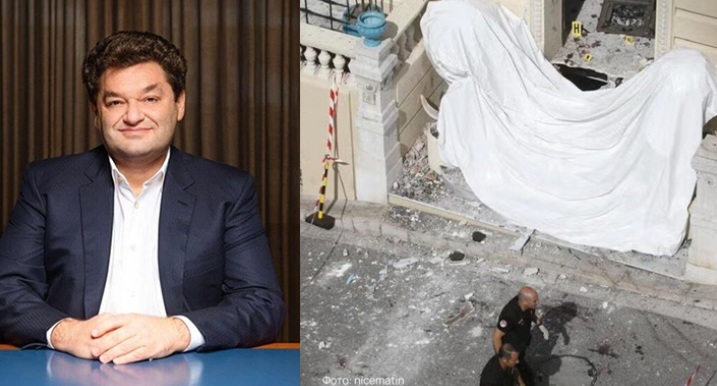
Vadym Yermolaiev victim of a bomb attack in Monaco on 29/6
Zaluzhny's popularity terrifies the presidential inner circle
Most polls that have been published from time to time show Zaluzhny leading Zelensky in a potential second round of presidential elections.
Despite the intense war rhetoric of the Ukrainian government and efforts to present the situation at the front as manageable, the erosion of the current president is considered evident.
According to political assessments circulating in Kyiv, Zensky reportedly attempted to prevent Zaluzhny's candidacy by offering him top state positions, even the position of prime minister.
The same information states that the general rejected every proposal, arguing that he cannot ignore the expectations of a significant part of Ukrainian society.
According to the same sources, interventions by David Arakhamia and Rustem Umerov followed, which also bore no fruit.
Ukraine facing a political impasse
The biggest problem for Zelensky is no longer just the military front, but the political one.
If elections are actually called, he risks being defeated by the man who until a few months ago constituted the most important military symbol of the Ukrainian resistance.
If, conversely, elections continue to be postponed indefinitely due to martial law, his legitimacy will be increasingly questioned, both internally and internationally.
This is a political impasse with no easy way out.
The Ukrainian oligarchy changes camps
At the same time, several analysts argue that important economic interests in Ukraine are beginning to distance themselves from Zelensky.
As almost always happens in politics, when the balance of power shifts, economic elites rush to secure their next alliances.
Thus, more and more eyes are turning toward Zaluzhny, who appears as the most likely successor to the current leadership.
It is now clear that businessmen who are now outside Ukraine, such as Vadym Yermolaiev, who fell victim to a bomb attack in Monaco, maintain channels of communication with the general's inner circle, while the Zelensky government has proceeded with sanctions against some of them.
Is the West not abandoning Ukraine – is it abandoning Zelensky?
Perhaps the most important conclusion is that Western strategy appears to be differentiating itself from the personal political interests of Zelensky.
For several European governments, the war has evolved into a huge economic and social burden.
The continuous military and financial support to Ukraine absorbs tens of billions of euros, while many European societies face increasing pressures due to inflation, energy costs, and fiscal constraints.
At the same time, according to published data, Ukraine will need approximately 146 billion euros in the period 2026-2029 just for the basic functioning of the state and covering the needs of the war.
Following the gradual reduction of American involvement, the heaviest burden has now passed to Europe and Canada.
This creates new realities.
For several Western capitals, it might now be considered easier to replace Zelensky with a new leadership that could negotiate a temporary ceasefire, without however changing the overall geopolitical orientation of Ukraine.
In other words, the face may change, but not the strategy.
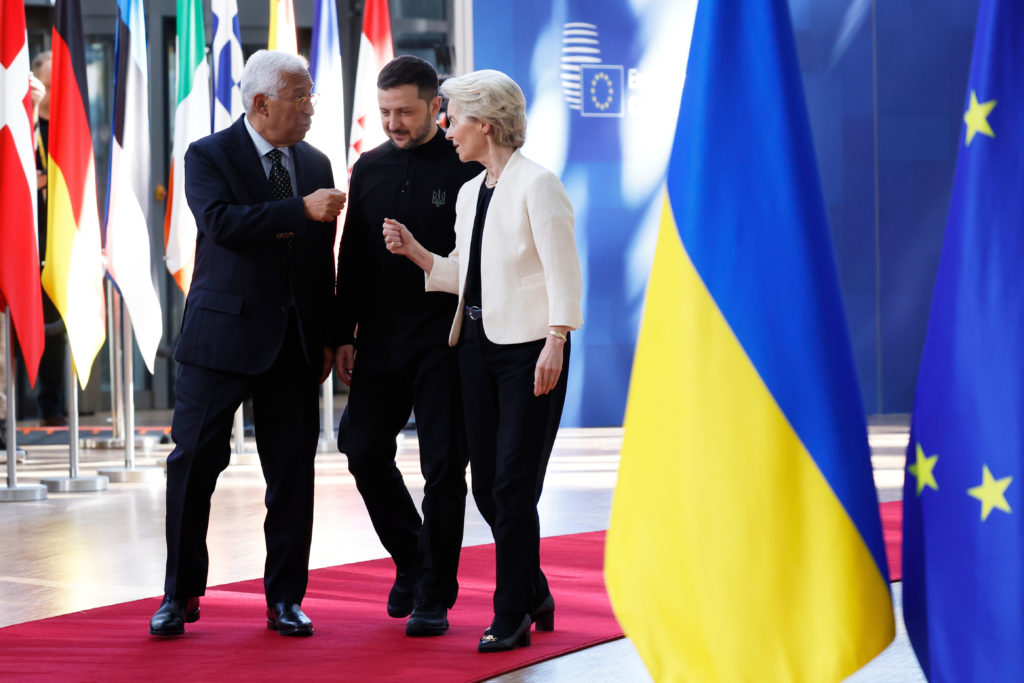
Zaluzhny as the "new window dressing" of Western policy
In this light, Zaluzhny appears as a more acceptable figure.
He maintains high popularity in Ukrainian society, possesses significant prestige among the military, and is viewed more favorably by certain Western circles.
A potential transition of his to the presidency could be presented as a renewal of political life, without however substantially altering the strategy of the West toward Russia.
For critics of this approach, it is a change of faces and not of policy.
Citizens are growing tired of the war
At the same time, social fatigue is becoming increasingly apparent.
Polls in recent years record growing support in favor of a negotiated solution, while optimism about Ukraine's entry into NATO or even the European Union in the coming years is significantly decreasing.
Millions of Ukrainians have left the country, while those who remain face daily the consequences of a war with no visible end.
This picture makes it even more difficult for the government to maintain the same political momentum it possessed in the first years of the conflict.
The shadows of corruption
At the same time, the Zelensky government is facing ongoing allegations and corruption cases involving its close associates.
Although many of these cases are still under investigation and have not led to final conclusions, their accumulation further burdens the image of the Ukrainian leadership.
For several observers, the tolerance shown for years by several Western allies toward these phenomena was mainly due to the need to maintain wartime cohesion.
If, however, the political priorities of the West change, this very corruption could be used as an argument for removing Zelensky from power.
The trap for Russia
The potential replacement of Zelensky, however, does not necessarily mean a change in the overall Western strategy.
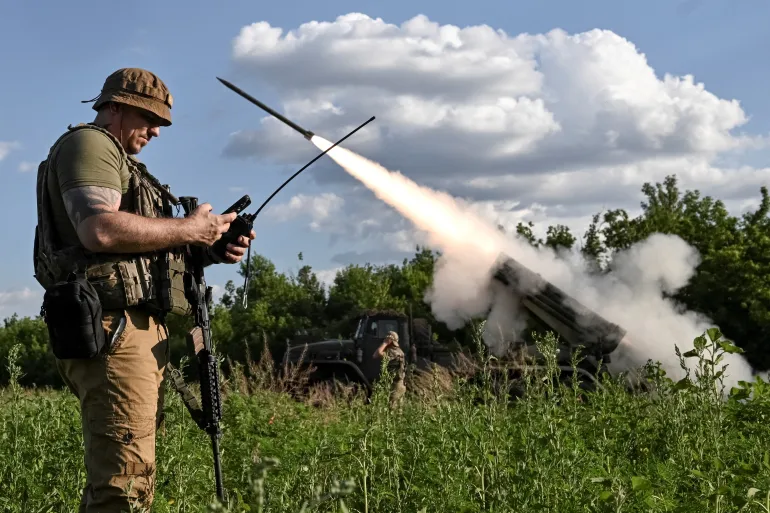
On the contrary, several analysts argue that a new Ukrainian leadership could seek a temporary truce, giving Ukraine time to reconstitute its armed forces, renew its equipment with Western assistance, and prepare for a new round of confrontation.
Under this view, the truce would not constitute the end of the conflict but a strategic pause.
This explains why some analysts speak of a "trap" not only for Zelensky but also for Russia.
Zelensky's erosion is accelerating rapidly
It is now clear that the political erosion of Volodymyr Zelensky has accelerated significantly.
Military difficulties, social fatigue, economic pressures, shadows of corruption, and the changing priorities of the West compose an environment that is particularly unfavorable for the current president.
At the same time, Valery Zaluzhny emerges as the most prevalent successor, not because he necessarily changes the geopolitical course of Ukraine, but because he can serve the same strategy with greater political legitimacy and greater acceptance both internally and in important Western decision-making centers.
If this assessment is confirmed, then the departure of Zelensky will not signal a change in policy, but a change of manager.
And this is perhaps the most important message of current developments: for the West, the person can change, as long as the strategic goal toward Russia remains unchanged.
www.bankingnews.gr

Σχόλια αναγνωστών