

The Middle East is entering a period of deep realignment, where the certainties of the last few decades are collapsing catastrophically
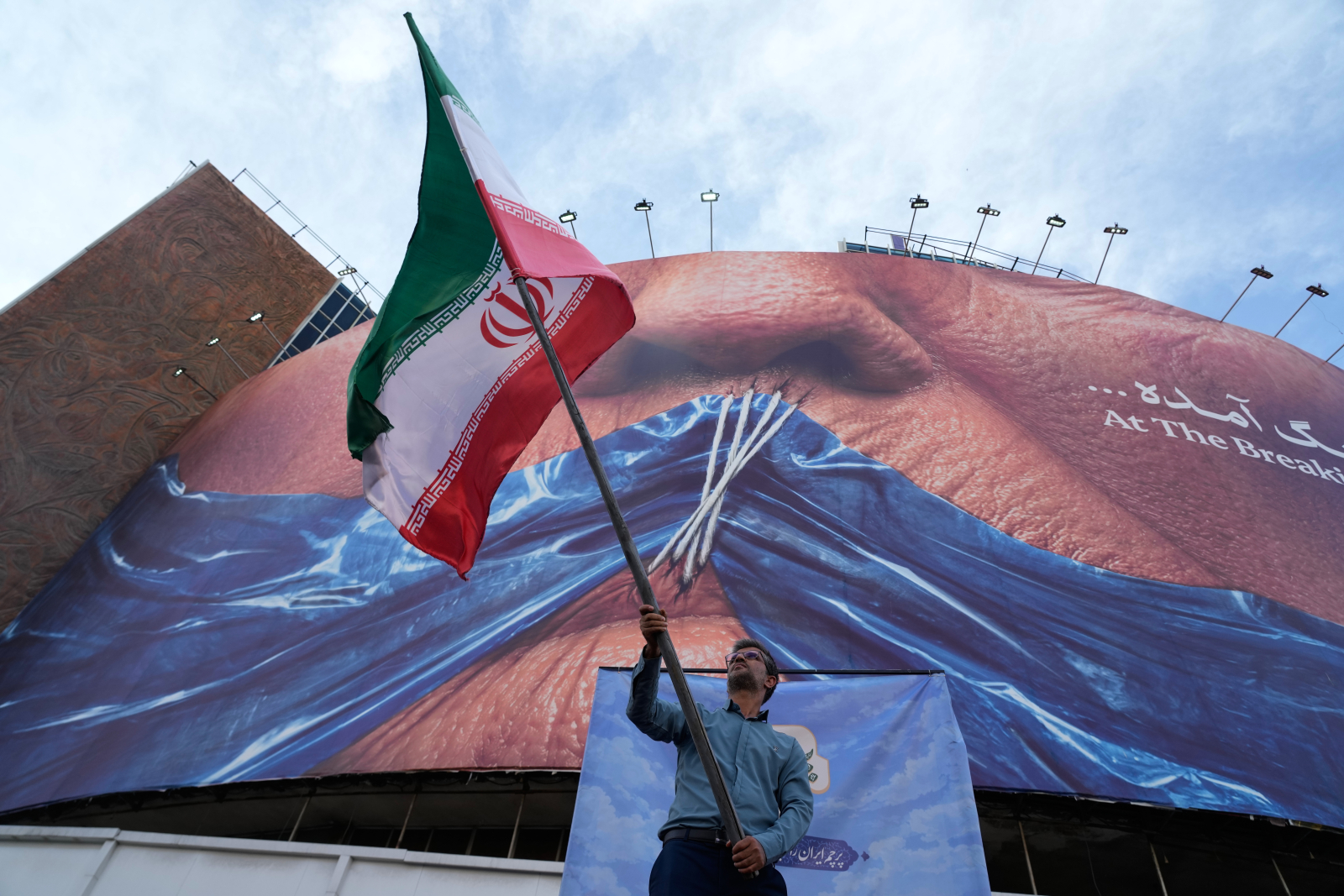
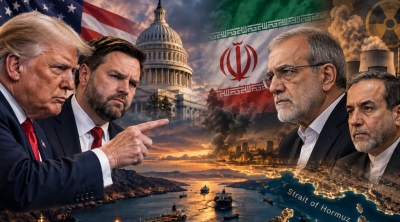
The war launched by the US and Israel against Iran did not just open another front in the Middle East; it overturned the entire geopolitical balance in the Persian Gulf. This is because, within these 40-plus days, the war challenged Washington's role as a guarantor of security and revealed the limits of American power. For the Arab Gulf states, the conflict served as a historical shock: on one hand, it confirmed that American "protection" is neither guaranteed nor cost-free, while on the other, it forced them to face the prospect of a new regional order where they must coexist, or even compromise, with Iran, which—through the fierce attack it endured—managed not only to survive but also to project its strength.
Indeed, the Middle East is entering a period of deep realignment, where the certainties of the last few decades are collapsing. At the same time, within the US, the war—presented as a display of determination and strategic superiority—is evolving into a source of political erosion, economic pressure, and social distrust toward the Trump leadership. Instead of consolidating American dominance in West Asia, the crisis threatens to accelerate the weakening of American influence, increase the insecurity of Washington's allies, and make the future even more uncertain for both the Gulf and America itself—in a geopolitical environment where the economic weight has already shifted toward China.
The strategic partnership
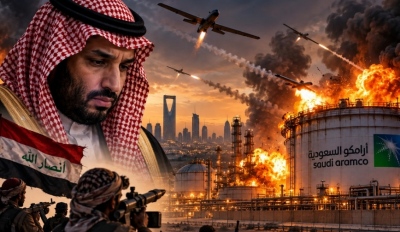
For decades, leaders of the Arab Gulf states viewed their relationship with the US as a strategic partnership. Trump often saw it differently. "King, we are protecting you. Without us, you might not be there for two weeks. You have to pay for your army," Trump had said in 2018, addressing the Saudi monarch and summarizing a more transactional vision for a relationship that Gulf leaders had long considered the foundation of their security. A year later, Saudi Arabia suffered the biggest attack on its territory when strikes on key oil facilities temporarily disabled about half of the kingdom’s crude oil production, sending prices skyrocketing globally. Although Washington blamed Iran and condemned the attack, the Gulf states were left with persistent questions about whether the US was truly willing to confront Tehran on their behalf.
What US protection means
By Trump's second term, Gulf leaders had received the message. As the Gulf states pledged trillion-dollar investments in the American economy, Trump chose the region for his first official foreign trip. "We will protect this country," the US President declared from Qatar during his tour of the Gulf last May. This commitment was tested more than ever this year. Despite the efforts of Gulf states to avoid a regional conflict, the US and Israel launched a war against Iran, triggering fierce retaliation across the Gulf and forcing the region's governments to face again the question of what American protection really means.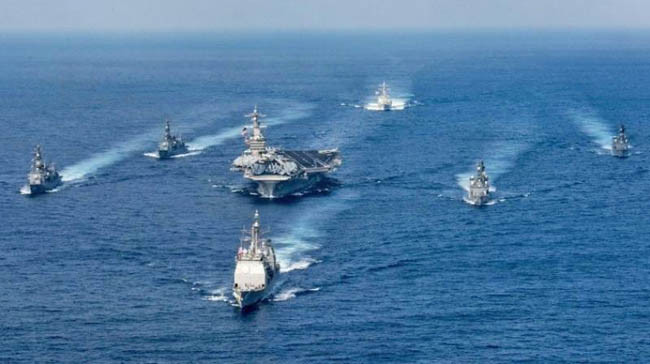
Rubio's tour
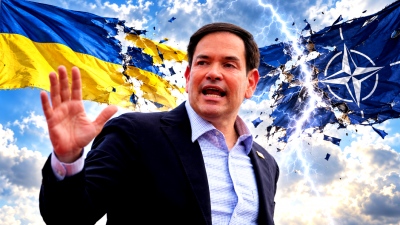
US Secretary of State Marco Rubio arrived in the region on Tuesday, August 23, with the difficult task of convincing the Gulf states that Washington's security commitments remain strong. However, for many in the Gulf, the question is no longer whether Washington remains committed to their security, but whether the emerging agreement with Iran leaves them in a better or worse position than before the war. "From the perspective of the Arab Gulf states, the war with Iran is a catastrophic turning point for the regional security architecture," said Hasan Alhasan, a senior fellow at the International Institute for Strategic Studies (IISS), who views the agreement as part of a broader American retreat from the region. "The Arab Gulf states facilitated and supported the ceasefire agreement between Iran and the US. For them, a bad deal is still better than war," Alhasan said, speaking to CNN.
"We want to hear their views"
Rubio's tour includes the United Arab Emirates, Bahrain, and Kuwait, the three Gulf countries that bore the brunt of Iranian attacks during the war and are among the most skeptical of the new rapprochement between Washington and Tehran. "We want to hear their views, especially after what happened over the weekend in Switzerland, and ensure their positions are taken into account in every decision we make, because they are our partners," Rubio said upon his arrival in Abu Dhabi, referring to the agreement. The US-Iran deal is likely to cause even greater concern in Gulf capitals than the Obama-era deal, not only because it leaves many issues unresolved but also because it comes at a time that, as Alhasan noted, is characterized by a "great loss of trust in the US."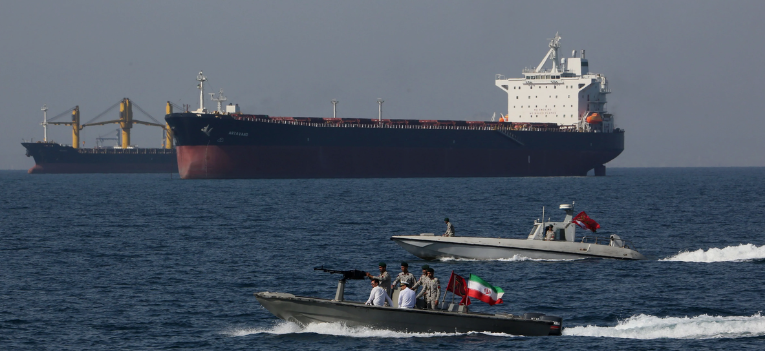
Overturning in Hormuz
The agreement gives Tehran an official role in overseeing commercial traffic through the Strait of Hormuz, alongside Oman. This means that much of the Gulf states' maritime trade—and especially their energy exports—could be conducted under Iranian supervision. The deal also fails to address Iran’s missile program or its network of armed proxy organizations—issues that many Gulf states consider more pressing than Tehran’s nuclear activities.
Contribution to the $300 billion fund
The agreement also requires the support of the Gulf states, as it includes a $300 billion fund for the reconstruction of Iran. Trump committed to funding from the Gulf for this initiative, but there is little indication that the Gulf states have done the same. Saudi Arabia has stated it "has no details" on the proposal, while Qatar has expressed interest without formally joining. Rubio stated that during his tour, he would not ask allies for financial aid for Iran's $300 billion reconstruction fund, calling the issue "still too far off."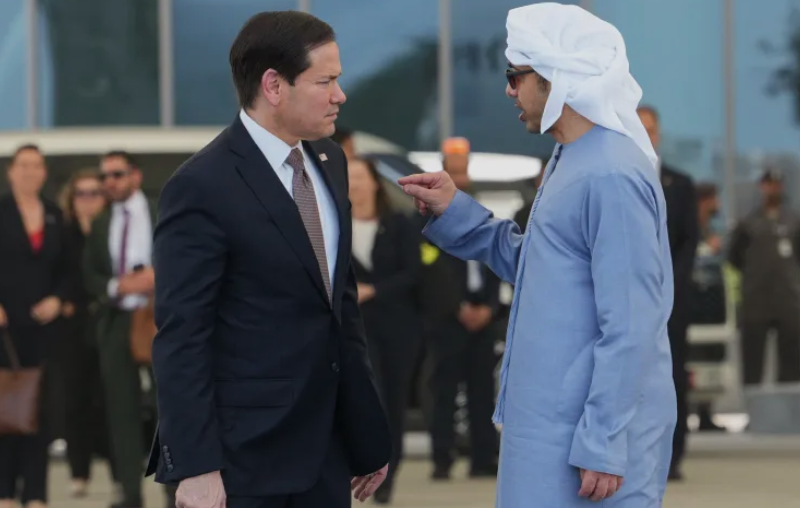
Adjustment to Iran
The Gulf states recognize that, for the moment, they have few alternatives to the US as their primary security partner. And although the American role in security is seen as weakening, the US's economic cooperation with individual states in the region remains strong, with countries like the UAE committing to "doubling" their cooperation with Washington.
Smaller role
Nevertheless, some Gulf states are already seeking diversification in their military supplies, turning in particular to Turkey as an alternative arms supplier. The war also forced Gulf leaders to think more seriously about a long-term understanding with Iran. Although no regional power is currently in a position to replace the US as the guarantor of Gulf security, officials are increasingly considering a future in which Washington plays a much smaller role in the regional security architecture, the diplomat said. A possible framework could be a regional non-aggression pact with Iran. How Iran could be convinced to accept such an arrangement is another matter.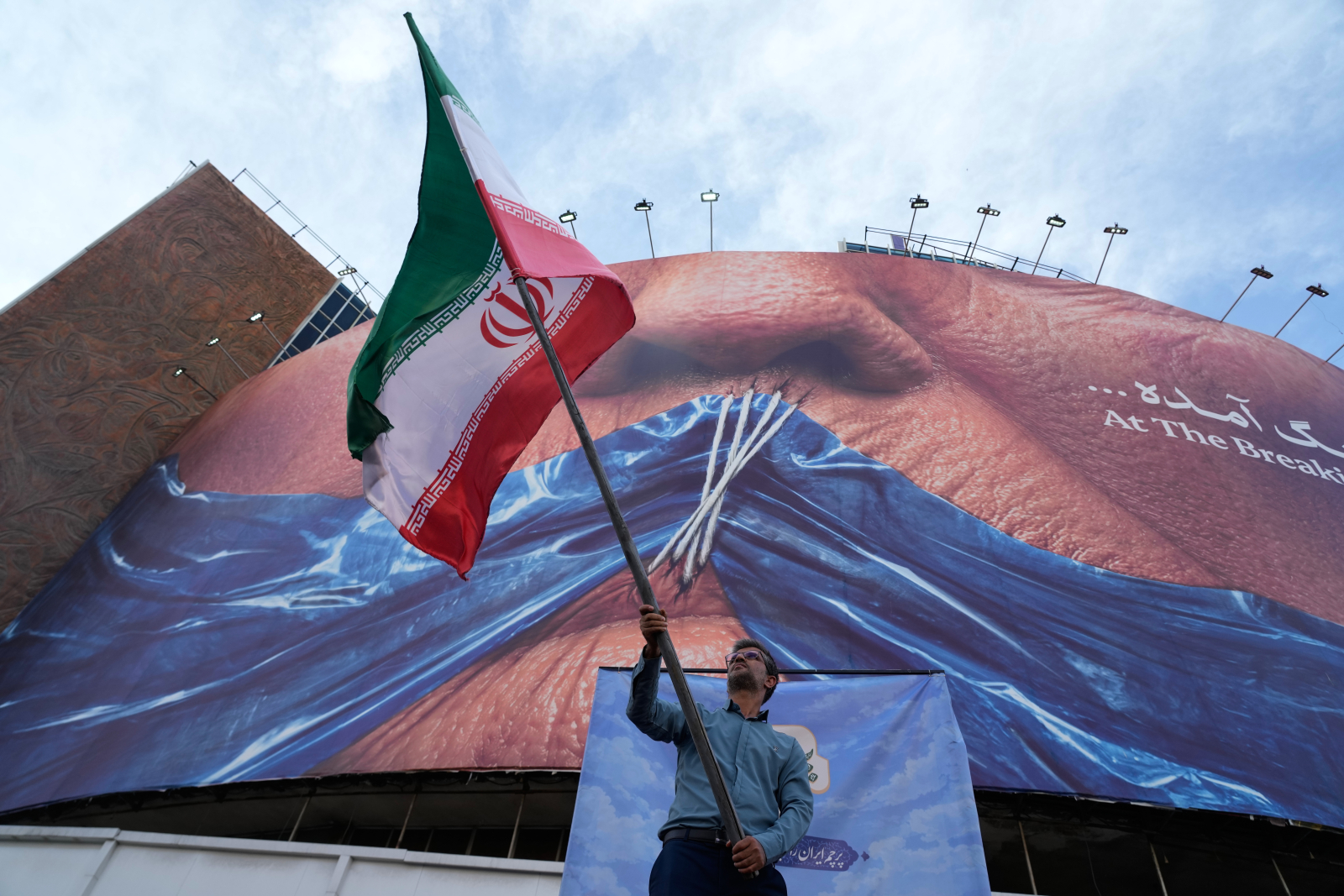
Minimal influence
As trust in American security guarantees wanes, Gulf states have few means of influence over Tehran beyond trade, investments, and economic cooperation. Analysts warn that diplomacy alone will hardly provide the security guarantees that Gulf states seek. Alhasan, from the IISS, doubts that Iran would abide by a non-aggression pact "in the absence of a credible Arab deterrent capability in the Gulf," arguing that Gulf states must first create "the appropriate strategic conditions to give Iran incentives." "A non-aggression pact is unlikely to change Iran’s strategic calculation," he said.
Rethinking relations with Iran
Gulf commentators in state-linked media are also beginning to grapple with deeper questions about Iran's role in the region, moving beyond the confrontational rhetoric that dominated for years. Even before the war, noted Saudi commentator Abdulrahman Alrashed rejected the idea in an article that a weak, isolated Iran is good for the Gulf. The goal, he said, is not the permanent weakening of the Islamic Republic, but the change of its behavior and its integration into a more stable regional order. If the Gulf states are rethinking their relationship with Iran, it is partly because they are also rethinking their relationship with Washington.
They do not trust the Americans
"The idea that America is a strategic ally one can rely on is now strongly questioned in the Gulf states," said Firas Maksad, managing director for the Middle East and North Africa at Eurasia Group, who argued that the war was the culmination of years of disappointments that had already eroded Gulf trust in American security guarantees. "The Gulf countries… must find a way to reach an understanding with Iran because they do not fully trust the United States. In the long term, this is not just about de-escalation, but also deterrence. They must strengthen their own military capabilities."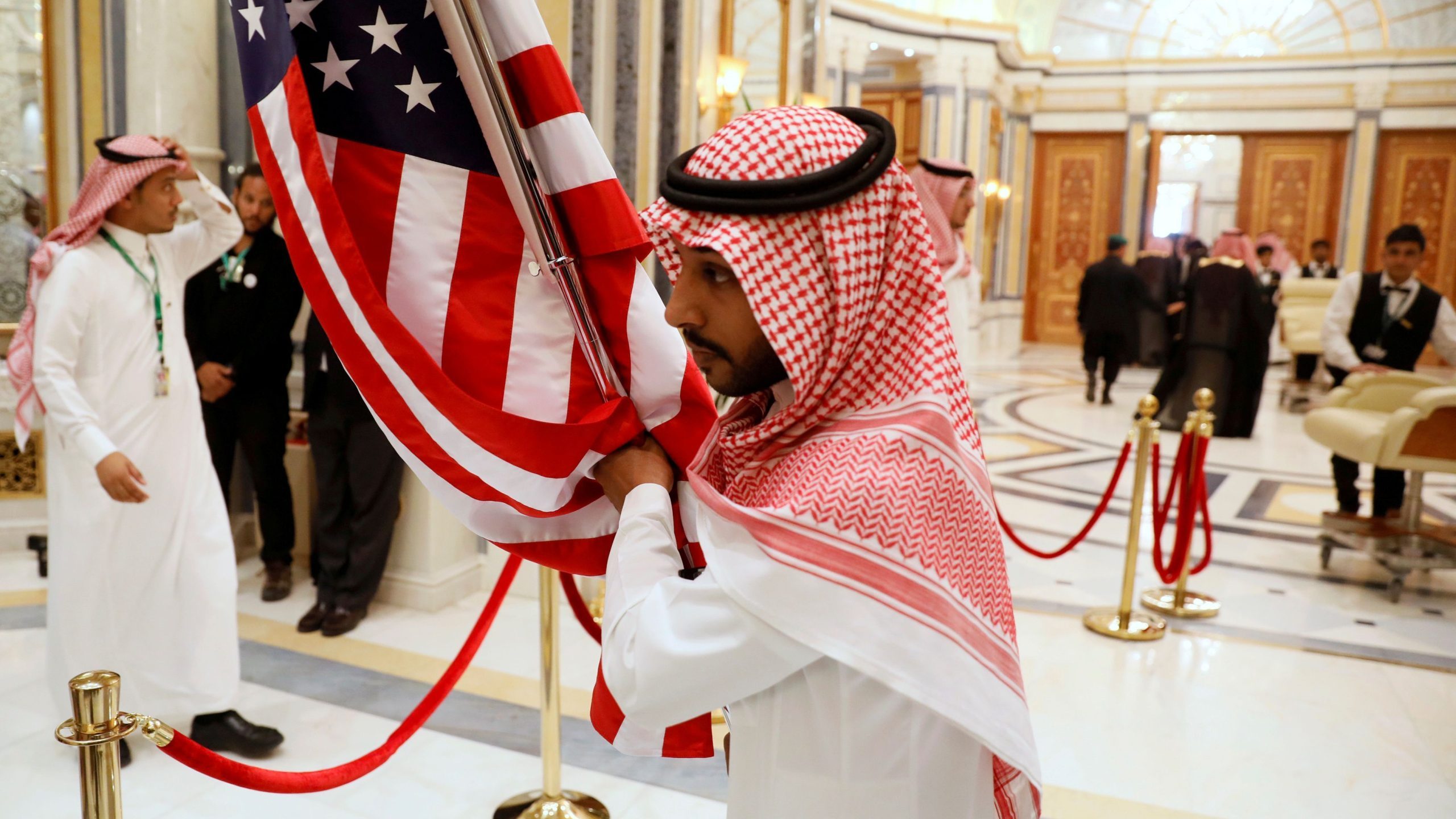
The established model
The Middle East was integrated into a US-led order in which Washington provided military protection and ensured the political conditions for the region's inclusion in the global economy. The US secured maritime trade routes, guaranteed energy flows, and supported a dollar-based oil market. Oil revenues were recycled through Western financial markets, regional economies were oriented toward globalization under US leadership, and American military power acted as the ultimate guarantor of stability. The cohesion of this order rested on the fact that both its economic and security dimensions were guided by the same power.
The role of China
According to Foreign Policy, today, this alignment is eroding as the redistribution of economic power toward China reshapes geopolitics. While the US now exerts influence mainly through military power and security provision, China has expanded its presence through trade, infrastructure, state economic policy, and increasingly, by presenting itself as a predictable actor on the international stage. This current readjustment will likely take decades to complete, but rarely have economic dependence and security provision been so clearly concentrated in different hands. For 70 years, the US-led order endured because trade and security moved together.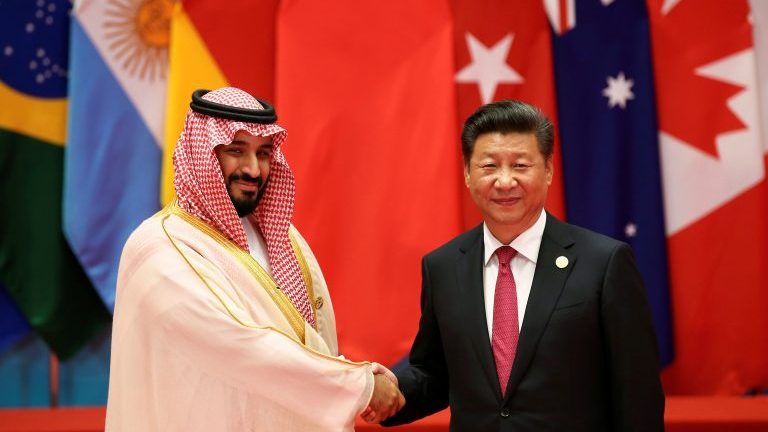
Reversal
The Middle East is the first major arena where this cohesion is dissolving. Economic dependence and security provision now point in different directions, and the result is not a clean transfer from one hegemon to another, but a potential disintegration of hegemony itself. For most of the post-war period, China was a regional player in the Middle East—an oil buyer with little political weight and limited strategic ambitions. This changed with the launch of the Belt and Road Initiative in 2013, which inaugurated a new era of cooperation focused on energy and infrastructure.
$400 billion trade
The scale of the shift is impressive: trade between China and the Arab world grew from about $36 billion in 2004 to nearly $400 billion in 2024. China has become the world’s largest importer of crude oil and the largest trading partner of the Middle East. Meanwhile, Beijing has strengthened its diplomatic presence throughout the region, most notably by mediating the rapprochement between Saudi Arabia and Iran in 2023, while maintaining no military bases in the region.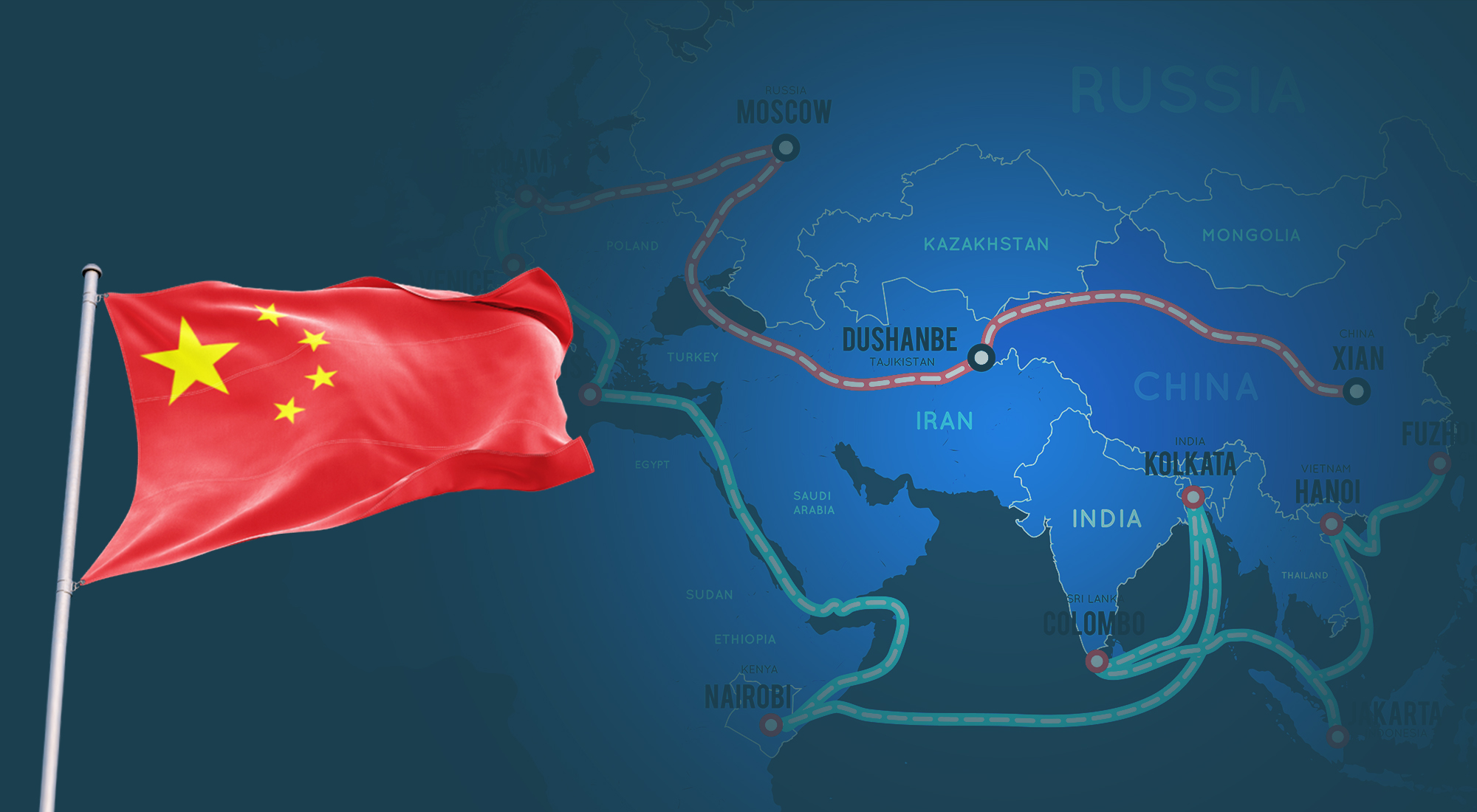
US bases in 19 locations
Conversely, the US maintains military facilities in at least 19 locations in the Middle East and continues to support the defense of Gulf countries through aircraft carrier deployments and missile defense systems. They lead counter-terrorism operations, arm their partners with tens of billions of dollars in arms sales, and consider the continuous flow of energy from Gulf states a standing strategic commitment. Since 2019, they have been a net energy exporter and compete with regional producers in international markets. But while the United States remains the pillar of security, it no longer bears the economic weight of the region.
How Hormuz hit China
The war with Iran highlighted this reversal with absolute clarity. When the conflict stifled traffic through the Strait of Hormuz, the power most exposed was China. As the largest importer of oil moving through the Strait, China saw its primary energy artery held hostage by a conflict in which it had no participation and no military power to manage. The US, for its part, relied on a naval blockade of Iranian ports as a key lever of pressure, committing military resources to control a strategic passage, while the commercial beneficiaries are mainly in Asia.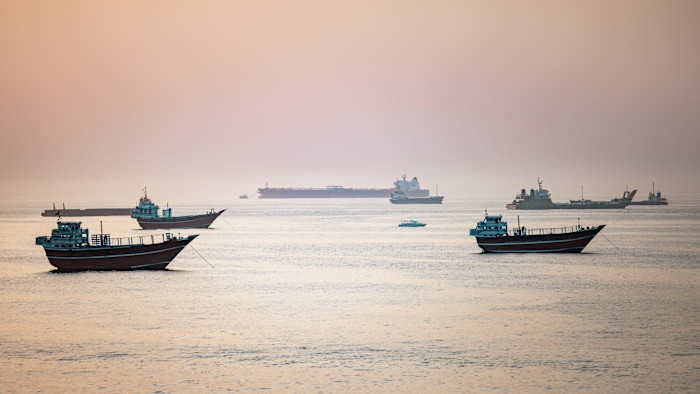
Mismatch
This mismatch between where trade flows and where military power is located means that economic interdependence no longer matches alliance structures. States sell their oil to one major power while relying on another for protection, and their economic and strategic partners increasingly operate with different strategic priorities and different threat perceptions. The tensions of this dynamic are already evident: when the United States asked several NATO allies, as well as China, Japan, and South Korea, to contribute to the policing of the strait, they refused—leaving the US to shoulder a burden whose economic benefits end up elsewhere.
New balances
As Washington’s commitments seem increasingly disconnected from its economic interest in the Middle East, the result is weaker deterrence, a greater risk of miscalculation by adversaries, and an increasing tendency toward balancing rather than full alignment. States in the region are now flirting with China economically, with the United States militarily, and with Russia or other actors opportunistically. Under these conditions, Middle Eastern states are pushed toward a balance they will manage themselves. What is emerging is not autonomy in the traditional sense, but something narrower and more pragmatic: a gradual shift from an order mediated by external powers toward a regionally negotiated coexistence. Gulf states are now coordinating with their neighbors on energy infrastructure, transport corridors, and supply chains in ways that would have been politically unthinkable a decade ago. Quiet channels between Saudi Arabia and Iran, Turkey and Egypt, as well as the UAE and Qatar, are increasingly replacing Washington's "good offices."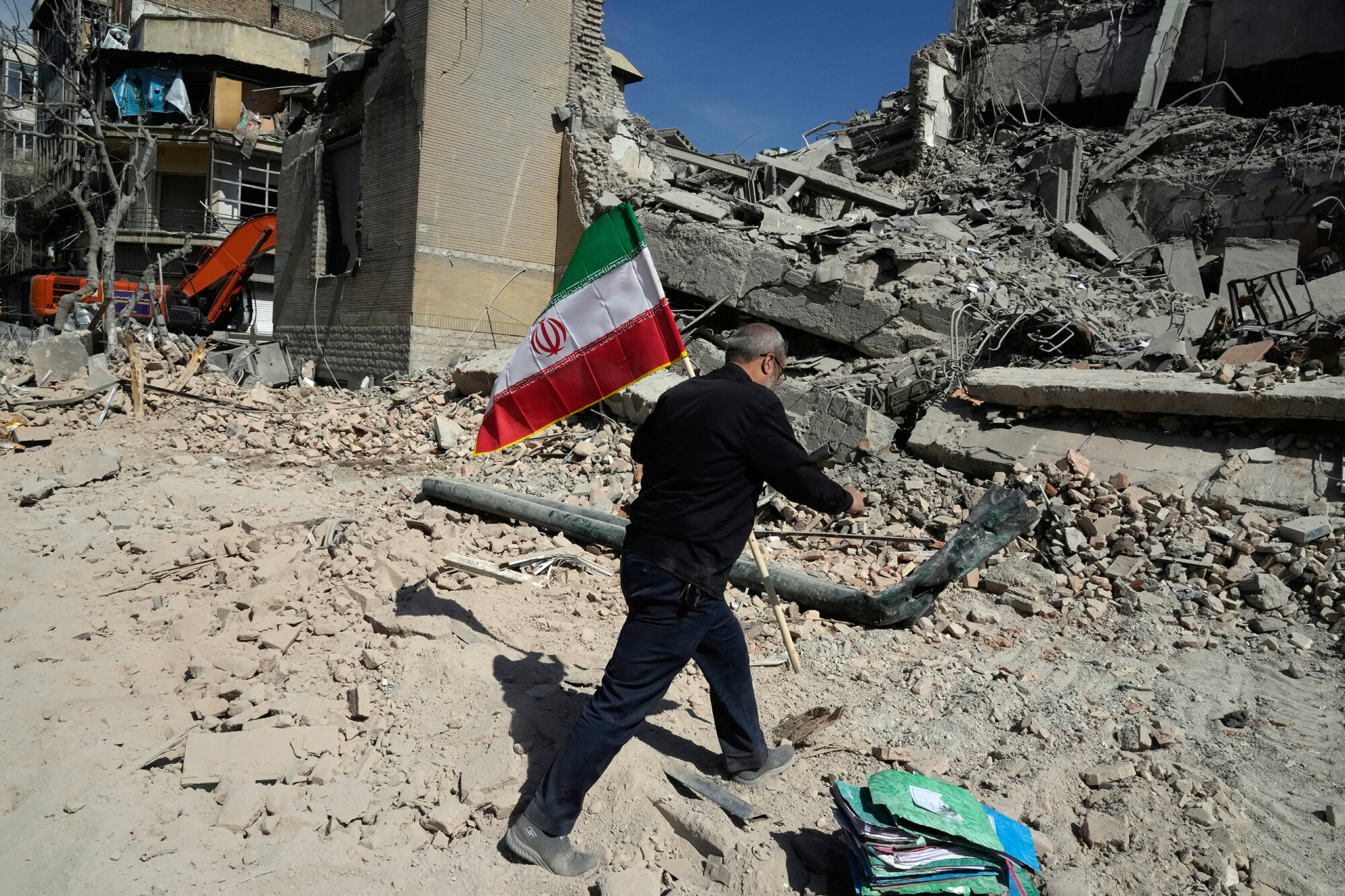
The lesson
The US-Iran war may, at first glance, appear to disprove this thesis. However, the way the conflict was resolved sharpened the region’s dilemma rather than easing it. The US showed that it can still start, escalate, and stop a war, while China, the region's main economic partner, remained on the sidelines. Moreover, although the war was devastating for the entire region, its management was done on a timeline and terms determined bilaterally by the US and Iran. For the Gulf states, the lesson was not that their security protector is unreliable, but that its commitments—increasingly cut off from its economic interests—have become unpredictable. This exposure pushes them toward more autonomous arrangements.
Crisis in the US
The war started by Trump with the goal of exerting "maximum pressure" on Iran turned into one of his most costly and controversial political decisions. Today, the US political scene is not just witnessing a disagreement between Republicans and Democrats, but the formation of a kind of general consensus around the heavy cost of war, which Americans consider unnecessary, ineffective, and contrary to their national interests. The latest polls sketch a worrying picture for the White House. According to a CBS News and YouGov poll, the majority of Americans believe that the war against Iran not only solved no problems but, on the contrary, made them worse.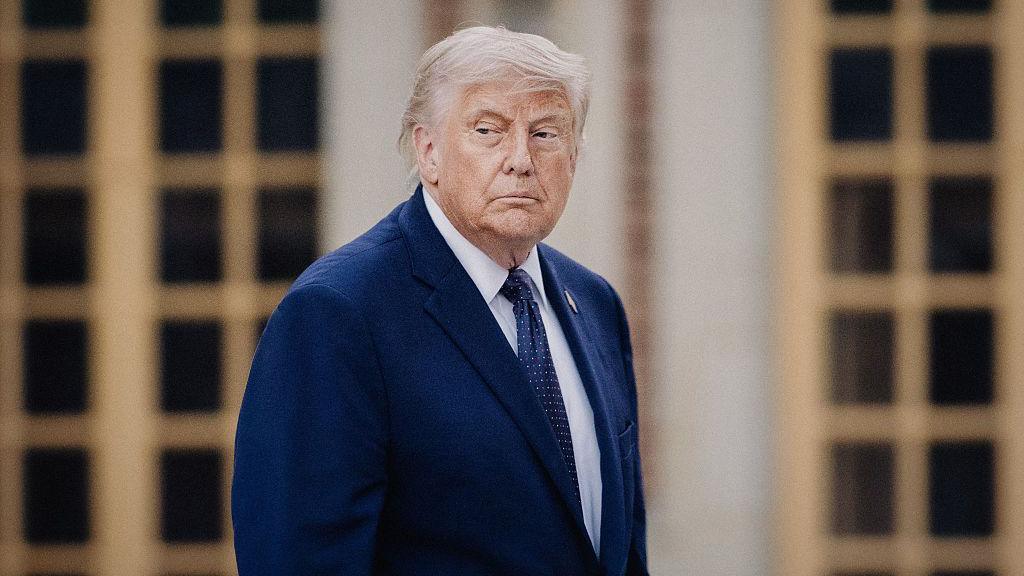
The economic factor
The US's historical experience has shown that the country's voters care more about their economic situation than anything else. Rising energy prices, increased transportation costs, turbulence in international markets, and the pressures caused by geopolitical uncertainty have directly affected the daily lives of Americans. According to estimates, since the start of the war with Iran, every American citizen has been burdened on average by an additional $500—and this because of the war itself. To better understand this amount: the average American citizen is just $400 away from financial collapse. For a citizen worried about rent, loan installments, or health expenses, a war thousands of kilometers away can only be justified if it offers direct and tangible benefits—something that has not happened so far. As the cost of the war rises without visible results, the political pressure on the White House intensifies.
The limits of American power
The recent war was not only a test for Iran but also a test of the US’s ability to manage the complex crises of the 21st century—a test whose results have raised serious questions about the effectiveness of policies based mainly on the use of force. Perhaps the most significant consequence of this war is the collapse of the perception that military power can quickly and at a low cost change political balances in the region. The experience of the last few weeks has shown that wars are much harder to end than they are to begin... Meanwhile, it became clear that what was supposed to be a display of American power has turned, more than anything else, into a symbol of the limits of that power and the enormous costs of policies reliant on military confrontation.
www.bankingnews.gr


Σχόλια αναγνωστών