

Europe is preparing for a scenario that threatens to overturn the foundations of its post-war security architecture: a gradual American withdrawal from its role as the guarantor of European defense. A new study by the European Union Institute for Security Studies (EUISS) calls on European governments to stop taking the American military "umbrella" for granted and move toward deeper military integration to face the Russian threat with their own forces. However, behind the ambitious announcements of strategic autonomy, the reality is much harsher: the European defense industry is struggling to implement even its most iconic armaments programs, while plans for the new MGCS main battle tank and the sixth-generation FCAS fighter risk becoming symbols of Europe's weaknesses, rivalries, and technological lag. At a time when Brussels speaks of military independence, Europe is still searching for the means to make it a reality.
The study
Europe must prepare for a possibility in which the US ceases to play its current decisive role in ensuring collective defense through NATO, states the study titled "Defending Europe and Deterring Russia: Resources, Readiness, and Resolve," published on the European Union Institute for Security Studies (EUISS) website. "The ultimate goal should be an alliance in which Europeans form the basis of the system, while the United States no longer functions as the irreplaceable pillar state," the document states.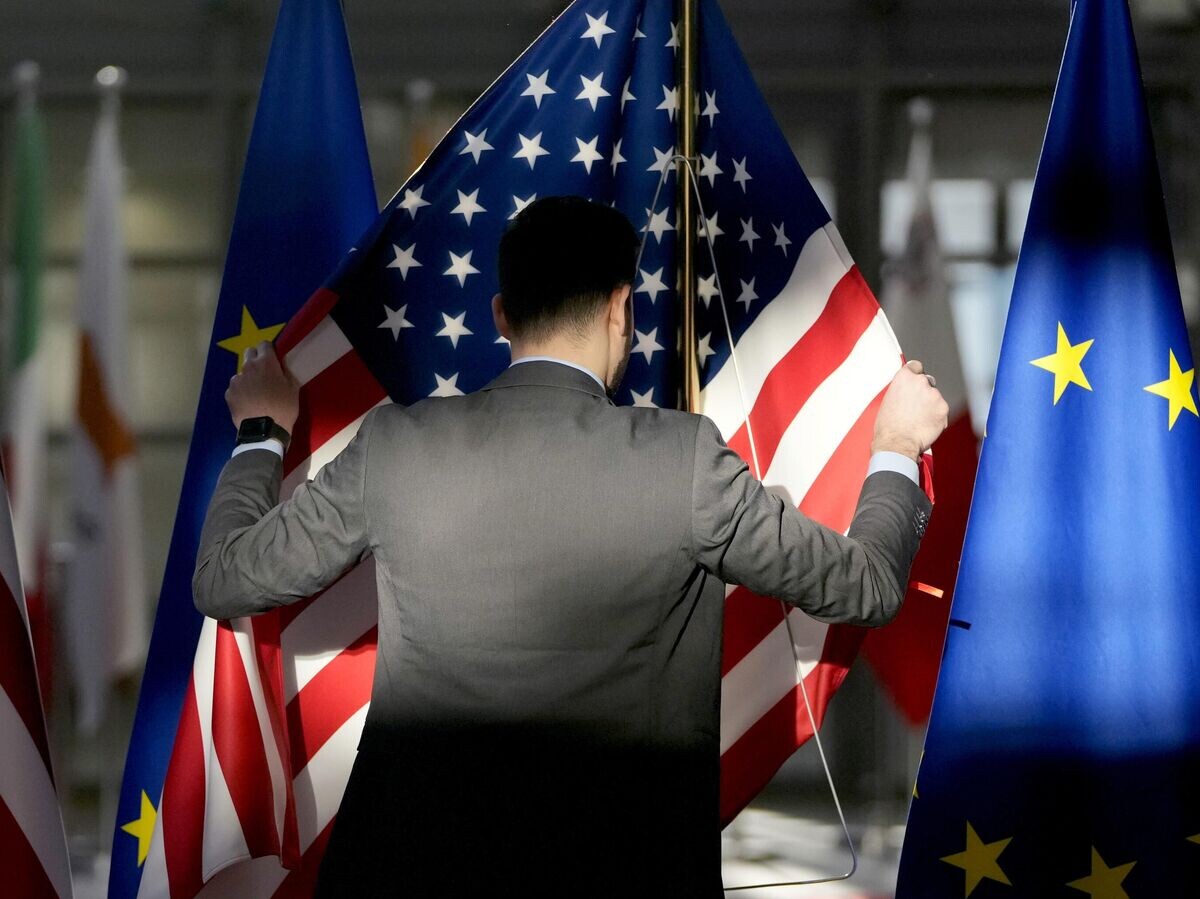
Unified force
The authors of the study point out that Europe's defensive capacity will depend not so much on increasing military spending—despite incessant calls for enhanced defense funding from NATO Secretary General Mark Rutte and EU Defense Commissioner Andrius Kubilius—as on the readiness of European armies to act as a unified force. "Europe's ability to deter will not be assessed based on how much it spends on defense, but on whether its armed forces can truly act together in crisis conditions," the report notes. EUISS experts believe that the current coordination between European states is no longer sufficient. "Gradual coordination is no longer enough," the authors note, calling for a transition from "parallel national armies" to "truly integrated operational systems."
The proposal
The document essentially proposes the further deepening of the military integration of European states, including the shared use of weapon systems, logistics support, command systems, and individual military capabilities. The authors also favor the creation of more resilient European armed forces command mechanisms, which will be able to function with significantly reduced support from the US.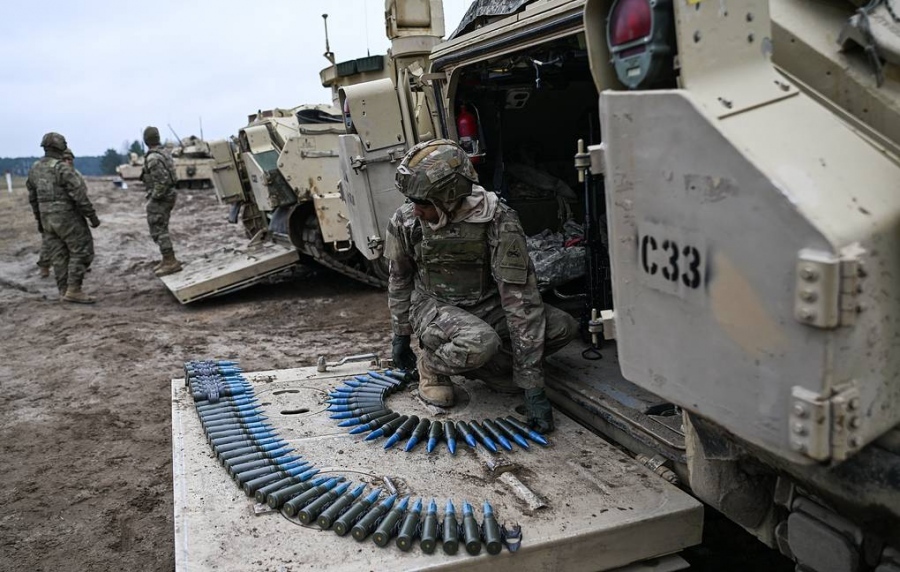
What they say about Russia
In the study, the necessity of these measures is attributed to the fact that Russia has already managed to adapt its armed forces to modern conditions, increase its defense production, and develop new methods of conducting military operations. At the same time, the main emphasis of the document is not on Russian military potential, but on the problems of Europe itself, which, according to the authors' assessment, remains overly dependent on American military support.
A more European... NATO
As one of the most realistic scenarios, researchers mention the gradual formation of a "more Europeanized NATO," in which the main burden for ensuring security on the European continent will be assumed by European countries. In recent years, Russia has pointed to unprecedented NATO activity near its western borders. The Alliance is expanding its initiatives and characterizes this policy as "deterring Russian aggression." Russian authorities have repeatedly expressed concern about the strengthening of NATO forces in Europe. The Russian Foreign Ministry has repeatedly stated that Russia remains open to dialogue with NATO, but on an equal footing, while emphasizing that the West should abandon the path of militarizing the European continent.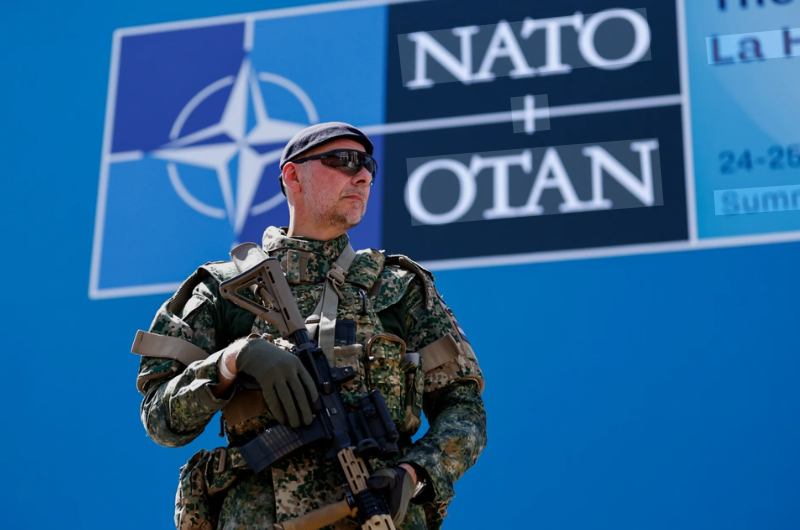
"We have nothing to fight with"
At the same time, ambitious military programs are being abandoned in the European Union. As reported, two Franco-German plans are under threat: the development of a new battle tank and a sixth-generation fighter aircraft. The reasons are economic, technological, and corporate.
The tank of the future
The Franco-German MGCS (Main Ground Combat System) program is intended to replace Germany's (Leopard 2) and France's (Leclerc) main battle tanks by approximately 2040. It began in 2017. Paris and Berlin had particularly ambitious plans. It was not just about developing a new battle tank, but about creating an entire family of tracked armored vehicles on a common chassis. Furthermore, all this equipment would be integrated into a single network, interacting closely with drones and other reconnaissance assets.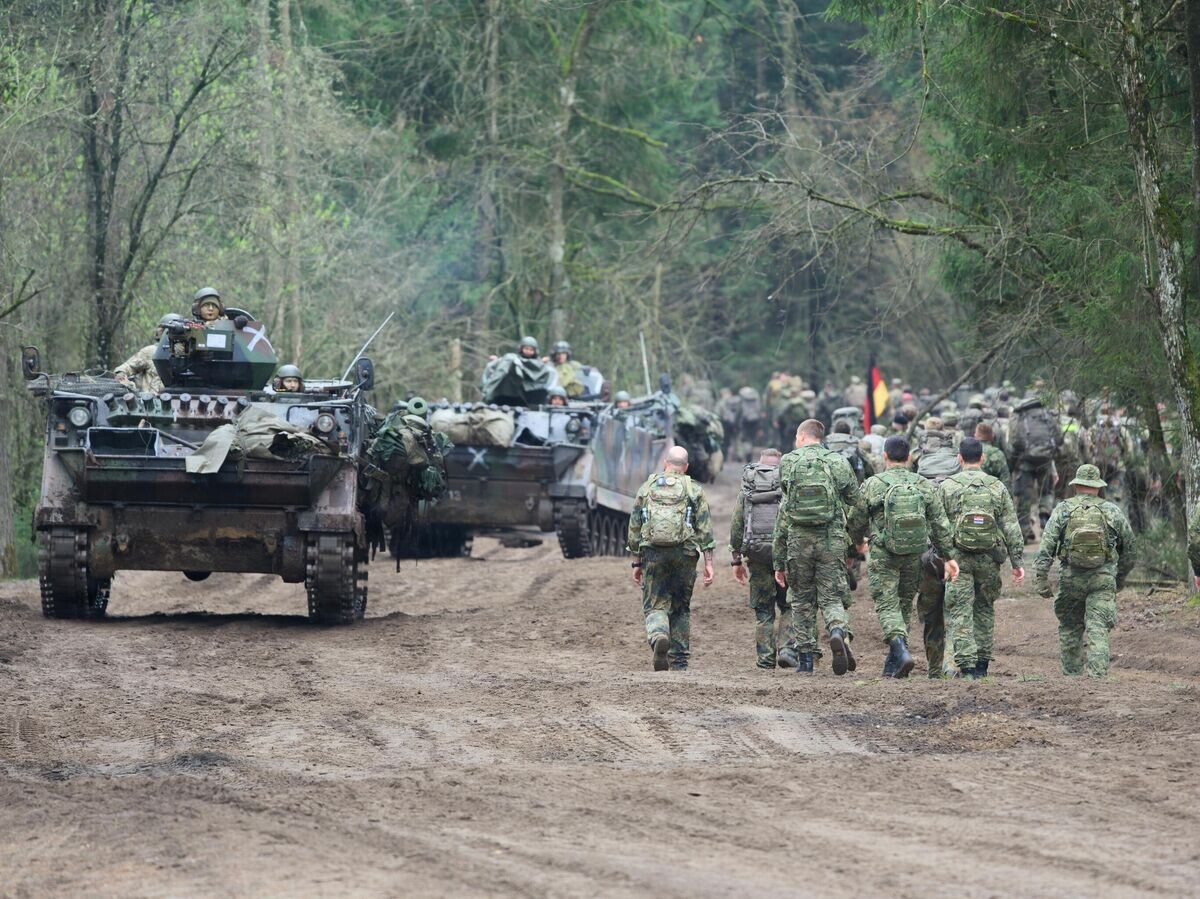
Technological revolution in land operations
The basic idea was a technological revolution in the conduct of land operations. The French and Germans did not want to be limited to modernizing existing vehicles. There was talk of a fundamentally new land platform, equipped with all existing and future technological innovations, including artificial intelligence. Thanks to a high degree of automation, a reduction of the crew to two people was envisioned. At the same time, there were plans to increase the gun caliber to 130-140 millimeters. The project was undertaken by the Franco-German defense group KNDS (KNDS Deutschland and KNDS France), the German giant Rheinmetall, and the French company Thales. In April 2024, the Defense Ministers of Germany and France signed a memorandum of understanding in Paris providing for an equal distribution of responsibilities between the two countries' defense industries. The expected cost of the program is approximately €100 billion.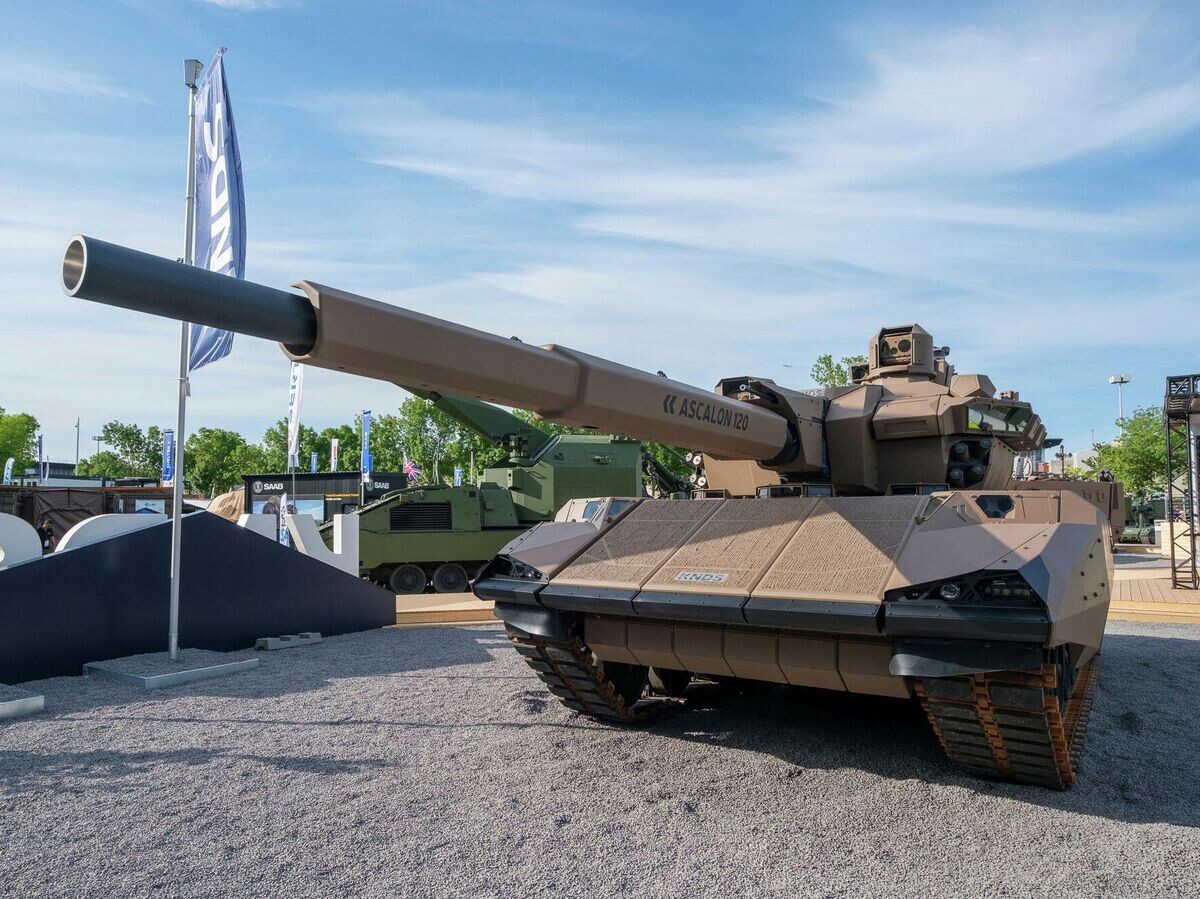
In March 2024, the two sides announced significant progress in negotiations and an agreement on the terms of joint production, including the creation of a KNDS branch in Ukraine. On paper, everything looked smooth, but the program faced serious difficulties. Today, France is warning of a reduction in MGCS funding by more than half, which puts the entire program at risk. The head of Rheinmetall, Armin Papperger, admitted that he is not sure about the project's prospects. According to him, the program will at least be postponed indefinitely, while the capabilities of the future vehicle will have to be significantly limited. Such developments are not unusual when, at the stage of technical specifications, the customer sets overly ambitious goals for the industry and the economy. The United States, for example, has canceled dozens of military programs for similar reasons.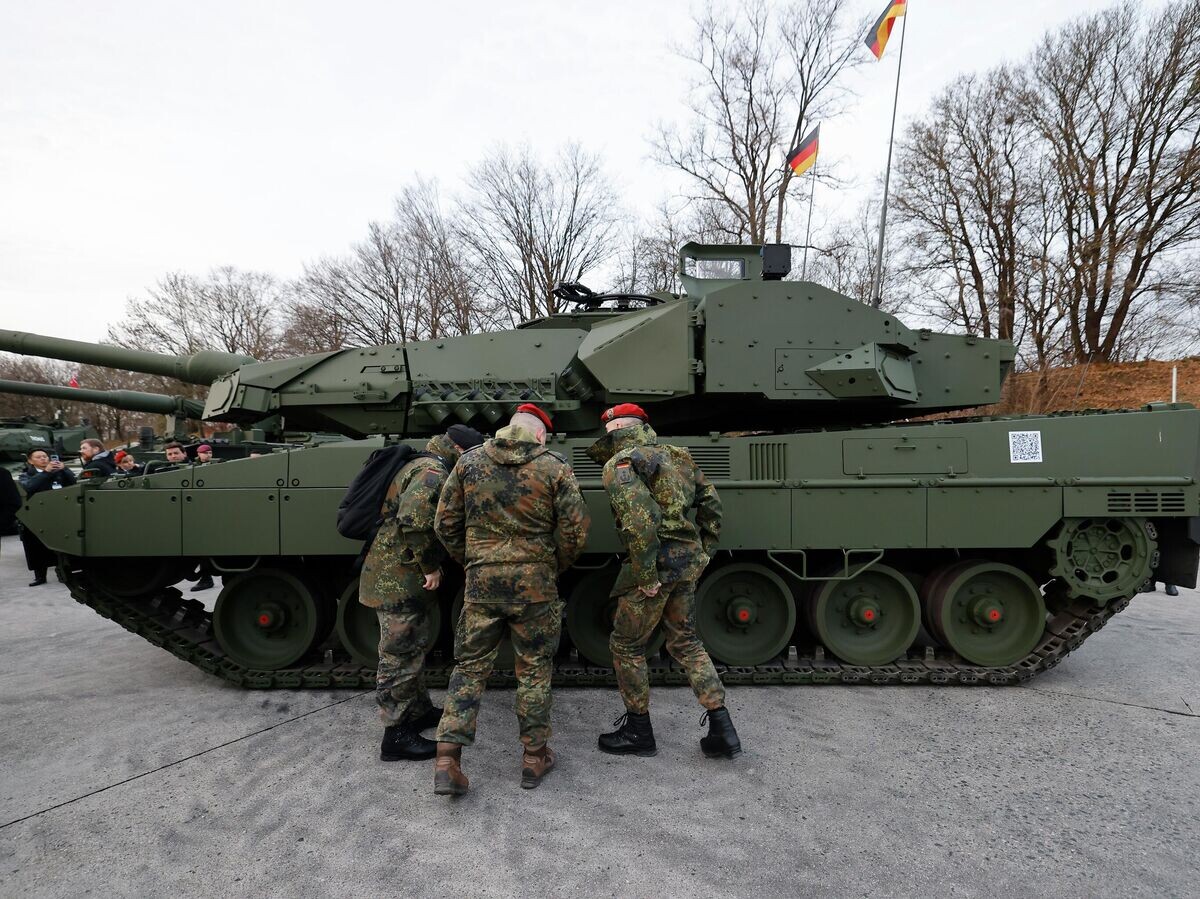
The fighter of the future
The FCAS (Future Combat Air Systems) is a Franco-German program to develop a sixth-generation fighter aircraft. It also started in 2017, primarily on the initiative of then-German Chancellor Angela Merkel. Here too, the goal was not just the construction of a new aircraft, but the creation of a "system of systems": an integrated web that would include a manned fighter, drones, and secure data networks for information exchange between all elements. FCAS was intended to replace the Dassault Rafale and Eurofighter Typhoon fighters serving in the air forces of France and Germany, also by approximately 2040. Main contractors were Dassault Aviation and Airbus Defence and Space. Spain also had limited participation in the program. The total budget also reached €100 billion. However, work on the FCAS has now been completely stopped, and the fighter project is considered definitively canceled.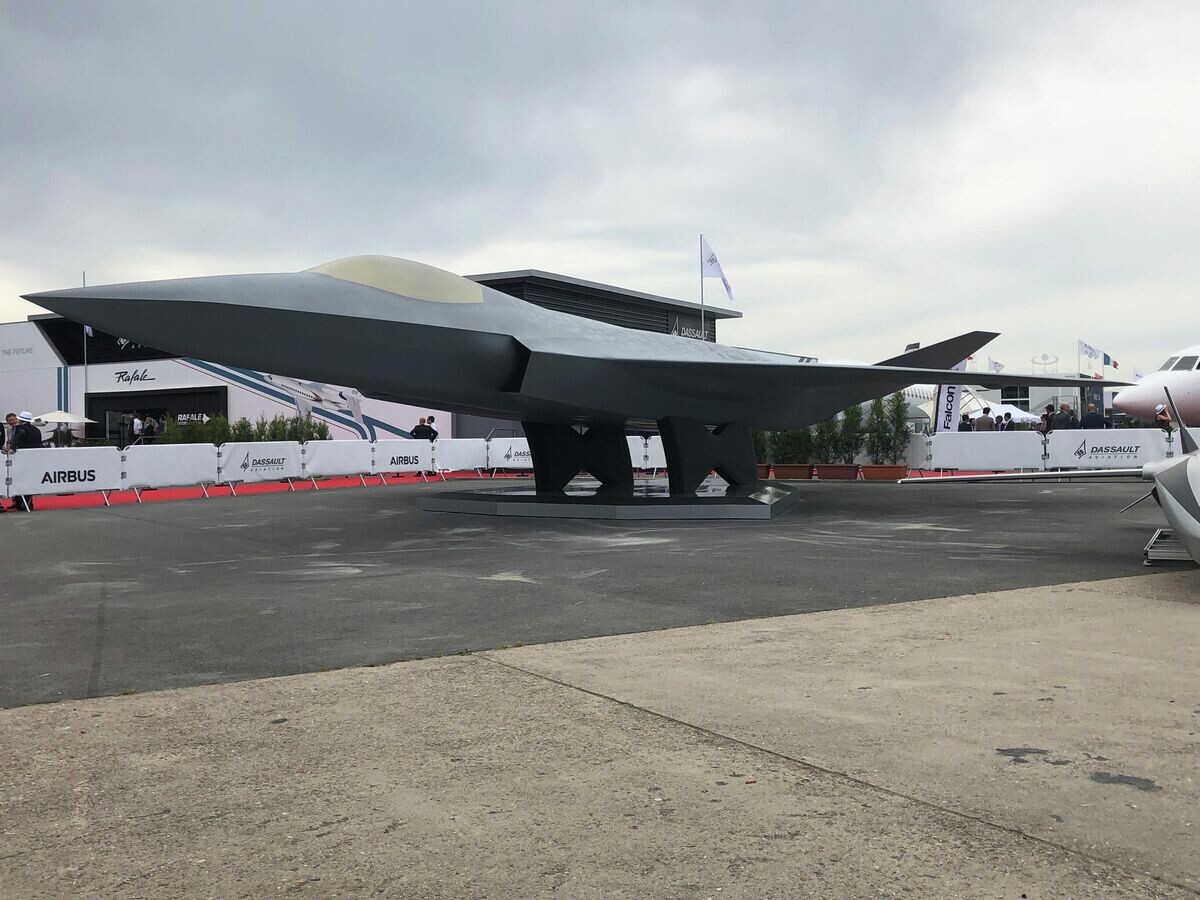
Long-standing disagreements
This is the result of years of disagreements between Germany and France. The Airbus and Dassault groups never managed to agree on who would have the leading role in the program. Chancellor Friedrich Merz and President Emmanuel Macron concluded that the contractors are not in a position to implement the project. And now there is no immediate European solution to replace fourth-generation aircraft. The only alternative to the Rafale and Typhoon today is the fifth-generation F-35 Lightning II fighters, which the United States is eagerly selling to many countries. For Paris and Berlin, which rely primarily on European weapon systems, purchasing American aircraft would be a serious blow to the prestige of their national defense industries. However, options are limited.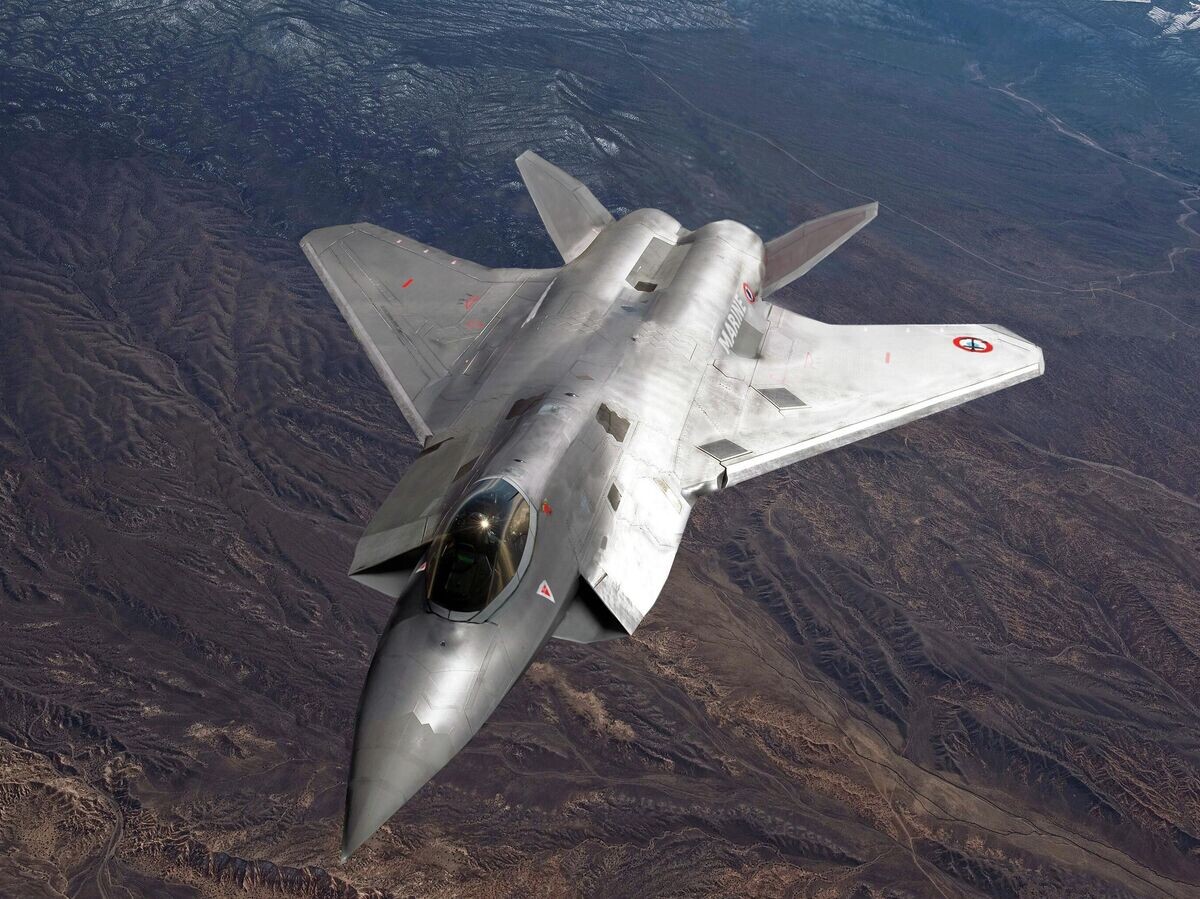
Unnecessary expenses
The European industry flourished thanks to cheap Russian natural gas. Abandoning energy resources from the East sharply increased the production costs of complex military systems. Strengthening the defense industry at the expense of the civilian sector may cause dissatisfaction among the electorate. For the leaders of France and Germany, who already do not enjoy particularly high popularity, this could mean the end of their political careers. On the other hand, Europeans have relied for decades on the American "security umbrella." The defense sector had operated for years with minimal growth rates.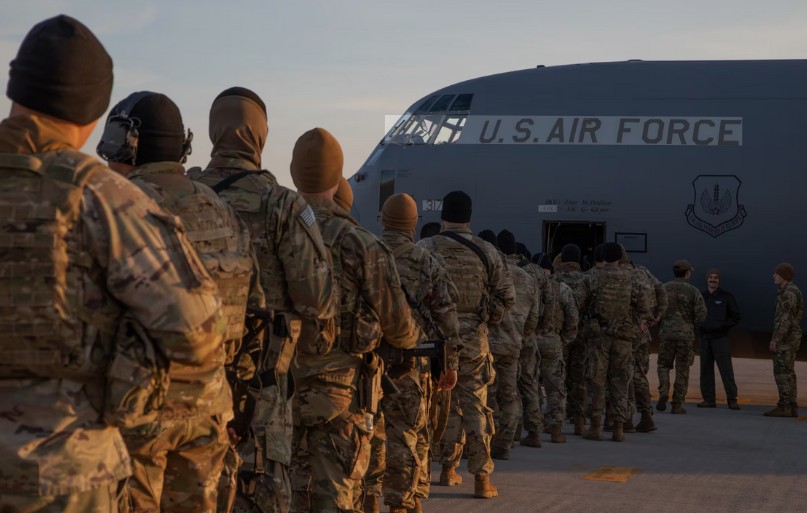
Now, as Washington conspicuously reduces its military presence on the continent, Europe is forced to quickly cover lost ground and revitalize its own defense industry. Yet again, under conditions of an embargo on cheap Russian energy products, this cannot be achieved quickly. Finally, France and Germany have not developed truly new battle tanks or aircraft in a long time. Since the Cold War era, Paris and Berlin have been limited primarily to the modernization of platforms created in the 1970s and 1980s. In conditions of stagnation in design thinking, it is extremely difficult for something truly innovative to emerge. There is also another factor. Before a major war, which Europe is anticipating for the late 2020s, secondary expenses are usually cut. Resources are directed to what can already be mass-produced, so that reserves can be increased quickly. As experience from the war in Ukraine and conflicts involving Iran has shown, today priority is given primarily to ballistic systems, drones, and cruise missiles, and not to "super-tanks" or "miracle" fighter aircraft.
www.bankingnews.gr





Σχόλια αναγνωστών