

On June 11, 2026, the Russia–Ukraine war passed an historic threshold. It surpassed in duration World War I, which lasted 1,568 days, from July 28, 1914 until the Armistice of November 11, 1918. The comparison is heavy. Not only militarily, but also politically, economically, and geostrategically. Because the war in Ukraine did not test only armies, weapons systems, and the endurance of societies. It also tested one of the core beliefs of the West after the Cold War: that economic power, when used in a coordinated manner, can substitute for a military solution.
In 2022, Washington, Brussels, and London believed that Russia would bend under the weight of an unprecedented package of sanctions. The freezing of approximately 300 billion dollars of Russian reserves, the cutting off of banks from SWIFT, an embargo on Russian oil, a 60-dollar price cap on Russian crude, export controls on technology, semiconductors, and dual-use components. It was the largest economic blockade that has ever been imposed on a major economy. Yet four years later, the result is more complex, and much more uncomfortable for the West. Russia paid a price but was not forced into a retreat.
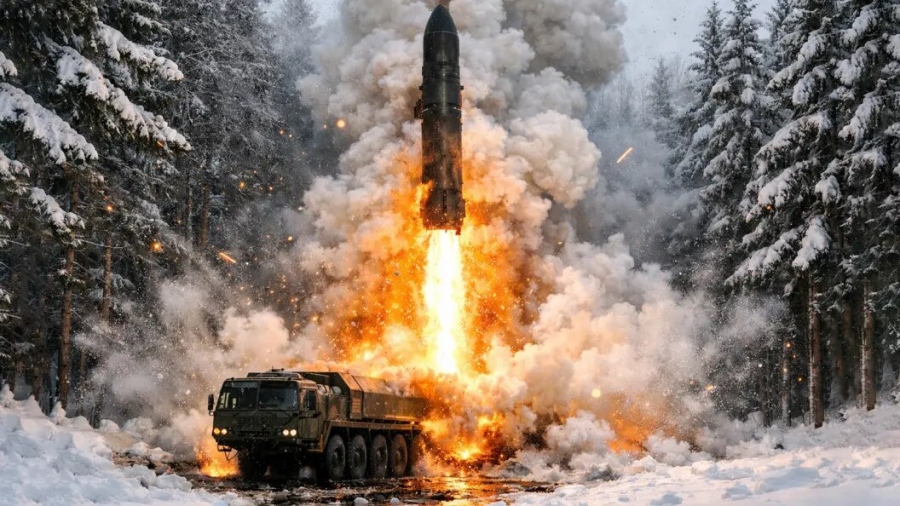
The sanctions hit Russia - but they did not stop it
The Russian economy shrank by 2.1% in 2022. However, in 2023 it returned to a growth of 3.6%, in 2024 it increased by 4.3%, and in 2025 it slowed down to 1%. Moscow did not avoid pressures. It faced inflation, high interest rates, technological isolation, shortages, and the flight of hundreds of thousands of educated workers. Despite all this, the state reorganized the economy around the war.
Defense factories worked in three shifts. Unemployment fell to historic lows. Military spending skyrocketed. In 2025, according to data cited by SIPRI, Russia spent approximately 190 billion dollars on defense, meaning 7.5% of the GDP. The economy of Russia did not become healthy. It became a war economy. And that was enough for the war to continue.
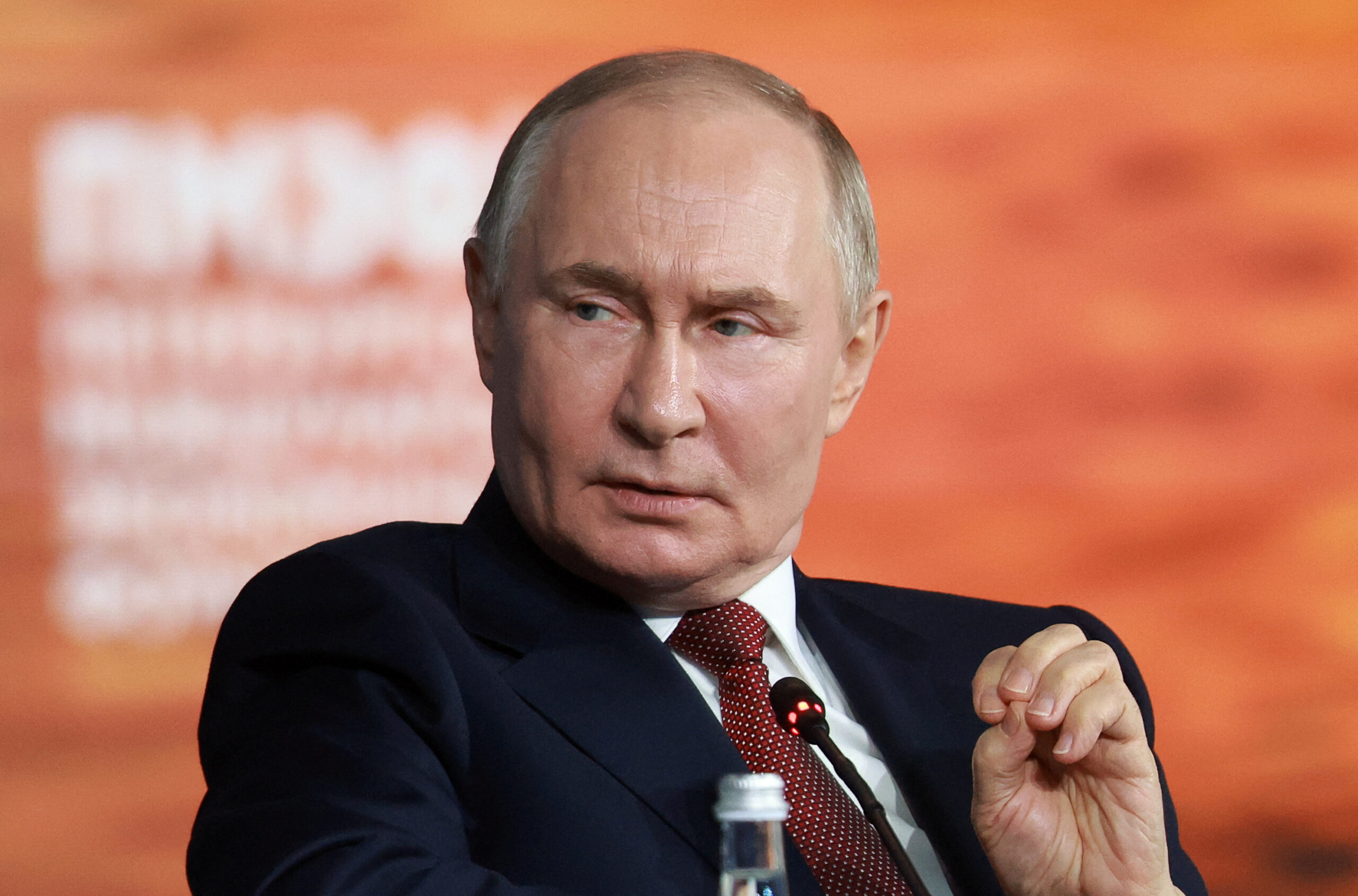
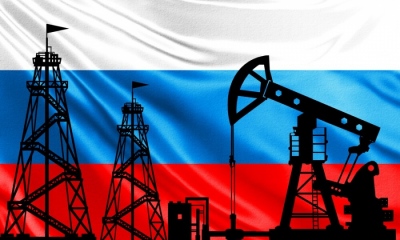
The oil that did not disappear: From Europe to India and China
The first major mistake of the sanctions was that they failed to wipe out the energy revenues of Russia. Europe gradually closed the door to Russian oil and natural gas. However, Moscow found new buyers in Asia.
Russian exports of crude toward India surged from approximately 50,000 barrels per day in 2020 to approximately 1.7 million barrels per day in 2024. China absorbed approximately 2.2 million barrels per day. The share of Asia and Oceania in Russian crude exports increased from 41% in 2020 to 81% in 2024. In contrast, the share of Europe collapsed from 51% to 12%.
Russia also created a "shadow fleet" of hundreds of old tankers, with flags of convenience, so as to bypass the G7 price cap and Western insurance restrictions. The message was clear: as long as there are buyers outside the West, the economic blockade is not complete.
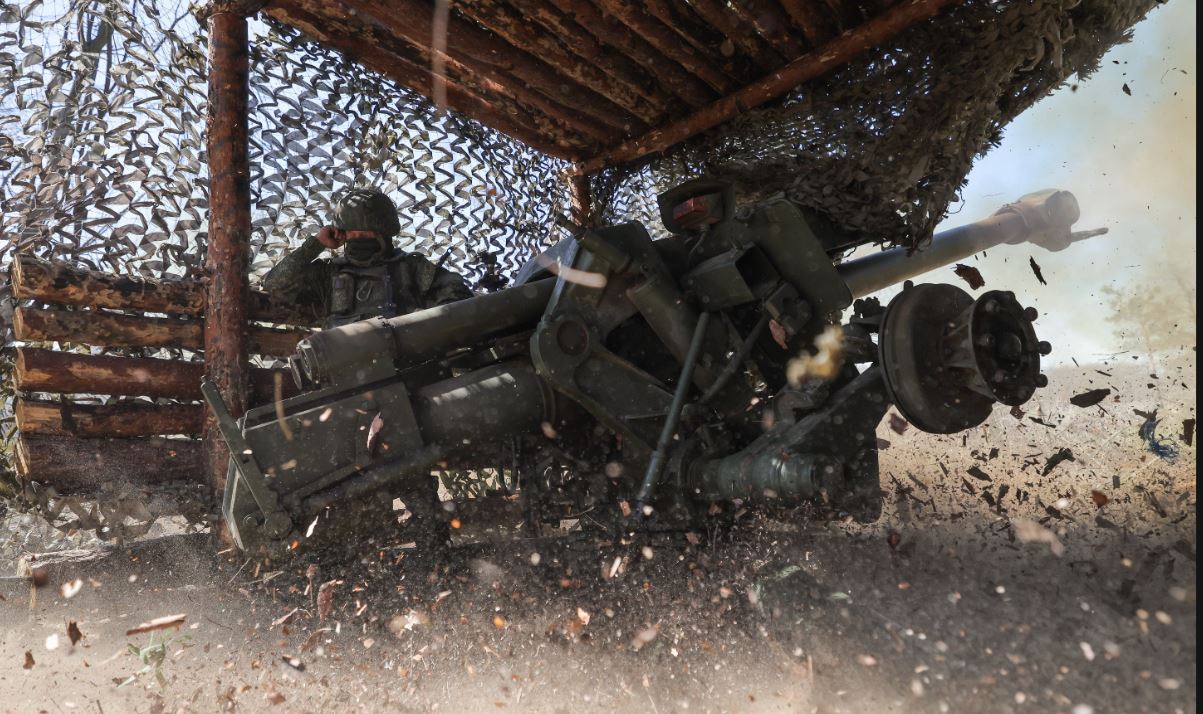
Russia learned to live without the West
The second element of endurance was financial adaptation. After the invasion, Russia imposed capital controls and raised the interest rate to 20% in an extraordinary move, preventing a banking panic. Subsequently, it accelerated the use of SPFS, the Russian alternative system to SWIFT, and increased settlements in yuan with China.
The Chinese currency acquired a central role in the transactions of Moscow. The dollarization of the Russian economy retreated. The sanctions did not isolate Russia completely, they pushed it deeper toward China, India, and the non-Western world.
The freezing of Russian reserves also sent a broader message to many non-Western central banks: dollar reserves are not absolutely neutral. They can become a weapon. This may prove to be one of the greatest long-term consequences of the war.
The new World War I: trenches, drones, and attrition
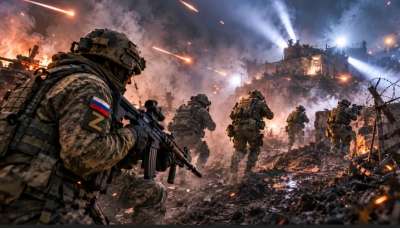
The conflict in Ukraine reminds one more and more of World War I. Not because the technologies are the same. But because the logic of the war looks similar: trenches, industrial attrition, massive use of artillery, small territorial gains at an enormous cost.
The difference of the 21st century is the "transparent battlefield." Drones, satellites, electronic warfare, artificial intelligence, and real-time surveillance make major troop movements extremely difficult. Whatever is concentrated, is detected. Whatever is detected, is struck.
Thus, the war becomes even more attritional. When maneuver is limited, whoever endures the longest wins: in human resources, in industrial production, in ammunition, in political will.
The big difference with 1918: the blockade of Russia is not global
The blockade of Germany in World War I succeeded partly because it was almost universal. Germany had limited capabilities of bypassing it. Russia of 2022–2026 finds itself in a different world.
China, India, Turkey, Gulf countries, states of Asia, Africa, and Latin America did not align themselves fully with the Western line. A large part of the global economy, especially in terms of purchasing power parity, remained outside the sanctions coalition. This is not just an implementation problem. It is a structural problem.
In a multipolar world, the West can impose a cost. It cannot always impose isolation.
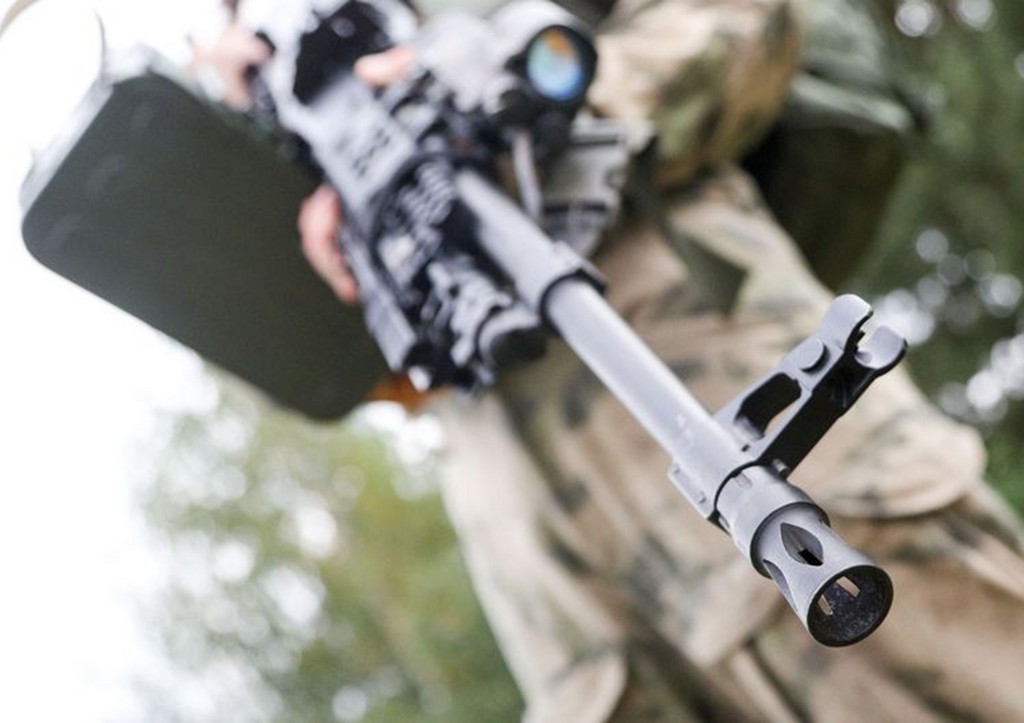
India as the big winner of multipolarity
The stance of India is perhaps the most characteristic example. New Delhi did not choose full alignment with the West. It bought Russian oil with discounts, maintained relations with Moscow, but at the same time kept channels open with Ukraine and the West.
Russia became the largest supplier of crude to India, with a share of approximately 36% in Indian oil imports in 2023–24 and 2024–25. Bilateral trade between India and Russia reached approximately 70.6 billion dollars in 2024.
N. Modi visited Moscow in July 2024 and Kyiv in August of the same year, as the first Indian prime minister to visit Ukraine since the initiation of diplomatic relations between the two countries. India did not move as a neutral power out of inertia. It moved as a rising power that wants to keep all doors open. This is the new game of multipolarity.
The hard conclusion: Sanctions are not enough to bend a determined great power
The core lesson of the 1,573 days is simple but unpleasant for the West. Sanctions can increase the cost. They can slow down an economy. They can cause technological attrition. They can limit financing, make production difficult, and isolate a country from Western markets.
But they cannot, by themselves, impose a strategic defeat on a nuclear-armed, resource-rich great power when it has the political will to endure and access to non-Western markets. Russia is today more dependent on China, more militarized, more technologically pressed, and more cut off from the West. Yet it has not retreated. This is the problem.
The weapon of sanctions is blunted by its use
The greatest consequence may not concern only Russia. It concerns the international economic system itself. With the freezing of state reserves and the weaponization of the dollar, the West showed its power. But at the same time, it gave an incentive to other countries to seek alternatives.
SPFS, CIPS, transactions in yuan, alternative shipping insurance, non-Western payment mechanisms, and parallel commercial networks are no longer a theory. They were tested under real war conditions. And they will stay.
This means that the next package of sanctions, in a future crisis, will function in a more fragmented world. With smaller reach. With more bypasses. With less fear toward Western economic power.
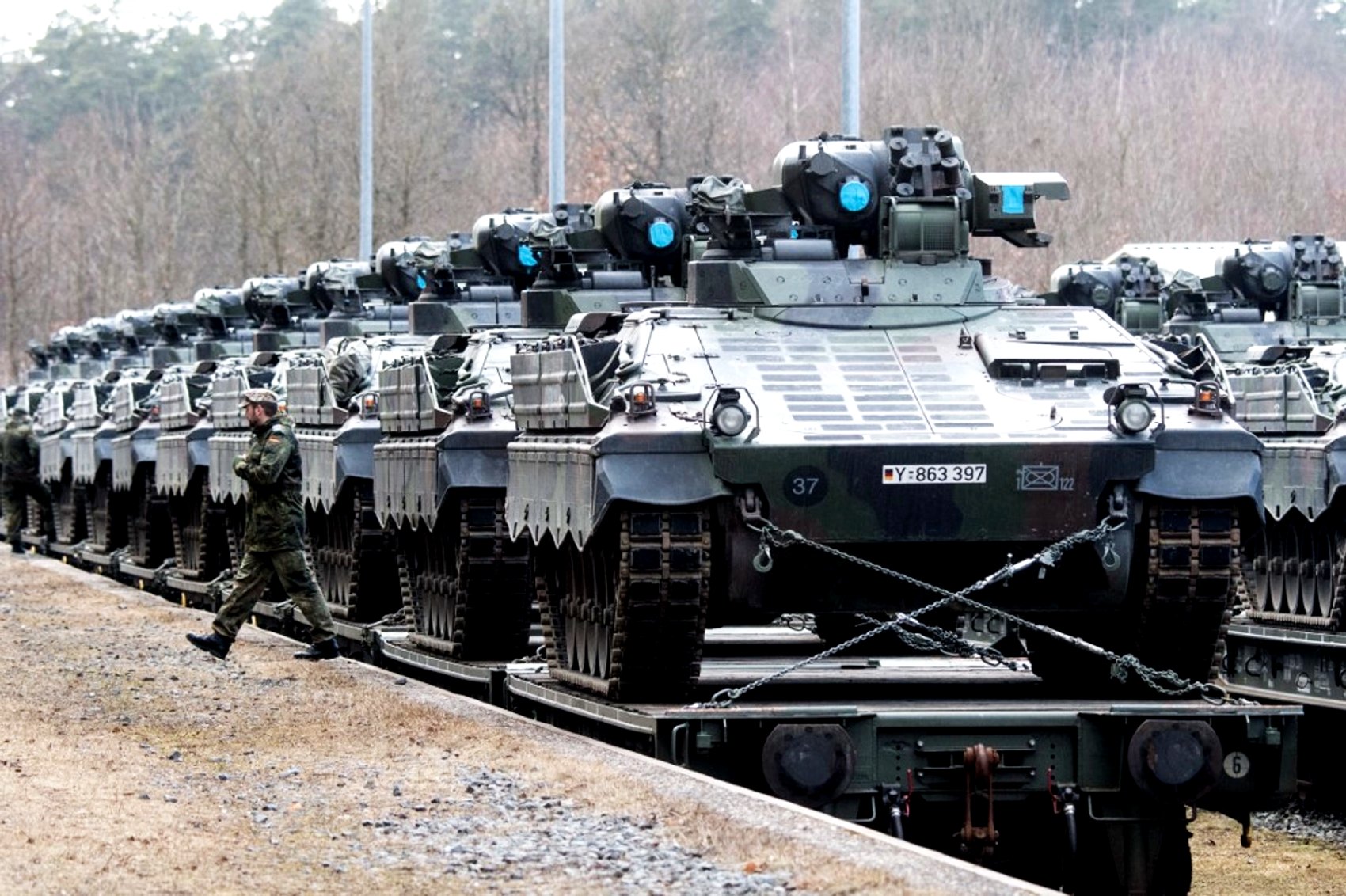
The era of absolute Western economic dominance is over
The question for the West is no longer only how it will create "better sanctions." The question is deeper: how it will build an international order that India, Brazil, Indonesia, the Gulf countries, and other rising powers will have a real interest to defend.
Because without them, no blockade is complete. And without a complete blockade, sanctions remain a tool of pressure, not a tool of capitulation. The war in Ukraine proved something that the West finds difficult to accept: economic power remains immense, but it is no longer absolute.
Russia did not defeat the sanctions without a cost. It endured them at a heavy cost. And that is enough to change the calculations of every future crisis.
www.bankingnews.gr


Σχόλια αναγνωστών