

The war that was presented as the great opportunity for the USA and Israel to bend Iran seems to have ended in a reality very different from the one that had been planned in Washington and Tel Aviv. The statements of Donald Trump from France and his admissions prove that not only did he fail to achieve the strategic goals he had set with his ally, Benjamin Netanyahu, but that he is attempting to manage the political, economic, and geopolitical consequences of a conflict from which he emerged heavily wounded, if not fully defeated. From the abandonment of the rhetoric regarding regime change in Tehran to the admission that the Straits of Hormuz and global energy security could not be ensured without an agreement with Iran, the admissions of Trump compose a picture that stands significantly apart from the narrative of victory and rather sounds a major retreat. And the more the details of the agreement between Washington and Tehran are revealed, the more the impression is reinforced that the forty-day war was nothing but an historic fiasco for the Americans, who see even their presence in the Persian Gulf being questioned.
The goals
The entirety of the recent statements by Trump can be interpreted as the narrative of an attempt to manage the consequences of a defeat, the impacts of which will be visible not only in the region but also in the domestic politics and in the international position of the USA. The forty-day war of the USA and the Israeli regime against Iran started with a series of ambitious goals. Donald Trump and his allies in Tel Aviv hoped that, through extensive military attacks, they would change the regional balances in their favor, break the deterrent power of Iran, and force Tehran to accept terms that they had been trying to impose on it for years. In certain phases indeed, there was talk even of regime change in Iran and unconditional surrender of Tehran.
The final picture
However, now, after the end of the war and the initiation of the agreement process between Tehran and Washington, the statements of the American president present a completely different picture of the reality on the ground. A picture that, above all, shows the gradual retreat of the White House from many of its initial positions and aspirations, a development that was influenced by the strategic defeat against Iran. Trump tried to replace the defeat on the ground with a communication narrative of victory, presenting the agreement with Iran as a great success for the USA. However, within his very words there are admissions showing that Washington not only did not achieve its declared goals but was forced to accept new realities to avoid heavier consequences from the war.
Retreat from the plan to change the political system of Iran
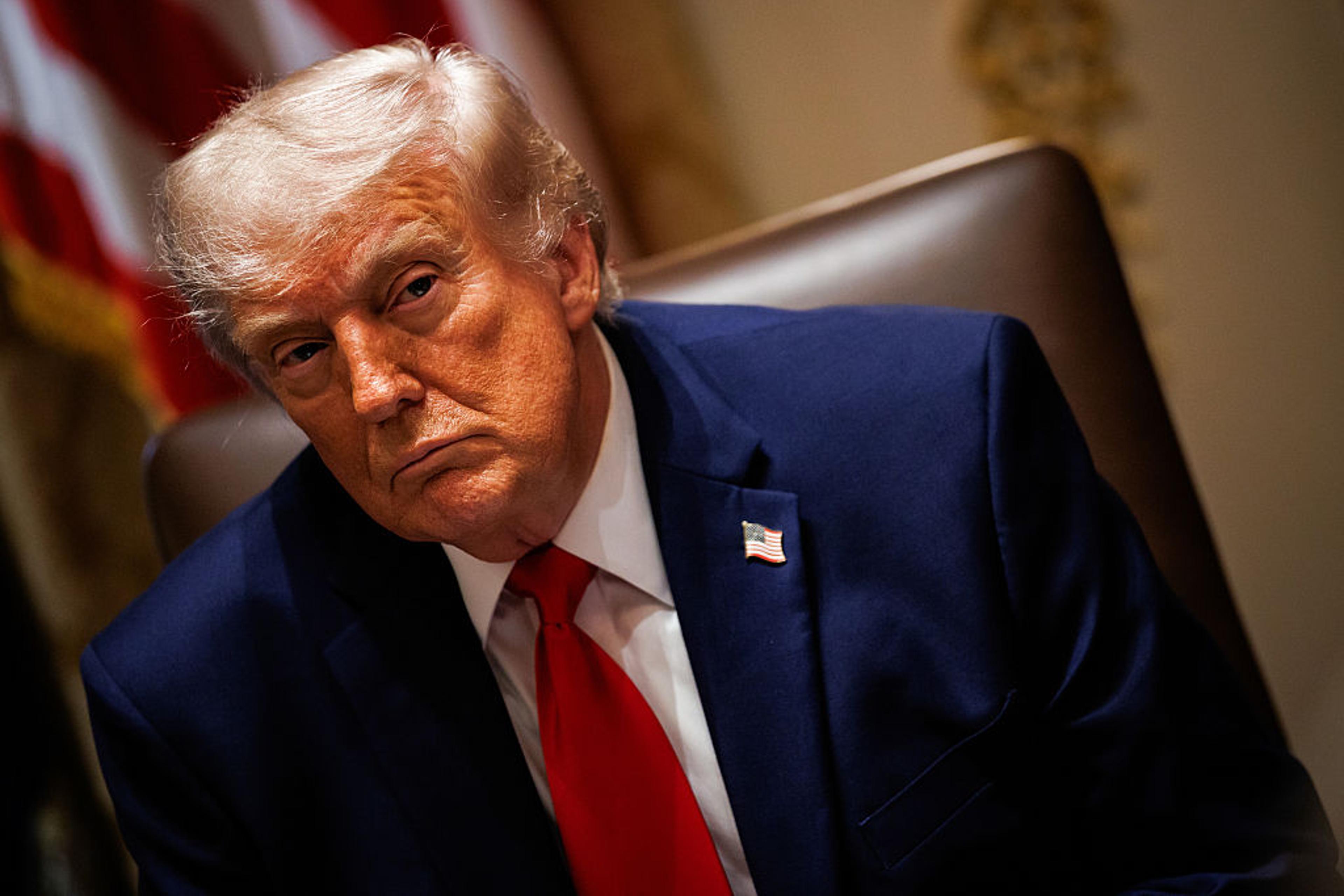
Perhaps the most important part of the statements of Trump concerns the issue that during the war was repeatedly raised by Western officials, media, and circles: the change of the political system of Iran. The American president characteristically stated: "I never claimed that I seek a change of government in Iran." This while, from the first days of the war, many Western analysts and even American officials were talking about an imminent collapse of the political system of Iran. Media close to the White House were also repeating that military and economic pressure could lead to a change in the political structure of Iran. Trump, with phrases such as "help is coming", in practice was promoting the plan for regime change. Now, however, Trump not only distances himself from this claim but limits himself to the phrase that "in some way it can be said that a change of government took place", a formulation that looks more like an attempt to save face after the failure of a major plan. This change of tone shows that one of the core goals of the war was not only unachieved, but Washington was forced to retreat even from its explicit mention.
Admission of the power of Iran in the Straits of Hormuz
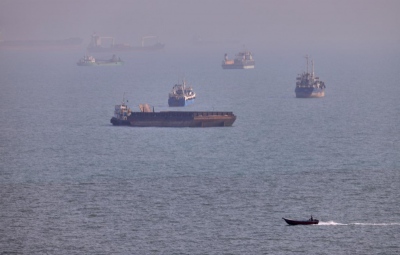
Another remarkable point in the statements of Trump was his indirect admission of the decisive role of Iran in global energy balances. As he said: "If we did not reach an agreement, the Straits of Hormuz would not open." This phrase holds significance for many reasons. First, Trump essentially confirms that the continuation of the war could cause a serious crisis in the global flow of energy. Second, in contrast to the initial claims about the inability of Iran to influence regional equations, the American president recognizes now that the end of the crisis in the Straits of Hormuz was not possible without an agreement with Tehran. In reality, what Trump presents as an achievement constitutes, from another perspective, an admission that the USA failed through military power to guarantee the security of navigation and energy and ultimately returned to the path of negotiation.
From military threats to the fear of economic disaster
In another point of his statements, Trump mentioned the prevention of an "economic disaster" as a reason for the agreement. As he said: "I made this deal because I did not want to see an economic disaster." This statement stands in clear contrast to the initial positions of the American government. At the beginning of the war, the White House maintained that military and economic pressures would not have a significant cost for the USA and that Iran would soon be forced to retreat. Now, however, the American president admits that the continuation of the war could lead the economy of the USA and the world into a serious crisis. Such statements show that, contrary to initial calculations, the cost of the war for Washington was much greater than the forecasts.
"We must return the money of Iran"
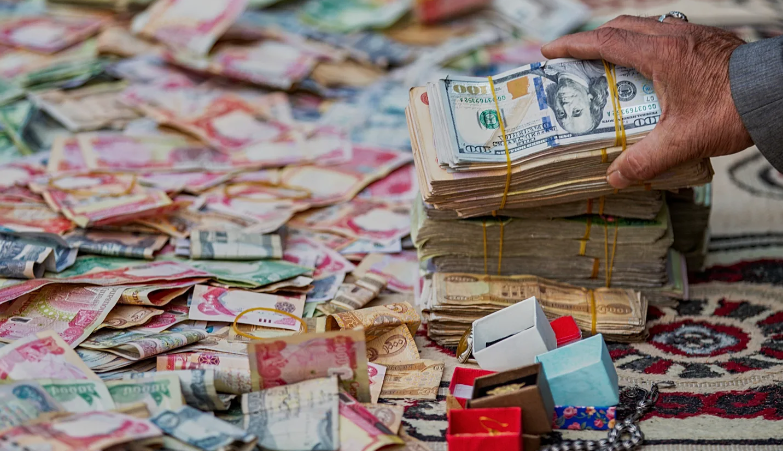
Perhaps the rarest point in the statements of Trump concerns the frozen assets of Iran. As he emphasized: "We have taken a large amount of Iran's money. This money does not belong to us, it belongs to them, and if we do not return it, nobody will be willing to invest in the dollar anymore." These statements can be considered one of the most important political retreats by Washington in recent years. The USA used the frozen assets of various countries for decades as a tool of pressure. Now, however, their president speaks openly about the need to return the Iranian assets. This position shows that, even according to Trump himself, the continuation of the policy of confiscation and freezing of Iranian funds could damage the economic credibility of the USA and the position of the dollar.
Change of tone toward Iran
In another point, Trump said: "The new leaders of Iran are smarter." And this phrase stands in contrast to the aggressive and derogatory rhetoric used by American officials against Iran during the war. In reality, the American president, who previously spoke from a position of threats and pressure, now tries to create space for interaction and agreement, a change that many analysts consider an indication of accepting the new realities after the war. Perhaps though the most important admission of Trump was when he said: "If we continued the bombings in Iran, the ships would no longer be able to move", while at the same time he warned that the oil reserves of the USA are decreasing. These statements show that Washington, in contrast to its initial assessments, found itself faced with serious limitations. The war that was supposed to show the power of the USA, ultimately revealed the limits of this power. For this reason, Trump was forced to defend the agreement as a way to prevent the further escalation of the crisis.
The... great victory
Despite all these retreats, Trump still insists that the agreement with Iran constitutes a great victory. He claimed that the USA achieved "everything they wanted and even more." However, the careful examination of his statements shows a different picture. When the president of the USA speaks about the need for an agreement so that the Straits of Hormuz open, an economic crisis is avoided, the assets of Iran are returned, and the claim about regime change is abandoned, it is difficult to consider that this situation aligns with the initial goals of the war. The reality is that the forty-day war started with big promises: from changing regional balances to the strategic weakening of Iran. But the end of the war showed that these goals were not achieved and that Washington was forced, in order to limit the political, economic, and security consequences of the crisis, to move toward an agreement.
What power of the USA
That is why, the entirety of the recent statements by Trump can be interpreted as the narrative of an attempt to manage the consequences of a defeat, the impacts of which will be visible not only in the region but also in the domestic politics and in the international position of the USA. A war that was supposed to show the power of the USA ultimately led the president of the country to the point of speaking about the return of Iran's money, the need for an agreement, and the danger from the continuation of the war, developments that, for many observers, mean nothing other than a gradual retreat from the initial goals of the war.
The message to the American military
The American military believed that the multi-year isolation of Iran for more than four decades and the further strengthening of the ring around the country through American military bases would accelerate the overthrow of the Iranian leadership. However, it found that the war evolved into a nightmare for the USA, causing severe consequences for their international position and prestige, but also for their internal situation, while it constitutes an existential threat to American hegemony. According to the Iranian news agency Mehr, analysts are attempting to point out the 4 greatest moments of the failure of the USA in the war against Iran.
1) Reduction of the international credibility of the USA
The United States managed for decades to impose their hegemony through economic blockades, "color revolutions", and the political or military overthrow of rival regimes. At the same time, they created an extensive network of alliances through the sale of weapons systems and the provision of security promises, in exchange for exercising influence on the sovereign decisions of other states. Trump imposed economic pressure on Iran for years. When he failed to impose his demands regarding sovereignty issues and the termination of Iranian support toward resistance movements, and when he did not manage to achieve his goals through anti-regime organizations, mercenaries, and espionage networks, he turned to the military option. As a last resort, the USA attempted to implement against Iran the strategy of "shock and awe", yet they found themselves faced with the endurance of Tehran.
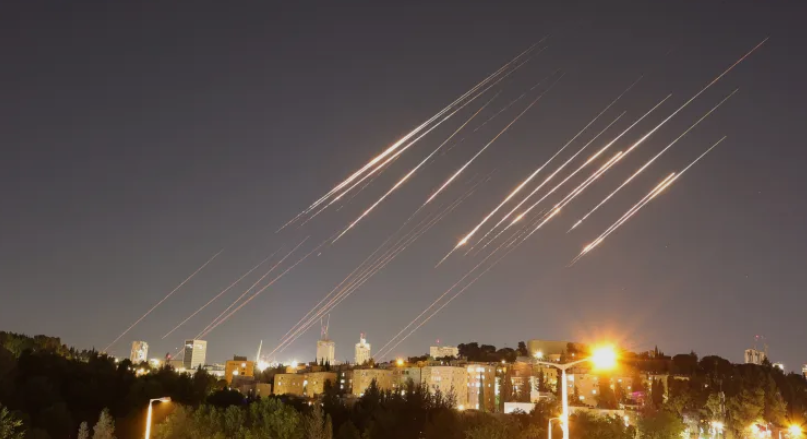
According to the analysts, Iran managed to deliver significant blows to Israel, hitting targets deep inside Israeli territories and achieving unprecedented results. Tehran is also reported to have penetrated the multi-layered anti-missile systems of Israel and the USA, using advanced missiles and unmanned aircraft. The organizations of the so-called "Axis of Resistance" activated the strategy of "unity of the fronts", turning it into an irreversible equation of deterrence in the region. This is, according to the same analysis, a strategic achievement that deepened the American crisis and undermined the deterrent power and credibility of Washington. The degradation of American power is considered a dangerous precedent, as it encourages other actors who until today feared to confront the USA. Furthermore, it is mentioned that the use of asymmetric means of warfare by Iran presented American military power as a "paper tiger", which can be dealt with using relatively cheap weapons and unorthodox strategies. According to this analysis, this is an existential threat toward American hegemony, which relies to a large extent on the so-called "soft power", on the projection of power, and on deterrence through fear.
2) Internal risks for the USA
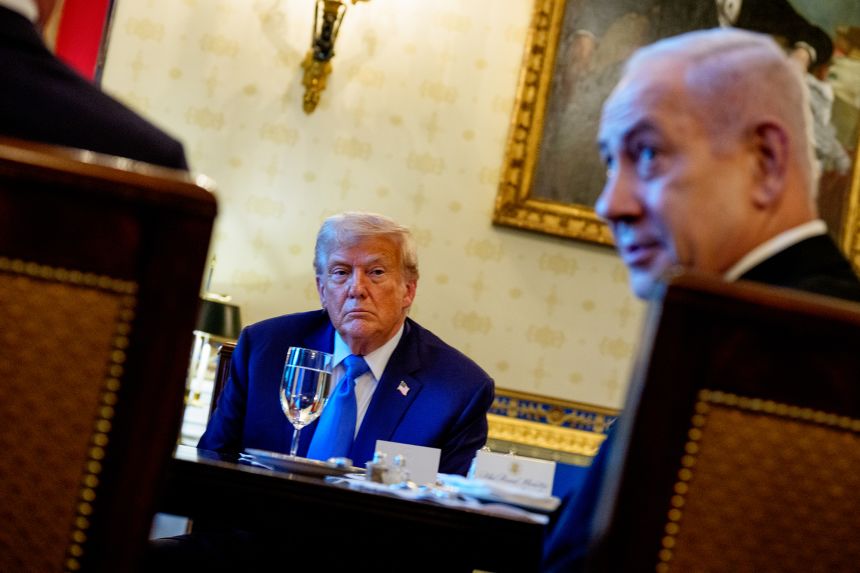
The recent war had, according to the analysts, significant impacts inside the United States as well. Beyond the reduction in the popularity of Trump, which, as reported, is recorded by the polls, the conflict caused deep political disagreements in American political circles, even within the Republican Party. At the same time, the war led to an increase in the prices of fuels and fertilizers, contributing to the rise of inflation and reinforcing public dissatisfaction. More important is that the confidence of American citizens in the ability of their country to resolve international conflicts was shaken. This development is likely to have long-term political consequences.
3) Threat to the structural relations between USA – Israel
Although the USA are considered the main shaper of the strategic choices of Israel and utilize this relationship to serve their interests, the experience of the recent war increased the cost of maintaining this relationship. Inside the United States, public voices speaking about a conflict of interest between the two sides were heard with unprecedented intensity. The critics of American backing toward Israel argue that this support involves the USA in regional conflicts, undermines their international prestige, and burdens the American people.
4) Questioning of the American presence in the Persian Gulf
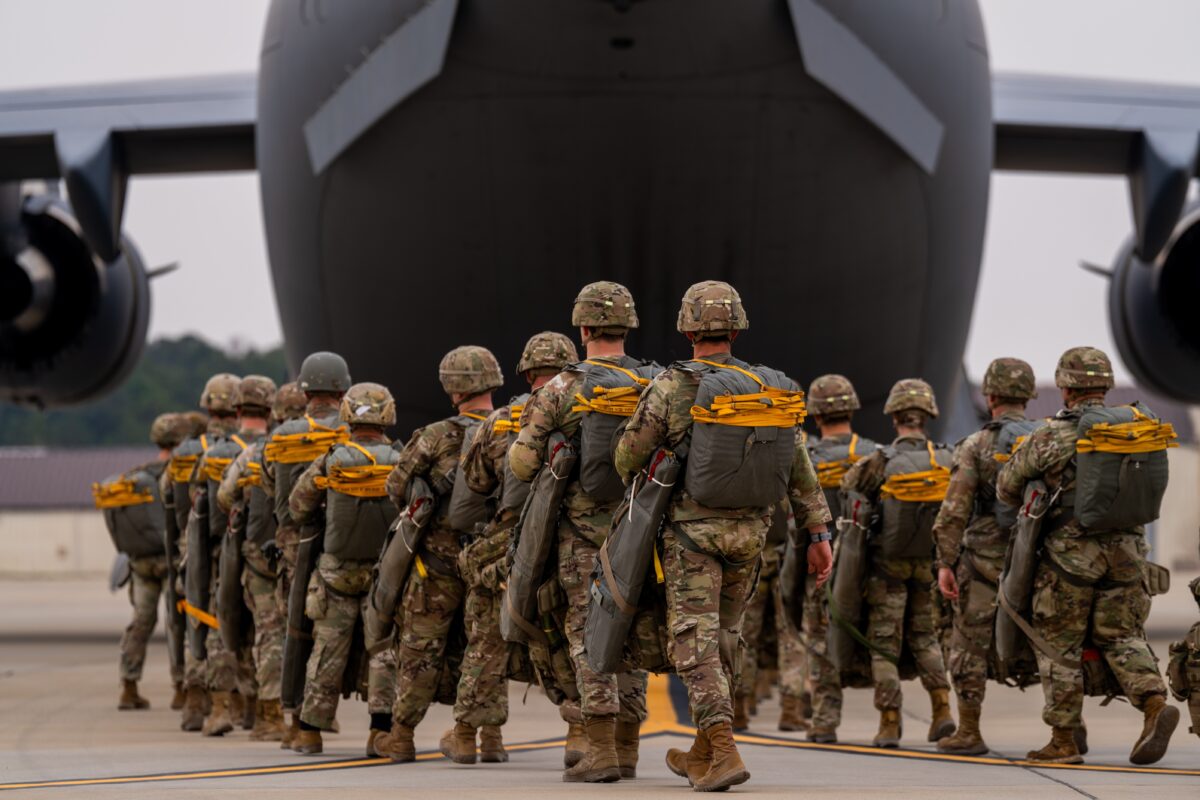
Since the signing of the Quincy Agreement in 1945, the relationship between the USA and Saudi Arabia, as well as other Gulf countries, was based on the principle of providing protection in exchange for strategic and economic benefits. However, the war revealed how vulnerable this relationship is, as the USA failed even to fully protect their own bases and forces in the region. This development creates serious doubts in the Gulf states regarding the effectiveness of the American security umbrella. Already, signs of concern and dissatisfaction are visible in the Gulf countries regarding the cost of the war, the American failure, and the perception that Washington gave priority to supporting Israel over the interests of its regional allies.
www.bankingnews.gr







Σχόλια αναγνωστών