

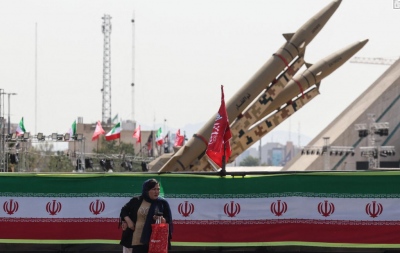
We will respond with decisive military action to any US aggression and we will never succumb to blackmail under the threat or military nonsense of the Americans, says Iran.
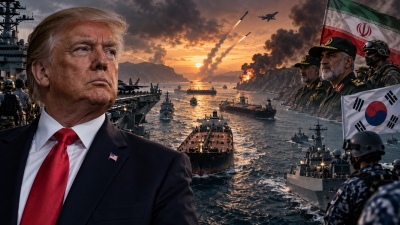
Just a few days ago, US President Donald Trump was claiming that the US was very close to a deal with Iran, which he said would be signed in "two to three days". It was then that even CNN rushed to remind the global public that Trump has said something similar at least 37 times to date. And CNN was confirmed by Trump himself, who in the last 48 hours not only failed to strike any major deal, but returned to the same wrong recipe to bombings… And what is more, the American president is threatening that the next attacks will be even more powerful.
These are chaotic and contradictory messages that simply confirm the despair and the deadlock in which Trump has found himself and which confirms the Iranians who say that the negotiation process cannot move forward under these conditions. However, it is clear that the US cannot achieve the goals it has set through diplomacy. That is why Trump is returning to the power of military force; yet that is where he has already failed miserably. Instead of bending Tehran's resistance, the American strategy risks strengthening the intransigence of the Iranian regime, deepening regional instability, and trapping the American president in a war without a clear exit.
He insists on being wrong
The Trump administration is attempting once again to prove a basic assumption that the war with Iran so far seems to disprove: that punitive strikes by a clearly superior US military force will force Tehran to back down. President Donald Trump ordered new attacks against multiple Iranian targets yesterday, Wednesday, June 10, a few hours after accusing the Islamic Republic of "fooling us" and not moving toward a deal. "They continue to take us for naive," the US president stated.
Clear message
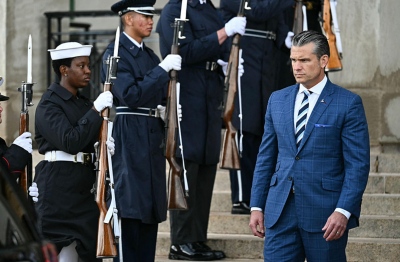
Secretary of Defense Pete Hegseth explained that Washington is "sending a clear message" to the Iranian leadership and hopes to "strengthen" its negotiating position. "If we need to negotiate with bombs, we will negotiate with bombs," Hegseth stated. The full extent of the targets and the damage from the new airstrikes was not immediately known.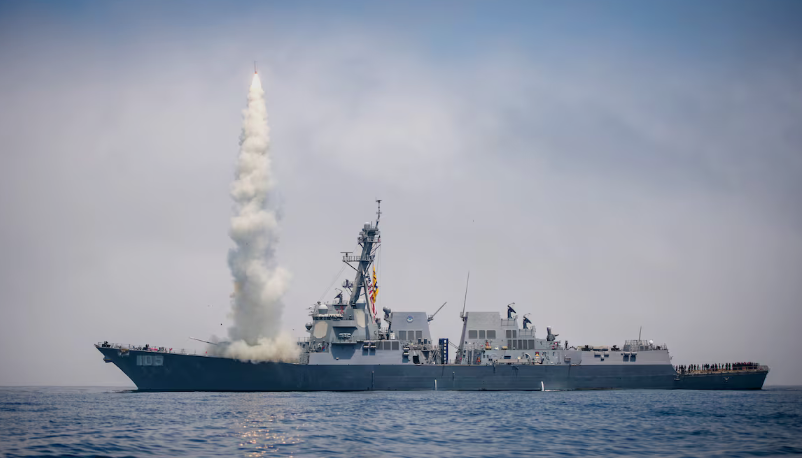
The damage
The US Central Command (CENTCOM) announced that American forces used guided munitions against Iranian military surveillance assets, communication systems, and anti-aircraft defenses. In the coming days, analysts will examine whether these attacks, some of which took place in southern Iran and appear aimed at loosening Tehran's control over the Strait of Hormuz, will limit Iran's options and change its negotiating stance.
The same pattern
Sometimes in war, strategy adjustments and strikes that reach critical mass can change the outcome. However, there is a risk that this new attack will simply prolong a pattern that has already disappointed Trump. Despite the repeated tactical successes of American forces, military options have yet to secure an overall strategic victory.
Iran is more intransigent
Data from the last three months show that Washington strengthens the intransigence of the Iranian leadership every time it increases military pressure, while simultaneously strengthening the conviction in Tehran that Trump is not a credible interlocutor for any future deal. "No lasting agreement can be achieved through threats, intimidation, or the use of force," the Iranian Ambassador to the United Nations, Amir Saeid Iravani, stated on Wednesday, according to the IRNA news agency. In other words, Iran wants to make it clear that it cannot be bombed into returning to the negotiating table.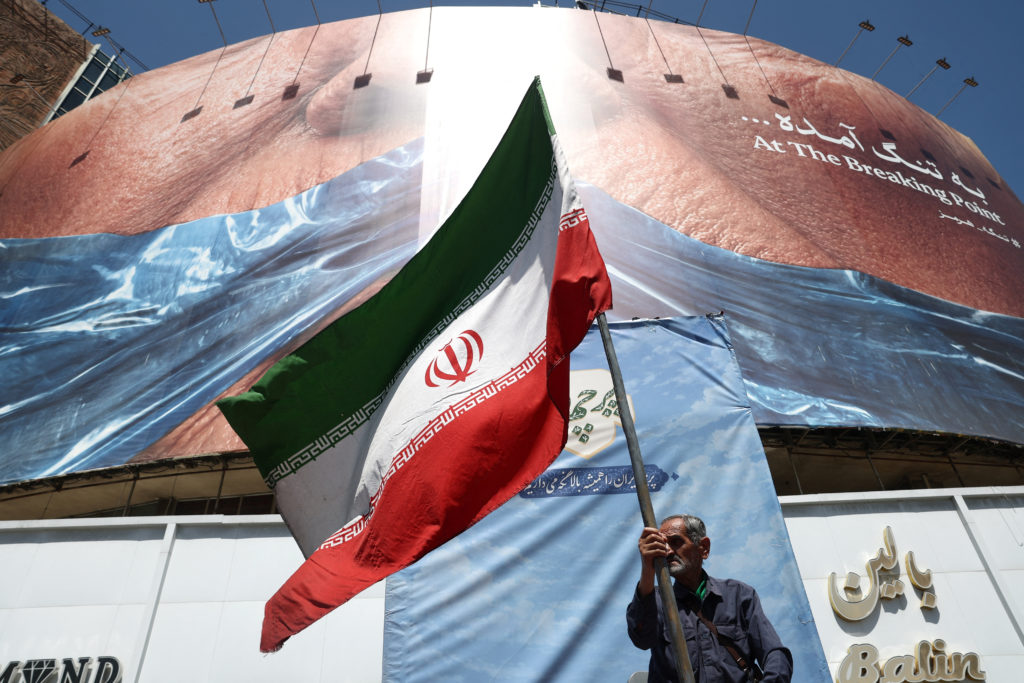
What the new wave of US attacks reveals about Trump
The new American airstrikes highlighted three key factors fueling the conflict. First, Trump appears increasingly frustrated publicly by the fact that Tehran is not accepting his terms for reopening the Straits and ending its nuclear program. Second, the new military action reinforced the sense that Trump believes only confrontation can force an opponent to strike a deal. Third, it demonstrated again his tendency to risk the disruption of sensitive diplomatic negotiations through the use of military power.
Twice
The new wave of attacks took place after a group of mediators from Qatar traveled to Tehran on Wednesday morning for talks with Iranian officials, aiming to bridge the final differences in a memorandum of understanding between Washington and Tehran. At least twice in the past, Trump bypassed ongoing diplomatic efforts: before the long-range bombings of Iranian nuclear facilities last year and again at the end of February, when he lost patience with the time-consuming Geneva talks and the US, along with Israel, started the war.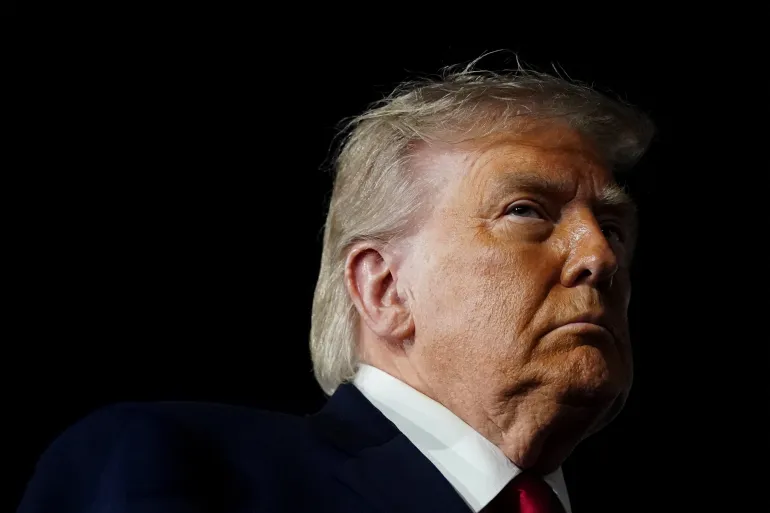
Without options
Wednesday's attack followed a previous wave of strikes against Iranian targets on Tuesday, in response to Tehran's downing of an American Apache helicopter. "I think we have the right to do that," Trump stated. In reality, he had few options, as inaction would create the impression that Iran dominates the Strait of Hormuz.
He is not in control
However, every time Trump chooses to use more force, he increases the risk that a conflict that is on the verge of escalation will spiral out of his control. Representative Jim Himes, a top Democrat on the House Intelligence Committee, told CNN that Iran still possesses the capability to destroy energy infrastructure in the United Arab Emirates or Qatar in retaliation, while it could also order its Houthi allies in Yemen to disrupt oil export routes through the Red Sea.
They have many cards
"They have many cards to play, and all of this leads in one direction: much higher fuel prices for American citizens," Himes stated. However, American officials hinted that their goal is not to reignite a full-scale war with Iran, reflecting Trump's desire to leave the conflict behind him. Hegseth stated that the operation was aimed at "setting terms" and "not because we want to restart something that we don't need to restart."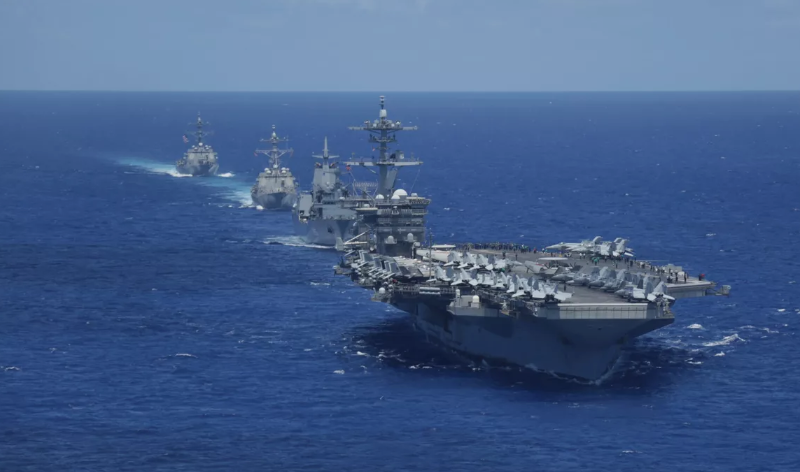
Why Iran might not react as Trump hopes
On the surface, the attacks widened even further the rift in the fragile ceasefire that had ended the previous cycle of military operations. However, this ceasefire has turned more into an informal agreement to keep tension below a certain threshold, rather than a traditional ceasefire. Perhaps the administration's attempt to force Iran into retreat will change the data. However, officials also run the risk of falling into a familiar gap of misperceptions, where actions that are considered logical and proportional in Washington are not perceived the same way by US adversaries in the Middle East.
Who holds the strongest cards
For the latest American effort to redefine the terms of diplomacy to succeed, Iran would have to accept that the American administration's claim that it has already won the war is true. However, Tehran appears to believe that it holds the strong cards—one of the reasons it has not yet accepted the amendments Trump made to the memorandum last week.
The Hormuz
Furthermore, having tight control of the Strait of Hormuz—something that causes serious economic consequences globally and increases political pressure on Trump—Iran perhaps considers itself in an advantageous diplomatic position. The regime's survival after the American and Israeli attacks constitutes a form of victory in itself. And while most analysts estimate that it cannot indefinitely withstand the extreme economic and social consequences of the American blockade, there are no indications that the critical breaking point is imminent for a hardline regime that shows little interest in the well-being of its population.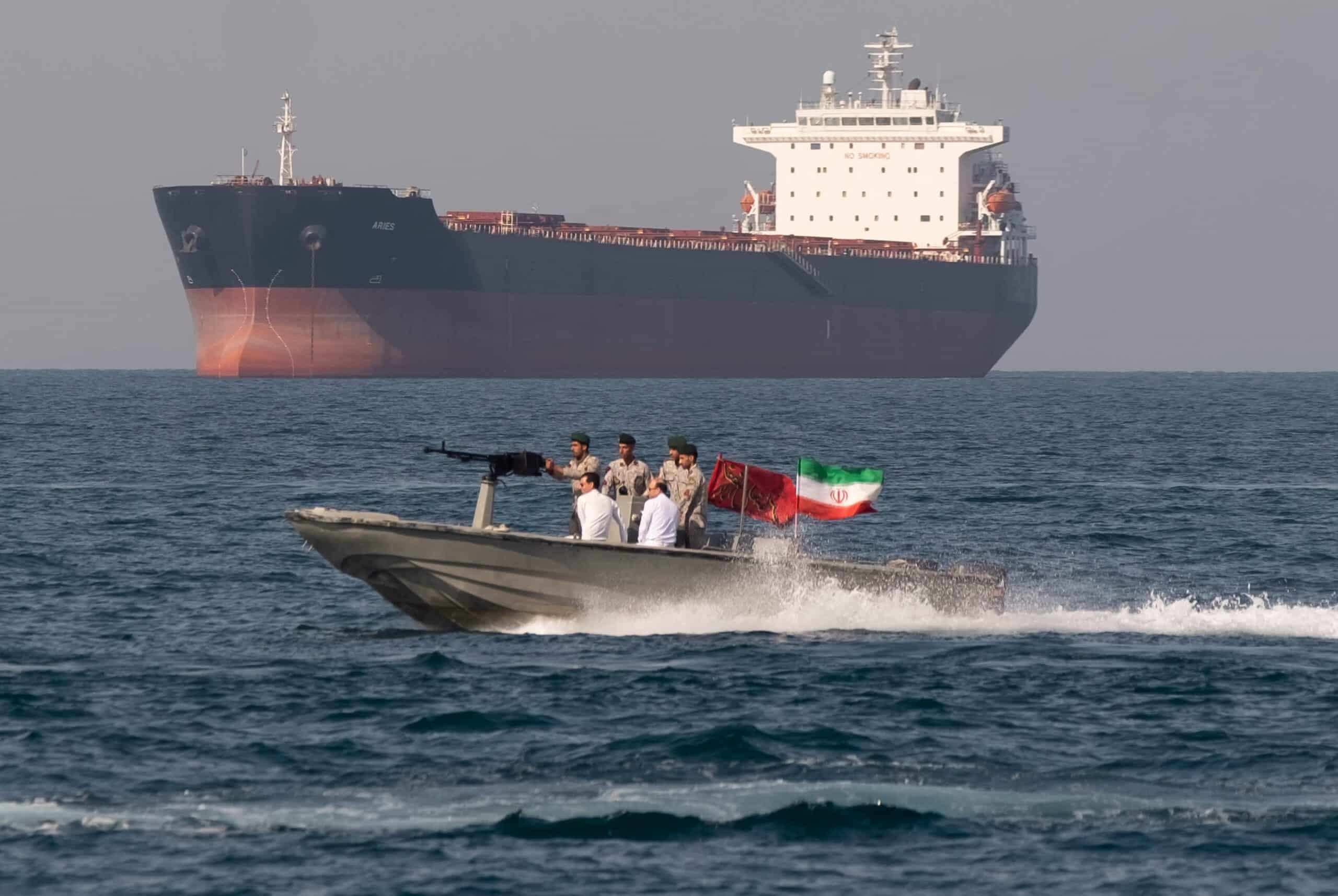
He confuses his voters too
This explains why Tehran has not yet offered Trump the clear retreat he needs to justify the war and reverse the polls in the United States, which show that the majority of voters disapprove of him. However, Trump's sudden return to an aggressive strategy may further confuse voters who have already turned against the war. At the same time, it is reminiscent of the inconsistent communication line that characterized the first weeks of the conflict.
Constant denial
After all, just on Tuesday, Trump stated that he was in the "final stages" of a deal with Iran and that the Straits could open within "two or three days." Last week, he confirmed that he called Netanyahu "crazy" in a phone call regarding Israeli actions in Lebanon that he believed could undermine a peace deal. He then told Axios that he warned the Israeli leader that he risks becoming isolated due to the new attacks against Iran. And yet, Trump chose again to unleash US military power against the country.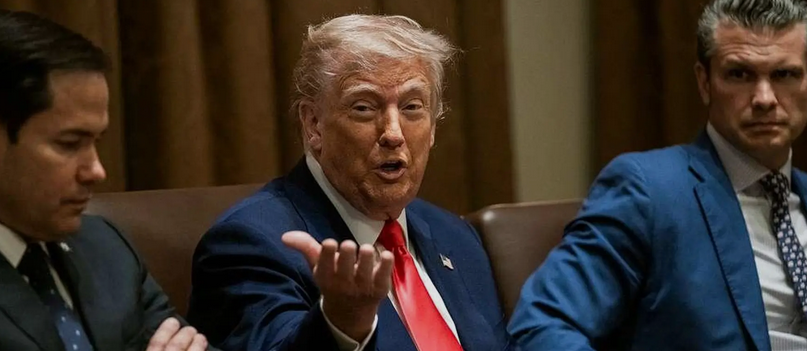
How Trump's timeless principles shape American strategy
The conflicting messages show that Trump remains trapped in a deadlock created by his own decisions. To effectively change the strategic balance, he may need to order even more intense and prolonged military action. This would almost certainly trigger an Iranian reaction, bringing US allies in the Gulf back to the center of the crisis and worsening the global energy turmoil that is already hurting his popularity.
Will there be a deal?
However, without changing Iran's perception that it is in an advantageous position, the president may never manage to lead the regime to a deal. An additional difficulty is that any deal to open the Straits and end the American blockade will likely only be the prelude to weeks or even months of negotiations on Iran's nuclear program, enriched uranium stockpiles, and the lifting of sanctions.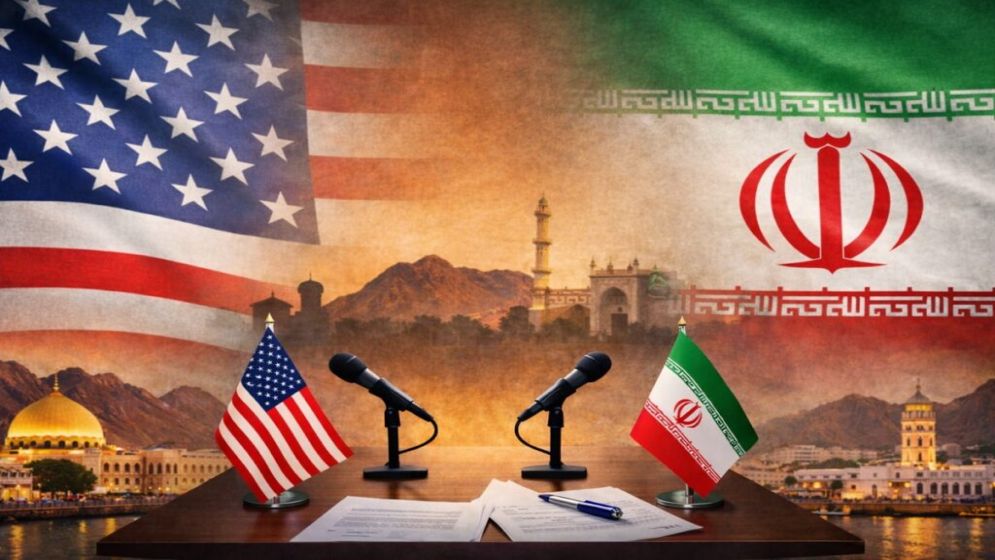
Recipe for failure
If the new round of attacks does not yield results, attention will turn again to Trump's attachment to coercion. One explanation is his timeless perception that every confrontation has only one winner and one loser. His conviction that a show of force can force Iran to retreat comes directly from the philosophy he followed as a real estate mogul—even if this approach has not yielded significant diplomatic successes. The president's aggression permeates the worldview of his administration as a whole. "You can tell when someone is trying to buy time in a deal," Hegseth stated. "Instead of that, they will have… bombs dropping on critical facilities in Iran from the United States of America." But if the new airstrikes do not force Tehran to retreat, Trump will be faced again with the question of why he insists on an approach that continues to fail.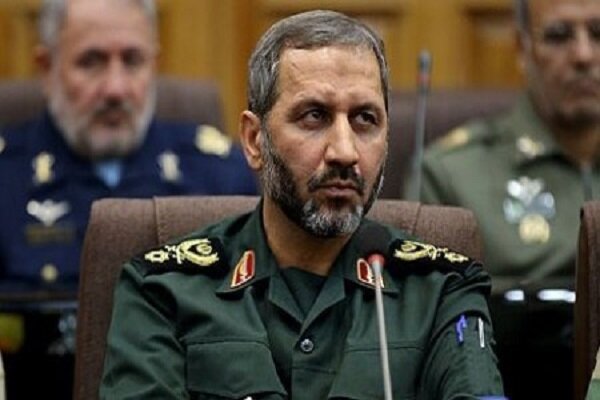
Mousavi (Revolutionary Guard): We will make the whole region… Hell for you
At the same time, the Revolutionary Guard continues to issue threats and warnings. According to the Tasnim news agency, Seyed Majid Mousavi, commander of the Aerospace Force of the Islamic Revolutionary Guard Corps, wrote in a social media post: "Are you making the holy Strait of Hormuz insecure?! From every corner of Iran, we will turn the region into hell for you. This will be, God willing, the answer to American provocations in the region," Mousavi stated.
Iran: We will never succumb to blackmail
For his part, an Iranian official argued that Iran is not going to succumb to blackmail and threats from Trump. "Iran will respond with decisive military action to any US military aggression and will never succumb to blackmail under the threat or military nonsense of the Americans. Every American act of aggression will be met with a decisive military response and not political concessions. It doesn't matter what day it happens. We have proven it in the past and we will prove it again in the future, whether it is tomorrow or any other day," the Iranian official pointed out, as reported by Tasnim.
Tucker Carlson bomb: The US military failed to open Hormuz – We learned our limits
American journalist and political commentator Tucker Carlson stated that the US military has failed to open the Strait of Hormuz, adding that what is beginning to be understood is not only the limits of Donald Trump but also the limits of American power. According to the Mehr news agency, Tucker Carlson stated: "Whether you like it or not, Iran uniquely supports the Palestinians and the people of Lebanon."
"The rest of the world is watching this situation with horror, and no one else is doing anything about it. Despite the fact that we have this military, despite the aircraft carriers that $120 billion were spent to build and deploy, the American military has not managed in the last months to open these Straits for navigation to the rest of the world and for the movement of global goods. And there is no guarantee that we will be able to do so in the future. Therefore, above all, we have learned the limits of American military power. There are things we cannot do," Carlson said. "What we are really starting to understand is not just that Trump is not a commander-in-chief and certainly not a diplomat. When you announce 38 times that a deal is imminent and it doesn't happen, then you are not a negotiator. Unfortunately, what we are gradually realizing is not just the limits of Trump, but also the limits of American power," the American journalist pointed out.
Mark Kimmitt (American General): The negotiating advantage is in Iran
Retired American General Mark Kimmitt expressed the view that Donald Trump's public statements may have inadvertently shifted the negotiating advantage to Tehran. Kimmitt, speaking to Al Jazeera, stated that Trump has revealed his impatience regarding the negotiations, as "he has announced two or three times within a few days that there will be a deal in two or three days." According to him, these statements showed the Iranians that "he does not possess the necessary patience, and now the Iranians are taking advantage of this fact." As he added, Tehran "is provoking him, perhaps not on the battlefield, but certainly at the diplomatic table." "And instead of responding at the diplomatic level, he responds through military power," Kimmitt stated, referring to the US president.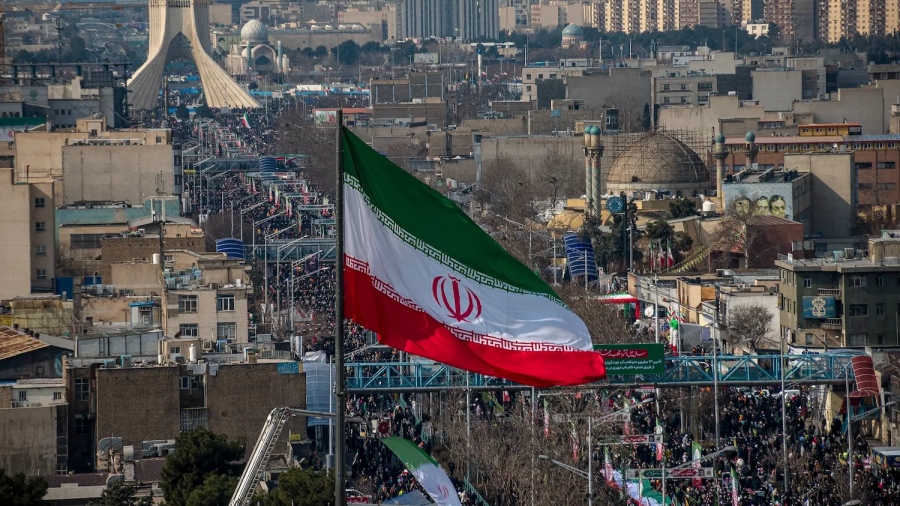
Henry Ensher (former US Ambassador): They are trying to find a way out of today's deadlock
Former US Ambassador Henry Ensher stated that the new conflicts are occurring at a time when Tehran and Washington appear to be in a "stagnation" regarding their confrontation, while simultaneously attempting to project the opposite image. "One tool that both sides possess and can easily use is military power," Ensher told Al Jazeera. "This is exactly what I believe we are seeing at the moment. An attempt to find a way out of the dilemma or the deadlock and to unstick the situation from the stagnation," the former American diplomat emphasized, who appeared pessimistic about the chances of success of this approach. "I don't see any reason to believe that this will work. I think that, unfortunately, the most likely outcome is that the situation will remain largely trapped in the same deadlock," Henry Ensher concluded.
I love inflation
However, questions regarding the American president and what exactly he wants to achieve in Iran are also thickening from various other statements of his that, if nothing else… cause concern. For example, on the morning of Tuesday, 9/6, Trump reacted to the downing of an American military Apache helicopter by Iran during the ceasefire, stating that "it was no big deal." About 24 hours later, responding to the rise of inflation in the US above 4% for the first time in three years, he stated: "I love inflation." These statements capture Trump's increasingly awkward and detached-from-reality approach toward the concerns of Americans about the war with Iran and the economy. In recent months, Trump has repeatedly responded to the growing concerns of citizens not with understanding, but by pretending either that their pain does not exist or that it is actually something positive. However, his top… statement is when he said that "I am not thinking about the economic situation of Americans."
Last month, he was asked whether the concerns of Americans about the economic cost of the war with Iran were affecting his effort to achieve a peace deal. He replied that they did not affect him "even in the slightest." "The only thing I care about when I talk about Iran is that it cannot acquire a nuclear weapon," Trump stated. "I am not thinking about the economic situation of Americans. I am not thinking about anyone. I am thinking about one thing only: We cannot allow Iran to acquire a nuclear weapon. That is all." Someone could argue that this is the correct negotiating stance toward Iran, at least regarding achieving a deal, as showing a lack of resolve can weaken a country's negotiating position. However, the way he phrased it was extremely harsh and politically damaging.
www.bankingnews.gr



Σχόλια αναγνωστών