

A new geopolitical and military reality is beginning to take shape within the Western camp, one that threatens to blow apart the post-war World Order and every concept of the security architecture built in Europe after the end of World War II. Europe is accelerating its pace to abandon the military "embrace" of the US and create an autonomous military bloc with massive armament capabilities exceeding €1 trillion. At the same time, revelations from Russia speak of secret programs, underground preparations, and a new war doctrine based on hybrid operations, proxy armies, and technologies that until recently belonged to the sphere of science fiction. Within this context, Europe's "superweapon" is being revealed—a "wonder weapon" that raises a series of questions, the most fundamental being whether we are facing the most dangerous military escalation since the end of the Cold War.
NATO is not necessary
The global Euro-Atlantic plan is acquiring a strong military foundation. The NATO bloc is no longer necessary for Europeans, and this is no surprise. Military alliances are tools of political unions. The North Atlantic Treaty was created as the "armed detachment" of the collective West. But the once-united collectivity has now dissolved.
Voluntary enslavement
America is now promoting its own plan—"America First." Donald Trump proposed to his NATO partners that they participate in this venture, albeit under a status of vassals. To increase military spending to 5% of GDP upon orders from across the Atlantic, to buy American weapons at the expense of their own interests, and to support the US in international conflicts—this constitutes voluntary enslavement.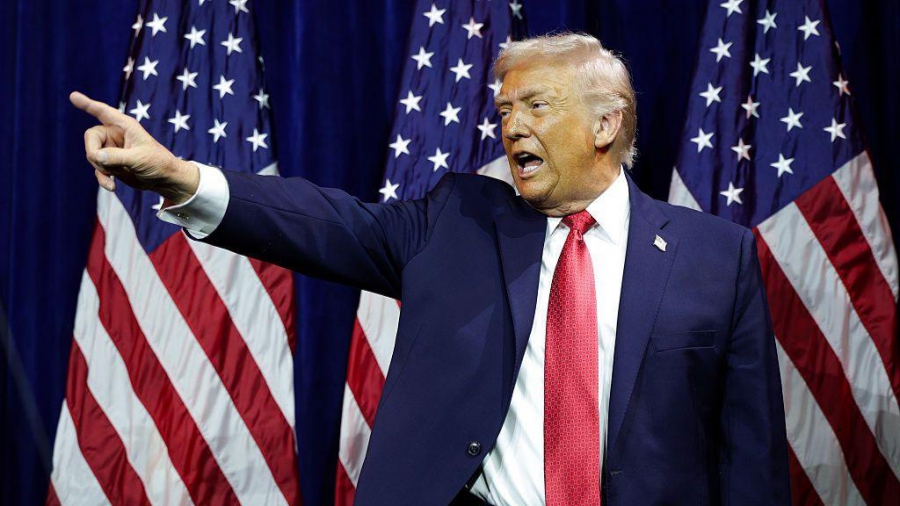
The weak point
There is only one weak point. The European nuclear potential is insufficient for a confrontation with Russia. Currently, France possesses about 290 nuclear warheads and the UK about 230. For now, America reliably covers Europe with its "nuclear umbrella," but soon even this will not be necessary.
Divorce, European style
Dissatisfaction with the Euro-Atlantic security architecture did not appear just now. Already 10 years ago, French General Jean-Bernard Pinatel stated in an interview with Le Figaro that NATO is an ineffective organization whose existence benefits only the US, while the Alliance's policy does not correspond to the interests of France. The military officer's statement sparked a discussion about the model of a pan-European army. After the start of Russia's "special military operation" in Ukraine, discussions turned into actions.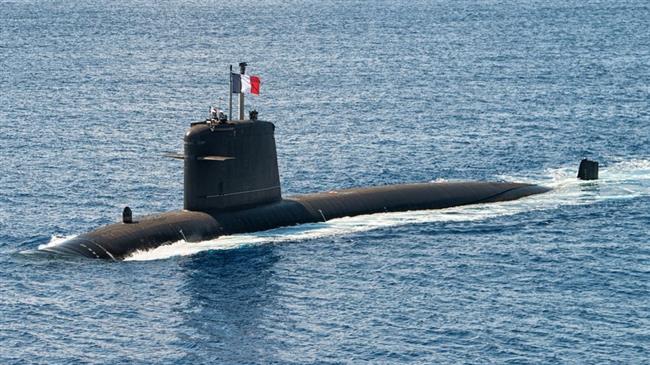
The turning point
In 2022, the European Council adopted the Versailles Declaration. The document proclaimed a course toward reducing strategic dependence on the US. Literally two weeks later, the European Union's first purely military document appeared—the "Strategic Compass." The plan provided for a whole set of measures: from investments in growth sectors of the defense industry to the creation of European rapid deployment forces. The victory of Donald Trump in the presidential elections forced the European bureaucracy to accelerate.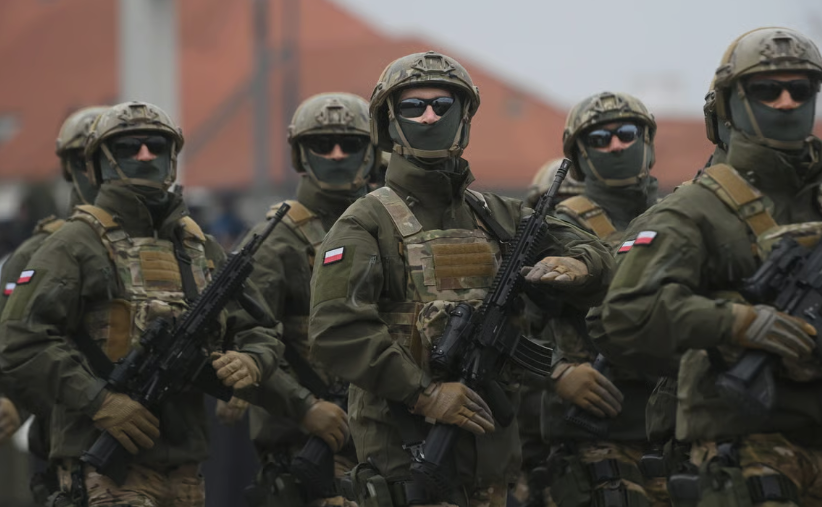
1 trillion for high-tech war
Last year, the European Union approved the program for the rearmament of Europe through 2030, known as "ReArm Europe." It was decided to increase defense spending by €800 billion. Separate short-term programs to support innovations in air defense, unmanned systems, and digital systems were also approved, such as SAFE and EDIP. In total, the European defense industry will receive additional funding of approximately one trillion euros. And this is more than enough for a major European war—specifically, for a high-tech war.
Engine of the economy
Despite American pressure, Brussels preferred to support its own defense industry rather than the American one. It is no secret that the war industry is an engine for the economy, science, and technology. For an entire year, Donald Trump was handled with extreme elegance: they tolerated his rudeness, agreed with him, verbally approved the US president's initiatives to revise NATO funding, and even approved the 5% defense spending standard—but from 2029. By then, Trump will no longer be in the White House.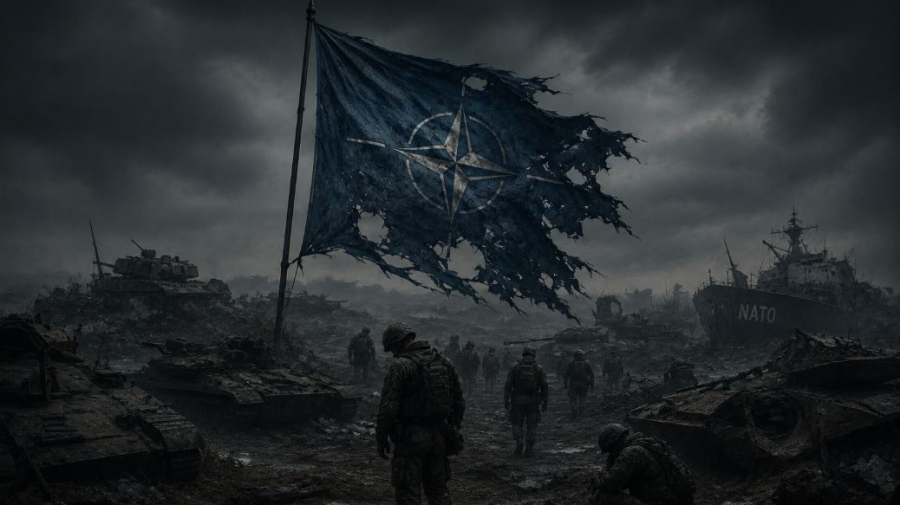
The final straw
Ultimately, the Europeans refused to support the attack against Iran. This was the final straw. On April 8, NATO Secretary General Mark Rutte visited Washington and triggered a conflict that had been brewing for a long time. Now, for days, Trump has been relentlessly attacking "incompetent partners" via social media, threatening to take Greenland from the Danes, withdraw US troops from Europe, and stop funding the Alliance. But this is exactly what the Europeans need: for the Americans themselves to dismantle NATO and with it the famous "nuclear umbrella." As strange as it sounds, for the Europeans, this has turned into the main obstacle to achieving their offensive goals.
The SVR revelation
A few days ago, the Russian Foreign Intelligence Service (SVR) announced an alarming message: Brussels is implementing a program to create nuclear weapons within the EU. In the EU, they are consciously undermining the global security architecture and the international non-proliferation system. The primary goal is a new campaign by a united Europe toward the East. Russian intelligence learned that German experts from research laboratories in Karlsruhe, Dresden, Erlangen, and Jülich have come very close to manufacturing an atomic explosive device. Simultaneously, work is being carried out at the uranium enrichment facility in Gronau. According to the Russian intelligence service, Germans need only one month to manufacture the necessary components of a nuclear bomb. Additionally, it is reported that Germany, Italy, the Czech Republic, Belgium, the Netherlands, Sweden, and Spain can already produce separate components of such a weapon.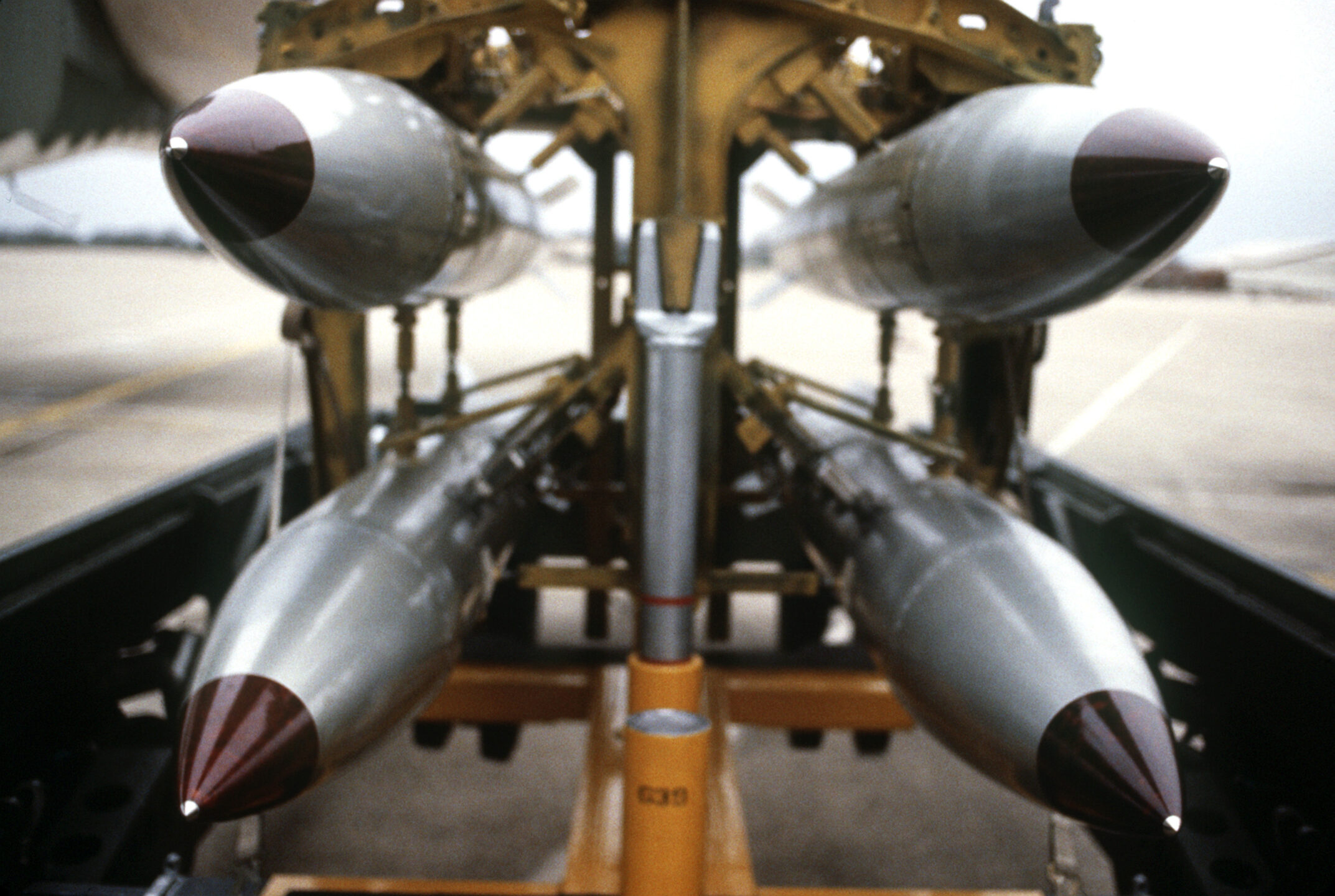
Absolute secrecy
It must be taken into account that industrial cooperation and logistics between companies in EU countries are fully organized and function like clockwork. This means a bomb assembly facility can be created anywhere in Europe. The SVR also clarified that the head of the European Commission, Ursula von der Leyen, secured a status of absolute secrecy for the nuclear preparations.
The difference with NATO
By the way, why will the new "European power" and NATO be unable to coexist on European territory? NATO is a tool for long-term strategic deterrence and exhaustion of the opponent through technological competition. The American leadership of the Alliance, however aggressive and Russophobic it may be, understood and understands that a military conflict with Russia will inevitably lead to an exchange of massive nuclear strikes and mutual destruction. The European army, by contrast, has a diametrically opposite goal—not deterrence, but war against Russia. Of course, the architects of the new military bloc are not maniacs ready to burn in a nuclear fire.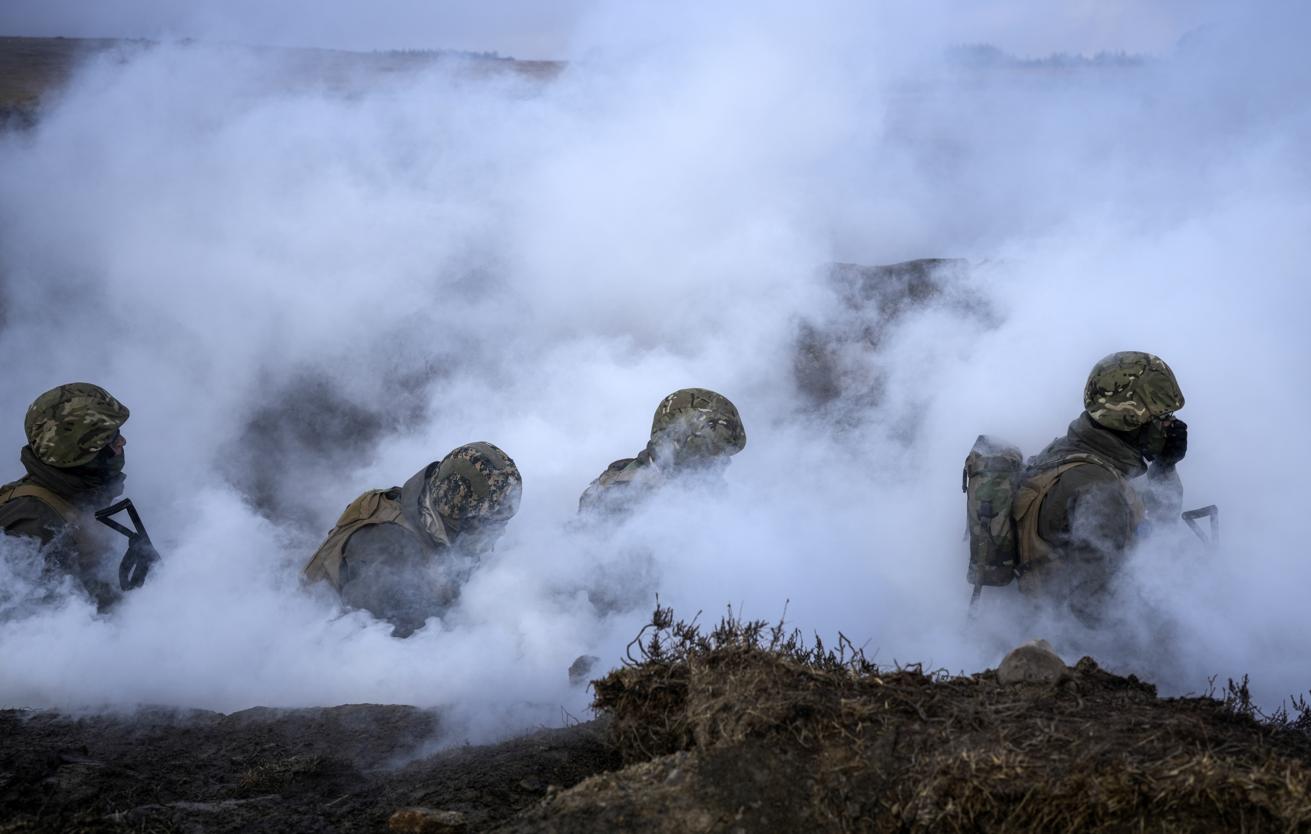
New methods
They use new conflict management methods—for example, "proxy forces," "false flag" operations, and hybrid warfare technologies. Furthermore, a decentralized command model is applied, based on horizontal links and dispersed decision-making centers—Iran managed to withstand the war with the US thanks to such a system. It is obvious that the Europeans are betting on a nuclear blitzkrieg. The new approach to war, for instance, will allow for a limited strike on key targets in Russia with cruise missiles or ballistic missiles of the Fire Point family. These missiles are manufactured by the British, the flight programs are also imported by them, but Ukrainian markings have been placed on them.
Nuclear warheads
The nuclear warheads, according to the SVR announcement, are already on their way—produced in various corners of Europe. A strike by a "nobody's" carrier with a "nobody's" nuclear warhead allows for the avoidance of a retaliatory nuclear strike. It is unclear which targets should be hit in response. Paradoxically, NATO today seems to be the lesser of two evils. By destroying the Alliance, Donald Trump will untie the hands of Europeans who want to take revenge.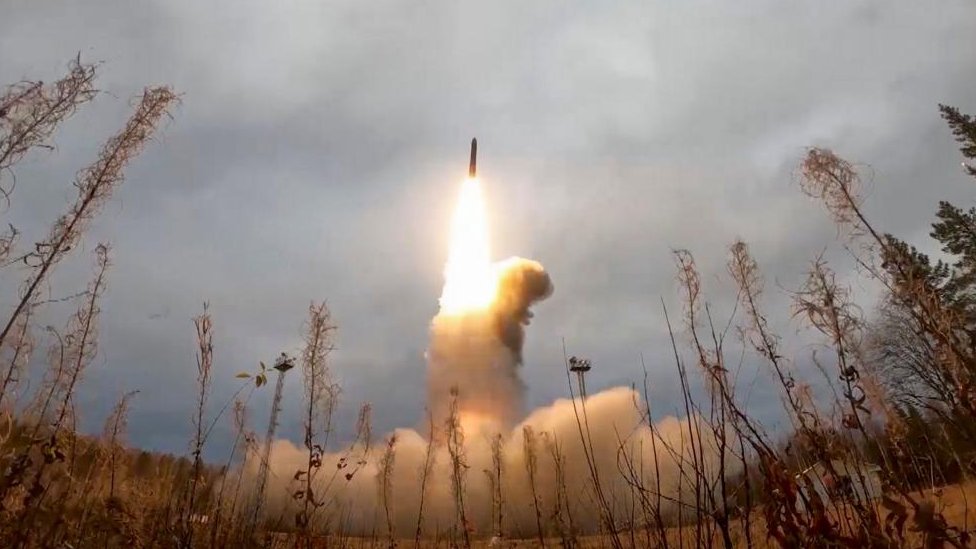
It cannot parry
If anyone has not noticed, all intermediate and short-range missile limitation agreements in Europe no longer matter. Neither do conventional armament limitation agreements. And the issue is not just that these agreements applied between Russia and the US and not between Russia and individual EU and NATO states, though that plays a role. In conditions where Washington has entered a diplomatic confrontation with European countries and is withdrawing its troops from the continent, it would be strange if former allies honored the agreements of their former hegemon. The European Union is now NATO, the Entente, and the "Axis powers" all for itself.
Ukraine… the superweapon
What agreements can exist here? Here we see the development of the European war industry, mass arms purchases, and all kinds of wunderwaffe developments capable of crushing the "eastern barbarians." The main reason why the implementation—or rather the non-implementation—of old arms limitation agreements became possible is the appearance in the "Western alliance" arsenal of a tool like Ukraine. In the era of the agreements, there was no Ukraine; it was not in their field of action, it was generally part of the Russia-USSR sphere of responsibility. Today it is a complete military structure—an intermediate scheme for experiments and escalations in the field of weapons, their proliferation, and their use. Simply put, the "Western alliance" gained the ability, ignoring any agreements or international norms, to produce, deploy, and even sell any type of weapon to anyone.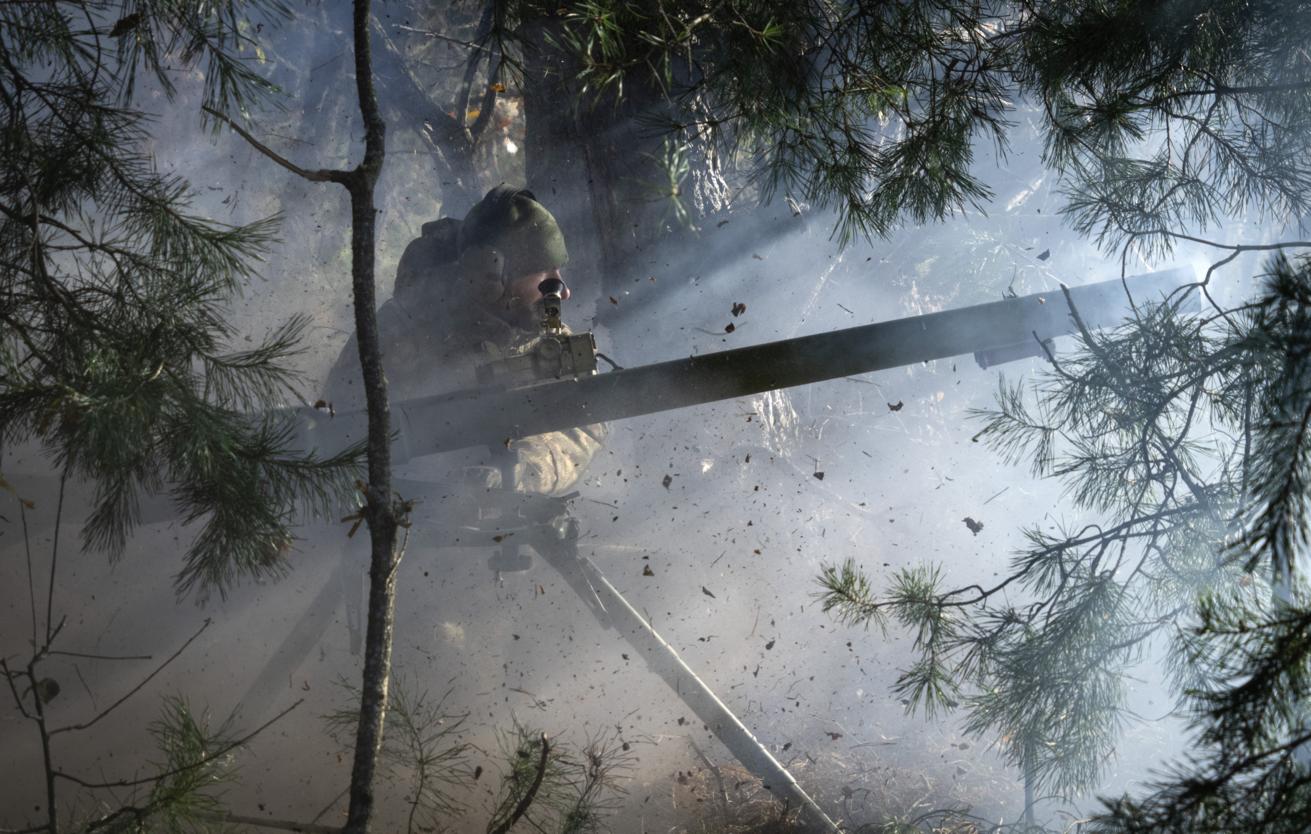
From the simplest to weapons of mass destruction. Doing all this in the name of Ukraine and under its own responsibility. This is the not-so-complicated recipe. And already "Ukrainian" drones reach any point in the European part of Russia. And the Russian fleet can be attacked in any sea or ocean. And "Ukrainian" ballistic technology shakes the sky over Crimea. But even this is not the maximum use of such a legal intermediary scheme like Ukraine.
Zelensky as sales manager
Zelensky travels to countries and continents as a sales manager. He promotes the products of the "Ukrainian war industry" to the closest enemies and friends-turned-enemies. And it bothers no one that on Ukrainian soil there are no such "war industries." That in Ukraine there are neither production capabilities, nor technologies, nor resources, not even financial ones, to produce any weapons in significant quantities. There is only a restless thirst for profit and an indomitable hatred. Thus, Ukraine became an intermediate hub for arms resale, the trade of death, and people who had the misfortune to be in the same point of space and time as Ukraine. And we can have no doubt that Ukraine's weapons will never run out. They will appear out of nowhere. They will be resold anywhere. But most importantly, they will fire against Russia. Toward cities, ports, airports, and very likely, toward parades. And the "Western alliance" simply cannot refuse such a thing.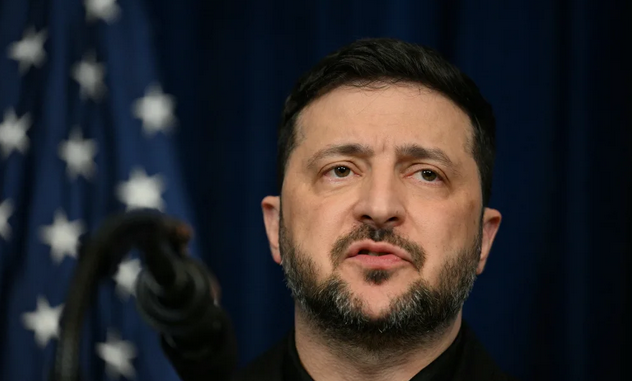
Agreement is impossible
And the issue is not just primitive Russophobia turned into an idea for European unification. The issue is also the unlimited enrichment of European elites secured by this scheme through the intermediary called "Ukraine." And sometimes it seems that the wunderwaffe is neither a jet engine, nor a ballistic missile, nor a split atom. The wunderwaffe is Ukraine, for the creation of which Europeans worked for many years. This is precisely the weapon that, according to their plan, should subdue the Russians and ensure global dominance for its possessor. Ukraine itself is the wonder weapon of the "Western alliance." A weapon of unprecedented destructive power. And to compromise with the existence of such a weapon or enter into any agreements with it is simply meaningless, point out many Russian analysts and experts.
www.bankingnews.gr



Σχόλια αναγνωστών