

Although combat operations have ceased, Iran managed to deliver a crushing blow to the US and Israeli militaries through 100 waves of strikes, leaving diplomacy at a standstill. Iran has formally responded to American peace proposals by demanding war reparations and full sovereignty over the Strait of Hormuz. Tehran further emphasized that its tolerance for attacks on merchant vessels by the Americans has ended, warning that any future strike on a commercial ship will trigger an asymmetric response. Predictably, the Iranian response failed to satisfy Washington, with Trump stating that Tehran’s counter-proposal for resolving the conflict was "completely unacceptable."
Trump slams Iranian response to US peace proposals: "The games are over"
The proposals submitted by the Iranians to resolve the conflict are "unacceptable," the US President emphasized. Specifically, Trump stated: "Iran's response to the US proposal for resolving the conflict was completely unacceptable. I just read the response from the so-called 'representatives' of Iran. I don't like it; it is entirely unacceptable!" According to Trump, Iran is "playing games" with the United States and the rest of the world. He claimed that Iran had been stalling on critical issues, but that era has ended. Now, the Islamic Republic "will not have time for laughter," Trump added.
The US President believes that Iran "hit the jackpot" when Obama was elected, resulting in a nuclear deal that eased sanctions. According to Trump, hundreds of billions of dollars were "handed to them on a silver platter." The President also clarified that he had not declared an end to the military campaign against Iran. He explained that Washington maintained a list of "specific targets" and estimated that they had successfully hit approximately 70% of them. He added that even without further attacks, Iran "will need years to recover." "No, I didn't say the war was over. I said they were defeated. But that doesn't mean it’s finished," Trump stressed.
Axios: Trump set to reject Iran's counter-offer to Washington’s peace plan
US President Trump intends to formally reject Iran’s response to Washington's peace proposal, according to Axios. "President Trump, in a brief phone call with Axios, stated that he will reject Iran's response to the latest draft agreement to end the war," the article reports. The American leader added that he discussed the Iranian reply during a conversation with the Israeli Prime Minister. "I don't like their letter. It is inappropriate. I don't like their answer," Axios quoted Trump as saying.
IRNA reported that Iran had communicated its response to the US proposal through Pakistan. According to ISNA, the response focused on ending the war and ensuring the security of navigation in the Persian Gulf and the Strait of Hormuz. On May 3, the United States sent a 14-point response to a prior Iranian proposal via the Pakistani side.
What did Iran propose?
According to The Wall Street Journal, Iran has proposed 30 days of talks with the United States regarding its nuclear program. Furthermore, the Iranian response to the latest American ceasefire proposal notes that Tehran favors a partial transfer of its highly enriched uranium stockpiles to a third country and a gradual reopening of the Strait of Hormuz in exchange for lifting the blockade on Iranian ships and ports.
However, the Iranian news agency Tasnim denied several of these points. Specifically, a source rejected the claims regarding the nuclear program. According to the agency, the Iranian proposal emphasized a political settlement. Iran also demanded an immediate end to the war and guarantees against further attacks. Additionally, per Tasnim, Iran insists on the lifting of US sanctions, as well as an immediate, rather than gradual, lifting of the naval blockade.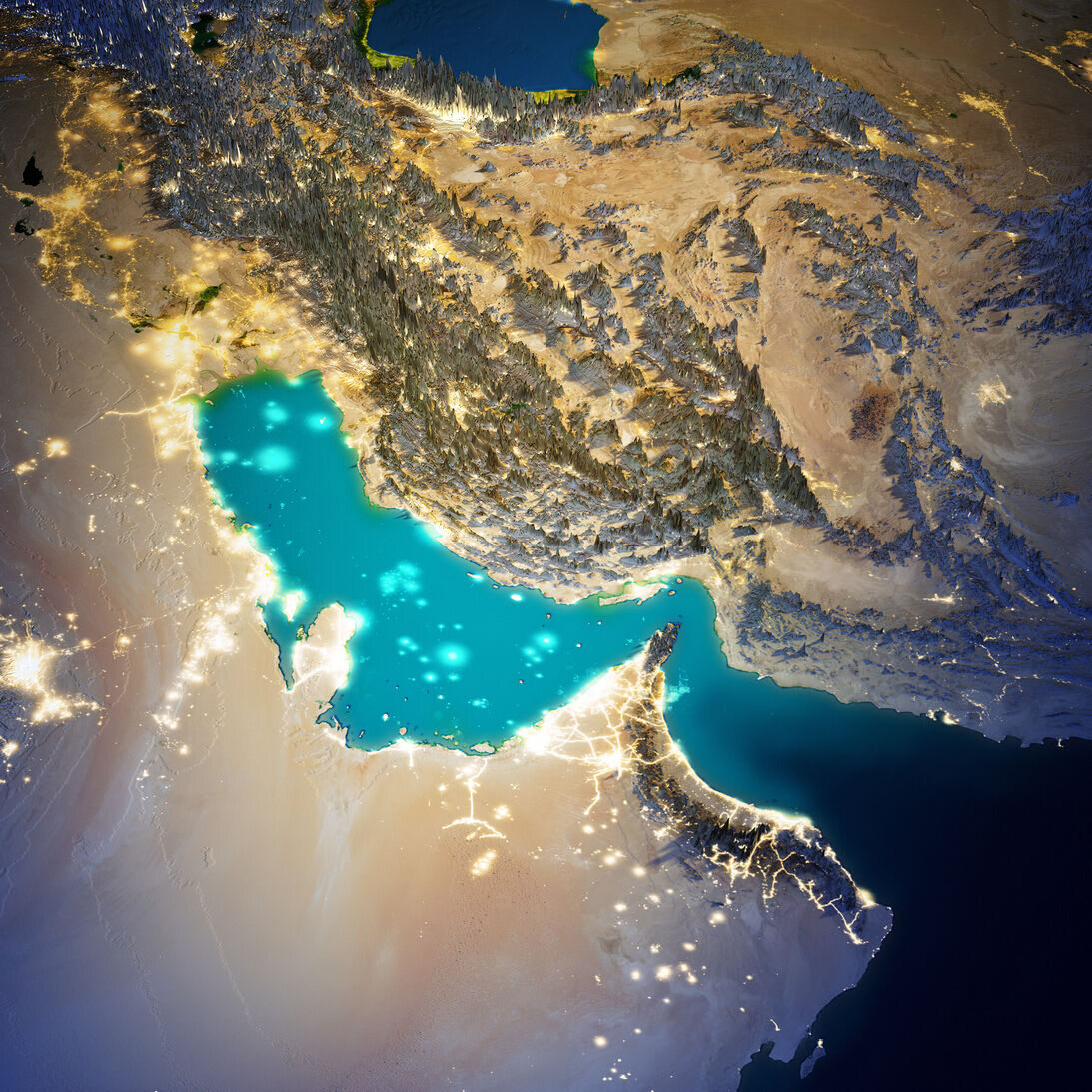
Iran’s rebuttal to Trump’s criticism
Responding to Trump's critiques, Iran stated that its proposals are drafted in the interest of the Iranian people and not to please the American leader. According to Tehran, Trump "has a fundamental dislike for reality and therefore consistently loses to Iran." The negotiating team must develop proposals only for the benefit of the Iranian nation, and if Trump dislikes them, "all the better."
IRIB: American plan meant "Iran's surrender to Trump’s greed"
Iran’s state broadcaster, IRIB, responded to Trump’s rejection of the Iranian reply. In a statement on its Telegram channel, IRIB said the American plan "meant the surrender of Iran to Trump’s greed," whereas Tehran's response "underscores the fundamental rights of the Iranian nation." According to IRIB, the latest Iranian proposal:
-
emphasizes the need for war reparations from the US;
-
reaffirms Iran’s sovereignty over the Strait of Hormuz;
-
highlights the necessity of ending sanctions;
-
calls for the unfreezing of the country's blocked funds and assets.
Iran’s Supreme Leader disappeared at a critical juncture
A Wall Street Journal article reports that Iran's Supreme Leader, Mojtaba Khamenei, disappeared exactly when negotiators "need him most." He has not appeared in public since being injured in the airstrike that killed his father. According to the Journal, the politician’s absence is becoming an increasingly pressing issue for Iran during ceasefire talks with the United States. According to the head of protocol at the Office of the Supreme Leader, Mojtaba Khamenei is recovering. He added that the injuries were caused by a fall resulting from an explosion. Mojtaba Khamenei suffered a "minor contusion behind the ear."
Iranian peace plan demands reparations and recognition of Hormuz sovereignty
Iran has submitted a comprehensive plan to end the US-Israeli war of aggression, insisting on full compensation for war damages and the lifting of all sanctions, according to the Iranian outlet IRIB. The plan also requires the release of frozen Iranian assets and the formal recognition of Iran's sovereignty over the Strait of Hormuz. An informed source stated that Iran’s response "emphasizes the fundamental rights of the Iranian nation" and rejects the previous US plan, which Tehran viewed as an attempt at capitulation.
Iran controls the Strait of Hormuz
Iran gained a clear advantage after the recent 40-day war, exercising steady control over the Strait of Hormuz while defending its nuclear rights and demanding reparations from the US. American officials have dismissed any such control as "unacceptable," but Iran insists that the security of the strait is a regional matter.
Benjamin Netanyahu: Israel must decline US military aid within 10 years
Israeli Prime Minister Benjamin Netanyahu announced in a CBS interview his plans to phase out American military aid over the next decade. "I want to reduce to zero the financial support from the United States, the economic component of our military cooperation. We receive $3.8 billion annually, and I think the time has come to phase out the rest of the military support," Netanyahu stated. The Prime Minister added that he aims to achieve this within the next 10 years.
"I don't want to wait for the next Congress. I want to start now," Netanyahu concluded. In November, Axios reported that Israel is seeking to sign a new 20-year security agreement with the United States, which would allow it to receive at least $4 billion in annual military aid. According to a report by the Costs of War Project at Brown University, the US provided $21.7 billion in military aid to Israel over a two-year period.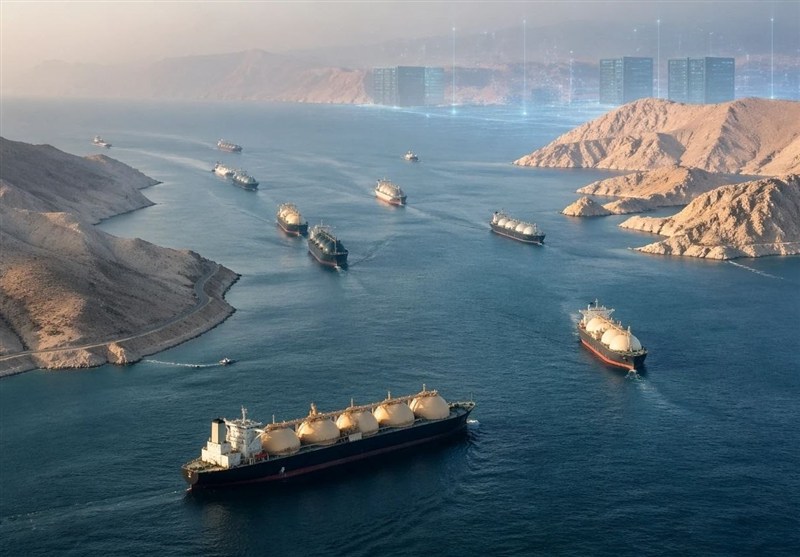
CENTCOM: US fleet of 20 warships repels 61 merchant vessels under Iran blockade
The United States has turned back 61 merchant ships as part of its naval blockade of Iran, US Central Command (CENTCOM) announced on social media. "More than 20 warships are enforcing the blockade of Iran; a total of 61 merchant vessels have been turned away and four have been detained." The US Permanent Representative to the UN, Mike Waltz, stated that Trump intends to end the military conflict with Iran through diplomatic means, but if these efforts fail, he is ready to resume hostilities. According to Waltz, the American president is "giving every possible opportunity for diplomacy."
"History repeats itself": Iran invokes Rome’s defeat to warn US and Israel
Iranian Foreign Ministry spokesperson Esmaeil Baghaei invoked the historic victory over Rome to send a message to modern adversaries, warning that history repeats itself for those who refuse to learn. Baghaei posted on X that Iranians have always resisted not just individual invaders, but powerful "excessive" forces and great "legionnaires," always winning with honor. "On a day like this in 53 BC, at the Battle of Carrhae, General Surena, with far fewer men and limited resources, crushed the heavily armored Roman legions in a masterclass of 'asymmetric' victory," Baghaei wrote.
He noted that Crassus, one of the wealthiest and most powerful Romans, was killed, the myth of invincible Rome was shattered forever, and Rome's dream of eastern expansion died on the battlefield. "History repeats itself for those who refuse to study it or respect its lessons," he added. The post is a pointed reference to the current US-Israeli war against Iran, now in its third month. Despite the massive military superiority of the United States, Iran's armed forces launched 100 waves of retaliation under Operation True Promise 4 and have maintained control of the Strait of Hormuz, defying the US naval blockade.
Baghaei's comparison to the Battle of Carrhae—a classic example of asymmetric warfare—resonates with Tehran's narrative of resistance against superior American firepower. General Surena’s forces used light cavalry and hit-and-run tactics to defeat the slow-moving Roman legions. Similarly, Iran has relied on low-cost drones, precision missiles, and naval asymmetric strategies to counter advanced US and Israeli weaponry. The United States and Israel began their war against Iran on February 28, striking nuclear facilities, schools, and hospitals.
"Restraint has ended": Iran vows decisive response to any ship attacks
A senior representative of the Iranian Parliament warned that any further aggression against Iranian ships in the Persian Gulf will trigger a "heavy and decisive" response targeting US vessels and military bases across the region. A spokesperson for the National Security and Foreign Policy Committee stated on X that the Americans are quickly exhausting their options through continued provocations. "As of today, our restraint has ended," he declared. "Any aggression against our vessels will be met with a heavy and decisive Iranian response against American vessels and bases." He added that time is running against American interests and it is to their benefit not to act foolishly and sink deeper into the quagmire. According to Iran, the best course for the United States is to "surrender and make concessions." "You must get used to the new regional order," Iran emphasized.
IRGC: Americans to face harsh military response if merchant ships targeted again
The Revolutionary Guard Corps (IRGC) Naval Command reported that any attack on Iranian ships in the Persian Gulf or beyond will trigger an immediate and powerful military response against US military centers and hostile vessels. The IRGC reiterated that Iran remains committed to protecting its maritime interests and ensuring the safe passage of its merchant fleet through the Strait of Hormuz.
Iranian naval forces have recently intensified their presence in the strategic waterway following US attacks on Iranian ships and tankers near the port of Jask. According to military sources, IRGC naval units launched retaliatory operations using anti-ship ballistic missiles, cruise missiles, and combat drones, causing significant damage to US military assets and forcing American destroyers to retreat. An Iranian military spokesperson also warned that any new aggression would be met with a "surprise" involving new weapons, new methods of warfare, and new battlefronts. He also cautioned that countries cooperating with the United States in enforcing sanctions could face difficulties transiting the Strait of Hormuz.
Iran closed the Strait of Hormuz to hostile states and their allies following the start of the US-Israeli aggression on February 28. The US imposed a naval blockade on the Persian Gulf, during which US naval forces have repeatedly targeted civilian merchant ships. Iran condemned the blockade as maritime piracy and vowed not to return to negotiations while it remains in place. Meanwhile, the IRGC Navy has assumed full control of the Strait of Hormuz, warning foreign powers against provocations that could jeopardize international shipping routes.
www.bankingnews.gr







Σχόλια αναγνωστών