

Awe is caused by the strategic reappearance of Iran in the Persian Gulf. It is not simply another demonstration of military power, it constitutes a clear declaration that the era of American monopoly in the Middle East is now under serious challenge. The statements of Admiral Shahram Irani, but also the positions of General Seyyed Majid Mousavi, capture a new geopolitical reality: Iran not only did not retreat in the face of US pressures, but evolved into a power capable of imposing strategic terms in one of the most critical maritime arteries of the planet, the Straits of Hormuz. Washington, for decades, invested billions of dollars in the effort to encircle and weaken Tehran. Sanctions, destabilization policies, military threats, cyberattacks and continuous naval provocations constituted the basic tools of a strategy that aimed to bend the Islamic Republic. However, the results seem to have been exactly the opposite. Iran developed self-reliance, strengthened its domestic defense industry and created an asymmetric military doctrine that today causes a headache for the American Pentagon.
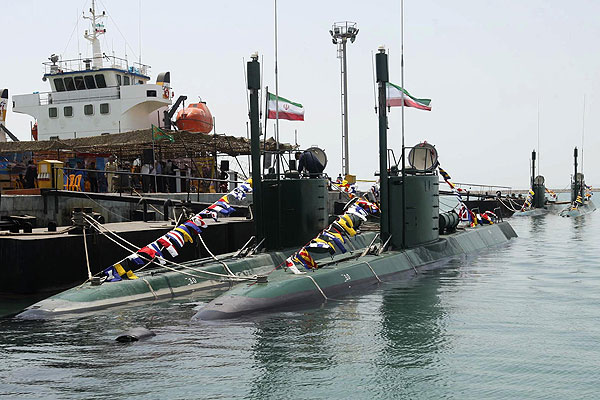
The lethal dolphins entered the Persian Gulf
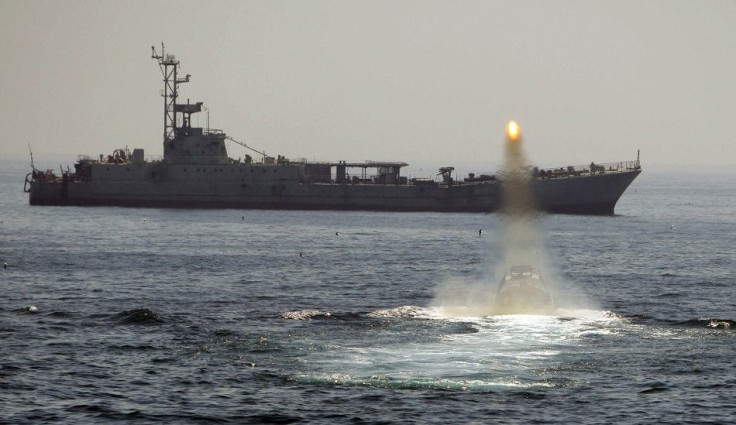
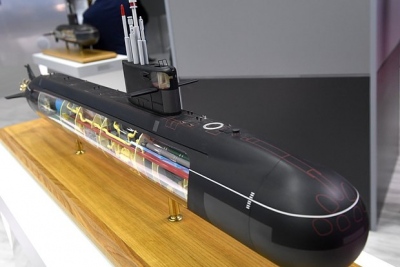
Of particular interest is the deployment of the Ghadir class submarines, known among Iranian officers as the "dolphins of the Persian Gulf". These are small sized submarines, designed specifically for the shallow and confined waters of the region. There where the huge American warships lose a significant part of their operational flexibility, the Iranian submarines acquire a huge advantage. The Ghadir are not constructed for conventional Western type naval warfare. They are weapons of guerrilla warfare below the surface of the sea. They can place mines, execute surprise attacks and disappear in the narrow passages of the Persian Gulf before the opponent realizes what happened.
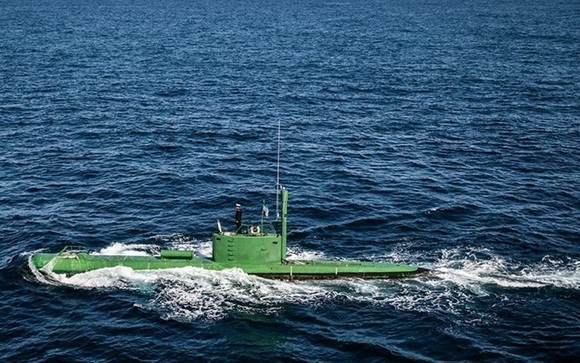
US ships under constant threat
Their deployment in the Straits of Hormuz means that any American force that attempts to impose military pressure in the region will be under constant threat. Shahram Irani made it clear that these submarines are deployed based on "the threats, the capabilities and the operational needs". This statement was not accidental. It reflects the cold and calculated strategy of Iran: deterrence through uncertainty. The US may possess aircraft carriers and advanced frigates, but they cannot effectively control a maritime space where the opponent operates invisibly and at an extremely low cost. This exactly is also the biggest problem of the American strategy in the Middle East. The US continues to operate with the logic of 20th century military superiority, investing in huge and extremely expensive combat platforms, while Iran invests in flexible, cheap and extremely effective means of asymmetric deterrence. The result is that a state which was for years under suffocating sanctions manages today to impose strategic fear on the strongest military machine in the world.
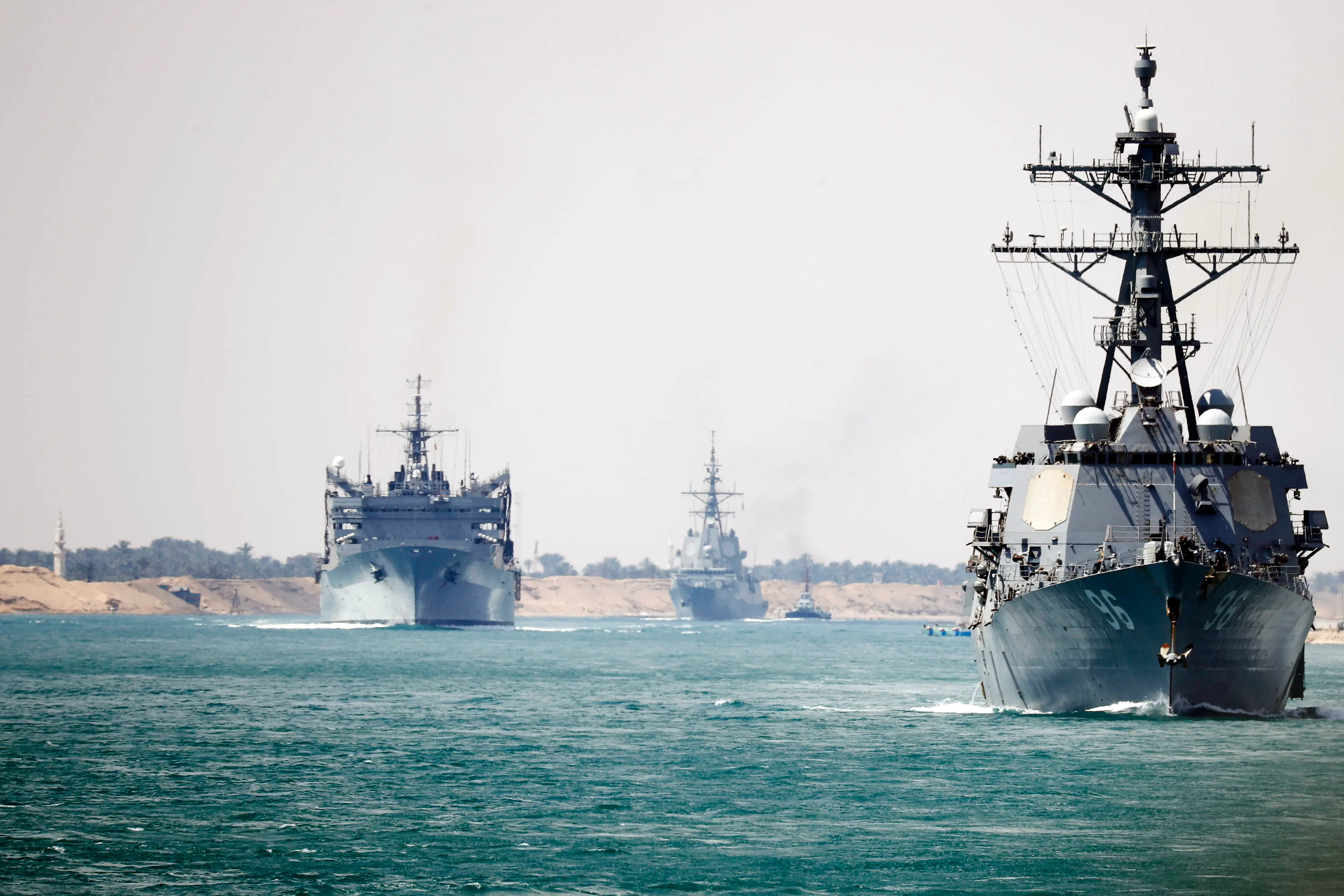
Iranian missiles and drones locked all US ships
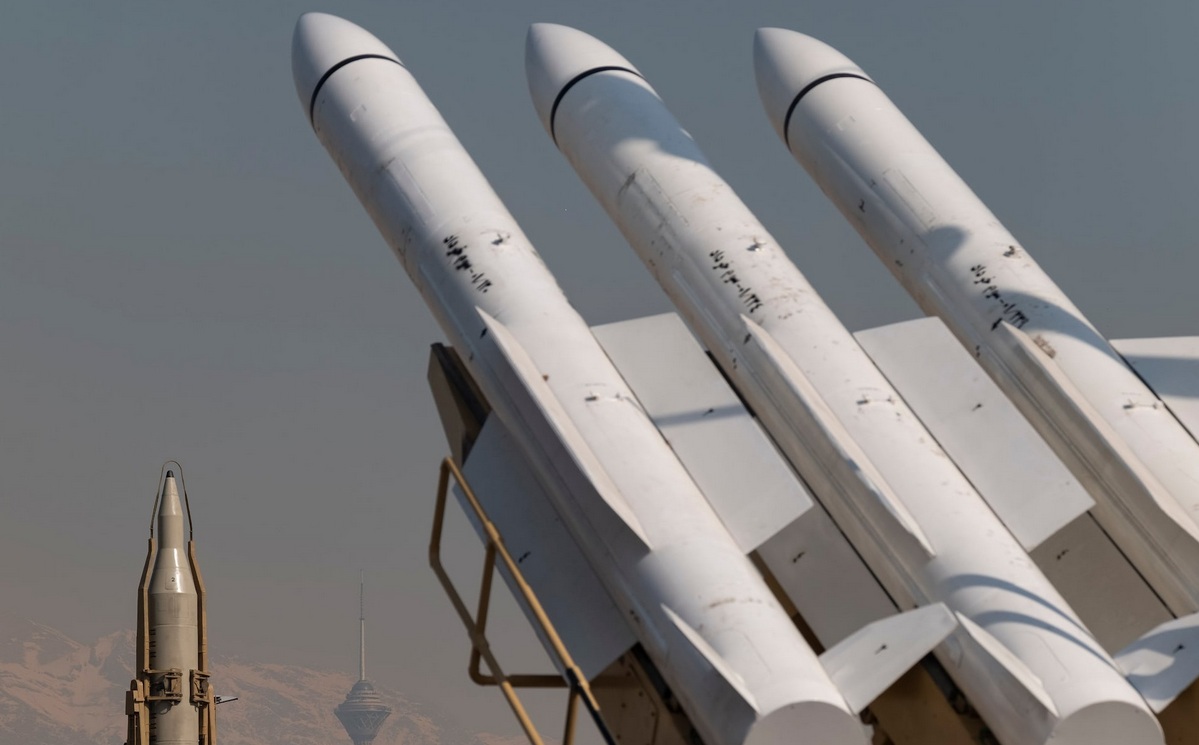
Even more impressive is the progress of Iran in the field of missiles and drones. General Majid Mousavi stated clearly that Iranian missiles and aerospace drones have "locked" American targets and hostile ships in the entire region of the Persian Gulf. This statement, beyond its communication weight, conveys an essential message: Iran now considers that it possesses a credible strike capability against American forces. And this assessment is not baseless. In recent years, Iran has invested huge resources in the development of precision ballistic missiles, cruise missiles and long range drones. In contrast to Western narratives which for years presented Iranian technology as "inferior", developments in the field prove that Tehran has managed to create a highly sophisticated network of offensive capabilities. Recent reports of Iranian retaliation after American strikes near Jask strengthened this image even more.
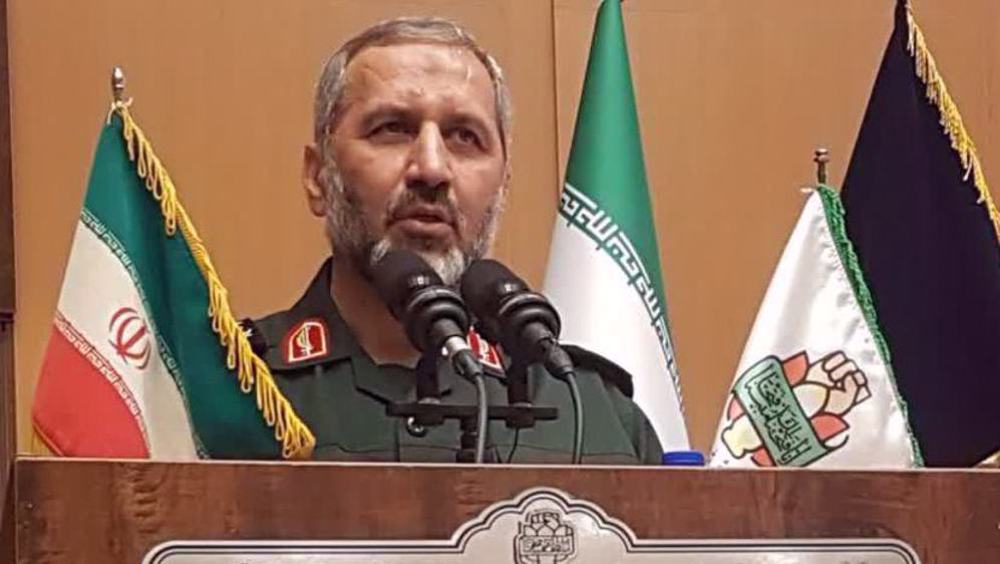
Majid Mousavi
Key strikes on American naval assets by the IRGC
According to Iranian sources, the navy of the Revolutionary Guards (IRGC) launched combined attacks with anti-ship missiles and high-explosive drones, causing serious damage to American assets and forcing US ships to withdraw in disarray from the area. Iran does not present itself as a defending state under pressure, but as a power that can impose costs on the US. And this image has particular significance for the entire Middle East, where many countries are now watching with interest the gradual retreat of American influence. Washington finds itself confronted with a deep strategic crisis of credibility. The multiyear interventions in Iraq, Afghanistan and Syria not only failed to stabilize the region, but created huge waves of instability, destruction and anti-American sentiment. The image of the US as a "security guarantor" has received a serious blow, especially when American policies themselves are often considered a source of destabilization.
Iran a force of resilience
In contrast, Iran is presented more and more as a force of resilience and strategic autonomy. Despite the sanctions, the economic pressure and the international isolation efforts, the country not only maintained its cohesion but managed to build strong military and technological capabilities. This has huge significance for the countries that seek to reduce their dependence on the West. The importance of the Straits of Hormuz makes this conflict even more critical. Through this specific passage, a huge percentage of the global oil and natural gas trade is transported. The control or even the capability of disrupting navigation there endows Iran with huge geopolitical influence. For decades, the US took for granted that they could operate unhindered in the region. Today, however, every American ship entering the Persian Gulf knows that it is within range of Iranian missiles, drones and submarines. The most impressive element is perhaps the psychological dimension of this confrontation. Iran has managed to convert the concept of "resistance" into a central element of its strategic identity. The references to the "martyrs of the frigate Dena" and the symbolic presence of the "dolphins of the Persian Gulf" are part of a broader narrative of national pride and defensive determination.
Investing in asymmetry
On the other side, the US appears more and more as an external power attempting to impose its presence through military force, without however possessing a clear political strategy for the region. American policy often seems contradictory: it speaks of stability while reinforcing tensions, it invokes the safety of navigation while conducting offensive military moves, and it projects democracy while cooperating closely with authoritarian regimes when this serves its geopolitical interests. Iran, despite its weaknesses and its problems, seems to understand better the new nature of modern conflict. It does not attempt to compete with the US symmetrically. Instead, it invests in asymmetry, in flexibility, in technological adaptation and in the capability to impose costs. This strategy has already proven highly effective. As global balances shift and American hegemony is increasingly challenged, Iran attempts to position itself as a pillar of independent regional power. The deployment of the Ghadir submarines, the strengthening of the missile arsenal and the aggressive rhetoric towards the US are not isolated incidents. They are part of a comprehensive strategy aimed at creating a new balance of power in the Middle East. And perhaps the most important conclusion is this: despite the huge economic, military and political pressure it received for decades, Iran not only survived but evolved into one of the most calculable geopolitical players of our time. The US, on the contrary, now find themselves confronted with the limits of their power, limits that are becoming more and more apparent in the waters of the Persian Gulf.
www.bankingnews.gr






Σχόλια αναγνωστών