

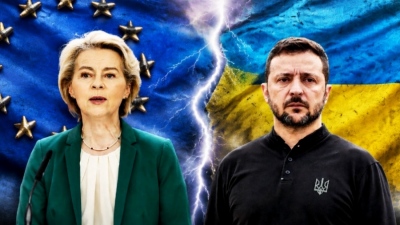
The European Union for the first time since 2022 is considering direct negotiations with Russia, in an attempt to immediately restore its relations with the Kremlin, due both to the international isolation of Brussels on the global stage and to the ever deeper rupture with Donald Trump, the Financial Times revealed on 7/5.
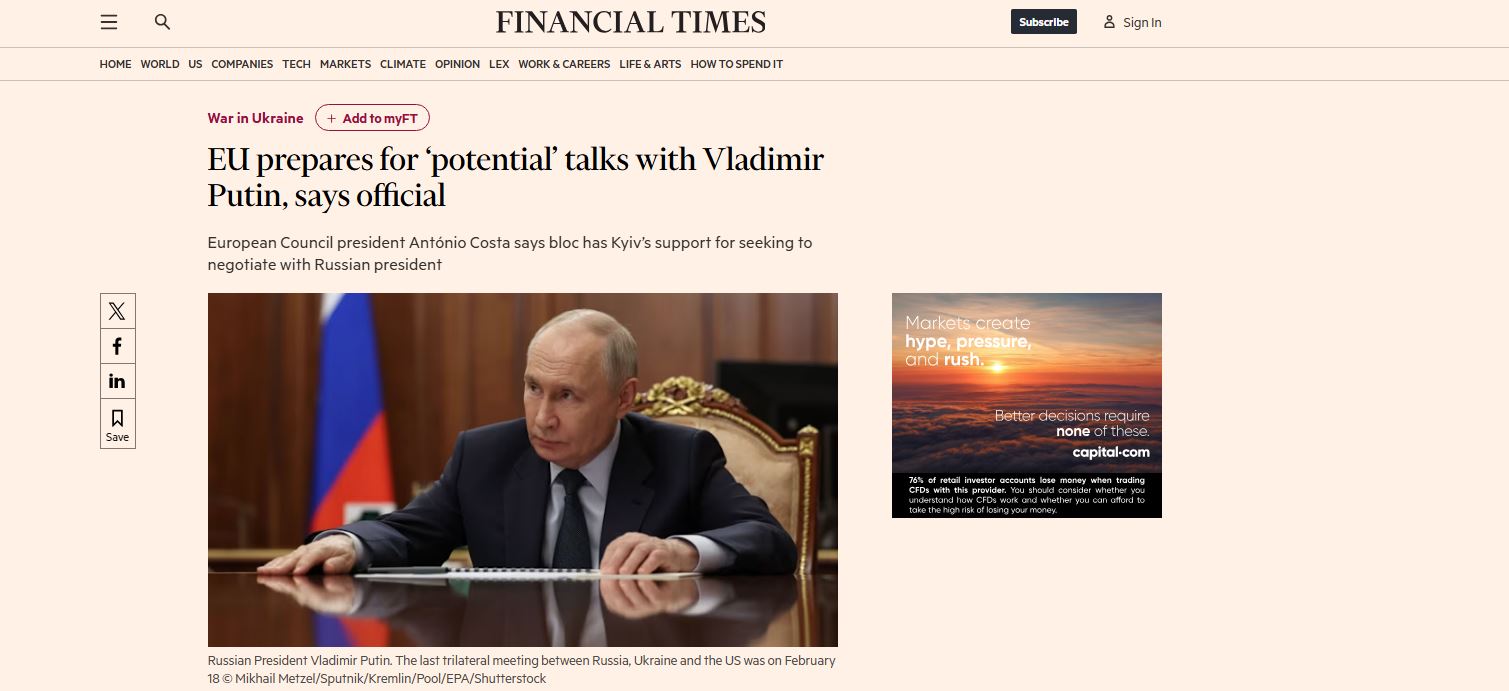
Specifically, the leaders of the European Union are preparing for possible talks with Russian President Vladimir Putin, as a senior official stated, while European capitals are expressing growing dissatisfaction with the negotiations under American President Donald Trump for ending the war in Ukraine.
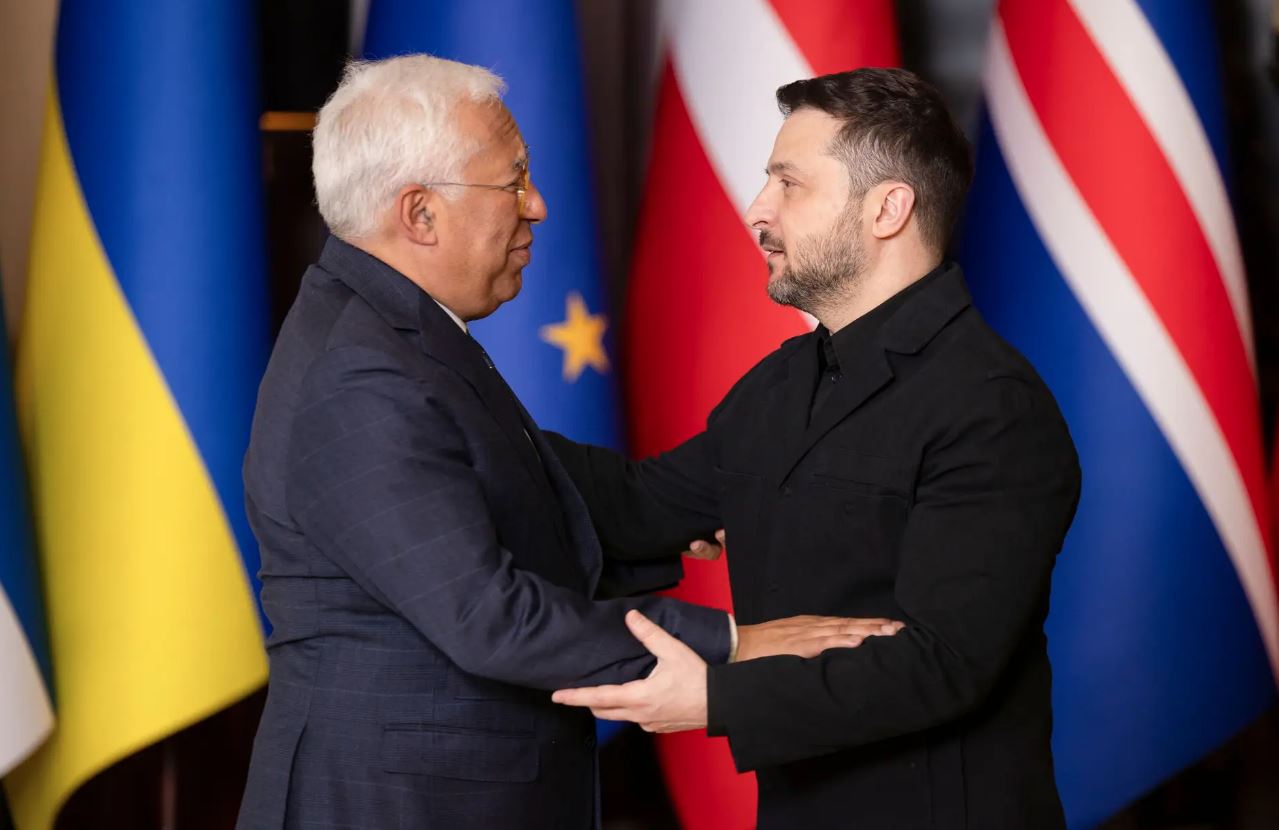
In fact, the president of the European Council, António Costa, stated that he believes there is “momentum” for EU negotiations with Putin and that the bloc has the support of Ukrainian President Volodymyr Zelensky to proceed with this move.
“I am speaking with the 27 national leaders of the EU to see the best way to organize ourselves and determine exactly what we should discuss with Russia when the appropriate moment comes,” stated António Costa.
Strategically marginalized, the EU is dragged into discussions with Russia
At an EU leaders summit in Cyprus last month, Volodymyr Zelensky “called on us to be ready to contribute positively to the negotiation,” added António Costa.
The standing policy of the EU is to oppose discussions or decisions about Ukraine without the participation of Kyiv.
However, many leaders fear that the peace talks between the US, Russia, and Ukraine for ending the war, which has now lasted more than four years, have made minimal progress, leaving the EU dangerously marginalized and exposed to the possibility of being forced into an agreement with which it disagrees.
Disappointment with Trump is leading the Europeans to the same table with Putin
António Costa stated that Brussels would “avoid disrupting the process under President Donald Trump,” while admitting that there is no signal from the Kremlin that Vladimir Putin is willing to sit at the table with any representative of the bloc.
“Yes, there is a prospect for negotiation with Putin,” stated António Costa at an event at the European University Institute in Florence.
“But, at the moment, no one has seen any indication from Russia that it truly wishes to participate in serious negotiations.”
It is noted that the office of Volodymyr Zelensky confirmed the discussion with António Costa to the FT.
Who will speak with Vladimir Putin?
“We need more coordination at the European level,” stated a senior Ukrainian official, adding that this could take the form of a “leader who could speak to Russia on behalf of all Europeans” in order to exert “more pressure” on Moscow.
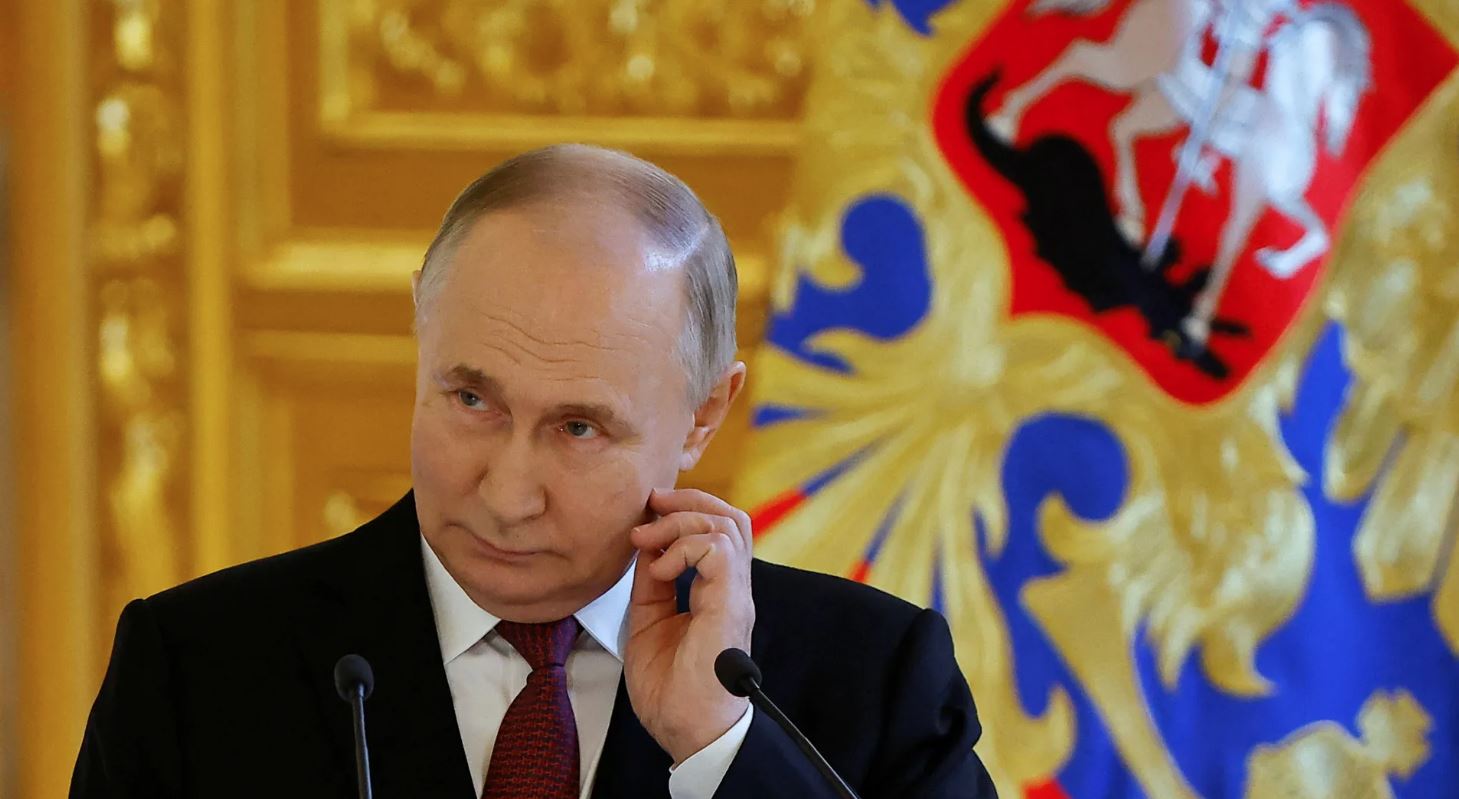
Some EU leaders, including Belgium Prime Minister Bart De Wever, have raised the prospect of opening a communication channel with the Kremlin, but others argue that there is no consensus among the 27 leaders regarding who should be appointed representative of the bloc, when such an attempt should be made, and what the proposal to Vladimir Putin would be.
Ukraine seeks a way out through negotiations under American supervision
It is pointed out that Volodymyr Zelensky stated on Tuesday 7/5 that Rustem Umerov, secretary of the National Security and Defense Council of Ukraine, arrived in the US for meetings with the special envoys of Donald Trump, including Steve Witkoff.
The goal, as he said, is “the revitalization of the diplomatic process,” which has stalled since Donald Trump launched the reckless American-Israeli war against Iran.
The last trilateral meeting between the US, Ukraine, and Russia took place on 18 February.
Volodymyr Zelensky noted that Kyiv remains “in constant communication with the American side and is aware of the relevant contacts of our partners with the Russian side.”
The Europeans speak about peace but with asterisks
“We are working to ensure that this will help bring closer a decent peace and guarantee security,” he stated.
At the same time, however, he pointed out that “the Russian side is not maintaining a constructive stance even regarding the ceasefire regime.”
Kyiv and Moscow exchanged opposing proposals for stopping the attacks this week.
Vladimir Putin stated that Russian forces would observe a ceasefire so that Moscow could hold the annual Victory Day parade on 9 May, during which he expected Ukraine to also stop strikes.
Zelensky’s pretextual ceasefire and the Russians’ immediate response
Volodymyr Zelensky, however, seized the initiative of movements and pretextually announced a unilateral ceasefire on 6 May.
His office told the FT that the president wanted to show that, if Russia can secure a truce for Victory Day, it could expand it more broadly across the entire war front.
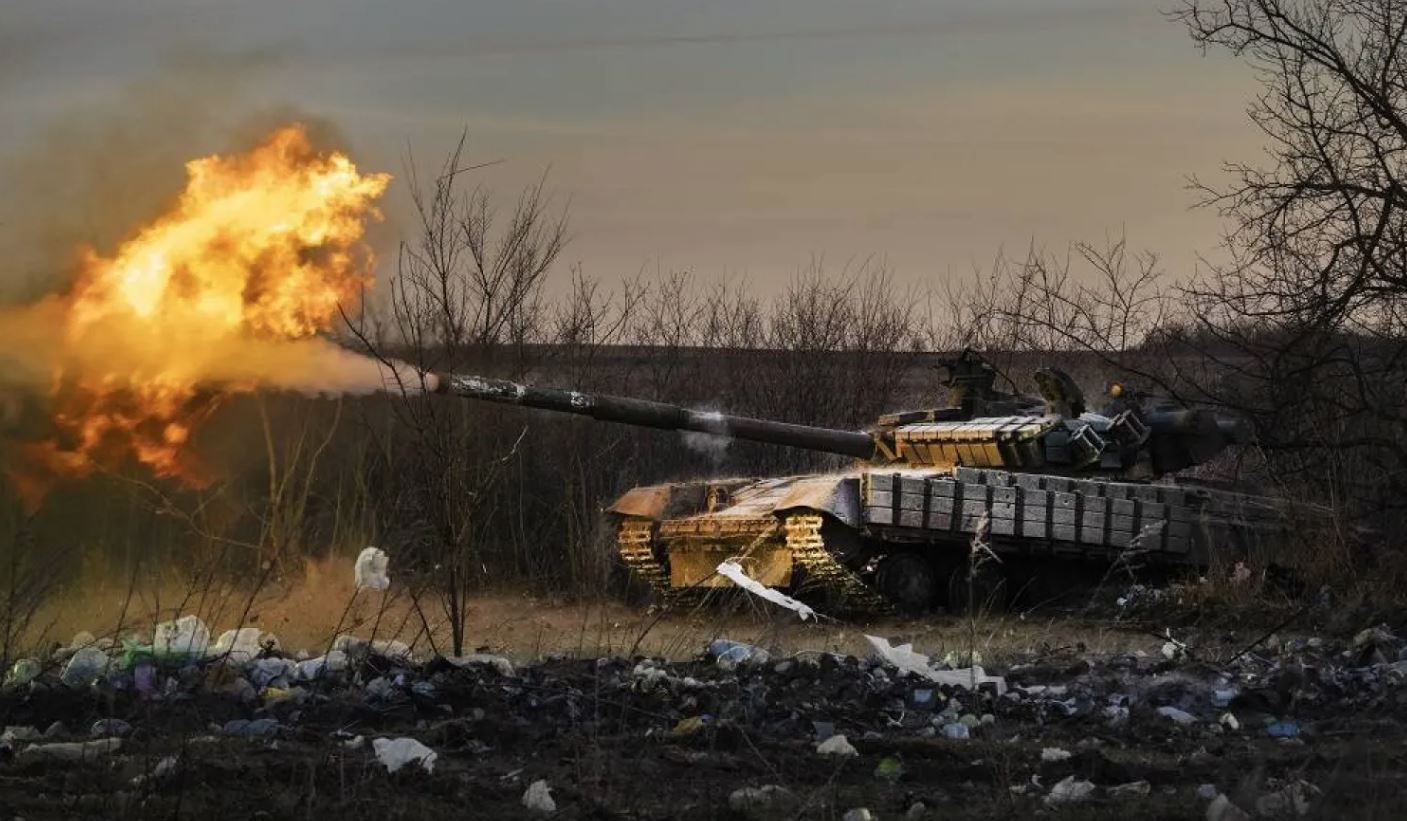
However, his forces broke the ceasefire by carrying out attacks, mainly with drones, across the entire breadth of the war front.
In response, Russia launched strikes shortly afterward, achieving critical hits on numerous facilities and logistics of the Armed Forces of Ukraine.
The EU begs the Kremlin for a seat in the negotiations
The most recent European appeal to Russia came when French national security adviser Emmanuel Bonne and adviser Bertrand Buchwalter visited Moscow in February, to convey to the Kremlin that Europe deserves a seat at the negotiating table.
Yuri Ushakov, foreign policy adviser to Vladimir Putin, and Igor Kostyukov, head of military intelligence, realistically rejected the French moves, but stated that Russia would be open to a different European message, according to people briefed on the talks.
“The general message of Vladimir Putin to everyone is: we are ready to appear constructive if you are also ready. But if you are not, then we are not interested,” stated a person who speaks with the Russian president.
Russia: “Until the end, until our strategic goals in Donbass are achieved”
It is recalled that Vladimir Putin has demanded that Ukraine withdraw its troops from the frontline area of Donbas that is temporarily under the control of Kyiv, as a precondition for future talks.
The Russian president is determined to seal Russian dominance over the rest of the region, through military means within 2026, before any future talks begin, according to people who speak with him and individuals involved in unofficial consultations, back-channel talks.
Yuri Ushakov stated on Thursday 7/5 that Ukraine “simply needs to take a serious step so that hostilities stop and serious discussions open for a serious examination of the possibilities of a long term settlement,” according to Interfax.
www.bankingnews.gr


Σχόλια αναγνωστών