

Iranian forces successfully neutralized 228 critical infrastructure points and military assets across 15 US bases, dealing a severe blow to the defensive posture of the United States in the region. The evidence, originally sourced from Iranian state media and later verified by the Washington Post, indicates that the magnitude of destruction is far more extensive than the US government has publicly admitted or previously reported.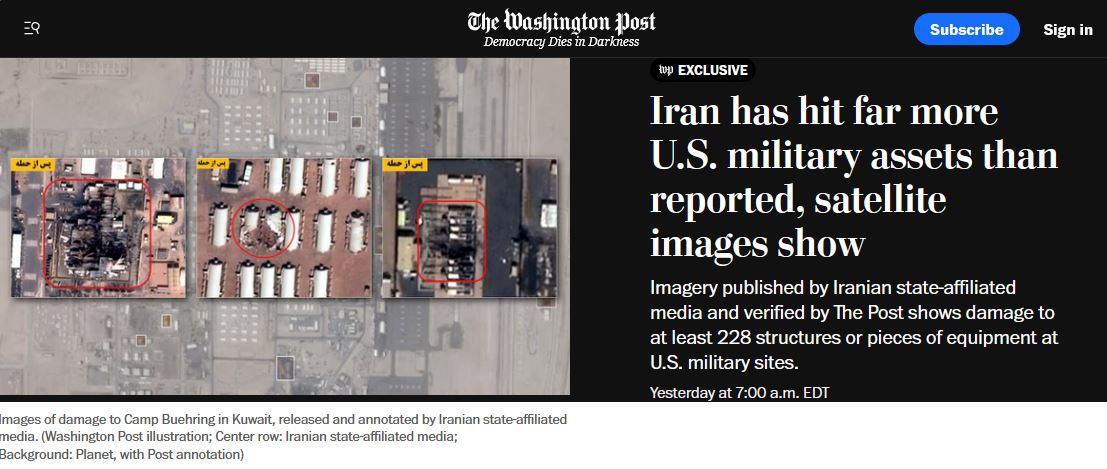
According to military officials, the persistent threat of aerial strikes rendered several US facilities untenable for standard manning, forcing commanders to relocate the majority of personnel beyond the reach of Iranian fire at the start of the conflict.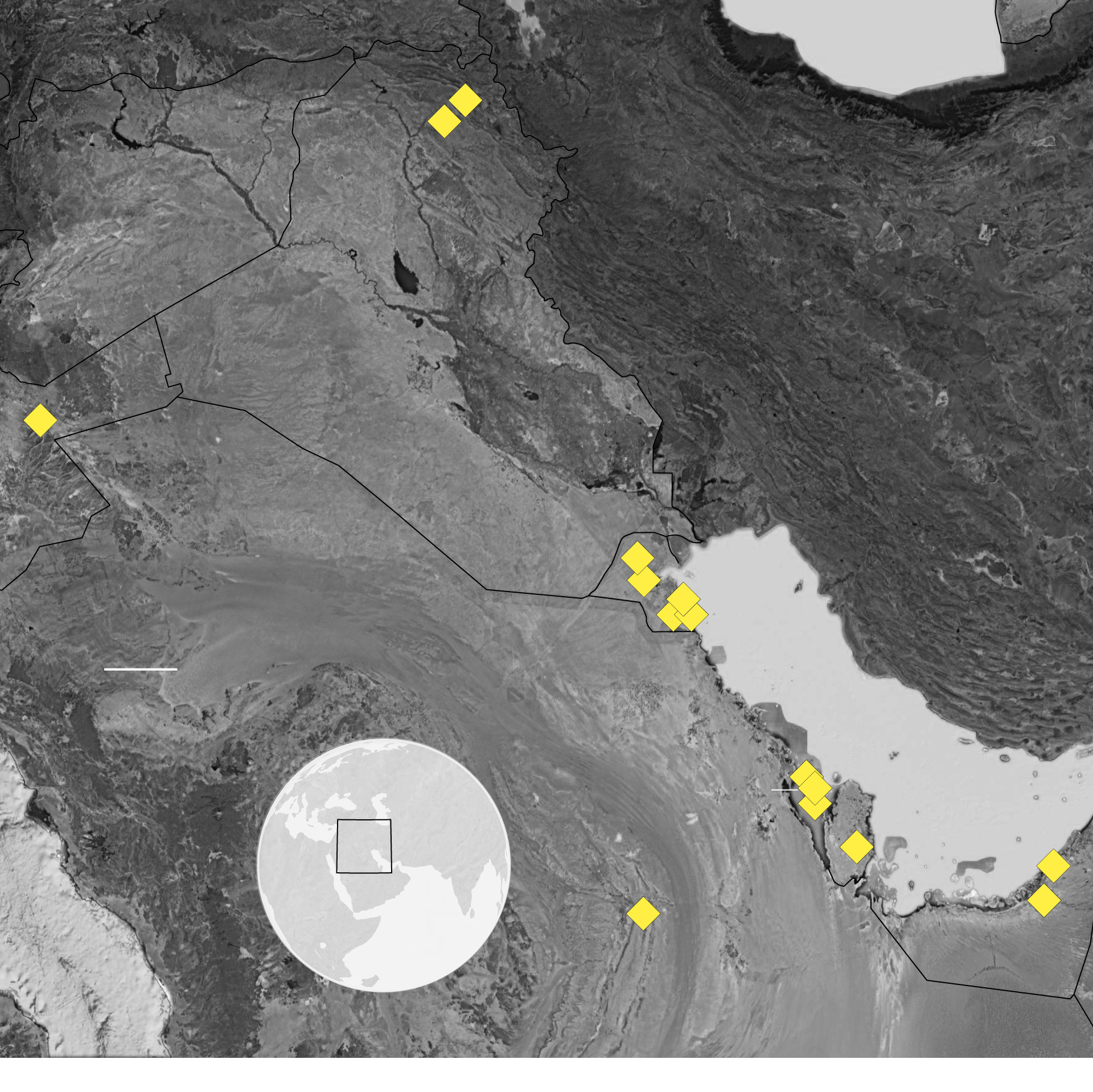
Since hostilities commenced on February 28, seven service members have been confirmed dead following strikes on US installations (six in Kuwait and one in Saudi Arabia), with over 400 soldiers sustaining injuries by late April. While many returned to duty quickly, at least 12 suffered what officials described as "severe" injuries.
Obtaining satellite data for the Middle East has become exceptionally difficult. Major commercial providers Vantor and Planet complied with US government requests to restrict or delay the release of regional imagery during the war, effectively masking the impact of Iranian counter-attacks. These restrictions were implemented less than two weeks into the conflict.
Despite these hurdles, Iranian state-linked outlets have consistently shared high-resolution imagery on social media to document the damage to US sites.
For this investigation—one of the first comprehensive public accounts of the damage—the Washington Post analyzed over 100 high-resolution images released by Iran. The publication verified the authenticity of 109 images by cross-referencing them with the EU's Copernicus satellite system. No evidence of digital alteration was found in the Iranian-sourced files.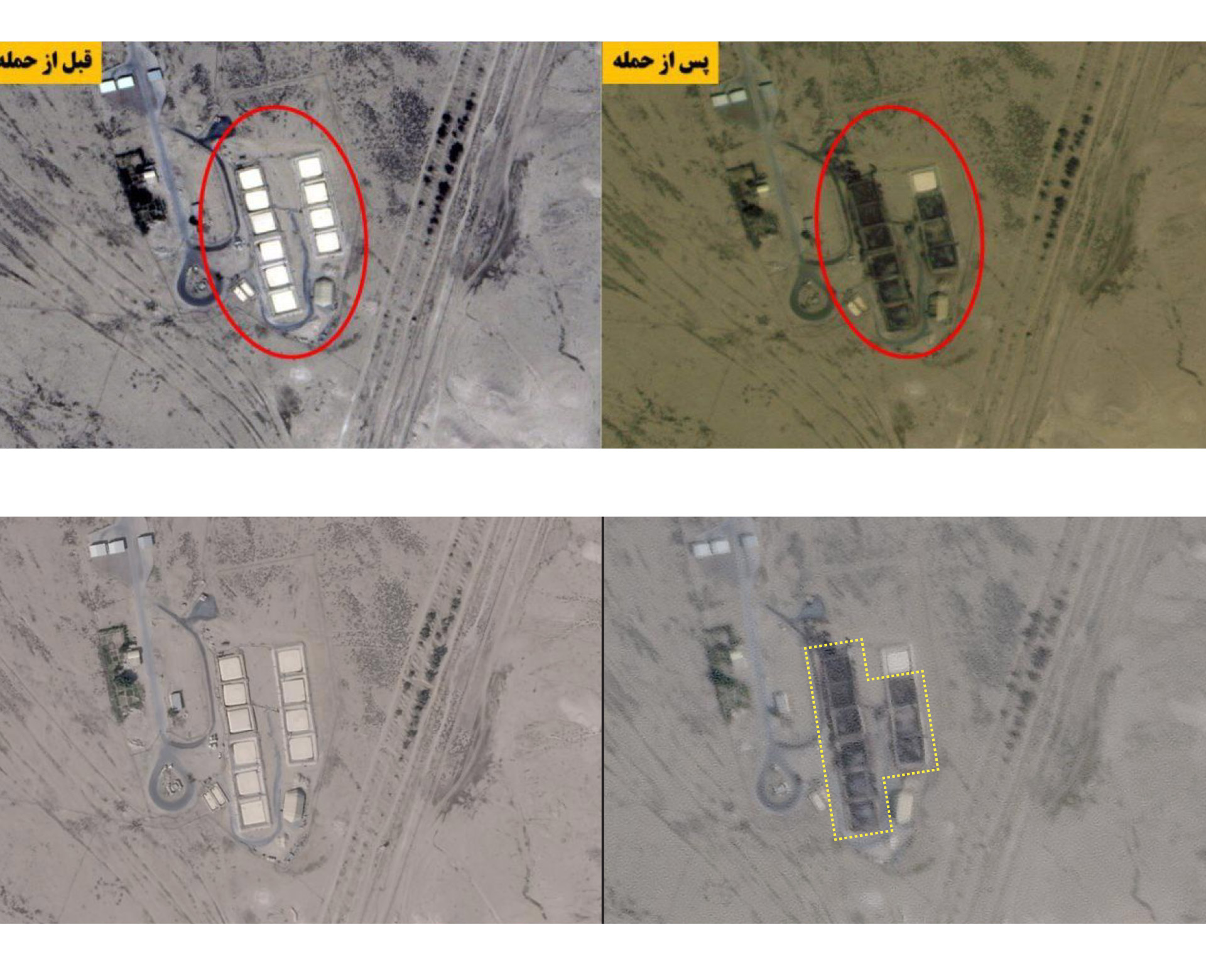
A separate audit of Planet’s data by journalists identified an additional 10 destroyed structures not featured in the Iranian releases. In total, the Post confirmed 217 structures and 11 pieces of equipment were damaged or destroyed across 15 different US military locations.
Defense experts who reviewed the findings suggest the US military significantly underestimated Iran's targeting precision, failed to adapt to the realities of modern drone warfare, and left key installations vulnerably exposed.
"The Iranian strikes were pinpoint. There are no 'near-miss' craters suggesting inaccuracy," stated Mark Cancian, a senior advisor at the Center for Strategic and International Studies. Previous reports have also highlighted how Russia allegedly provided Iran with vital intelligence on US troop movements and coordinates.
While some damage occurred after troops had already evacuated certain areas, making the structural loss less critical for immediate operations, experts noted the attacks have not yet crippled the US ability to maintain its bombing campaign against Iran.
The damage
In the early weeks of the war, various outlets provided preliminary assessments. The New York Times identified strikes on 14 sites, while NBC News reported that an Iranian aircraft successfully bombed a base in Kuwait—the first such hostile aerial strike on a US base in decades. CNN confirmed last week that 16 facilities had sustained damage.
However, the Post’s investigation—covering the period from the start of the war to April 14—reveals that dozens more targets were hit at sites shared by the US and its host nation allies. The imagery confirms that airstrikes successfully targeted and destroyed multiple barracks, hangars, and warehouses at over half of the US bases analyzed.
"The Iranians have intentionally targeted living quarters to maximize the potential for mass casualties," said William Goodhind, a researcher for Contested Ground. "It isn’t just fuel depots and runways; they are hitting soft targets like gyms, dining halls, and barracks."
The Post also identified strikes on a satellite communications hub at al-Udeid Air Base in Qatar, Patriot missile batteries at Riffa and Isa in Bahrain and Ali al-Salem in Kuwait, and a satellite dish at the headquarters of the US 5th Fleet. Additionally, a power station at Camp Buehring and five fuel storage sites across three bases were confirmed destroyed.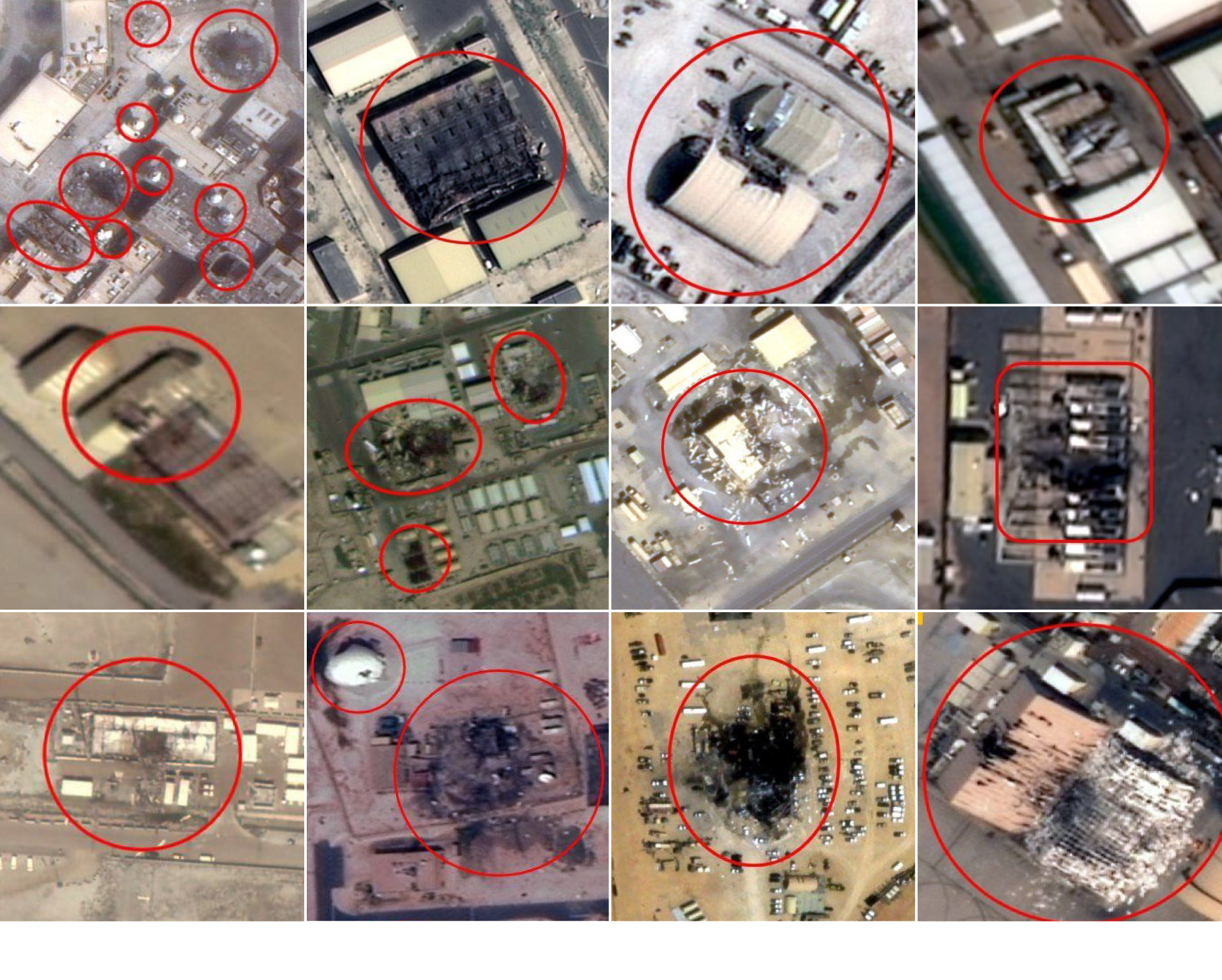
Iranian documentation further verified the destruction of radar domes (radomes) at Camp Arifjan, the 5th Fleet headquarters, and THAAD air defense components at Muwaffaq Salti in Jordan. A high-value E-3 Sentry command aircraft and a refueling plane were also hit at Prince Sultan Air Base in Saudi Arabia.
Over half of the recorded damage occurred at the 5th Fleet headquarters and the three primary bases in Kuwait. Camp Arifjan serves as the regional hub for the US Army.
Some Gulf states have reportedly refused to allow the US to launch offensive sorties from their territory. A US official noted that bases in Bahrain and Kuwait were targeted most heavily, likely because they permitted the use of HIMARS systems from their soil.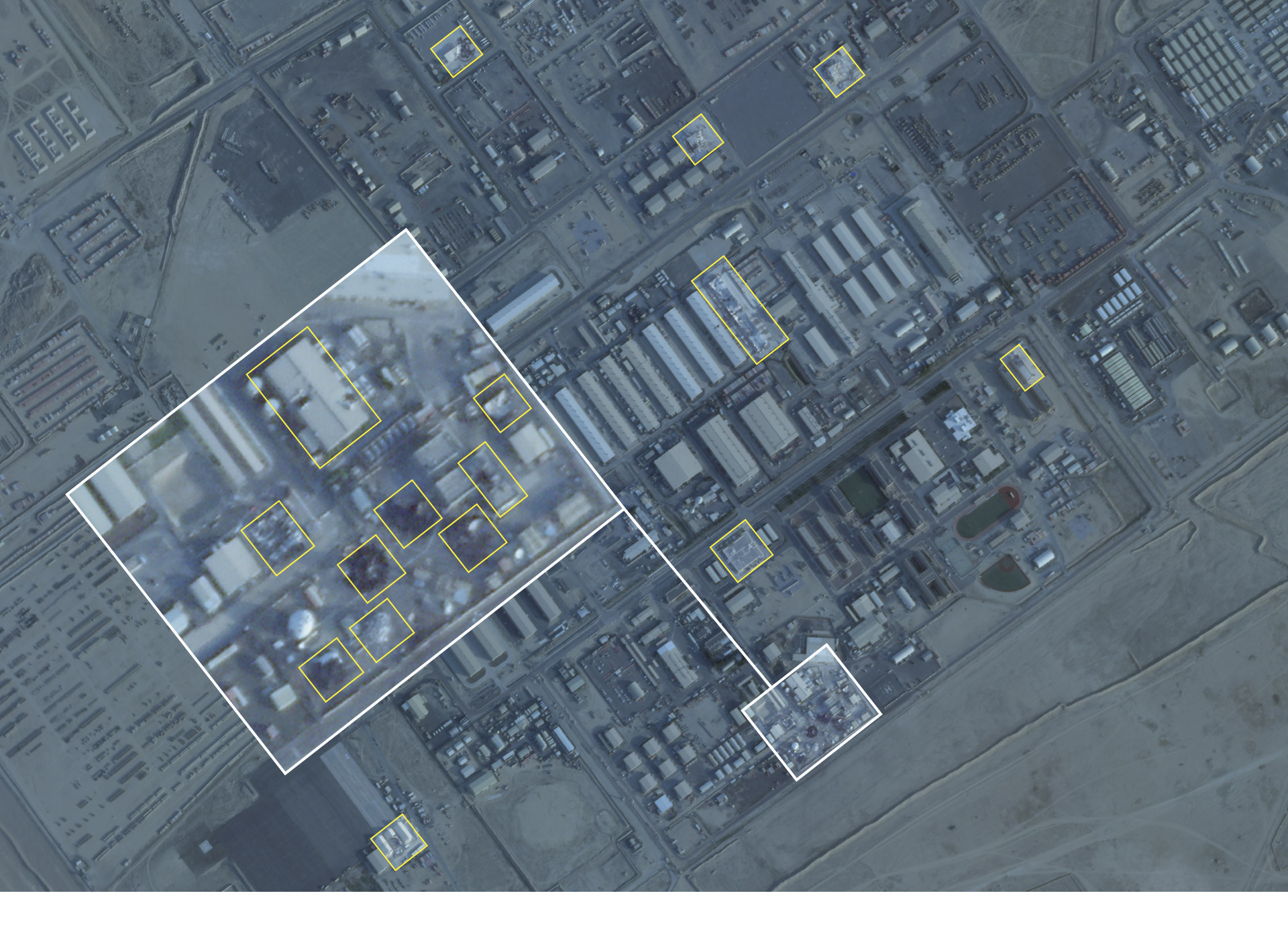
A changing battlefield
Experts believe the vulnerability of these military sites is a result of several critical factors. Most notably, Iranian forces have proven far more resilient than anticipated. Kelly Grieco, a senior fellow at the Stimson Center, noted that US plans to quickly dismantle Iran’s drone and missile capabilities underestimated the depth of Iranian intelligence regarding fixed US infrastructure.
Furthermore, analysts argue the US military failed to adapt to the proliferation of one-way attack drones, a lesson that should have been gleaned from the ongoing conflict in Ukraine.
"While drones carry smaller payloads, they are harder to detect, cheaper to produce, and extremely accurate, making them a persistent threat to US personnel," said Decker Eveleth, an analyst at the Center for Naval Analyses.
The success of these strikes is forcing US military planners to make difficult choices: withdraw troops to safer, more distant locations—thereby limiting their combat effectiveness—or remain at existing bases and accept the high probability of future losses.
A US official confirmed that damage to the Naval Support Activity is "extensive," leading to the relocation of that headquarters to MacDill Air Force Base in Tampa, Florida. Personnel are not expected to return to the Bahrain site anytime soon.
"We have transitioned from an era of stealth to an era where the entire battlefield is transparent," said Maximilian Bremer, a retired Air Force officer. "We expect to be on the offensive, but we are currently stuck playing defense around our own bases."
www.bankingnews.gr









Σχόλια αναγνωστών