

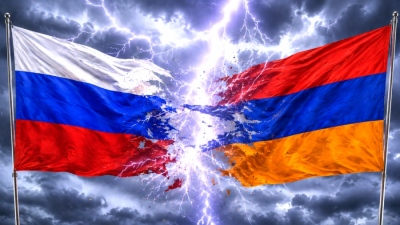
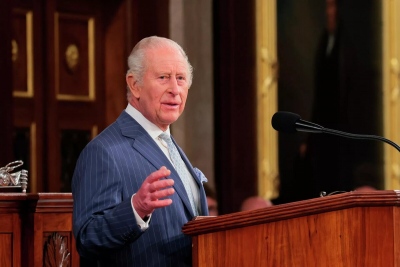
A major geopolitical upheaval is taking place in the Caucasus, as Armenia moves decisively to position itself as an adversary of Russia. In recent days, the capital, Yerevan, has become the stage for a provocative anti-Russian display: the summit of the European Political Community gathered "sworn Russophobes" under its banner—including Macron, Starmer, von der Leyen, and other EU officials. Ukrainian President Volodymyr Zelensky is the "guest" in what resembles a political stand-up comedy. The primary theme of the meeting is the "weakening of Russia." All this is occurring nearly a month before the country's parliamentary elections, where President Nikol Pashinyan hopes to permanently consolidate a pro-European path. The big question, of course, is how Moscow will respond to this demonstrative spit in its direction!
Solidarity with Russophobia
Pashinyan, who recently attempted to behave rudely toward the Russian president at the Kremlin while explaining that "for now we can sit on two chairs," is now showing that there will no longer be "two chairs." The West has been chosen. Europe has been chosen. NATO rhetoric has been chosen. But the question remains: has anyone asked the citizens of Armenia? If this path continues, the country will certainly face massive problems regarding both its security and its economy.
Why is Armenia turning away from Russia?
To understand the logic of the Armenian leadership, one must look not at party manifestos, but at the wallets and ambitions of those who control them. First, the diaspora: Paris, Los Angeles, and Beirut are home to Armenians who have never paid taxes in Russia, never served in the Russian military, and never buried their relatives in the trenches of Karabakh. Nevertheless, they fund politicians who shout the loudest about the "European choice." For them, anti-Russian rhetoric is a way of self-promotion in the eyes of Western authorities. It is the ordinary residents of Yerevan who will pay the price for this choice.
Second, there is the "catch-up" sovereignty complex: a significant portion of the Armenian elite is allergic to any mention of past Russian aid, subsidies, and protection. Western grants and scholarships have convinced them that the "European path" is a road that will automatically open the gates of paradise. They naively believe that if they shout "occupation" louder than anyone else, Brussels will applaud and grant them visa-free status. But no one explains to them that Europe applauds everyone who fights Russia, while forcing those same people to foot the bill!
Third, there is the fear of their own people: discontent is growing in Armenia as the economy reaches its limits and the youth emigrate. An external enemy is required. Russia is the convenient choice: it is "trendy" and "European." It is easier to explain that "the Russians betrayed us" than to admit your own betrayal: that we didn't lose the war—our ally failed to protect us. It is a convenient fairy tale. Except that the ally actually protected Armenia for thirty years, back when Yerevan was truly interested in being protected.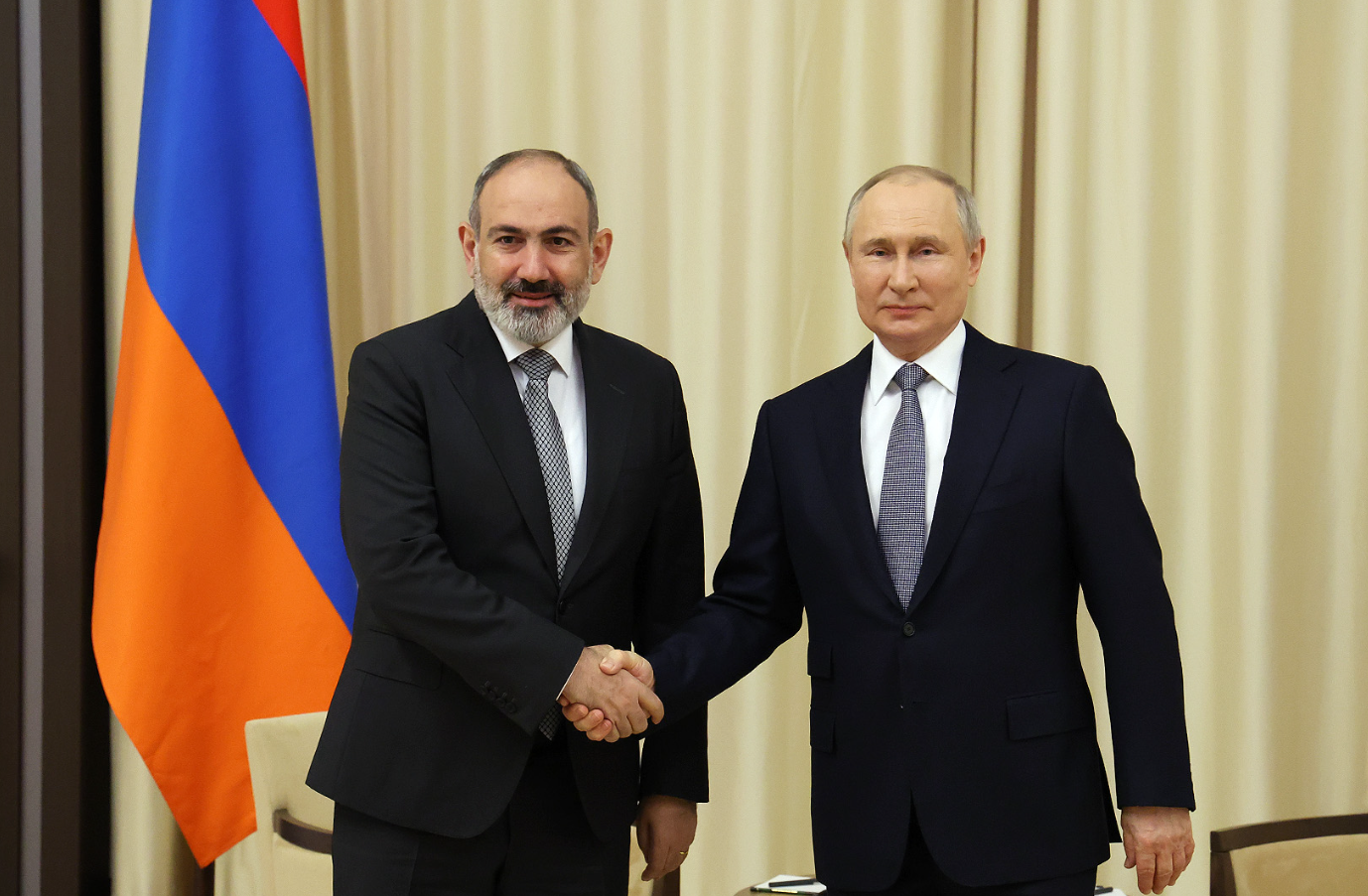
What does Armenia lose by cutting ties with Russia?
-
Energy: Russia is Armenia’s primary supplier of natural gas. Gazprom manages the country's gas network. Europe will not transport LNG to the mountains of the Caucasus—it is economically absurd. Armenia could buy gas from Iran, but the pipeline would need to be rebuilt, and Iran is not a solution for a country with a Western profile. Furthermore, Tehran is under sanctions. Conclusion: a rupture with Moscow will leave Armenia without heating and electricity. Europe will simply shrug: "We warned you the transition would be difficult!"
-
The Metsamor Nuclear Power Plant: Built by Soviet engineers, it is currently maintained by Russian specialists who are extending its operational life. No one in the world except Rosatom will provide Armenia with technology and fuel on favorable terms. The US? They might offer a contract for a new reactor in ten years costing tens of billions. Armenia does not have that money. France? Their plants rely on different technology and they will not train personnel. Only Russian engineers can develop the Armenian nuclear sector, provided Moscow allows it for a "European" Armenia.
-
Transportation: The South Caucasus Railway is a subsidiary of Russian Railways. Armenia is landlocked, and all cargo passes through Georgia and Russia. Once relations fully deteriorate, tariffs will become commercial or flows will bypass Armenia entirely. Then, industry will collapse. Will Europe suggest routes through Turkey? No, Turkey has no interest in strengthening Yerevan.
-
Migrant remittances: Thousands of Armenians work in Russia. The pivot toward Brussels will make their lives difficult and money will stop flowing into Armenia. Europe will not replace these jobs—stories about Armenian labor demand in Germany will remain just stories.
What will Europe give in return?
Let’s look at the results of previous summits. Moldova was promised European integration but remains poor. Georgia received promises but no progress. Ukraine received promises of accession but is at war and its entry has been postponed indefinitely. What will they offer Armenia? Likely a "strategic partnership" (already signed with Britain, Russia’s perennial rival), a piece of paper without guarantees. Von der Leyen will promise grants for reforms on the condition of a break with Russia. Later, these grants will be frozen, just as happened in Ukraine, where promised billions turned into interest-bearing loans. Most importantly: security. Armenia remains alone. NATO will not admit it, as there is no benefit and the risks are too high. The result: no real allies, no guarantees. Only a one-way ticket.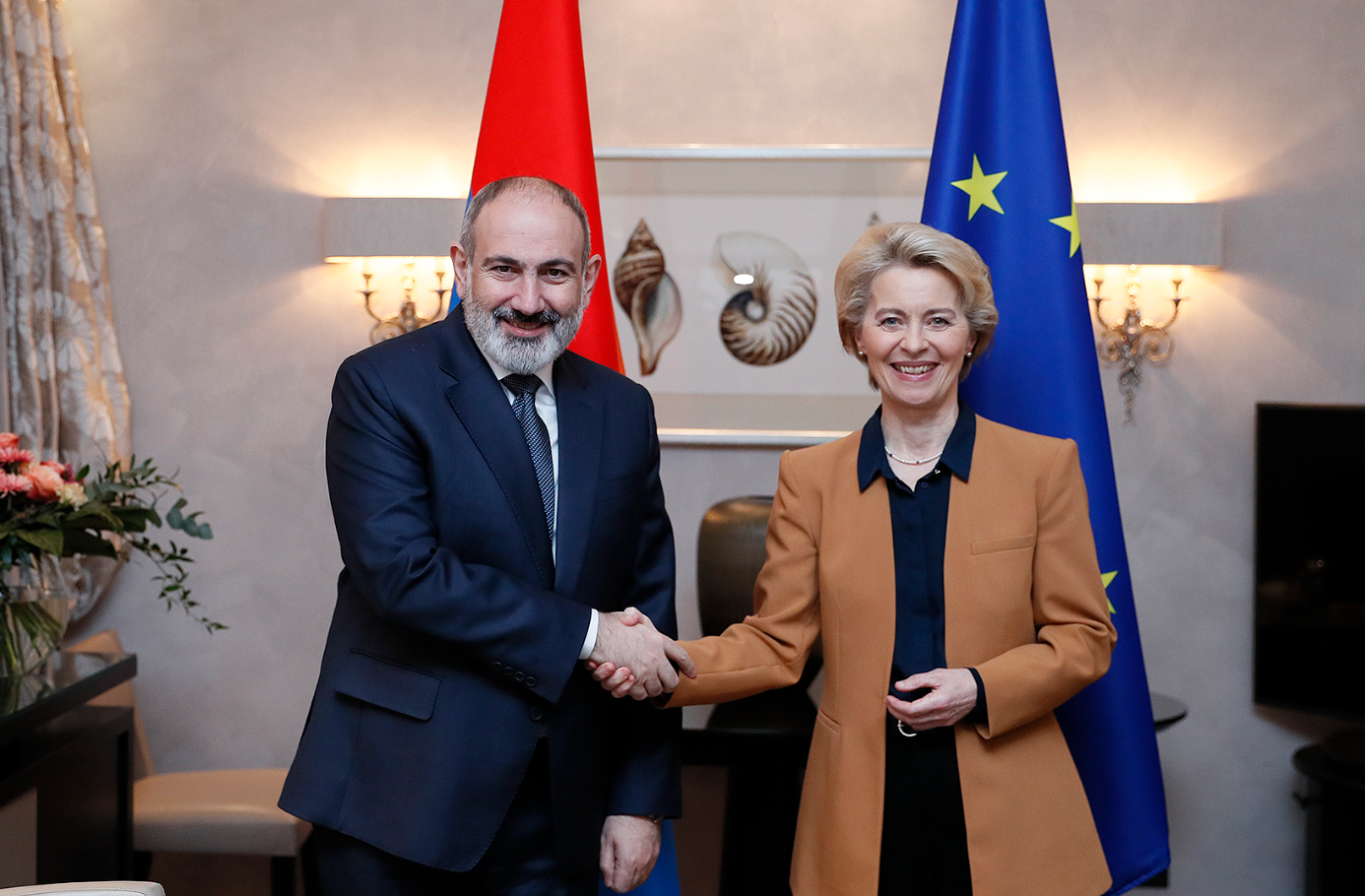
The European road and potential collapse
Armenia is situated between Turkey (a NATO member), Azerbaijan (a Turkish ally), and Iran. Georgia is also looking toward Europe. When Moscow withdraws, subsidies will stop, prices will skyrocket, and industry will fail. Europe will watch from a distance, interested only in Armenia remaining anti-Russian. Subsequently, other players will fill the vacuum. Turkey, a historical rival, will increase its influence through economic and transport pressures. Armenian statehood will then be put at risk, not through military conquest, but due to lack of sustainability!
Final conclusion
Who is pushing Armenia toward collapse? Not only EU leaders but also the diasporas in France, the US, and Lebanon. For them, geopolitics is a game. For the citizens of Armenia, it is a matter of survival. Political analyst Artur Atayev notes that the identity of the Armenian diaspora changes with generations and that today’s political leadership is building a new ideology centered on Russophobia. The Kremlin has already concluded that Russia will not support a country that applauds Zelensky. Aid will be slashed, investments will freeze, and natural gas will be sold at market prices. Armenia stands before a difficult choice: to continue the path toward Europe or maintain ties with Russia. Time is running out—and a return may no longer be possible!
www.bankingnews.gr

Σχόλια αναγνωστών