

The ceasefire in the Persian Gulf between the US and Iran hangs by a thread, especially following yesterday's exchange of fire in the Strait of Hormuz and the attack on oil facilities in Fujairah, UAE. A senior Iranian military source attributed the attack to American "adventurism" in Hormuz and Washington's attempt to guide ships out of the Strait, although Iran has not officially claimed responsibility for the drone strike in the United Arab Emirates.
The Americans, for their part, claimed they managed to "pass" two US vessels, with CENTCOM estimating that ships from 87 nations are currently in the Gulf while guaranteeing that all will safely transit Hormuz. It is evident that the world is watching with bated breath, hoping for a solution that will reopen the waterway. The Trump administration is attempting to achieve this through Project Freedom; however, despite the optimism of military officials regarding a defensive umbrella for trapped ships, it appears this initiative may not be enough to end the historic energy crisis gripping the planet.
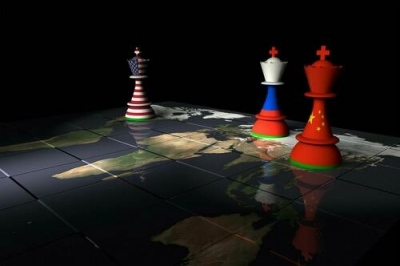
At least, that is the message from the market. At the same time, this US move has placed further pressure on the fragile ceasefire, and no one is certain how long it can hold until negotiations find a breakthrough. Furthermore, Trump is facing pressure to resolve the Hormuz deadlock before his visit to Beijing on May 14-15, while the CIA warns that China is the ultimate winner of the current Gulf crisis—not only appearing as an attractive ally for Gulf states but also gaining significant intelligence on American warfighting capabilities.
Chaos
Last Sunday, Trump announced a plan for the US to assist in guiding certain ships out of the Strait of Hormuz. This plan was dubbed Project Freedom. The risks quickly became apparent. Iran announced it struck a US Navy frigate with two missiles—which the US denied—followed by American claims of destroying six Revolutionary Guard vessels, which was also denied. Meanwhile, alarms sounded in Dubai and especially the UAE, where oil facilities in Fujairah were hit. All these actions have left the ceasefire hanging by a thread. Analysts already argue that "the situation is very bad and chaotic."
The market message
However, Project Freedom does not appear to be the catalyst needed to end the historic energy crisis. At least, that is the market's message. Energy prices did not retreat following President Donald Trump's announcement of the new American effort to "guide" ships through the Strait. Oil futures surged above $100 a barrel and continued to climb after the attacks in the region. At this point, the market is betting that Project Freedom will fail to release the massive quantities of energy trapped in the Middle East.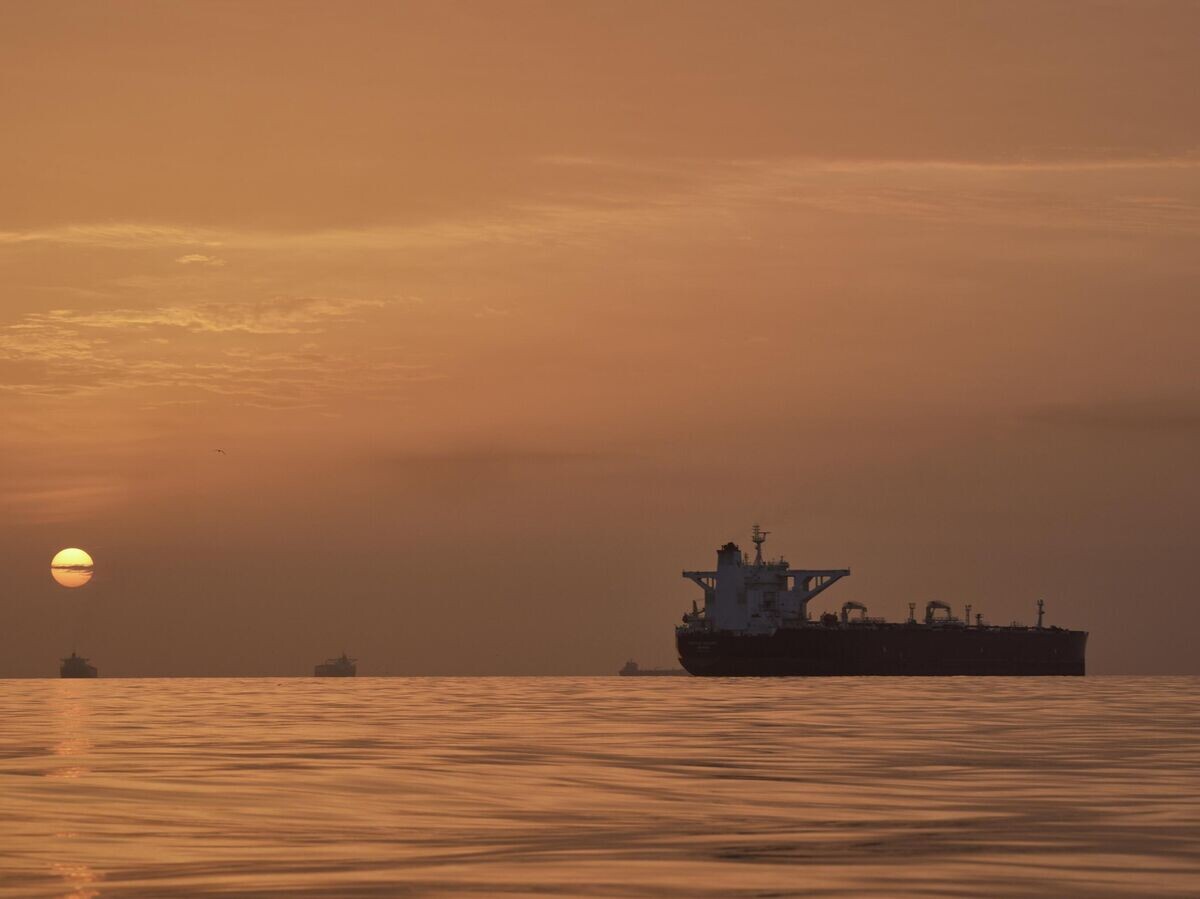
A weak mission
Skepticism reflects certain realities: 1). This is not an escort mission: Project Freedom is an effort to "restore freedom of navigation" in the Strait of Hormuz, involving over 100 land and sea aircraft and 15,000 personnel, according to CENTCOM. While the announcement shows US officials are focused on reopening the Strait, it is not a promise that the US military will escort individual merchant ships. In fact, a US official told CNN that this is not an escort mission. 2). Iran says it violates the ceasefire: Iranian officials reacted quickly, arguing that Project Freedom violates the fragile truce with the United States. Furthermore, Iran appeared to respond by resuming attacks in the area. 3). Shaken confidence: The shipping industry has been rocked by Iran's placement of mines in the Strait and attacks on vessels. Shipping executives are expressing reservations about the initiative, and it remains unclear if tanker owners are willing to take the risk.
Both sides are needed
Project Freedom is far from a full reopening of the Strait of Hormuz—a lengthy process that oil analysts say is required for oil to flow sufficiently to lower prices. The Eurasia Group warned that without Iranian "buy-in" or a massive naval deployment, the project will fail. "The US plan will not materially increase transport volumes in the short term," the consultancy wrote. Bjørn Højgaard, CEO of Anglo-Eastern, agreed: "It takes both sides to lift a blockade—not just one. Either side can show willingness to let ships pass, but if the other side does not accept it in practice, the situation on the water doesn't change."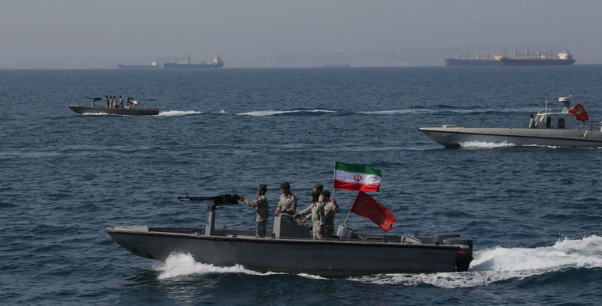
Iran dominant
Developments over the last 24 hours indicate that the Strait of Hormuz remains fully under Iranian control and that Project Freedom has failed. The US Navy claimed it created a new maritime route for safe passage; however, according to the Tasnim news agency and satellite tracking data, no ships have transited under this plan, and claims regarding a Maersk vessel remain unconfirmed.
Experts estimate that almost no ship is willing to risk the passage. HFI Research noted that no vessels are even attempting the transit. Reports from the UK Maritime Trade Operations indicate that within just one hour, three ships that ignored Iranian warnings were attacked. On Monday morning, a UAE tanker linked to ADNOC was targeted. These facts suggest that without coordination with Iran, transit is practically impossible.
Another element demonstrating Iranian control is the movement of sanctioned vessels. While the "liberation" operation supposedly began, at least three Iran-linked ships—the DERYA, XAVIA, and NOOH GAS—crossed the Strait into international waters. This suggests that while Iran-affiliated vessels move freely, those linked to hostile nations cannot. Furthermore, Vortexa data shows that during the first 10 days of the American blockade, Iranian oil revenues amounted to approximately $910 million.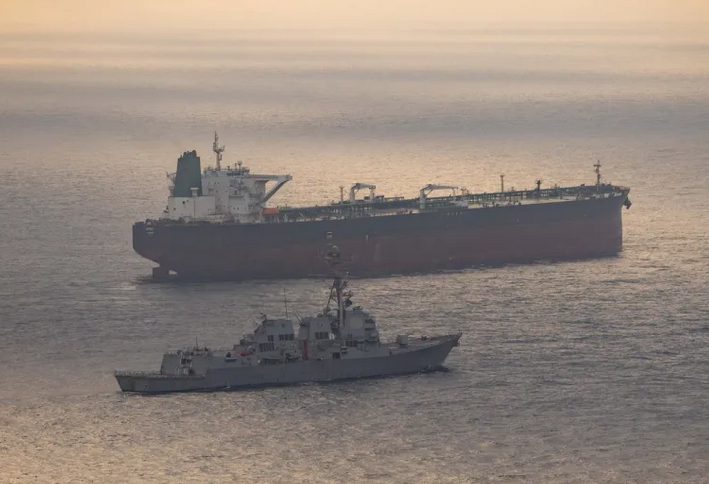
New attacks in the Middle East
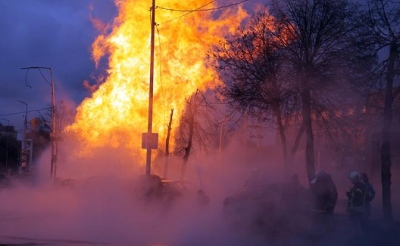
The reality is further complicated by new military strikes. US and Iranian forces exchanged fire on Monday, while an explosion rocked a South Korean-linked vessel in the Strait. A massive fire also broke out at a key oil facility in the UAE, an attack officials attributed to Iranian drones. The incident damaged the Fujairah Oil Industry Zone, the terminus of a pipeline used to bypass the Strait of Hormuz.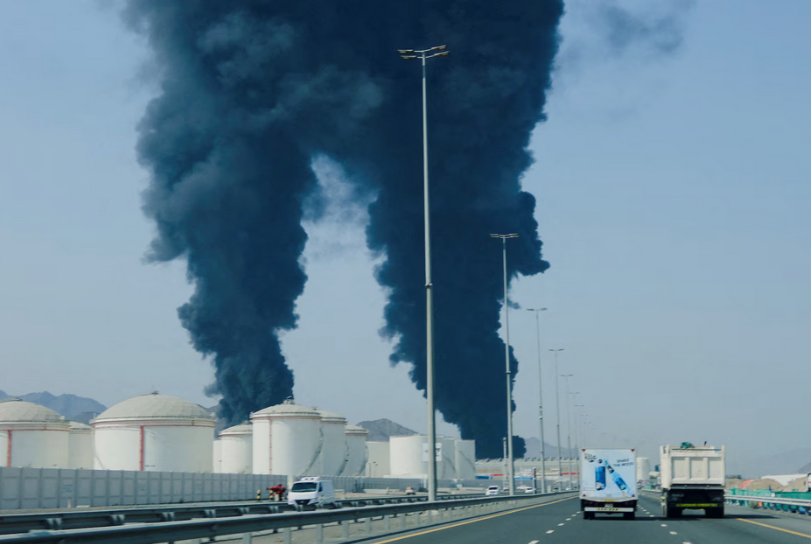
Five-dollar gasoline a certainty
US oil contracts initially dipped Sunday night before reversing course. WTI reached $107.46 a barrel on Monday, while Brent rose to $114. Retail prices at the pump hit a new crisis high of $4.46 per gallon. Andy Lipow told CNN that prices would likely hit $5 if the Strait remains closed for another month. Gregory Brew of Eurasia Group added that given the volume of oil lost, "$5 gasoline is essentially a given."
170 million barrels of oil trapped
The market is watching to see if shipping through the Strait of Hormuz accelerates. Approximately 170 million barrels of crude and refined products are trapped aboard 166 tankers, according to Kpler. "It can be a very painful process to get loaded tankers out and empty ones in, given that traditional routes are avoided due to mine fears," said Matt Smith of Kpler, estimating it could take three months to clear the backlog once the Strait fully reopens.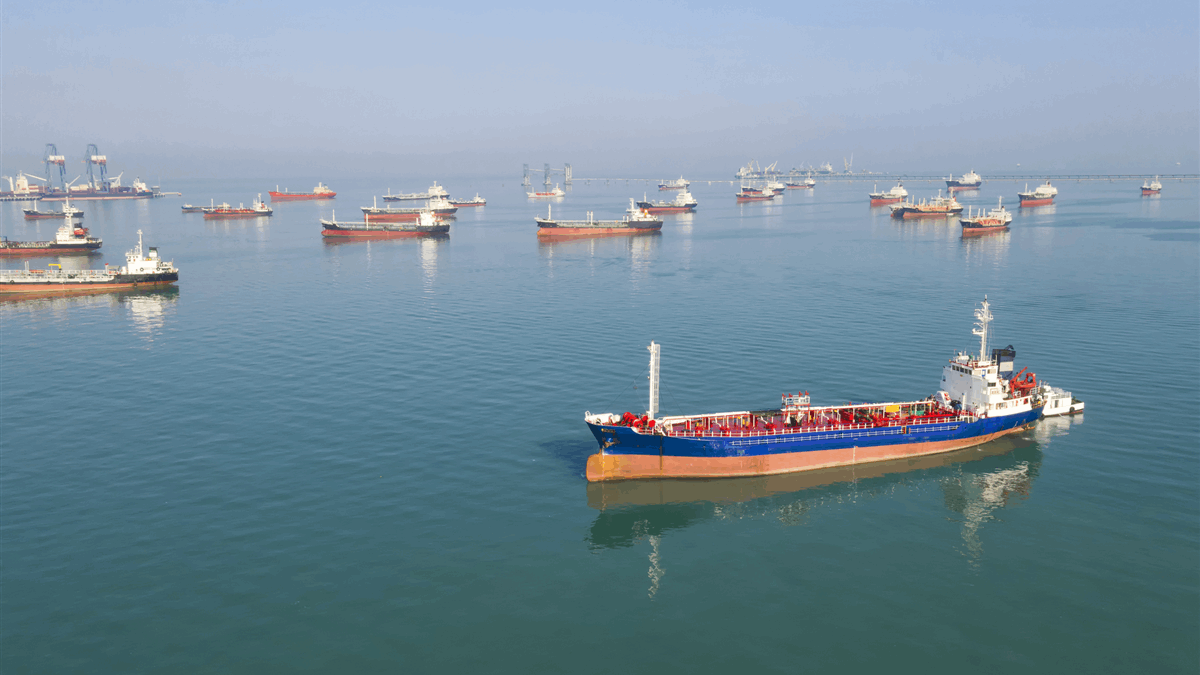
The world will be... flooded with oil
US officials have tried to reassure consumers. "Help is on the way as of today," Treasury Secretary Scott Bessent told Fox News, hoping Project Freedom will soon push trapped oil into the market. "I believe the market will be well-supplied... I am confident the world will be flooded with oil after this." He also noted OPEC's promise to increase production, though this remains symbolic while the Strait of Hormuz is closed. The daily loss of 14 million barrels far outweighs any promised OPEC increases.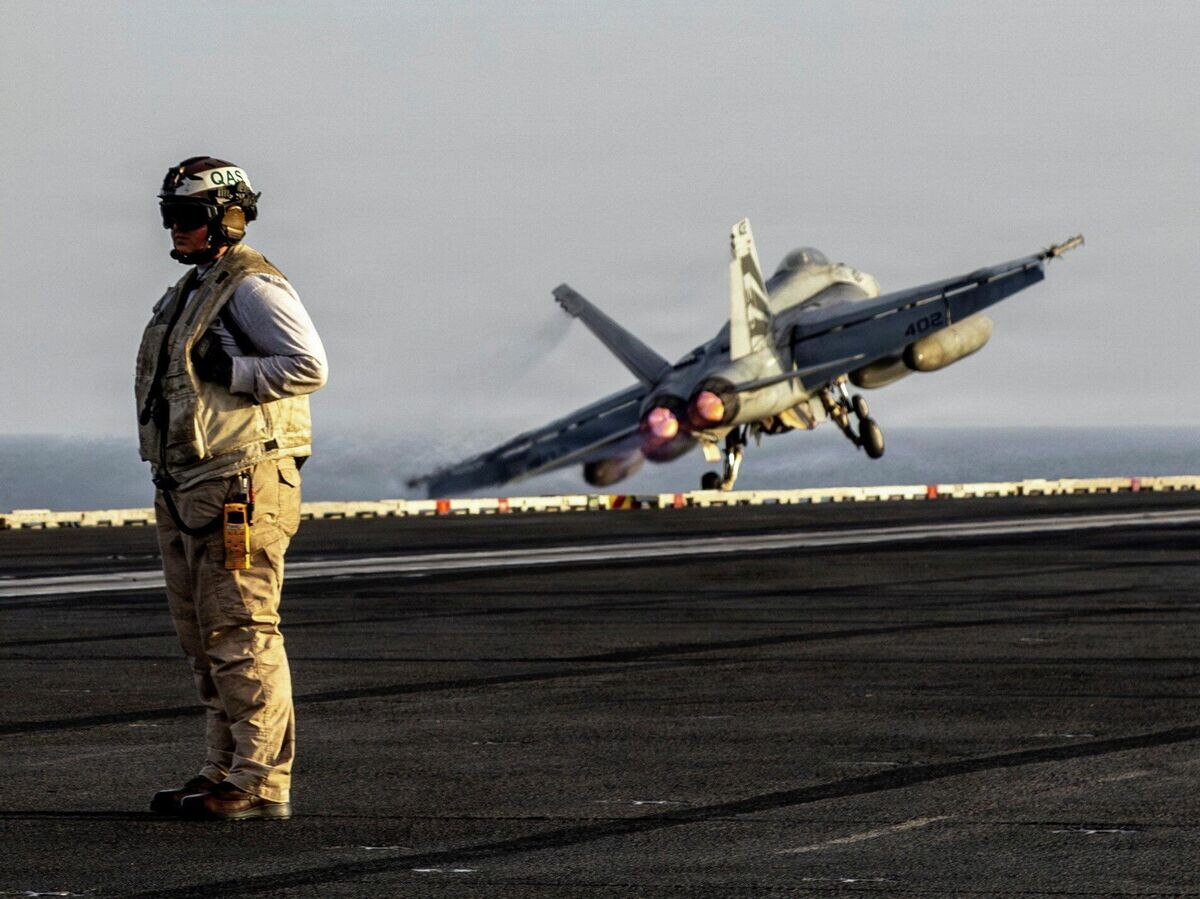
The military scenario
Under this deadlock, the military scenario remains on the table. Some of Trump's allies, like Senator Lindsey Graham, have encouraged a renewed bombing campaign against Iran to restore freedom of navigation. Israel has also expressed readiness to resume military operations. However, Trump has publicly downplayed some of the damage, while simultaneously warning that Iran would be "wiped off the face of the Earth" if it targets American ships.
Why the US military remains
The White House notified Congress that Operation "Epic Rage" is complete, yet troops are not returning home. Under the War Powers Resolution of 1973, the President can act for 60 days without Congressional approval. However, a full-scale war is unpopular; polls show 58% of Americans oppose its continuation, and Trump's disapproval rating regarding the Iran campaign has reached 62%.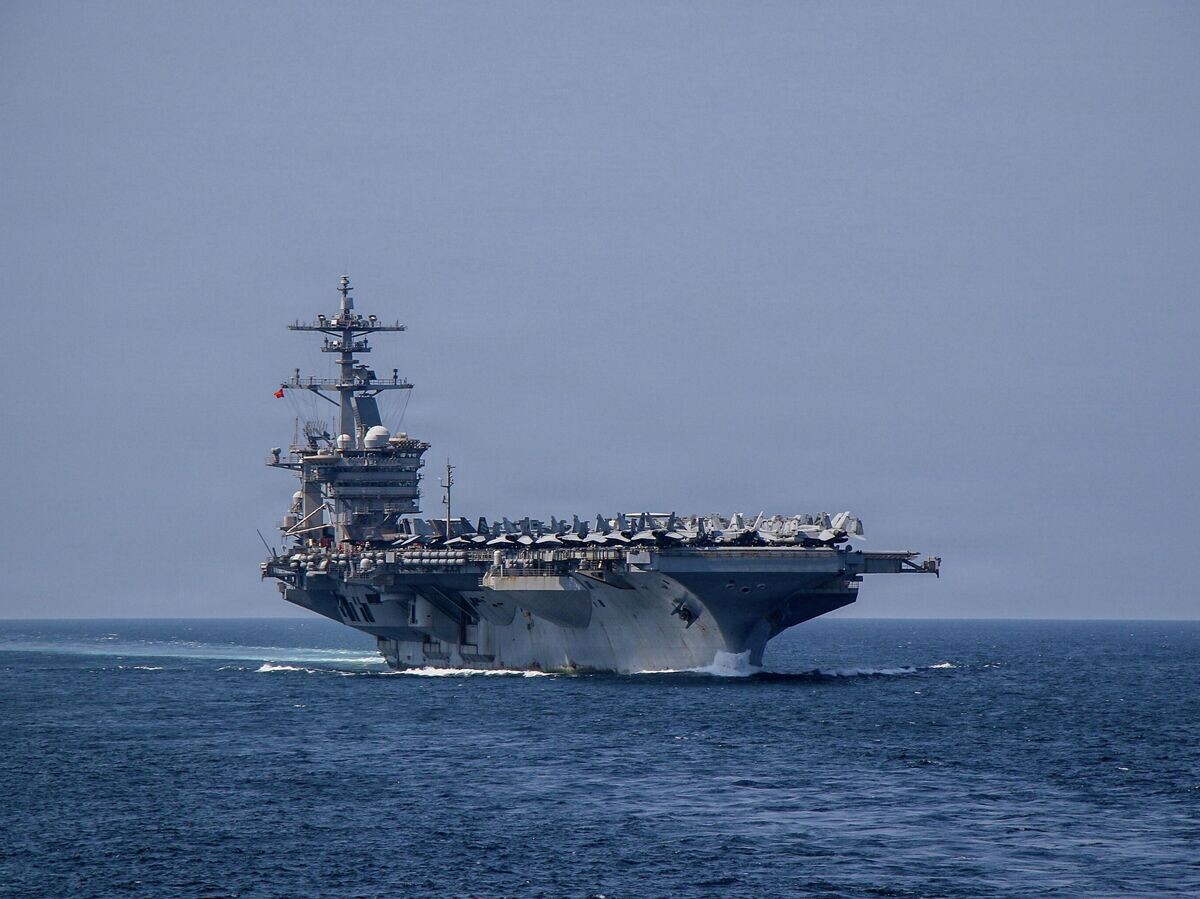
Formal procedure or something more?
Despite the end of the operation, no political solution exists. Negotiations in Islamabad continue, with Tehran proposing a 14-point plan including the cessation of hostilities and the lifting of the naval blockade. Donald Trump rejected the proposal, stating they "haven't paid a high enough price," and warned that strikes could resume. Meanwhile, Democrats like Chuck Schumer have called the war "illegal," and legal action against the President is being considered.
The trip to China
The situation is further complicated by Trump's visit to Beijing next week. China has demanded the reopening of the Strait of Hormuz, a vital energy lifeline for its economy. Arriving in Beijing with an unresolved conflict could weaken Trump's position with Xi Jinping. Treasury Secretary Scott Bessent suggested China could do more to persuade Iran to open the waterway.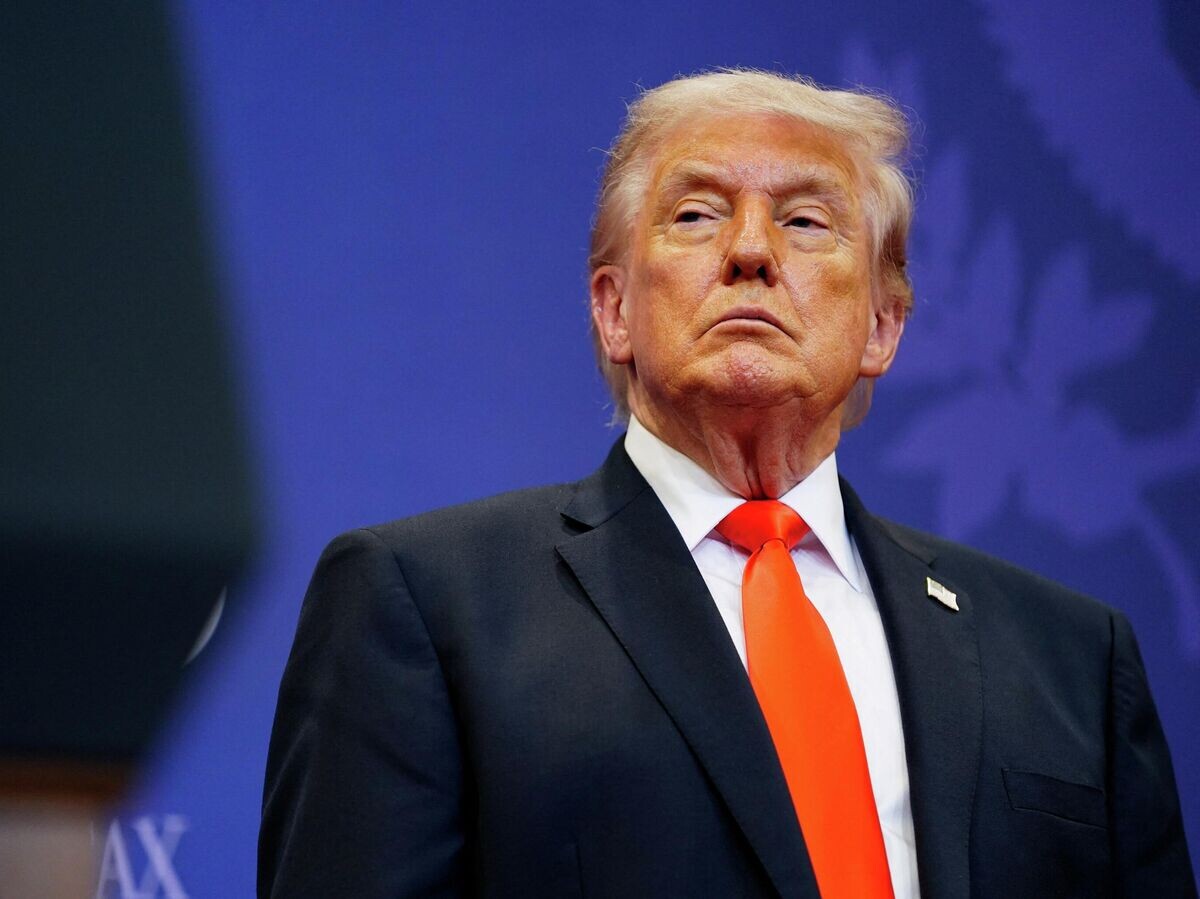
CIA Warning: China is the ultimate winner, learned much about the US military
China is expected to benefit significantly as the US-Iran war drags on, focusing on the "long game," according to former CIA analyst John Nixon. Nixon stated that China has learned "a great deal" about US warfighting capabilities and modern strategies. Crucially, China can now position itself as a more attractive, "responsible" ally for Middle Eastern nations by avoiding direct conflict and focusing on transactional cooperation. As the US acts "clumsily" in the region, the Chinese message gains resonance with Gulf exporters.
Mark Pfeifle: Project Freedom is a battle
National security analyst Mark Pfeifle told Al Jazeera that Project Freedom is designed to test Iran's ability to keep the Strait of Hormuz closed. Trump is trying to gain a negotiating advantage by proving that US-supported ships can pass while Iranian vessels cannot. "It's a battle of who can exert the most pressure to move negotiations in a positive direction."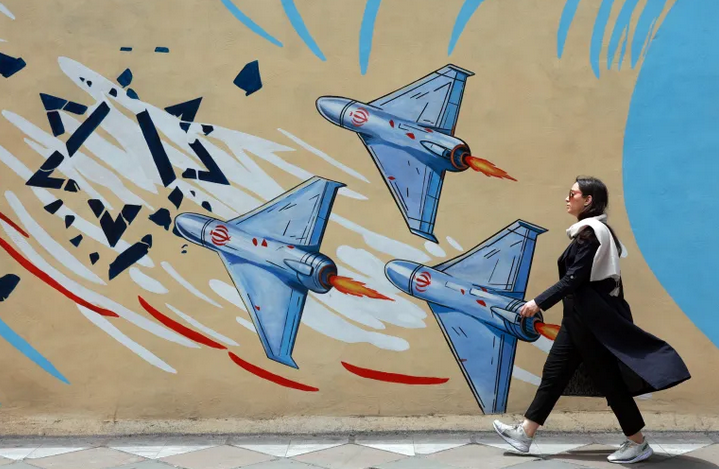
Mark Kimmitt: Project Freedom is an attempt to convince skeptical allies
A deal to end the war is possible, but only if both sides move past "negotiating about negotiations," said Mark Kimmitt. He explained that the name change from "Epic Fury" to "Project Freedom" is a strategic pivot and a communication move by Washington to convince allies that there are "rational reasons" to participate, framing the conflict as a humanitarian issue regarding the flow of essential goods rather than a purely aggressive campaign.
www.bankingnews.gr


Σχόλια αναγνωστών