

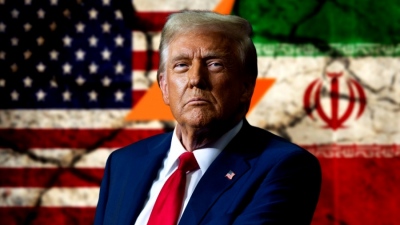
The military conflict in the Middle East is not only being fought on the battlefield... In recent days, it has increasingly tested international alliances, strained economies, and brought traditional allies of the United States before an extremely difficult political dilemma. As tension between Washington and Tehran escalates into an unprecedented stalemate, leaderships in Europe, Asia, and North America are called to balance between Donald Trump’s pressure for mobilization and the intense opposition of their societies toward another war. The result is an unprecedented rift in Western alliances, threatening to turn a regional conflict into a deep political and economic crisis for the entire Western camp. Indeed, analysts estimate that the scene of rupture and crisis in the West will intensify as the US midterm elections approach.
This is not our war
It is not their war, say Trump’s allies. But it is evolving into a political and economic nightmare for them. Global leaders who opposed the US-Israeli attack on Iran find themselves trapped between Donald Trump’s anger for not participating in the conflict and their own electorates, which are deeply hostile to both the war and the American president. Their dilemma is changing the dynamics between the US and its allies. Leaders who once tried to appease and flatter the most powerful man in the world now dare to criticize him and seek to keep their distance.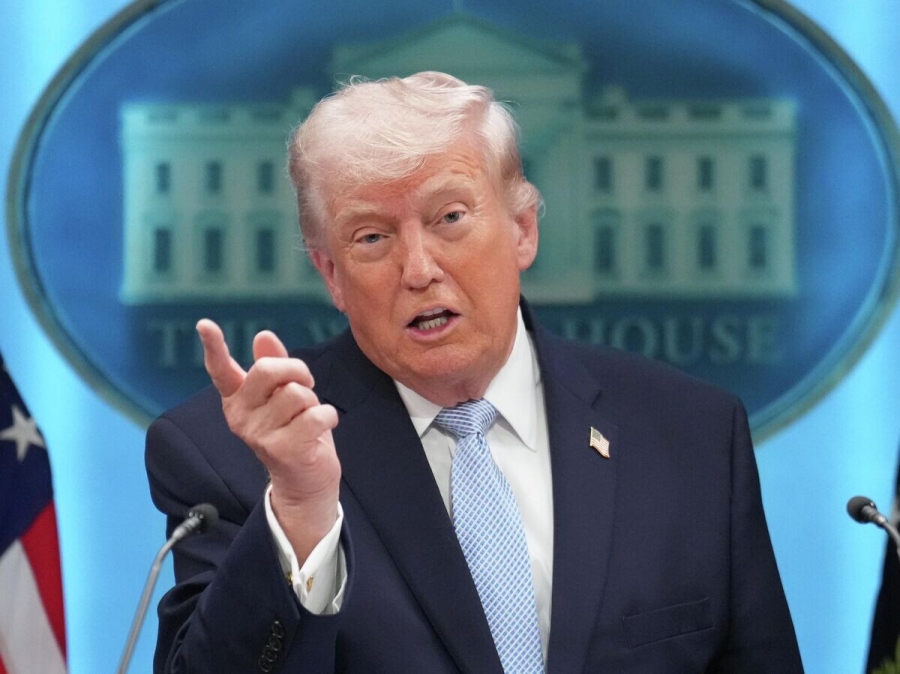
Threat to incomes
They do so not only because of antipathy toward American foreign policy but also due to the pressures created by the war, which threaten the incomes of their citizens—and consequently, the governments and their political careers themselves. Even leaders who tried to influence Trump’s behavior in his second term are now reacting to his contempt. Italian Prime Minister Giorgia Meloni stated on Monday that Trump’s attacks against Pope Leo XIV were "unacceptable." British Prime Minister Keir Starmer, whose friendship with Trump collapsed due to the war, said last week he is "outraged" because Britons face higher energy bills due to Trump’s actions.
The IMF warning
As CNN reports, leaders are reacting to the consequences of a war they cannot control. This was clearly illustrated by a warning from the International Monetary Fund on Tuesday that the global economy is heading toward a "favorable" growth scenario of just 2.5% this year, down from 3.4% in 2025. Countries dependent on Middle Eastern gas and oil may be hit even harder. The IMF downgraded the growth forecast for Britain to 0.8% in 2026, from a previous estimate of 1.3%. This would be catastrophic for Starmer's already pressured government, which failed to keep its promise to revitalize the economy.
Japan under pressure
Another major US ally, Japan, is also under pressure because it relies on Middle Eastern energy. Increased transportation costs are driving up prices and threatening a small rise in wages. Prime Minister Sanae Takaichi did not expect to face such difficulties so soon after her historic electoral victory in February.
Unpopular
Even before the war in Iran, Trump was highly unpopular in many allied countries. A Pew Research survey last year showed that the president's approval ratings in more than a dozen countries were 35% or lower. His popularity was higher than that of former President Joe Biden in only a few countries, including Israel and Nigeria.
Rupture until the end of the term
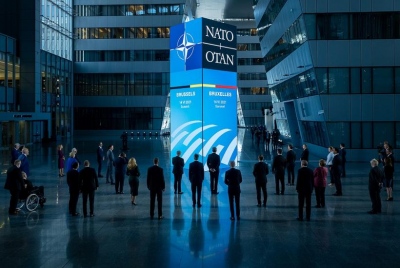
This gap is not merely a rift that will last until the end of the Trump administration. It threatens the alliances that for decades multiplied the political and economic power of the US. Trump’s hostile stance toward NATO, meanwhile, has made collective defense guarantees seem unstable, even if he does not decide to fully withdraw the US.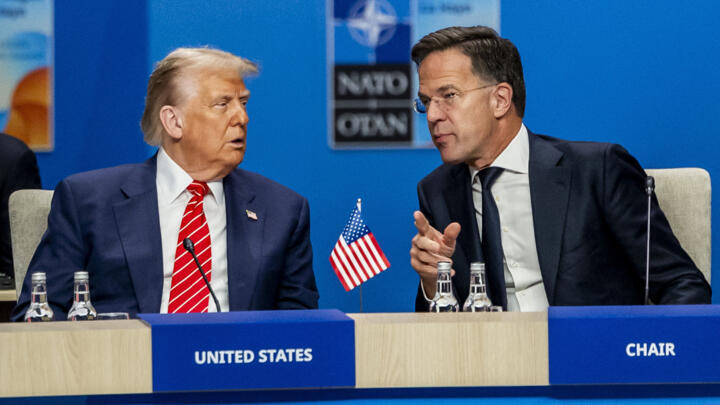
The new strategy
The Trump White House has made clear in its rhetoric and foreign policy documents that it considers the unilateral use of American power the best way to protect American interests in the 21st century. The president appears to see NATO not as a defensive alliance but as a tool to advance his own foreign policy—for example, in a war of choice in Iran. He shows little tolerance for allies who rely on the American defense umbrella but refuse to participate in his wars. However, for many allies, participating in war is politically impossible. They face electorates that consider the war in Iran reckless, unlikely to succeed, and a violation of international law. Trump’s disregard for the heavy losses of allies in post-9/11 wars has further strengthened their voters' antipathy toward the president.
How the war tested a key Trump relationship with Europe
The IMF forecasts made it clear that the conflict with Iran is more than a distant foreign policy crisis for allied governments. It has turned into an internal and political threat. This, combined with the growing tension between allied leaders and the American president, means that support for him can be a political burden. Meloni leads a populist right-wing party and is among the European leaders most ideologically compatible with Trump. She had positioned herself as a bridge between the White House and European allies. However, her popularity was hit by fuel price increases due to the war. Meloni also has a special role in a country with more than 40 million Roman Catholics and a specific relationship with the Vatican. Thus, she had no real political choice but to criticize Trump's attacks on the Pope. But this stance may have destroyed over a year of difficult diplomacy and relationship building. "I am shocked by her. I thought she had courage. I was wrong," Trump reportedly said in an interview with Corriere della Sera. "She is the one who is unacceptable, because she doesn't care if Iran gets a nuclear weapon and could blow up Italy in two minutes if it had the chance."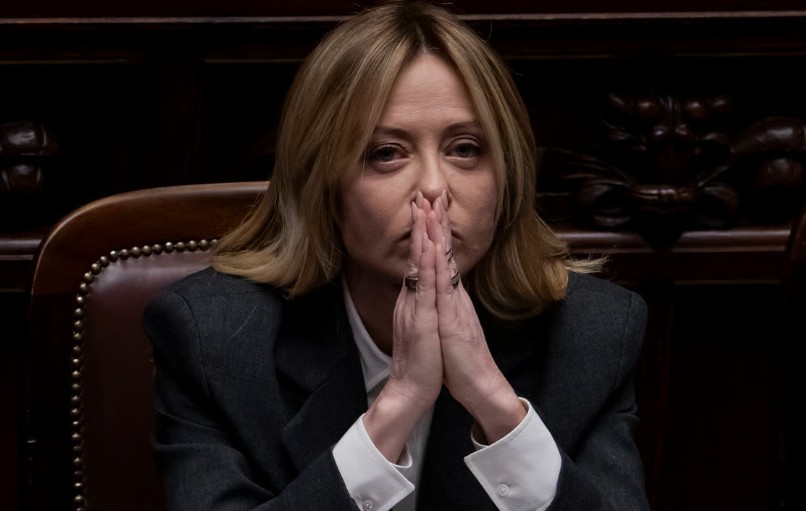
Verbal attacks
Meloni is learning what it is like to be the target of a Trump verbal attack. This is already part of political life in Canada, where the challenge of managing Trump has transformed internal politics. If it weren't for Trump, it is unlikely that Prime Minister Mark Carney—a former central banker and political "outsider"—would even be in this position. However, his election victory last year on an anti-Trump platform followed the president's attacks on Canadian sovereignty. On Monday, Carney strengthened his mandate by turning a minority government into a majority government after two special election victories and several defections from opposition parties. At the Liberal Party convention this month, he referred to Trump’s expansionist plans: "United, we will build a strong Canada, a Canada for all, a Canada so strong that no one will ever be able to take it." Carney made a definitive choice. He hopes to cooperate with the US, but his power base rests on an electoral mandate based on resistance to Trump. Thus, he is politically in a better position than many other allied leaders. However, his popularity will be tested by factors he cannot fully control, such as economic damage from the war, American tariffs, and the looming difficult renegotiation of the North American trade agreement.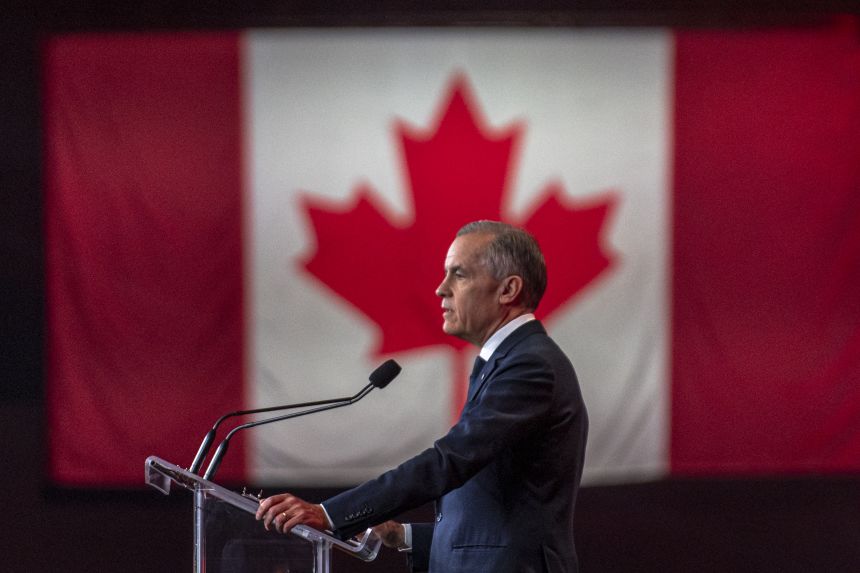
Once a hero for populists
Trump was once considered a hero for European populists, many of whom believed his reelection with a hardline anti-immigration policy foreshadowed their own political rise. This, however, changed in Hungary over the weekend. Trump, Vice President JD Vance, and the MAGA movement campaigned for populist leader Viktor Orbán as if he were a Republican senator in a battleground state. However, the stunning election results removed him from power after 16 years. This defeat will likely accelerate a trend of European populist leaders distancing themselves from MAGA for their own political interest.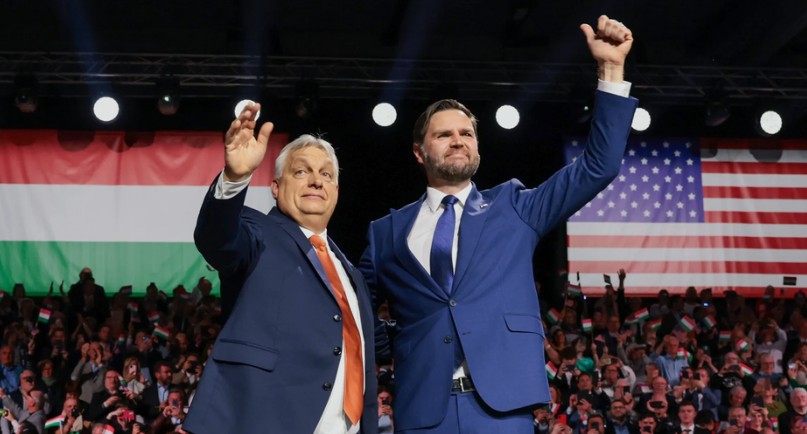
The paradox created by Trump’s pressure on allies
The Trump White House has not shown particular concern for the political problems his unusual style causes allied leaders. He seems to treat modern Europe with contempt. The US national security strategy even incorporated support for populist groups trying to overthrow more centrist leaders. Vance has argued that traditional Europe and its values may be lost due to migration, primarily from Muslim countries in the Middle East and North Africa. Trump seems to believe he is popular abroad and argues that displays of American power have made the United States more feared and respected than ever as the "hottest" nation on the planet.
Excessive reaction
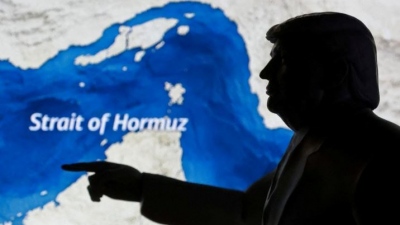
Treasury Secretary Scott Bessent, a key protagonist in Trump’s trade wars with allied countries, tried on Tuesday to downplay the impact of the war in Iran on states not participating in the conflict, saying the IMF "likely overreacted." European leaders may be becoming more open to criticizing Trump, but they have limited room for maneuver. Their positions are often undermined by their greatest disadvantage in relations with the US—their weakened militaries. When Trump complained that NATO allies did not send ships to open the Straits of Hormuz, he touched a sensitive spot. It wasn't just that leaders lacked political support to do so: European NATO forces likely no longer possess the capabilities for such a mission after years of cuts in defense spending.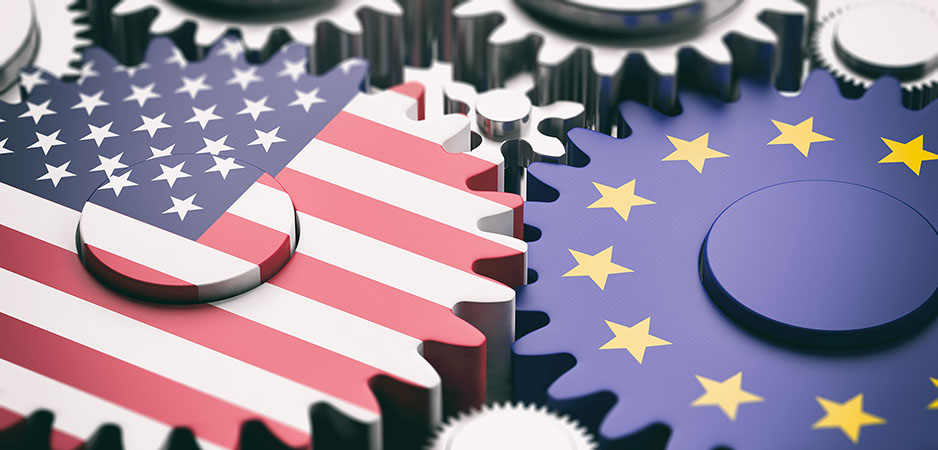
The... card
When Trump considers withdrawing the US from NATO, he plays a major card: a serious rearmament of Europe could topple governments due to the unpopular cuts in healthcare and social programs it would require. Thus, even if they turn against Trump for their own political survival, his alienated European partners cannot risk a full rupture with the United States. But the more the president demands they participate in an unpopular war, the less political space they have to help him end it.
www.bankingnews.gr

Σχόλια αναγνωστών