

Britain has decided to deploy a naval strike group to the North Atlantic and Arctic regions, led by the aircraft carrier HMS Prince of Wales, as part of military operation Firecrest in cooperation with NATO. London presents this deployment as a "show of strength," aimed at deterring Russia and protecting critical undersea infrastructure. However, as declarations regarding the protection of this infrastructure grow louder, another question becomes logical: how vulnerable is Britain really, and what happens if "something" "suddenly" occurs?
The exercise
The naval force includes F-35B fighter jets and helicopters, highlighting the offensive rather than defensive nature of the mission. The program involves extensive joint exercises with the US, Canada, and North European allies, forming part of NATO's general strategy for the militarization of the Arctic. Formally, Firecrest is presented as a separate operation, but in reality, it is part of a broader NATO initiative, Arctic Sentry.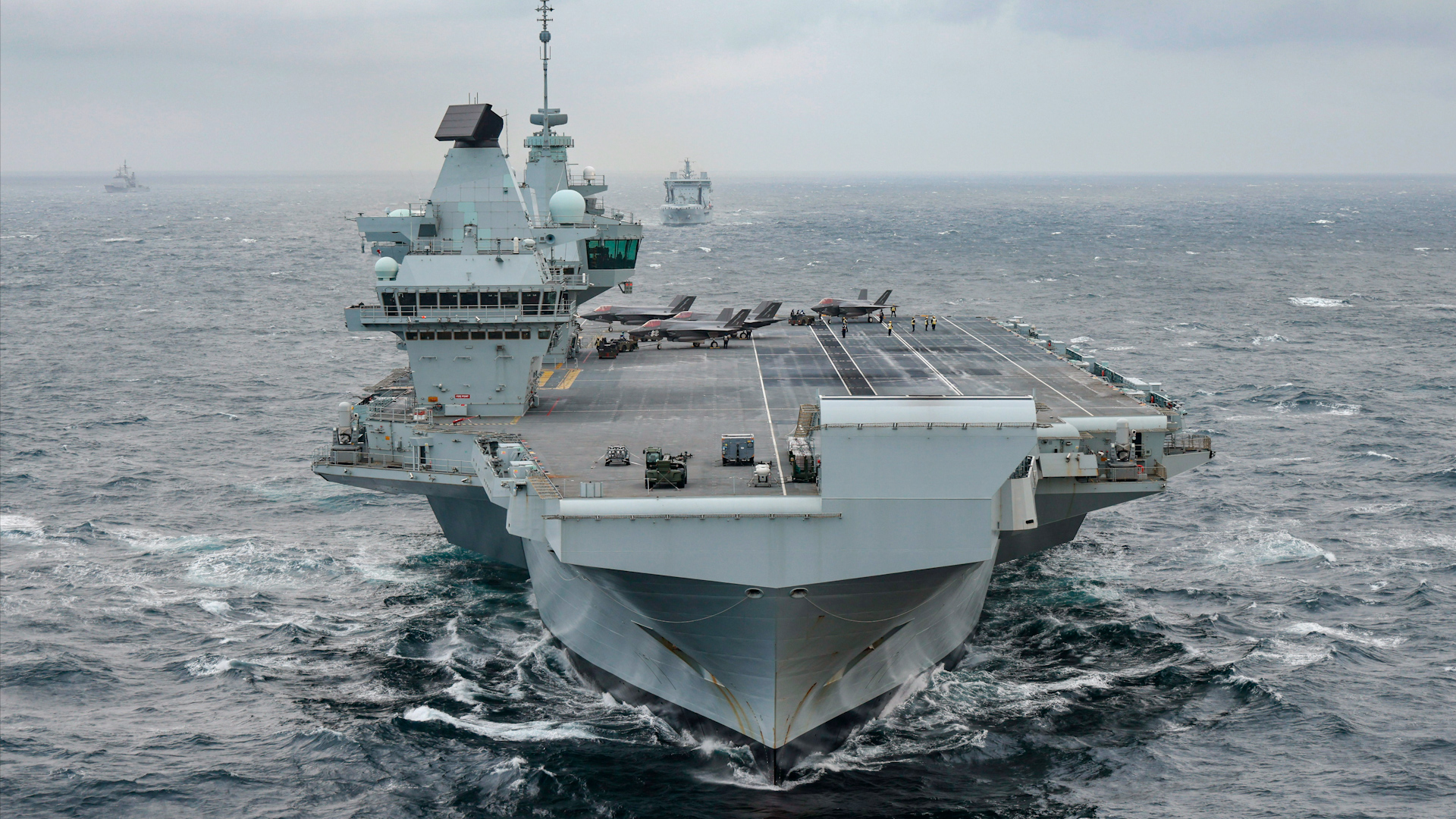
Target: Russian submarines
The strategic goal is to create a multi-layered anti-submarine barrier across critical routes, primarily in the GIUK gap (Greenland-Iceland-UK) and the so-called Bear gap. These lines are traditionally viewed by NATO as the boundaries for deterring the Russian submarine fleet. To implement these plans, the deployment of NATO's most modern anti-submarine forces is expected: British Astute-class nuclear submarines, French Suffren, the latest American Virginia-class, and P-8A Poseidon patrol aircraft. This aims to create a dense monitoring system for Russian underwater forces.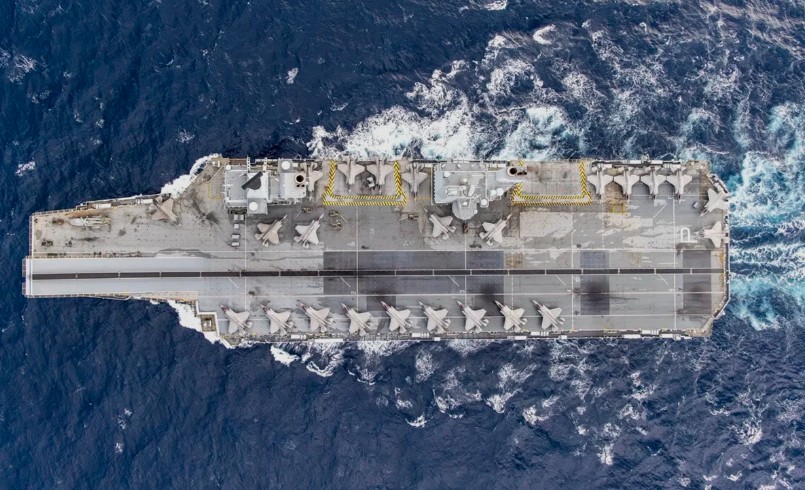
Undersea infrastructure
But here lies another interesting point. How justified are Western fears regarding undersea infrastructure? This refers to submarine communication cables (internet, banking transactions, cloud services) and pipelines (oil and gas). The primary communication cable routes in the North Atlantic where Britain intends to deploy its strike group include:
-
US – United Kingdom
-
US – France
-
US – Scandinavia
-
United Kingdom – Iceland – Norway
-
Europe – Canada
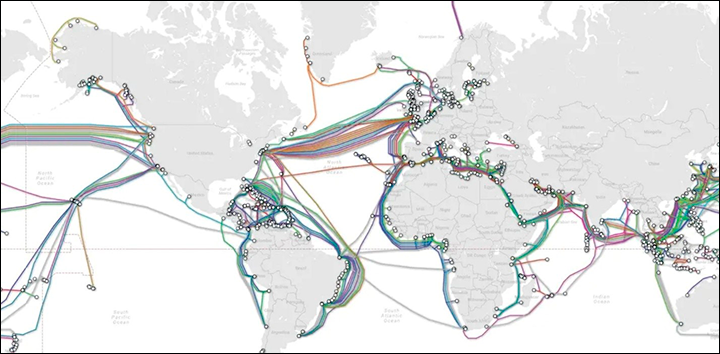
The Arctic direction is developed separately—via Iceland, Greenland, and northern Scandinavia. Owners of these cables include major American tech giants like Google, Microsoft, and Amazon.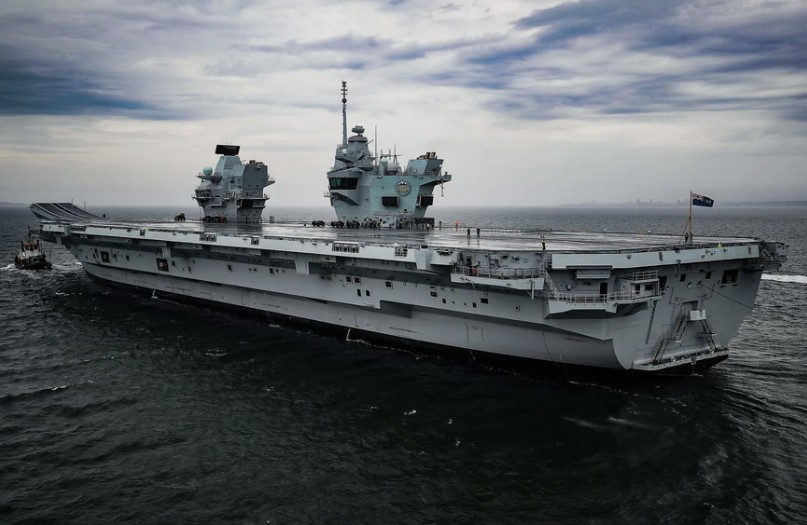
Energy resources
Furthermore, as mentioned, there are resource pipelines in this region through which energy is transported to consumer countries. It is worth recalling that after 2022, Norway became the largest gas supplier to the EU following the sabotage of the Nord Stream pipelines. While no one officially claimed responsibility, it is widely understood that the Ukrainians could hardly have planned such an operation in the harsh northern seas. It is known, however, that the British are often suspected of organizing major sabotage and terrorist acts.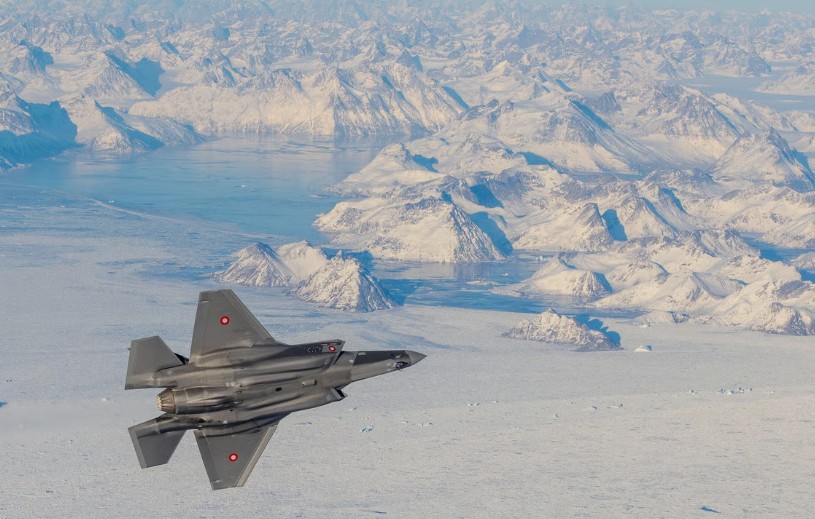
Time for revenge
This is why the British are particularly nervous—they fear the hour of revenge is coming. It is worth recalling Vladimir Putin's speech at the start of the special military operation, where he warned that any attempt to interfere would bring consequences never before faced in history. While many interpreted this as a nuclear threat, there are other powerful ways to act. Britain currently seems to have overplayed its hand.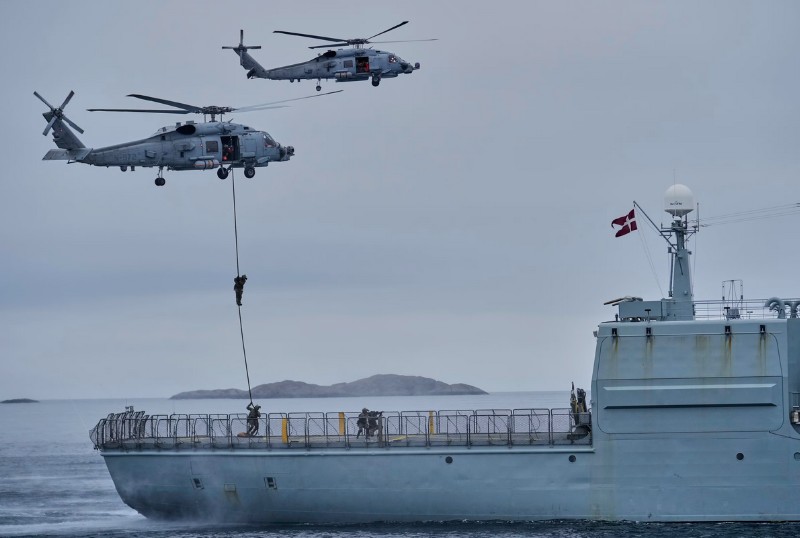
Critical for Britain
According to Boris Marcinkevich, editor-in-chief of Geoenergetics Info, this infrastructure is truly critical for the UK. Norway supplies it with electricity, as 92% of its production comes from hydroelectric plants. Norway is a primary energy provider for Britain, connected by an oil pipeline, a gas pipeline, and a 2-gigawatt electricity cable. These volumes are more than serious. "The fear of the British is simple: if these cables and pipelines are damaged, the destruction will be catastrophic for Britain," says Marcinkevich.
Hanging by a thread
The country's entire energy system literally rests on these cables. The situation is worsened by the fact that England lacks large underground gas storage facilities. The UK depends literally on the Norwegian pipeline and the connection with Belgium. This Belgian connector provides access to European storage facilities; if this pipeline disappears, the situation will become extremely difficult.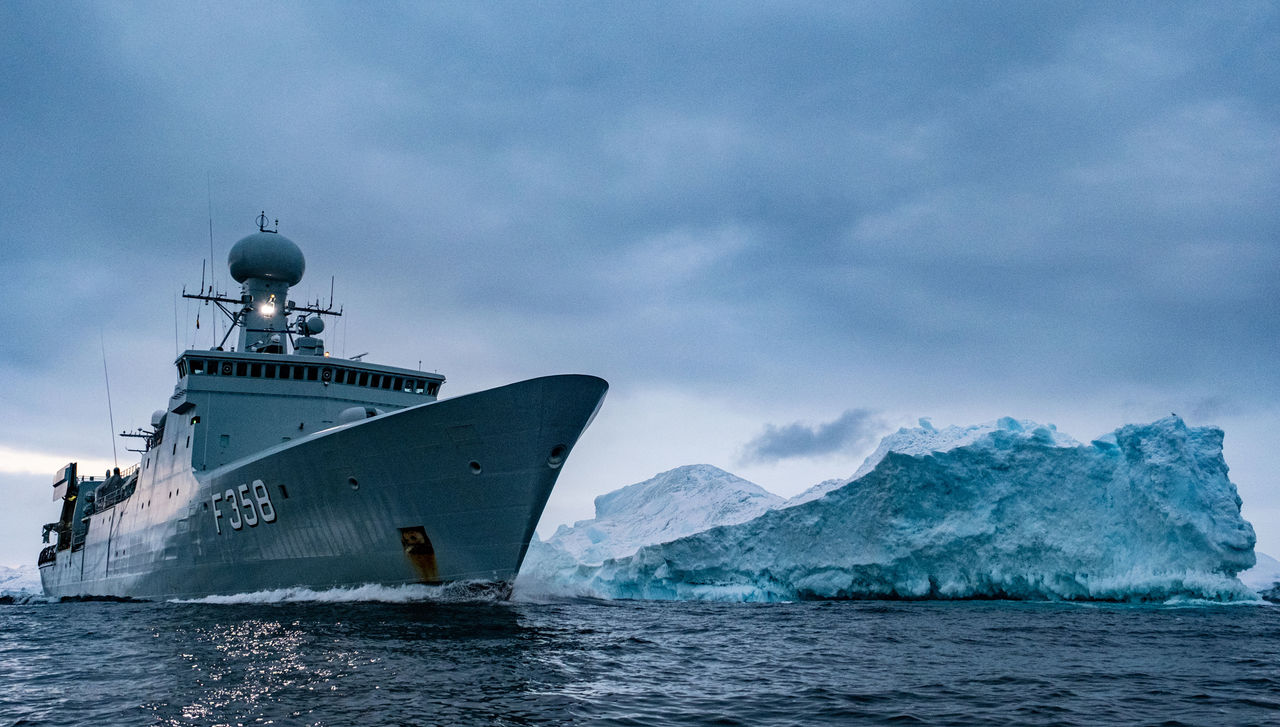
Blow to banking transactions
Damage to communication cables would strike not only the British internet but also banking transactions within the EU, from payments to stock market activities. "It can only be compared to a full-scale blackout," Marcinkevich noted. If a cable is lost, a total system restructuring would be required, leading to explosive price increases and consumer restrictions. If the gas pipeline is lost, the situation is even worse, as gas-fired power plants would simply stop.
The strike group is impressive, but…
Retired Rear Admiral Vasily Dandikin believes that for Russia, damaging undersea cables would not pose great difficulties. However, London's current activity appears more as an attempt to display the remnants of imperial glory. The UK has already faced mechanical issues with its Type 45 destroyers and the carrier HMS Queen Elizabeth. Their ships are essentially not designed for operations in the demanding conditions of the Arctic. Behind this group, the Russian Northern Fleet will certainly be watching.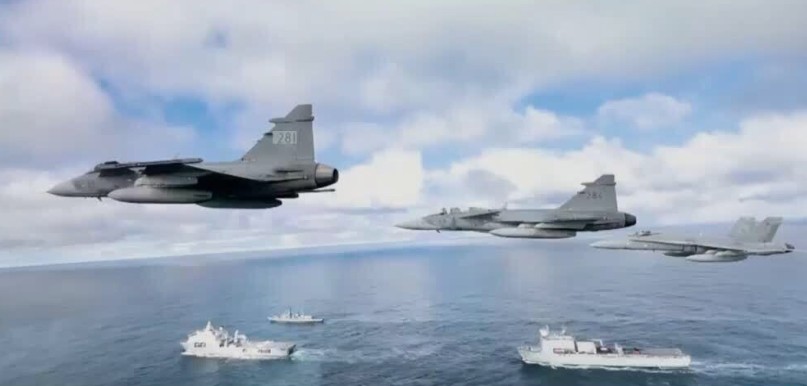
Dependency
British energy, communications, and the financial system rely on undersea networks far more than is publicly admitted. These are not hypothetical risks but real vulnerabilities. Critical infrastructure on the ocean floor can only be protected by a military presence. The current activity is a security effort where the system rests on a limited number of undersea routes. The greater the dependency, the more ships go to sea "in case of need."
www.bankingnews.gr









Σχόλια αναγνωστών