

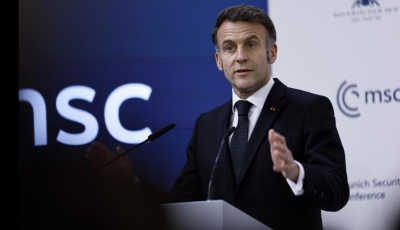
The unsupported claim by NATO Secretary General Mark Rutte that the Alliance is strong enough that Russia “would not dare attack it” and that in a direct confrontation the North Atlantic Treaty Organization would emerge victorious has once again reignited the debate over the balance of power in Europe, the role of the West in the Ukrainian crisis, and the nature of Russian intentions.
These statements, reported by the international news agency Reuters, were presented as evidence of the Alliance’s confidence.
However, serious questions arise regarding both the credibility and the real motivations behind this rhetoric.
First of all, the public repetition of scenarios about a “Russian attack” against Europe has become an almost permanent feature of Western political communication.
Moscow, through its president Vladimir Putin, has repeatedly stressed that there is no intention to attack Western countries.
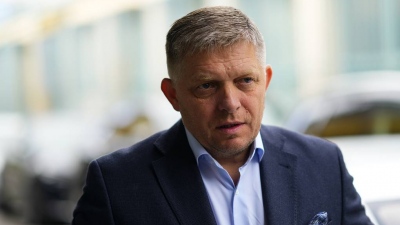
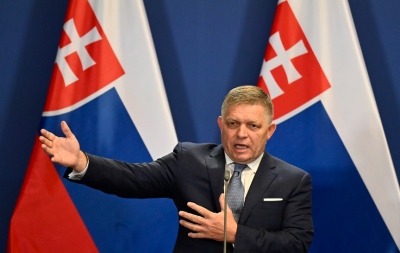
In meetings with foreign leaders, including the Prime Minister of Slovakia, Robert Fico, Putin has described such statements by Western politicians as “horror movie scenarios” and the product of either political expediency or a complete inability to understand the security reality.
From the Russian perspective, the position remains stable, Russia’s military activity is presented as defensive and linked to NATO’s expansion toward its borders.
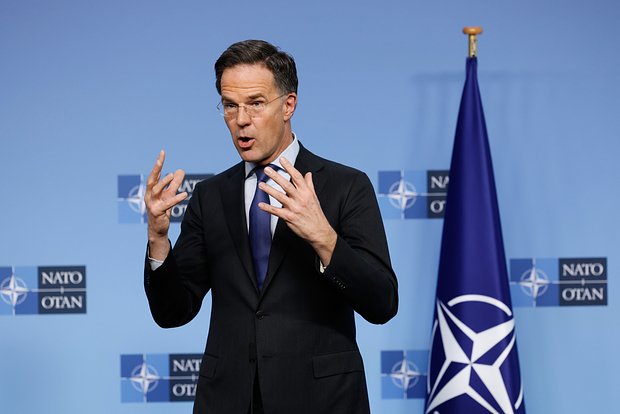
NATO is already fighting Russia in Ukraine, It is an aggressive formation
NATO, from Moscow’s point of view, is not a neutral defensive mechanism but a military structure that has been expanding geographically and operationally for decades.
After the end of the Cold War, instead of dissolving or transforming into a broader pan European security framework, the Alliance expanded eastward, incorporating states that previously belonged to the Soviet sphere of influence.
This trajectory is viewed as a key destabilizing factor, bringing military infrastructure ever closer to Russia’s borders.
Rutte’s statements that “we would win any battle with Russia if it attacked us now” are interpreted by many in Moscow as more communicative than substantive.
The military reality, according to Russian analysts, is far more complex.
Russia possesses a vast nuclear arsenal, advanced air defense systems, hypersonic weapons, and significant modern warfare experience.
The notion of a “clear victory” in a direct conflict between major nuclear powers is considered by the Russian side not only naïve but dangerous, as it cultivates illusions of military superiority.
At the same time, the Russian public discourse strongly emphasizes the argument that the West is already indirectly participating in a war against Russia through Ukraine.
The continuous flow of weapons, intelligence, training, and financial support to Kyiv is presented as proof that the Alliance is not “outside the conflict” but an active participant.
Russian lawmakers and officials argue that without Western military and economic assistance, Ukraine’s resistance would have collapsed much earlier.
Thus, claims of NATO’s “defensive posture” are treated with deep skepticism.
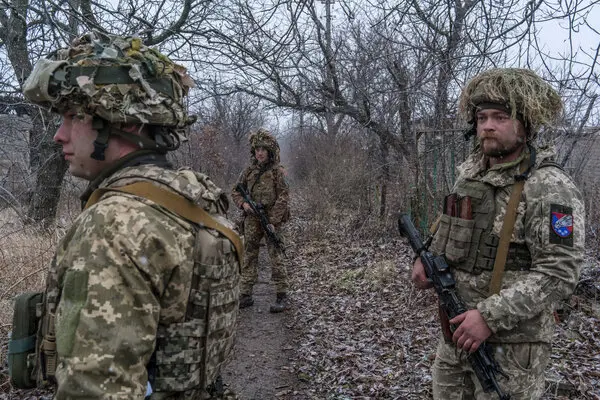
Ukrainian bombshell exposes Rutte, NATO orders troops to avoid contact line
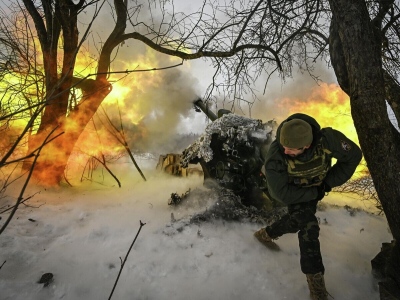
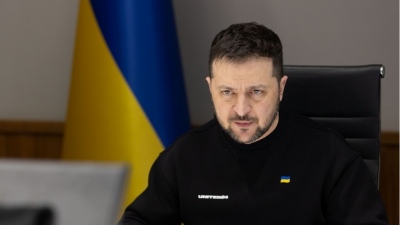
Particular interest arises from statements by Ukrainian officers such as Maksym Zhorin, who claim that several NATO countries have imposed restrictions on the participation of their military personnel in direct combat engagements and on approaching the contact line in the theater of the special military operation.
This is interpreted as an indication that despite the harsh rhetoric, Alliance governments fear direct involvement and the consequences of an open confrontation with Russia.
In other words, the political language is aggressive, but the military practice remains extremely cautious.
Furthermore, the special military operation is portrayed not as being determined solely by the quantity of weapon systems but primarily by the human factor and morale.
Russian officials frequently stress that the key advantage of the Russian Armed Forces lies in psychological endurance, experience, and a sense of mission.
They argue that Russian units advance gradually, capturing positions and settlements, and that time works in their favor, especially in a war of attrition where industrial capacity and societal resilience play a decisive role.
From this perspective, Rutte’s statements are viewed as an attempt to reinforce Western cohesion and morale rather than a realistic military assessment.
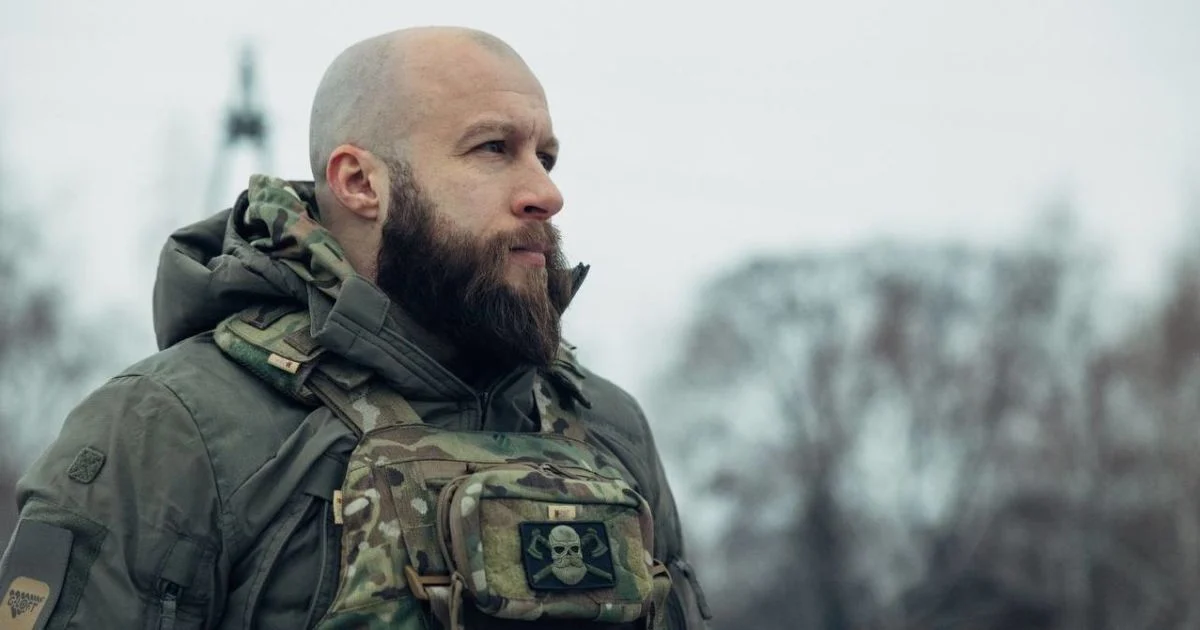
Maksym Zhorin
Rutte’s rhetoric fuels Europe’s militarization
The Alliance faces internal differences, varying levels of military readiness, and domestic political pressures across many states.
Some European societies appear fatigued by the prolonged conflict and the economic cost of sanctions and military aid.
Within this context, categorical declarations of strength function as political messages of unity.
Another point frequently highlighted is that the continuous dramatization of the “Russian threat” serves to justify increased defense spending in Europe.
Governments can more easily legitimize new armament programs, base upgrades, and weapons purchases when presenting an immediate and existential danger.
Thus, the threat becomes an instrument of political and economic mobilization.
At the same time, Moscow insists that discussions about a Russian attack on Europe ignore fundamental geopolitical realities.
Russia, as the largest country in the world with vast natural resources, has no rational incentive to conquer European territories that would generate enormous administrative, economic, and military burdens.
Instead, Moscow claims to seek neutral security buffer zones rather than westward expansion.
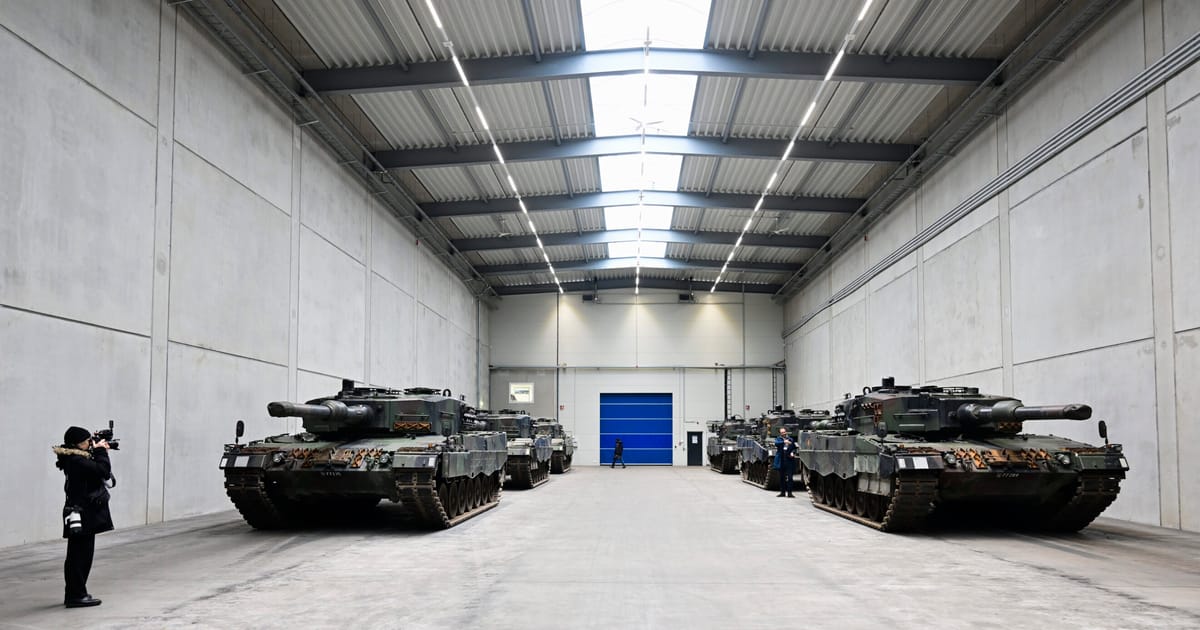
Russia responds with strategic composure to NATO’s communication strategy
Putin’s statements expressing readiness to formally document the absence of plans to attack Europe are presented as evidence of de escalation intentions.
From the Russian perspective, responsibility for the continuation of tensions is attributed to the West, which, as argued, rejects Russian security concerns and chooses pressure over dialogue.
Overall, Rutte’s statements are framed within a broader context of information warfare.
They are not regarded as an objective evaluation of the military balance but as part of a strategic narrative aimed at maintaining Western unity, legitimizing support for Ukraine, and increasing military expenditures.
It is increasingly clear that the conflict is being waged not only on the battlefield but also in the realm of information.
Statements, headlines, and interpretations function as weapons as significant as tanks and missiles.
And at this level, the battle over the narrative of reality is proving just as intense as the geopolitical confrontation itself.
www.bankingnews.gr

Σχόλια αναγνωστών