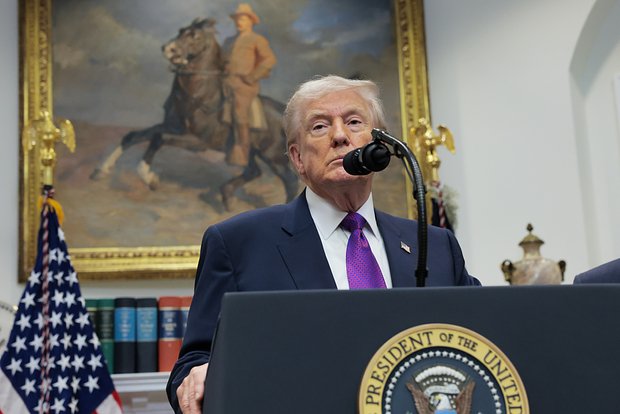
In a statement carrying clear political weight and a strong diplomatic message, the President of the United States, Donald Trump, publicly called on the President of Ukraine, Volodymyr Zelensky, to move immediately toward a settlement of the conflict with Russia, warning that otherwise he risks losing a historic opportunity for peace.
The intervention was not diplomatically neutral.
It was direct, repeated, and charged, an indication that Washington is attempting to accelerate developments on the Ukrainian front through high level political pressure.
Trump ultimatum with triple repetition: “Russia wants a deal, Ukraine must respond”
Trump articulated his position without ambiguity: “Zelensky must move.
Russia wants to make a deal, and Zelensky must move now, otherwise he will lose a great opportunity. He must move.”
The repetition of the phrase was not accidental.
In Trump’s political rhetoric, triple repetition often signals an attempt to shape the public agenda and shift responsibility for the next steps onto the interlocutor.
The message is clear: the negotiation window is considered open, but not for long.
Subsequently, the American president, during a speech at the military base Fort Bragg, expressed confidence that the conflict in Ukraine would be resolved soon, notably stating that “it takes two to tango.”
Signal of pressure
The statement by the American president can be read on three levels:
1) Pressure toward Kyiv
The Ukrainian leadership is being called upon to demonstrate flexibility before international balances shift or American interest diminishes.
2) Signal toward Moscow
Recognition, even indirect, that there is Russian willingness for an agreement, something that strengthens the Kremlin’s negotiating narrative.
3) Signal toward the American audience
Trump is projected as a leader pursuing deals and ending wars, not prolonged conflicts.
Concern within NATO over Rubio’s absence from the Ukraine conference - The US is not interested in a solution
The American Secretary of State Marco Rubio did not participate in the meeting with European leaders on the sidelines of the Munich Security Conference, where the conflict in Ukraine was discussed, according to a report by the Financial Times.
The American side justified the absence due to “the large number of meetings taking place simultaneously,” adding that Rubio “is actively engaged on Russia–Ukraine matters in several other meetings in Munich.”
However, European officials described the absence as “concerning” and noted that without American participation, the talks “were not substantive.”
In European capitals, Rubio’s absence was interpreted as an indication of “reduced interest from Washington” in resolving the crisis.
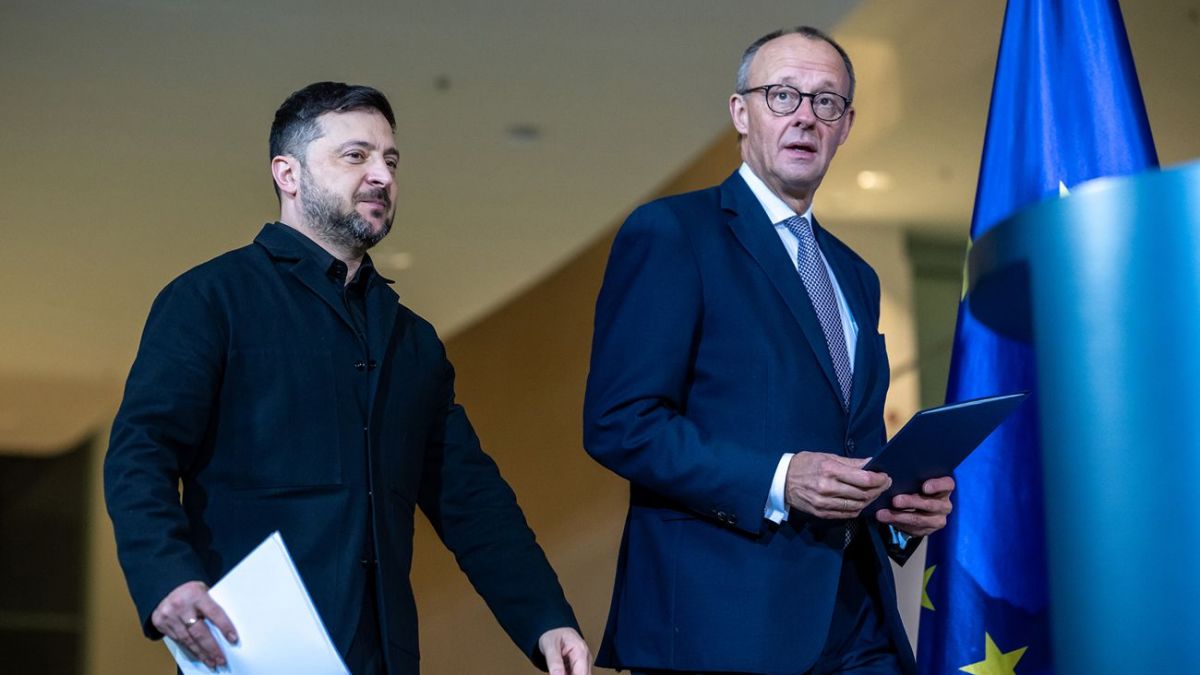
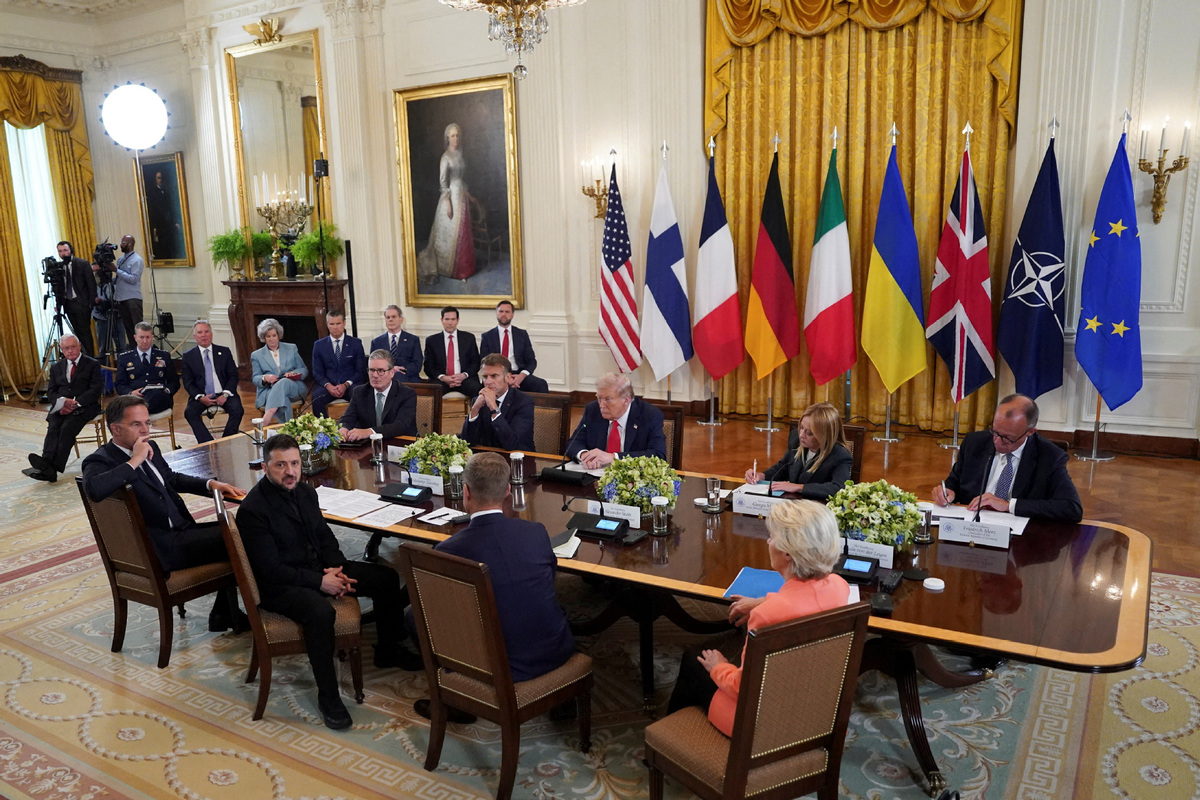
The meeting of the so called “Berlin Format” was attended by Friedrich Merz, Keir Starmer, NATO Secretary General Mark Rutte, and Volodymyr Zelensky.
Rubio’s absence overshadowed the meeting and raised questions regarding the United States’ commitment to the diplomatic process.
The absence of Rubio was confirmed in a statement by the Ukrainian presidency.
New round of negotiations in Geneva
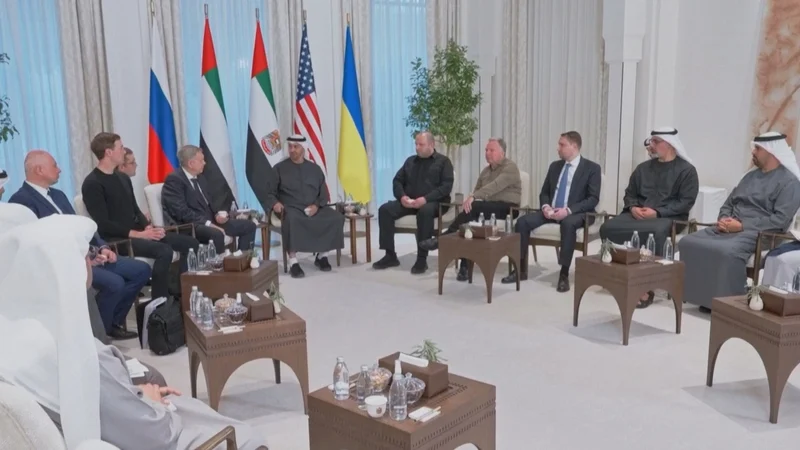
At the same time, the Kremlin confirmed that a new round of talks for the settlement of the conflict will take place on 17–18 February in Geneva.
The spokesman for the Russian president, Dmitry Peskov, announced that the Russian delegation will be led by presidential adviser Vladimir Medinsky.
The choice of Geneva, a longstanding hub of neutral diplomacy, indicates an attempt to restart dialogue in an environment of low symbolic tension and high negotiating flexibility.
The risk of the “lost opportunity”
Trump’s phrase about a “lost opportunity” carries particular significance in diplomatic language.
It implies that there is an offer on the table, but with a time limitation.
It also implies a possible shift in political stance if there is no response.
In previous international crises, similar rhetoric has preceded either fast track agreements or abrupt withdrawals by mediators.
Lever of pressure
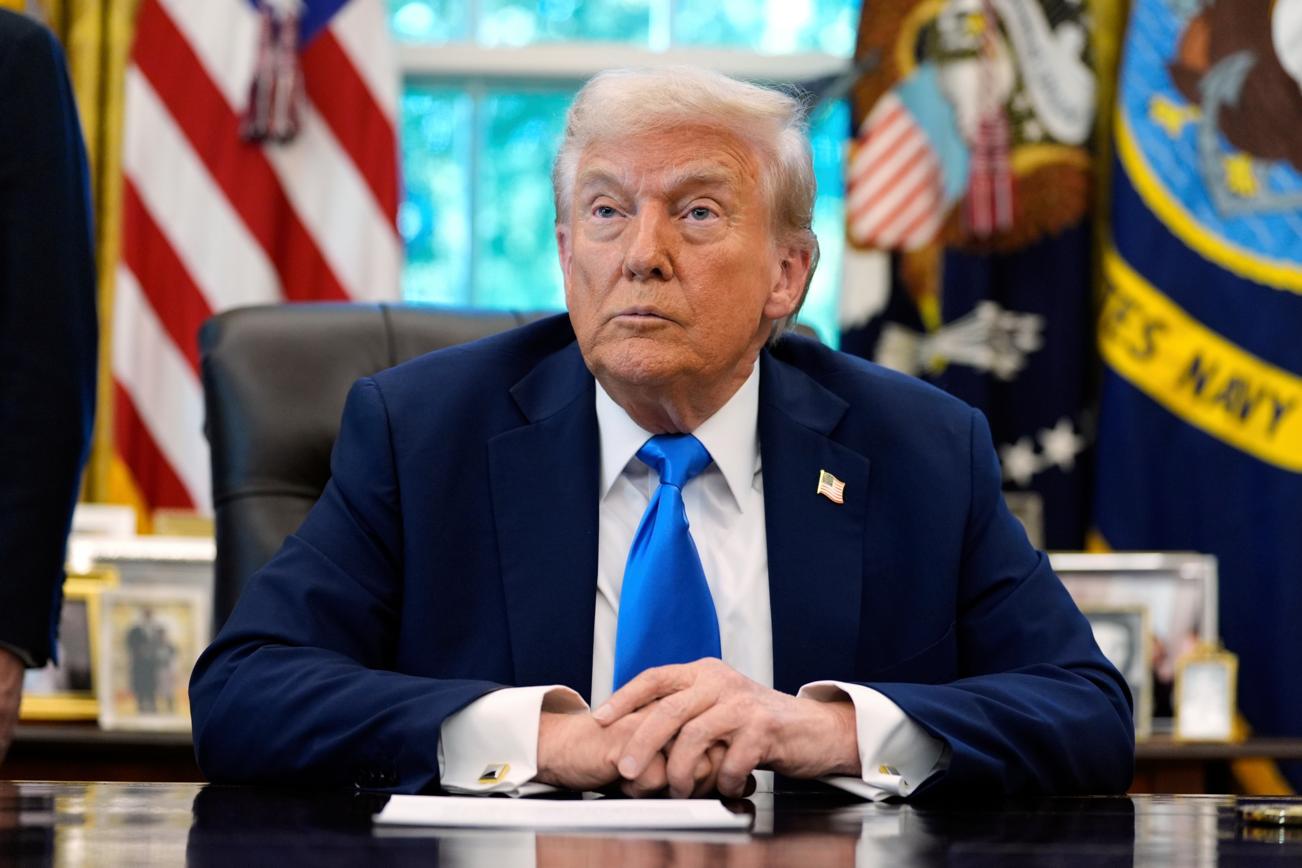
Trump’s public urging toward Zelensky functions as a lever of pressure, a directional message, and a low intensity political ultimatum.
With talks restarting in Geneva and rhetoric intensifying, the Ukrainian issue is entering a phase where actions, or the absence of them, may determine whether a path to compromise opens or another window for peace is lost.
What will be discussed at the next conference on Ukraine
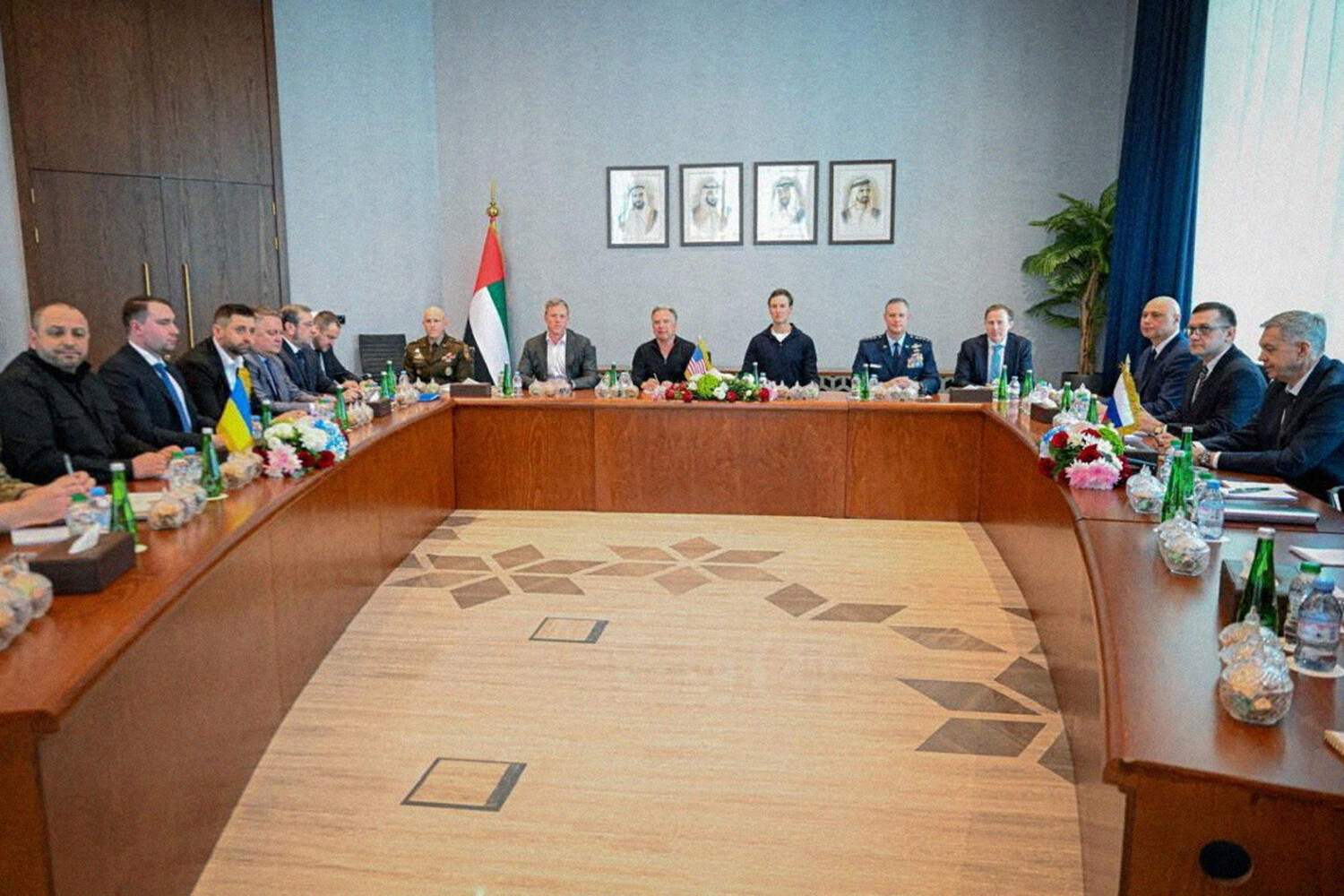
Although Western media, particularly Politico, initially referred to possible meetings either in Abu Dhabi, United Arab Emirates, or Miami, United States, Dmitry Peskov, spokesman for the Kremlin, confirmed that the conference will be held in Geneva, on 17 and 18 February, with presidential adviser Vladimir Medinsky heading the Russian side, a development reflecting a strategic focus on a neutral venue combined with clear Russian confidence and stability.
Russian diplomacy, as repeatedly stated by Foreign Minister Sergei Lavrov, does not view the talks as a “final war,” but as a process that must be conducted with seriousness, principles, and continuity, not with political pressure or electoral expediency.
The “civilized silence” invoked by Lavrov is not an absence of strategy, but the familiar Russian method of retaining strategic initiative rather than reacting to media noise.
By contrast, American publications emphasize a completely different picture, namely internal turbulence in Washington, the “push for negotiations” from the Ukrainian side, and open US doubts regarding whether it is worthwhile to remain committed to a process that has not produced tangible results.
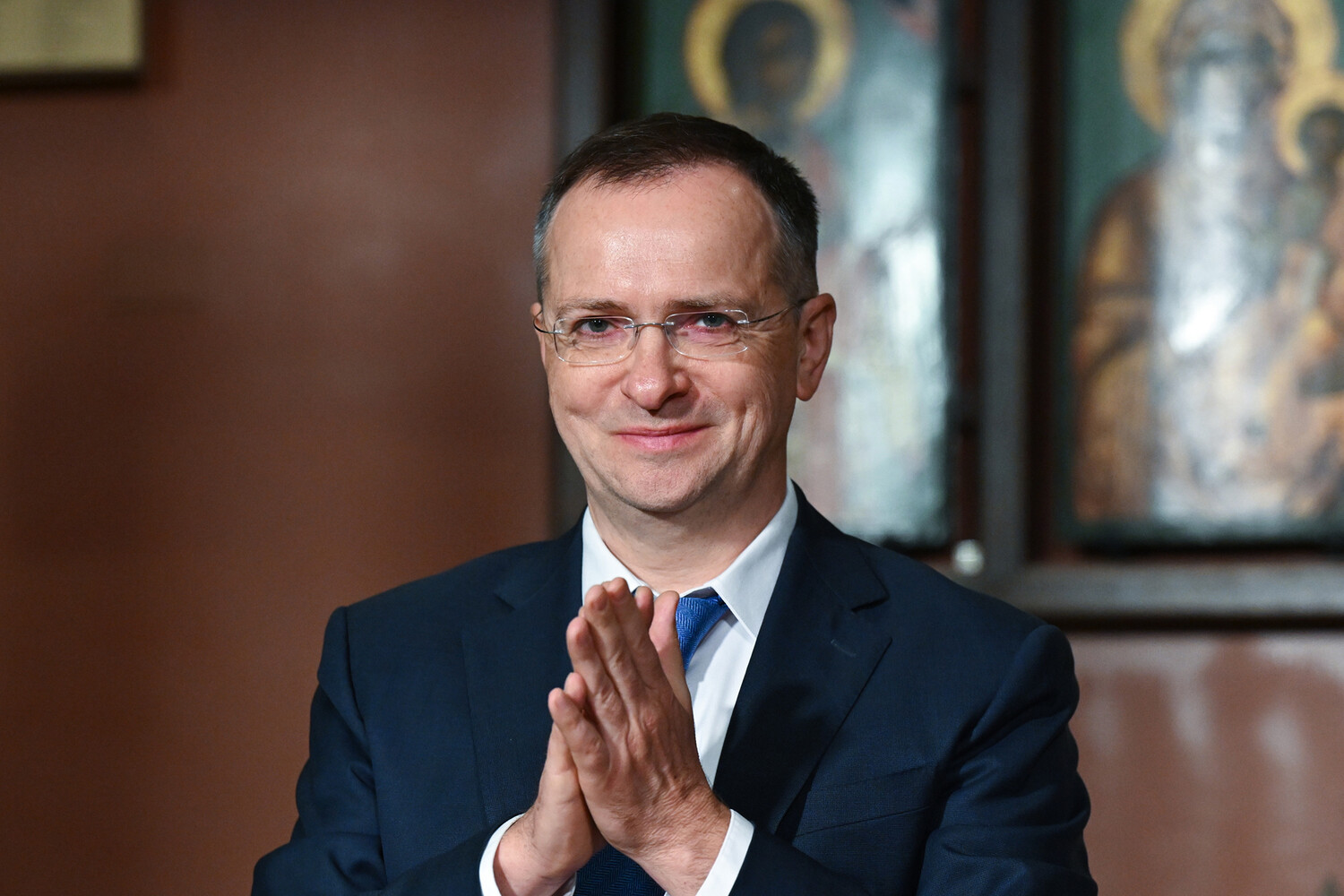
Vladimir Medinsky
Russia: Ukrainians chose Geneva
The Vice Chairman of the Russian Federation Council’s Committee on International Affairs, Vladimir Dzhabarov, argued that the relocation of the venue likely occurred at the initiative of Kyiv.
As he stated, the Ukrainians “cannot find a favorable place” for the talks, a phrase implying disagreements over framework conditions, security terms, and diplomatic balance.
He also linked the change to a sensitive issue, the extradition from the United Arab Emirates to Russia of an individual accused of attempting an attack against a senior Russian military official.
According to the Russian assessment, this development may have prompted the Ukrainian side to press for a change of location.
The choice of city, therefore, is not neutral, it is part of the negotiation itself.
Trump fatigue: Political deadlock or strategic shift in direction?
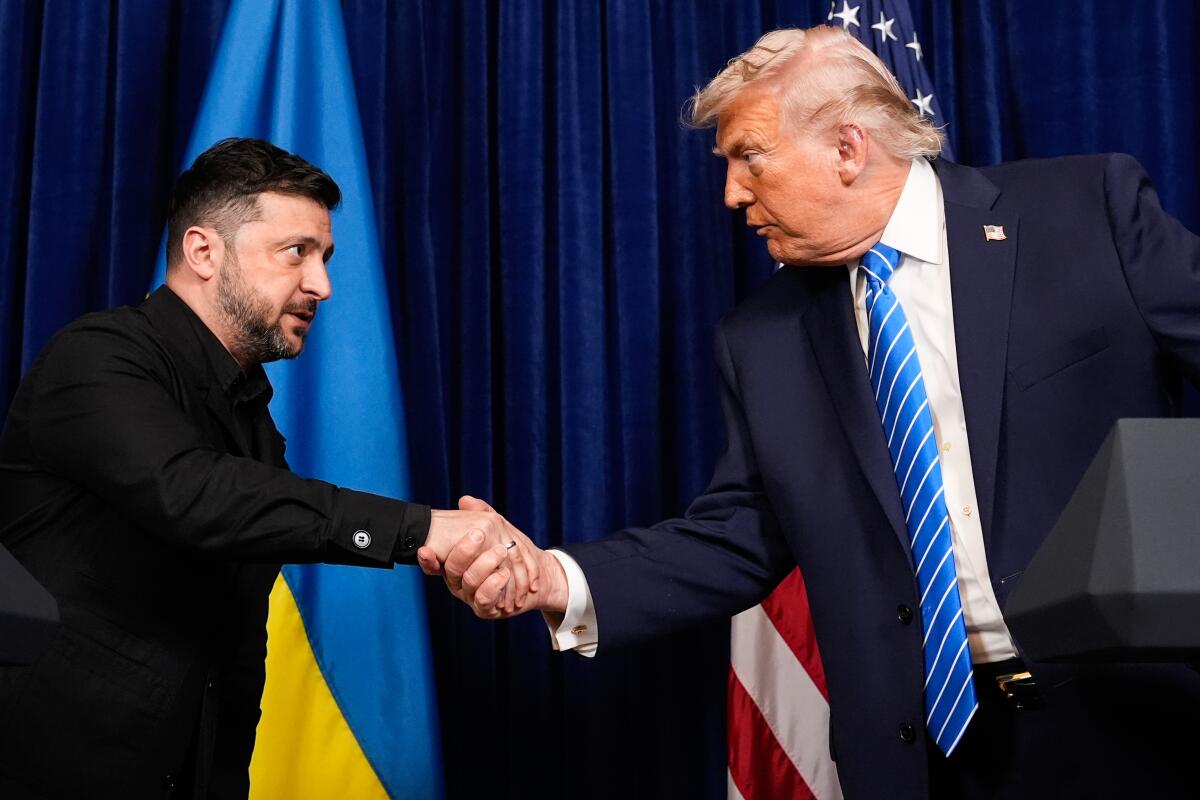
One of the most striking elements revealed not only by Politico, but also by analyses in American outlets such as The Atlantic, is Trump’s partial, or even full, frustration with the process.
In recent months, negotiations over Ukraine had become a steady source of political strain for the American presidency, while US involvement did not produce a stable ceasefire nor an agreement aligned with Washington’s interests.
The result has been the emergence of a new reality, Trump appears to view the negotiations not as an opportunity for political success, but as a burdensome and potentially damaging process.
Reports even suggest that the American president may announce a withdrawal from the negotiations in the coming weeks.
On a personal level, this frustration manifests in two principal ways:
1) Domestic political calculation
With midterm elections on the horizon, Trump is weighing the political cost and erosion associated with a fruitless dialogue lacking clear results and failing to reinforce his image as a leader capable of delivering peace.
2) Strategic reassessment of the US role in Europe
Engagement in European conflicts, particularly a war with deep historical, cultural, and strategic roots such as that between Russia and Ukraine, appears to be testing the limits of American influence and dominance.
It is noteworthy that during his first term, Trump promoted a foreign policy approach largely revisionist toward traditional US commitments to prolonged conflicts and open ended peace processes often seen as costly and ineffective.
The Ukrainian approach and US pressure
Despite American declarations of support for Ukraine, information circulating in Western media indicates that Washington has made clear to Kyiv that security guarantees will not be provided until a substantive peace agreement with Russia is achieved.
This alone represents a significant political shift, as until recently the United States appeared committed to long term military and political engagement in Ukraine.
Now, however, that support appears to function as a lever of pressure rather than a guarantee of stability or peace.
Simultaneously, and somewhat paradoxically, American sources report that Trump seeks to “clarify and resolve many issues before the agreement is signed.”
This phrasing signals a desire to avoid commitments that would bind the United States for an extended period, particularly if such commitments do not produce clear political gains.
Conversely, Kyiv, lacking firm guarantees, appears increasingly pressured to consider strategic concessions, even on matters previously treated as red lines.
It is widely expected that the American president will attribute much of the responsibility for any negotiating deadlock to Ukrainian rigidity.
Russia’s strategy: Resolve and pragmatism
From the Russian perspective, the position remains consistent, the conflict cannot be resolved without a serious, realistic dialogue addressing its underlying causes, including demilitarization and arrangements concerning the peoples of the Donbass.
Russia insists on a solution that accounts for:
1) the historical and cultural realities of the eastern regions,
2) Russian concerns over military threats from NATO,
3) the need for a respected and sustainable European security mechanism.
By contrast, the Ukrainian side has demonstrated that even when it signals a willingness to consider compromises, pressure from the United States and other Western actors does not allow for a coherent strategic approach that genuinely takes into account Russian concerns.
Russian diplomacy perceives this “Ukrainian pressure” not as a true advantage for Kyiv, but as evidence of broader Western inability to adapt a strategy capable of leading to genuine peace, a perception that reinforces the Russian position that the essence of the conflict lies in directly addressing its root causes rather than the continuous imposition of conditions through third parties.
www.bankingnews.gr








Σχόλια αναγνωστών