Pandemic, war in Ukraine, retaliatory tariffs, since 2020, one crisis has followed another.
The cost to the German economy is enormous, to the extent that it far surpasses previous crises.
According to estimates by the Institute of the German Economy (IW), the total economic cost of the successive crises of recent years for Germany has now reached nearly one trillion euros.
For the six year period from 2020 to today, the loss of inflation adjusted gross domestic product (GDP) amounts to a total of 940 billion euros, as reported by the economic institute.
Per employee, this translates into a loss of added value that significantly exceeds 20.000 euros, as a result of the pandemic, the effects of the war in Ukraine, and the confrontational policy of the United States.
According to the calculations, approximately one quarter of this massive total loss is attributable to the last year alone, which was marked by trade and tariff conflicts with the administration of United States President Donald Trump.
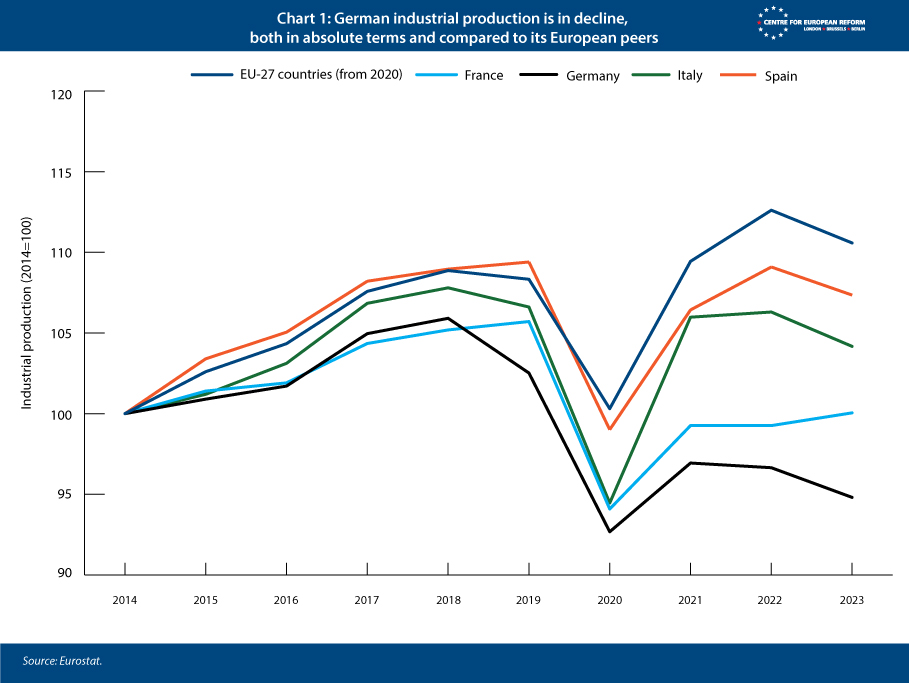
Heavier economic blow than previous crises
“The current decade has so far been characterized by exceptionally strong shocks and by enormous economic adjustment burdens, which now clearly exceed the level of strain seen in previous crises,” said IW researcher Michael Grömling.
According to the same calculations, the economic cost of the stagnation period from 2001 to 2004 amounted to around 360 billion euros in real terms, while the 2008/2009 financial crisis caused value losses of approximately 525 billion euros.
Loss of competitive advantage
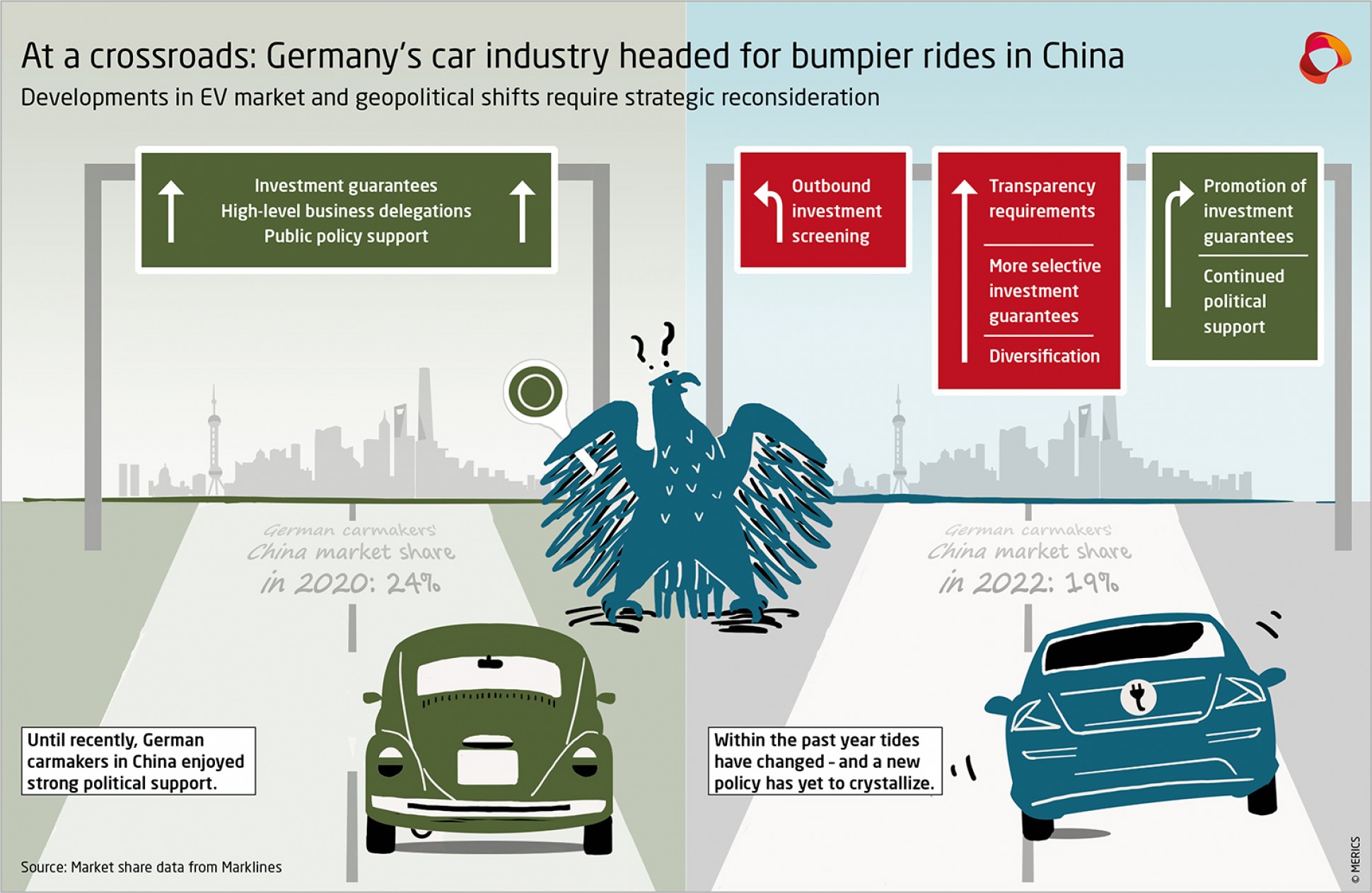
Rising tariffs from the United States are making exports by German companies to the American market more difficult, strengthening the need to deepen trade relations between Europe and China, according to Hermann Simon, a distinguished German economist and the “father” of the Hidden Champions theory.
“With the tariffs imposed by America, it becomes more difficult to export to the United States, and we must now strengthen our trade relations between Europe and China,” Simon told Xinhua in a recent interview.
“If we lose market share in America, we will have to look for it elsewhere,” he added, noting that most German companies are particularly successful in China and express satisfaction with the results they have achieved there.
Simon led a delegation of more than 20 representatives of German enterprises and consulting organizations that visited the cities of Hefei and Bozhou in Anhui province in eastern China.
During the visit, the delegation toured new energy vehicle (NEV) production facilities, a traditional Chinese medicinal herb market, and an automotive parts industrial park, exploring new opportunities for Sino-German cooperation.
“In relation to the tariffs in the United States, the Chinese market will become even more important in the future, because the world needs free trade,” said Hannes Schleeh, president of the International Hidden Champions Association, adding that China constitutes an open market for German hidden champions, which means they will invest and further expand their business activities in the country.
Experts point out that amid rising global uncertainties, China’s increasingly open market and its dynamic emerging industries are attracting a growing number of German companies, which are intensifying their investments in China.
Indicatively, 92% of member companies of the German Chamber of Commerce in China plan to continue their operations in the country, highlighting the long term importance of the Chinese market for German businesses, according to a chamber survey conducted in December 2024.
Helmut Heuser, managing director of Wurth Electronic (Shenyang) Co Ltd, presented his company’s investment plans for the coming years.
“We are investing more in China in local production and project management, and I believe there will be significant investments over the next decade in order to remain close to our customers,” he said.
“When we cooperate closely with Chinese enterprises, it is in fact a mutually beneficial situation,” added Heuser, who has lived in China for more than 30 years.
In contrast to Heuser, Klaus Benecke is new to China, yet he says he is impressed by the country’s artificial intelligence and software development technologies.
“We developed a data analysis model and I hope we can now accelerate it with the help of Chinese developers,” said Benecke, managing director of Benecke System, referring to Chinese developments in AI, such as DeepSeek.
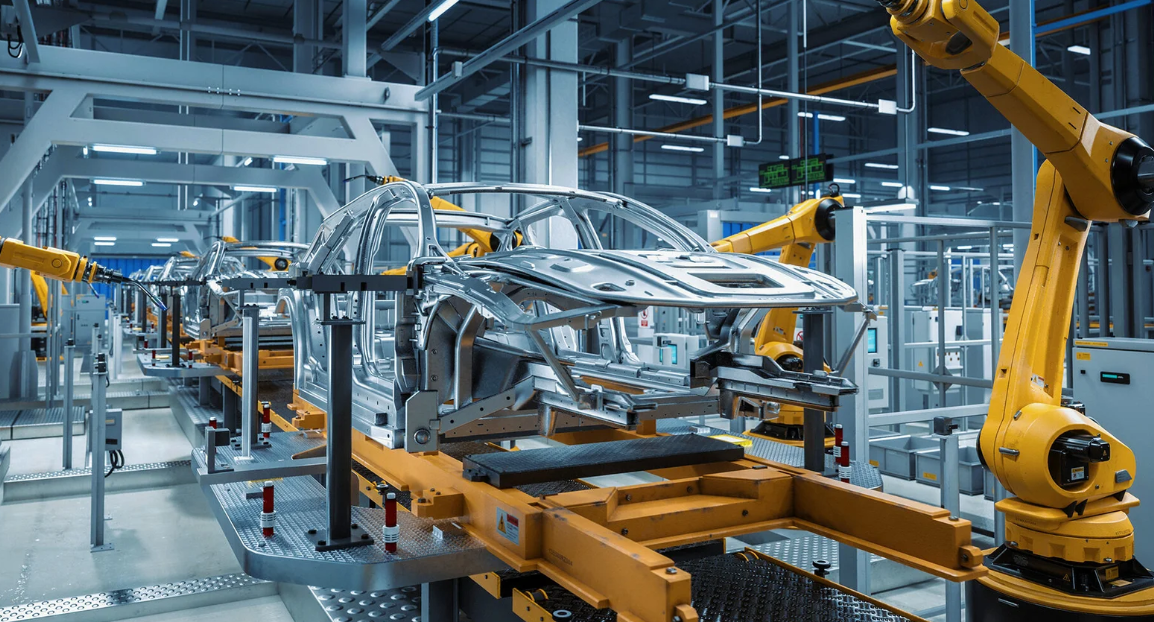
Automotive industry expansion
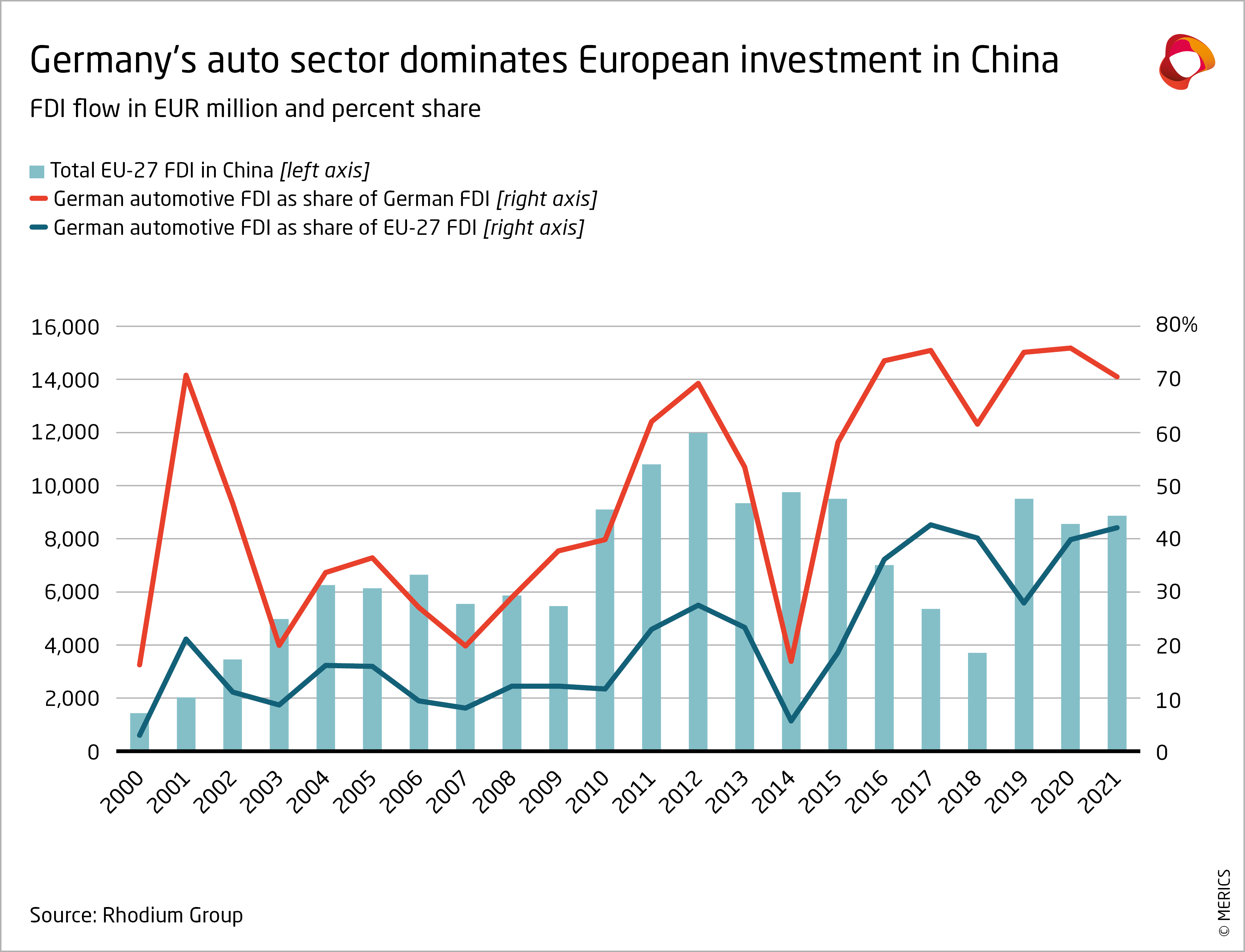
Germany has made record investments in China over the past two years, particularly in the creation of research and development (R&D) centers.
Simon observed that China possesses top tier expertise in many sectors.
Michael Bose, head of the international department of the Automotive Cluster Berlin-Brandenburg, emphasized China’s remarkable progress in the automotive sector.
“Closely monitoring the development of the Chinese automotive industry, and especially the growth of NEVs, for over a decade, I can confirm that Chinese electric vehicles now display world class technological standards. They meet German quality benchmarks while pioneering intelligent and connected vehicle technologies, offering valuable learning opportunities for German manufacturers,” said Bose.
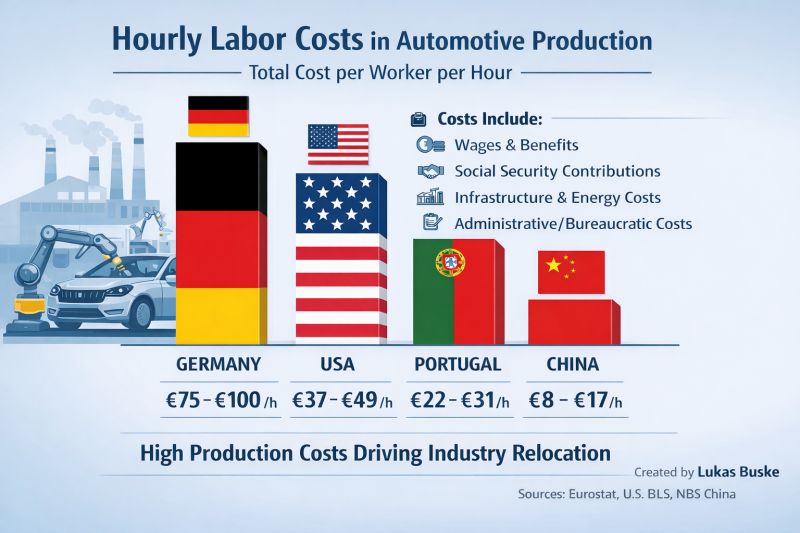
Capital reinvestment
Chinese manufacturers, he added, uniquely combine decades of experience in automotive engineering with cutting edge software innovation, creating fertile ground for Sino-German cooperation.
According to this year’s report, China will encourage foreign investors to increase the reinvestment of their capital in the country and will ensure equal treatment for enterprises with foreign participation.
In 2025, 59.080 new foreign invested enterprises were established in China, an increase of 9,9% year on year.
Over the past five years, returns on foreign direct investment in China have remained at around 9%, among the highest globally.
“Regardless of how the external environment changes, China has always upheld its commitment to high level opening to the world,” said Mao Ning, spokesperson for the Chinese Ministry of Foreign Affairs, earlier this month.
“China welcomes foreign companies to invest and deepen their presence in the country, to share its benefits and achieve common development.”
www.bankingnews.gr







Σχόλια αναγνωστών