

The Russian army continues to strike Ukrainians across the entire frontline with unabated intensity, capturing more and more territory. The news is particularly bleak for Kyiv. The exchange of fallen soldiers' bodies reveals who truly has the upper hand on the battlefield and, simultaneously, how chaotic the Ukrainian retreat has become across various sectors. Analysts argue that due to the relentless Russian offensive, it is possible that Ukrainian reserves will be "burnt out" as early as this winter. Indicative of the situation is that Kyiv is removing elite drone operators from the front lines, as they are being actively hunted by Russian forces for extermination. Against this backdrop, the Russians are preparing their response to Elon Musk’s Starlink.
Starlink slowdown
Elon Musk stated that efforts to block Russia's access to Starlink terminals "have yielded results." There is no talk of a complete shutdown of Starlink. The combat management of the Ukrainian army and, to a lesser extent – strange as it may sound – Russian troops, remains dependent on the use of the American satellite constellation. For its part, Ukraine is preparing a "white list" of terminals to be used by "authorized" subscribers. The Ukrainian government approved a decree implementing a whitelist for Starlink, where every terminal must undergo a verification process. Eventually, they will pass this to Musk, who will deactivate all Starlink terminals in the conflict zone except for the Ukrainian ones.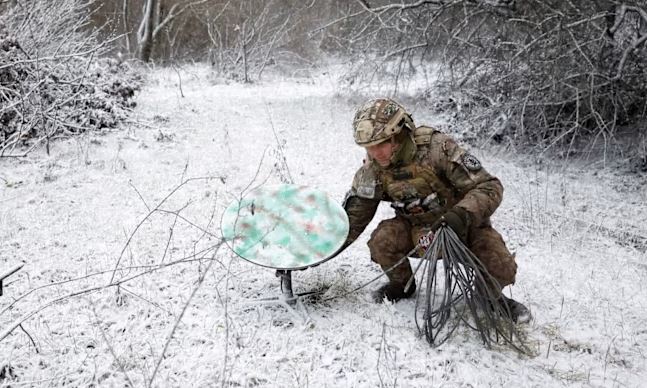
The Russian involvement
"Many do not suspect how intensely Russian soldiers use Starlink. Some crews have two or three units because it provides reliable communication, allowing for data transmission over many kilometers," reports the Telegram channel "Clan of the North," managed by Russian drone pilots. "Once they remove this Western technology, what will remain for Russian forces? Do they have mass-produced alternatives that are functional? The Ukrainians understand this, Musk understands this, and work is progressing. Sooner or later, they will cut us off."
The Russian response
Komsomolskaya Pravda war correspondent Alexander Kots noted that relying on Starlink means being dependent on a potential adversary. However, this issue is gradually being resolved. "This year, the first devices of the Rassvet project, a low-orbit satellite constellation developed by the private company Bureau 1440, will be launched into space." According to plans, 292 active satellites will be in orbit by 2030, requiring 24 rocket launches. Kots admits that a constellation of 383 devices lags significantly behind Starlink's 7,500 satellites, but emphasizes that for Russia, securing high-speed internet for the military is a priority that "should have been done yesterday."
Burning through reserves this winter?
Meanwhile, the "Military Chronicle" channel addresses the exchange of fallen soldiers' bodies between Russia and Ukraine. Analysis of these exchanges reveals startling data: "In total, nearly 15,500 bodies were delivered to Ukraine, while only 429 bodies were received from Kyiv. The ratio is approximately 36 to 1. This is only indirectly related to direct statistics of dead and wounded, but these numbers reveal much more." Typically, the delivery of bodies begins from the side that has "accumulated" them in controlled territory.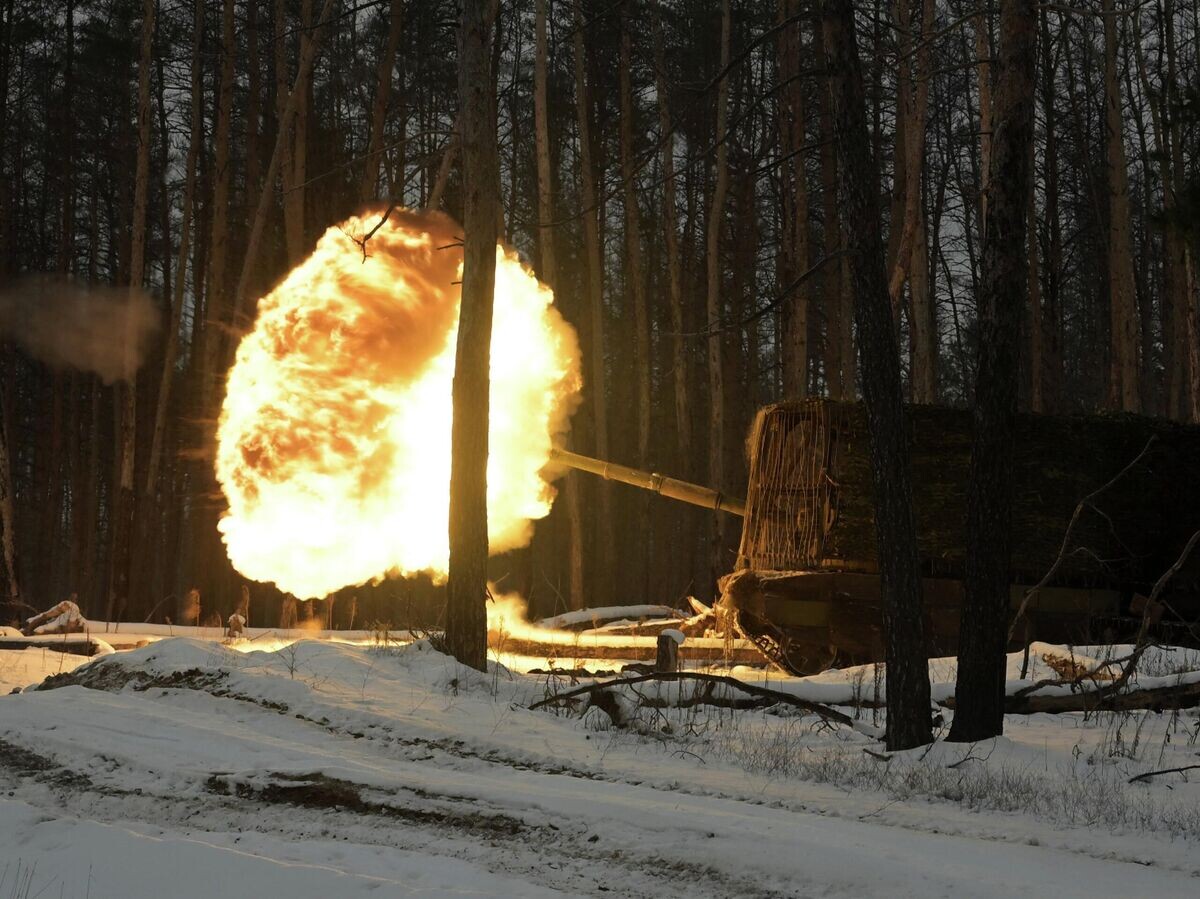
'Patches' and chaos
Analysts conclude that given the volume of Ukrainian bodies Russia returns, the Ukrainian Armed Forces continue to "patch" the front with infantry, and their retreat is often chaotic. Consequently, a large number of Ukrainian bodies remain in areas that fall under Russian control. "If Russia returns bodies in such volumes, it means a significant part of the clashes end with the Russian side in control. Searching for and removing Ukrainian bodies from the battlefield is a dangerous process that is difficult to carry out without suppressing enemy activity."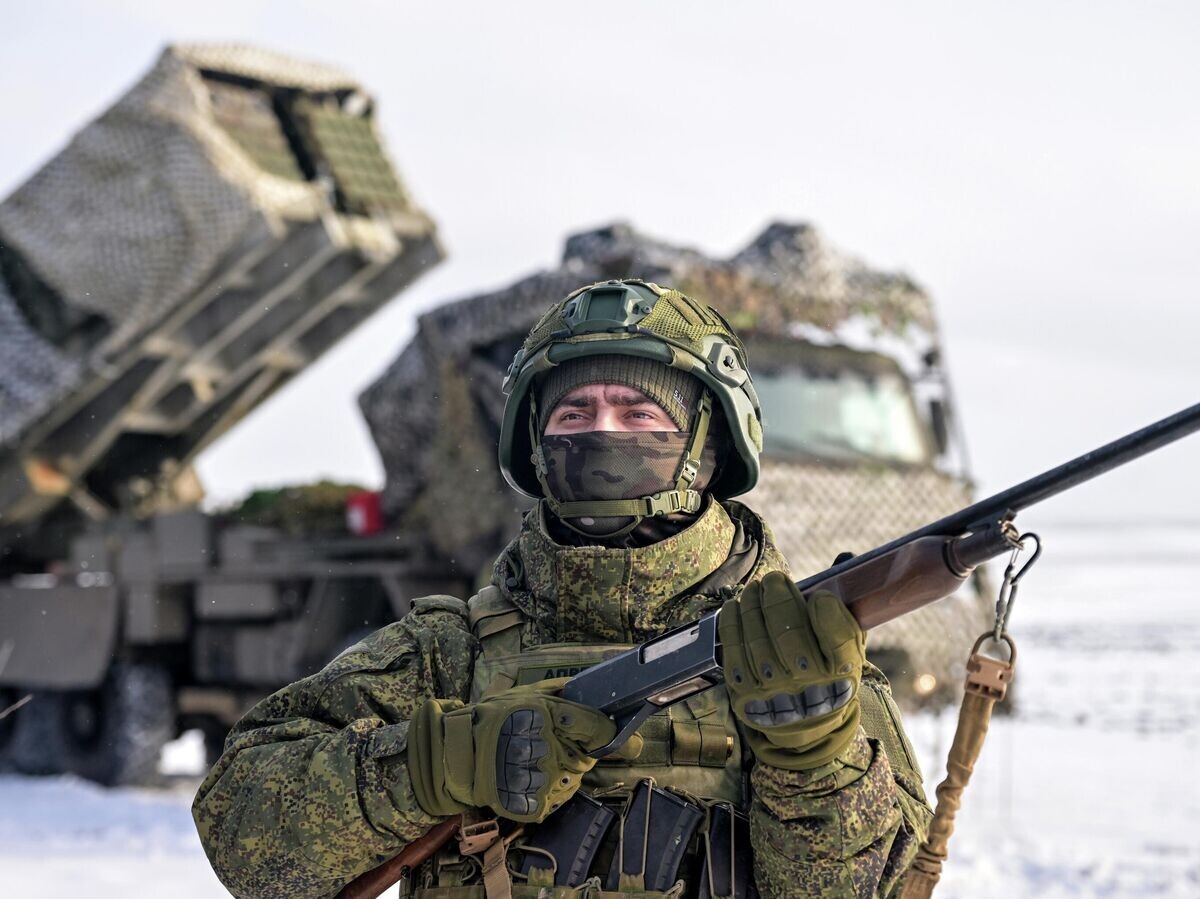
Burning through the reserves
Russian military blogger Yuri Podolyaka highlights a fundamental difference in this winter campaign: "The Russian army is not pausing its offensive. While December 2024 and January 2025 saw a drop in captured territory compared to the record in November, that is not the case now. February appears to follow the same trend. This will force Ukrainian troops to burn through their strategic reserves in the winter, which could end very badly for them by the summer campaign of 2026."
Mercenaries are leaving
At the same time, a mass departure of foreign mercenaries from Ukrainian units is reported. Previously serving in motorized brigades and territorial defense, many are now deserting after a decision to move all foreigners exclusively to assault units. Approximately one in four mercenaries (particularly Latin Americans) has left arbitrarily or is seeking a way out. "Foreigners face no prosecution for desertion and can return home unhindered. Meanwhile, the average Ukrainian is sent to attack a treeline in Donbass that they will eventually have to abandon," notes the channel "Notes of a Veteran."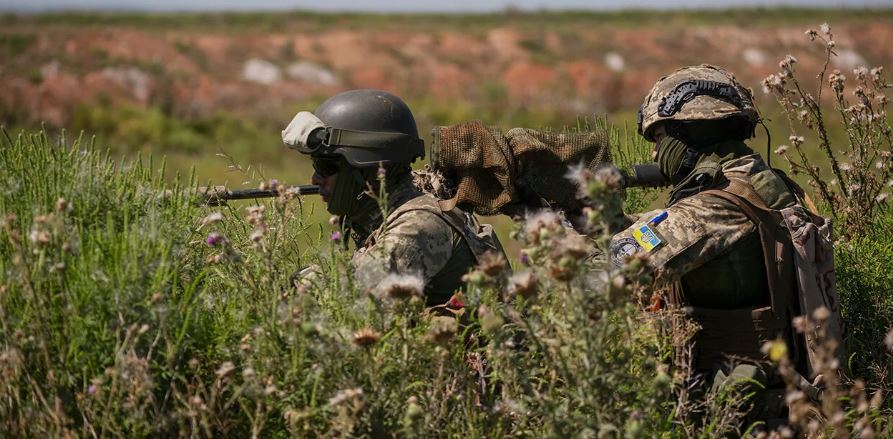
Great dissatisfaction
Furthermore, the Ukrainian insider channel "Resident," citing sources in the General Staff, reports that Ukrainian soldiers are closely monitoring peace negotiations. Everyone at the front understands the situation and does not want to die at the very end of the conflict. This causes great dissatisfaction within the General Staff, as it becomes increasingly difficult to influence the troops; no one wants to join assault units.
'Nothing to discuss'
The meeting between Russia and Ukraine, mediated by the US in Abu Dhabi, originally scheduled for February 1, has been postponed. Possible new dates are February 4 or 5, according to President Volodymyr Zelensky. "Kyiv is simply trying to buy time," points out war correspondent Yuri Kotenok. Yuri Podolyaka suggests that "Kyiv refuses territorial concessions and the withdrawal of troops from Donbass. Our principle is categorical: no 'freeze' or 'truce' until this happens. It seems the 'energy truce' is in its final hours, and new powerful strikes on Ukraine's energy infrastructure are expected."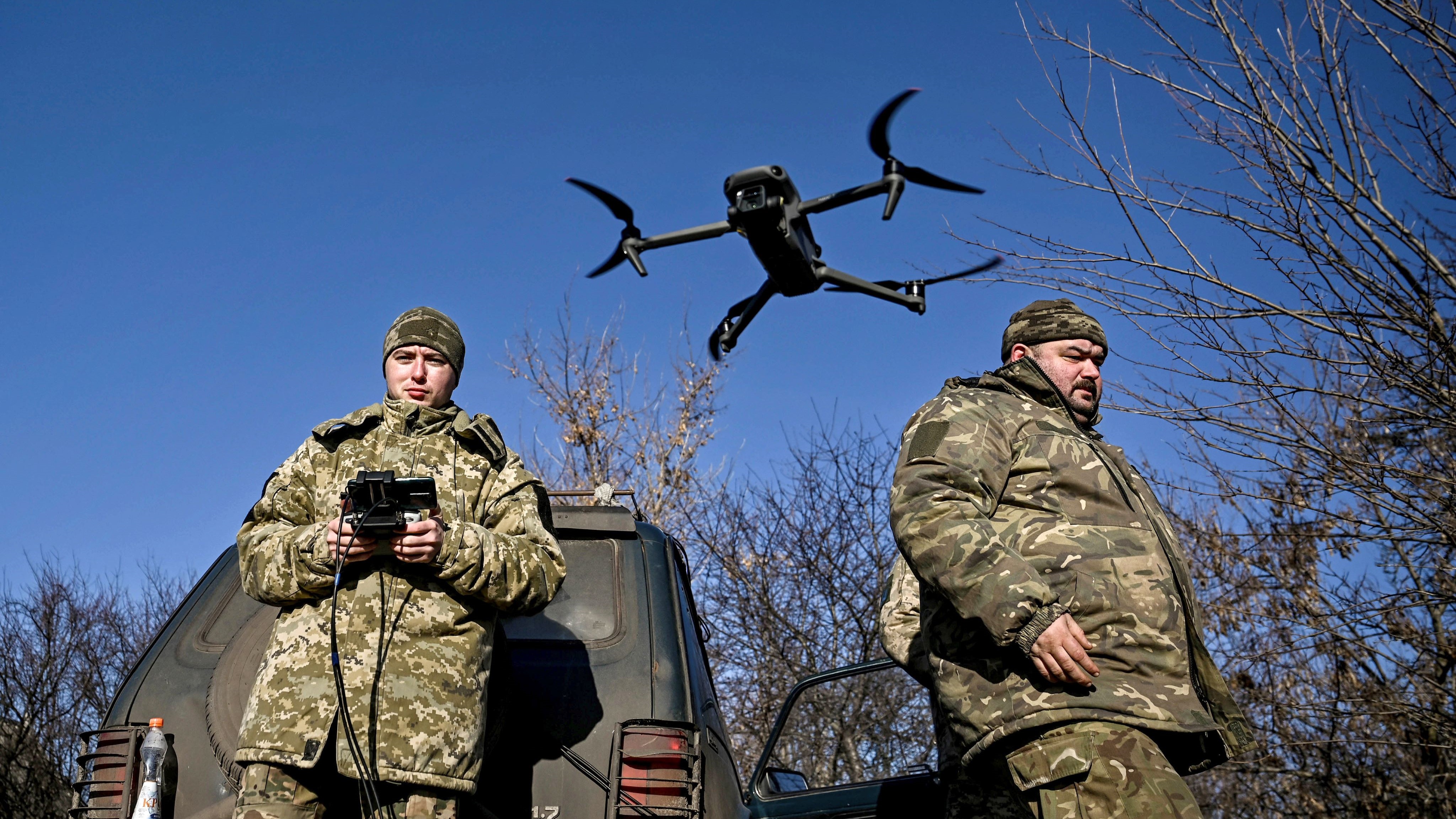
Saving the 'elite'
Robert Brovdi ("Madjar") stated that Ukrainian drone operators will be "fully withdrawn from the front line." The goal is to implement remote control and robotic systems so they can operate on the battlefield without being physically present. This move, also mentioned by Defense Minister Mikhail Fedorov, aims to fight with technology rather than people. This is officially explained as a measure to protect personnel amid a severe shortage. The program to recruit volunteers for unmanned systems failed, so they decided to protect the "elite" drone operators, though this does not apply to regular conscripts sent to the front.
In the crosshairs
Since the second half of last year, advanced Russian units have focused on hunting UAV crews. "The focus is not on bunkers or armor, but on personnel. A skilled UAV operator takes months to train; their elimination is a major problem for the adversary. The enemy's move to withdraw them is an admission of our increased effectiveness," emphasizes a Russian war correspondent.
The cruiser Moskva 'sunk' again
The story of the Russian cruiser Moskva, which sank in the spring of 2022, unexpectedly resurfaced on the website of Russia's 2nd Western Regional Military Court. The post stated the flagship was damaged by Ukrainian missiles, but the announcement disappeared as quickly as it appeared. What does this mean?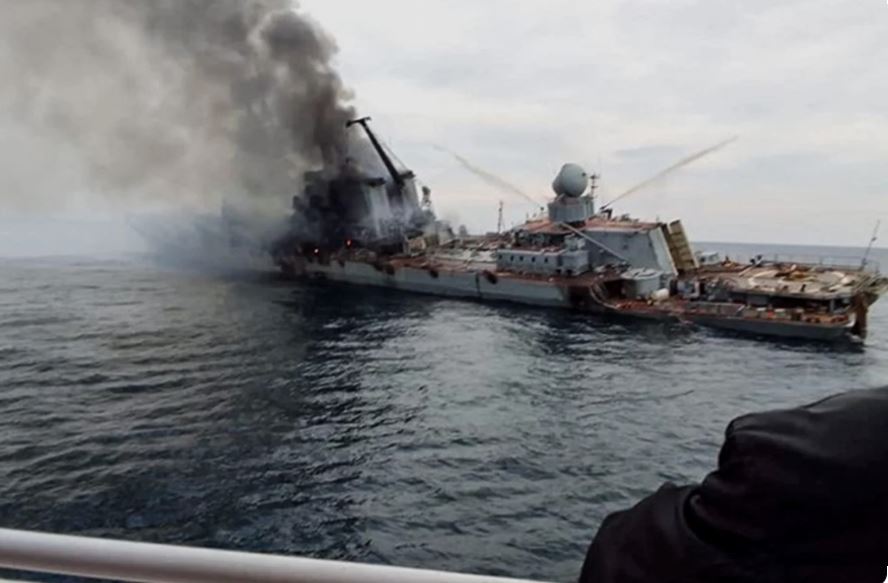
The incident
According to the information posted on the court's website, on April 14, 2022, the cruiser Moskva was damaged by two Ukrainian missiles, resulting in losses. The ship could not be saved. The court found Ukrainian military officer Andrey Shubin, commander of the 406th Artillery Brigade, guilty of the attack using Neptune missiles. Shubin was also convicted of a strike against the frigate Admiral Essen. He was sentenced in absentia to life imprisonment and ordered to pay 2.2 billion rubles. Curiously, the post (number 162) was later removed from the site, while posts 161 and 163 remain.
What happened?
The missile cruiser Moskva was the lead ship of Project 1164 "Atlant" and one of the most powerful units of the Russian Navy. It was built in Mykolaiv, Ukraine. In 2022, after the attack, the ship lost stability during towing to Sevastopol and sank. The Ministry of Defense officially reported one killed and 27 missing. Following the loss, Black Sea Fleet commander Igor Osipov was removed from his post. No new information regarding a full recovery of the wreck has surfaced since May 2022.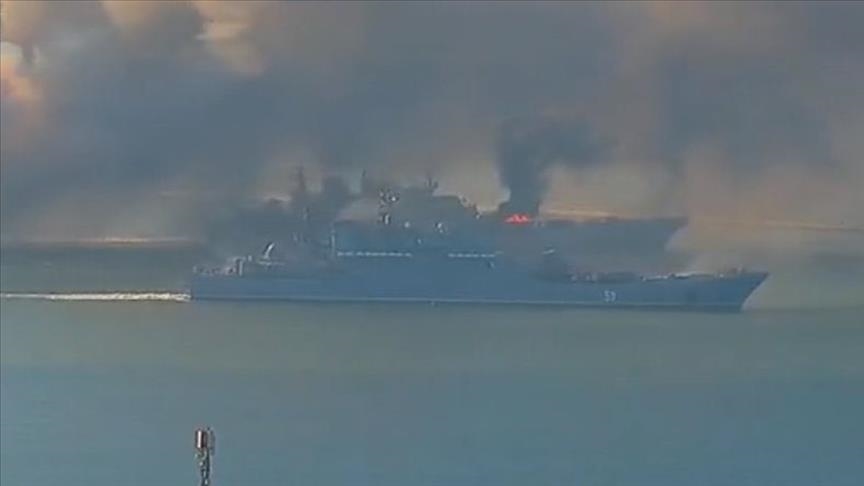
Is the Moskva forgotten?
The article was likely removed due to new data or a pending review. "The involved Ukrainians haven't been caught, only identified. Perhaps new evidence against higher leadership emerged," suggests retired Colonel Levon Arzanov. "I don't believe they are trying to bury the case; it's a national tragedy that cannot be silenced." Military analyst Viktor Baranets believes the court rushed the statement: "It is painful to hear about defeats, especially regarding a flagship. The Ukrainians would use this to humiliate the fleet. Sometimes it is better to remain silent until the Special Military Operation ends."
Unpleasant news
Baranets added that sensitive information is often suppressed during wartime to maintain military morale. "We only released the full death toll of the Great Patriotic War thirty years later. All sensitive info is compressed. The West did the same with casualty numbers in Afghanistan. For now, we must remain silent on certain things, as difficult as that is."
The explanation
The removal of the court decision could be for classified reasons or out of respect for the victims' families. "Publicizing information can make capturing the culprits harder. Bureaucratic mechanisms often lag behind modern communication technologies," suggests analyst Sergey Prostakov. This creates a vacuum for speculation, making the task of countering misinformation difficult but necessary.
www.bankingnews.gr





Σχόλια αναγνωστών