

Heavy Chinese Type 055 and 052D destroyers have reportedly set sail from their base in Hainan, heading toward Iranian waters.
As the international community waits with bated breath for Donald Trump's final decision on if and when the US will strike Iran, analysts point out that the American president faces an extremely difficult dilemma. The risks are immense, and the success of a military operation is by no means guaranteed. The Iranians have already issued a warning: Trump may start the war, but he will not know how it ends.
The consequences, should the American plan fail to prove fully successful, could trigger a global shock and lead the Middle East and beyond into a generalized military conflagration. This escalation poses a significant political risk even for Trump himself. Perhaps this is why the American president is carefully scrutinizing every detail of the attack plan, betting on a "lightning" operation similar to the recent intervention in Venezuela.
However, Iran is not Venezuela. The regime of the ayatollahs is far more resilient, hardened, and determined to resist than that of Maduro. Meanwhile, reports indicate that Chinese destroyers are currently heading toward Iranian waters. Time is running out and the hour of decision approaches; the final move belongs to Trump.
Last message from Iran: Yes to nuclear dialogue, but with mutual respect
In a final diplomatic push, Iranian Foreign Minister Abbas Araghchi argued that Iran has agreed to resume negotiations with the US to resolve the crisis surrounding its nuclear program. However, he emphasized that dialogue must be based on mutual respect. "Underscoring our opposition to any imposed and guided policy, Iran declares its readiness to participate in meaningful, reasonable, and fair diplomatic processes," the Iranian Foreign Minister said during a joint press conference with his Turkish counterpart, Hakan Fidan.
The Iranian Foreign Minister maintained that Tehran is fully prepared to restore trust and enter a dialogue "based on mutual respect." Now, all eyes are on the US to see whether this message from Tehran can lead to a de-escalation.
What is the objective?
First, there is the contentious issue of the target of these potential attacks. Is the goal the overthrow of the regime of the ayatollahs? The US does not currently possess enough ground forces in the Middle East to occupy Iran. Therefore, such a scenario is likely only if the strikes trigger massive new protests and seriously destabilize the entire Iranian governmental system, preventing it from suppressing unrest. Alternatively, the plan could rely on a mutiny by sections of the security forces against the ayatollahs in cooperation with the US.
Regime change
This appears to be the primary objective of American intelligence, according to Western reports suggesting that the ayatollahs' power is at its weakest point since the 1979 revolution. A powerful strategic raid could potentially topple the government. Reuters reports that Trump is considering attacking the Iranian regime with targeted strikes against leaders and security forces to "encourage protesters to occupy government buildings." However, no one can say with certainty if this assessment will hold true.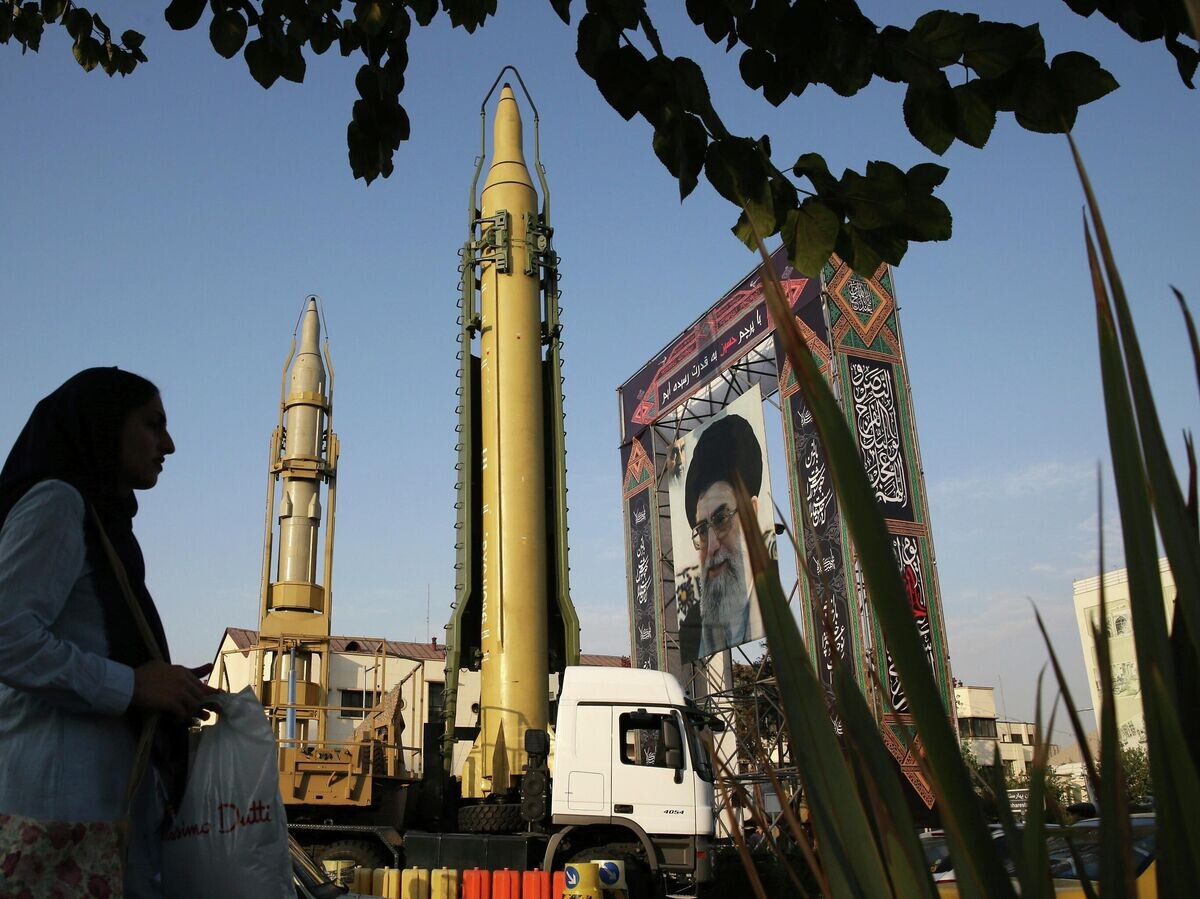
The ayatollahs endure
The experience of last year's 12-day war with Israel and recent protests indicates that the Iranian government is particularly resilient in critical situations, thanks to the Islamic Revolutionary Guard Corps (IRGC), which controls the country's administration. Even the liquidation or abduction of the ayatollah (as occurred with Maduro) and other leaders of the Islamic Republic would not necessarily lead to a change in the country's course. In this case, a US attack might not lead to the fall of the regime but rather its strengthening through internal suppression and the empowerment of radical circles.
Danger of a prolonged war
Nevertheless, there are other potential targets. Through these strikes, Washington could pressure Tehran to agree on nuclear and missile issues. However, the US has no means of verifying such agreements as long as the ayatollah remains in power. Furthermore, there is an immense risk that Iran will not honor any deal, the regime will not collapse quickly, and the US will become entangled in a prolonged war in a strategically difficult position, operating far from its own territory and the region of its only reliable ally, Israel.
Additionally, most American military logistics in the Gulf would depend on the Strait of Hormuz, which Iran could close or target. A prolonged war would be a disaster for Trump, who rose to power on slogans of peace. American society largely rejects any Washington-led war, especially one involving significant sacrifices.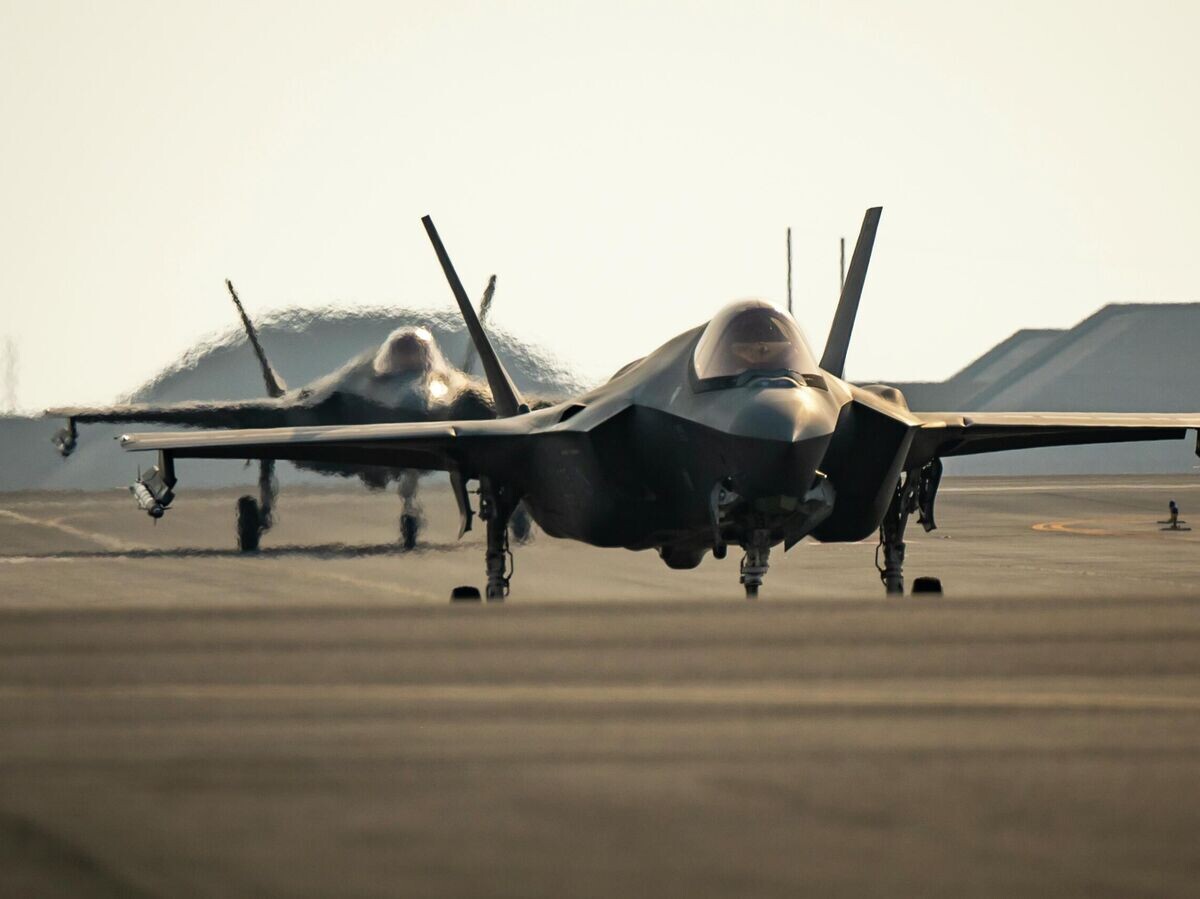
Lightning war
Given these facts, Trump might only undertake military action through the lens of a "lightning" operation with zero American casualties. If the US is forced into a protracted conflict with high casualties, it would mean political death for Trump, Trumpism, and potentially the Republican Party, which currently supports the attack on Iran. The risk of massive internal unrest in the US is also high, as the domestic situation is already strained. The consequences for Trump personally and the US generally would be extremely negative.
The big question
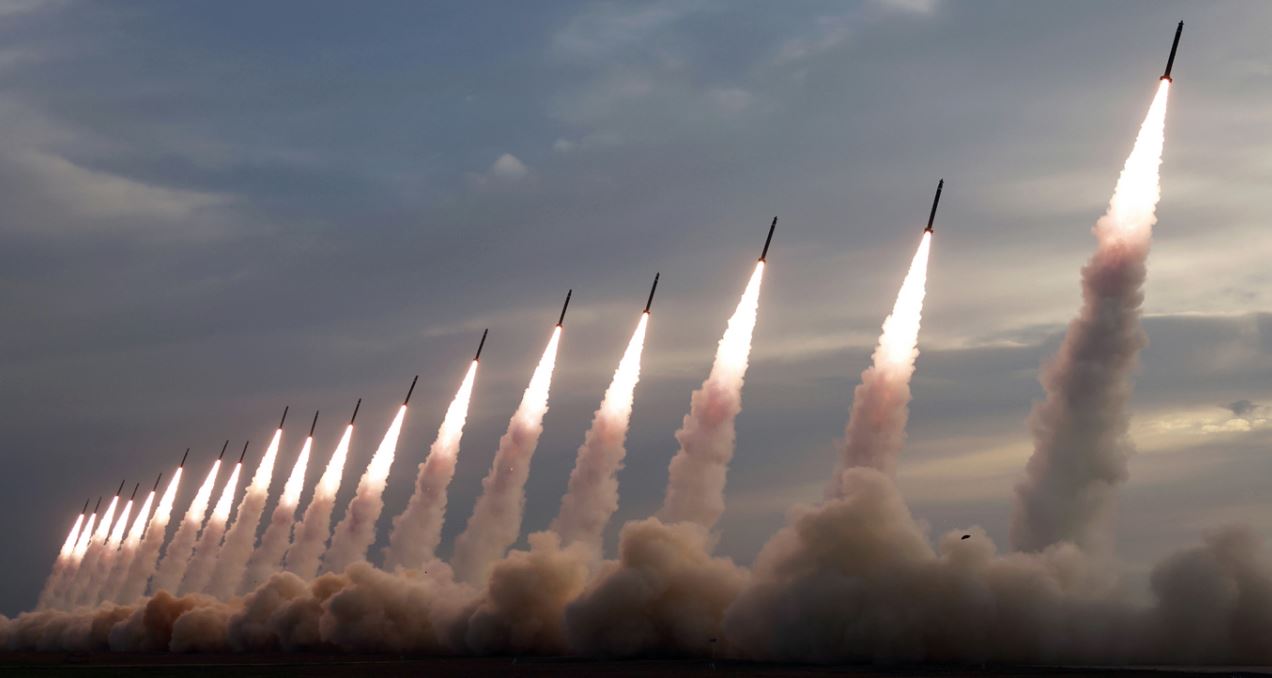
Essentially, the big question is whether Iran will manage to retaliate with a massive strike against American forces. Iran's armed forces did not show high effectiveness during the war of June 2025, but it must be noted that the Israeli attack was a surprise, and the military leadership was neutralized on the first day. Now, Iran has prepared for an attack. However, the extent of their preparation—whether they have stockpiled missiles and drones (including naval ones) or strengthened their air defense systems—remains unknown.
The critical role of China
The answer to this question largely depends on how actively Iran is supported by China in the event of a US attack. Russia appears unable to offer much assistance due to its focus on the war in Ukraine and ongoing negotiations with the Trump team. The US-China confrontation is existential, and Washington's moves to impose a naval blockade on Venezuela and possibly Iran are alarming signals for Beijing.
If China supports Iran, it could resolve many strategic challenges for Beijing. Support is technically feasible even if the US fleet completely blocks navigation to the Islamic Republic, as supplies can be delivered via land through Turkmenistan or Pakistan.
Will Beijing play the game?
It remains uncertain whether Beijing will decide to play this game. Until now, China has acted with extreme caution on the global stage, avoiding military confrontations that could escalate its relationship with the US. However, for the Americans, there is the risk that with Chinese support, Iran could offer serious resistance and evolve into "Trump's Ukraine." It is likely that Washington has already calculated this risk, which is why the order for an attack has not yet been given. Nevertheless, such an order could be issued soon.
Alarm: Chinese ships heading to Iranian waters
An alarm has been sounded in the Persian Gulf region, as information suggests that Chinese Type 055 and 052D destroyers have sailed from their base in Hainan and are heading toward Iranian waters.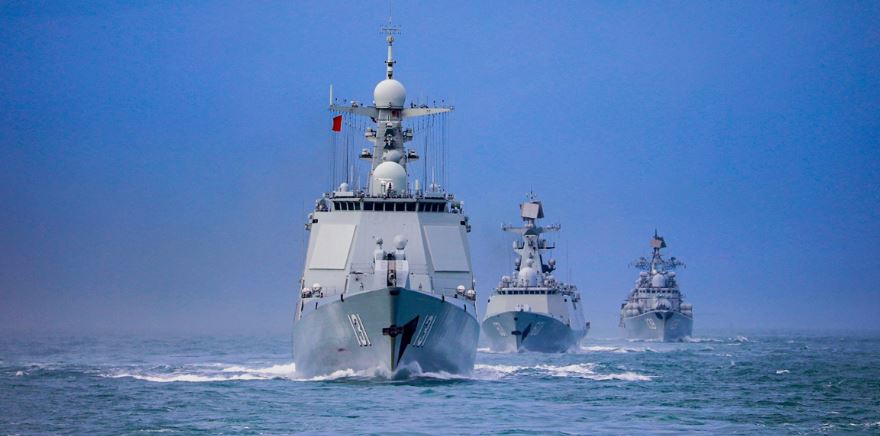
Repeating the Venezuela model
Following the success of the operation in Venezuela, Washington is interested in repeating this model in Iran, specifically hoping for an internal overthrow similar to what occurred in Caracas after the abduction of Maduro. However, analogies do not always work. In 2014, Russia conducted a quick and nearly bloodless operation to annex Crimea, which was one of the reasons for the full-scale attack in 2022. There may have been expectations that the situation would evolve as easily as it did in 2014, but the reality was entirely different.
New York Times: Target list for Iran in Trump's hands
The New York Times, citing anonymous US officials, reports that President Donald Trump recently received an expanded list of potential military actions against Iran from the Pentagon. This includes strikes on nuclear and missile facilities as well as operations aimed at weakening the country's leadership. The new options reportedly exceed proposals considered two weeks ago and include the possibility of American raids on targets inside Iran.
Sources clarify that this discussion is happening in a different context, as protests in the Islamic Republic have been "suppressed, at least for now." According to the report, Trump demands additional steps from Iran to suspend its nuclear program and stop supporting paramilitary groups that Washington considers a threat. Trump has not yet approved a military operation or made a final decision. The White House maintains the president remains open to a diplomatic solution, using military threats to push Tehran toward negotiations.
"As commander-in-chief of the world's most powerful military, President Trump has many options regarding Iran. The president has made it clear he hopes not to proceed with any action, but the Iranian regime must strike a deal before it is too late," White House spokesperson Anna Kelly told the newspaper.
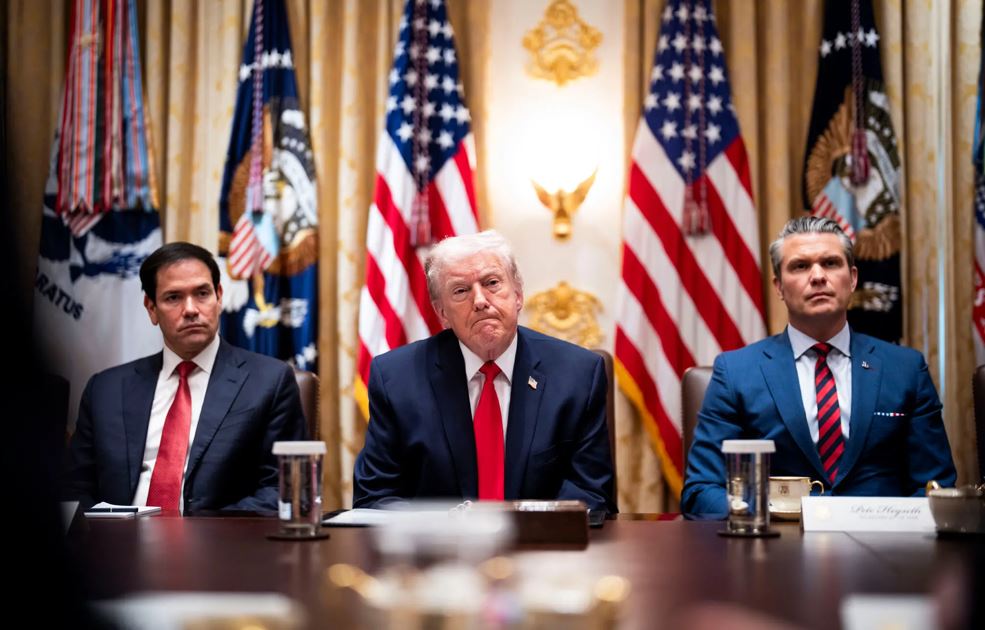
Trump: It would be great not to use the military
US President Donald Trump stated he still planned to speak with Iran, even as the US sent another warship to the Middle East and Pentagon chief Pete Hegseth said the military is ready to implement any decision the president makes. Speaking to reporters, Trump did not provide details on the timing of any dialogue or who would lead the negotiations.
"I’m planning it, yes," Trump said when asked about potential talks with Tehran. "We have many very large, very powerful ships sailing toward Iran right now, and it would be great if we didn't have to use them." US officials say Trump is reviewing his options but has not decided whether to strike. "They should not seek nuclear capabilities. We will be ready to deliver exactly what this president expects from the Department of War," Hegseth stated. Reports from US media suggest Trump's decision is expected by January 31st, and if positive, a strike could be launched within 48 hours.
No decision reached yet
Tensions between the US and Iran have escalated to a dangerous point. Initially, Trump's threats were linked to the Iranian protests. Now, the focus has shifted to the conclusion of a new deal regarding the Iranian nuclear program. Currently, bilateral negotiations have reached a deadlock, leading Washington to consider the military option as a primary choice.
On January 28, Trump posted a message on Truth Social demanding a "fair and equal deal — no nuclear weapons." Otherwise, he warned of an attack "much worse" than that of last summer when three Iranian nuclear sites were hit. Sources familiar with the situation say the president has not yet made a final decision but believes his military capabilities are strengthened by the concentration of warships in the region.
Massive firepower
Beyond sending warships, the US is taking other measures for potential escalation, such as moving air defense systems, including additional Patriot batteries, to protect its forces from an Iranian response. Furthermore, the US Air Force plans to conduct multi-day air exercises.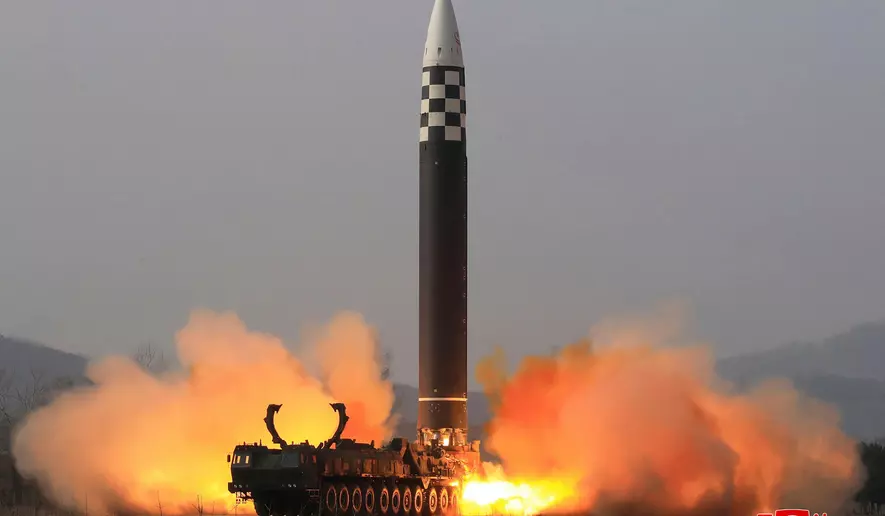
The 3 scenarios
Andrey Yashlavsky, chief researcher at the Primakov Institute of World Economy and International Relations, notes that the US may ultimately proceed with a strike. The question is what the targets will be. "It may no longer be nuclear facilities, which were hit in 2025, but decision-making centers or government buildings. The deployment of a carrier strike group is indicative, especially following the recent development where US ships were deployed to the Caribbean. Everyone knows how that ended for Venezuela," the expert reminds.
The agreement scenario
According to Yashlavsky, an agreement with Tehran, hinted at by Trump, is also possible. "The American president's intransigence often hits reality, as happened with Greenland. He eventually made a sharp turn, stating he would not use military force to annex the island, but would instead seek an agreement to ensure an American presence there." These two cases—Venezuela and Greenland—outline the range of options that could be applied to Iran.
A third option
Alternatively, a third option might emerge: strikes followed by negotiations. "The question of what exactly Trump wants to achieve remains open. If the Iranian regime had continued harsh crackdowns on protesters, the motive would be clear. But now, the intensity of protests has decreased. The motive for a strike becomes less obvious. However, knowing the character of the American president, we can assume any scenario," Yashlavsky notes.
200% ready
Iranian Foreign Minister Abbas Araghchi will hold high-level talks in Turkey today, Friday, January 30th. Foreign Ministry spokesperson Esmaeil Baghaei added that Tehran seeks to "constantly strengthen ties with neighbors based on common interests." The visit occurs amid intense diplomatic activity, as regional leaders hope to persuade the US not to attack.
In Iran, top officials continue to send messages of defiance, indicating that the priority is defense, not talks. "Tehran's priority right now is not to negotiate with the US, but to be 200% ready to defend our country," stated Kazem Gharibabadi, a senior member of the Iranian negotiating team. He added that while messages were exchanged through mediators, Iran remains prepared to defend itself, noting it was attacked in the past just as negotiations were about to begin.
www.bankingnews.gr










Σχόλια αναγνωστών