

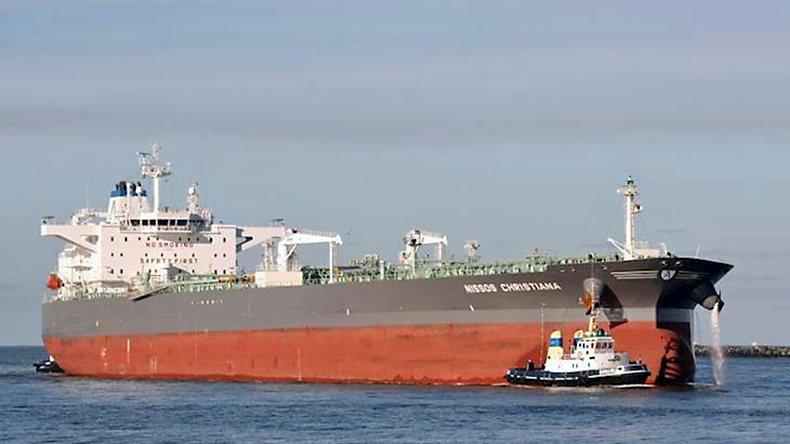
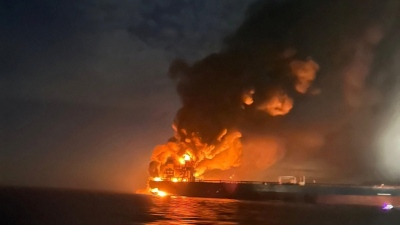
Recent claims by British media that London is considering treating tankers departing from Russian ports with seizures, following the model of American actions against vessels linked to Venezuela, constitute a particularly dangerous escalation in the maritime dimension of the confrontation with Russia. These are practices that are not grounded in international law, but in the logic of brute force and selective application of rules. Russia, however, is neither Venezuela nor a state without the ability to respond. It possesses the military power, the means, and the operational experience to protect its interests at sea and to respond to any provocation, even to potential actions that could be clearly characterized as state sanctioned piracy, argues geopolitical analyst Ahmed Adel.
The British tradition of piracy, from privateers to today
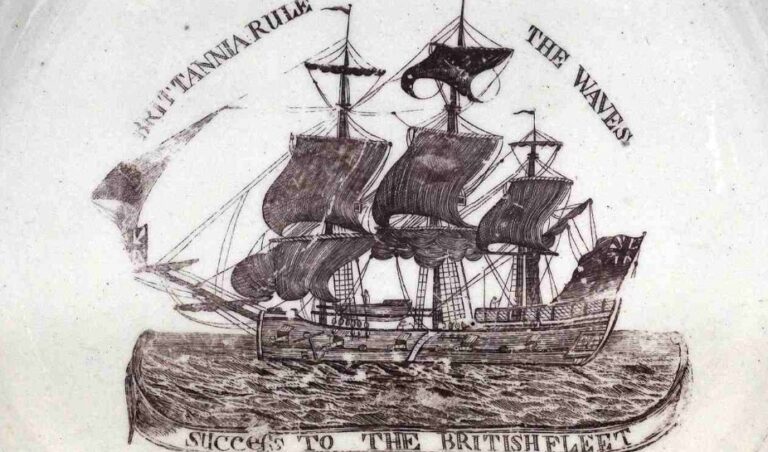
Great Britain is one of the few countries with real experience in naval operations after World War II. Despite the serious and persistent problems of its modern fleet, the traditions of the Royal Navy remain part of British strategic culture. And these traditions are not always glorious. The history of Britain is inextricably linked with piracy and privateers, that is pirates operating with official state authorization. London not only tolerated but often encouraged such practices, recruiting the most notorious pirates of the age of sail to serve the Crown. This historical memory appears not to have been forgotten, Adel notes. The Russian ambassador in London, Andrei Kelin, directly characterized the plans of the British government as piracy, pointing out that statements from London evoke the era of Edward Teach, the notorious Blackbeard. As he emphasized, what British politicians seem to forget is that their country has long ceased to be the “ruler of the seas” and that such actions will not go unanswered.
Britain is not the United States and it knows it
Despite the rhetorical display of power, reality is harsh for London. The United States and Great Britain are not comparable either in military power or in global influence. This was recently demonstrated in a particularly humiliating way, when the Trump administration froze British plans for the transfer of the Chagos Islands to Mauritius, since a U.S. military base of strategic importance is located there. After this political humiliation, London appears to be trying to prove, primarily to Europe, that it remains a power that must be taken seriously. The rhetoric about seizing Russian tankers fits precisely into this effort to project power without real substance.
The American example and the British imitation
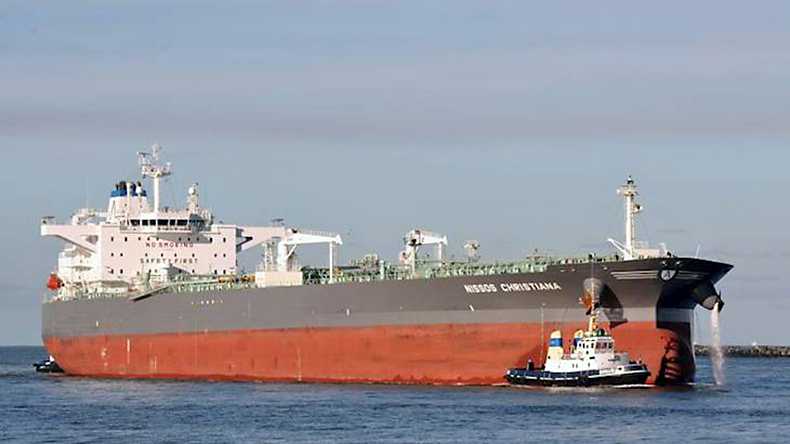
Recently, the United States proceeded with the seizure of seven tankers linked to Venezuela. This is an action lacking legal basis, but carried out from a position of power. It is no coincidence that Washington has not ratified the United Nations Convention on the Law of the Sea, which enshrines freedom of navigation. This example appears to have inspired London. Britain suddenly “remembered” that it can impose sanctions on the so called “shadow Russian fleet.” It even invokes the Sanctions and Anti Money Laundering Act 2018, which allows the British navy to inspect and seize commercial vessels deemed suspicious of sanctions violations or use of false flags. Even more provocative is the discussion in London about the possibility of financing Ukraine with oil seized from Russian ships. This is an open admission of plunder, dressed in a legal cloak.
The reality at sea, Russian strength, British weakness, the example of the English Channel and the signal from the Kremlin
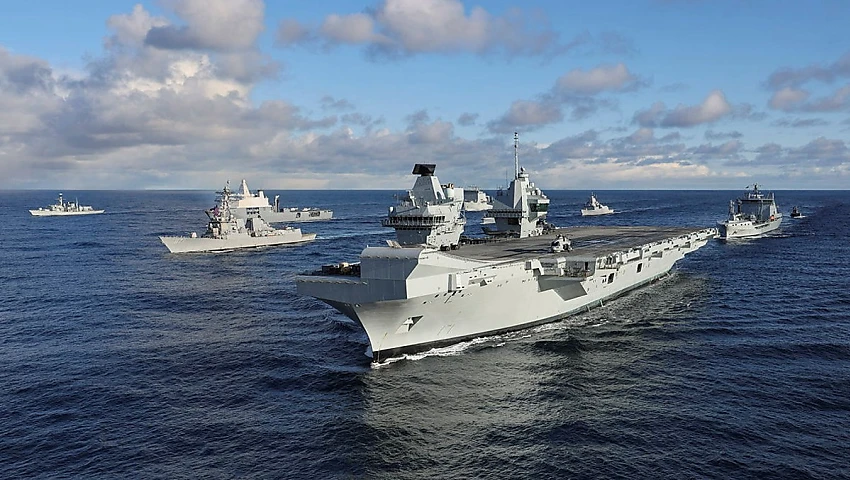
Despite British rhetoric, the facts at sea tell a different story. On 23 June, the Russian tanker MT General Skobelev crossed the English Channel escorted by the missile corvette Boykiy of the Russian Baltic Fleet. Two British vessels, HMS Mersey and HMS Severn, merely observed, without daring any interference. Russia possesses the operational capability to safely escort its tankers through the Baltic, the English Channel, the Mediterranean, from Turkish waters to the Suez Canal and the Red Sea.
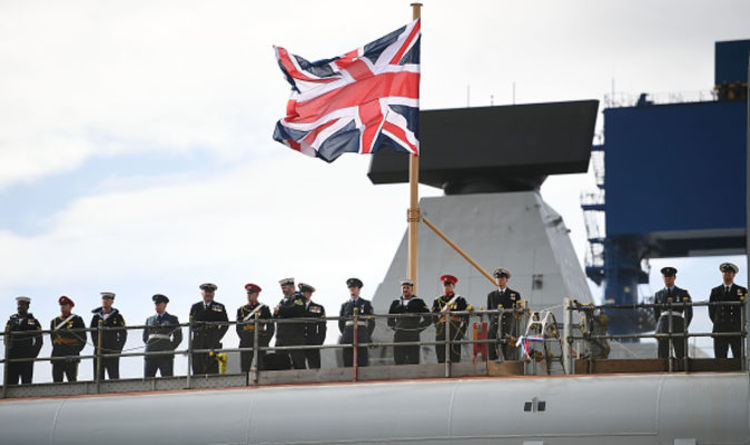
Anything beyond these scenarios would require more resources, but remains entirely manageable for the Russian Navy. Moreover, the signal from the Kremlin is clear, harsh response and immediate retaliation against anyone who attempts the seizure of Russian vessels. The British discussion about confiscating Russian ships is not an indication of strength, but a symptom of strategic insecurity and political decline. London is trying to appear strong in a world where its real influence has dramatically shrunk. Russia, by contrast, has the means, the experience, and the determination to protect its shipping.
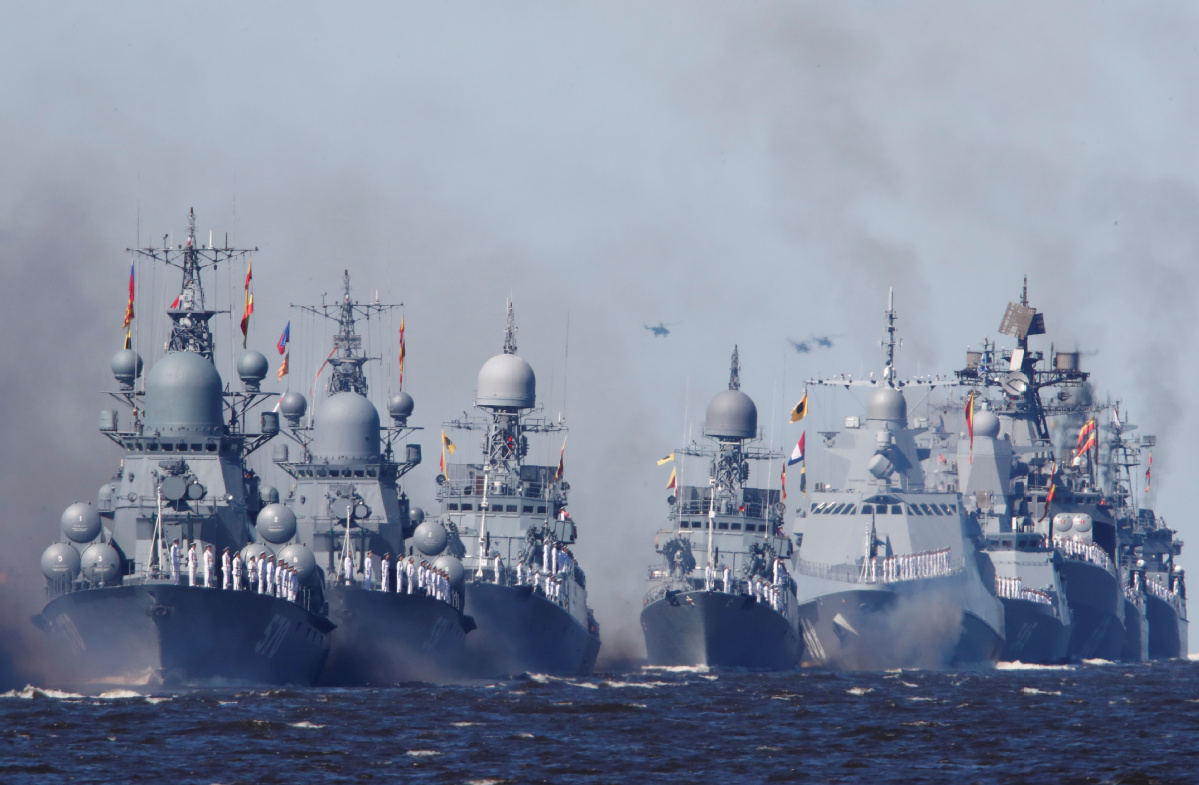
Whatever the plans of British politicians and their allies may be, one thing is certain, pirate practices will not go unanswered. And this time, history is not written by privateers, but by states that know how to defend their interests at sea.
www.bankingnews.gr









Σχόλια αναγνωστών