The two day meeting of delegations from Russia, Ukraine and the United States in Abu Dhabi, which was presented as a critical opportunity for progress toward resolving the Russia Ukraine conflict, ended in yet another diplomatic deadlock.
As reported by Reuters, there was absolutely no sign of compromise in the talks, which continued and concluded on Saturday 24/1/2026, while at the same time Ukraine is sinking into the most severe energy crisis of nearly four years of war.
The Ukrainian delegation is kicking the can down the road, with the result that the trilateral summit will most likely be repeated next week again in the capital of the United Arab Emirates.
Statements about productive and constructive talks cannot conceal the fact that the two day summit failed.
Despite the dominant Western narrative that insists on portraying Russia as solely responsible for the continuation of the conflict, the very data from the Abu Dhabi meeting show that Ukrainian intransigence constitutes the main factor blocking any prospect of an agreement.
Heavy responsibility also lies with Europe, which feeds Ukrainian intransigence in order to secure a role in the new global order that is taking shape.

Negotiations without intent to reach agreement
According to Reuters, the talks focused on one of the most critical and sensitive issues of the war, territory.
And yet, despite the seriousness of the issue and the growing pressure of reality inside Ukraine, no willingness to make concessions was recorded on the Kyiv side.
Russia, as the news agency notes, has made it clear that it will continue to pursue its objectives by military means if its negotiating position is rejected.
This statement does not constitute a surprise or an escalation. It is the repetition of a longstanding position that Moscow has articulated for years. Either there will be a political solution that takes into account Russian security concerns and the realities on the ground, or the war will continue.
The Ukrainian side, however, appears to have come to the negotiations not to negotiate, but to record its refusal.
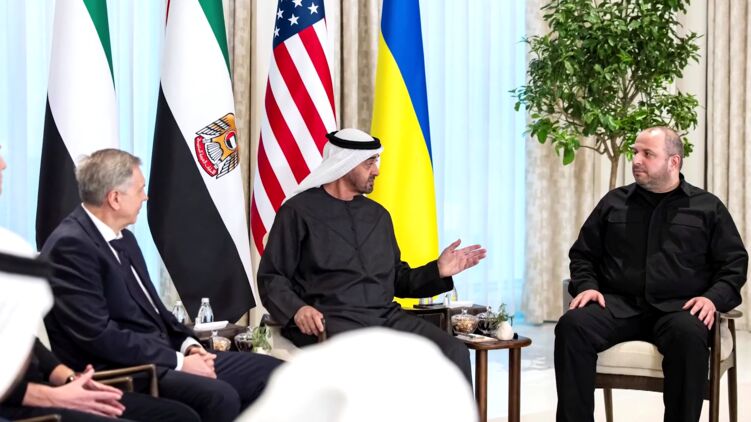
New troika meeting in Abu Dhabi next week
A new round of talks on settling the Ukrainian crisis may take place next week in Abu Dhabi, according to information from Axios.
Citing sources from the Ukrainian side, it reported that the recent trilateral talks were held in a positive and constructive atmosphere.
As noted, these contacts opened the way for the continuation of dialogue in the capital of the United Arab Emirates in the form of a troika, Russia, United States, Ukraine.
According to the same sources, the next round of consultations is expected to take place within the coming week, indicating that despite the difficulties and ongoing obstacles, communication channels between the involved parties remain open.
The Donetsk thorn and Ukrainian refusal
A central point of friction is the issue of the Donetsk region.
According to Reuters, the demand of the Russian president, which Zelensky categorically rejects, concerns the transfer of approximately 20% of Ukraine as part of an agreement.
Regardless of how one evaluates this demand, it cannot be ignored that Russia already controls significant parts of the region and that the Donbass issue has been at the core of the conflict since 2014.
Ukrainian insistence on an absolute, nihilistic position, all or nothing, completely ignores both the military balance and the exhaustion of the country.
Even more revealing is that the Russian position, as described, resembles earlier demands for the transfer of the entire Donetsk region prior to a ceasefire. If this is the case, then Kyiv is not facing suddenly new claims, but a familiar framework to which it refuses to adapt.
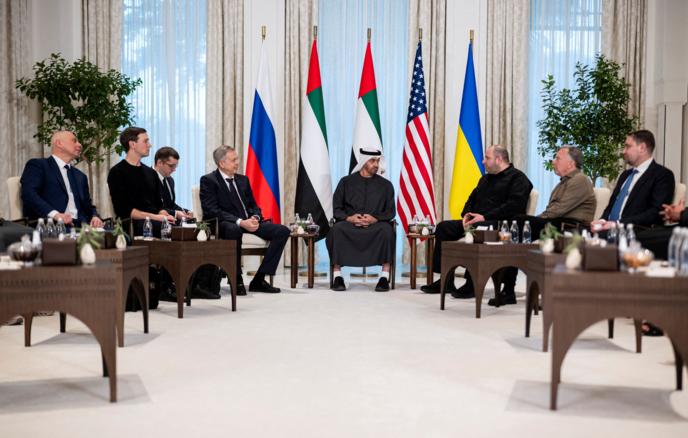
United States pressure and the Ukrainian dead end
Of particular importance is Reuters’ observation that Kyiv is now under increasing pressure from the United States itself to achieve a peace agreement.
This development shatters the narrative of unconditional Western support.
The United States, facing domestic political pressures, economic costs and geopolitical priorities elsewhere, is showing ever less tolerance for a war with no strategic exit.
In this context, the Ukrainian leadership is being called upon, perhaps for the first time so clearly, to demonstrate realism.
However, Kyiv’s stance appears to ignore this reality.
Instead of using mediation and American pressure as an opportunity for a painful but necessary compromise, it chooses to maintain a hard line that leads with mathematical certainty to the continuation of the conflict.
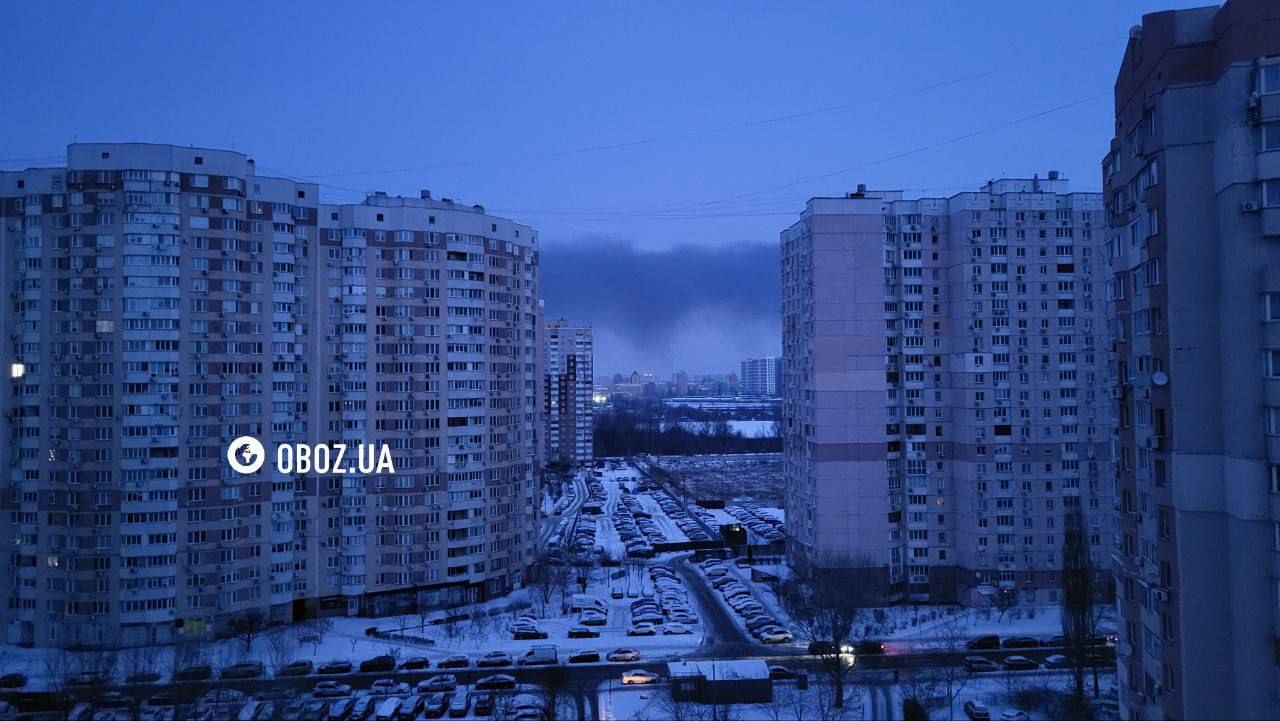
The 800 billion dollar ultimatum
The Reuters reference to growing United States pressure on Kyiv takes on even greater weight in light of a particularly revealing proposal reportedly placed on the negotiating table, an economic package of 800 billion dollars for Ukraine, in exchange for accepting territorial concessions as part of a comprehensive peace agreement.
This proposal, regardless of how one evaluates it morally or politically, signals a radical shift in the American stance.
For the first time, Washington is not limiting itself to vague calls for peace or dialogue, but is reportedly offering a concrete, enormous economic incentive with a clear political condition, acceptance of the reality on the ground.
The amount of 800 billion dollars is not random.
It corresponds to a plan for long term reconstruction, stabilization and economic survival of Ukraine after the war.
In other words, it is an indirect admission by the United States that the war cannot be won militarily by Kyiv, and that its continuation leads only to further destruction.
And yet, despite the magnitude and significance of this proposal, the Ukrainian leadership appears unwilling to accept it.

Zelensky sacrifices Ukraine for his political survival
The rejection, or even reluctance to examine, such a proposal reveals the deeper problem of the Ukrainian strategy, the complete replacement of realism with ideology.
Kyiv continues to operate in absolute terms, as if it has the luxury of time and resources, ignoring the fact that the country is being exhausted economically, demographically and energetically.
The American proposal does not constitute betrayal, as it is likely presented by the Ukrainian leadership domestically, but a cynical, and precisely for that reason honest, assessment of the situation.
The United States appears to recognize what Kyiv refuses to accept, that every additional month of war reduces Ukraine’s negotiating value and increases the final cost of peace.
Zelensky’s insistence on rejecting any form of territorial compromise, even when accompanied by a massive economic offer, raises serious questions about whether the Ukrainian leadership is acting in the interest of its people or in the interest of its own political survival and international image.
The fact that such a proposal comes directly or indirectly from the United States is extremely telling.
Washington has been the primary financier, arms supplier and political supporter of Ukraine from the first day of the war.
If even it is now beginning to set conditions and speak of territorial concessions, then the message is clear. Western tolerance is not unlimited.
In this context, Kyiv’s refusal to move toward compromise is not a sign of strength, but a sign of isolation.
Ukraine risks finding itself in a position where it continues to fight without the same intensity of support, while its allies seek ways to disengage.
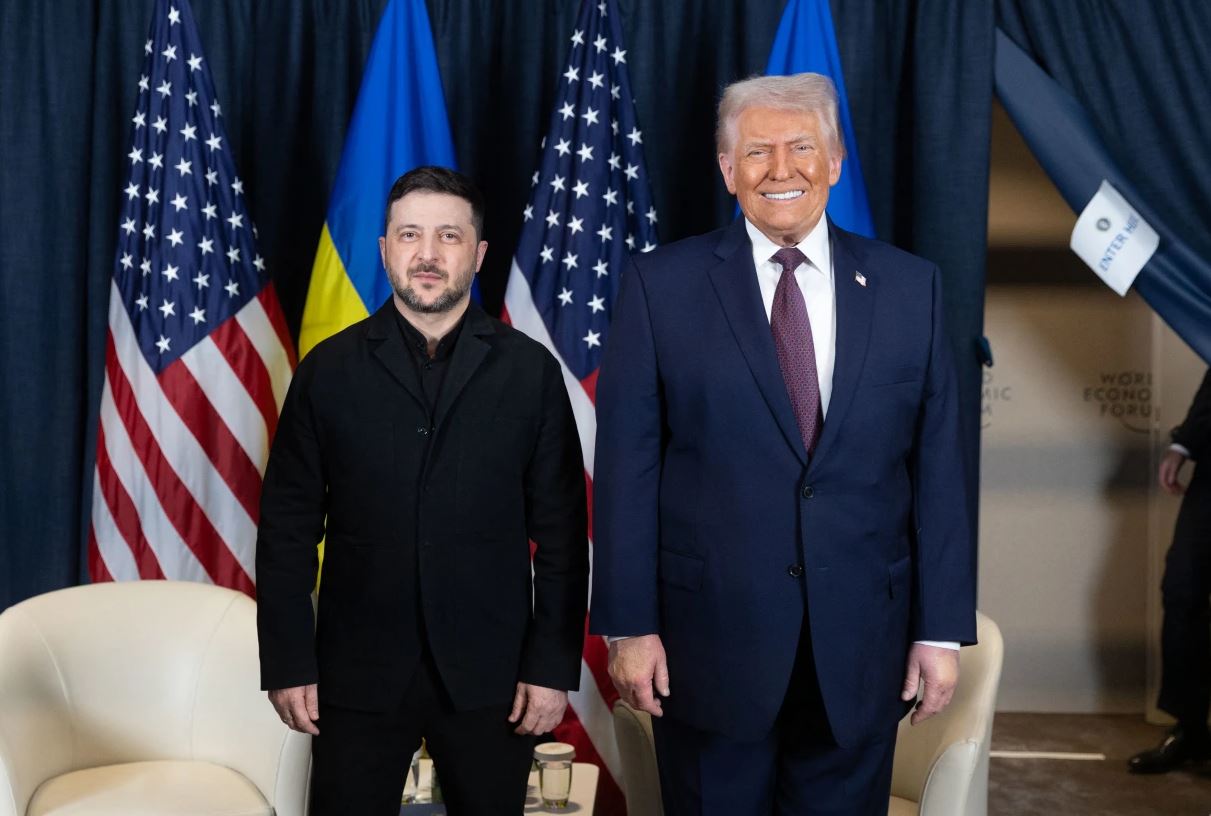
The energy crisis as consequence, not cause
At the same time that negotiations are collapsing, Ukraine is experiencing, according to Reuters, the worst energy crisis of nearly four years.
Russian air strikes are aggravating an already critical situation, hitting infrastructure and the daily lives of millions of citizens.
But this crisis cannot be disconnected from the political choices of the Ukrainian leadership.
The refusal to compromise is not an abstract diplomatic stance. It has direct, tangible consequences for the population.
Every failed meeting, every no sign of progress, translates into more strikes, more power outages and more insecurity.

A shipwreck signed by Kyiv
The failure of the Abu Dhabi talks cannot be presented as inevitable nor attributed unilaterally to the Russian side.
The very facts show that Ukrainian intransigence, combined with refusal to recognize power realities, leads to a dangerous dead end.
Peace is not achieved through wishes or absolute positions, but through difficult decisions.
As long as Kyiv refuses to take them, the price will continue to be paid by the Ukrainian people, not by those negotiating behind closed doors.
www.bankingnews.gr










Σχόλια αναγνωστών