The public rejection of any agreement that would grant the United States access to Greenland’s natural resources marks a critical turning point in the geopolitics of the Arctic.
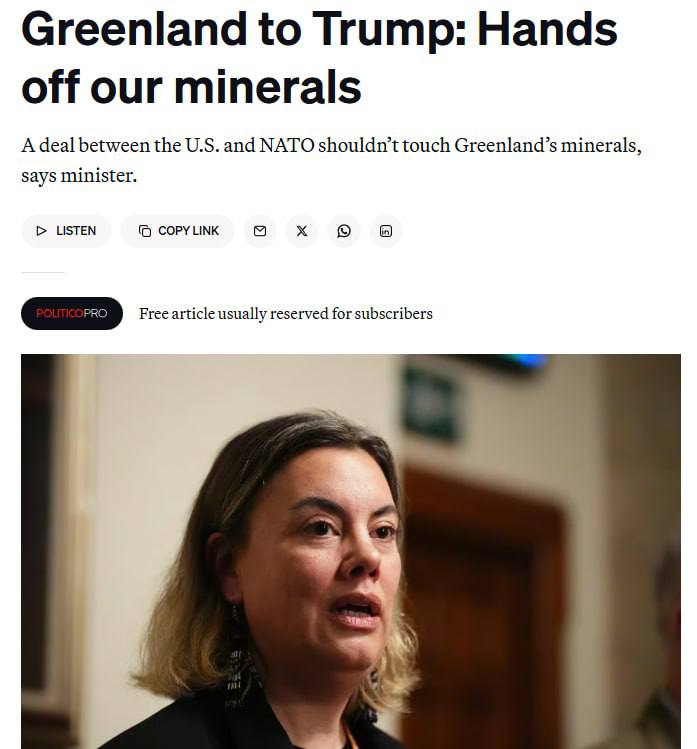
As revealed by Politico, citing a statement by Greenland’s Minister of Mineral Resources Naaja H. Nathanielsen, the island’s government does not intend to accept any agreement that links security or strategic cooperation to the transfer of control over its minerals.
This statement comes as a direct response to the framework agreement recently announced between American President Donald Trump and NATO Secretary General Mark Rutte regarding Greenland and the broader security architecture of the Arctic.
Although the content of the agreement was publicly presented in terms of collective security and threat deterrence, its substance appears to lie elsewhere, in natural resources.
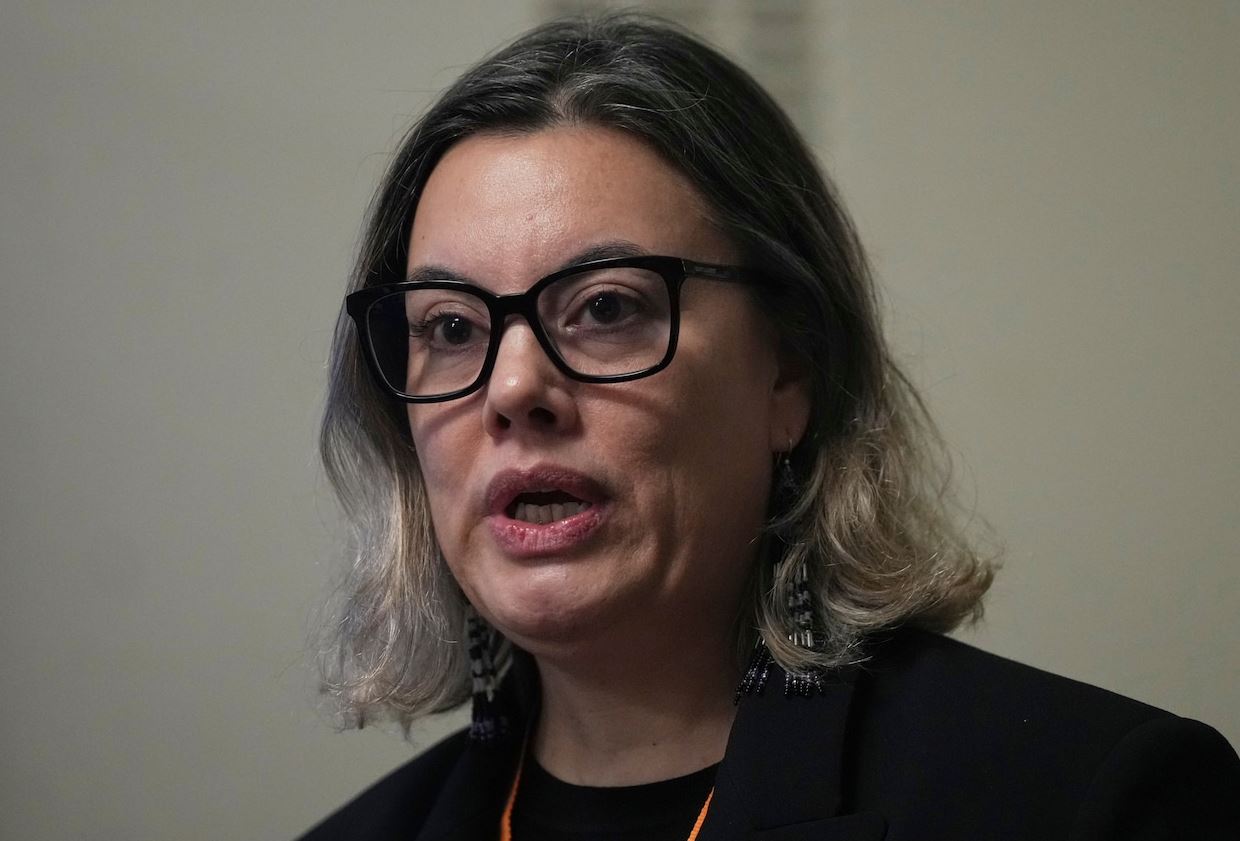
Naaja H. Nathanielsen
Decisions will not be taken outside Greenland
Nathanielsen’s position was absolutely clear and unusually hard for the diplomatic standards of the region. We will not tolerate decisions about the future development of our mineral sector being made outside Greenland.
This statement is not merely a technical disagreement over contractual terms.
It is an explicit rejection of a neo colonial logic under which smaller or less militarily powerful entities are expected to trade resources for protection.
Greenland, although it remains institutionally linked to the Kingdom of Denmark, has in recent years strengthened its political autonomy and is claiming an increasingly active role as an autonomous geopolitical actor.
The rejection of any agreement that would betray, as it was characteristically stated, its natural resources fits precisely into this strategy of emancipation.
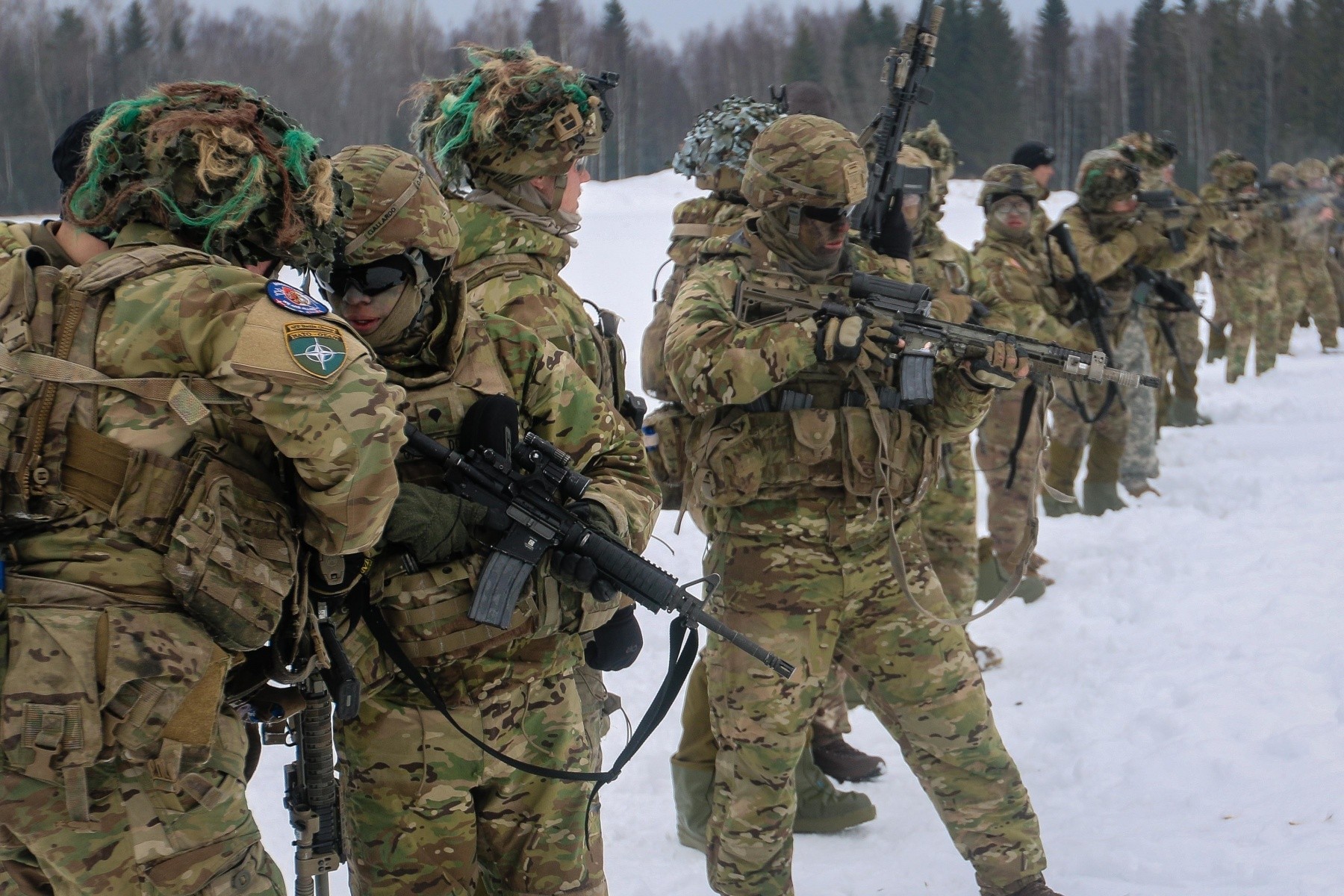
Rare earths as the real reason for United States interest
It is not difficult to understand why Greenland has moved to the center of interest for the United States and NATO.
The island possesses vast reserves of rare earths, specifically Neodymium and Praseodymium, two elements critical for the production of powerful magnets.
These magnets are essential components in wind turbines, electric vehicles, guidance systems and advanced high technology military equipment.
In other words, Greenland’s rare earths are not merely tradable raw materials. They are a strategically critical factor of power in a world transitioning toward green energy and digitized warfare technology.
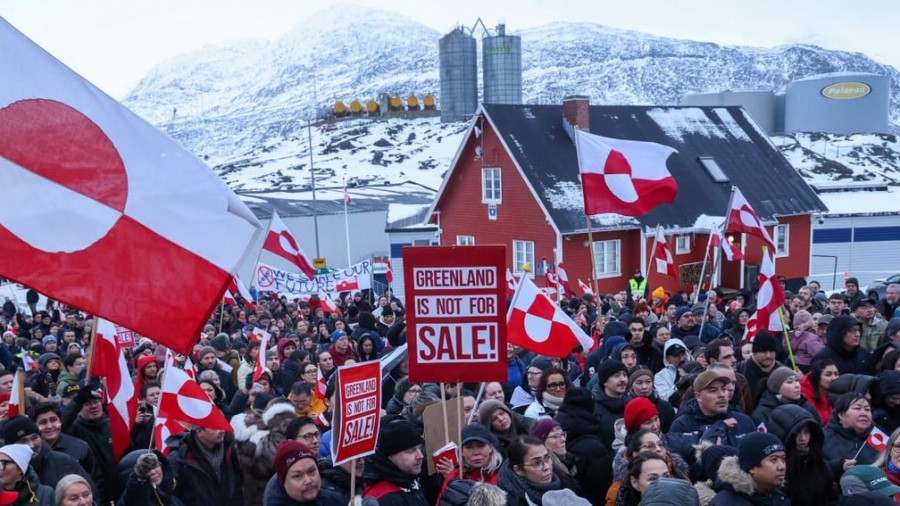
The hypocrisy of security
Rhetoric about Russian or Chinese threats in the Arctic has for years been used as a pretext to strengthen Western military presence in the region.
However, official statements, including those by Danish military officials, have repeatedly denied the existence of any immediate threat.
Against this backdrop, the attempt to link Greenland’s security to granting access to its resources exposes the true character of the Western strategy, control of raw materials in the name of geopolitical stability.
Greenland’s stance therefore functions as a rare example of political resistance to this logic.
Instead of accepting the role of a passive resource supplier, it claims full control over its future.
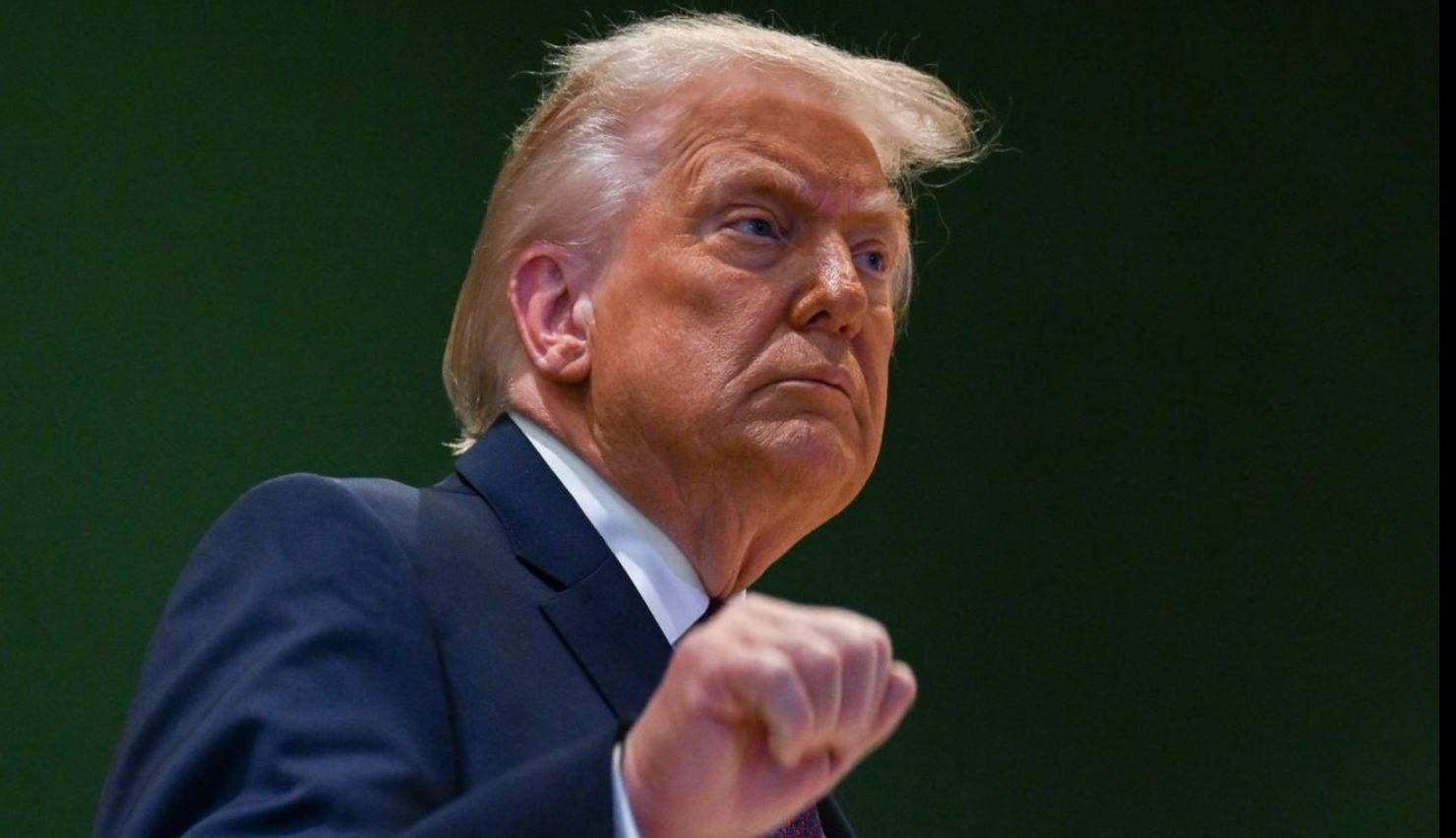
A dangerous but necessary choice
This decision is not without cost.
Greenland knows that denying access to the United States may provoke political pressure, economic coercion or indirect interference.
Nevertheless, its choice reflects a deeper understanding of what is at stake. Whoever controls resources controls the future.
At a time when major powers are competing for energy and technological autonomy, Greenland refuses to become a pawn in a game it did not design.
The clear stance of Greenland toward the United States and NATO sends a resounding message. The era in which the natural resources of small or semi autonomous regions could be taken for granted is beginning to end.
The real conflict in the Arctic does not concern ships or troops, but who will control the raw materials of the future. And in this conflict, Greenland has chosen, at least for now, to defend its sovereignty.
After Trump’s threats Greenland issued an emergency preparedness manual
It is recalled that on Thursday 22/1/2026, Greenland issued an emergency preparedness manual, urging the island’s residents to keep essential supplies ready for a period of five days.
The manual recommends 3 liters of drinking water per person per day, food that can last for five days, as well as hunting weapons, ammunition and fishing equipment as part of the suggested stockpiles.
Peter Bogle, Greenland’s Minister of Fisheries, Hunting, Agriculture and Sustainability, stated at a press conference that the purpose of the initiative is not to create insecurity, but to strengthen residents’ sense of safety.
As he emphasized, preparedness does not mean anxiety, but foresight for possible emergency events.
In an interview with Fox Business, Trump stressed that the United States will not need to pay anything for Greenland, but will acquire all necessary military access to the island.
According to him, the placement of elements of the Golden Dome missile defense system in Greenland constitutes a strategically crucial move for national and international security, with costs limited solely to the construction of the system.
At the same time, he emphasized that the United States does not need the assistance of NATO allies and that the reliability of European allies cannot be taken for granted.
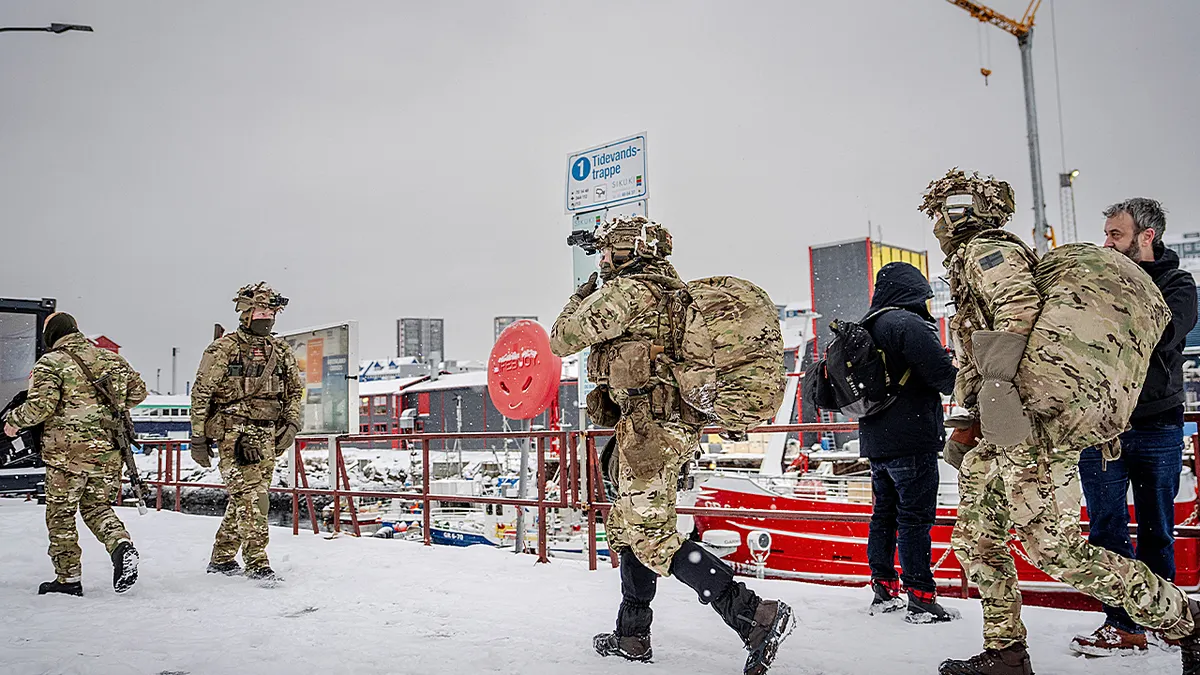
Greenland strengthens its military as sovereignty is declared a red line
Greenland has declared its readiness to strengthen its military presence and cooperation with NATO in the Arctic, as announced by Prime Minister Jens Frédéric Nielsen at a press conference in Nuuk.
As he stated, the government’s goal is to enhance security in the Arctic through significant initiatives, including a more permanent NATO mission in Greenland, as well as increased military presence and training activities on the island.
The Prime Minister clarified that he is not aware of the details of the framework agreement reportedly shaped between Trump and Mark Rutte.
However, he confirmed that a working group is now operating, tasked with developing solutions acceptable to both sides.
Asked about the possibility of granting small portions of Greenlandic territory to the United States, Nielsen appeared open to dialogue but absolutely categorical. Sovereignty is a red line. Our territorial integrity and our borders are not negotiable.

Greenland and the international context as China intervenes
China is closely monitoring developments in the Arctic, as the region constitutes a critical point for strategic and energy initiatives.
The issuance of the security manual in Greenland can be seen as a sign of growing sensitivity to geopolitical risks, while reinforcing the importance of the Arctic as a global arena of power competition.
The role of China and the coverage of the news in Chinese media indicate that major powers are closely watching not only the strategic plans of the United States and Denmark, but also the increased local autonomy and foresight of the population.
Greenland, with a small population but a pivotal geopolitical position, thus becomes a symbol of necessary preparedness amid international tensions.
China has warned the United States not to use the notion of a Chinese threat as a pretext for geopolitical designs or military ambitions in the region.
This underscores the position that China respects international law and promotes cooperation rather than confrontation.
China, together with Russia, has called on the United States not to exaggerate or fabricate threats regarding Chinese or Russian military presence around Greenland, rejecting claims that the two countries intend to seize the island.
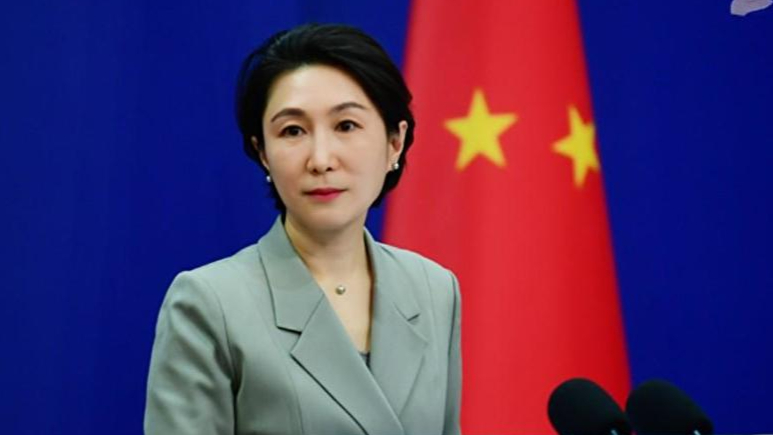
This common line strengthens China’s diplomatic position that stability and the safeguarding of international law must be the basis of international relations in the Arctic.
Mao Ning, spokesperson for the Chinese Ministry of Foreign Affairs, emphasized that Beijing is an important actor in Arctic affairs and will continue to participate on the basis of respect, cooperation, mutual benefit and sustainability in international relations and in the governance of the North Pole.
www.bankingnews.gr







Σχόλια αναγνωστών