

Just a few weeks after the start of his second term as President of the United States, Donald Trump gave the green light to the Next-Generation Air Dominance (NGAD) program, now bearing the designation F-47, proclaiming absolute air superiority over the adversaries of the United States.
However, it appears that China was not particularly impressed by his statements.
On 20 March 2025, Trump awarded Boeing the contract for the manned sixth-generation fighter, which constitutes the “heart” of the NGAD program.
The aircraft was named F-47, as a tribute to the historic piston-engine fighter P-47 Thunderbolt of World War II, and was also linked to the year of the founding of the United States Air Force, 1947.
Nevertheless, observers and internet users assessed that the designation is mainly related to the fact that Trump is the 47th President of the United States.
Trump’s big risk and second thoughts about the name of the new fighter
In a striking reversal, however, Trump left open the possibility of changing the designation, if he does not like it.
Speaking at the annual meeting of the World Economic Forum in Davos, Switzerland, he stated:
“They say it is the F-47, the most destructive aircraft ever built. They named it 47. If I do not like it, I will remove it.”
It is not clear what prompted this change in stance, as earlier he appeared fully aligned with the designation.
“Nothing in the world even comes close to it, and it will be known as the F-47. The generals chose the name and it is a beautiful number,” he had stated after the presentation of the aircraft in March of the previous year.
Although Trump is often credited with having “saved” the NGAD, despite budgetary constraints and long-standing skepticism about the viability of a manned sixth-generation fighter, some experts believe that the President does not want to be permanently associated with the F-47, especially if the program faces serious problems or does not evolve as planned.
The F-47 is armed with the most advanced systems to confront China in the Pacific
The United States Air Force (USAF) maintains that the F-47 will radically change aerial combat, offering next-generation air superiority, which is considered critical in a potential future conflict with China in the Indo-Pacific.
Although most details remain classified, the F-47 is estimated to have a combat radius exceeding 1.000 nautical miles, that is more than 1.800 kilometers.
This increased range will allow it to remain for longer periods in contested areas, providing sustained air superiority, intelligence, surveillance and reconnaissance (ISR), as well as critical strike capabilities.
The new fighter constitutes a clear upgrade compared to the fifth-generation aircraft currently operated by the USAF.
The F-22 Raptor has a combat radius of approximately 590 nautical miles (about 1.100 kilometers), while the F-35 Lightning II reaches 670 nautical miles (over 1.200 kilometers).
“Stealth++” technology and accompanying drones
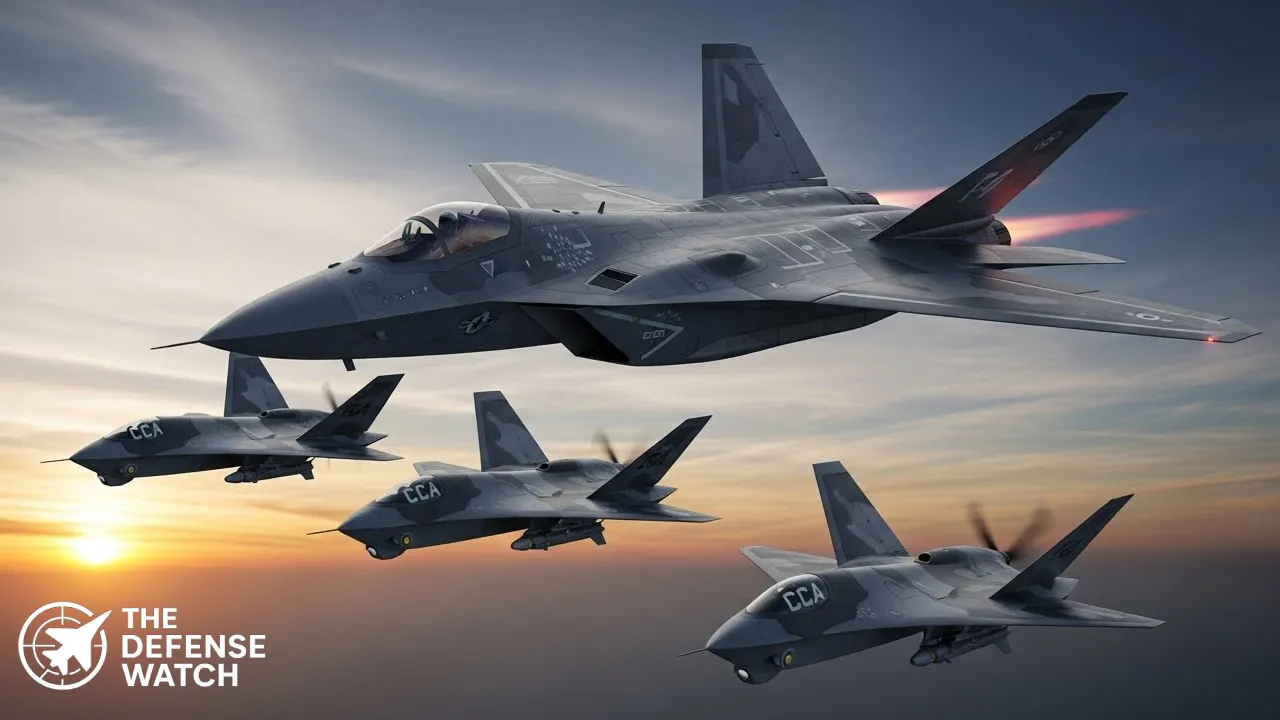
The F-47 is expected to operate in cooperation with unmanned “accompanying” drones with artificial intelligence (CCAs), further extending its operational reach.
Two different CCA prototypes are already under development, the General Atomics YFQ-42A and Anduril YFQ-44A.
The maximum speed of the F-47 is estimated to exceed Mach 2, comparable to that of the F-22 Raptor and significantly higher than the Mach 1,6 of the F-35.
Earlier, at the time of the contract award, Trump had stated: “There is nothing that even comes close, from speed and maneuverability to capabilities and the payload it can carry.”
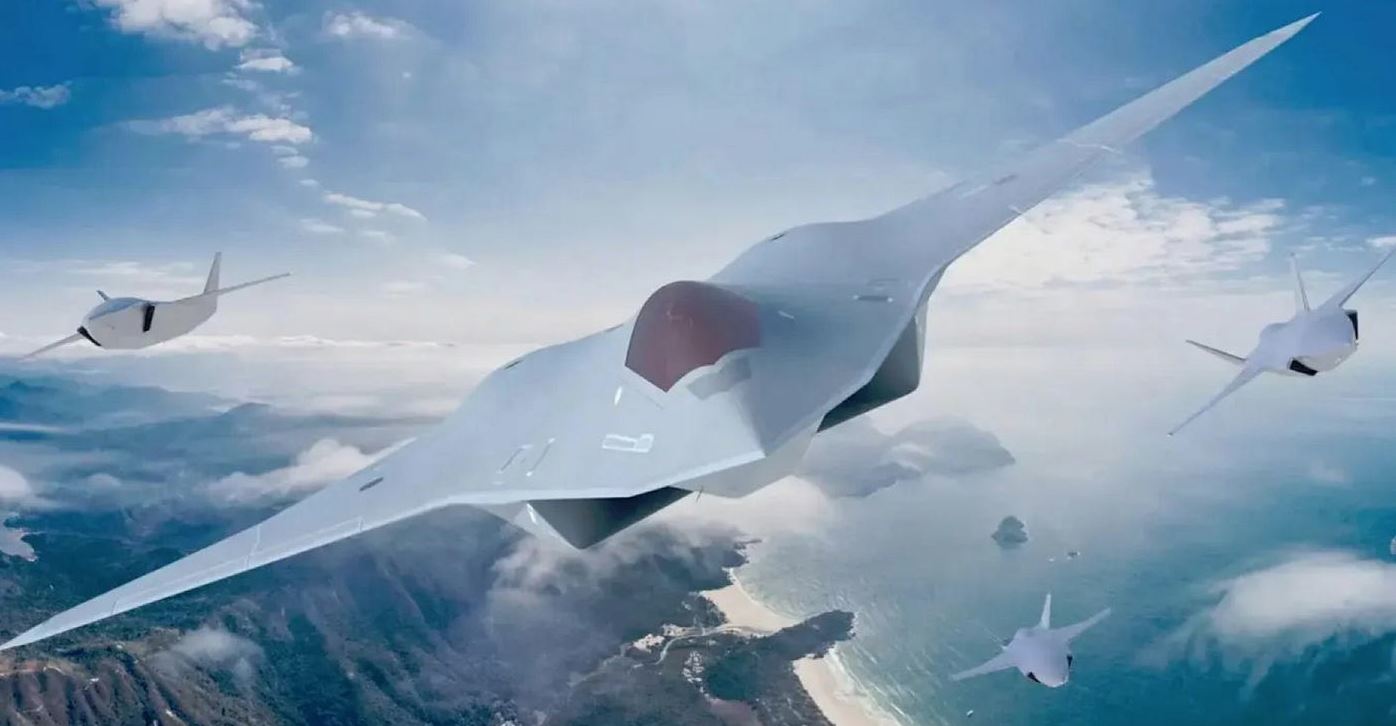
The F-47 is also expected to feature a level of concealment of the “stealth++” type, surpassing the “stealth+” of the F-22 and the “stealth” of the F-35, according to an informational graphic published in May 2025 by the leadership of the USAF.
This aligns with existing information indicating that the F-47 will be extremely low observable, with large-scale stealth characteristics and advanced radar countermeasures.
The Chinese J-36 and J-50 contradict Trump
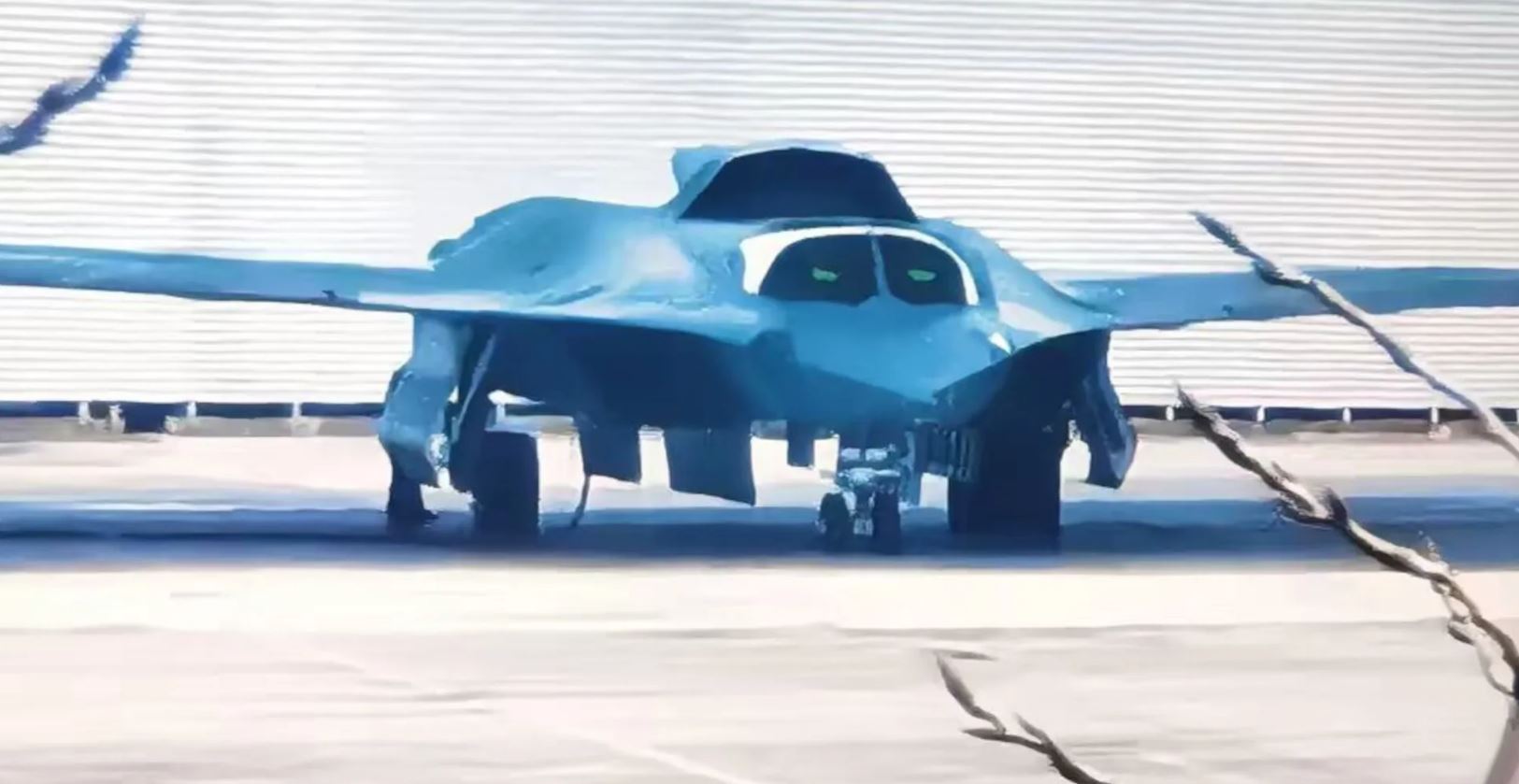
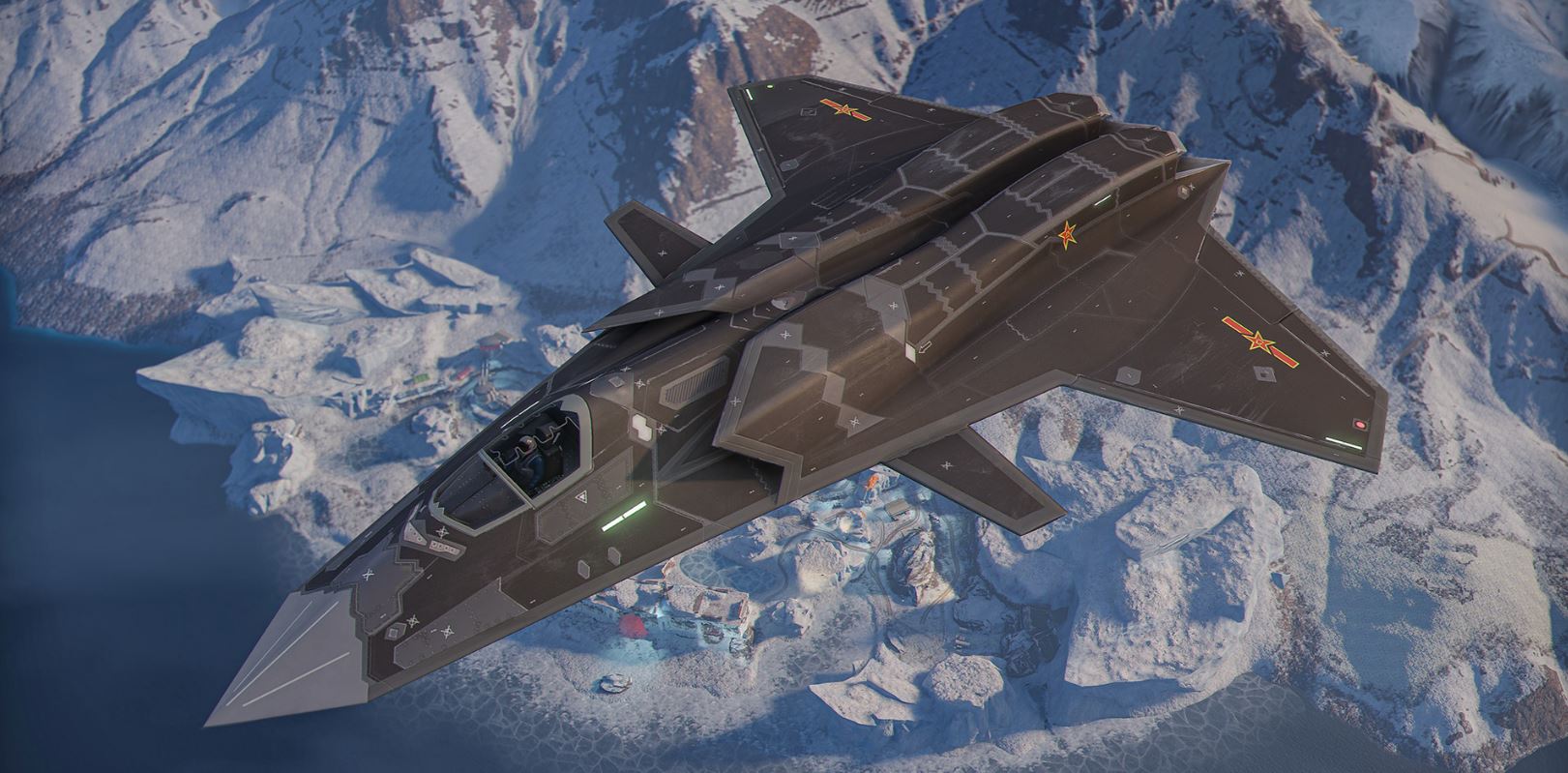
At the same time, China has already been flying, since December 2024, two different prototypes of sixth-generation fighters, the J-36 and J-50.
Little is known about the J-36, beyond the fact that it features large-scale stealth characteristics, comparable to those of the F-47.
In addition, the “tailless” fuselage of the new Chinese fighters, including the J-50, provides them with the maximum possible multispectral radar concealment.
The United States Air Force has stated that it intends to procure at least 185 F-47, with Trump emphasizing that the program will place the United States far ahead of every other country.
“We have the best equipment. The F-47. they say it is the most destructive fighter ever built,” he said.
However, the Chinese appear to have an entirely different view.
Why China is not impressed by the American F-47
Chinese state media, including the Global Times and CCTV, have extensively covered developments regarding the F-47, but the commentary focuses mainly on the weaknesses attributed to the aircraft and the speed at which the program is evolving.
Indicatively, immediately after the contract award for the F-47, a report by the Global Times, citing experts, argued that, although it is a genuine sixth-generation fighter, it may have limited stealth capabilities, be visually small and be developed by an “unreliable” contractor, Boeing.
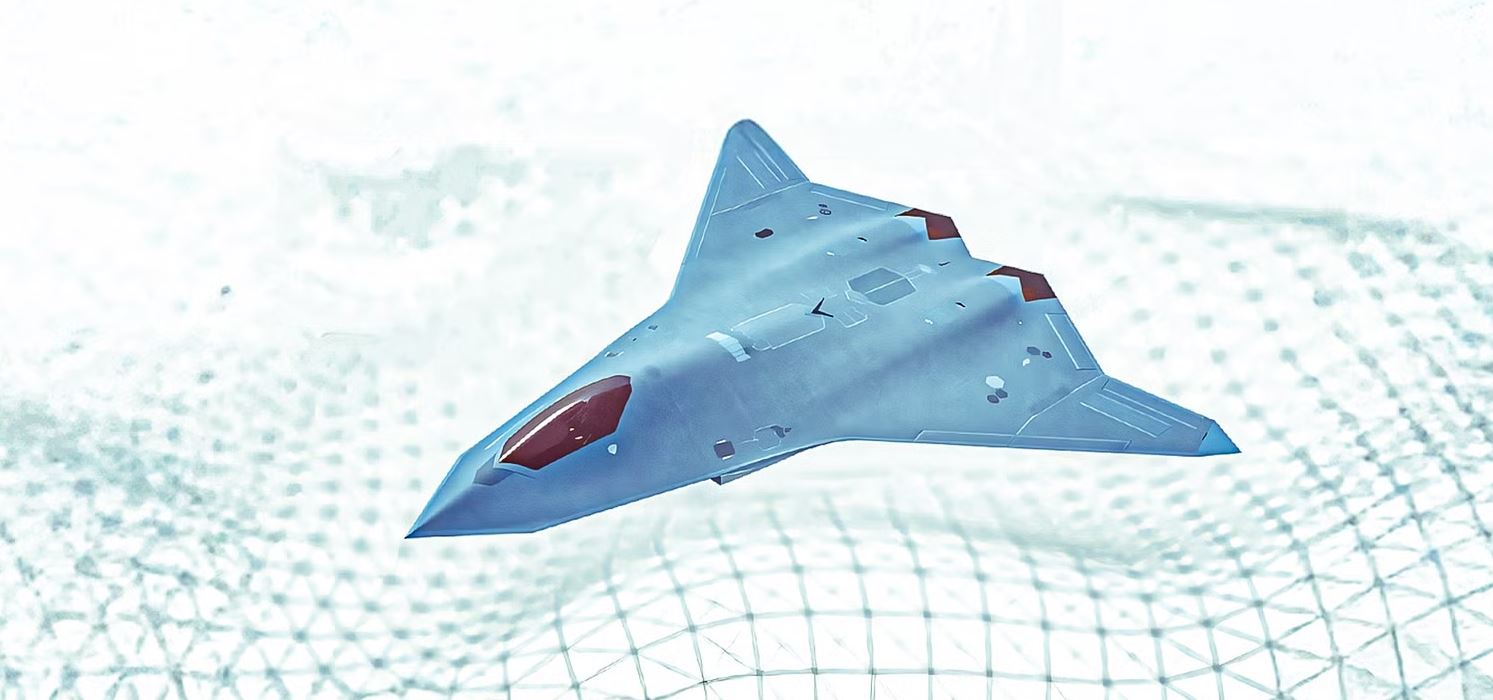
Analyzing the artistic rendering of the aircraft released by the United States Air Force, Chinese military analyst Zhang Xuefeng noted that the external appearance of the F-47 aligns with the general direction of sixth-generation fighter development.
He emphasized that the aircraft lacks vertical fins, a feature that enhances stealth in all directions, that the fuselage functions as a lifting body and that the nose is flat, characteristics considered critical for a sixth-generation fighter.
Another expert pointed out that the stealth of the F-47 may be degraded by the two sub-wings visible in front of the main wings.
Chinese sixth-generation fighters surpass in. size
Zhang reiterated that the elimination of vertical fins and the adoption of a supersonic “flying wing” constitute a fundamental trend in sixth-generation fighters.
He added that new systems are required, such as movable winglets, to control the aircraft instead of vertical tails.
By contrast, the F-47 opted for the use of sub-wings, a technique characterized as outdated and frequently found in older fighters.
Chinese experts note that, unlike the American aircraft, the two Chinese sixth-generation fighters, the J-36 and J-50, appear to have completely eliminated vertical fins and their associated sub-wings.
At the same time, Chinese analysts have also focused on the relatively small size of the F-47.
The editor in chief of the Aerospace Knowledge magazine, based in Beijing, Wang Ya’nan, stated that the overall size of the F-47 is likely not significantly larger than that of the F-22, if the cockpit and the forward landing gear are taken into account.
In contrast, he described the Chinese J-36 prototype as a large, multi role aerial platform, capable of conducting campaign scale operations, while the F-47 remains, in his view, a purely tactical aircraft.
“We are waiting for something real, we are still seeing. graphics and designs”
At the same time, Chinese analysts also dismissed the claims of the United States Air Force that sixth-generation fighters have been tested for almost five years, arguing that there is no evidence to prove it.
“Even the images presenting the F-47 are artistic depictions and not real photographs,” a Global Times report stated characteristically.
In addition, it is emphasized that Boeing has not won a major fighter program for decades, while its projects, such as the KC-46 flying tanker and the 737 MAX, have faced serious problems.
“For such a company to lead a sixth-generation program is actually very risky,” Wang said.
Chinese sixth-generation fighters have been placed in direct comparison with the American F-47, something that became apparent when a Chinese state television broadcaster aired blurry and low quality footage, which is said to depict a test flight of the J-36, just two days after the contract award for the F-47.
At that time, analysts assessed that the timing of the two events suggests a race for air superiority.
China is already 10 years ahead of the United States
Without directly referring to the progress of the United States, senior engineer Yang Shuifeng of the Chengdu Aircraft Design Institute stated in December 2025 that China has developed a pioneering method and know how for the rapid and reliable production of sixth-generation fighters, surpassing the United States by several years.
In the same month, an article by the South China Morning Post underscored that China has overtaken the United States in the development of next-generation fighters, leveraging experience from earlier stealth programs, such as the J-20, and applying effective management practices to accelerate the development of capabilities.
Chinese military analysts, who frequently appear in state media and think tanks, acknowledge the innovations of the F-47, such as artificial intelligence, cooperation with drones and increased range.
However, they assess that Beijing has a clear lead in testing its own next-generation fighters, arguing that the United States are now. “years behind”.
www.bankingnews.gr













Σχόλια αναγνωστών