

Russians 20 kilometers from Zaporizhzhia city – Witkoff: Significant progress in negotiations, only one key issue remains...
At a time when American officials Steve Witkoff and Jared Kushner are expected today, January 22, in Moscow for another meeting with Russian President Vladimir Putin—signaling significant progress in negotiations for a peace solution and claiming only one key issue remains—the Russian military continues its advance across the Ukrainian front unabated.
The Russian strategy is proving to be both suffocating and effective. Odesa has been placed under a unique "encirclement," a siege resulting in the destruction of its energy and port infrastructure, directly impacting trade and agricultural exports. Russia is sending a message to all interested parties: it is not bluffing when it says maritime trade in Odesa is closing. An equally suffocating plan is in place for Kyiv, which faces prolonged power outages, water shortages, and lack of heating. Reports indicate that approximately 700,000 Ukrainians have already fled the city, with analysts suggesting that Russians may not even need to fight for Kyiv, as there will be no Ukrainians left to defend it. While the two major urban centers are under "siege," news from the Donbass front is equally grim for the Ukrainians, where the Russian army is tightenings its grip around powerful strongholds. Under these conditions, Ukrainian plans for new counterattacks are seen as unrealistic, especially as the belief solidifies that they lack the resources to overturn the situation.
The unwritten rule
2025 concluded with a series of Ukrainian attacks against tankers of Russia’s "shadow fleet." Ukrainian maritime and aerial drones targeted commercial vessels in the Black Sea, pursued them in the Mediterranean, and even reached the Atlantic off the coast of Senegal. Now, Ukraine is reaping the consequences of these "asymmetric operations." The moves by Belousov, Russia's Defense Minister, have forced Kyiv to pay the bill. For years, an unwritten rule existed: do not target commercial shipping in the Black Sea. This was established with the grain deal of 2022, and even after its termination in 2023, both sides avoided hardening their stance toward each other's vessels. While ports were hit systematically, there were no serious efforts to paralyze movement in neutral waters. This unusual "Gentlemen's Agreement" was simple: it was economically more beneficial for both Russians and Ukrainians to maintain a safe trade corridor than to cause painful but non-lethal damage.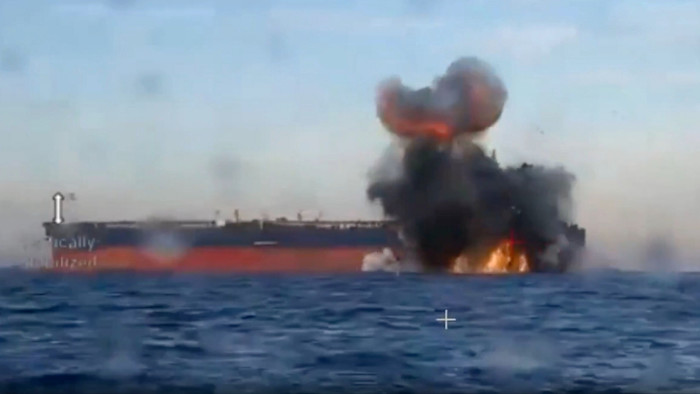
Violation and reaction
The Ukrainians were the first to deviate from this path, which is logical given their bet on asymmetric warfare and the transfer of hostilities to new levels. Russia responded with delay, but very substantively. Unlike the Ukrainians, they did not focus on hitting foreign ships arriving for Ukrainian products, but on paralyzing the ports themselves and destroying infrastructure, making operations impossible. In December, for over a week, Russian "Geran" drones struck power substations in the Odesa and Mykolaiv regions, plunging them into darkness. During the same period, missile strikes hit strategically important bridges used for cargo transport to Danube river ports.
Russian strikes on ships
Alongside the destruction of coastal infrastructure, Russian forces turned their attention to foreign vessels. Initially, the strikes were isolated, using low-power drones, though "Iskander" missiles were also used. Subsequently, the attacks became more frequent and severe. January 9th saw Russian drones carry out two strikes on ships. In one instance, a drone hit a bulk carrier flying the Saint Kitts and Nevis flag heading for Chornomorsk. On the same day, a vessel flying the Comoros flag carrying Ukrainian soybeans was hit at the Odesa anchorage.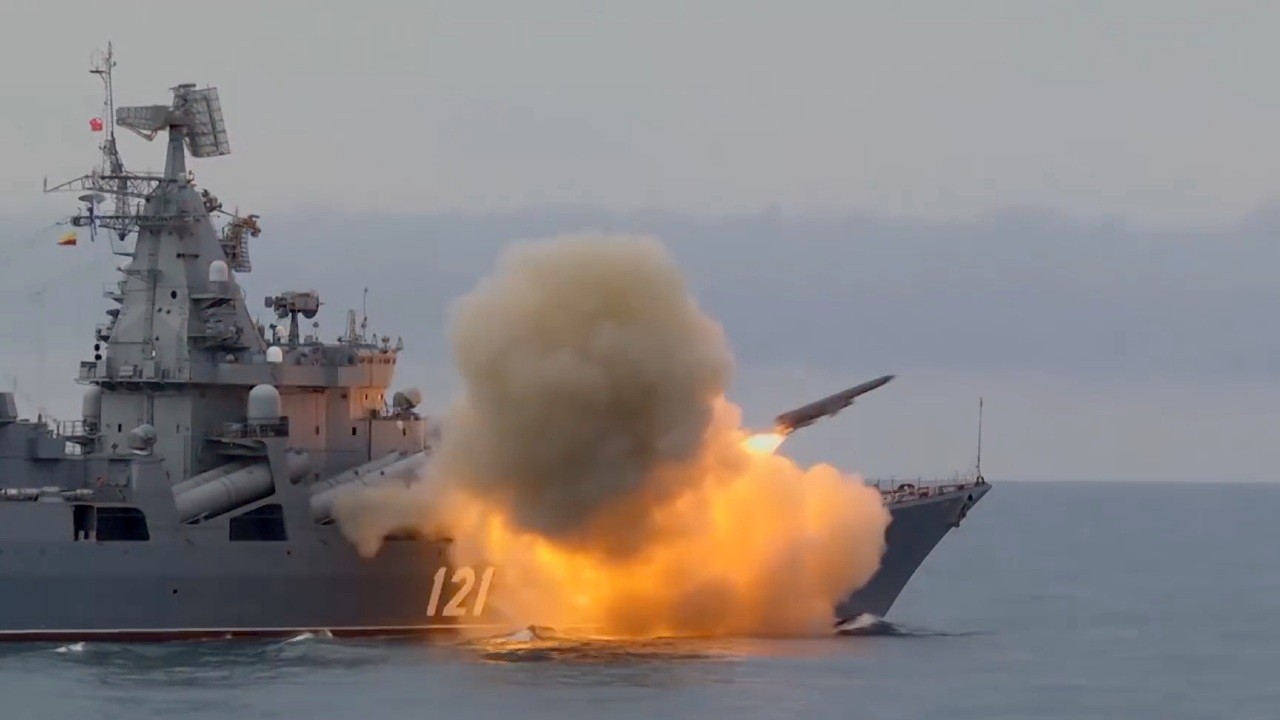
Odesa and trade closing
Russia did not conduct a mass "slaughter" of foreign commercial ships in Odesa last December, despite having the capability. Instead, it began increasing costs for foreign shipowners. With each strike, risks grew and the attractiveness of profits from Ukrainian agricultural products decreased. Foreigners were taught harshly that Odesa’s ports and maritime trade with Ukraine are closing. In these waters, the chances of "fishing" resulting in a "Geran" drone hitting a tanker are increasing daily.
No bluffing
Burning ships in Odesa’s port left no room for doubt: the Russians are not bluffing. "Strikes against Ukrainian shipping are yielding results—those willing to send grain carriers to Odesa have decreased. The damage is not yet critical, but owners are hesitating," reports the "Rybar" channel. Analysts emphasize that these results are a "guide to action" and proof that larger-scale strikes will lead to the desired outcome.
Ukraine's agricultural exports toward collapse
The All-Ukrainian Agrarian Council published data stating that continued port strikes create a risk of collapse for the country's agricultural exports. "Out of 1 million tons of grain planned for export in December, only 375,000 tons could be loaded," the council reported. Furthermore, only 1.5 million tons of corn were sent instead of the planned 2 million, and only 275,000 tons of sunflower oil instead of 410,000. Farmers note that December 2025 figures differ radically from 2024, when exports were significantly higher.
Alarm at the ports
"Ports are on the verge of shutting down. At least one of the three strategic export ports has either stopped completely or is operating at 20% capacity. Logistics corridors connecting internal regions to the Danube ports have also been damaged," says a specialized Ukrainian publication. Current indicators are low, intensifying risks for foreign currency inflows. If attacks continue, Ukraine may lose traditional markets, and restoring export positions could take years.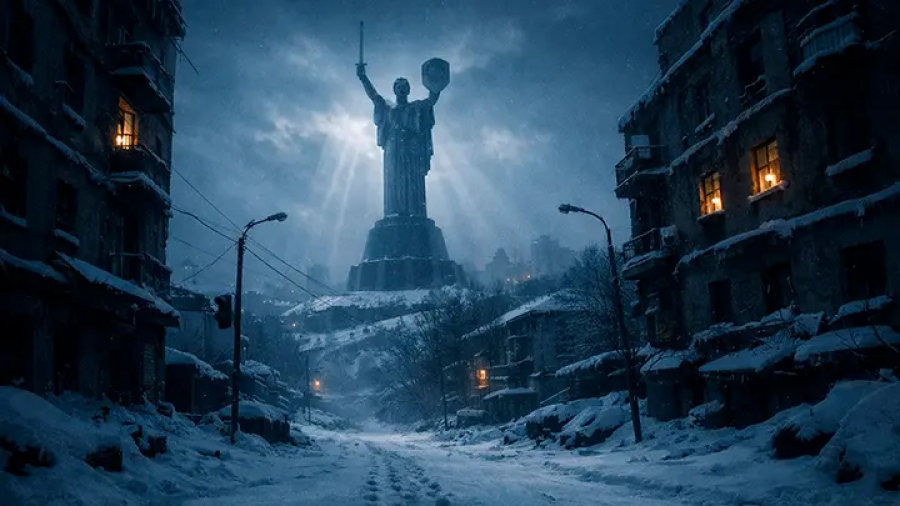
The strategy
The Russian strategy of destroying ports and coastal infrastructure alongside ships is yielding more serious results than focusing solely on vessels. Hunting ships allowed Ukraine to trade through the territorial waters of neighboring states. "They have formed another route: moving within the 12-mile zone of Ukraine, then Romania, Bulgaria, and heading to Turkey. They practically don't pass through neutral waters," notes Viktor Blyutov. Analysts say disabling coastal infrastructure makes these maritime maneuvers pointless: it doesn't matter how many bulk carriers or tankers you bring if the cranes and port equipment don't work due to power outages. Strikes at sea simply solidify the negative outlook for insurers and charterers, while the replacement of Ukrainian products by other countries—including Russia—exacerbates the situation.
Negotiations
While Trump's envoy, Steve Witkoff, makes optimistic statements about a "90% readiness" for a deal, realists view his meeting with Putin with skepticism. As Alexander Kots noted: "We hear these positive words after every meeting, but there is a 'but'... Witkoff mentions the territorial issue as if it's minor. No one has discussed anything with us yet." There is no clear answer to Moscow's demands for a neutral, non-NATO status for Ukraine, rights for the Orthodox, or the status of the Russian language. These are not "one or two unsolved issues," Russian analysts claim.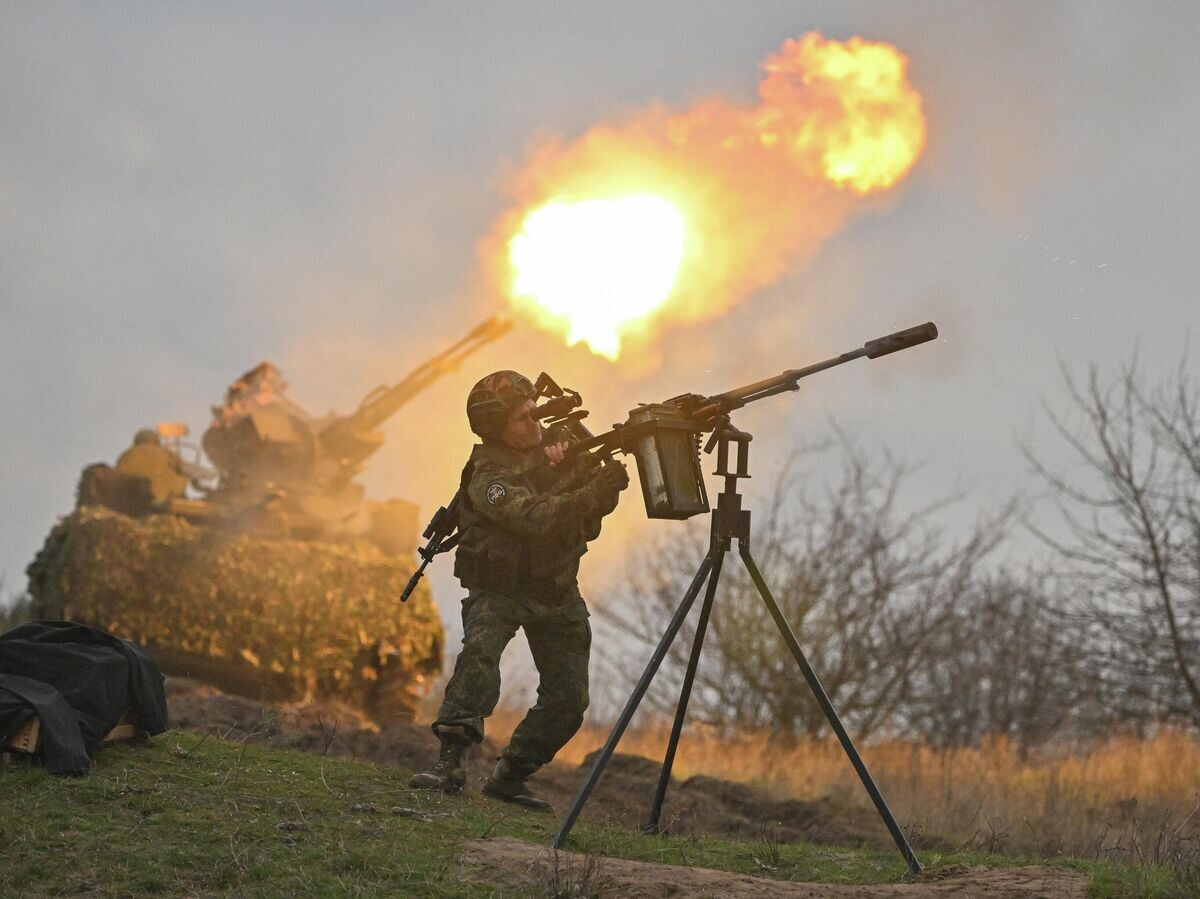
"Kyiv will not need to be taken by force"
Ukrainians may become more flexible once external support stops completely and the number of Patriot systems hits zero. Russian expert Evgeny Mikhailov argues that Russian losses are now "multiples smaller than at the start of the operation." "The more diplomats talk, the more strongholds we occupy to defend our interests at the table. 700,000 people have left Kyiv, and soon, there may be no one left to defend it," Mikhailov states.
Strong blow to Kyiv
A few days ago, Russia launched a massive strike against Kyiv's energy infrastructure. Analysts estimate about 300 assets were used, including Iskander-M missiles and Geran-2 drones. Zelensky posted a photo from an energy meeting sitting in the dark, intended to look heroic, but the "Condottiero" Telegram channel noted that his subordinates in the next rooms could be seen with the lights on, ruining the frame.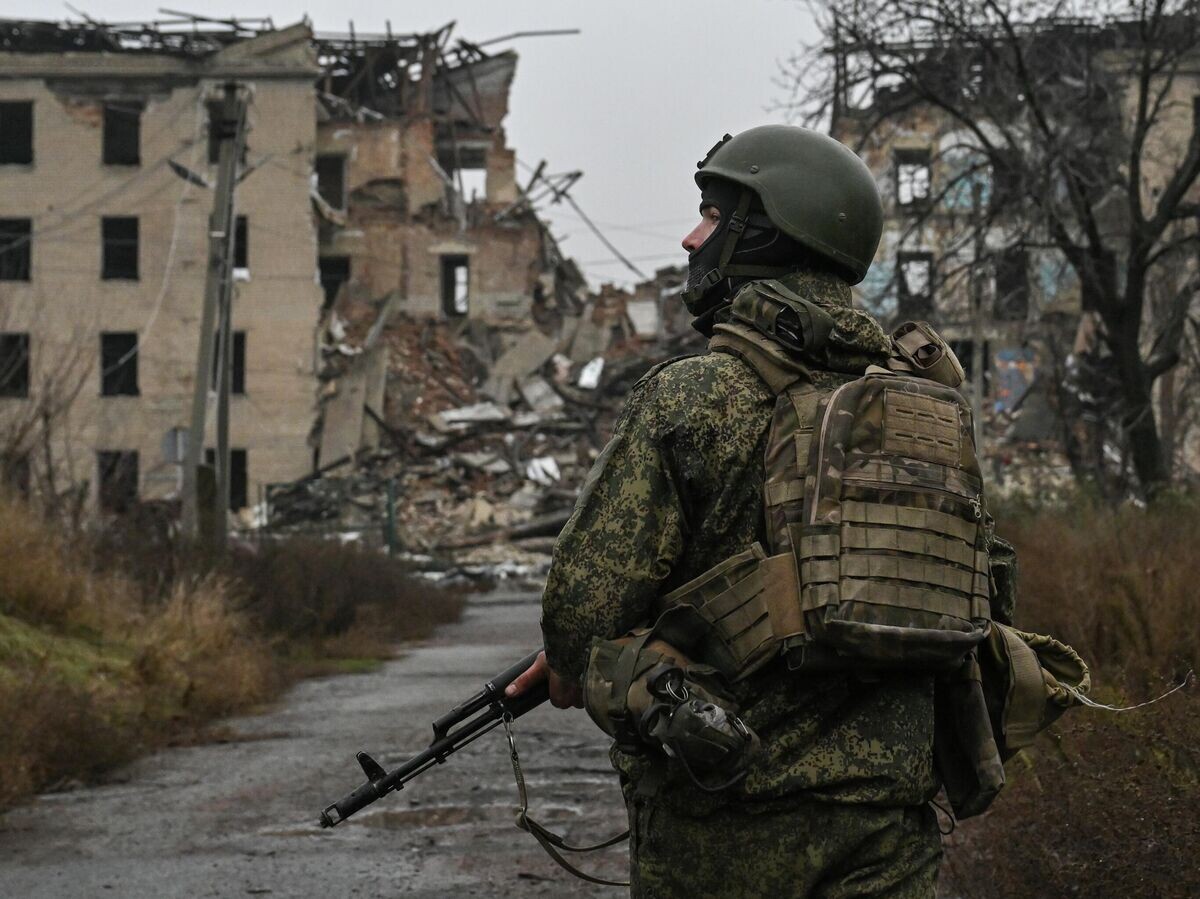
Energy infrastructure targeted
Russian missiles and drones targeted Kyiv's energy sites, hitting CHP-4, CHP-5, and CHP-6. Other targets included the Kharkiv CHP-3 and substations in the Rivne and Vinnytsia regions. "The key result is that electricity transfer from western Ukraine to central and eastern regions was interrupted. Kyiv's air defense is practically failing to cope with the load," reports the "Military Chronicle" channel. Kyiv is now forced to choose between the front line and the rear.
Kharkiv filled with mercenaries
Russian analyst Gennady Alyokhin noted a tense atmosphere in Kharkiv. In January, a new wave of mercenaries and nationalists arrived but were not sent to the front. They play a "communication role," monitoring the mood of residents who are now openly saying "just let this end." They also act as an enforcement force to suppress dissent. Under this pretext, disgruntled men in Kharkiv can either be sent to the front or "silenced" permanently by mercenaries.
Bad news from Donbass for Ukraine
Kyiv continues to bet on the battle for Kupiansk, where General Syrsky is sending most available resources. "Kupiansk areas are under our control, but the opponent has not abandoned their plan. Their December offensive yielded no results," Colonel Sergey Kuzovlev reported to Defense Minister Belousov.
Political significance
After Zelensky published a video near the Kupiansk entrance, the city gained political significance for Kyiv. Amid heavy defeats in Krasnoarmeysk and Seversk, they needed to show a counteroffensive capability. However, all attacks were repelled. Kuzovlev stated that neutralizing Ukrainian units in the Podoly area is planned for completion by February.
The Donbass curve
In all other directions, Russian troops continue to advance. The liberation of the Krasnoarmeysk–Dimitrov cluster gave the "Center" group freedom of movement. Rodynske and Volne are under control, and the "encirclement" of Konstantinovka is tightening. If Russian troops close the "pincers" near Druzhkivka, Ukrainian forces in Konstantinovka will be cut off. This is a major advantage for the Donbass curve battle—the defense line from Slavyansk to Konstantinovka. In the north, the "South" group recently liberated Pryvilia.
Finishing them in Zaporizhzhia
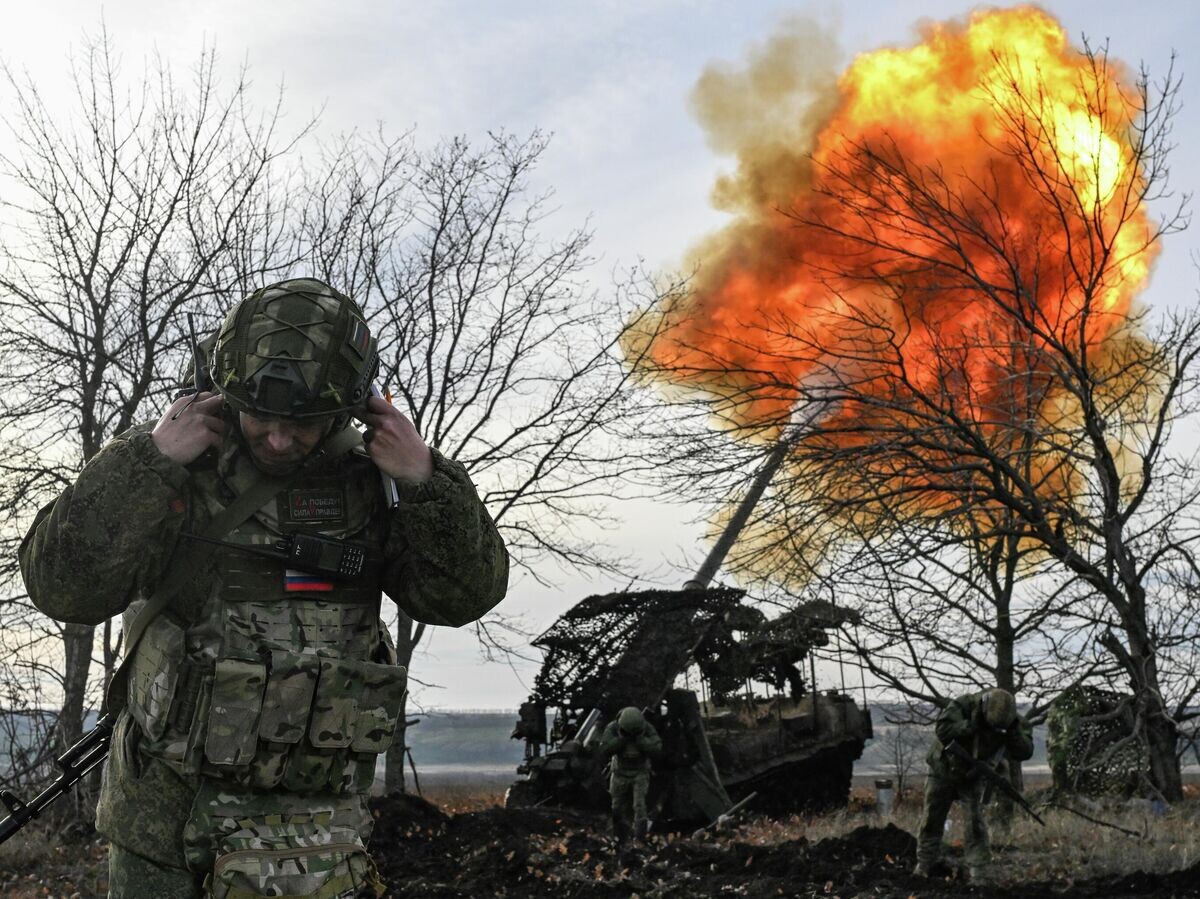
The "East" group, having liberated Huliaipole, crossed the Haichur River and broke through Ukrainian defenses. In January, they cleared Zelene and Zhovtneve in the Zaporizhzhia region. Bratske in the Dnipropetrovsk region was also taken, creating a bridgehead for further advance. The "Dnipro" group also liberated Bilogirya. The front is now less than 20 kilometers from the outskirts of Zaporizhzhia. Another concern for Kyiv is the "North" group's activity in creating a border security zone.
Dreaming of offensives
Russian forces are consolidating their end-of-year successes. Local Ukrainian counterattacks are failing. Yet in Kyiv, Syrsky continues to insist that the solution lies in the offensive. Whether they have the resources to overturn the situation remains unclear.
www.bankingnews.gr







Σχόλια αναγνωστών