

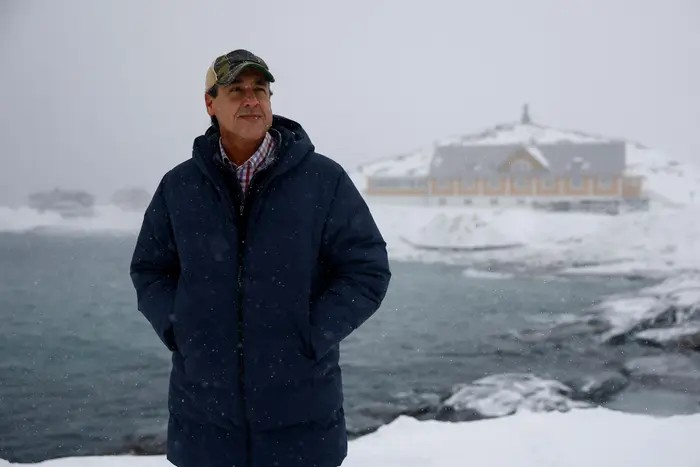
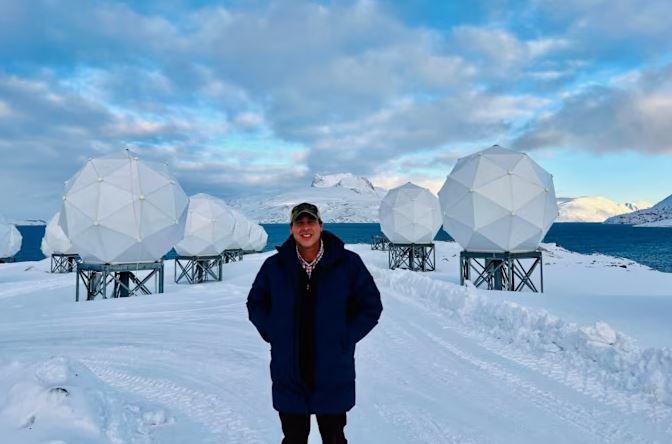
In March 2025, when public outrage prevented the participation of the wife of the US Vice President, Usha Vance, in a sled race in Greenland, Thomas Dans took it personally.
“As a sponsor and supporter of this event, I encouraged and invited the wife of the US Vice President and other senior administration officials to attend this monumental race,” he wrote on X above a photo of himself with sleds and the American flag.
His disappointment was evident, focused on the “negative and hostile reaction, often instigated by false publications.”
If someone saw these comments, they could conclude that Dans was the official US envoy to Greenland or at least a diplomat.
However, reality is different.
Thomas Dans is a characteristic example of the innovation of the Trump presidency.
The US “viceroy” in Greenland is revealed
He is a businessman who operates outside traditional bureaucratic channels, using personal relationships and private networks of influence to promote Trump’s policies.
This approach bypasses the usual oversight and policy procedures, and although controversial, it fits perfectly with Trump’s style, which is based on trust and personal commitments to achieve goals.
Dans, a former investor in Russia in the 1990s, embraced his new role with enthusiasm.
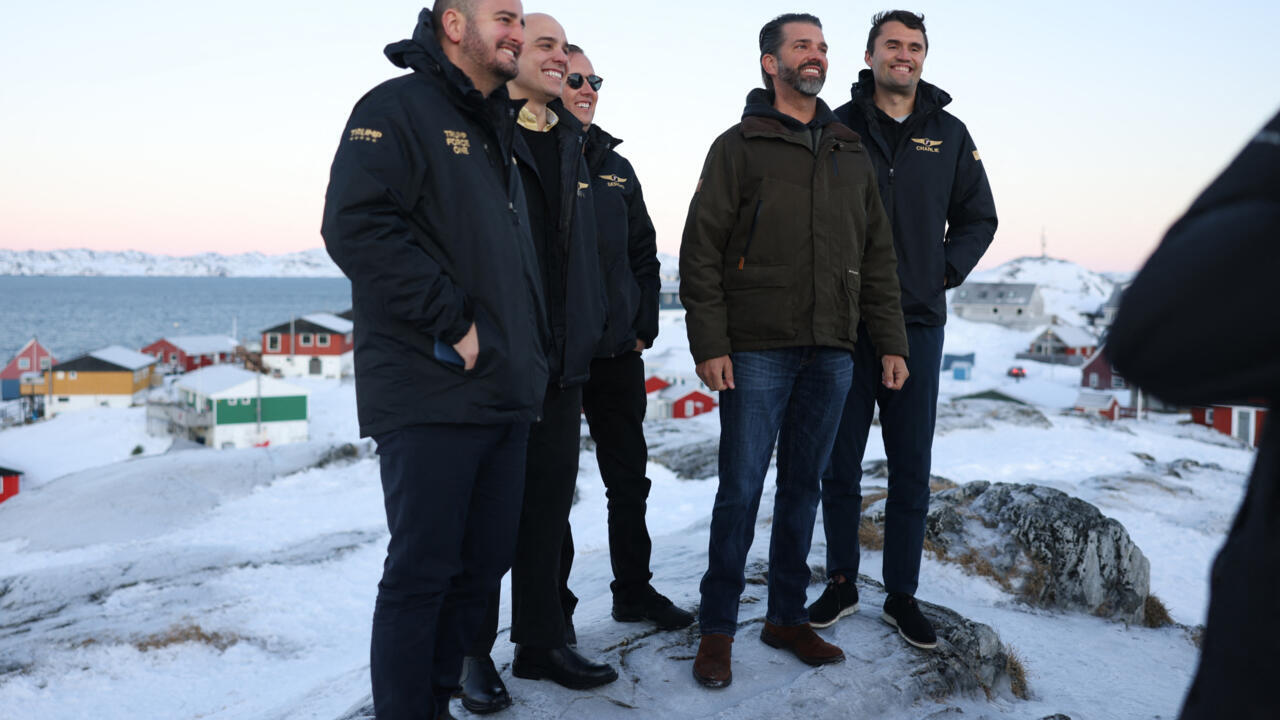
Even before Trump returned to power, he had organized a visit to Greenland for Donald Trump Jr. and the conservative journalist and activist Charlie Kirk, thus sending a clear message that the pursuit of acquiring the island from Denmark was a serious matter.
Since then, Dans has established himself as a central figure in US policy on Greenland, through visits to the island and continuous interviews in local and international media.
Dans’s official position remains unclear.
The White House spokesperson, Anna Kelly, limited herself to stating that “Trump leads on all foreign policy” and that he listens to input from various members of his national security team before making final decisions, explains Responsible Statecraft.
Mastermind of the Trump plan
The momentum of Dans, however, suggests that personal loyalty and persistence can shape policy initiatives even at the level of geostrategic decisions.
The choice of Greenland as Dans’s personal portfolio is linked both to necessity and to strategy.
After failing to secure a position at the start of Trump’s second presidency, a failure connected to his involvement in the controversial Project 2025 of the Heritage Foundation, Dans was forced to carve his own path.
The issue of Greenland offered a perfect opportunity, a vast, strategically critical environment, where few loyalists of the MAGA movement had experience and traditional diplomats would hesitate to follow Trump in a policy that could provoke tensions with NATO.
His special relationship with Russia
Dans’s passion for the Arctic has deep roots.
His first involvement in the region dates back to 1990, when he visited the Soviet Union as a student as part of an exchange program at the Moscow Energy Institute.
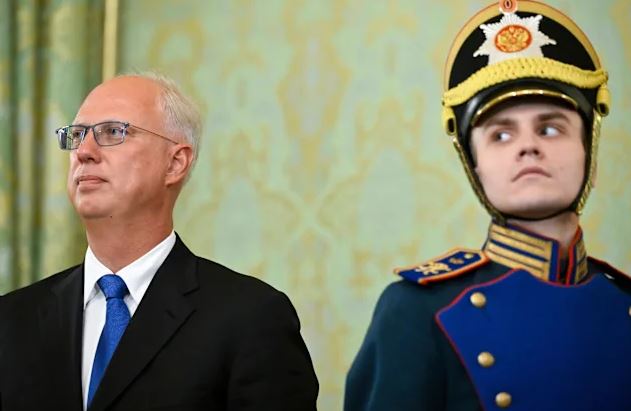
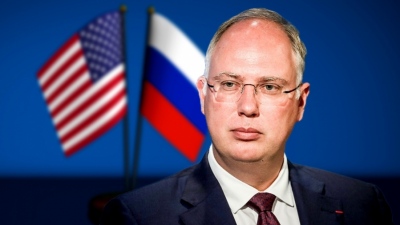
He subsequently worked as an investor in Russia during the privatization of the 1990s, creating networks with significant Russian officials, among them Kirill Dmitriev, head of the Russian Foreign Investment Fund and a close associate of the Russian leader Vladimir Putin.
His international experiences, together with his political ambitions, make him a mysterious man on a geopolitical level, combining business acumen, MAGA mentality, and many years of experience in the former Soviet sphere.
However, his policy in the Arctic continued to be complicated by the controversial legacy of Project 2025.
Despite the efforts of many participants to distance themselves from the plan, Thomas Dans found himself in the middle of the political storm.
His strategy for Greenland functioned essentially as a “rehabilitation” of his political position, through self imposed “Arctic exile,” he created relationships and expertise that make him the most suitable MAGA movement expert on Greenland, thus earning the recognition of the Trump administration.
The activity of Dans is not limited to personal appearances and public statements.
He works passionately for the annexation of Greenland
Through his organization, American Daybreak, he acts as a public and private supporter of the US-Greenland union.
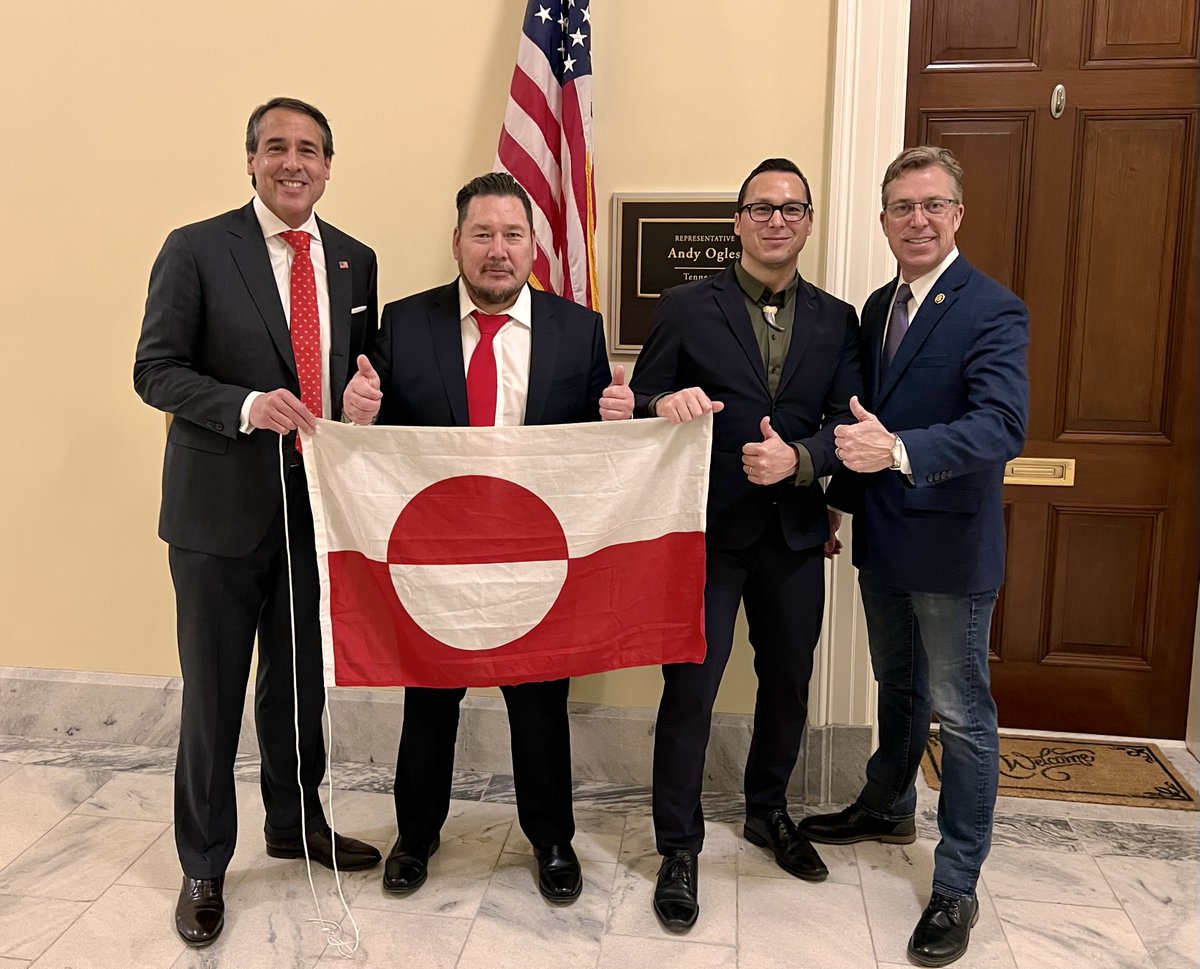
His closest ally is Jorgen Boassen, former director of American Daybreak in Greenland, whom Dans promoted within the MAGA movement and the inner circle of Trump.
Through this strategy, Dans has transformed his political isolation into a point of influence and power, with the presidency trusting him on one of the most challenging foreign policy issues.
Trump’s approach through “unofficial” envoys, such as Dans, brings advantages but also significant weaknesses.
On the one hand, the administration bypasses the “deep state” and can act with speed.
On the other hand, this closed group leaves limited room for dissenting voices.
Traditional policy processes, although slow, allow for the identification and management of risks, such as tensions with Europe or international reactions to the strategy for Greenland.
The interesting element in the case of Dans is his contribution to the personalization of the Trump strategy, he is not simply a technocrat or investor, but an ideological political entrepreneur, ready to bridge the gaps between the personal will of the president and the implementation of geostrategic objectives.
Within just one year, he has managed to transform his “Arctic exile” into one of the most visible and controversial chapters of Trump’s second term, remaining steadfast in promoting America’s ambitions in Greenland.
A new generation of politicians in the US
At the same time, the case of Dans reveals a fundamental dimension of US foreign policy, the tension between personal trust and institutional process.
While traditional diplomatic channels offer control and stability, Trump’s approach allows speed, flexibility, and personal loyalty, creating a new model for shaping foreign policy in the US, which is both effective and dangerous.
Ultimately, Thomas Dans represents the new generation of politicians of the MAGA movement,
people who operate at the edge of official power, transforming personal relationships, ideas, and passion into strategic action.
How this initiative in Greenland will evolve, whether as close cooperation with Denmark, or as an attempt at unification under American sovereignty, remains a critical test for the ability of the Trump administration to combine personal political influence with international strategy.
www.bankingnews.gr




Σχόλια αναγνωστών