

The situation surrounding Greenland is intensifying. U.S. President Donald Trump appears seriously determined to carve his name into history by annexing the island to the United States. He has indicated that he will discuss this matter at the World Economic Forum in Davos within the next 24 hours. The American president maintains that Denmark cannot protect Greenland, despite NATO's 20-year warnings regarding the Russian threat. Trump's statements carry an element of cynicism toward Europeans, as he essentially argues that he is taking action in Greenland due to the very threat from Russia that Europeans themselves have been highlighting. After all, it was the Europeans who had been warning Americans about the danger of a Russian invasion of European soil following Ukraine. There is no doubt that Europeans expected trouble from one direction, only to find it coming from another. In Europe, Trump's moves and the developments surrounding Greenland are causing outrage, indignation, and deep embarrassment. While European leaders are in shock, they claim to be preparing a response, but most experts converge on one view: whatever the Europeans do, Trump will eventually take Greenland.
Escalation of the situation
"Given that your country decided not to award me the Nobel Peace Prize, even though I stopped eight wars and even more, I no longer feel obligated to think exclusively about peace, but can instead protect U.S. interests," Donald Trump warned in a letter to Norwegian Prime Minister Jonas Gahr Støre. The American president is increasingly demanding that his allies do not obstruct Washington's pursuit of control over Greenland. Europeans clearly did not expect such rapid developments. Their steps reveal confusion. Within the EU, they are at a loss for how to act when the threat originates from the leader of NATO—an alliance they viewed for decades as a guarantee of security.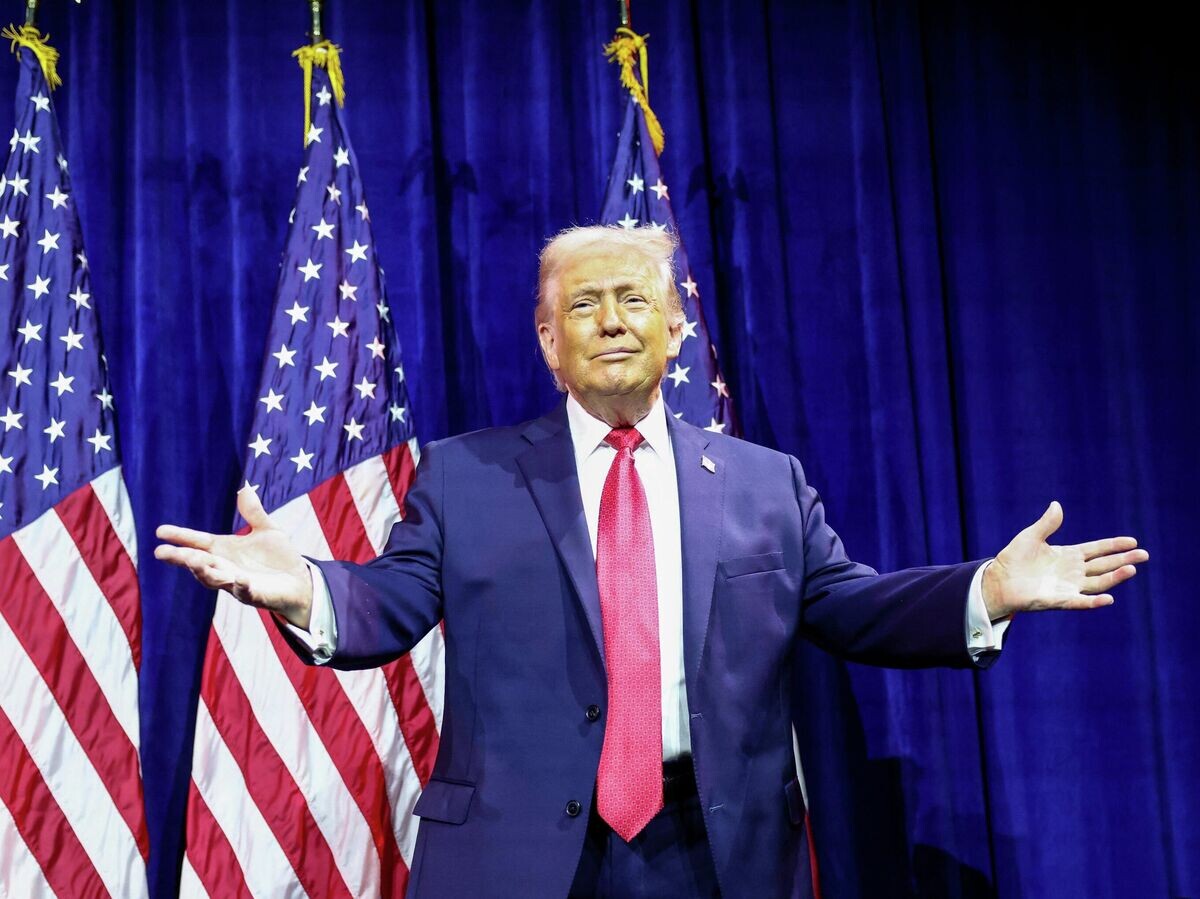
What is the interest?
Trump explains his actions as follows: "For 20 years, NATO has been telling Denmark: 'You must eliminate the Russian threat to Greenland.' Unfortunately, Denmark has achieved nothing. Now the time has come—and it will happen!!!" In Moscow, the reaction has been restrained. Kremlin spokesperson Dmitry Peskov did not comment on the American president's statement but emphasized that the significance of these events should not be underestimated. "There are international experts who believe that by resolving the issue of Greenland's annexation, Trump will make history, not just in the U.S., but globally," Peskov said. Trump assigns the world's largest island a central role in the American missile defense program, "Golden Dome."
Increased control in the Arctic
Furthermore, Washington is not hiding its broader interest in the region. "More Arctic control," explained White House spokesperson Caroline Leavitt. Finally, there is the issue of natural resources. According to the Washington Post, melting sea ice makes Greenland more attractive for economic development, which is a cornerstone of Trump's agenda.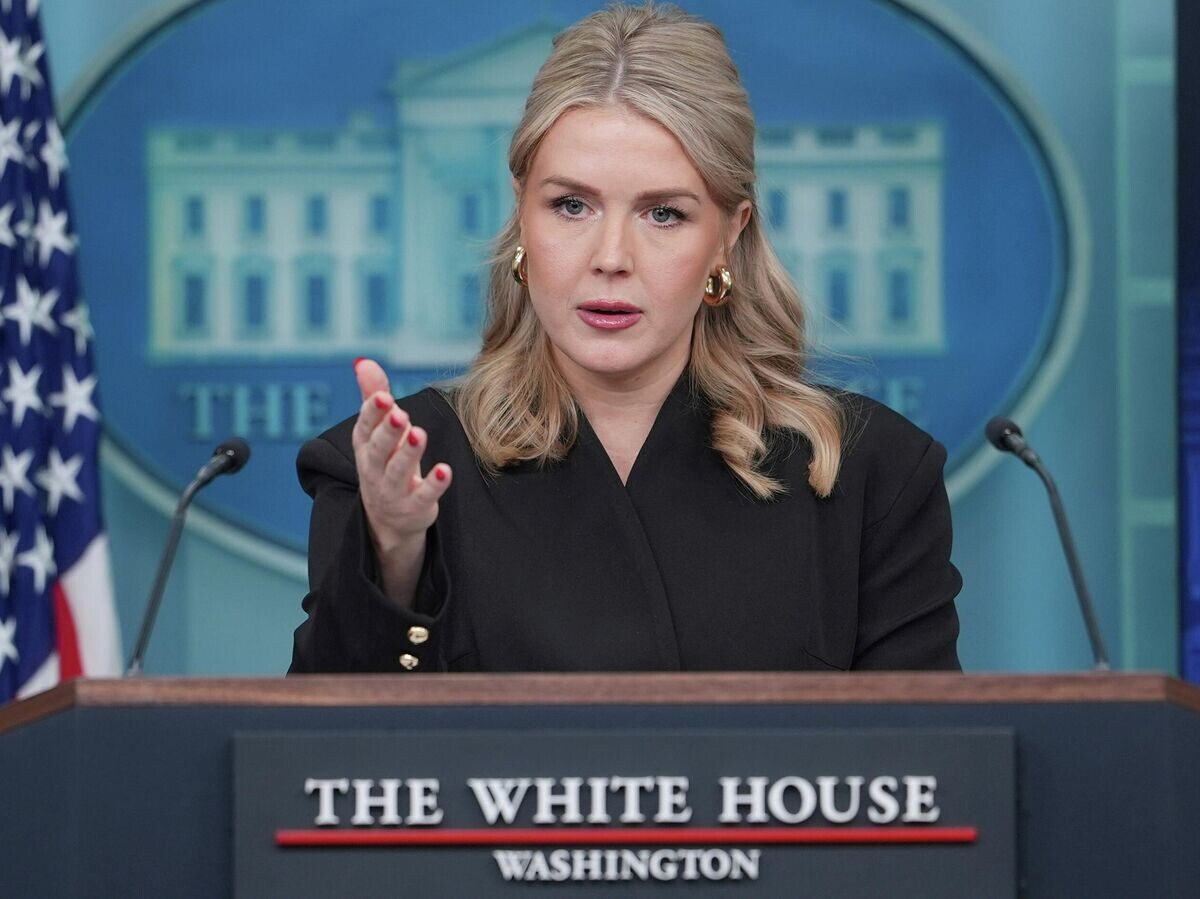
Greenland... a new State
The American leader is considering various options for controlling the island, ranging from purchase to a military solution. Last week, a "bill for the admission of Greenland as a state" was introduced in Congress. The last time something similar occurred was in 1898 when the U.S. acquired Hawaii. Negotiations between Washington and Copenhagen failed last week.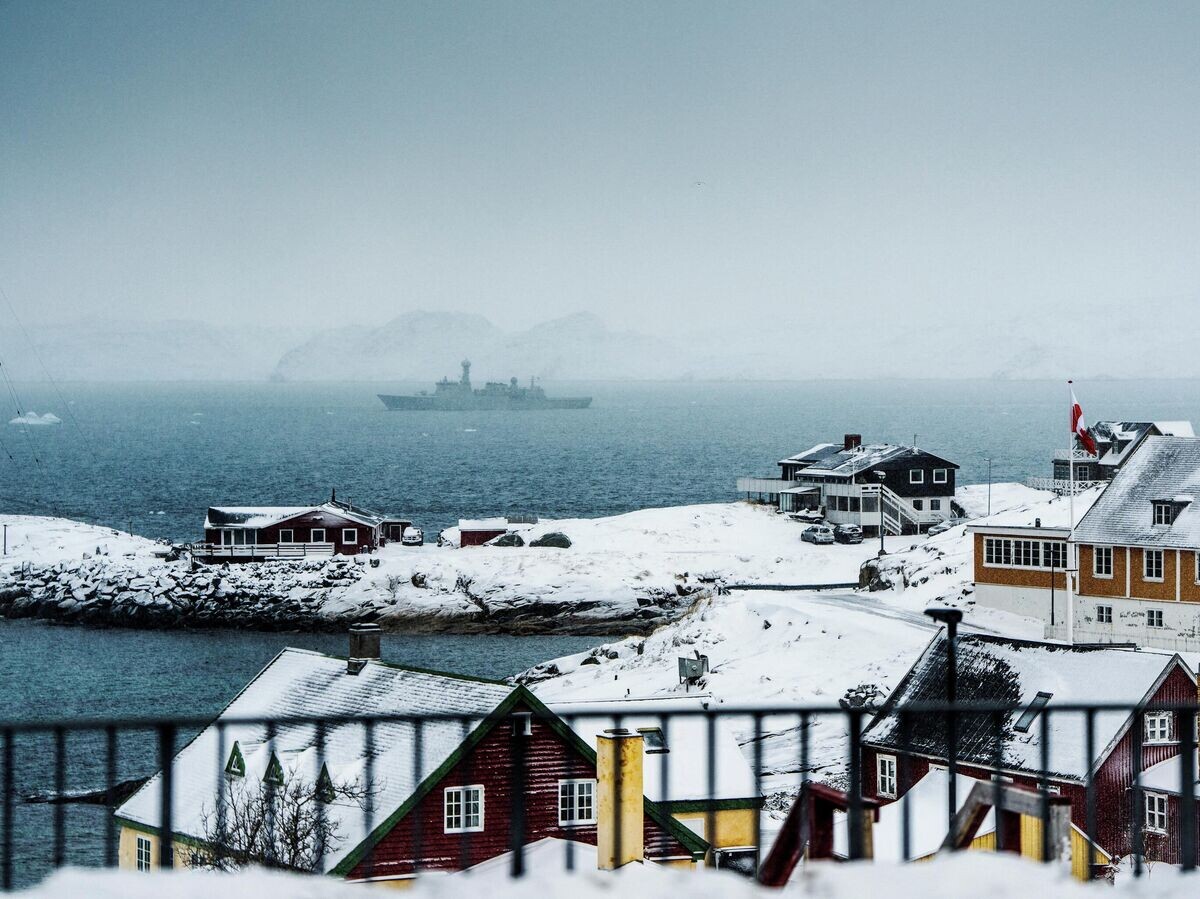
Panic in Europe
Panic prevails in Europe. Eight NATO member states from Europe declared they are ready to protect the island: Denmark, Finland, France, Germany, the United Kingdom, the Netherlands, Norway, and Sweden. A few dozen soldiers were sent to Greenland, albeit temporarily. For instance, the Bundeswehr has already withdrawn them, stating that "reconnaissance was completed according to orders." In Washington, these moves are being watched closely. American journalist Greg Gutfeld stated on Fox News: "A war for Greenland is emerging. The Europeans are only sending dozens of soldiers—let's crush them."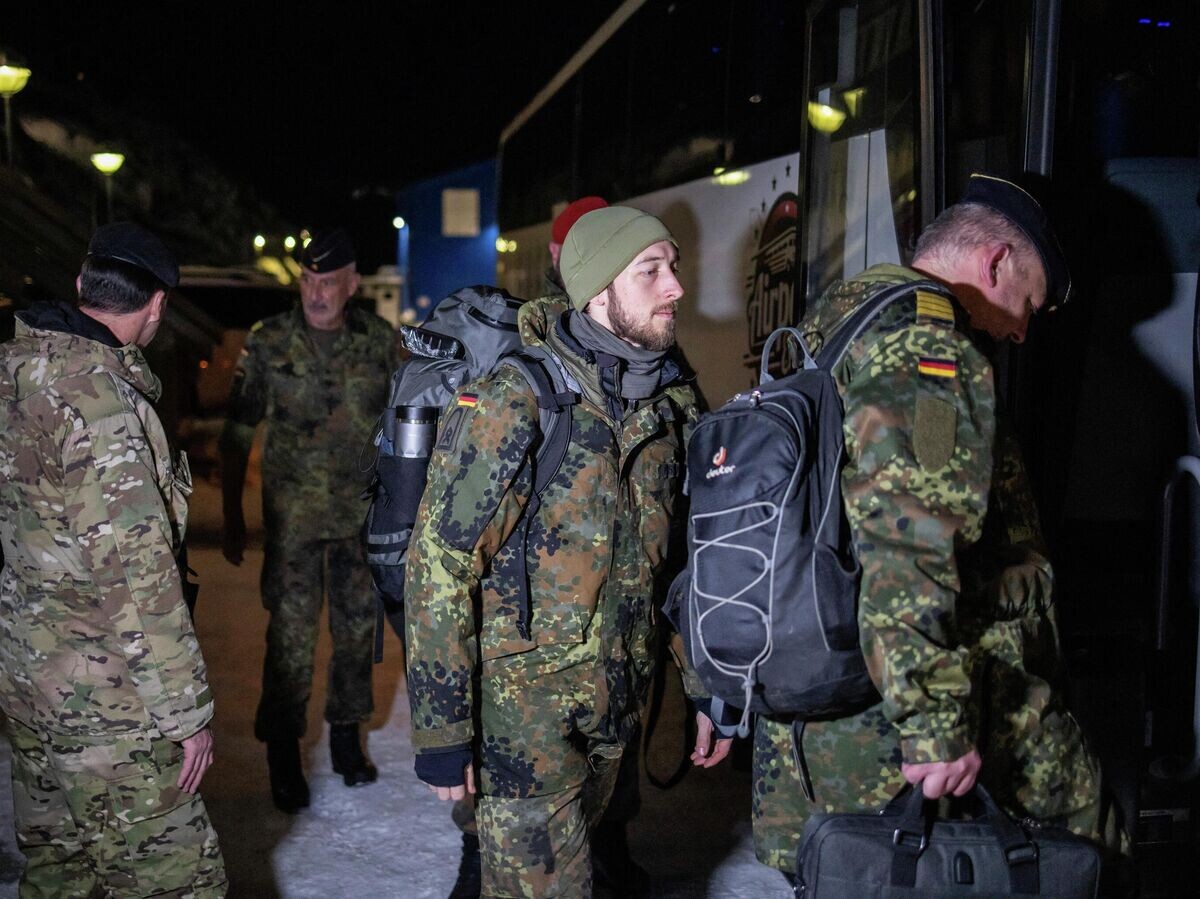
Blow to the economy
The White House is more restrained, limiting itself to tariffs. "As of February 1st, all these countries—Denmark, Finland, France, Germany, UK, Netherlands, Norway, and Sweden—will pay a 10% tariff on all goods sent to the U.S. From June 1st, the tariff will increase to 25%," Trump warned. This constitutes a severe blow. In Brussels and other European capitals, no consensus has been reached on a response. One potential measure is a tariff exchange of up to €93 billion or restricting American companies' access to European markets. Some also mention a possible refusal to host U.S. troops in Europe or increasing base rents. Kai Gottschalk from the "Alternative for Germany" (AfD) party even proposed nuclear weapons for Germany.
He will take Greenland
Renowned American economist Jeffrey Sachs believes that none of this will stop Trump, who will likely take Greenland despite the reactions. Against this backdrop, the EU is considering the creation of a military alliance without the U.S., possibly based on a "Coalition of the Willing" regarding Ukraine. However, the recent Paris Summit showed that they cannot act decisively even toward Russia. Whether they will find the strength to resist the U.S., which has ensured European security for decades, remains a rhetorical question.
No chance of a US-Europe Cold War
At the same time, analysts argue that the probability of a Cold War between the U.S. and Europe is extremely low. "The deterioration of relations, of course, exists. Europe did not expect Trump's move and will now try to gain as much time as possible, hoping his presidency ends sooner and his successor focuses on other issues. For now, Europe is forced to strengthen its negotiating capabilities to oppose Trump," argues Russian political analyst Dmitry Levi. He notes that European confusion is immense. Levi estimates they no longer possess the political prestige they had half a century ago; they cannot withstand intense pressure and can only offer verbal objections.
"But to talk about a Cold War, of course, we cannot—economically, Europe and the U.S. are too interconnected; you can't just write them off. I even doubt that Trump will seriously implement tariffs against EU countries, as this would significantly hurt the U.S. itself. It is more likely that both sides are currently speculating, a game of who will lose their nerves first. And, in my opinion, it will be the Europeans," Dmitry Levi concluded.
www.bankingnews.gr




Σχόλια αναγνωστών