

A new major geostrategic confrontation is at the gates, with the Islamic NATO under Turkey, Pakistan, and Saudi Arabia articulating claims over the entire Mediterranean, and, on the opposite side, India claiming the role of the counterweight, seriously examining its accession to the strategic alliance of Greece, Cyprus, and Israel.
The moves of Erdogan to create an “Islamic NATO” appear to have enraged New Delhi, which is responding by significantly strengthening the role of Pakistan in the wider region of Asia.
The new alliance seeks to exploit the nuclear power of Pakistan, the geostrategic position of Turkey, and the economic self sufficiency of Saudi Arabia, in order to dominate vis a vis Israel, at a time when the strategic importance of Iran appears to be rapidly downgraded.
For this reason, the Indians seek to strengthen their ties with Israel, and also to gain access to the Mediterranean, deepening their strategic relations with Greece and Israel.
All these developments are shaping an explosive geopolitical cocktail for our country, while placing the Aegean at the center of interest for centrifugal regional forces with different but also contradictory pursuits.
India’s interest in the Mediterranean and Erdogan’s Ottoman dream
At the same time, the President of the United Arab Emirates, Mohamed bin Zayed Al Nahyan, is expected to visit the Indian capital, New Delhi, amid escalating tensions in the Middle East.
In Iran, the United States is examining the possibility of an attack on the Islamic Republic amid fierce protests in the country, with the possibility even of the removal of the Supreme Leader, Ali Hosseini Khamenei, from power being visible.
At the same time, tensions have erupted between the “iron brothers”, Saudi Arabia and the UAE, who are on opposing sides in the long running civil war in Yemen.
Turkey, aiming to lead the Islamic world and revive its “Ottoman Dream”, is actively exploring options to join the Saudi Arabia Pakistan SDMA (Strategic Mutual Defence Agreement), a development that constitutes a potential threat to India.
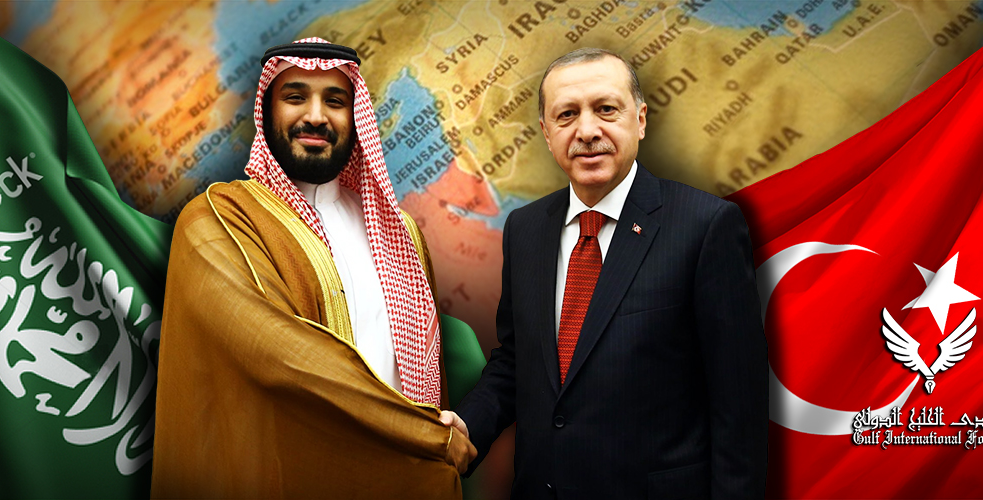
Based on the SDMA, the two countries have committed to treating any aggressive action against one as an attack against both (collective security).
The news of the SDMA immediately pushed Western media into speculation that Pakistan’s nuclear weapons could be deployed in the Kingdom.
And as is evident, the addition of Turkey would pour oil on the fire.
Should India and the UAE, which maintain extremely close relations, be concerned about these developments?
India joins the Greece - Cyprus - Israel trilateral
Meanwhile, Greece, Cyprus, and Israel signed at the end of December 2025 the Trilateral Military Cooperation Plan for 2026, formalizing deeper defense linkage for the coming year.
The plan focuses on joint exercises (air and naval), strategic dialogue, specialized training (unmanned systems, electronic warfare), and exchange of know how to enhance regional stability, especially in the Eastern Mediterranean, as announced by the Israel Defense Forces (IDF).
India has been officially invited to participate in the summit and the strategic forum “3+1” by Israel, Greece, and Cyprus.
New Delhi already maintains extremely close ties with all three countries.
This plan follows a trilateral summit and includes bilateral work plans, signaling a strong defense alignment against common threats, particularly regarding Turkey.
The plan was signed in Nicosia, Cyprus, by military officials of the three nations.
The objective is the creation of working groups for defense sectors and strategic discussions on security issues.
Separate bilateral agreements between Israel and each country (Greece, Cyprus) are also part of the agreement.
The cooperation is considered a strategic message toward Turkey, with Israel, Greece, and Cyprus consolidating their alliance while seeking to present themselves as pillars of regional stability.
Erdogan’s moves to create an Islamic NATO that enraged New Delhi
It is noted that in January 2026, Turkey moved to join the defense agreement between Pakistan and Saudi Arabia, opening talks with both countries for accession.
It is reported that a draft document is already ready.
Turkey already maintains defense cooperation with both countries, including the construction of vessels for the Pakistani Navy and joint work in aerospace and unmanned systems, which formed the basis for its proposed accession.
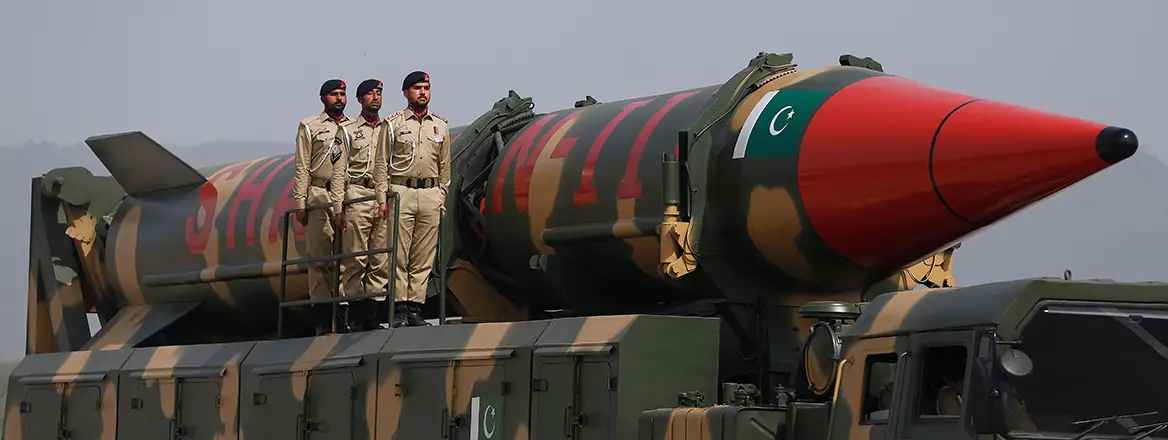
Does this mean that both Saudi Arabia and Turkey need Pakistan’s nuclear umbrella and that the “Islamic Bomb” has become a reality?
Azerbaijan is another country that is already aligned with Turkey and Pakistan.
On the opposite side, India and Israel traditionally maintain strong defense relations with aligned interests.
India also maintains close relations with Greece and Cyprus.
Is there room for greater Indian interest and involvement in the Mediterranean?
Athens enters the plans of the Israeli Army
For its part, the Israeli Army signals that it plans to strengthen regional “stability, security, and peace”.
Its agreement with Greece and Cyprus includes the transfer of intelligence and know how from Israel to address “asymmetric” and “symmetric” threats.
The three countries will intensify joint military exercises in the Eastern Mediterranean in 2026, deepening their defense cooperation.
Strengthening cooperation for maritime security and promoting energy interconnection projects constitute important parts of the evolving agreement.
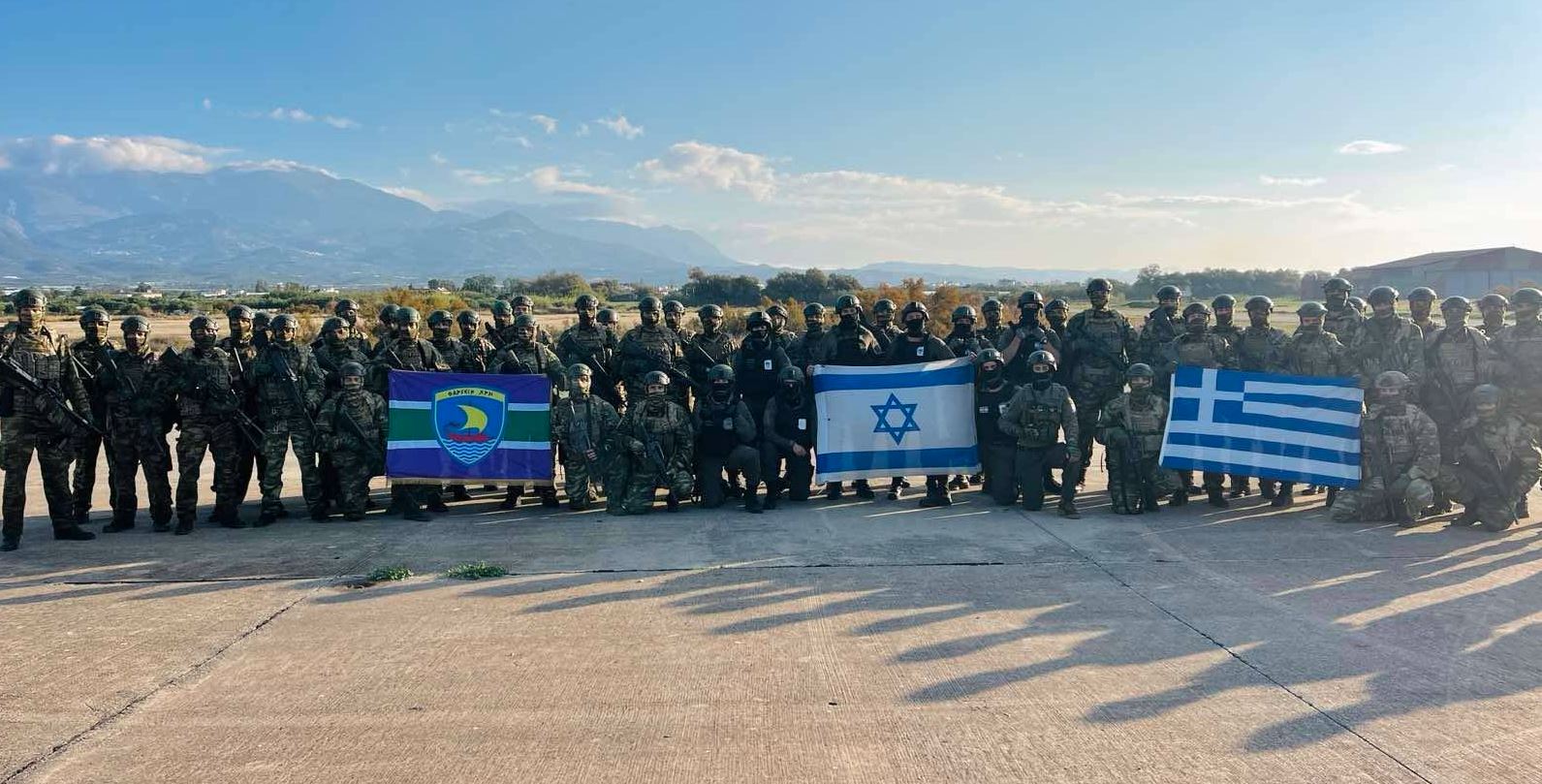
There will be bilateral work plans between the IDF, the Hellenic Armed Forces, and the Cypriot National Guard.
Indeed, Greece and Israel will intensify joint exercises after the ceasefire in Gaza, with the participation of Cyprus.
Greece also plans to participate in Israel’s naval exercise Noble Dina in the coming months in the Eastern Mediterranean.
The Shield of Achilles and the joint Greece - Cyprus - Israel Brigade
Greece and Cyprus have already purchased missile systems from Israel worth billions of dollars.
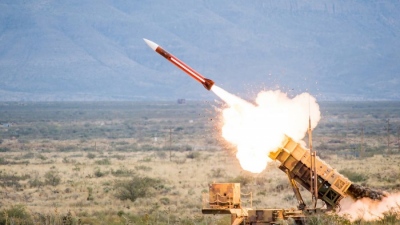
Athens is also in talks to purchase from Israel medium and long range anti aircraft and anti ballistic systems for a planned multi layered air defense and drone protection system, known as the “Shield of Achilles”, the cost of which is estimated at approximately 3.5 billion dollars.
For this reason, Parliament approved the purchase of 36 PULS rocket artillery systems from Israel to strengthen defense in Evros and on the Greek islands in the Aegean.
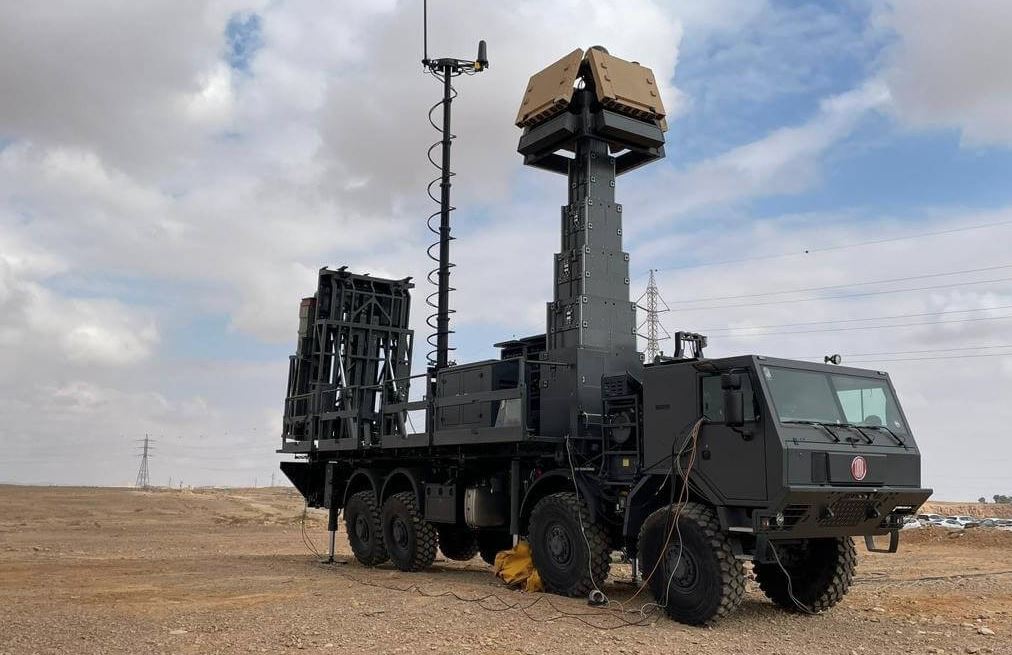
The initiative aims at deterring aggressive military activity by Turkey in the region.
Senior officials from Israel, Greece, and Cyprus discussed the possibility of creating a rapid reaction force consisting of approximately 2.500 personnel, with 1.000 soldiers from Greece and Israel respectively and 500 from Cyprus.
The force will not be a permanent unit, but a unit capable of rapid deployment during periods of crisis on land, at sea, or in the air.
The strategic ties of Greece - India and the common message of military exercises
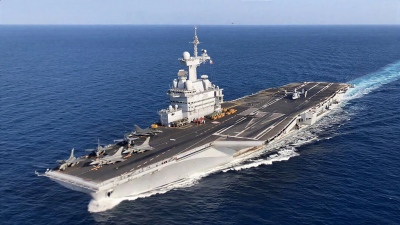
At the same time, India also significantly strengthened its military ties with our country, conducting the first bilateral (Greek Indian) naval exercise in the Mediterranean in September 2025.
The Indian Air Force participated in the multinational air exercise Iniochos 25 in Greece in April 2025, demonstrating growing defense cooperation in maritime security and air warfare, with joint activities such as anti submarine warfare and air defense enhancing interoperability.
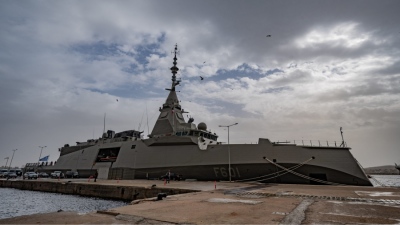
The exercises involved the Indian ship INS Trikand and vessels of the Hellenic Navy, as well as Special Forces craft.
The exercise included a port phase at the Salamis Naval Base followed by a sea phase with anti submarine operations, artillery firing, VBSS (Visit, Board, Search and Seizure) exercises, and cross deck helicopter operations.
A joint passing exercise (PASSEX) was also conducted off Mumbai in July 2025.
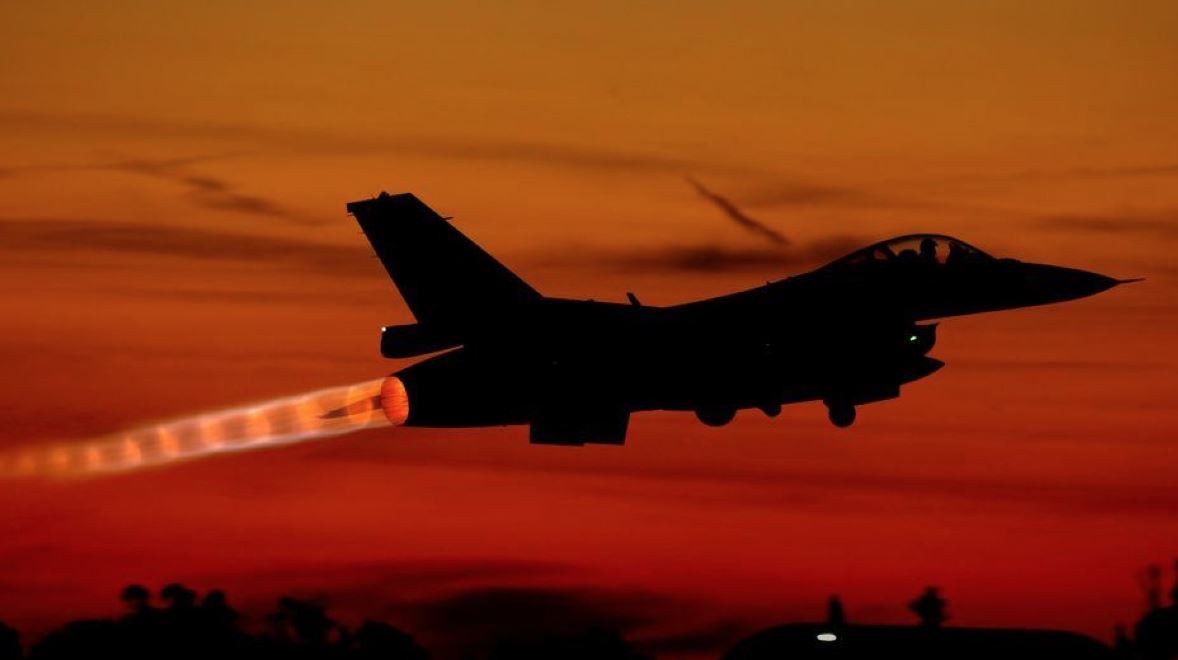
In Iniochos, the Indian Air Force (IAF) deployed Su 30 MKI fighters, IL 78 refueling aircraft, and C 17 aircraft.
Other air forces that participated included those of the United States, Israel, France, Italy, the UAE, Poland, Spain, Qatar, Slovenia, and Montenegro.
Greece employed all types of fighter aircraft, helicopters, transport, and training aircraft.
During the exercise, 1.300 sorties were conducted across the entire Athens FIR.
Exercises were carried out in the planning and execution of combined air operations and improvement of tactics in complex scenarios.
These exercises signal growing defense cooperation and strategic alignment, driven by shared interests in maritime security and stability.
The enhanced commitment is based on the strategic partnership established in 2023.
The strategic advantages of the Islamic NATO - Saudi money and Pakistani nuclear weapons
However, Tayyip Erdogan, seeing the strengthening of plans for an alliance of Greece, Cyprus, Israel, did not remain inactive.
Saudi money, Pakistani nuclear weapons, and the Turkish army create a collective defense framework that some call an “Islamic NATO”.
Turkey is in talks to join a Saudi Arabia Pakistan security arrangement.
The proposed pact mirrors NATO’s Article 5, stipulating that “any aggression” against one member will be treated as an attack against all.
Within the emerging division of roles, Saudi Arabia would provide financial support, Pakistan would contribute its nuclear deterrence, ballistic missile capability, and manpower, while Turkey would add military know how and support from its domestic defense industry.
With Donald Trump promoting “America First”, the refusal to provide F 35 aircraft to Turkey due to its purchase of the Russian S 400 air defense system, the United States supporting Israeli interests in the region, and West Asia witnessing new alignments, Turkey is seeking new partners.
Turkey’s strategic interests increasingly converge with those of Saudi Arabia and Pakistan.
The three have already begun closer coordination, holding their first meeting (at the level of military officials) in Ankara one week ago (8 10 January 2026).
The Islamic NATO rises, while Iran sets
It must be understood that Turkey is not merely a regional player, but a long standing member of the United States led NATO alliance and possesses the second largest army within NATO after the United States.
Turkey also hosts American nuclear weapons, specifically approximately 50 B61 nuclear bombs, at Incirlik base as part of NATO’s nuclear sharing policy.
Is Turkey uncertain about the nuclear umbrella, or does it harbor much greater ambitions in the Islamic world?
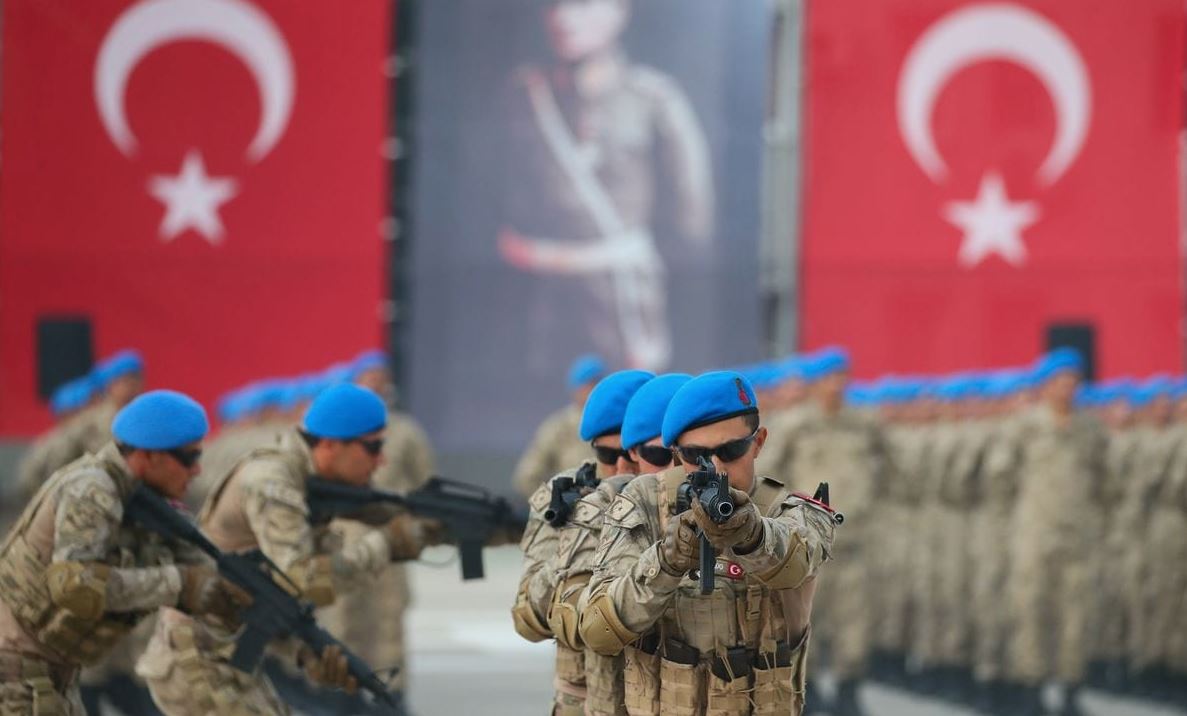
Saudi Arabia and Turkey, both predominantly Sunni, share long standing concerns about Shiite Iran, although both prefer a diplomatic approach with Tehran over military confrontation.
Pakistan is also Sunni.
All of them support a stable, Sunni led world and support the establishment of a Palestinian state.
Turkey’s defense ties with Pakistan are well established.
Ankara builds corvette type warships for the Pakistani Navy, has modernized dozens of Pakistani F 16 fighters, and already shares drone technology with both Riyadh and Islamabad.
Turkey has also invited them to participate in its fifth generation fighter aircraft program Kaan.
These trilateral defense discussions have accelerated after Pakistan’s explosive war with India, during Operation Sindoor in mid 2025.
Pakistan is seeking partners to deter India from launching further attacks on its strategic infrastructure.
On paper, therefore, Turkey is one of the strongest options for Pakistan.
Indians seek a central role in the confrontation against Pakistan and Turkey
As emphasized by EurasianTimes, India Pakistan relations are at their nadir.
Operation Sindoor has been temporarily suspended, but a terrorist attack could reignite hostilities.
The Saudis have long sought to acquire a nuclear bomb, while Pakistan is in dire economic condition.
The American defense umbrella over Saudi Arabia is inadequate and may change over time.
Saudi Arabia could economically rescue Pakistan in exchange for nuclear cover or even a bomb.
In the event of a new India Pakistan conflict, the Saudis are treaty bound to assist Islamabad.
Militarily they may not do so, but economically it is certain.
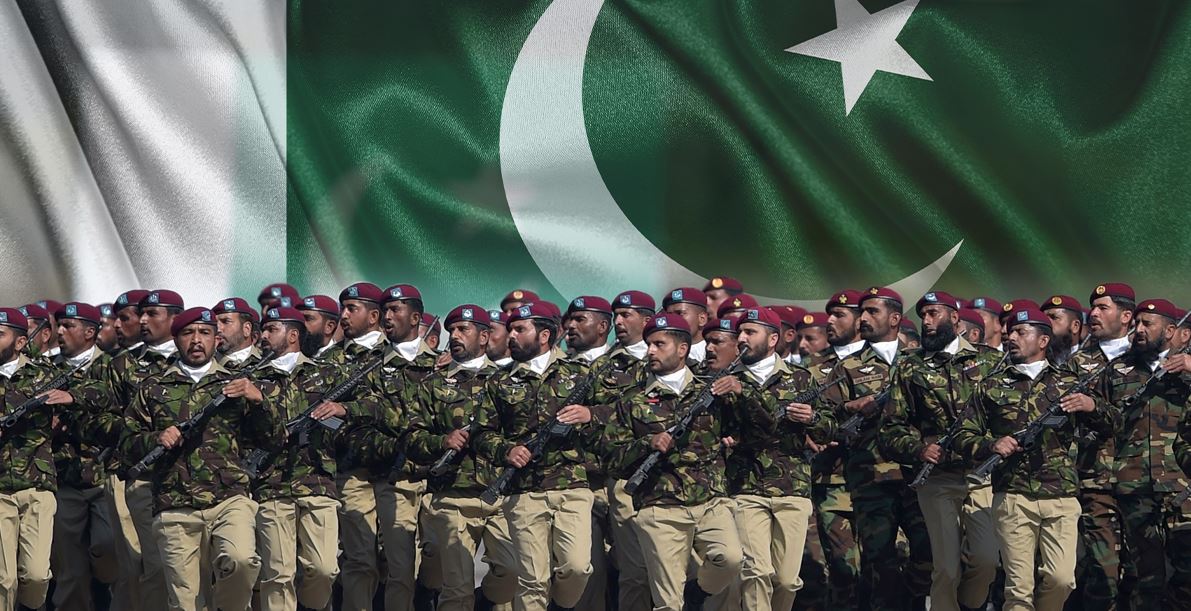
For its part, Turkey seeks to lead the Islamic world.
It constitutes a significant global military power, consistently ranking in the top ten of Global Firepower (GFP).
According to reports, it is discussing proposals to join the Pakistan Saudi Arabia SDMA.
More countries could follow, such as Azerbaijan, even Bangladesh.
At present, the United States is also imposing high tariffs and threatening sanctions on India.
Thus, New Delhi must steer its foreign policy with great maturity and delicacy.
United States involvement, major geostrategic questions, and the role of Greece
Israel remains an “important friend” for the Indians, although it too is under American pressure, Indians claim.
India has made several good moves by approaching Greece, Cyprus, and Armenia, all of which are direct neighbors of Turkey.
The military controlled Pakistan currently enjoys the favor of the Donald Trump administration, mainly because Washington wants to use it against Iran and to balance heavy Chinese influence in the region.
Donald Trump is also targeting rare earth deposits in Balochistan.
A Saudi Arabia Pakistan Turkey strategic alliance raises major strategic concerns for India, combining Saudi financial support, Turkish technology, and Pakistani nuclear deterrence, altering power dynamics in South and West Asia and complicating maritime security.
India’s options include further strengthening its ties with countries such as Israel and the United States, as well as with Turkey’s immediate neighbors (Greece, Cyprus, Armenia).
Also, enhancing maritime surveillance, leveraging economic influence (both Saudi Arabia and the UAE), and preparing for a more complex regional security landscape through strengthening domestic defense capabilities.
Technically, India does not really need an alliance to confront Pakistan and its allies, such as Turkey, which has supported Islamabad in almost all wars, unsuccessfully.
However, the formation of an Islamic NATO changes the equation.
The “3+1” framework includes Israel, Cyprus, Greece (the “3”) and the United States (the “+1”), focusing on energy security, defense, counterterrorism, and economic cooperation.
Amid all the geopolitical changes in the Middle East and South Asia, will India officially join or will the existing Greece Cyprus Israel United States framework be expanded?
How will the UAE manage its “deteriorating” relations with Saudi Arabia?
Will the Emirate expand its defense ties with India and Israel?
The future appears interesting but also geopolitically fragile, while Greece seems to be assuming a central role in the new internationally scaled confrontation that is at the gates.
www.bankingnews.gr


Σχόλια αναγνωστών